I’m so excited to share what I’ve been working on for the past few weeks!
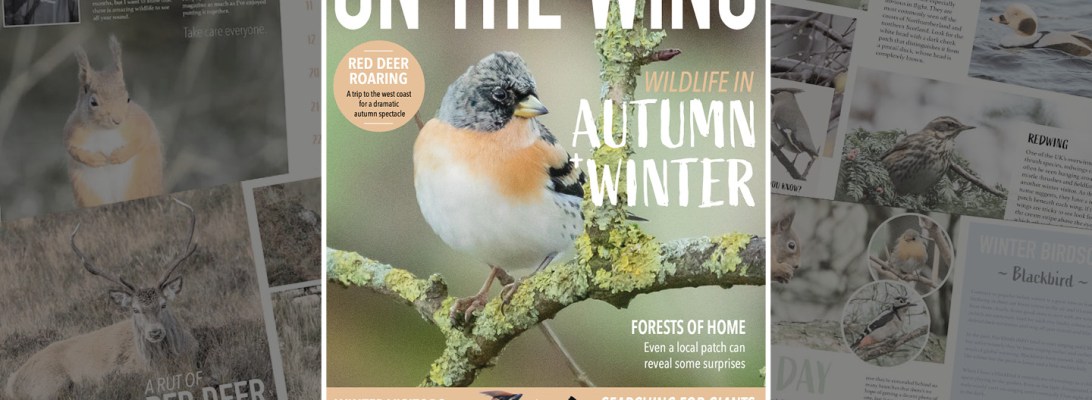
Things are difficult for us all at the moment. Trapped at home with very little to do besides work, I decided to start a passion project and create a mini magazine of my recent writing and photography projects. On The Wing magazine features a range of stories from autumn and winter 2020 including waxwings, orcas, red squirrels and a surprise woodcock.
I love designing magazines and it was so exciting to see all my recent work in one creative showcase. I hope you enjoy reading it as much as I enjoyed creating it. I’d also really appreciate any feedback. Was there something you particularly enjoyed? Maybe there’s something you’d like to see in a future issue! Let me know in the comments.
For the past few weeks I’ve fallen in love with photography even more than I was before. My new camera has now arrived but the adapter I need to attach it to my lens has been out of stock for weeks, so the camera’s still in the box for now!
Luckily for me I’m still borrowing my friend’s camera and I’ve had it slung across my back on every one of my walks. Winter is my favourite season – wildlife is still abundant in the colder months and there are some particularly special overwintering birds to enjoy.
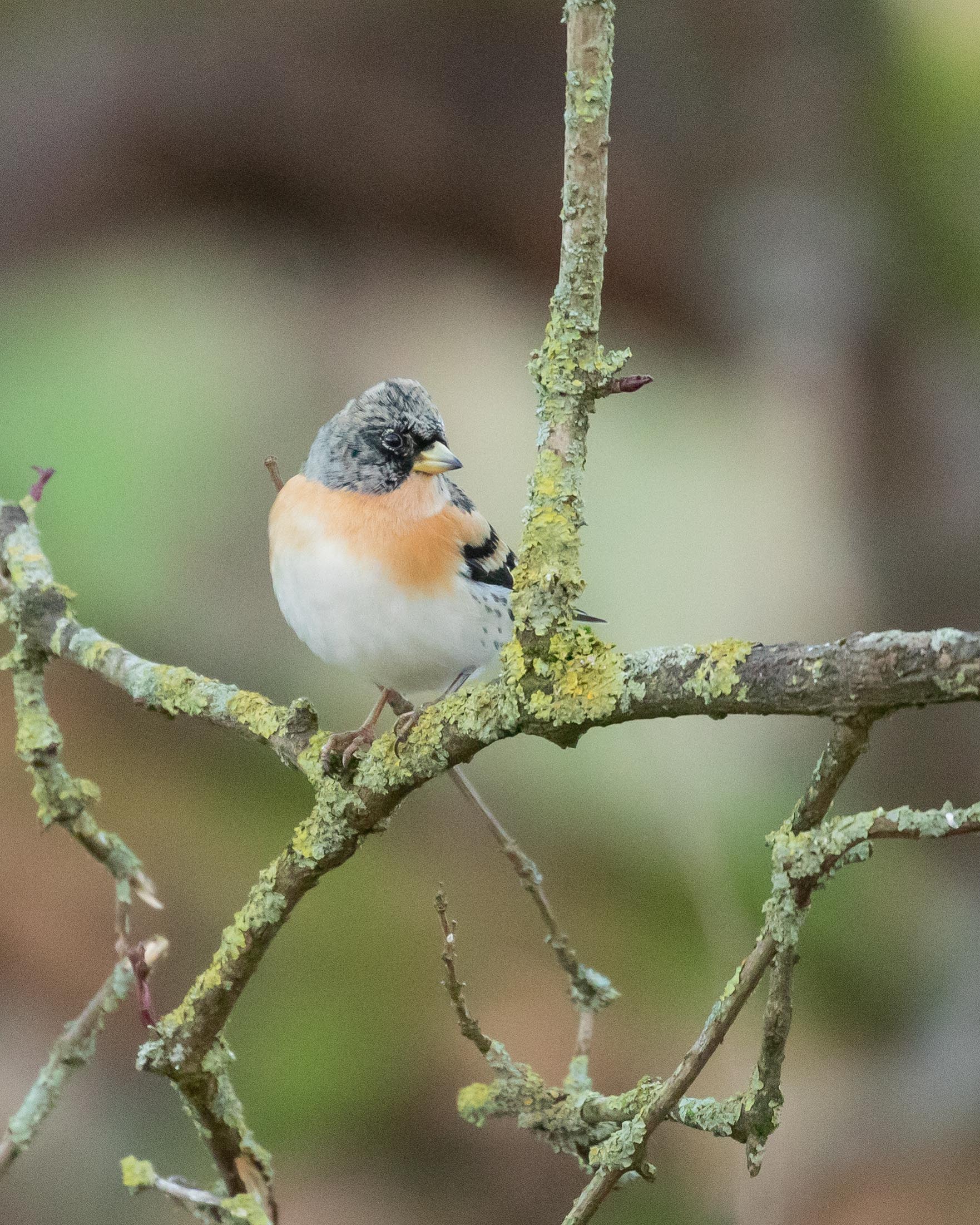
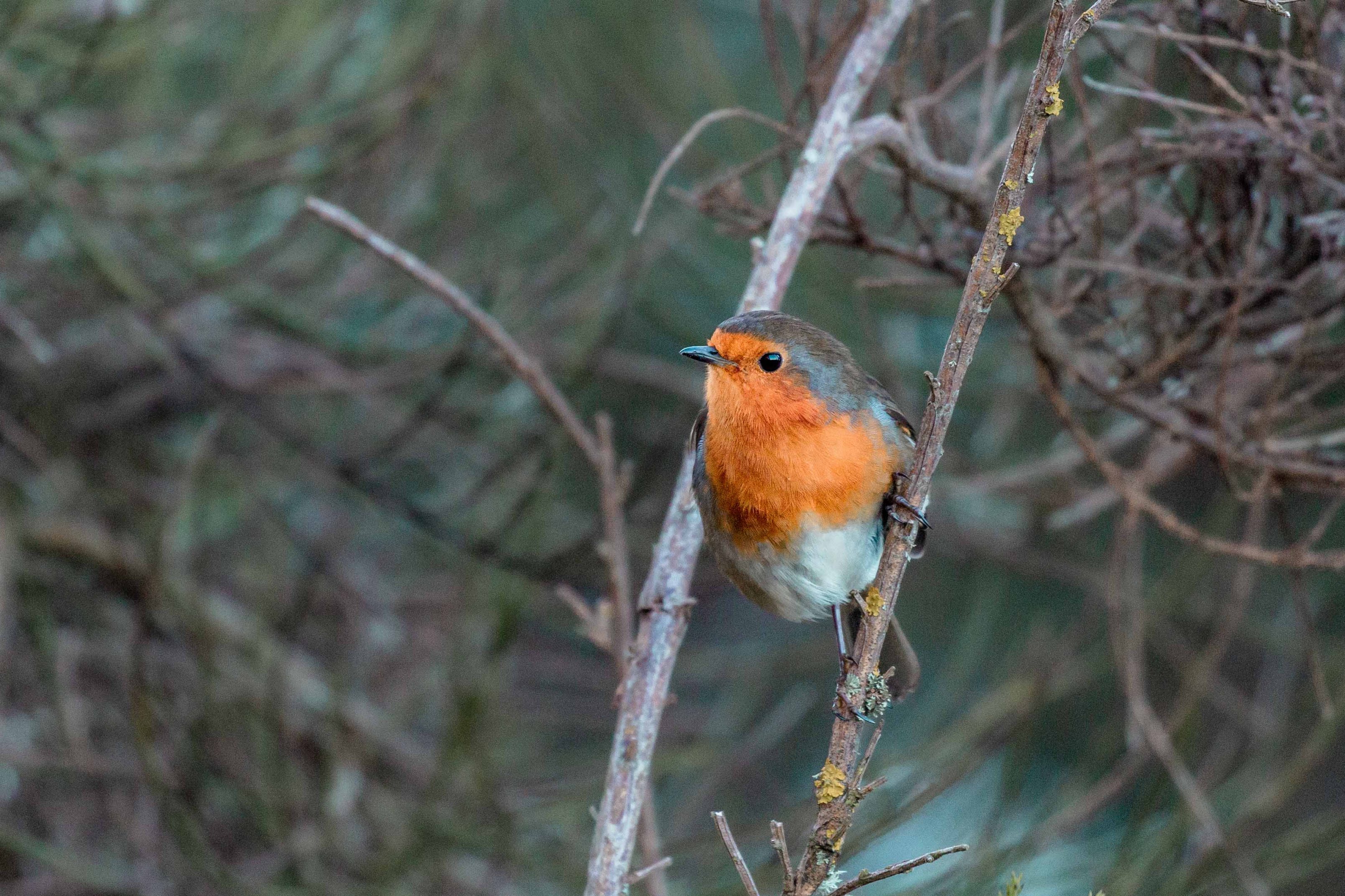
A prime example of a stunning winter bird is the brambling, and I was absolutely thrilled to see one this week! As I scanned a crowd of coal tits, robins and chaffinches my eyes casually brushed past this special winter visitor minding its own business. This resulted in a comedy double take from me. I only had time for a couple of shots before the brambling hopped off the branch. I scanned around but didn’t see it again, although I was more than happy to get even a brief glimpse.
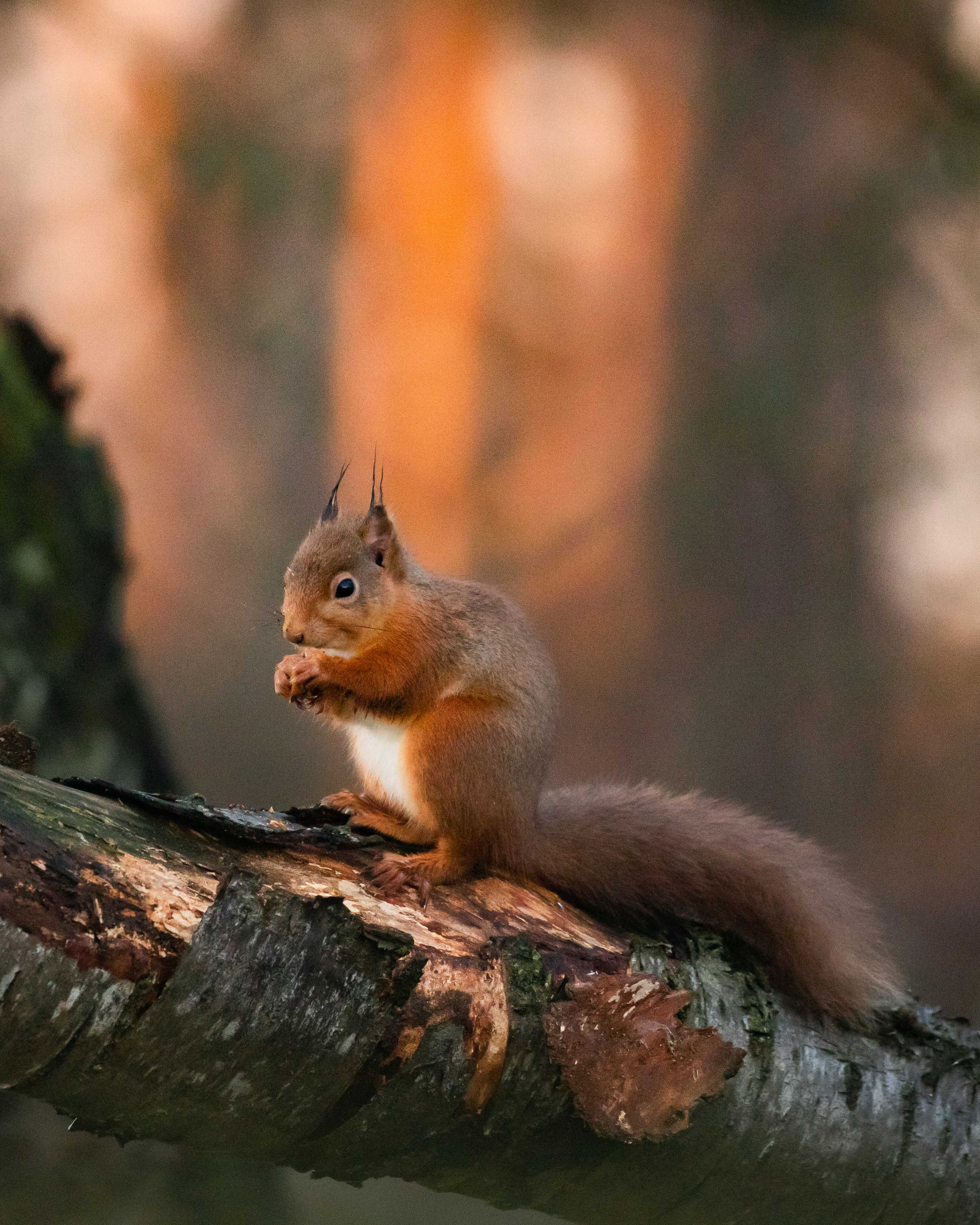
Soon after that the light started to fade and it was nearly time to turn the camera off for the day. I was making my way back to the car when I spotted a last minute red squirrel bounding across the clearing. Luckily despite the gloom of late afternoon there were some lovely sunset colours behind it which complemented its fiery fur.
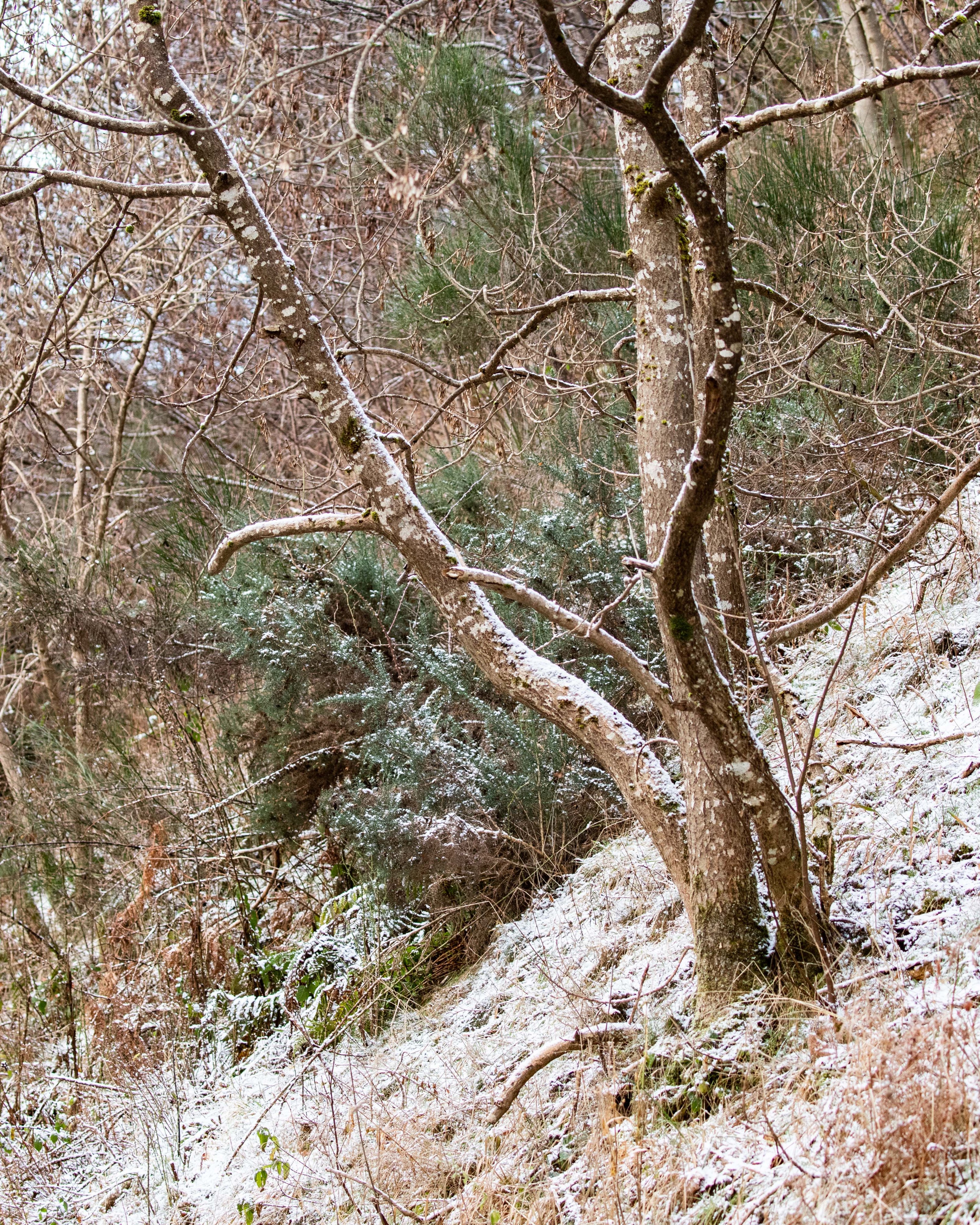
It’s easy to get a bit jealous of all the snowy wildlife photos buzzing about social media at the moment. I’ve had a few dustings but nothing like the drifts that have settled further south.
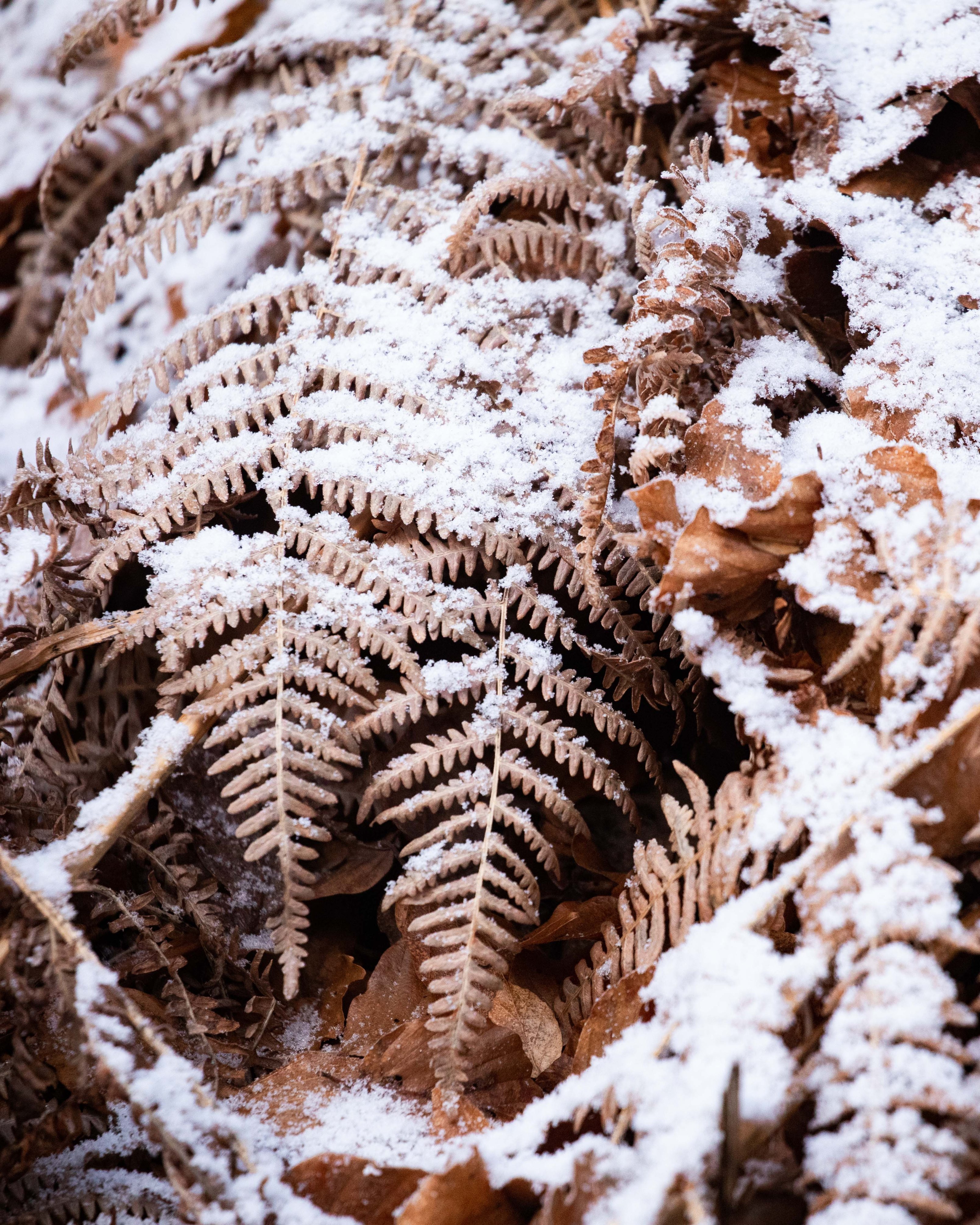
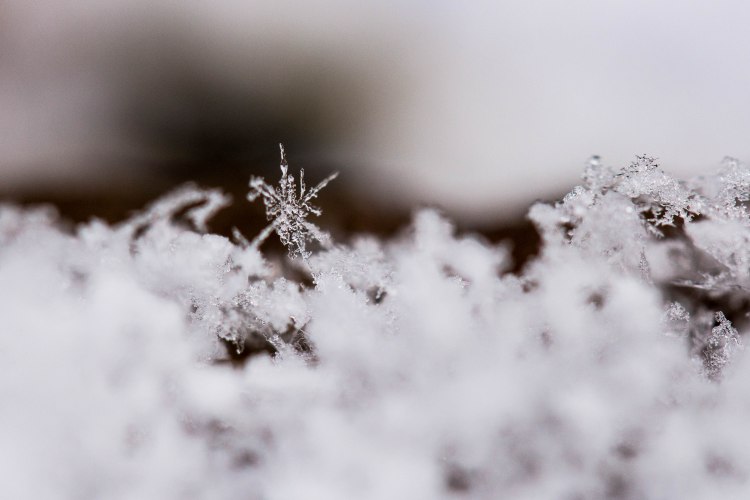
But even these light snowfalls are stunning to see and still manage to transform the landscape with both sight and sound. The pristine white is the most obvious change but there’s also a very specific silence that accompanies snow, as if nature is pausing to admire it too.
Over the past week or so, long tailed tits have suddenly become one of my favourite birds. They’re ridiculously photogenic and for such tiny fluffballs they have so much character! I usually hear long tailed tits before I see them.
After a combination of high pitched squeaks and cheeky raspberries from above they suddenly all appear at once, barrelling around in one group. The other day I saw a group of twenty individuals in the same tree and they made an absolute racket!
And most recently, I had a fantastic sunrise walk down to the harbour to see some overwintering ducks. Sunrise wasn’t until 8:45 (another excellent thing about winter) so I could saunter down to the harbour in time for golden hour.
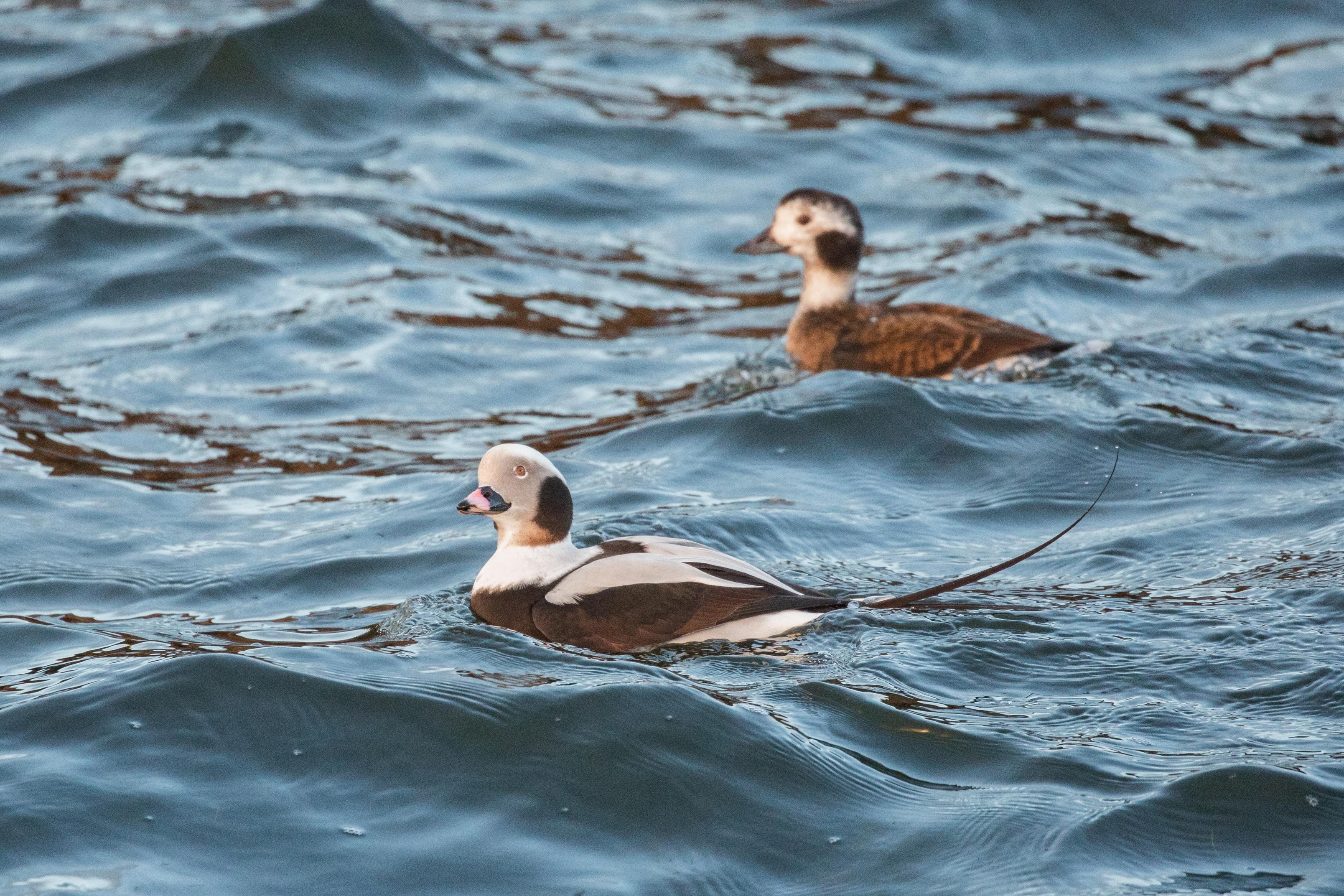
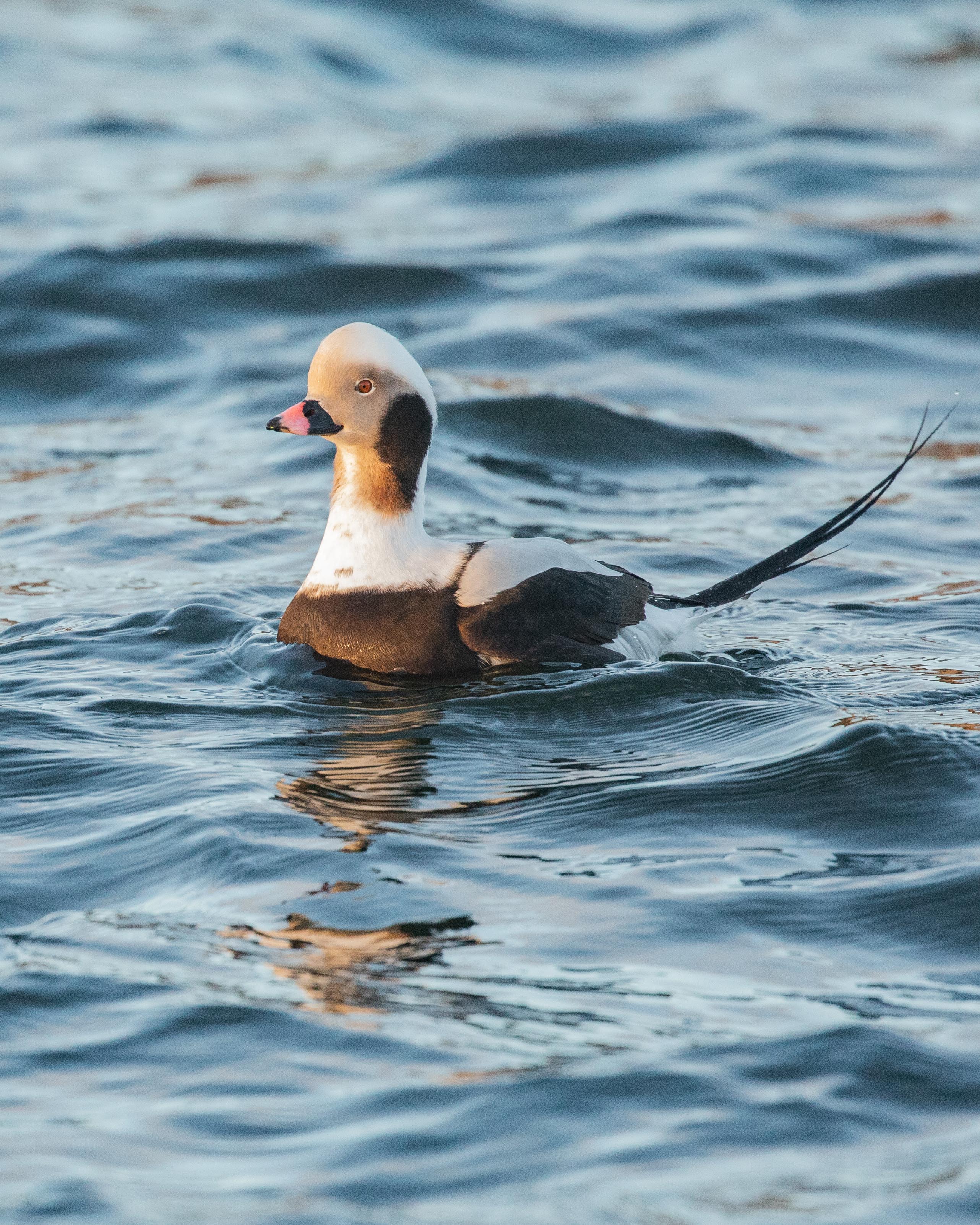
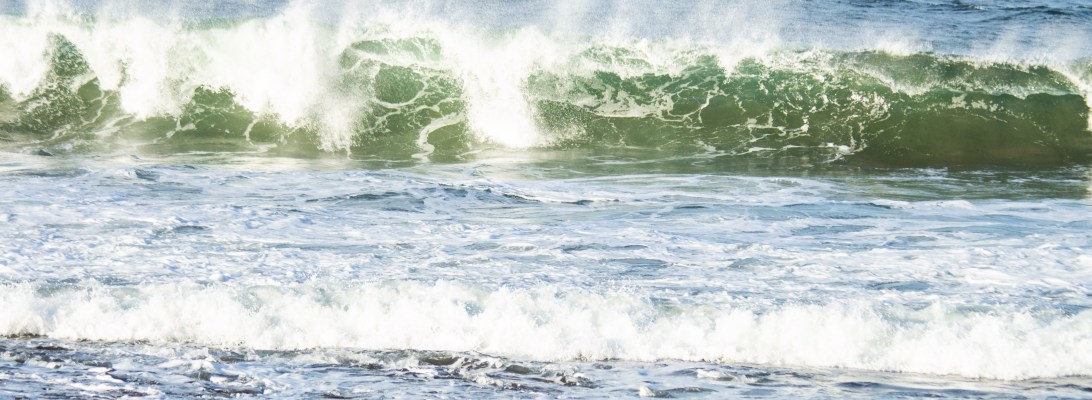
Waves were crashing against the sea wall so all the gulls and ducks had come in to shelter in the calmer water. As well as a very vocal heron and a gang of eiders there was this beautiful pair of long tailed ducks, which only visit Britain during winter.
I lay down on my front – no doubt getting funny looks from the fishermen – so I could get almost eye level with the long tails. I’d seen a couple of distant males before but never a female so it was fantastic to see them both so closely.
Isn’t winter just the most magical season? For me this is the highlight of the wild year, where walks are filled with crunchy frost, golden leaves and with a bit of luck, some snow. Even without snow though, there are some stunning birds to see during winter and I can’t wait to see what the next few weeks bring.
It was definitely a wellie day. After almost a week of rain, the ground squelched and sloshed with each step. The thickest tussocks of grass were dry, but most of the ground was speckled with puddles. That wasn’t a problem though, and by the looks of the oranges and yellows appearing to the east, the sunrise was going to make some welly wading more than worth it.
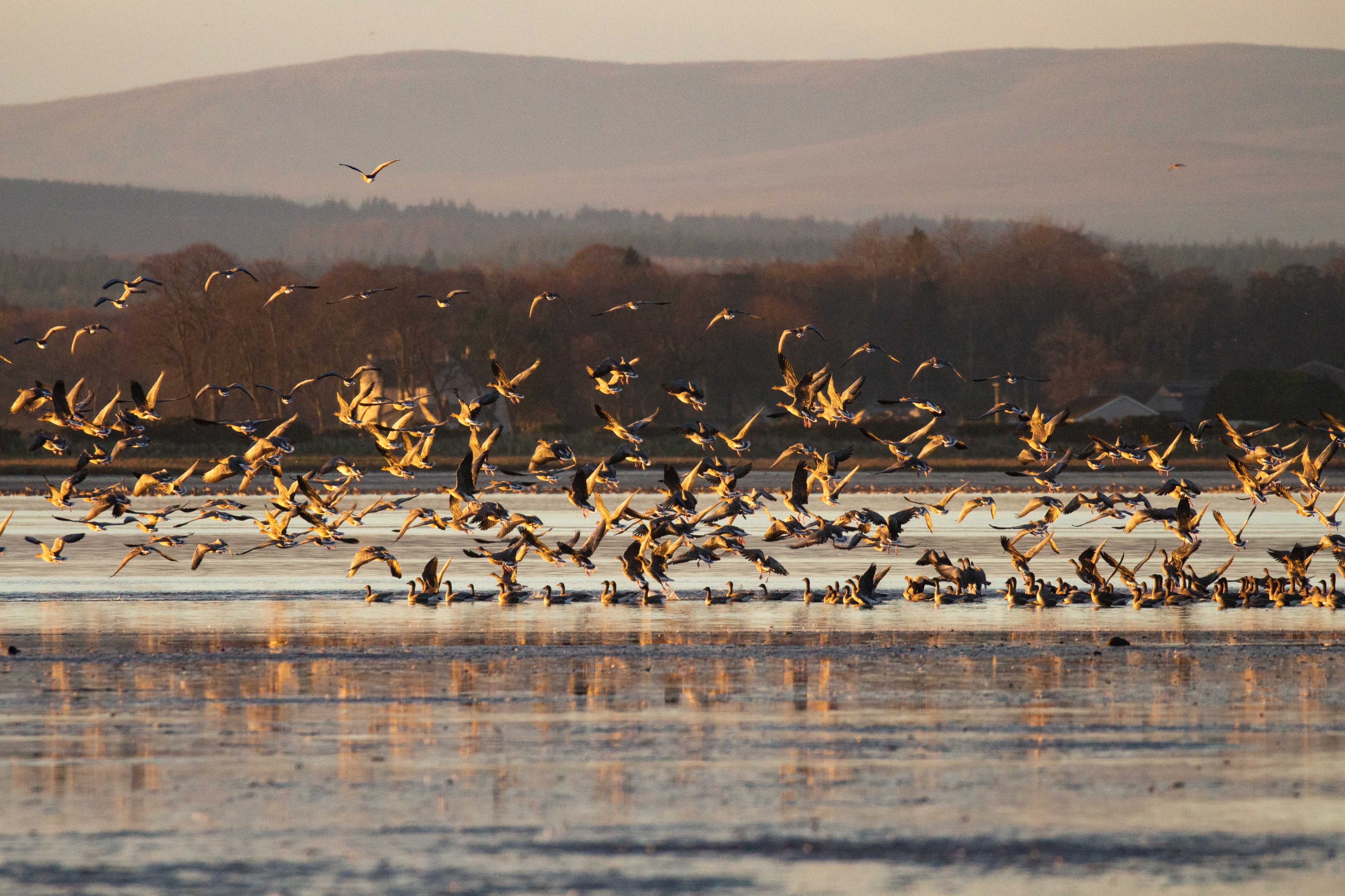
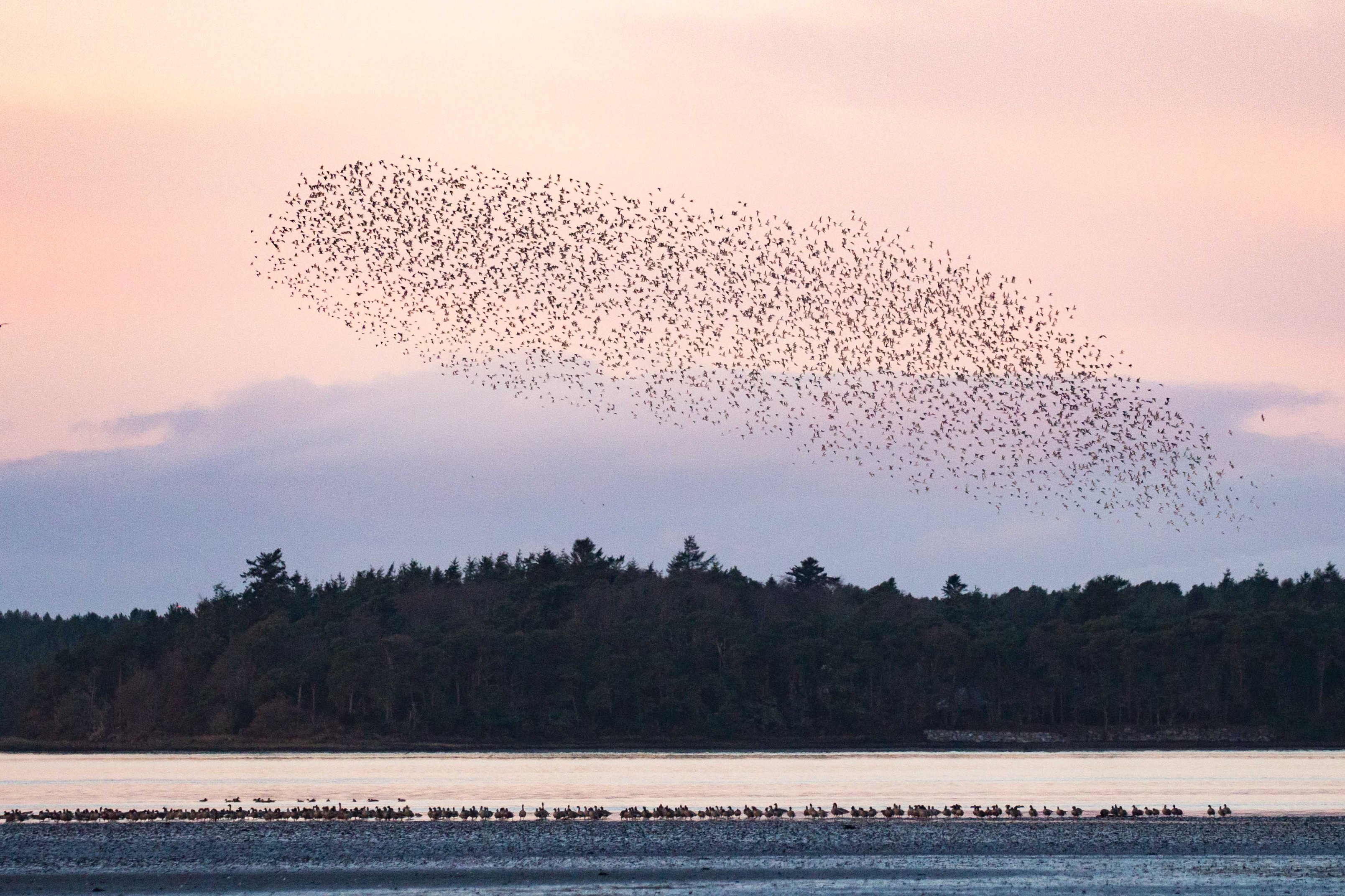
Slinging my camera across my back and clutching tripod and camping chair in each hand, I threaded my way around the deepest puddles, leaving indentations in the grass behind me. The chattering babble of thousands of geese easily crossed the still bay, and in the gloom I could just about see them packed tightly together on a skinny sandbar. The tide was coming in so they didn’t have long. Neither did I, so I hastily set up the tripod and waited.
In minutes the sunrise had transformed from a haze of yellow to a blaze of scarlet and bruised purple. That was where the geese would soon be heading – taking off in swathes and moving inland to browse in the nearby fields. As if someone had turned up the volume, the honking increased drastically and a number of them took to the air, triggering others around them to follow. Most stayed behind though, leaving the ambitious few to form a loose skein that blew across the sky like a stray ribbon. They crossed from the pale navy light into the fiery sunrise and shrank to dots. A little while later another group took off, then another, and for the next hour and a half the crowd on the sandbar slowly diminished. It was lucky for me that they left in shifts because I had plenty of opportunities for photos.
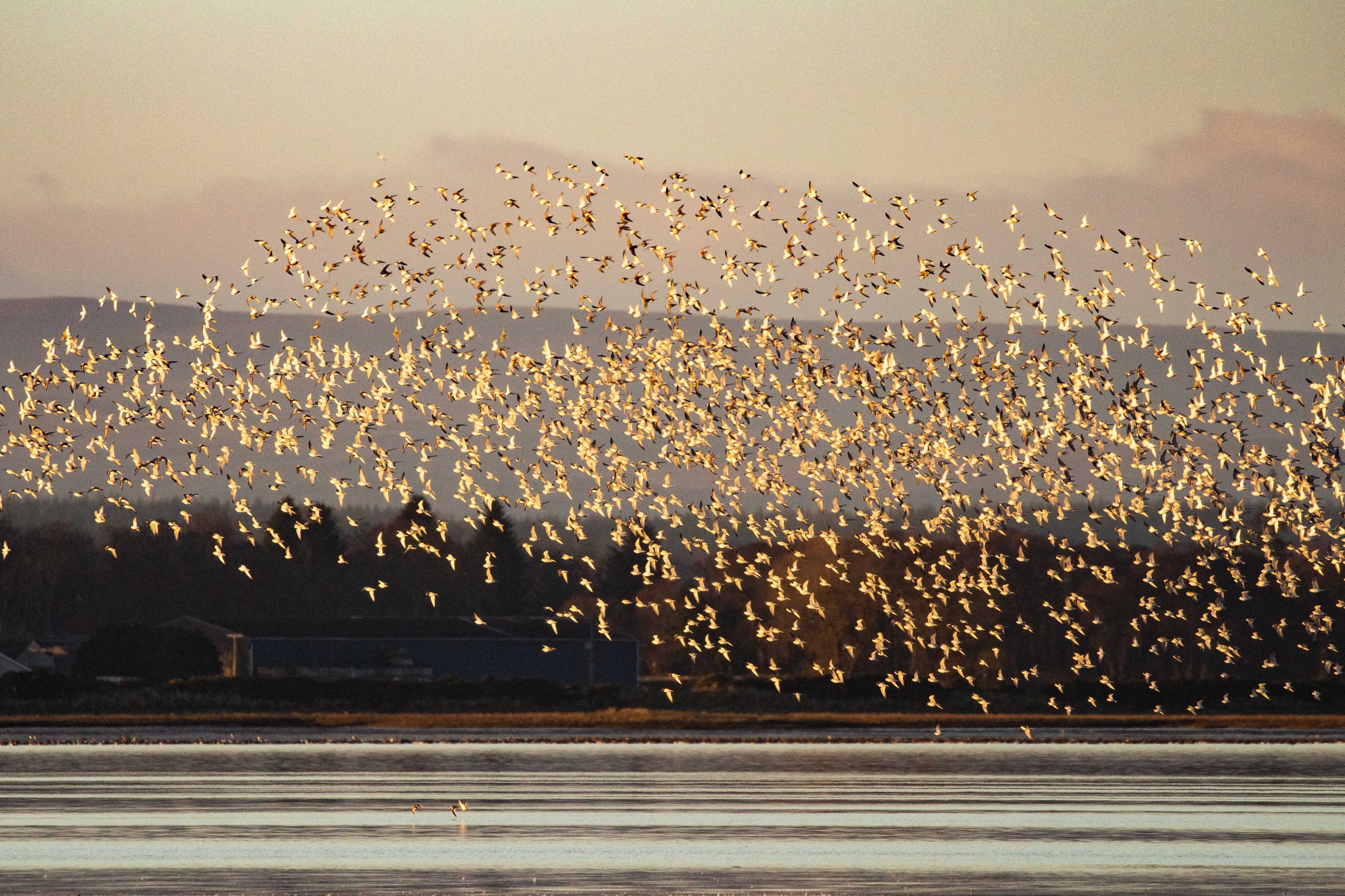
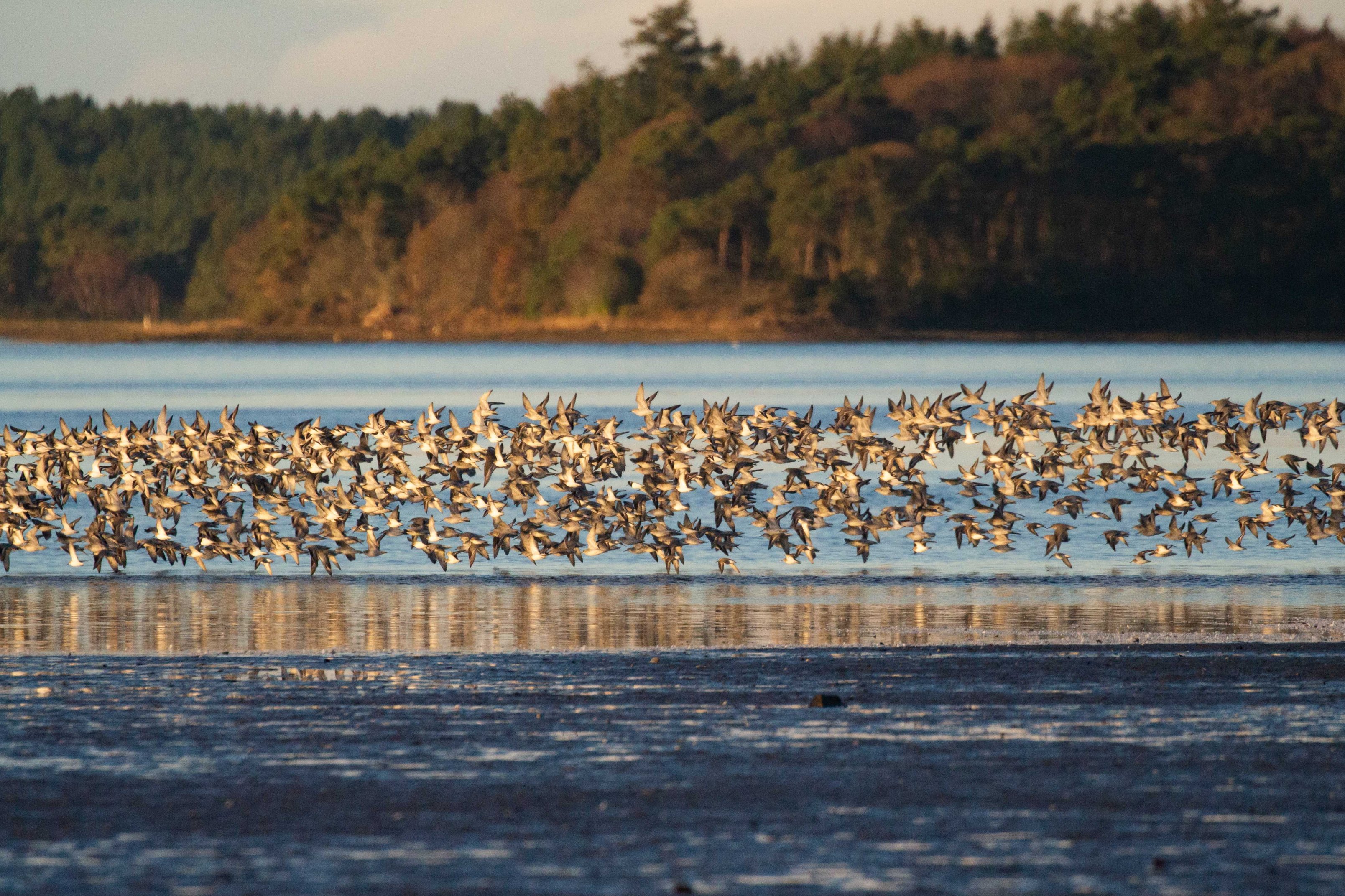
Although I’d come especially for the geese, there was an unexpected bonus display from a large group of knot that was murmuring like starlings over the water. The tiny waders climbed high into the sky, and each time they twisted back on themselves the sunlight caught their white bellies and the whole murmuration flashed like a torch. As the tide continued to sweep in, the knot were pulled further and further towards us until they settled on the receding sand and began to forage among the oystercatchers.
Eventually, all the geese had departed for the day, and an unseen distraction had frightened the knot back into the air, where they circled several times before settling far across the bay and out of sight. In a fairly short time, the thousands of birds and their incessant chatter had gone, leaving the bay smoothed over by silence.
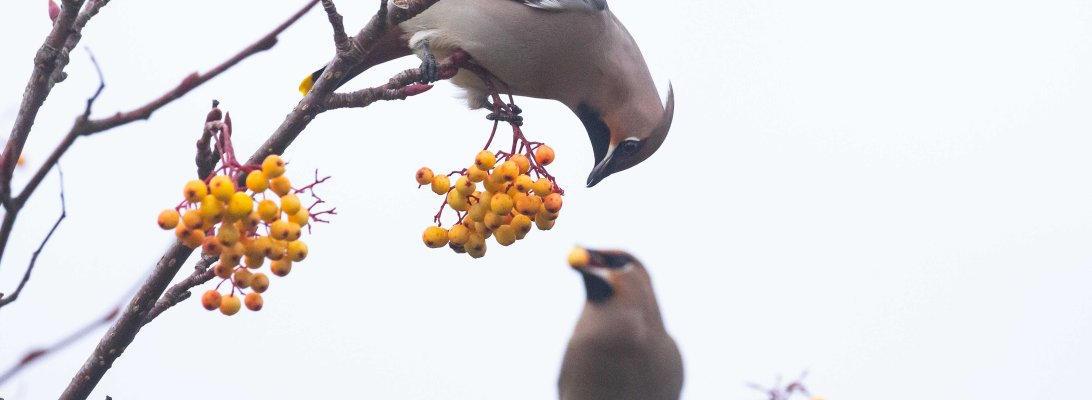
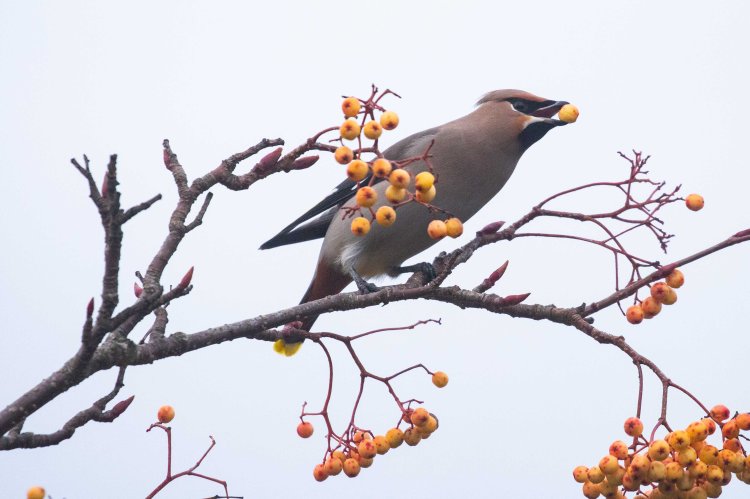
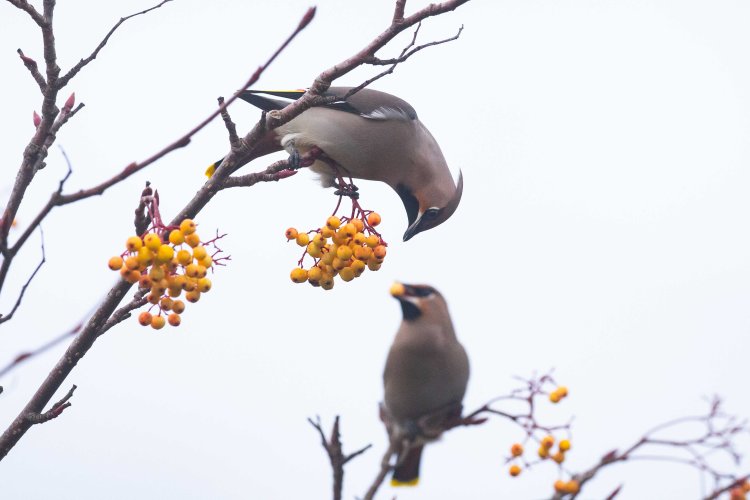
For the past few weeks I’ve been in such a wintery mood. I’m so excited for Christmas and have been itching to get outside into nature and see some new faces. A particularly exciting winter sighting this week has been the arrival of waxwings in my local town. I’ve been lucky enough to see them three times so far. I just love watching them gobble up the berries and seeing their crests blow in the wind.
Around the size of starlings, waxwings are winter visitors to Britain, arriving from as far away as Russia to spend the season feasting on berries in the UK. Although populations fluctuate each year, there are often gatherings of hundreds of waxwings, which are called irruptions. So far I’ve seen two so it’s been a slow start to the season, but even seeing a pair at close range is special. Before this week, I’d only seen waxwings once before and they were far off in the distance. This time, I could approach carefully and watch them right above my head.
This month I’ve also been looking for other winter specialists. I started a species list for the first time this year and so far I’ve recorded 114 birds, 29 mammals, two amphibians and two fish. And with seventeen days of 2020 to go there’s still plenty of time to tick off a few more! I’m particularly hoping to see mountain hares, snow buntings, fieldfares and maybe a ptarmigan if I’m really lucky. This weekend I tried to find my first mountain hares and snow buntings from the base station of Cairngorm Mountain but didn’t manage it. Still, these near misses will make eventually seeing them even more special. Who knows, maybe I’ll get to see mountain hares on my birthday on the 28th. That would be an incredible present!
It goes without saying that I had an incredible time in Norway. I love being by the sea – it’s part of the reason why I moved to the Moray coast. Although, I also have a strong love for forests, and during the first few months in my new home I found myself drawn away from the coast and towards the sprawling Scots pines. I walk the dog along tangled trails and she amuses herself with sticks while I gaze up into the trees, camera slung on my back. It’s not that I’ve lost touch with the ocean, but I lose all awareness of time in the forest and wander for hours until eventual hunger pulls me back. Trees and the creatures they shelter provide endless fascination to me – I become immersed in the forest in a way that I can’t by the sea without the hassle and expense of scuba diving.
So although humpback whales erupting out of the water and orcas cruising alongside the boat were encounters that I will never forget – and there was a tangible feeling of sadness among the group as we made our way back to the UK – I can’t deny that I sat quietly containing my excitement. I couldn’t wait to see how the forest had changed while I’d been away and how wintery it had become.
It took us two days to drive from Gatwick airport all the way back home and I watched with growing eagerness as barren fields blended into mountains. Unfortunately I was bogged down with deadlines for the first few days, but at the weekend I made time for my first forest walk in a month. I roamed for three hours, and was reminded yet again how nature can constantly surprise you.
The first bird I saw was a goldcrest, which was flicking to and fro through the undergrowth just out of sight. I crept forwards until a particularly irksome branch had shifted and I got a clear view, but I knew getting a photo would be next to impossible. Not only do goldcrests love staying concealed, but they also never stop fidgeting. I stood still and turned on my camera, realising my settings were still adjusted for the northern lights from earlier in the week.
The goldcrest leapt up and clung to a twig with its back to me – just enough light for a photo. I pressed the shutter, hoping it would turn and show me its face and crest, but naturally it bombed back into the shadows. I left it to its foraging and pressed deeper into the trees.
Sunset was at 3:30pm and at 1pm the light was already vibrant with gold, hitting the trunks low in diagonal shards. It was blinding in some places and almost dark in others. I heard the delicate bell’s chime of another goldcrest high above me and saw the bulkier bodies of their regular companions, the coal tits. To think I’d been watching willow tits in snowy Norway a few weeks before!
I hiked up one of the many sloping hills – mountains in miniature – and admired the view from the top. My breath tumbled upwards in a white cloud turned gold in the light. After following a narrow column for a few metres it was time to slide back down to ground level and my eye caught on a treecreeper as it crept up the trunk. What a perfectly named bird.
Up ahead was a clearing, which was especially lovely in the spring when full of yellow gorse but rarely revealed anything of real interest. The birds stuck to the protection of the trees. I stopped to push numb fingers into gloves when behind me I heard a sound like a plane engine at scarily close range. Startled, I spun round and saw a brown bird come rattling around my head and land with a crash on the ground.
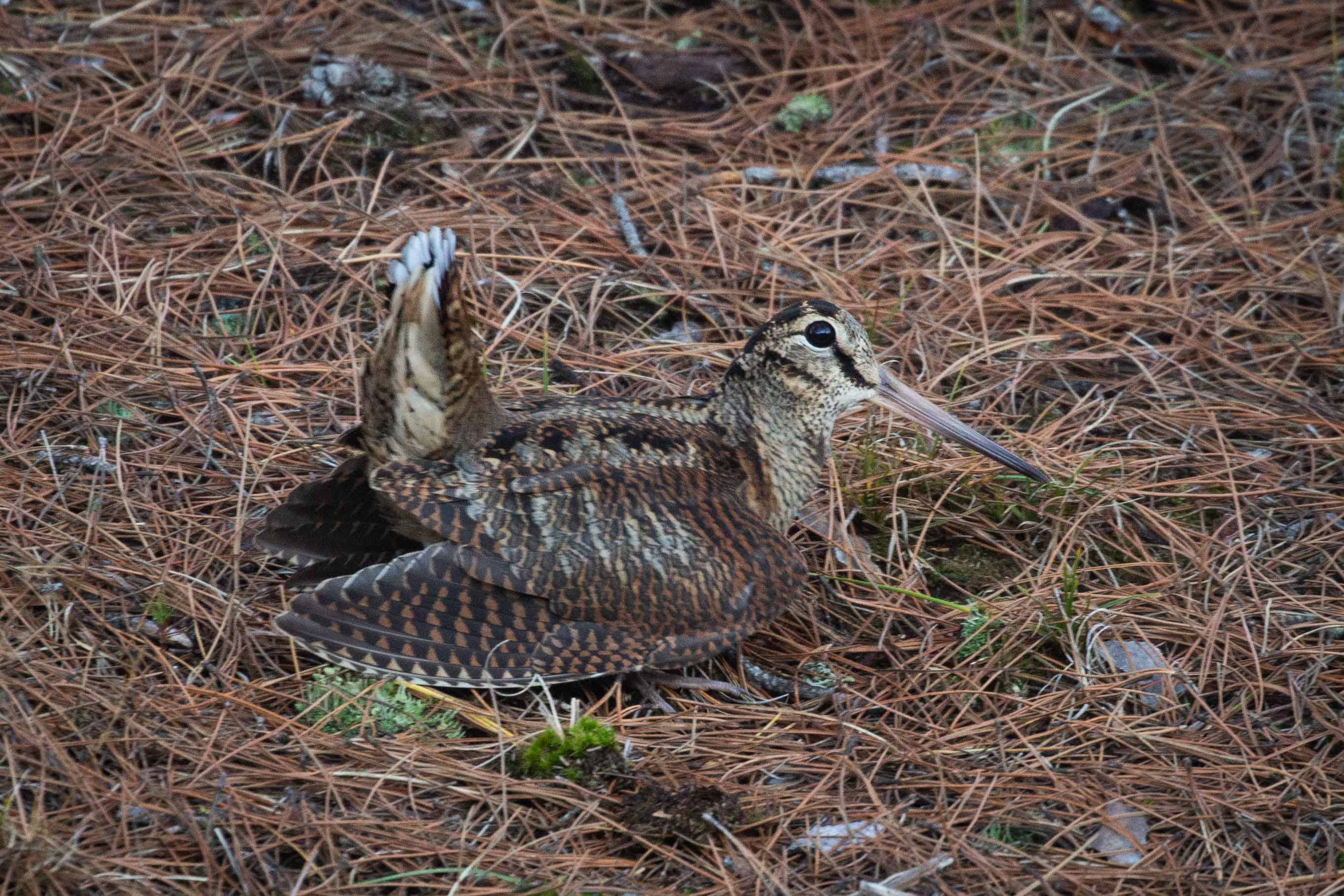
Without a second thought I lifted my camera and just as I pressed the shutter the bird lifted its wedge tail and took to the air again, disappearing immediately. I quickly checked my photo and was relieved to see I’d caught it. A barred head, mottled brown plumage and wings that made a sound like something caught in a fan. My first woodcock!
I was stunned, barely believing what had just stormed in front of me and barrelled away again almost within the blink of an eye. The epitome of “right place right time”. Even the goldcrests and coal tits had suddenly gone quiet, as if equally surprised at the encounter. I felt the familiar flutter of excitement in my chest and was hooked all over again. It was good to be home.
Take a break from Christmas shopping and get outside for an icy breath of fresh air. In the latest instalment of my monthly series for Bloom in Doom magazine, I’ve shared some of the British wildlife highlights that can be seen during December.
Birds
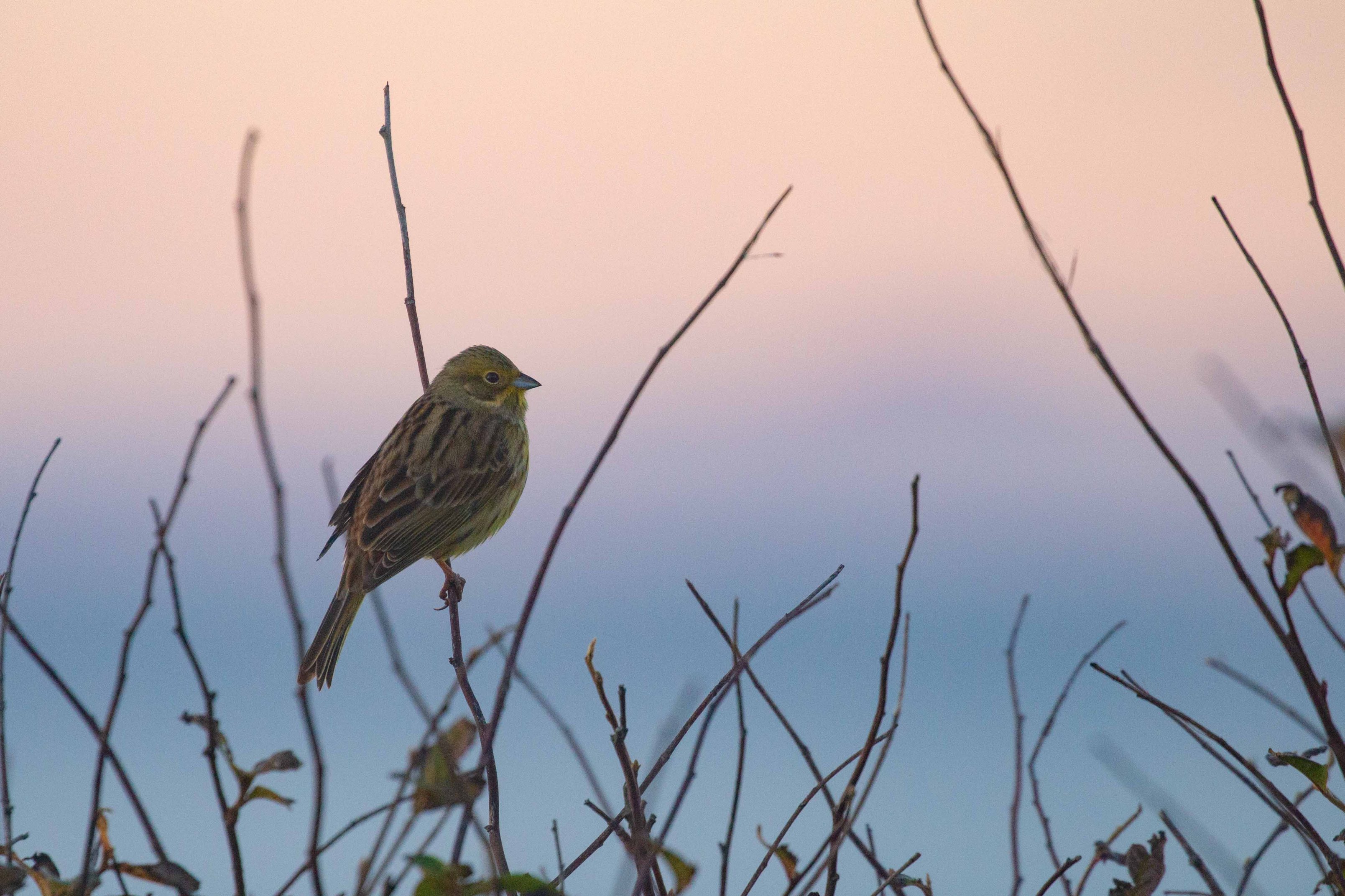
Wader season is in full swing and estuaries are packed out with overwintering ducks, geese, swans and other water-dwelling birds such as dunlin. In the fields there’s still plenty of activity from finches and buntings including yellowhammers and, if you’re lucky, the occasional brambling or hawfinch. Owls and raptors such as hen harriers can also be seen more regularly at this time year – numbers of short-eared owls can increase dramatically as resident birds are joined by others overwintering from Europe.
Yellowhammer at sunset
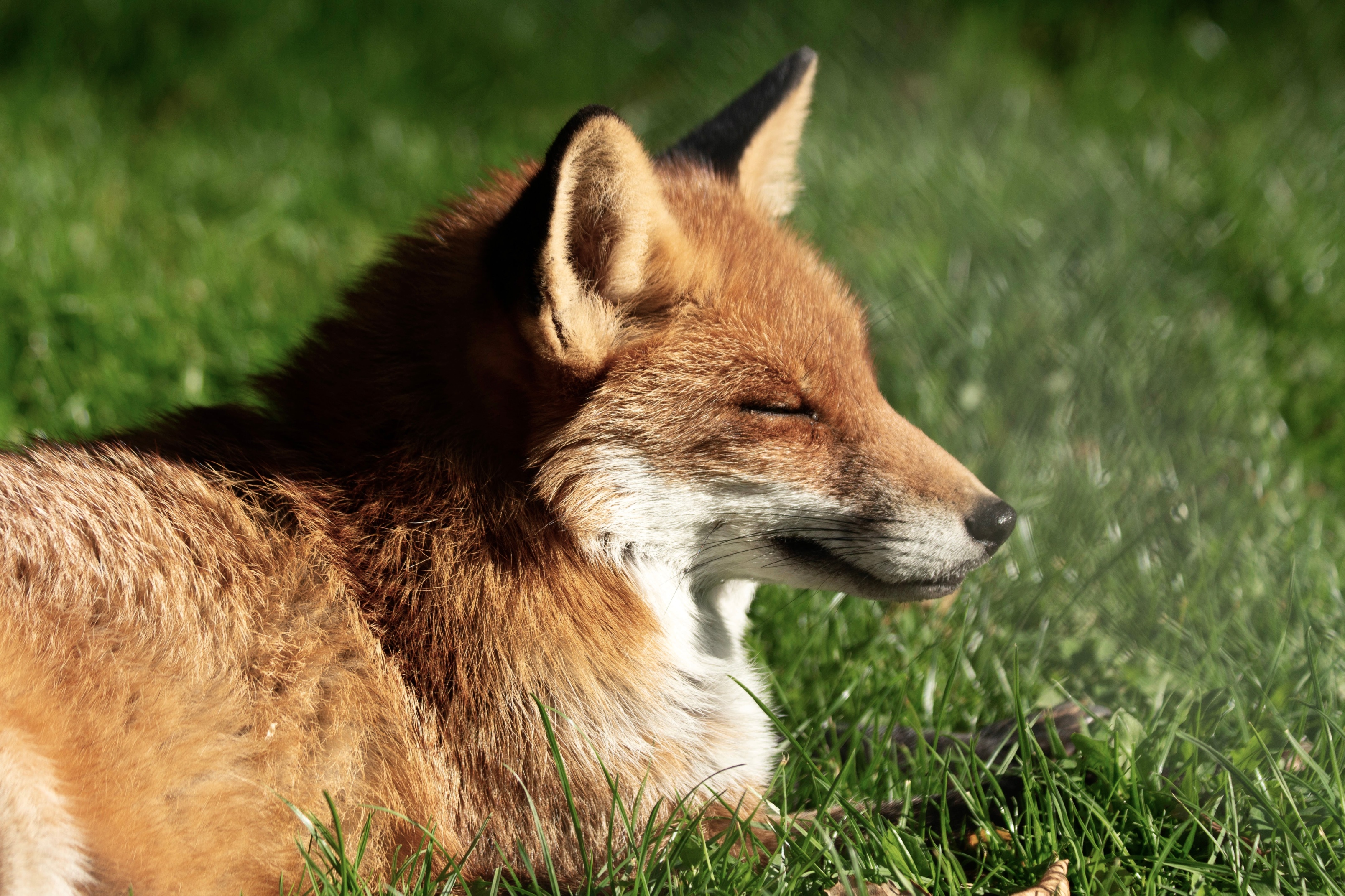
Fox taken at the British Wildlife Centre, Surrey
Mammals
Contrary to popular belief, not many British mammals actually hibernate during winter. Some, such as badgers, reduce their levels of activity during the colder months and sleep for longer periods, but this is known as dormancy. None of the changes that occur during hibernation happen during dormancy. The only mammals in the UK that truly hibernate are bats, hedgehogs and dormice. While sleep is essential for every animal, hibernation is an adaptation to changes in climate. It’s optional and actually quite a dangerous undertaking. The body temperature drops significantly and blood circulation, heart rate and immune function slow right down. The body temperature of some species of bats has been recorded as low as 2°C.
While some mammals slow down during winter, others are at their most active. It’s the breeding season for foxes and you might see them moving around in pairs while the male waits for the female to come into season. December is also the time for the rut of the Chinese water deer, a curious-looking fanged species that escaped from captivity in the 1940s and has now become well established in Bedfordshire, Buckinghamshire and East Anglia.
Flora
Lots of festive plants such as holly and mistletoe spring to mind in December, but there are other wild plants to look for this month too. The aptly named scarlet elf cup fungus can be seen growing on rotten wood in small, round bowls of bright red. Also take a look at the lichen, which can often form beautiful shapes especially when coated in frost. Lichen is the result of a symbiotic relationship between fungi and algae – while the algae produces sugars for the fungi from photosynthesis, the fungi provides protection for the algae against the elements.
Although I’m so happy to be back in Scotland, I can’t help missing Norway. Obviously the humpback whales and orcas were the highlight, but the northern lights, eagles, sunsets and even the cold were all so special too. There are already whispers about going again in 2021, but for now I’m still reminiscing over the incredible sightings I had during my trip this month.
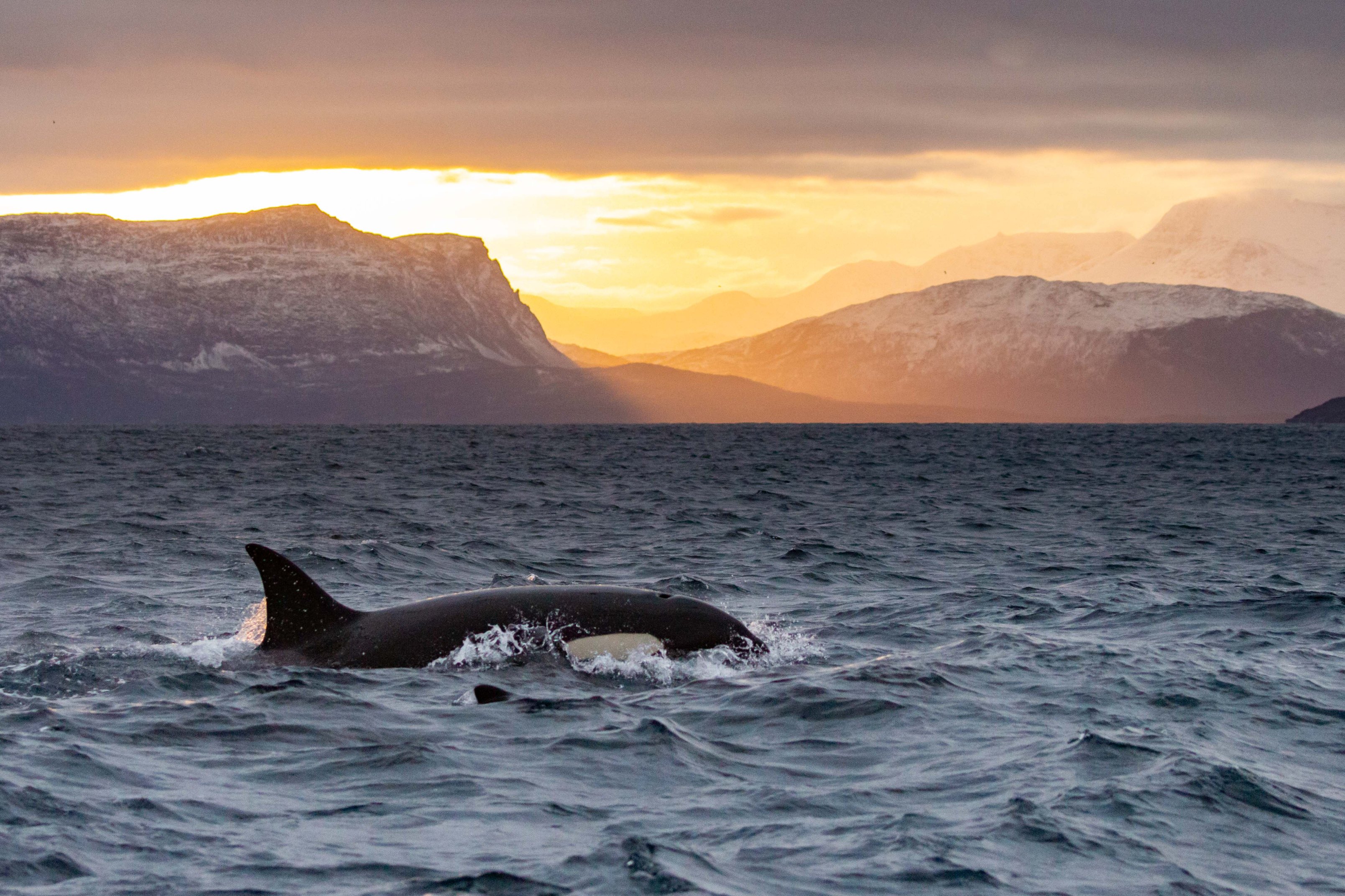
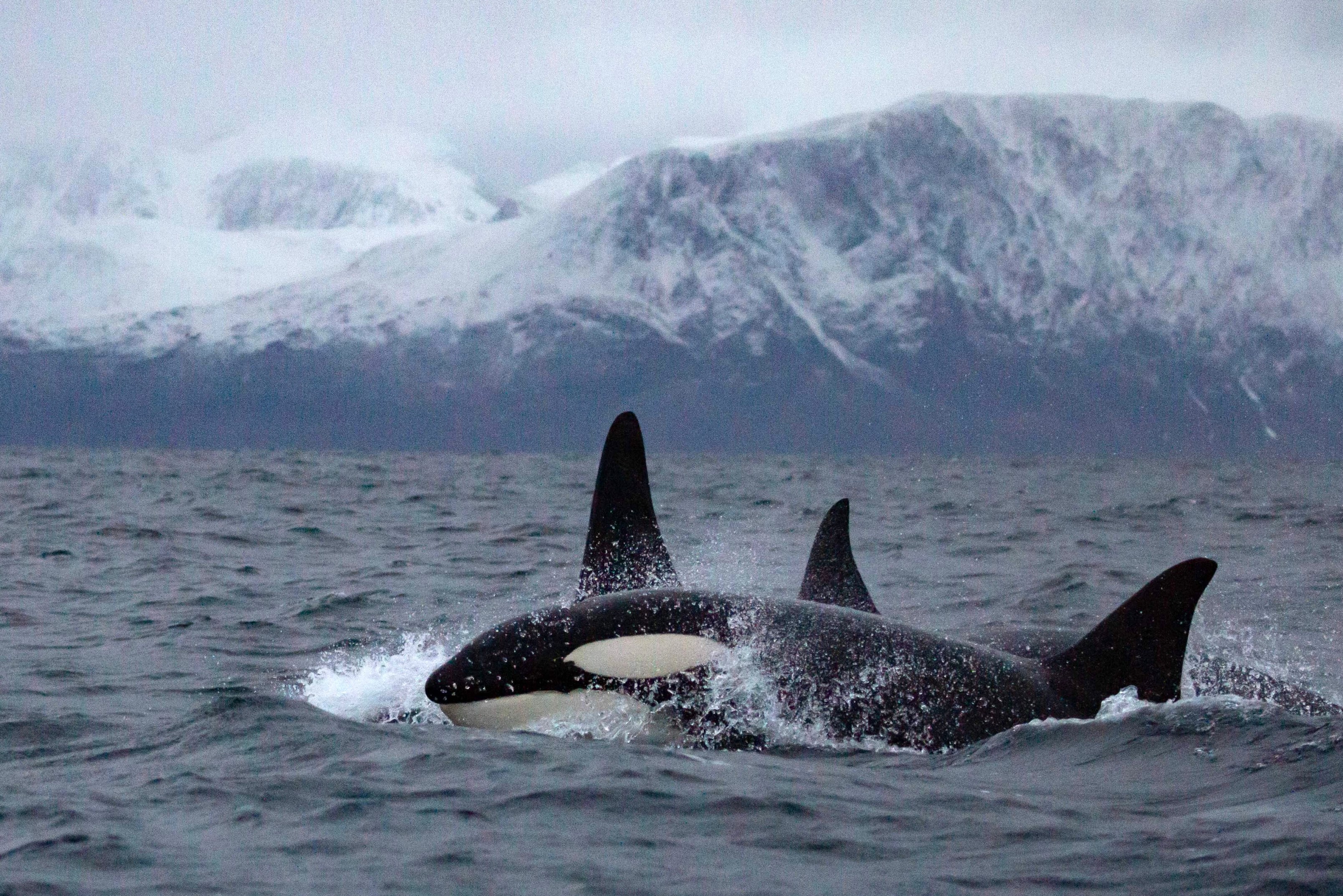
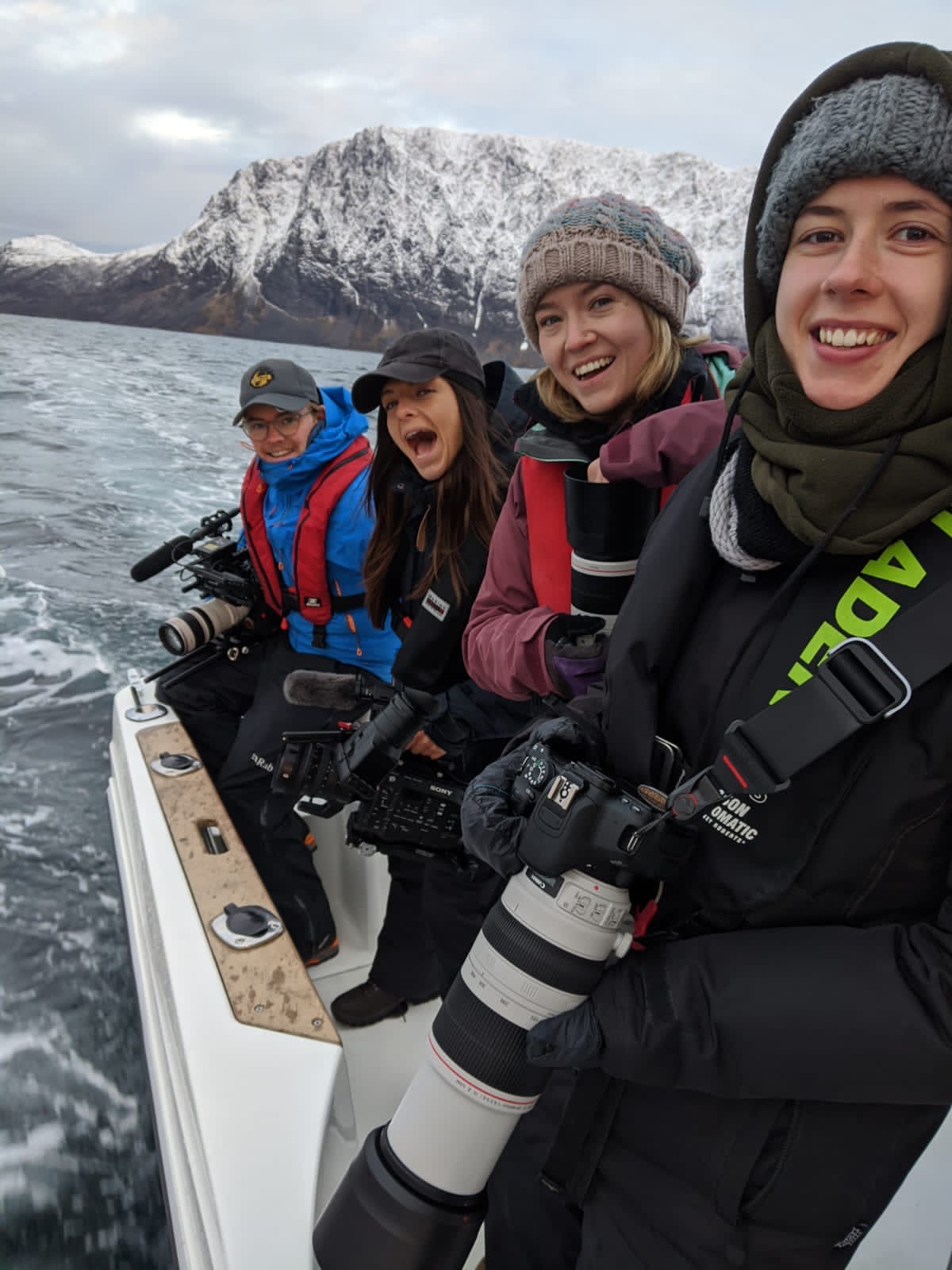
If you’d asked me a month ago if I thought I’d be this close to wild orcas, I’d have replied with a straight no way. But somehow this is what happened. Within ten minutes of leaving the harbour we were surrounded by orcas. We kept our distance of course, but there’s no rule against orcas approaching boats and that’s exactly what they did. A pod of males, females and even calves cruised tightly alongside us. As much as I was itching to take photos of the entire encounter, I forced myself to glance over my camera too because I couldn’t quite believe what I was seeing.
“BREACH!”
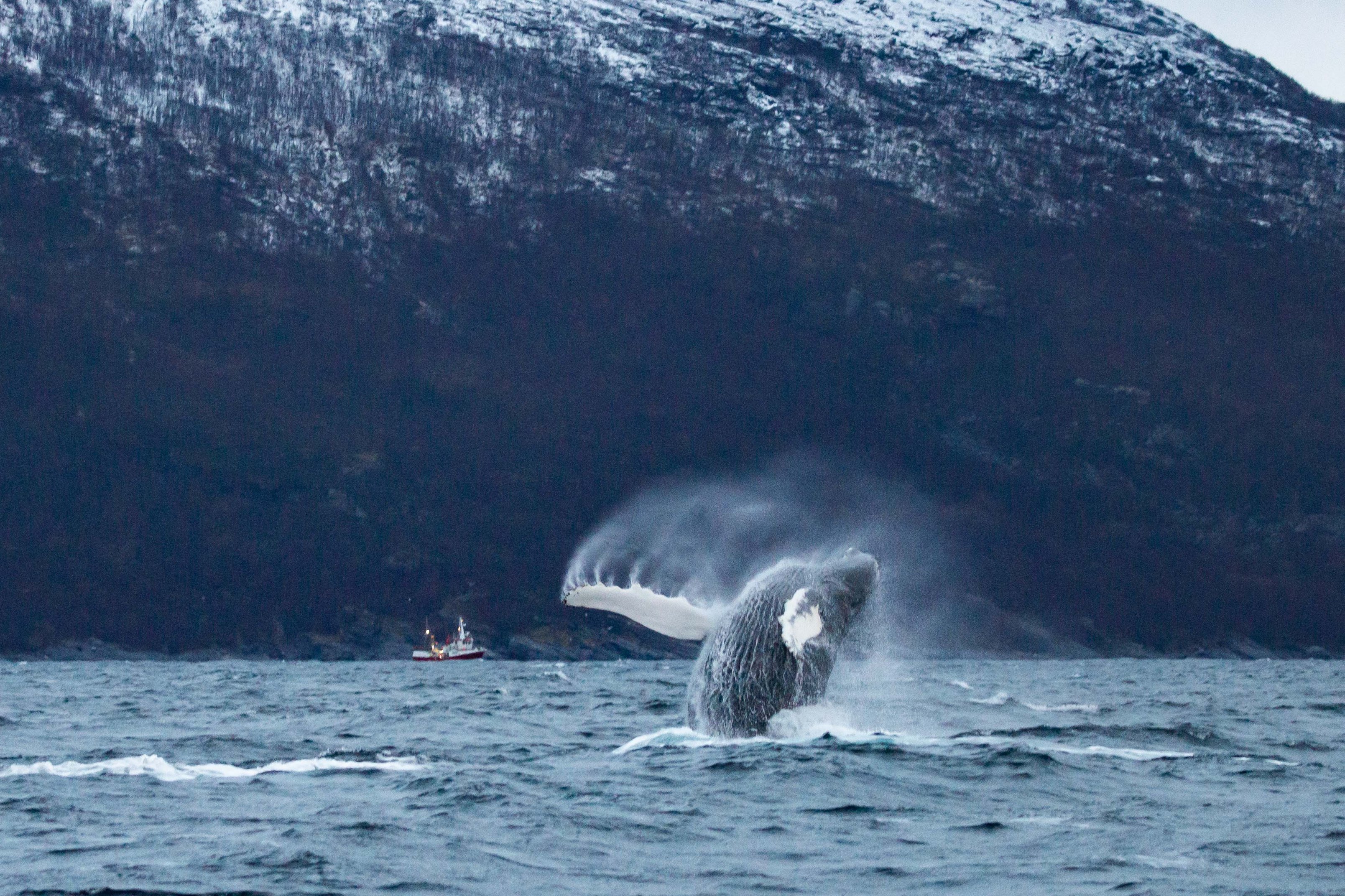
It’s the word every whale watcher wants to hear. On our fourth day on the boat one of our group screamed and pointed. I ducked below the cabin and glanced through the window to see a white splash as large as a circus top. Humpback whales often breach more than once so I darted around to the other side of the boat and lifted my camera, finger poised on the shutter. Seconds later the whale leapt again, flipping in mid-air from its front onto its back. I shrieked into my viewfinder as water streamed off the whale’s huge pectoral fins. The sound of the whale hitting the water was like a thunderclap. Seeing a forty ton animal erupting into the air like that left me with my jaw on the floor!
This is a moment that will stay with me for a very long time. On one of the calmer days we found this beautiful pod of orcas. As well as males with large triangular dorsal fins and slightly smaller females there were also some calves breaking the surface for air. Making sure we kept our distance, we drove the boat slowly alongside the orcas, which were framed by stunning snowy mountains. After a while they dived and disappeared, leaving us spellbound in their wake!
What a bird! Known as the “flying barn door”, white tailed eagles are the largest bird of prey in the UK. In the early 20th century they were hunted to extinction but were reintroduced from Norway in the 1970s. Now these huge birds can be found from the Isle of Mull to the Isle of Wight and are doing well in Britain. I’ve seen them a few times in Scotland but at a distance – in Norway they came so close that they soared right over my head!
I had an absolute blast in Norway with the best group of people! Nothing like being housebound in quarantine together for ten days and all going for a Covid test to break the ice. It was a trip of a lifetime for me and although I’m pleased to be home and looking forward to my first Christmas by the sea, being back in “the real world” has made Norway seem like a distant dream.
It’s been a while since my last post – the past couple of months have been a whirlwind of planning, packing and stress! Earlier this week I came back from a trip of a lifetime to Arctic Norway, but it nearly didn’t happen at all.
For the past three winters, my partner and his friends have made the journey to Skjervøy, a three hour’s drive north of Tromsø, to go whale watching. Large shoals of herring have been drawn into the fjords of northern Norway, attracting humpback whales and orcas. Every year my partner hires a boat and takes the group out to find them. As soon as they returned in 2019 they booked the house for 2020, obviously unaware of how the year would progress.
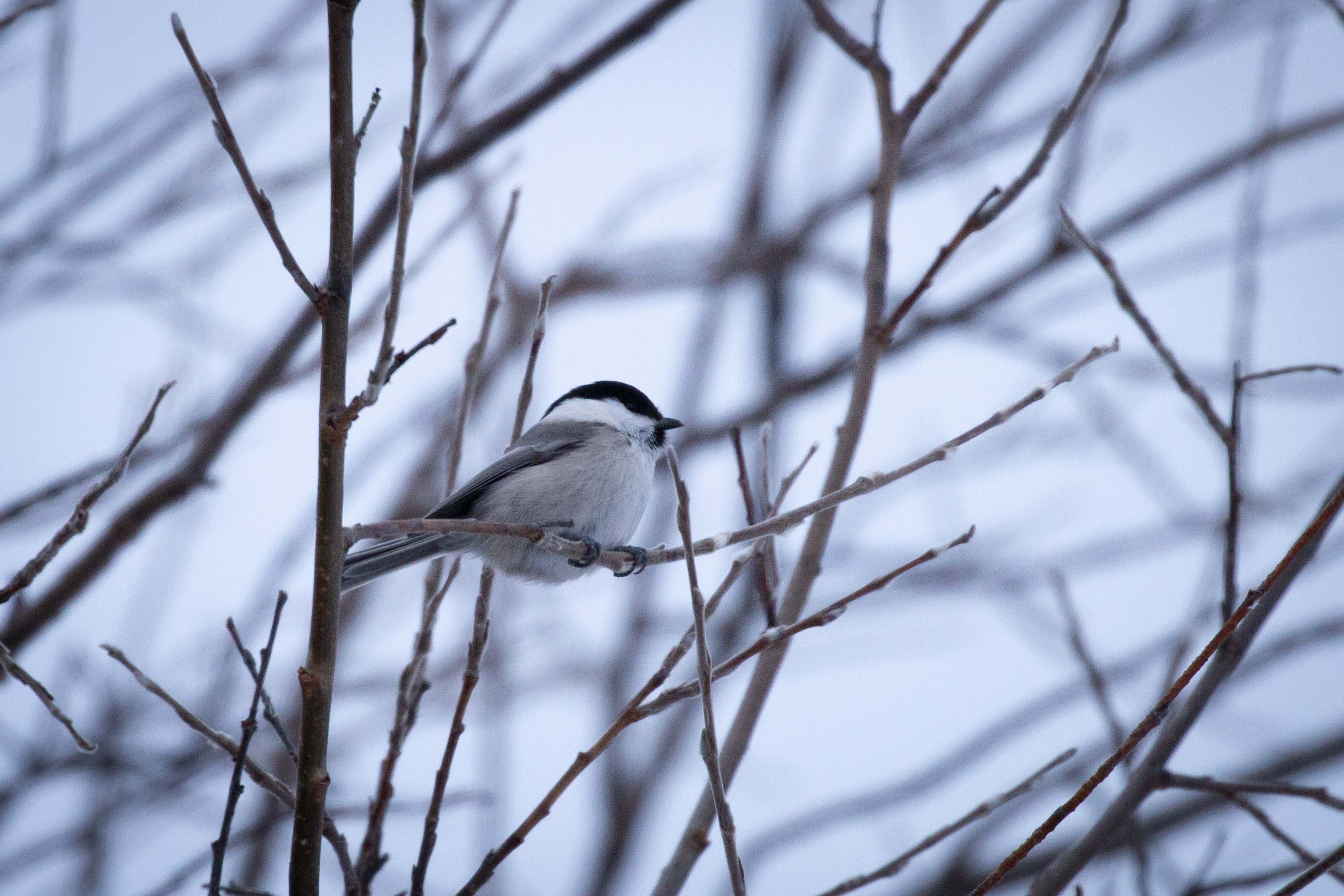
Willow tit
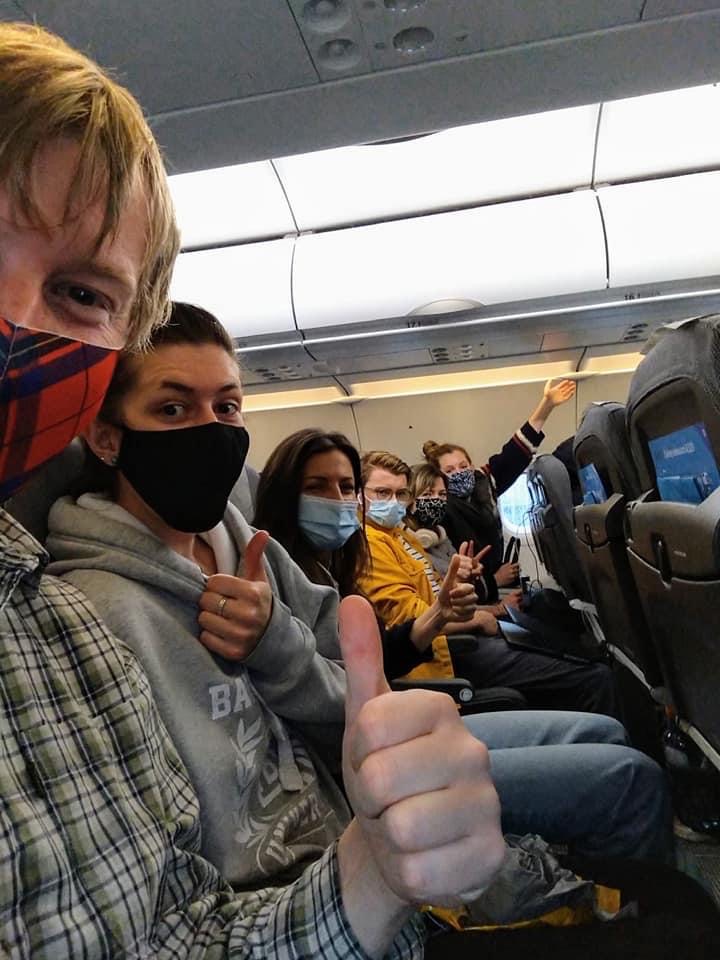
In the lead up to our departure, our flights were cancelled and rearranged three times. What was originally a trip for eighteen people split over three weeks shrunk to just six of us because we all had to arrive at the same time to do our ten day quarantine. Eventually we made it out there and settled into our beautiful house right on the water’s edge.
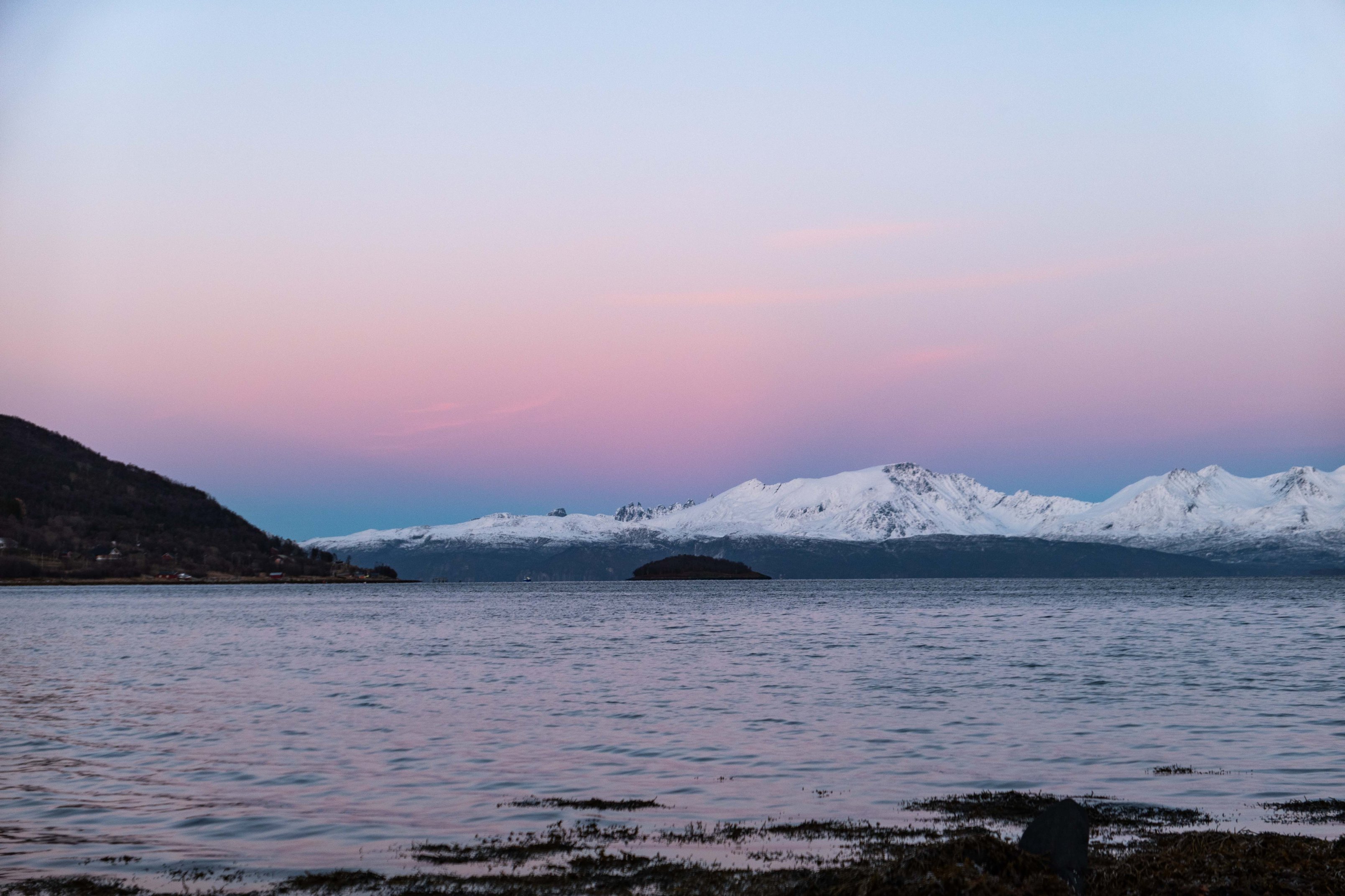
It was the best quarantine I could have wished for: white tailed eagles flew directly overhead every morning at 10am sharp; willow tits scooped up the seeds beneath the feeder; velvet scoters cruised across the fjord and best of all, the northern lights shimmered in cloudless skies on most evenings. I felt incredibly fortunate to have reached Norway and had such an enjoyable quarantine!
The first ten days could have been a holiday by themselves, but after we were cleared to leave the house it was time to do what we came to Norway for – head out on the boat to look for giants. More coming soon!
I’ve finally done it. After feeling for the past year that I’ve been in the wrong place, and experiencing a far greater satisfaction every time I visit Scotland, I’ve finally moved there. Last weekend I drove 568 miles and upon arrival collapsed exhausted, filling the house with bags and suitcases. But over the past few days it’s finally started to sink in that I live here now.
The reason I can tell I’m in a much better place is I already feel a connection to the landscape, so much so that I’ve assigned myself a local patch for the first time. Back in Hertfordshire I never felt closely attached to any wild place, and even if I had there was nothing within walking distance of where I lived. Now I can walk for less than two minutes and reach the sprawling north side of the Burghead peninsula, known by the Brochers (Burghead residents) as the backshore. This is my new patch. Not only is it teeming with birds – attracting twitchers from across the Highlands as a result – but it is home to many species I don’t know, which will make the process of monitoring my patch even more rewarding. Having never been in regular contact with marine and coastal habitats before, my knowledge of gulls, ducks and waders is almost non-existent. I’ve been visiting my patch for three consecutive days now and have already learned to recognise six new birds: turnstone, redshank, rock pipit, goldeneye, curlew and long-tailed duck. When I stand on the bank scanning the waves, I think I see around a thousand dolphins breaking the surface, but the ocean is known for playing tricks. As the old saying goes, the harder you work the luckier you get. There are around 130 resident bottlenoses in the Moray Firth, and I’m determined to see some on my patch soon.
A well camouflaged curlew
Having a local patch is a great way to get to know an area intimately. By regularly recording not only the species but also the weather conditions, time and date of visits, you begin to detect changes and ultimately learn wild animal behaviours. On Sunday I went at 4pm and watched waders and gulls foraging amongst the rocks. Yesterday I went at 11am and the tide was completely in, so the waders were absent but there were still ducks and cormorants diving in the shallows. A marine patch is particularly intriguing because it changes drastically in a short space of time. In just a few hours the habitat is transformed, and new birds appear to take advantage of the conditions.
The backshore is full of redshanks
I’ve already met other birders at the backshore, including Steve Reddick from Highland Wildlife and Birdwatch Safaris, who had the added benefit of a scope. He was keen to see purple sandpipers, which are often here during the winter. I learnt most of my six new birds from Steve, and now wish he could help me with a mystery diver I keep spotting. It’s too far away to make out clearly through binoculars, and to my untrained eye the three species of diver seen here – red throated, black throated and great northern diver – all look very similar in winter plumage. Hopefully with a few more sightings I’ll learn the differences and be able to identify them with confidence. I’m particularly looking forward to seeing their summer plumage, which is not only easier to recognise but also stunningly beautiful!
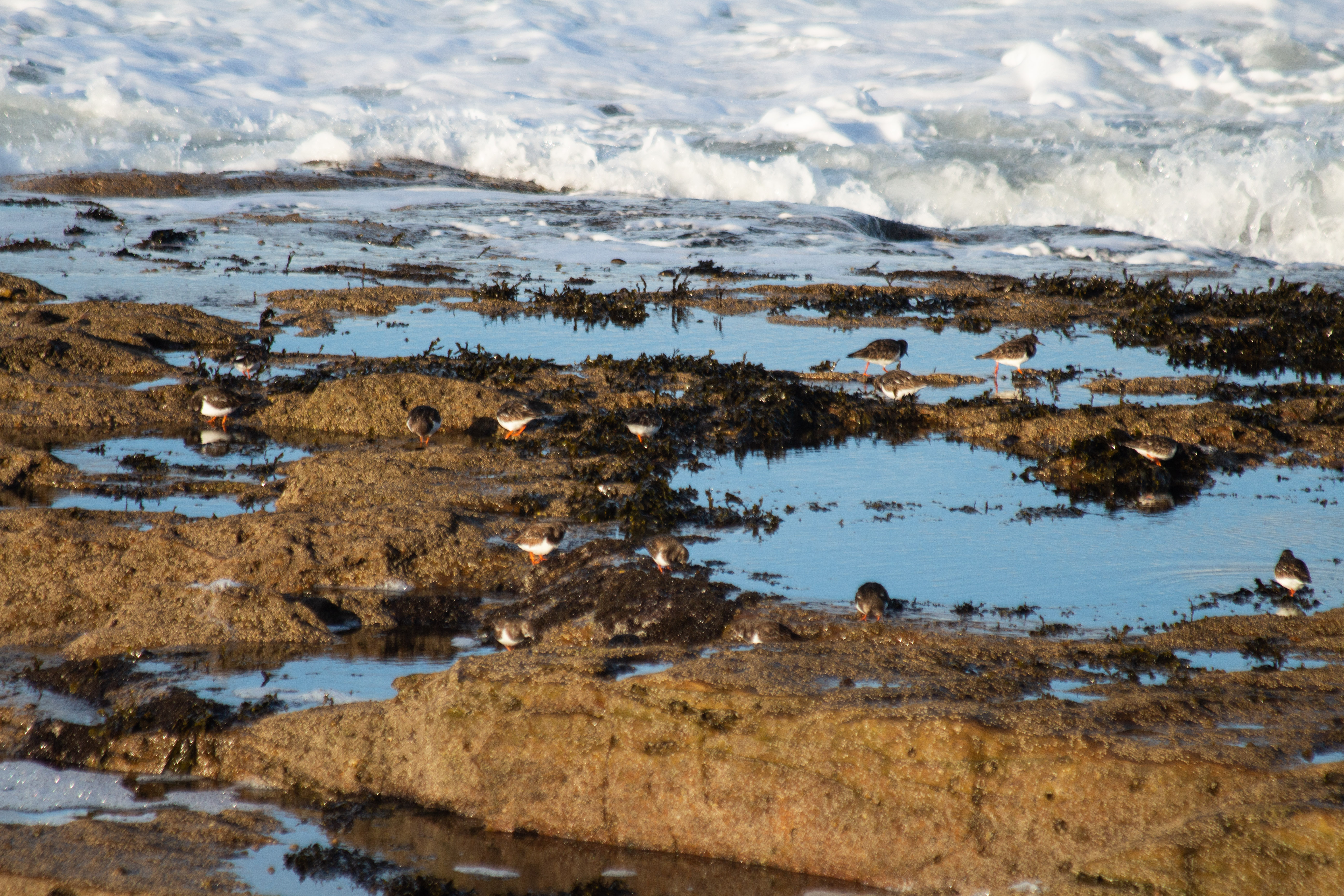
Turnstones are notorious for fidgeting, but it would be nice if they all looked up every now and then!
It’s fantastic to have my passion for birdwatching renewed. I’ve been in a slump for months, so to finally be in a place that inspires and challenges me is both a relief and a privilege. I can’t wait to discover new species this year, not only on the backshore but all over the Moray coast.




















 rebeccaonthewing.com