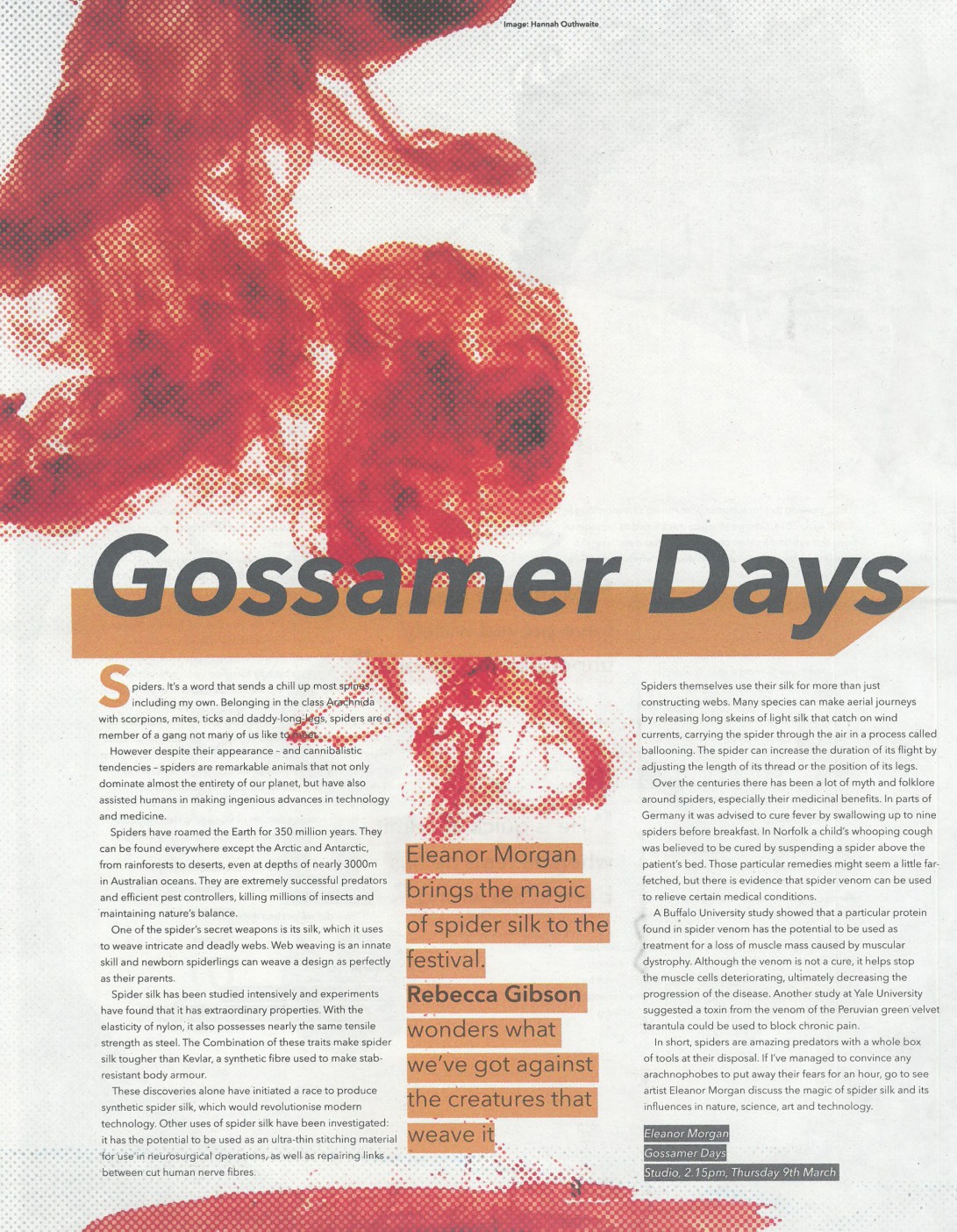
‘Gossamer Days’ Article in Watermark Magazine

Every year, the Theatre by the Lake in Keswick, Cumbria, hosts the literary festival Words by the Water, which is a wonderful celebration of words and ideas from a variety of topics including science, art, politics and history.

In parallel to the festival, students from the University of Cumbria produce a magazine publication with pieces inspired by the speakers and their topics. This year, I was asked to be the student editor of the magazine, which was a fantastic experience. Part of the job involved writing articles, so here is one inspired by Eleanor Morgan’s talk on spiders, a subject that fascinates and horrifies me in equal measures. I decided to shun my shivers and find out more about these unfortunate-looking invertebrates. To my surprise, I discovered some truly astonishing things.

KM_C224e-20170530111227


Here For Your Entertainment

On Friday we went on a field trip to The Lake District Wildlife Park. In Alex’s lectures we’ve been studying the behaviour of animals in captivity, so visited the park to see if we could see any of the same signs in the animals they kept there.

img_9729

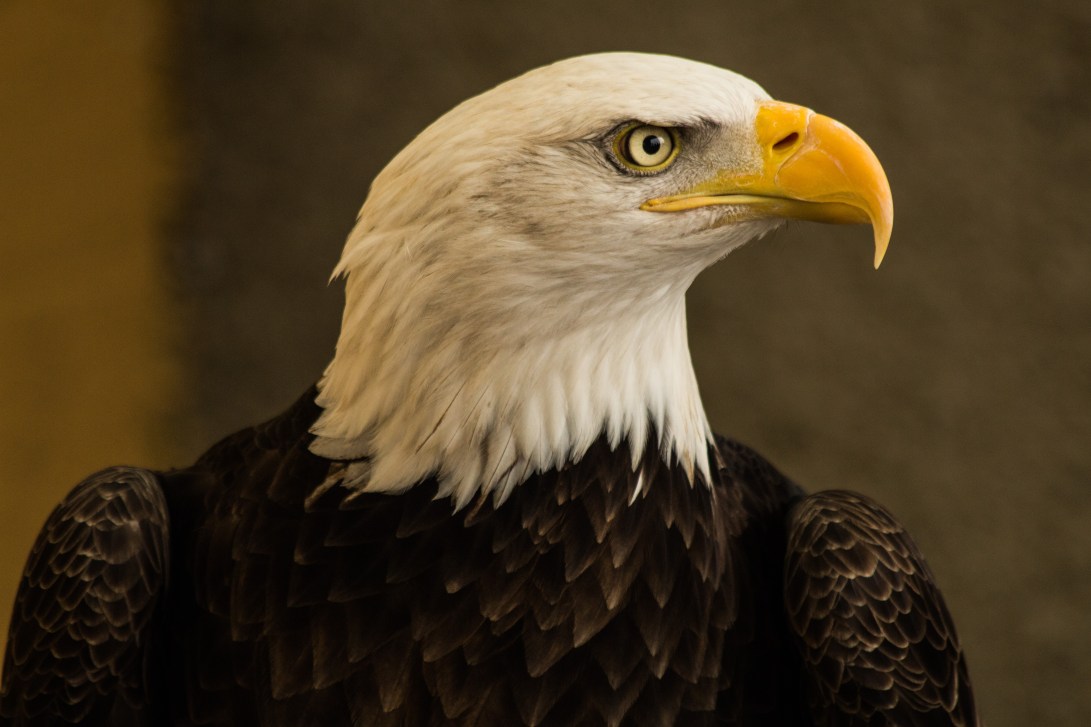
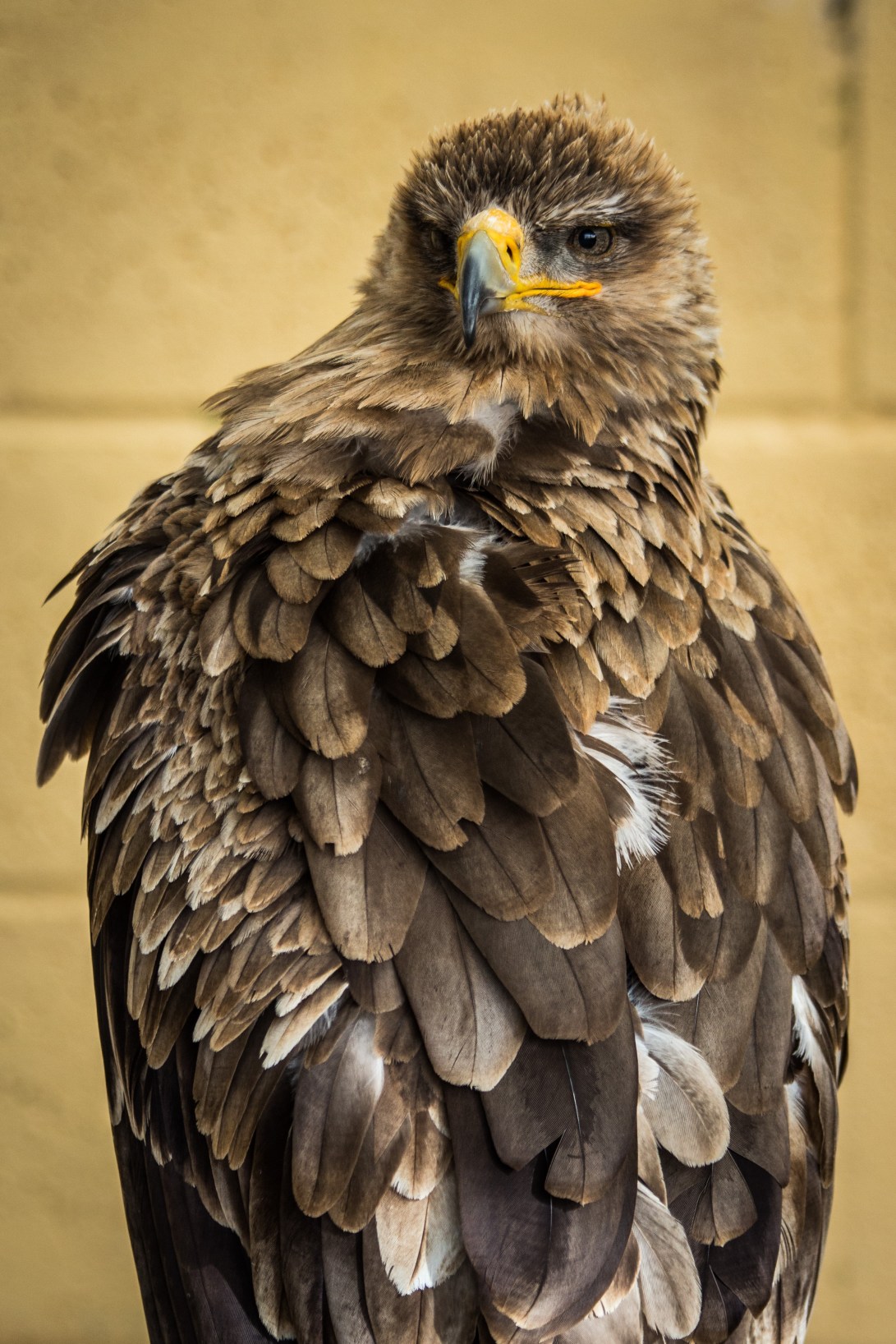
It hadn’t been too long since my last visit to a zoo, but maybe it was the presence of four other wildlife students that instilled different feelings in me this time. The small size of the enclosures seemed more obvious and I couldn’t help feeling uneasy as I watched the lynx pace up and down and the raptors attempt to fly off the metal perches they were tied down to. I could photograph the bald, golden and tawny eagles in vivid detail, but I knew deep down it was cheating and the photos I was taking were no different to those of hundreds of other visitors.

img_9778

The reason I love photography is it captures a moment in time that cannot be exactly replicated ever again. It freezes a memory and provides a very intimate insight into the photographer’s mind. So as I stood in front of a tethered bird that couldn’t escape my camera or my gaze, I soon realised this was not how children should experience wildlife.

Ticking off birds from my wish list was part of the charm that got me interested in wildlife. It was going out, tracking a bird and watching it live its life that gave me a sense of pride. Not only had I had an adventure in the great outdoors, but I’d discovered a species I’d never seen and sometimes got photos to show for it. During my time on the Isle of Carna we attempted to track down golden eagles on a boat trip on Loch Sunart. We were extremely lucky to get a glimpse of the magnificent bird as it perched high up in the tree canopy.

Anyone with £8.95 in their pocket can go to the Lakes Wildlife Park and see a golden eagle, but where’s the fun in that? If the same children who see a captive golden eagle were to see one in the wild, I’m certain that experience would last a lot longer in their memory.

img_9780

Of course, I’m just talking about British wildlife. None of us in the UK are going to see a wild red panda or lar gibbon no matter how impressive our tracking skills, so in that respect zoos offer children the chance to see what wonderful animals roam our planet. While this is all well and good – and with the rate of extinction as rapid as it is, this may soon be the only way that the next generation can see certain species in the flesh – it’s just not “wild” life. And isn’t that the point? What next, we round up indigenous tribes and keep them in pens for people to stare at? Although some zoos have done wonderful work for conservation and provide a safe place for endangered animals to live unharmed, should it be up to us to decide whether a long, captive life is better than a short, free one?

img_9876

Nature’s Fisherman

It was time once again for a wander in the wild. Kacper had told us about a kingfisher he’d seen on the River Caldew, so Zahrah and I met him in town and we set off. I’ve had two kingfisher sightings both in Cumbria, one with my camera one without. I managed to get the speedy bird in frame for one of my shots, but I wanted to slightly improve on an indistinct electric blue blur this time.

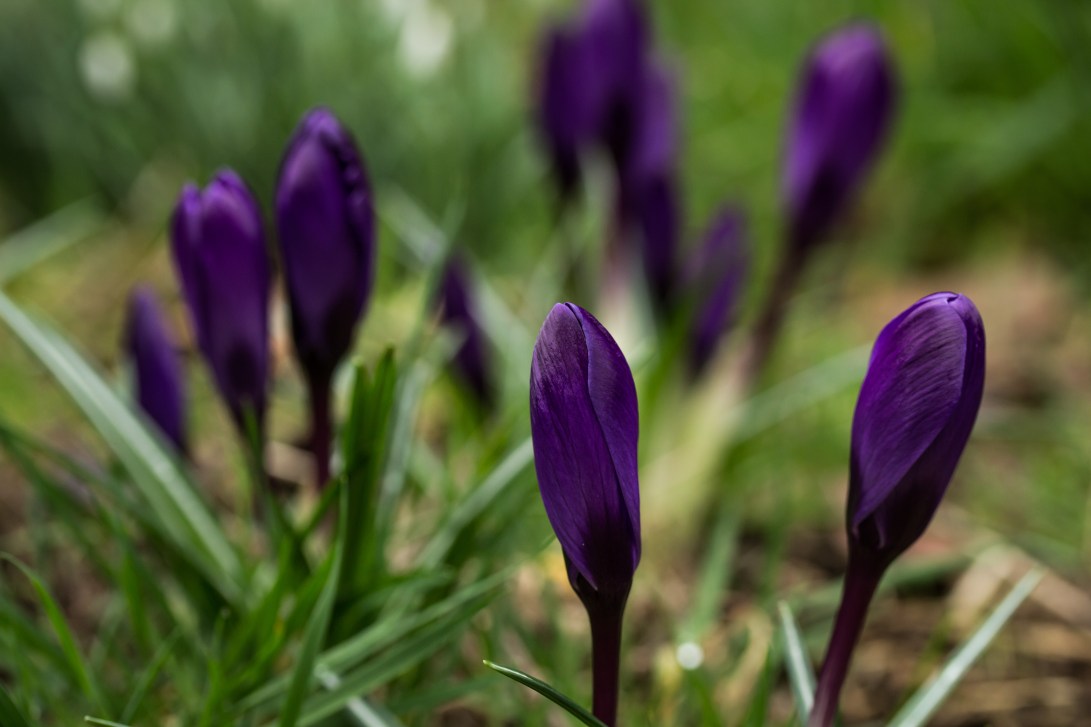
It was so refreshing seeing the first signs of spring. Little pops of colour speckled the green grass as snowdrops and crocuses stretched out of the cold, hard ground – dainty little warriors taking on the end of winter.

img_9572img_9580

We were met at the river by a smoky grey guardian – a feathered old man that stood hunkered up at the top of a tree. The heron surveyed his river with grumpy indifference. Zahrah is under the impression that these birds are beautiful. While I can’t quite agree on that, they are a spectacular looking species that always draw my attention, whether they’re sat slouched on a branch or flapping through the air with spindly dangling legs.

img_9644

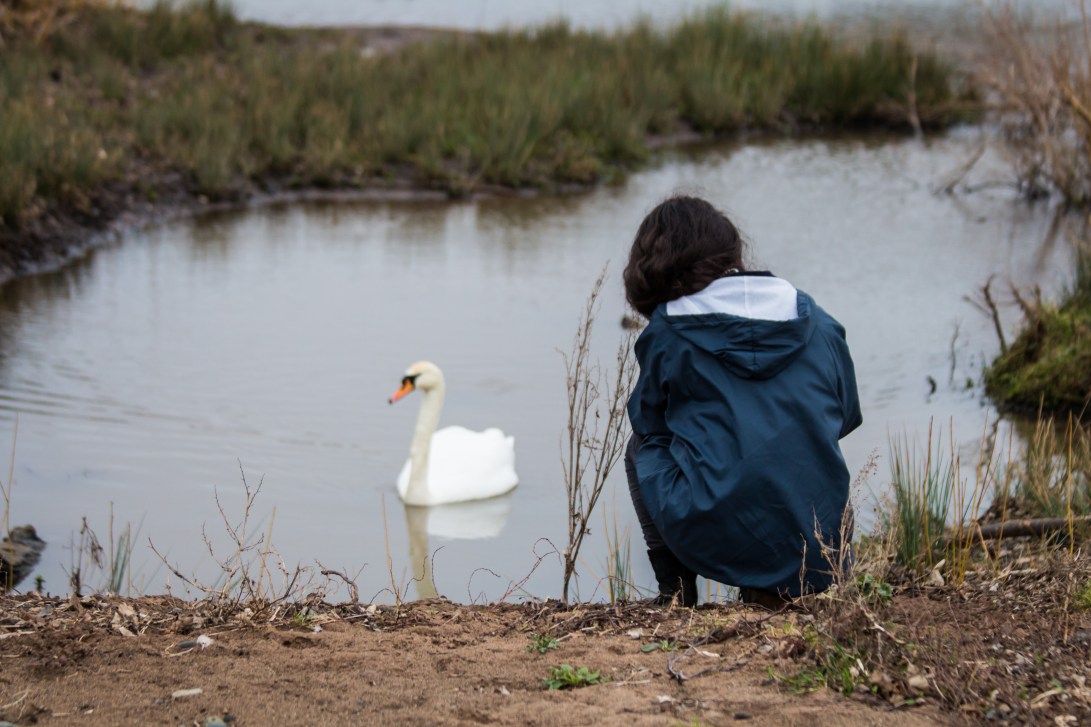
After leaving the heron behind I spotted the elusive kingfisher, so we followed it along the river bank as best we could. In the meantime, Zahrah had a play with medium format film, and attracted a couple of inquisitive mute swans.

img_9684

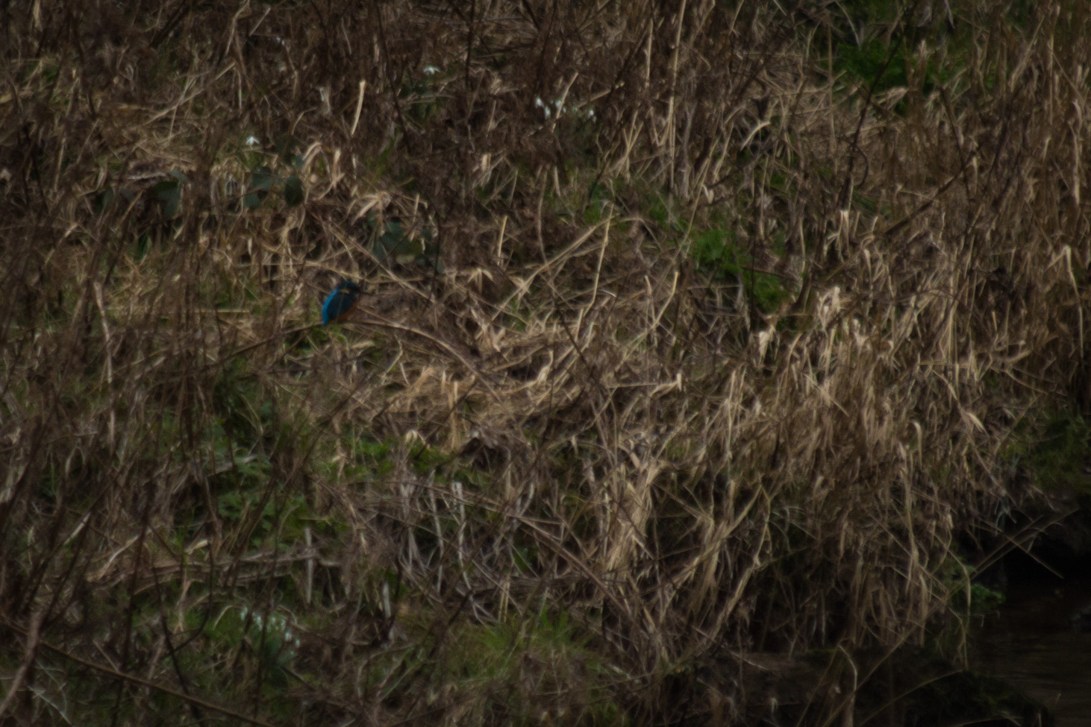
Despite the slow emergence of spring, it still got bitterly cold and before long the light began to fade. We were just about to head for home when another flash of blue shot across the water. Hurrying across the bridge, we staked out the riverbank and managed to spot the kingfisher resting amongst the scrub. It’s still not the best kingfisher photo ever taken, but it’s a vast improvement on my last – you can even see it’s an animal this time!

img_9668

Camera Trap: A week in January

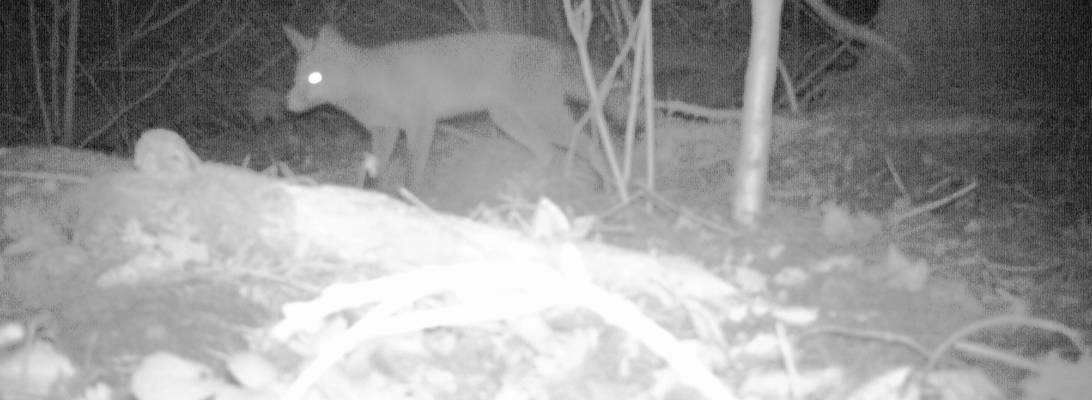
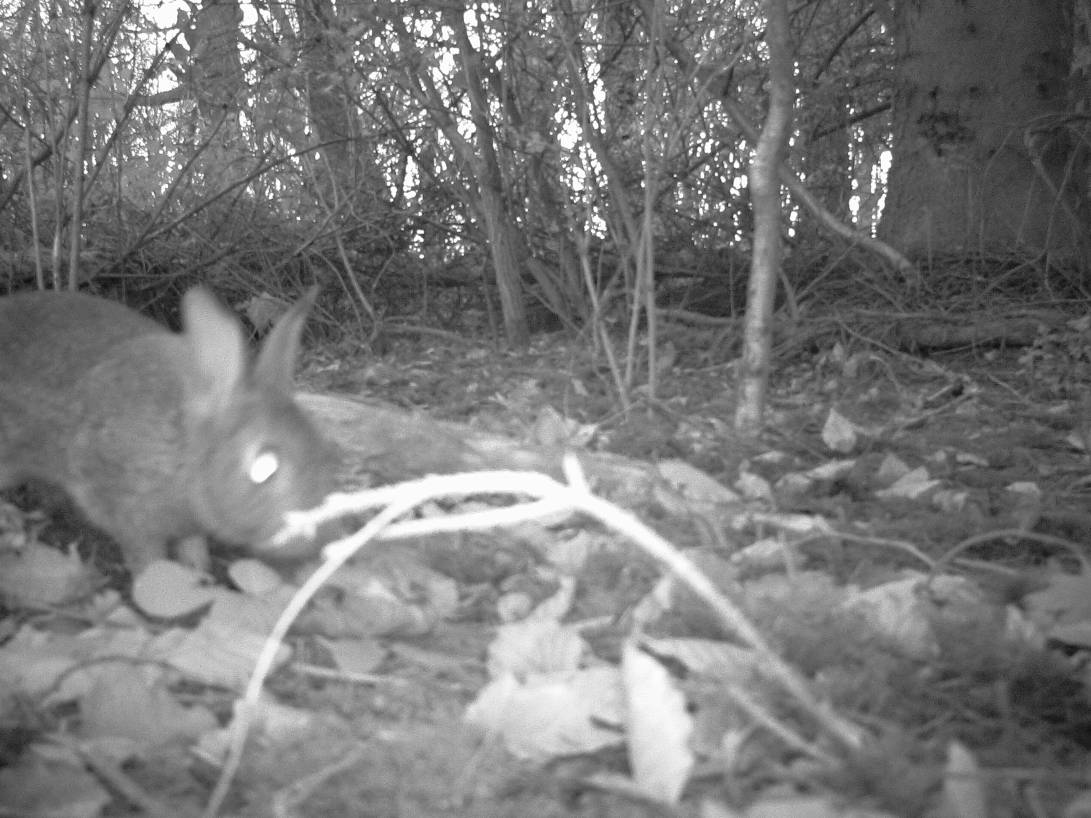
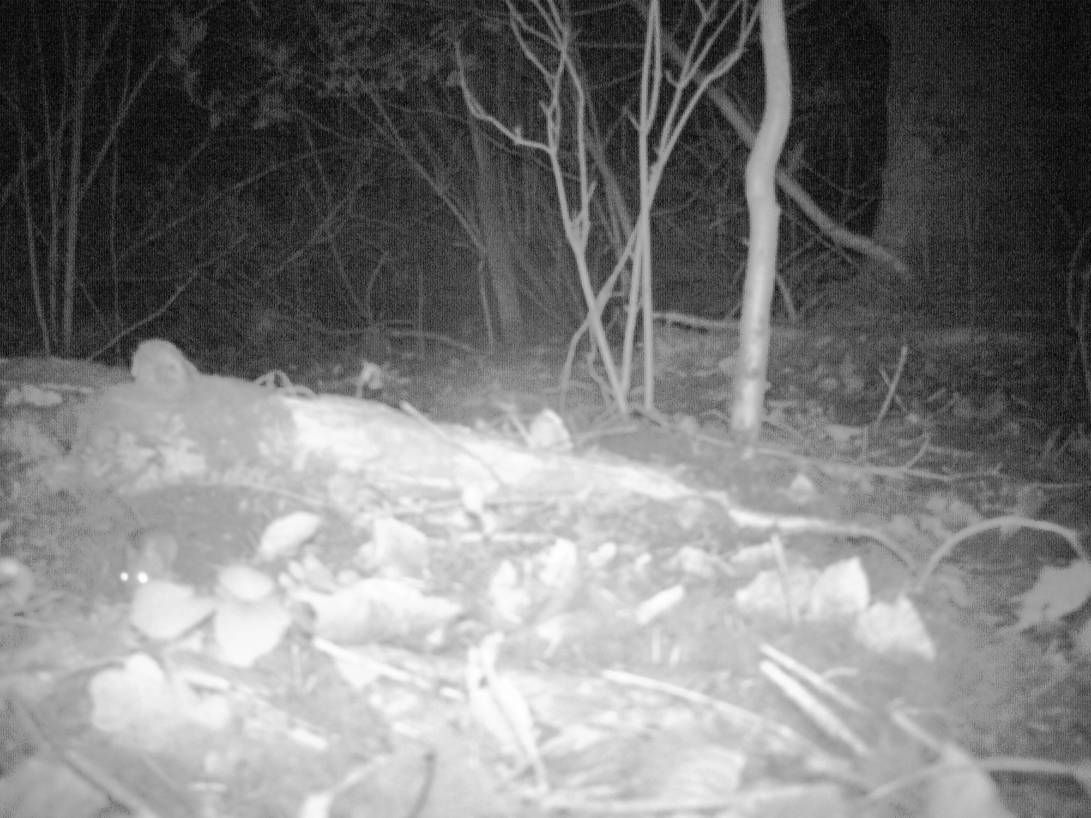
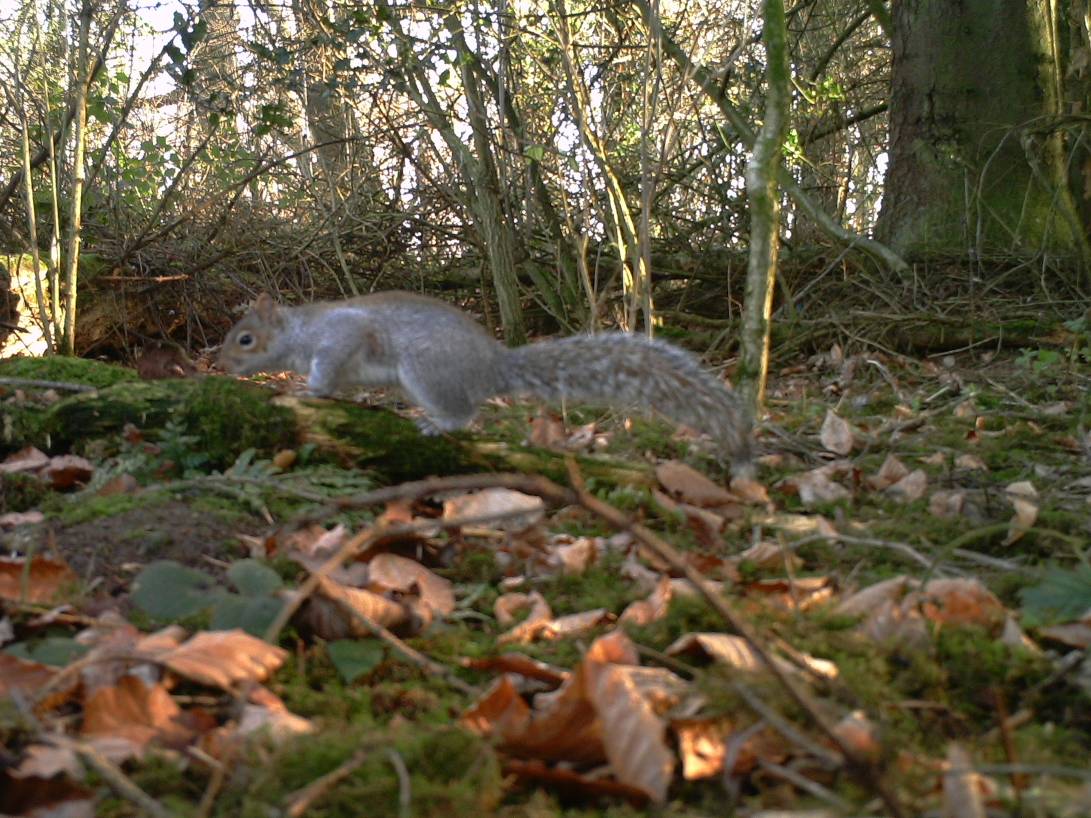
In many cases, wildlife can only be truly photographed without the photographer. After falling in love with Kingmoor South, Zahrah and I decided to set up camera traps to see what we could find. We had just attached all three traps when we realised we’d forgotten to bring bait, but decided to leave them a week and hope for the best. When we returned, we were thrilled to discover we’d had some visitors.

imag0038
European rabbit (Oryctolagus cuniculus)
imag0176
Wood mouse (Apodemus sylvaticus)
imag0058
Red fox (Vulpes vulpes)
imag0073
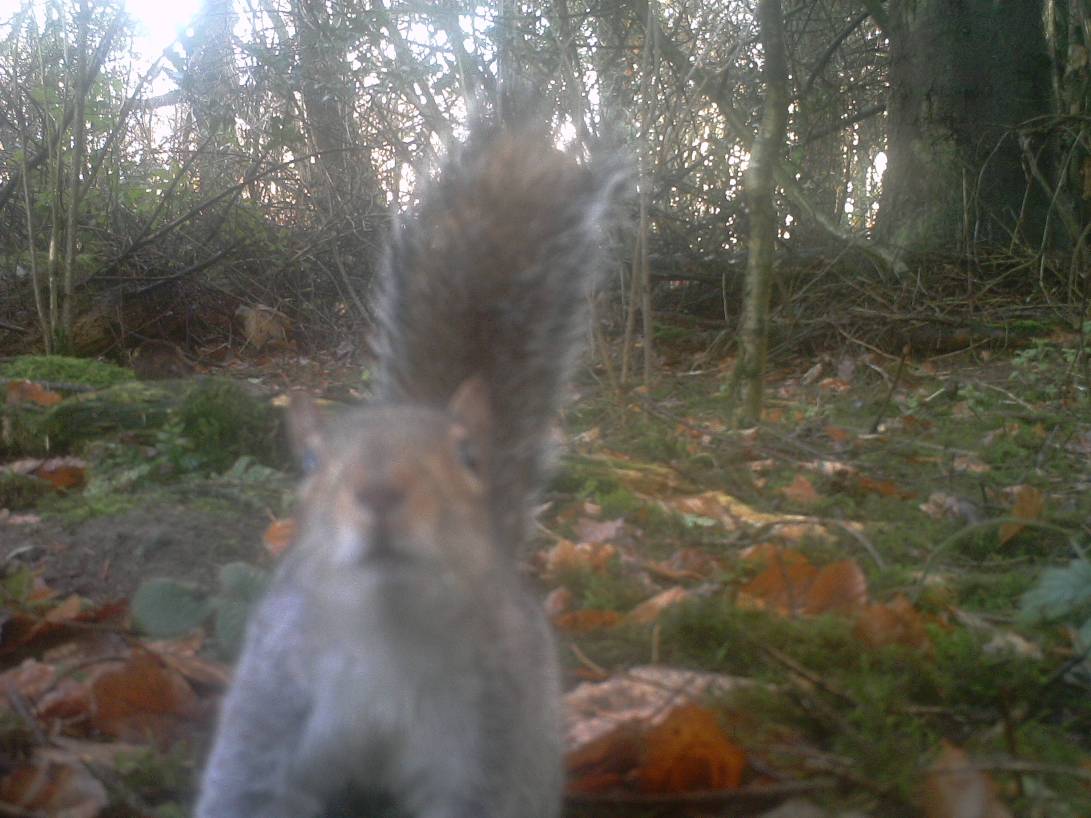
Grey squirrel (Sciurus carolinensis)

imag0139

I reckon we’ve found a good patch for traps, so I’d love to plan a second trip and set them up again. I’ve got my sights set on catching a badger…

Hiding Under Toadstools

It had been way too long since Zahrah and I last went on an adventure, so on a grey, cloudy Friday morning we headed out to Kingmoor South and North nature reserves for a wander. The aim was to train our senses and become expert animal trackers. We had our hopes on finding owl pellets and maybe even the fabled “Beast of Cumbria” – I share George Monbiot’s rather pessimistic opinion on a black panther stalking sheep in the Lakes but that’s a whole other blog post.

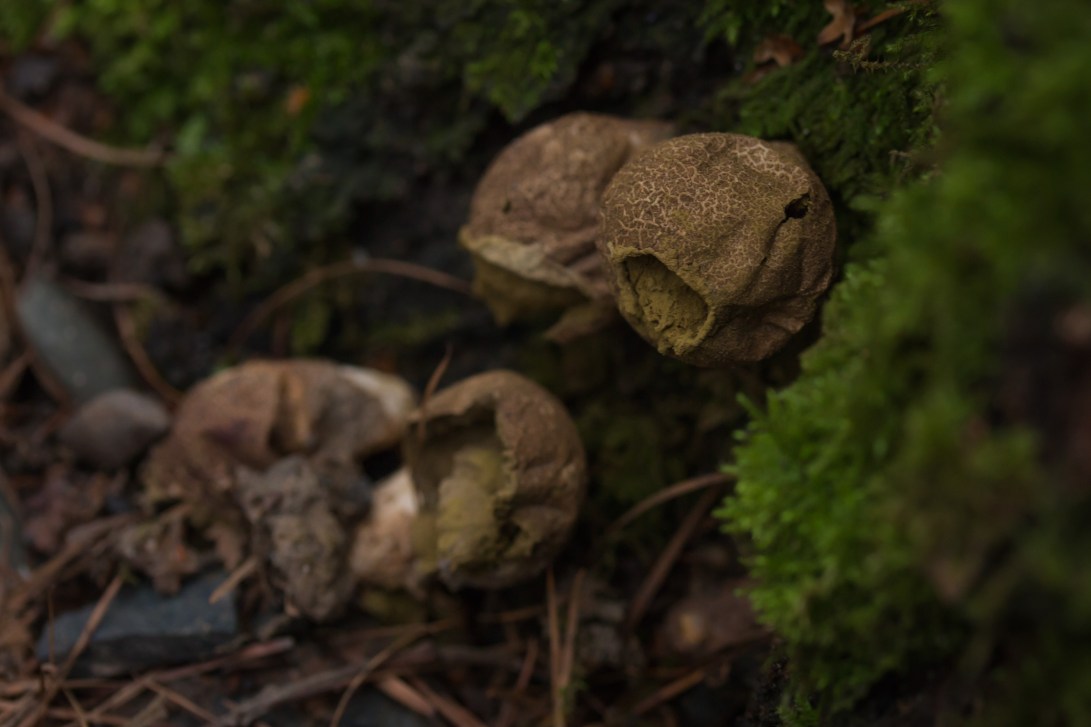
img_9258
Common Puffball (Lycoperdon perlatum)
img_9304
Frothy Porecrust (Oxyporus latemarginatus)
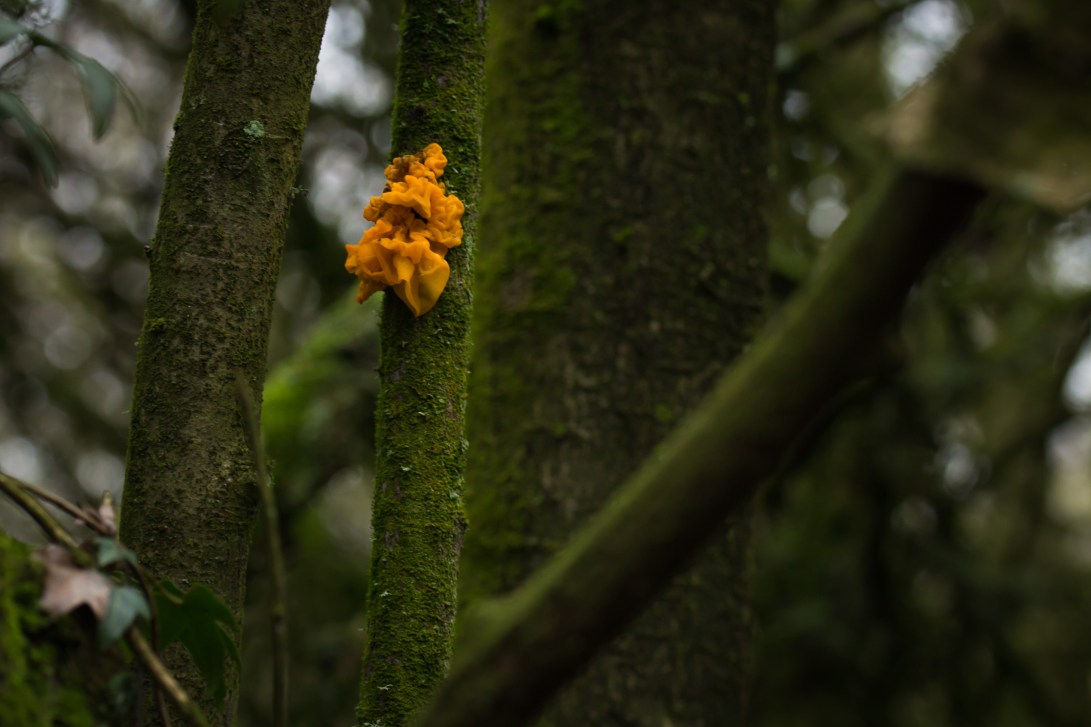
img_9266
Yellow Brain (Tremella mesenterica)

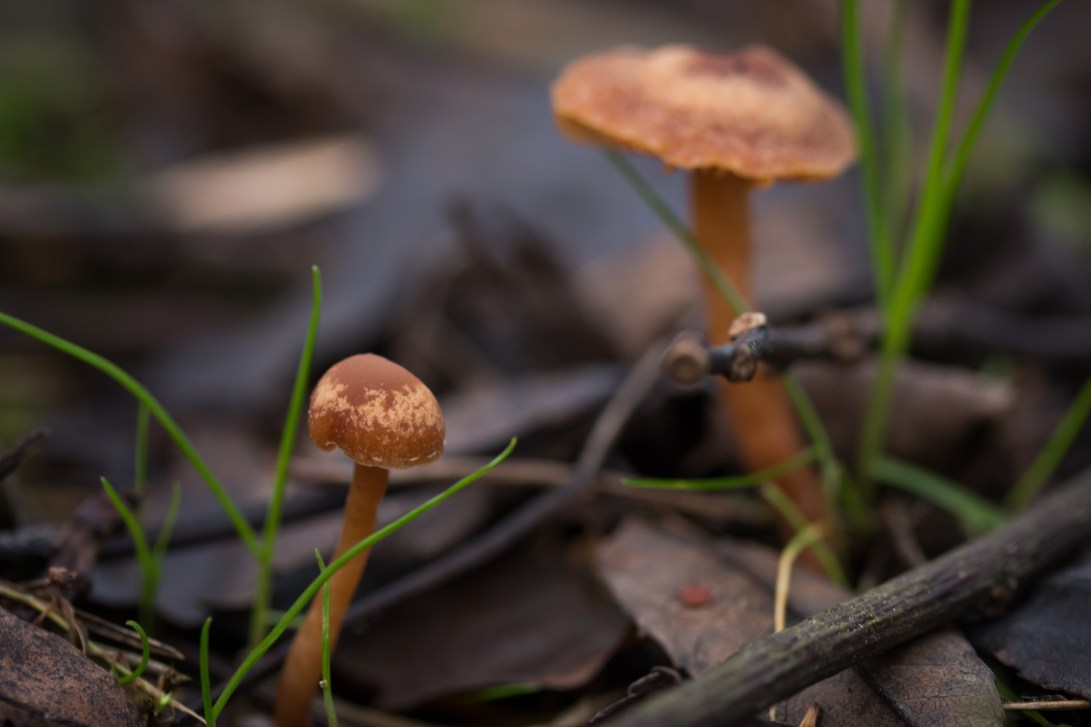
Sadly our adventure was pellet-less, but what we did find was a lot of fungi. I’ve been really interested in macro photography recently, and have subsequently been spending a lot more time crawling on the floor finding tiny things to photograph. I never realised quite how extraordinary fungi could be – so many shapes, sizes and colours. Like every naturalist I’d love to be a wild forager and have a nibble on the safe varieties, but after trying to name the ones I’d found I discovered it was dangerous territory. Take Morel (Morchella esculenta) for example, an egg-shaped cup fungus that apparently tastes wonderful. Then take its almost-twin, False Morel (Gyromitra esculenta), which can be fatal and even after careful preparation is believed to cause cancer. Nature is a cruel mistress indeed!

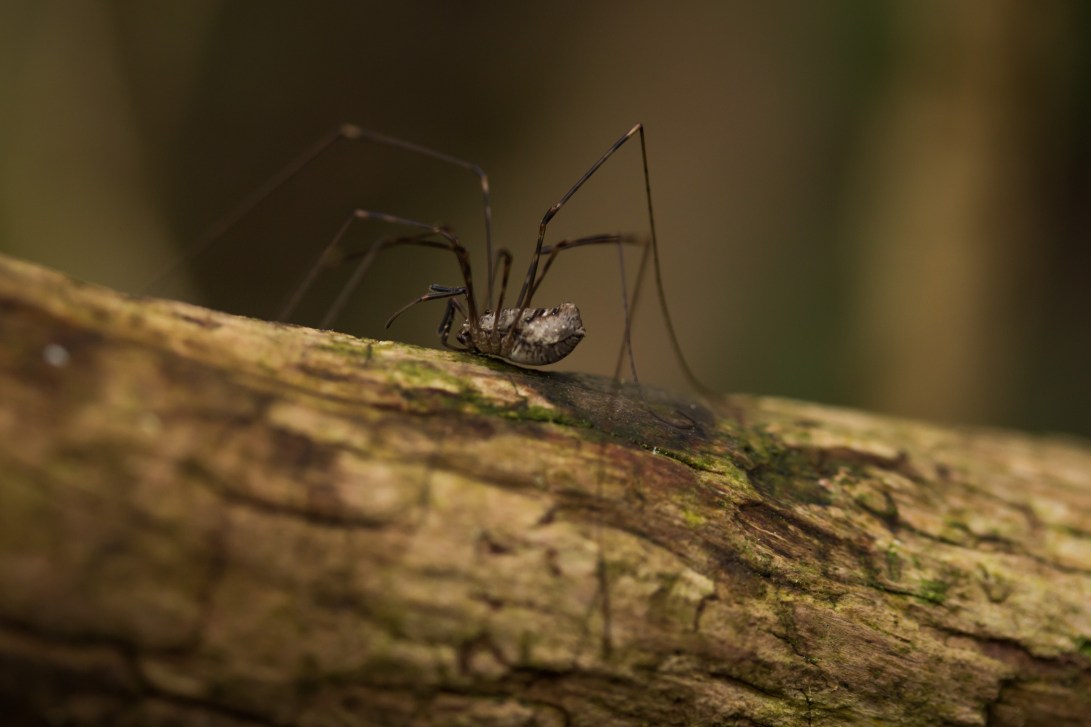
So we decided against finding a snack and stuck to taking photos of the fungi we found. Zahrah graciously held a branch up while I crawled underneath to photograph a group of Jelly Ears. I was mid shot when I heard “aw look at this little spider” over my head and regretted every decision I’d made getting to the Jelly Ears. The little critter was a harvestman (Opilione), and luckily he was only small so I was even brave enough to take a shot of him before he scuttled away.

img_9293
Harvestman (Opilione)
img_9285
Jelly Ear (Auricularia auricula-judae)

We ate our lunch on a bench nestled amongst the vast oak trees, the forest floor covered in a crunchy bed of orange and brown. It was eerily quiet, even for a forest landscape. I can’t wait for the spring when the air will be alive with birdsong again. Winter has its own magic, but it can’t be denied that spring is when nature truly shines.

img_9115
Brown Mottlegill (Panaeolina foenisecii)
img_9100
Candlesnuff Fungus (Xylaria hypoxylon)

Waxwing Hunt

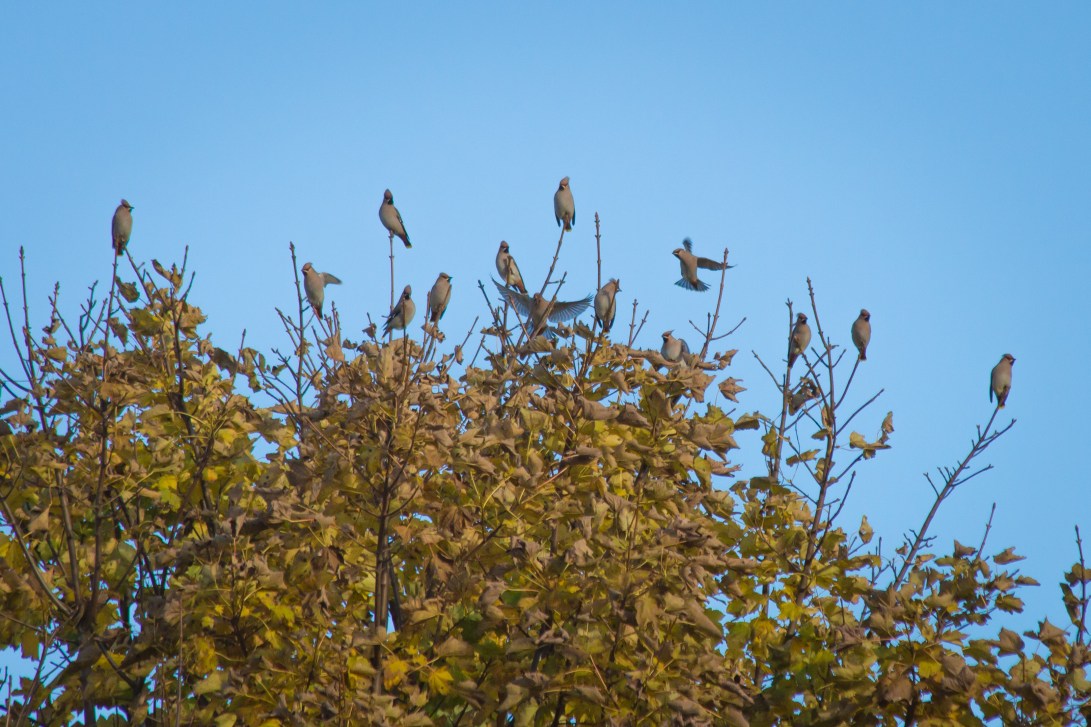
On Friday Zahrah and I seized the day and drove out to Brampton, a town a short drive from Carlisle. We’d heard that the waxwings (Bombycilla garrulus) had been sighted there and we both wanted to tick this incredible bird off our wish lists, do decided to try our luck finding them. Waxwings arrive in Britain in winter and spend their time feeding on fat red berries.

After getting briefly lost and befriending several old people who told us what they knew about the birds’ whereabouts, we spent two hours wandering around residential streets carrying tripods and a felled tree, more appropriately named the Canon 50-500mm lens. We saw chaffinches, goldfinches and several tiny wrens hopping between the fruit-laden branches, but not the jackpot we were after. The trees looked beautiful with their autumn coats, so we had plenty of other photo opportunities.

img_8090

img_8082

The car permit was soon to run out, so we started to head back. I’d just put the monster lens to bed in my bag when Zahrah noticed some dark dots at the very top of a nearby tree. On closer inspection, we were thrilled to discover we’d found our waxwings. A manic struggle to retrieve the telephoto lens ensued and I managed to take a few, slightly hazy shots. They didn’t come any closer, but I was mostly chuffed that we’d seen them. Decent photos can always come later.

After our success, we got lunch at Cranstons’ Food Hall and headed back to uni, just in time for our afternoon lecture.

img_8127

img_8105

Whale Bones and Walking Stones

As usual, I trundled to Tullie House Museum for my weekly volunteer shift. Right now everything is focussed on the whale project. Following the discovery of a 16m fin whale skeleton on a beach in Cumbria, Tullie House now has the makings of a smart new welcome feature in their entrance hall. The bones are being taken away for professional cleaning in less than a month now. There’s still a lot to be done before that happens, so it’s all systems go!

Today I was joined by a new volunteer called Will, who turned out to be a fascinating character. As we set to work on scrubbing dried whale flesh off vertebrae the size of my hips, we got chatting about wildlife. Turns out, he’d travelled to some stunning places for expeditions, something I was incredibly jealous of. One one expedition in Abu Dhabi, he had the chance to excavate fossilised camel skeletons as part of his master’s degree in zoo archeology. Once they reached the ribs, the guide assured them there would be nothing of interest to investigate. Will decided to convince him otherwise and together they found an ancient spearhead embedded in the bone. The small discovery prompted a thousand questions: who killed this camel? For what reason? It was fascinating.

Soon, Will is heading off the to the Far East, but he’s done a lot of work in East Greenland. Highlights from his trips here included a sighting of a polar bear jumping through an enlarged seal breathing hole and into the ocean below, and a herd of very intimidating musk oxen, as well as polar wolves, snow white relatives of the grey wolf. On one encounter, Will’s team heard a distressed ringed plover and glanced out the window of their lodgings to see an arctic wolf mere feet away.

As amazing as these stories were to hear (as I sat on the floor scraping white fat off whale bones), my favourite was the tale of the walking stones. Will described how, when rocks fall onto a glacier, they create a natural phenomenon. While the ice around the rock melts under the sun, the patch directly beneath it is kept sheltered. After many hours, the rock is “lifted” by its ice pedestal as the rest of the glacier melts away. Soon though, even the elevated platform succumbs to the sun’s heat and the rock falls onto a patch below, beginning the whole process again. The result is a very slow game of slinky, but one that fills me with such joy that nature is so beautifully playful.

Sunset Sunday (on Tuesday)

Yesterday my lovely boyfriend cooked me sausages and the most incredible fried bread for breakfast because the horrid lurgy that had been lingering menacingly had finally reared its ugly head. For the majority of the day we watched Sherlock and ate the cake we were up until 2am making the previous night, while I wheezed and sniffed.

By evening I was up for a walk, so we decided to head out to Talkin Tarn Country Park in Brampton, Cumbria. It was a spot I’d heard good things about but never been to, and it was truly beautiful. As the day faded and the sun sunk into shadows, the rich blue evening sky illuminated the water, ruffled occasionally by the passing rower. A wind nipped my fingers and I pulled on my gloves with slightly exaggerated enthusiasm; I couldn’t wait for winter to make its appearance so I could dig out my finest wooly scarves and bobble hats. For now though, all I needed was my trusty Berghaus jacket to keep me warm as we made our way round the lake.

img_7187

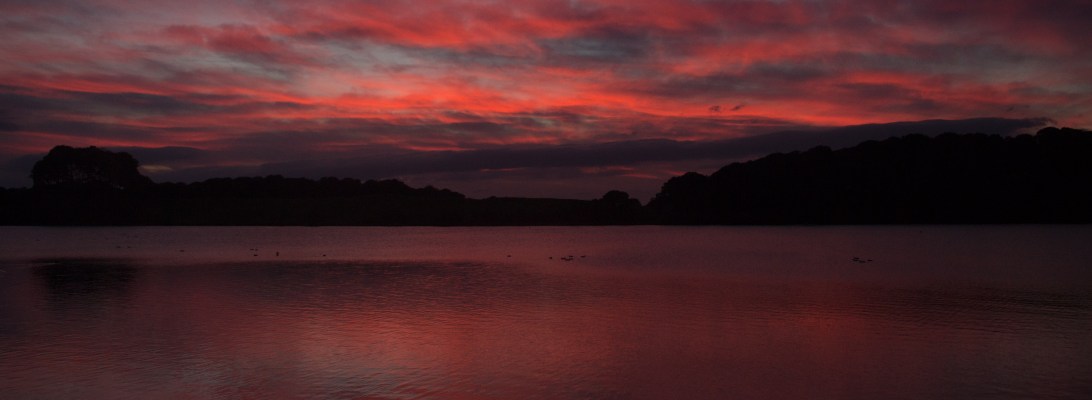
The sunset crept up on us. One moment the sky was blue, the next it was a vivid red, like a furious blush across the horizon. The water, now still and smooth as glass, took on a beautiful pink hue as the clouds rolled over it. Ducks, geese and swans alike settled to roost. One Canada goose honked into the silence, finishing his argument before succumbing to sleep.

We wandered on and perched inside a bird hide for a while, craning out the window for creative angles of the paint-splashed lake. In minutes the colours had drained and all that remained were grey water and an ever-darkening sky. We made our way back around the lake to the car, feeling very grateful to have witnessed such a visually stunning end of the day.

img_7209

Birds at the bottom of the garden

As of today, I’ve been living in my new house a week! It’s not the biggest or the most glamorous, but it’s certainly enough to feel like home. There is also a generously sized garden that oozes potential. Currently, the grass is several feet high and tickles the midriffs of the two apple trees, but I’m determined to make it a spot both we and our neighbouring wildlife can enjoy.

Zahrah and I have already had debates over whether the grass should be cut at all. While she favours the truly wild, I prefer neat and tidy with areas that the wildlife can still feel at home in. My plan is to cut the majority of the lawn but leave a wild patch at the bottom, so all kinds of creatures can still seek sanctuary in its grassy depths.

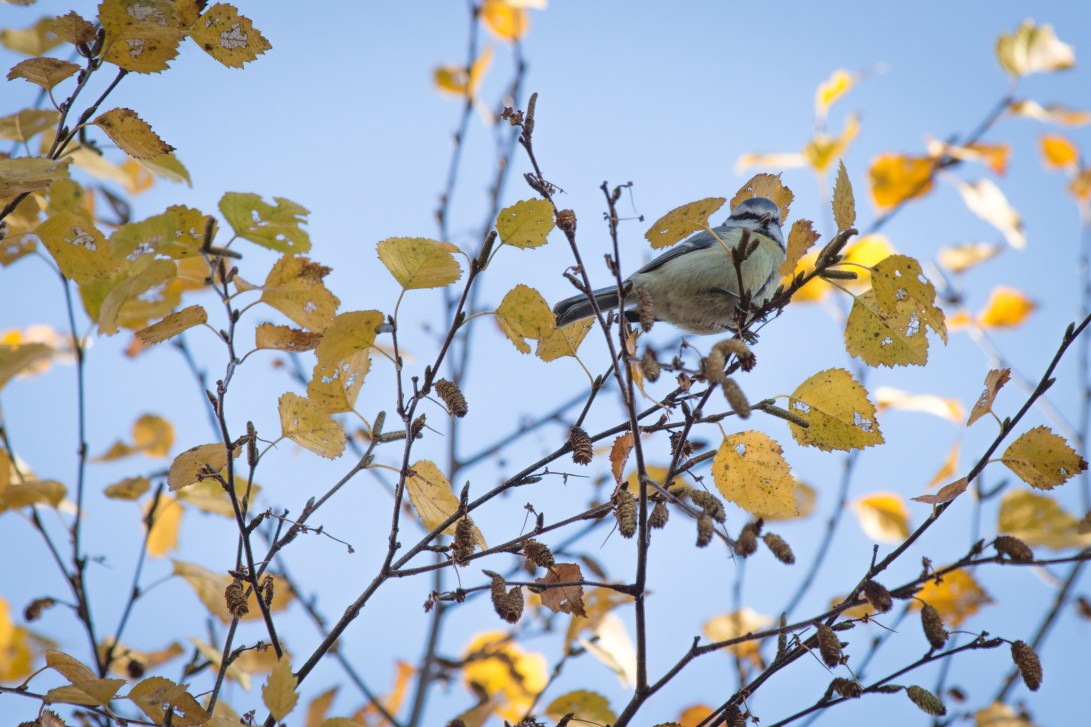
I’ve noticed several species of garden bird already, namely robins (Erithacus rubecula), blue tits (Cyanistes caeruleus) and great tits (Parus major), but I’m sure we can attract more with a range of bird feeders – millet for dunnocks (Prunella modularis) and finches and sunflower seeds for the tits and hopefully greenfinch (Chloris chloris). As well as this, we could fit some nest boxes to the apple trees to encourage nesting birds to stay.

Now we have such a secure garden, Zahrah suggested setting up a camera trap to see what nocturnal wildlife we play host to. In an urban area, it’s possible we have hedgehogs (Erinaceus europaeus) and maybe red foxes (Vulpes vulpes), something I’d be thrilled to see. After managing to photograph a wood mouse (Apodemus sylvaticus) at Kingmoor Sidings nature reserve not far from here, I’m optimistic we’ll get to see a lot more once we’ve set some tasty bait.

As for the lawn itself, I’d love to create a winding path out of the stray slabs we’ve found lying around. The garden is large enough for a compost heap too, something else that would attract a range of species. I’d love to cultivate a pond, but feel like this may be beyond my skill set! However, it would be lovely to plant some flowers and inject some colour into the otherwise very green garden. Although not the prettiest, stinging nettles are well known for being excellent attractors of the red admiral (Vanessa atalanta), comma (Polygonia c-album) and small tortoiseshell (Aglais urticae). Other good plants for butterflies include garlic mustard (Alliaria petiolata) and marjoram (Origanum vulgare).

All in all, I see some exciting things on the horizon for our little garden! After living in halls for a year and the only green space being the faded carpet of my room, I can’t wait to unleash my inner gardener and make our patch the perfect wildlife haven.