For someone whose natural attire is thick jumpers and lace-up boots, the arrival of September is a breath of fresh air. I always grapple for inspiration during summer, but the one thing that keeps my camera from gathering dust is the emergence of butterflies.
Small Pearl-bordered Fritillary
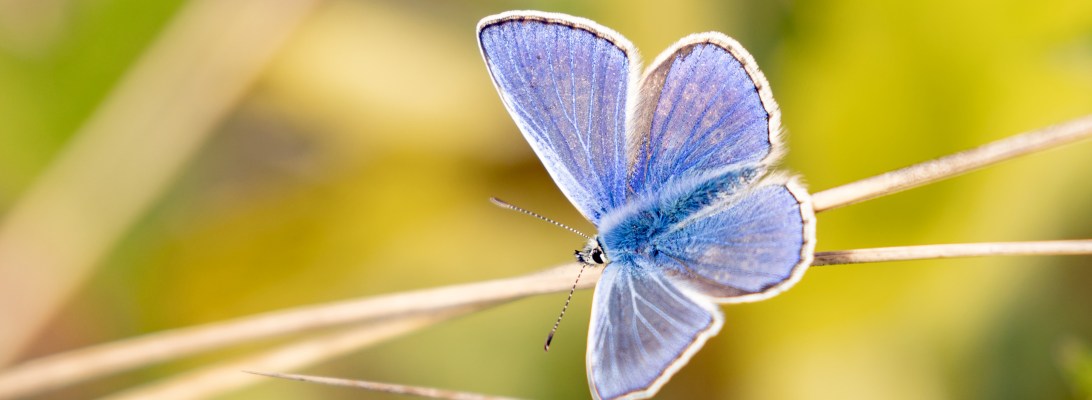
Common Blue
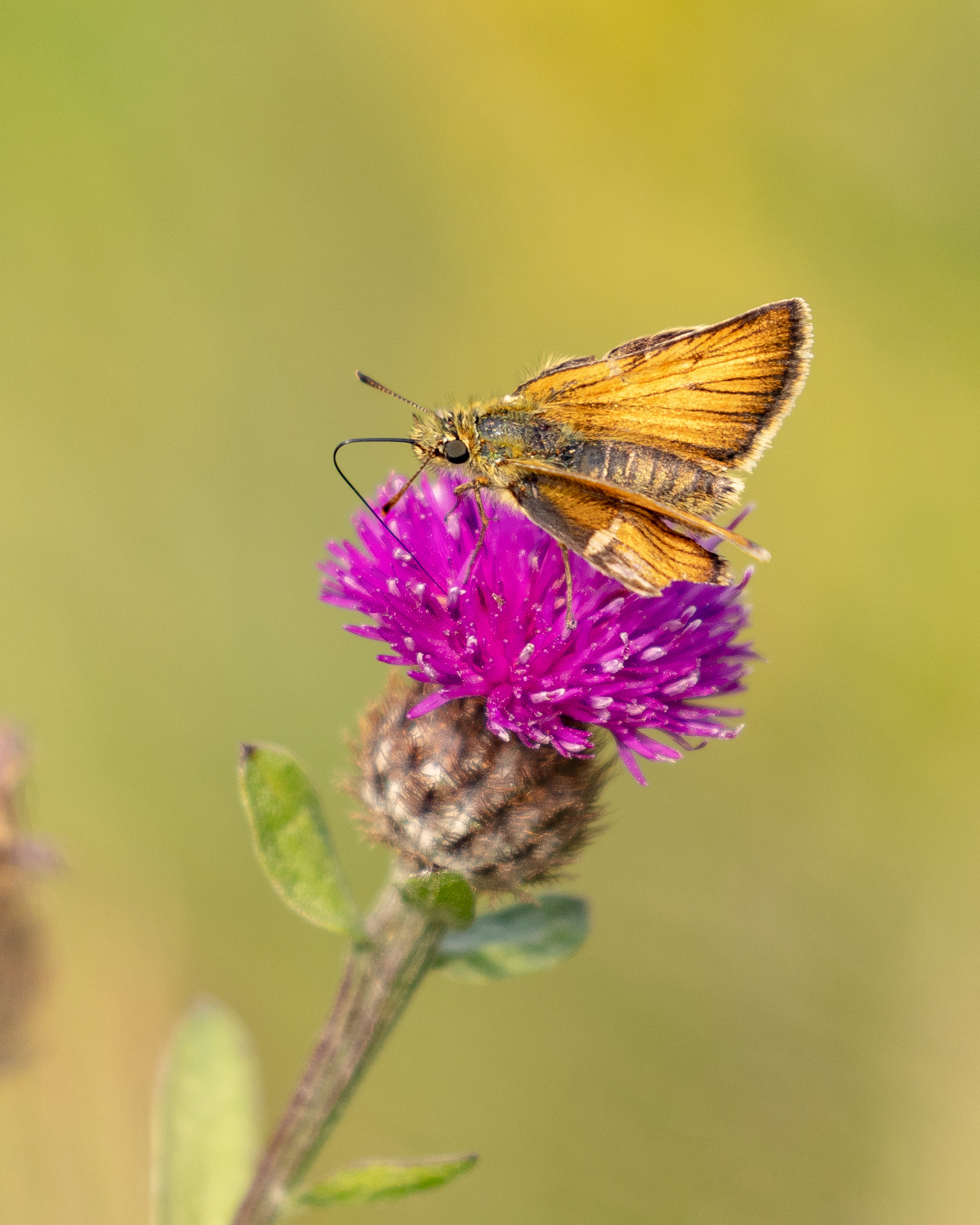
Small Skipper
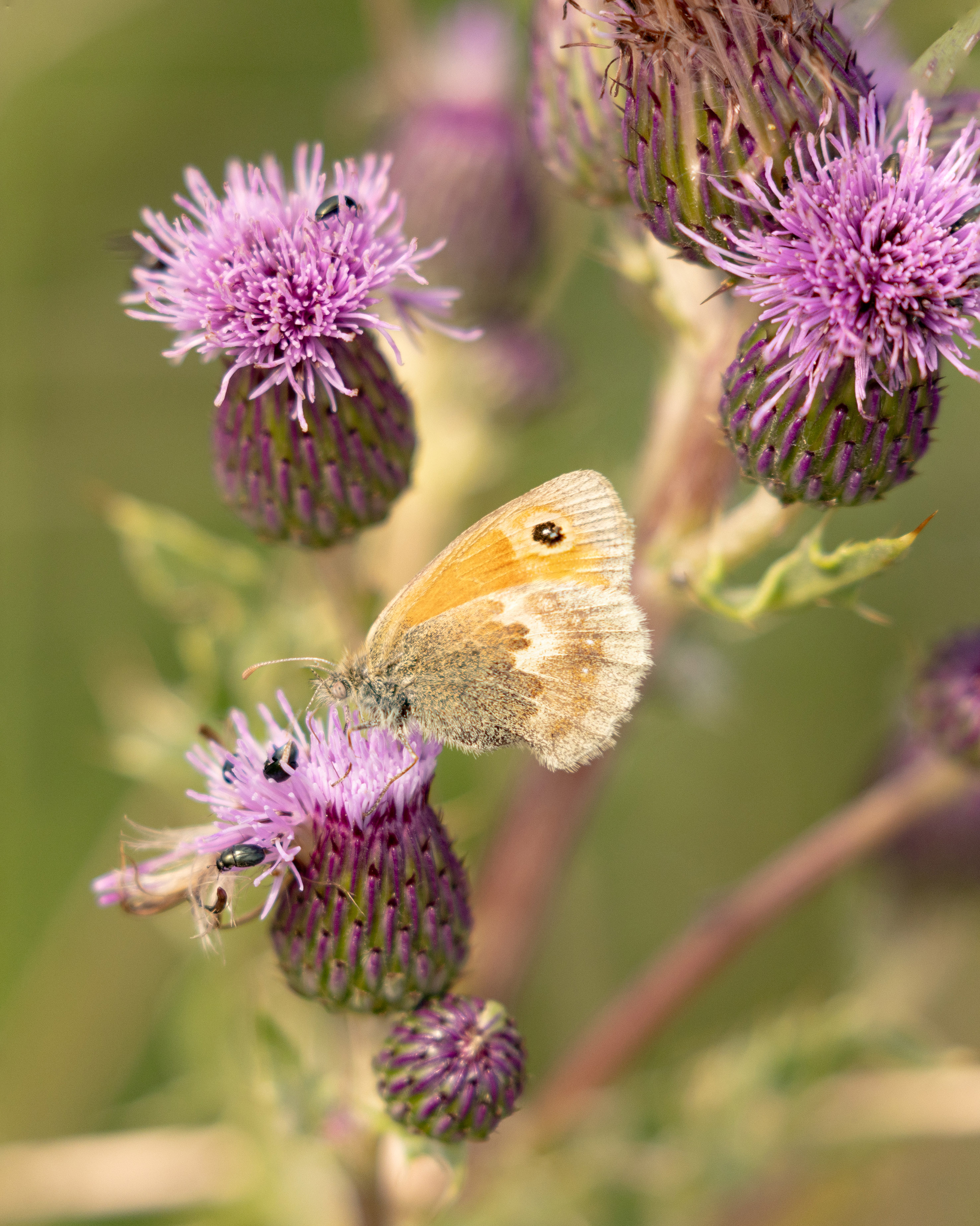
Small Heath
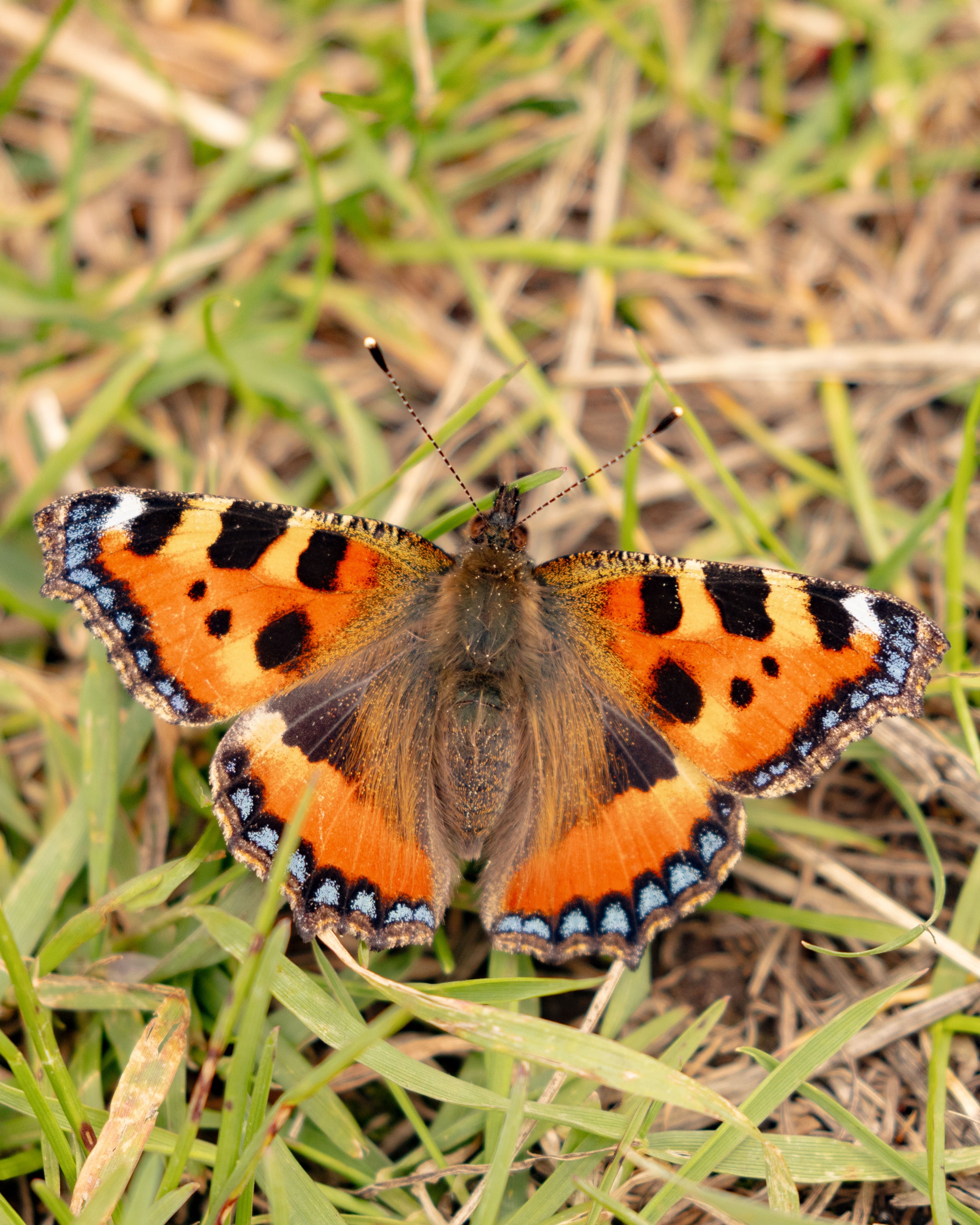
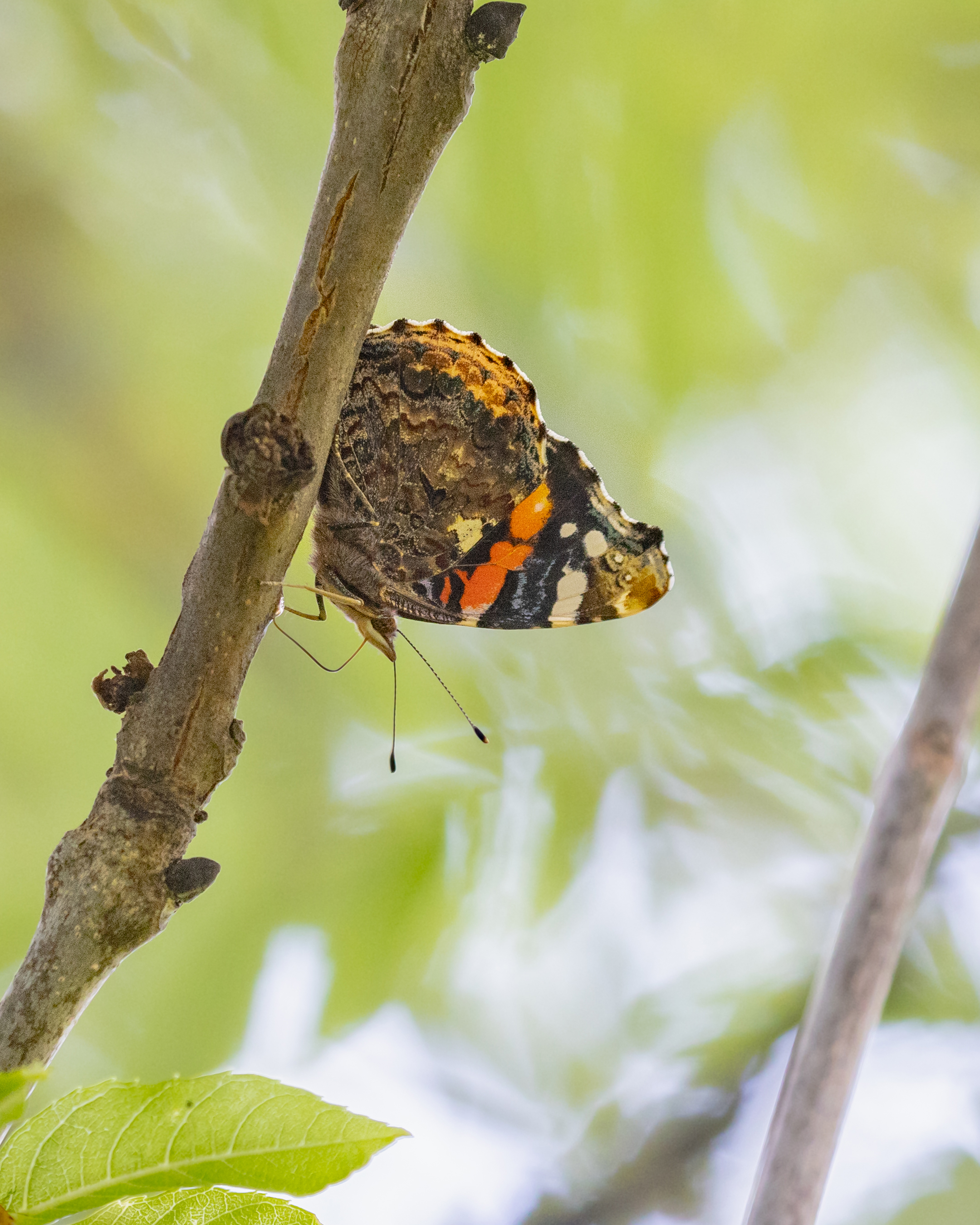
Small Tortoiseshell
Speckled Wood
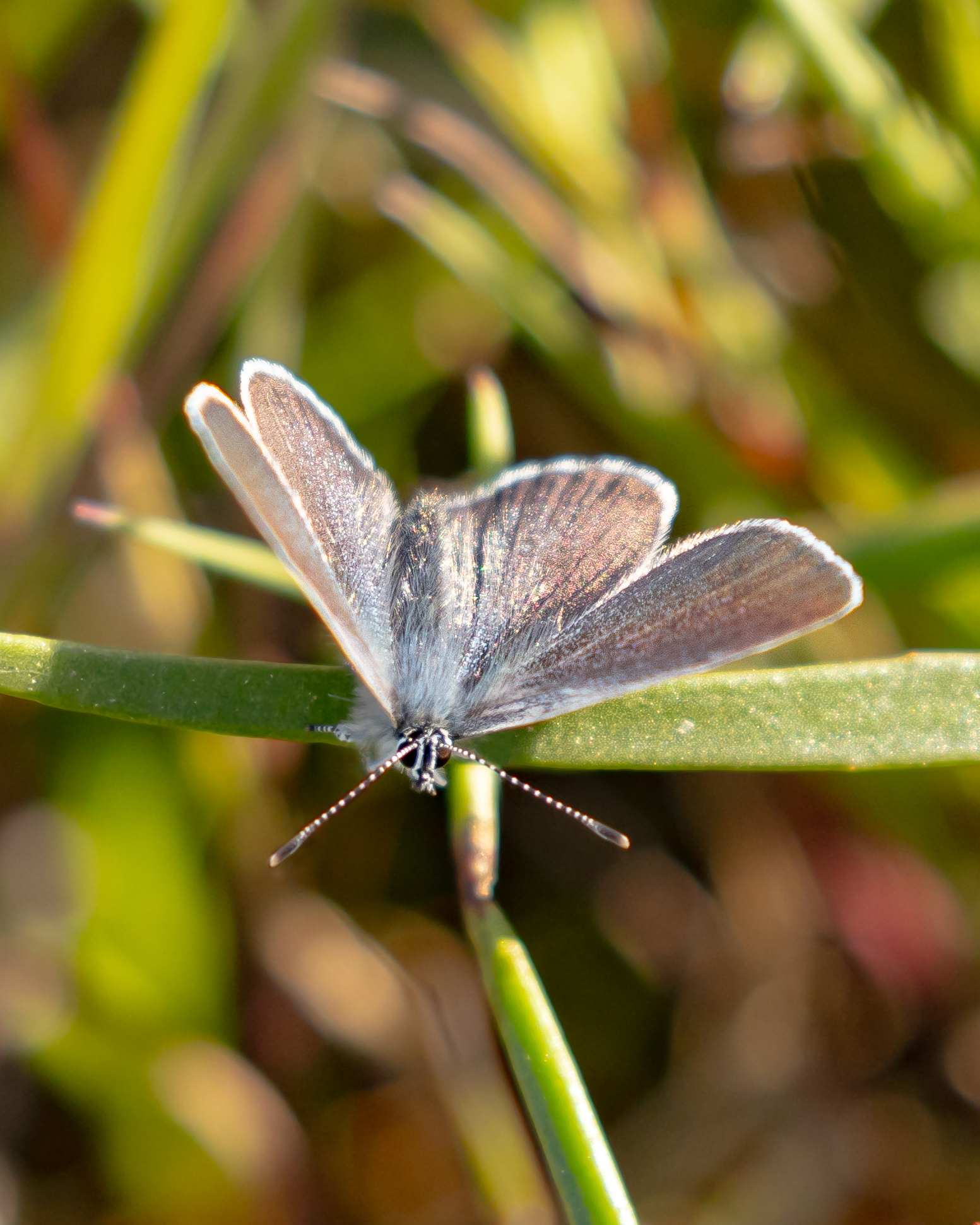
This season I saw my first Grayling during a trip to Tentsmuir in Fife, and my first Small Blue just down the road from where I live. One is an expert camouflager and the other is absolutely tiny, so I was thrilled to find both!
Grayling
Small Blue
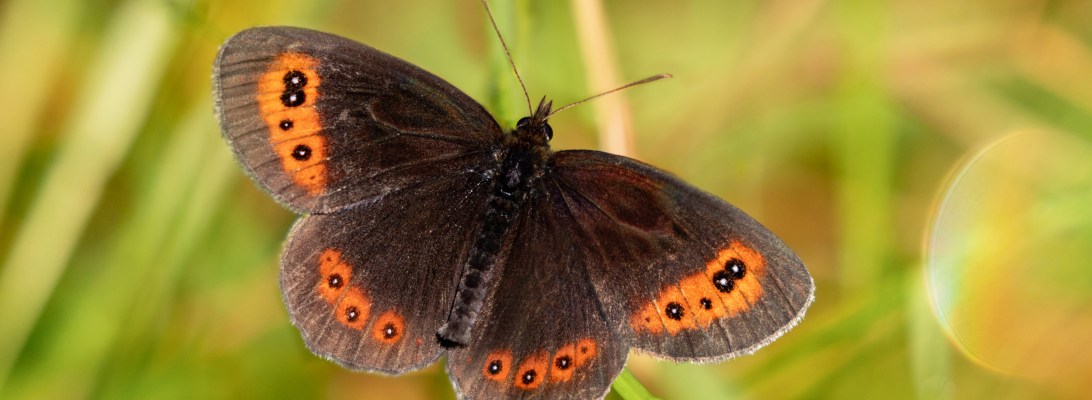
It was also a pleasure to see a decent number of Scotch Argus in my local patch again. Although not the most colourful of butterflies, there’s something so striking about the Scotch Argus and I always love seeing that flash of black among the bracken.
Scotch Argus
It’s been fun focussing on these tiny beauties, but now I’m keen to put the summer slump behind me. Here’s to fiery leaves, crunchy grass and soggy fungi.
I’ve recently returned from an amazing holiday in Fife with my family. I say holiday… I ended up working throughout, but in my defence it was the perfect opportunity to do some research for an upcoming project that I have to keep under my hat for now!
We’ve been holidaying in this particular cottage for the past 18 years, and I was both a lot shorter and nowhere near as bird savvy the first time we visited. Everything always stays exactly the same, prompting endless nostalgia and happy memories. The big difference this time was my 92-year-old nan came too, and being able to show her the place that’s become so special to us was such a treat.
Monster Truck on St Andrews Beach!
Naturally, I was out and about watching wildlife. Butterfly Conservation hosted an open day at Tentsmuir during our stay and I leapt at the chance to explore the site with a knowledgeable guide. During the walk I saw my first grayling, and was stunned by how effective their camouflage is.
A visit to Edinburgh, one of my favourite cities, was a must. Again, I was there in search of butterflies, and I met up with a wonderful volunteer who showed me around Holyrood Park. We found two graylings and plenty of small skippers, and after parting ways I couldn’t help being a tourist and hiking up Arthur’s Seat for the first time.
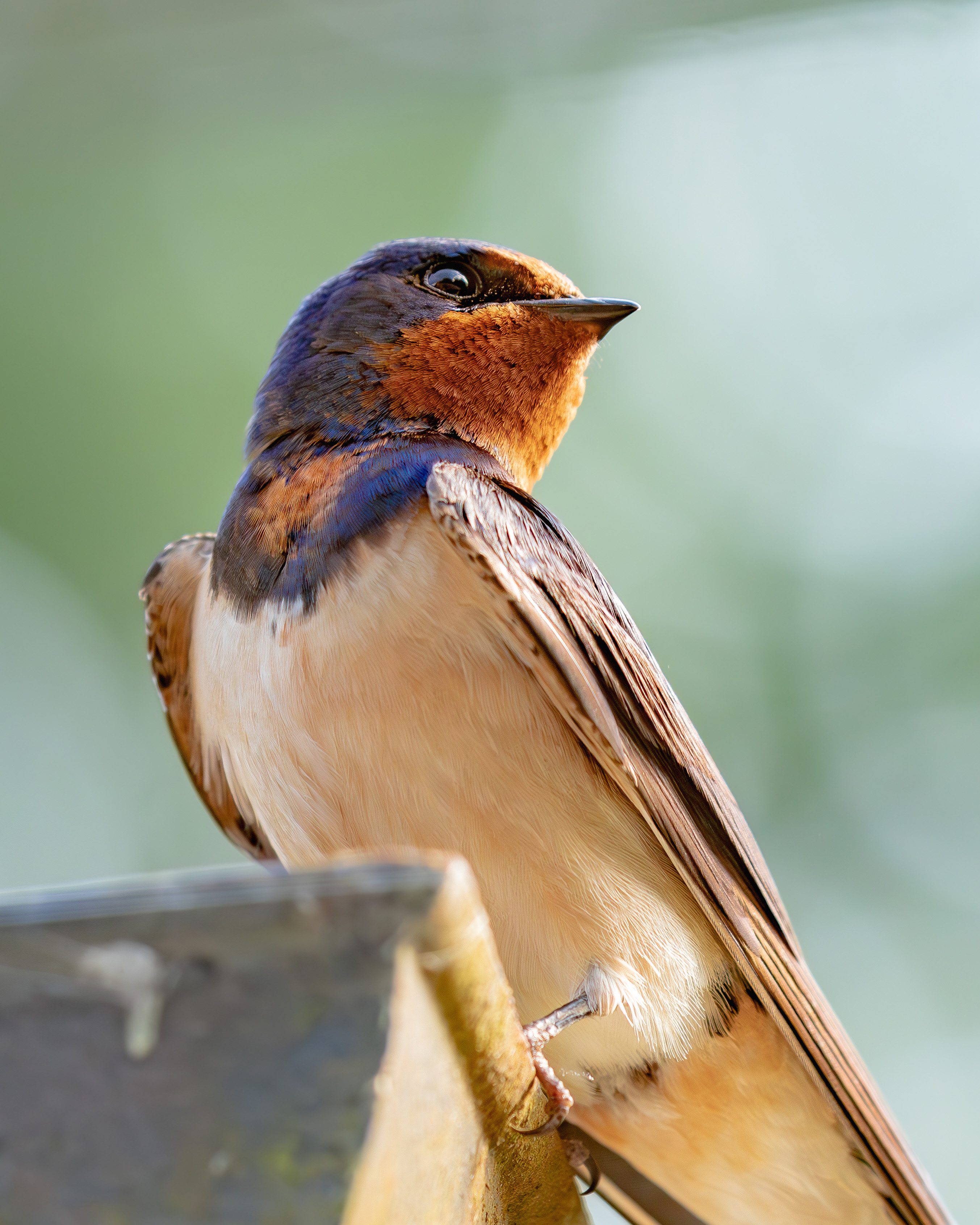
I also indulged in lazy birdwatching from the house. Each morning a group of swallows swept around the cottage and perched on the drainpipe, just inches from the kitchen window. I usually only see swallows as distant specks in the sky, so it was fantastic to get such close-up views from the comfort of a plush armchair.
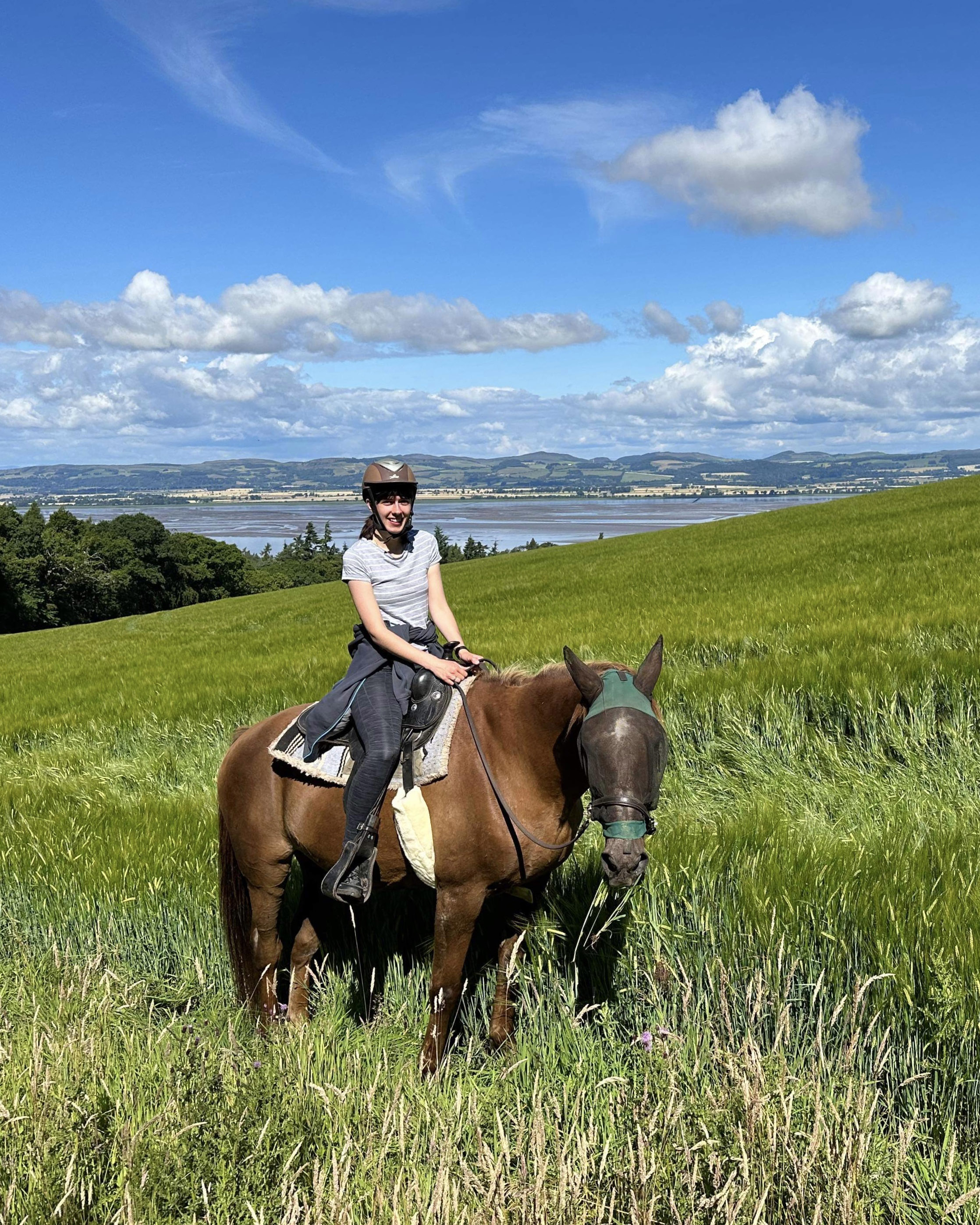
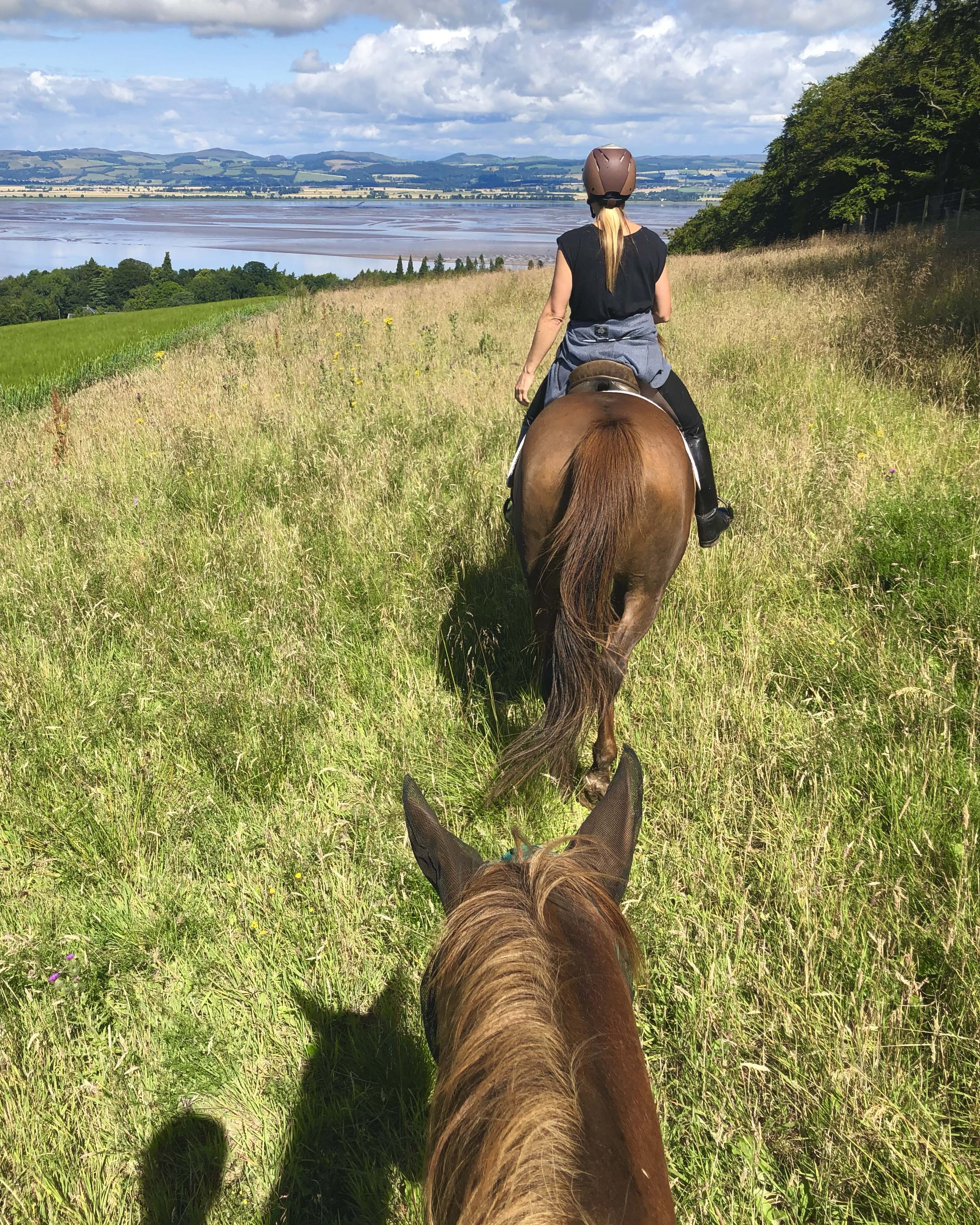
Finally I met up with my friend Kirstin, who happens to live down the road from the cottage. We took her gorgeous ponies on a hack and wandered through woodland and open fields, finishing with a splash in the River Tay. I hadn’t ridden since I was a child and it was so special to explore nature on horseback.
Nothing like a change of scenery and new wildlife sites to kickstart my inspiration again!
One of my favourite places to write about for my book was Muir of Dinnet, a nature reserve near Ballater in the Cairngorms National Park. Within a pretty small area, there are lochs, streams and patches of woodland, grassland and bog with a handy boardwalk for wildlife watching with dry feet.
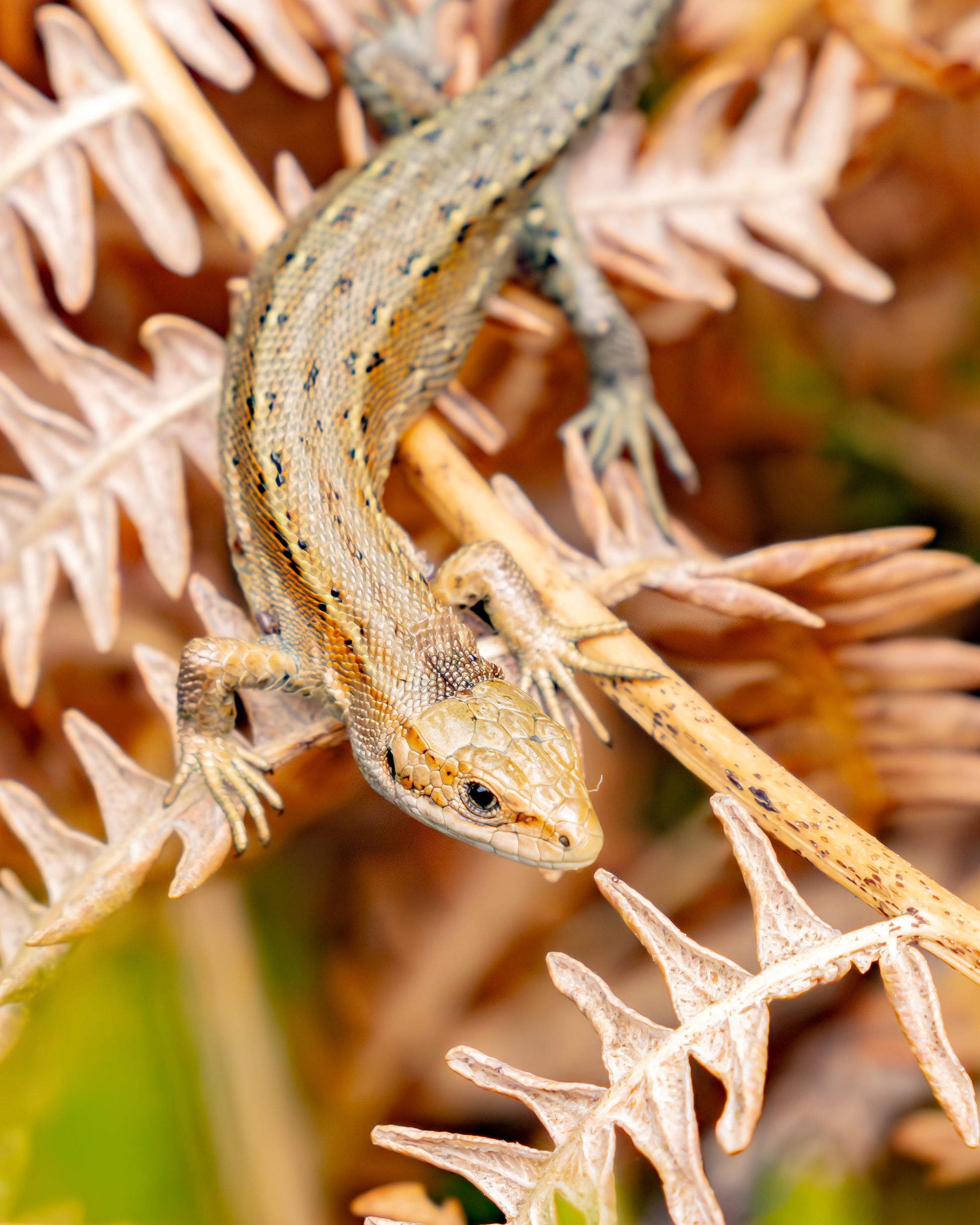
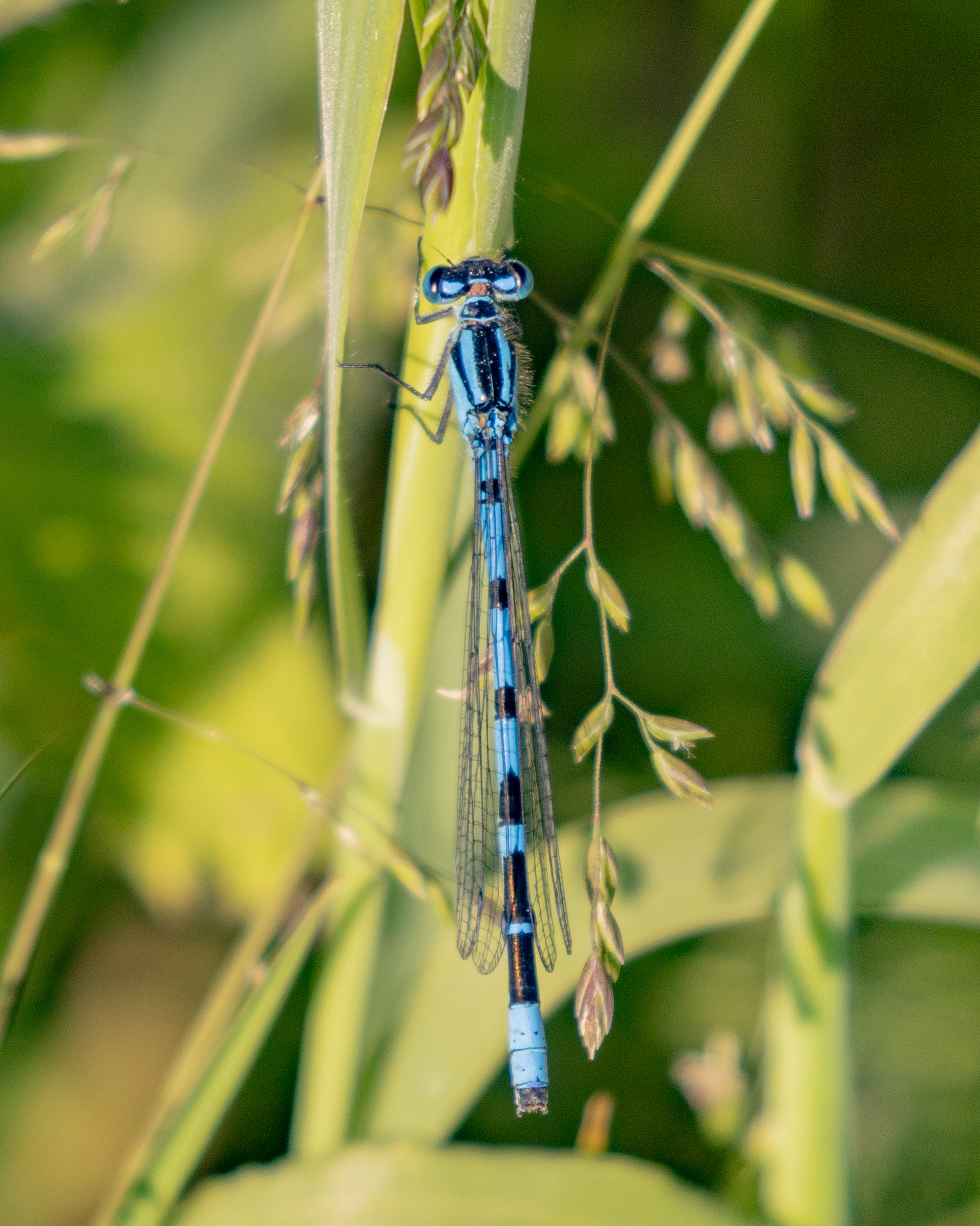
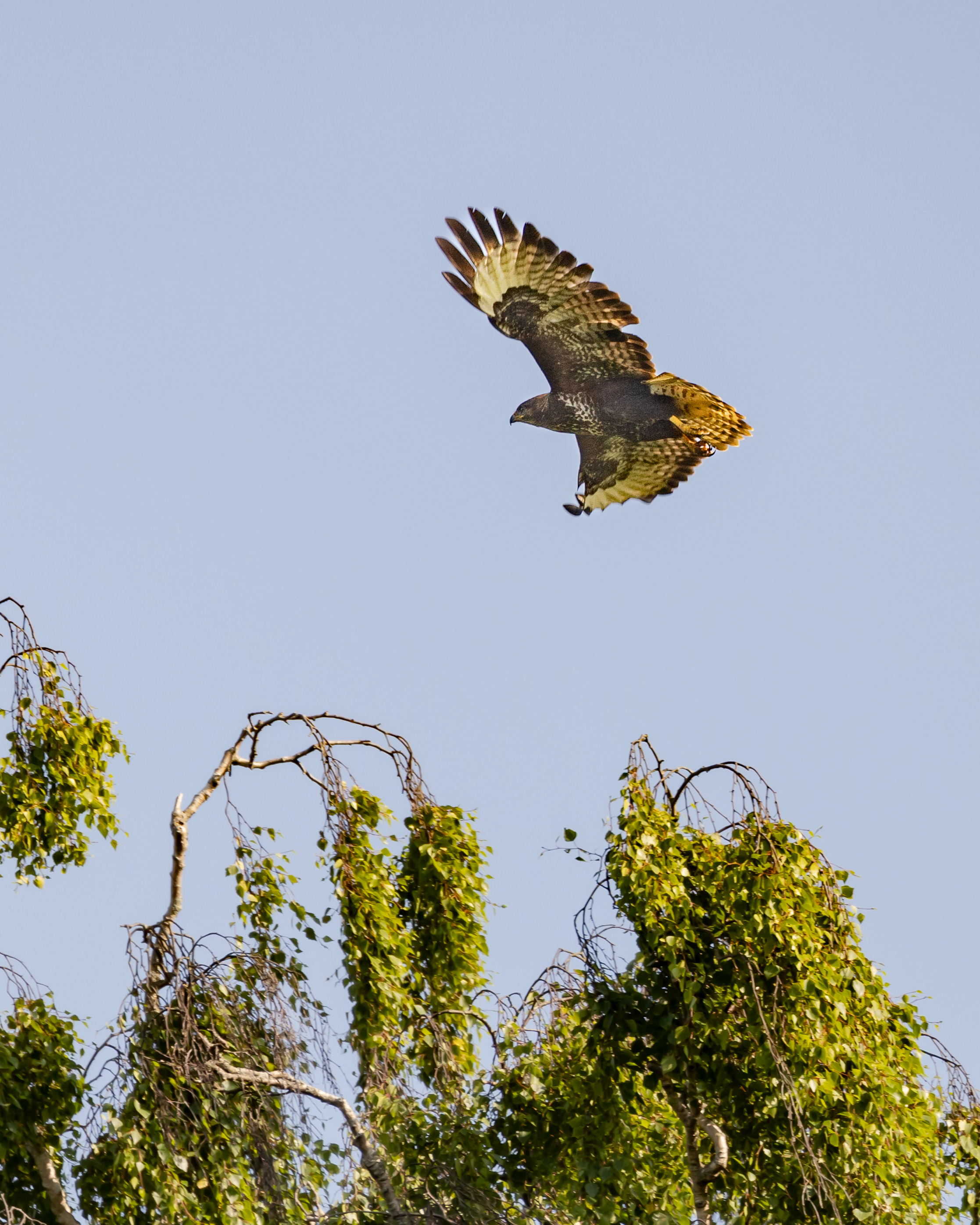
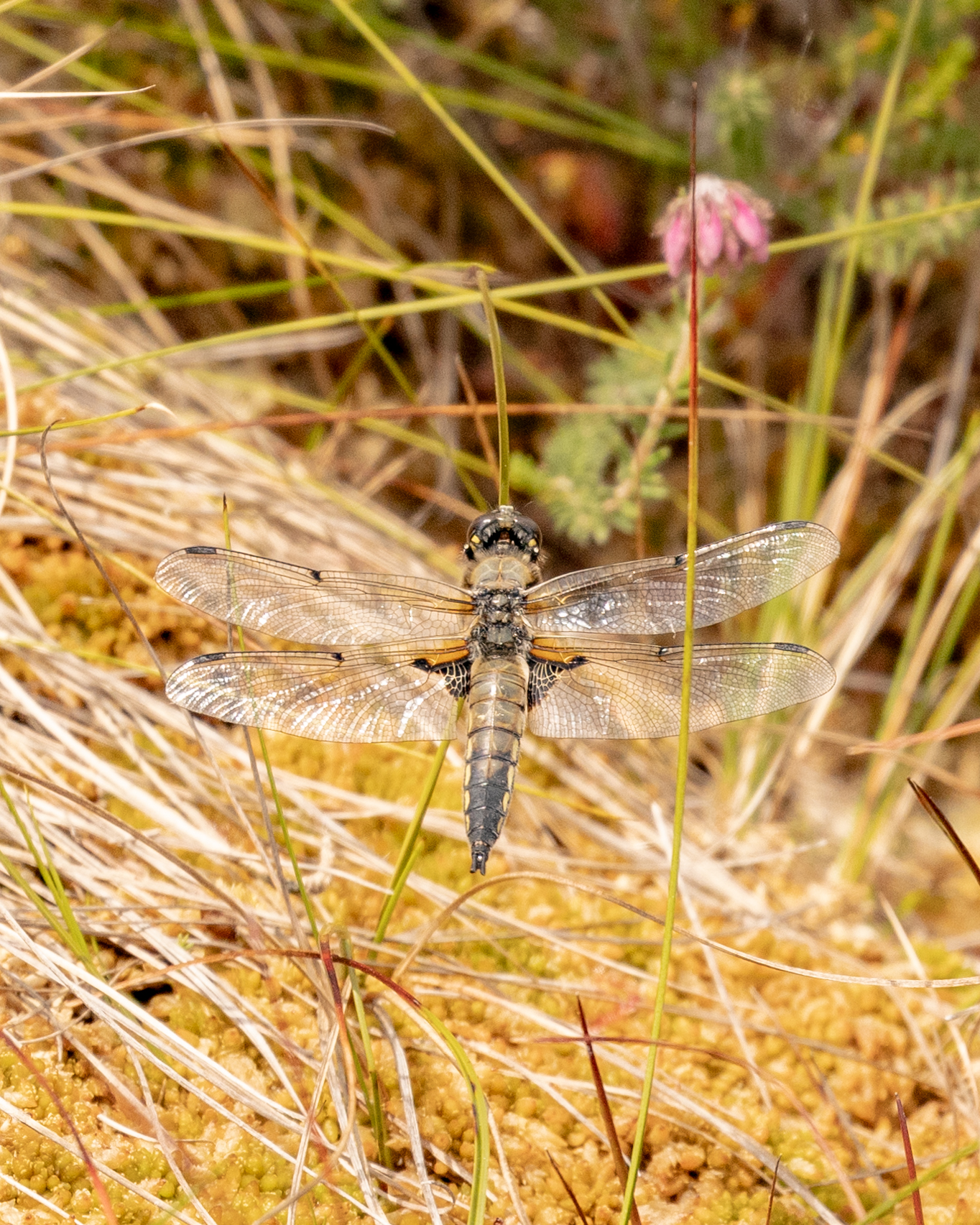
I always spend the whole day here when I visit, strolling along its various waymarked trails. On this occasion I saw a diverse mix of birds, mammals, insects and even a surprise common lizard rustling in bracken beside the path.
Muir of Dinnet is a really special place and I’m often singing its praises! Here’s a medley of photos from my most recent visit, showing just how much this reserve has to offer.
During the recent heatwave I went off in search of one of my favourite butterflies: the Common Blue. I found one but it only settled for a moment before flickering off, and I was too drained by the heat to hunt for it. I returned to the same spot this week in much cooler temperatures, hoping this meant the butterflies would be more lethargic.
Meadow Brown
Small Heath
Almost straight away I crossed paths with half a dozen Meadow Browns and Small Heaths, which was a reassuring start. I spent an hour photographing them on various perches, but as the morning wore on I began to wonder when (or if) the Blues would make an appearance.
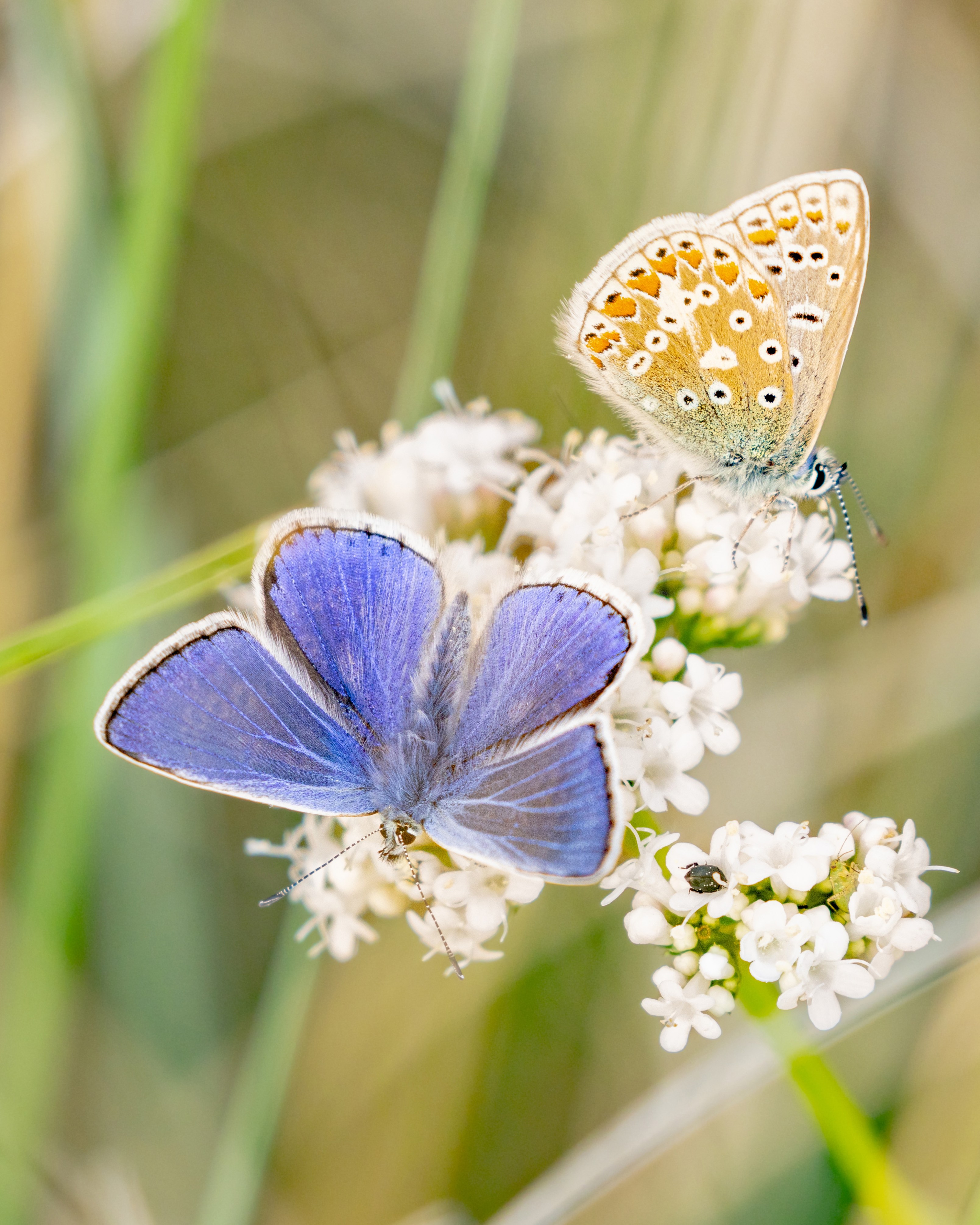
As so often happens, I was just nibbling my elevenses when I passed a clump of valerian growing out of the long grass, and perched on its white flowers were two male Common Blues.
I had my usual response: excitement at finding what I’d come to see and panic that they’d fly before I could get photo evidence. Luckily the morning was still cool, so they stayed put as I crawled around the valerian stalk and photographed them from every angle.
They’d initially had their wings closed, showing a row of orange flecks above a shimmery blue base. As they moved around the petals, their wings slowly opened, revealing upper wings so shockingly blue I couldn’t help a little dramatic gasp escaping. How can something be so tiny yet so magnificent?!
Of course, we have plenty of brightly coloured wildlife in Britain, but I can’t help thinking these azure beauties look like they’ve wandered across the Atlantic from sticky South American jungles.
I didn’t know where these two had suddenly emerged from, but after they lifted from the valerian I easily kept track of their sapphire wings as they fluttered along the dune path.
As the sun climbed higher and broke through the clouds, the Blues Brothers gained more energy and were soon zipping around quicker than I could follow. I decided to bow out and head home, delighted with the morning’s catch.
Apparently it’s World Ocean Day! I can never keep up with all these international days, but I was keen to get involved with this one. Since moving to Scotland, the ocean has become a huge part of my local landscape and it never fails to both relax and inspire me.
My local patch is a mile-long strip of rocky shore that’s bursting with wildlife – depending on the tide I can see gannets diving for fish, turnstones foraging among the kelp or bottlenose dolphins flinging themselves into the air.
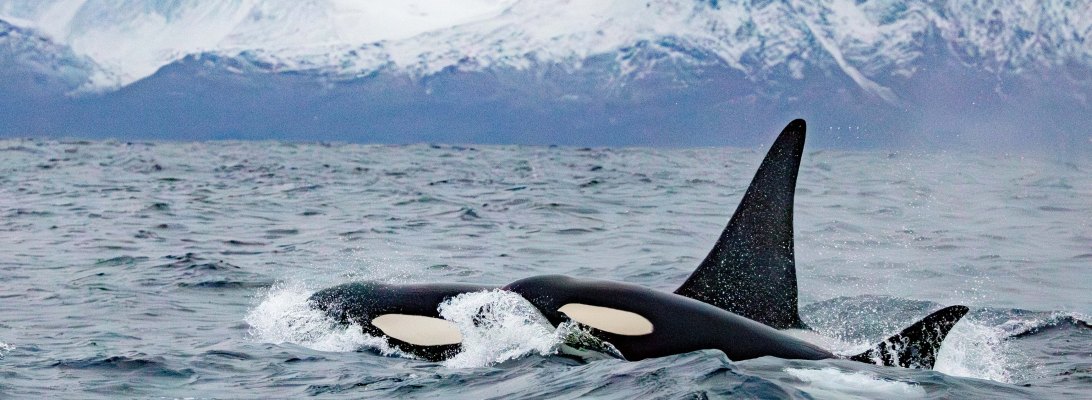
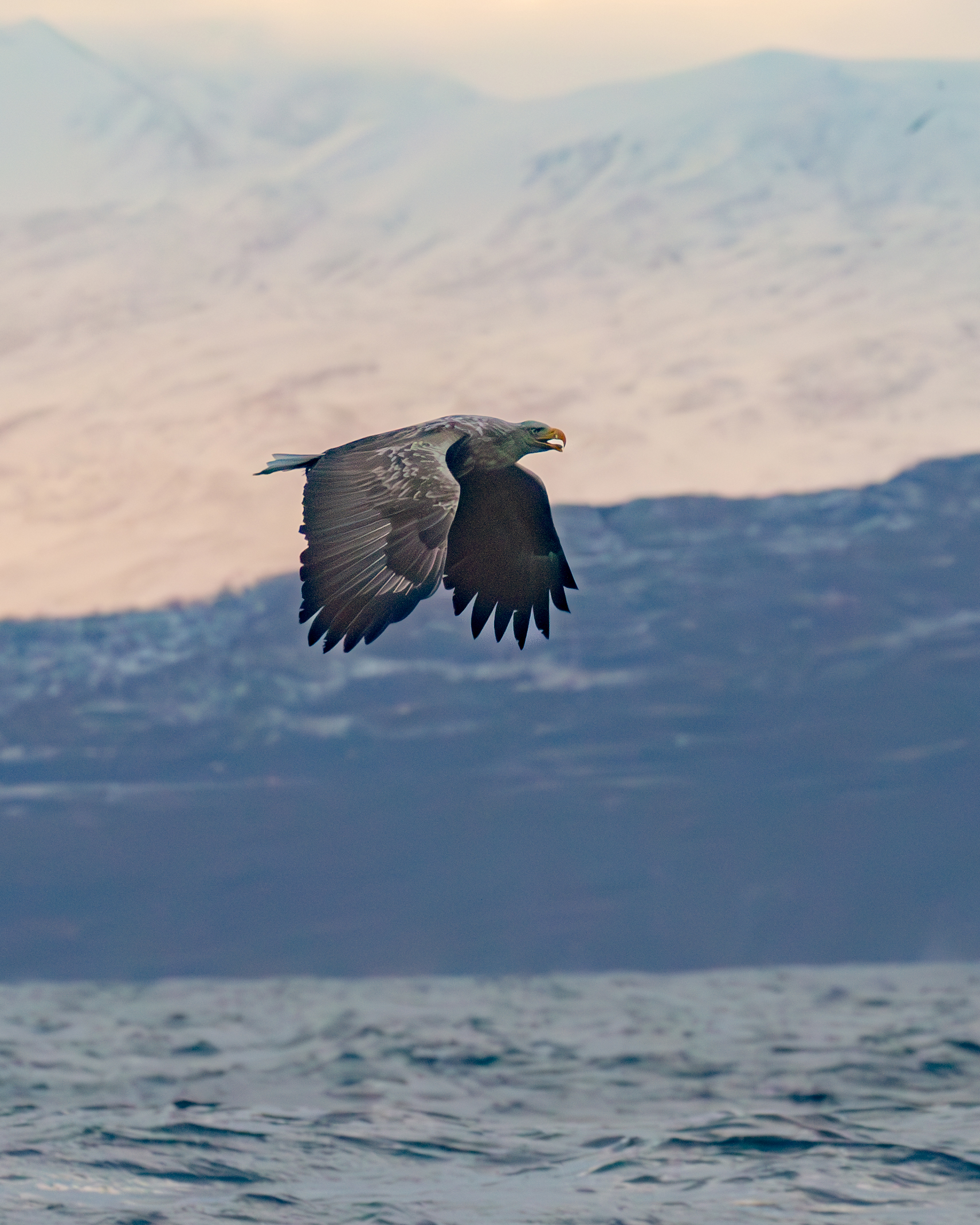
I’ve also been lucky enough to watch marine wildlife in Norway. During an unforgettable trip in 2020, I saw orcas, humpback whales and white tailed eagles – often all at the same time. Despite a dash of seasickness and some very numb toes, it was one of the best experiences of my life. I couldn’t believe I was surrounded by such huge animals, and it was a real privilege to share the icy fjords with them.
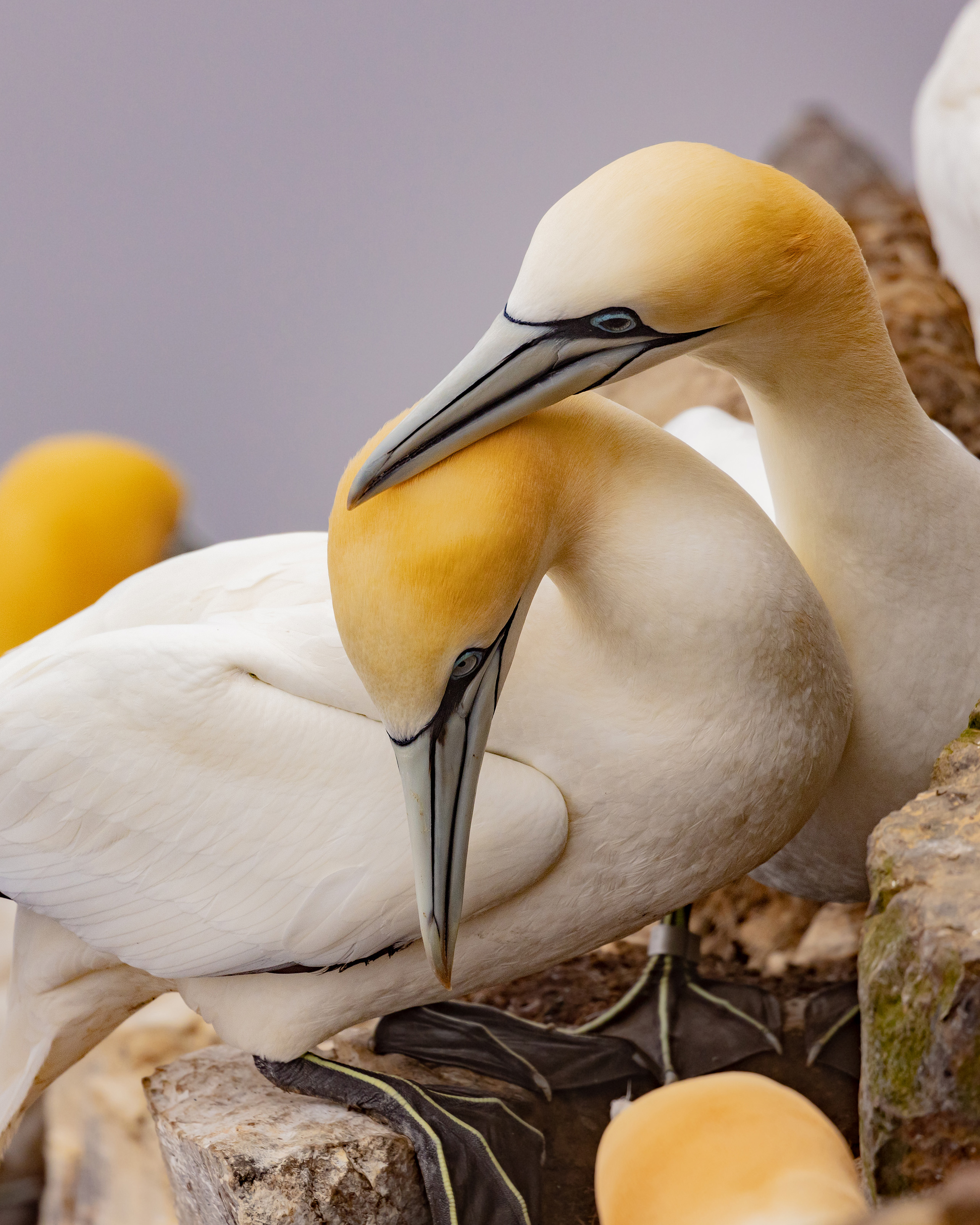
When I arrived at Troup Head I could barely see. The mist was so thick it obscured the sheep chatting away in a field less than 30ft away. Seeing as I was here to photograph gannets at their clifftop nesting site, visibility as poor as this suggested impending disaster.
Refusing to waste a journey, I geared up and set off on the coast path. I took the long route to the cliff in the vain hope that the mist would have cleared by the time I arrived. Sadly not. As I approached the nesting site I could make out the blurry outlines of gannets gliding past – white against slightly duller white.
I settled on the grass and propped my camera lens on my knees. The entire ocean had disappeared, but luckily a cluster of gannets were perched close enough for me to actually see them through the fog.
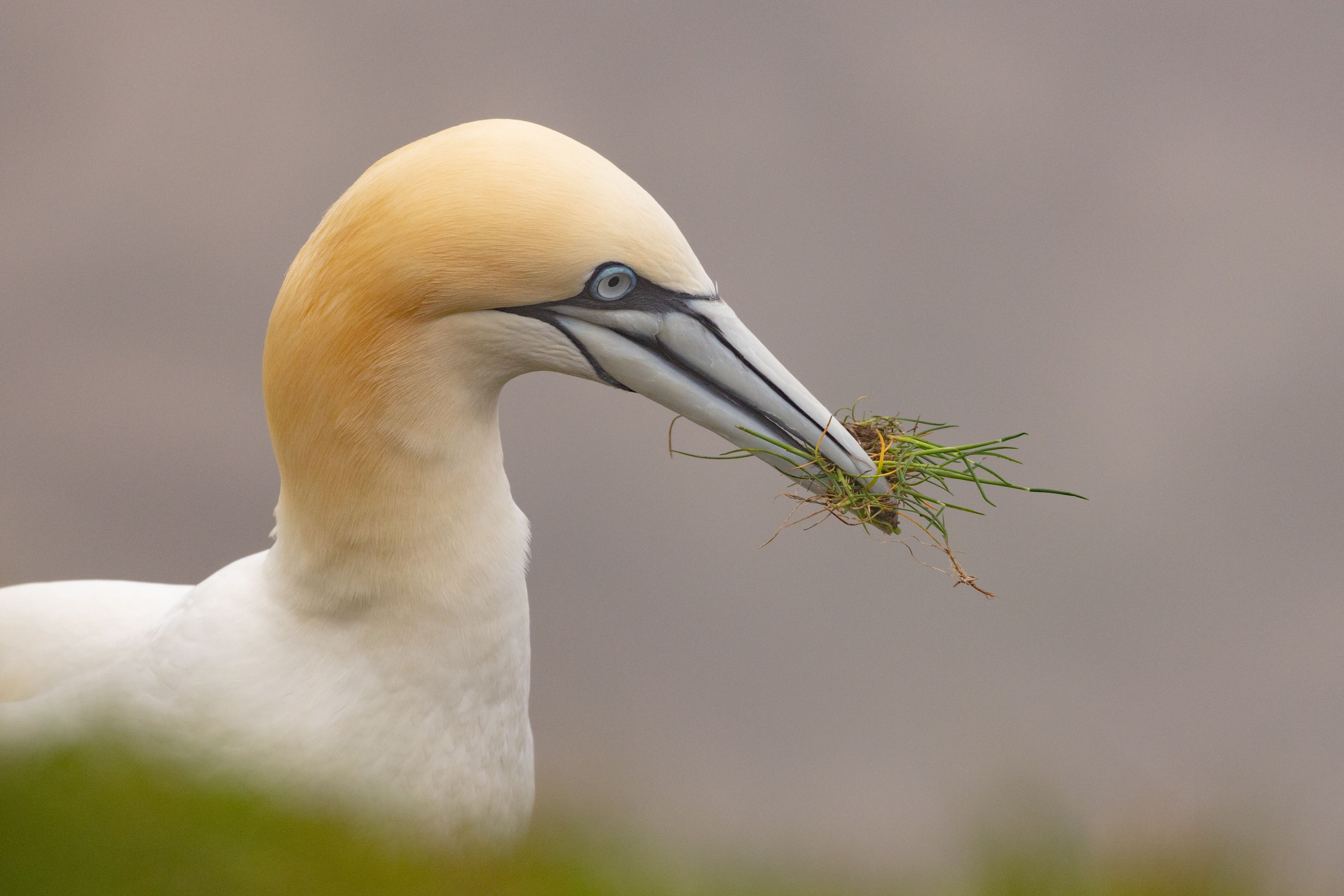
I already had huge respect for gannets, with their vast wingspan, dagger-like bills and ability to slam into water from a great height without injuring themselves. But watching them navigate a jumble of clifftops through what was essentially a white-out was even more impressive.
Despite the less-than-ideal conditions, after several hours I managed to get some shots I was happy with. Gannet goings-on continued as normal, and I watched bonding behaviours between mating pairs, grooming, and the occasional brawl when a neighbour shifted too close.
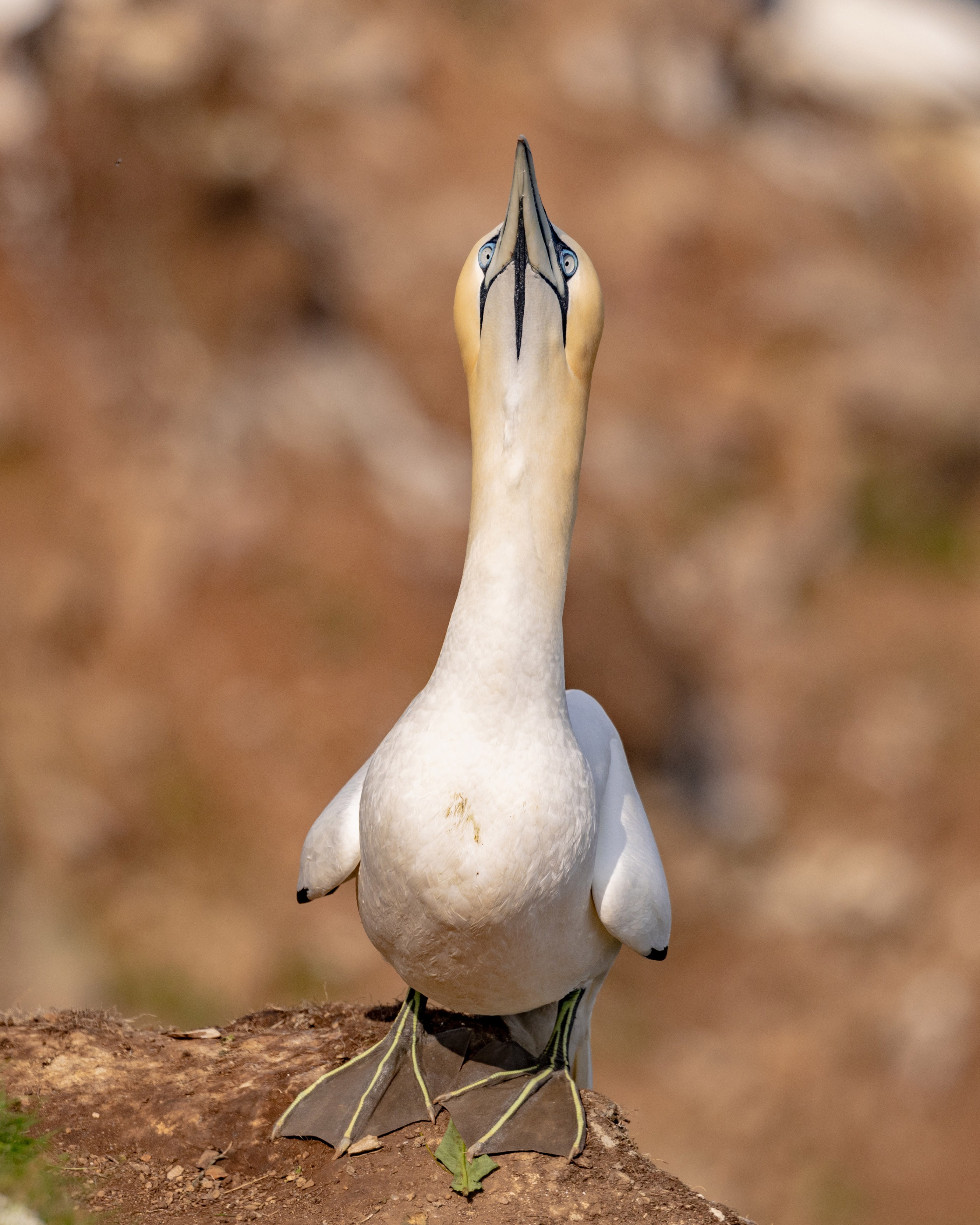
You can anticipate exactly when a gannet is going to launch itself off the cliff, as it takes several slow steps along the ledge with its bill pointed straight up, as if either limbering up for take-off or encouraging its companions to watch. It’s a bit of a showy thing to do and I love them for it.
By midday the mist hadn’t moved and my stomach was grumbling, so I called it a day and strolled back along the coast trail. Scottish weather is nothing if not predictable, but this means you usually don’t have to wait long for it to change.
Sure enough, when I returned the next day the sun was gleaming and the ocean was back. This time I could see gannets everywhere, swirling in the now cloudless sky as well as perching on their precarious ledges.
I’d taken lots of stationary shots the day before so I turned my attention to birds coming into land. This provided its own set of challenges – unlike their sky pointing routine before take-off, there was no warning before they popped up in a flurry of white wings.
It was a pleasure to spend time with such striking and charismatic birds and watch their daily routine from the lofty heights of the clifftop colony.
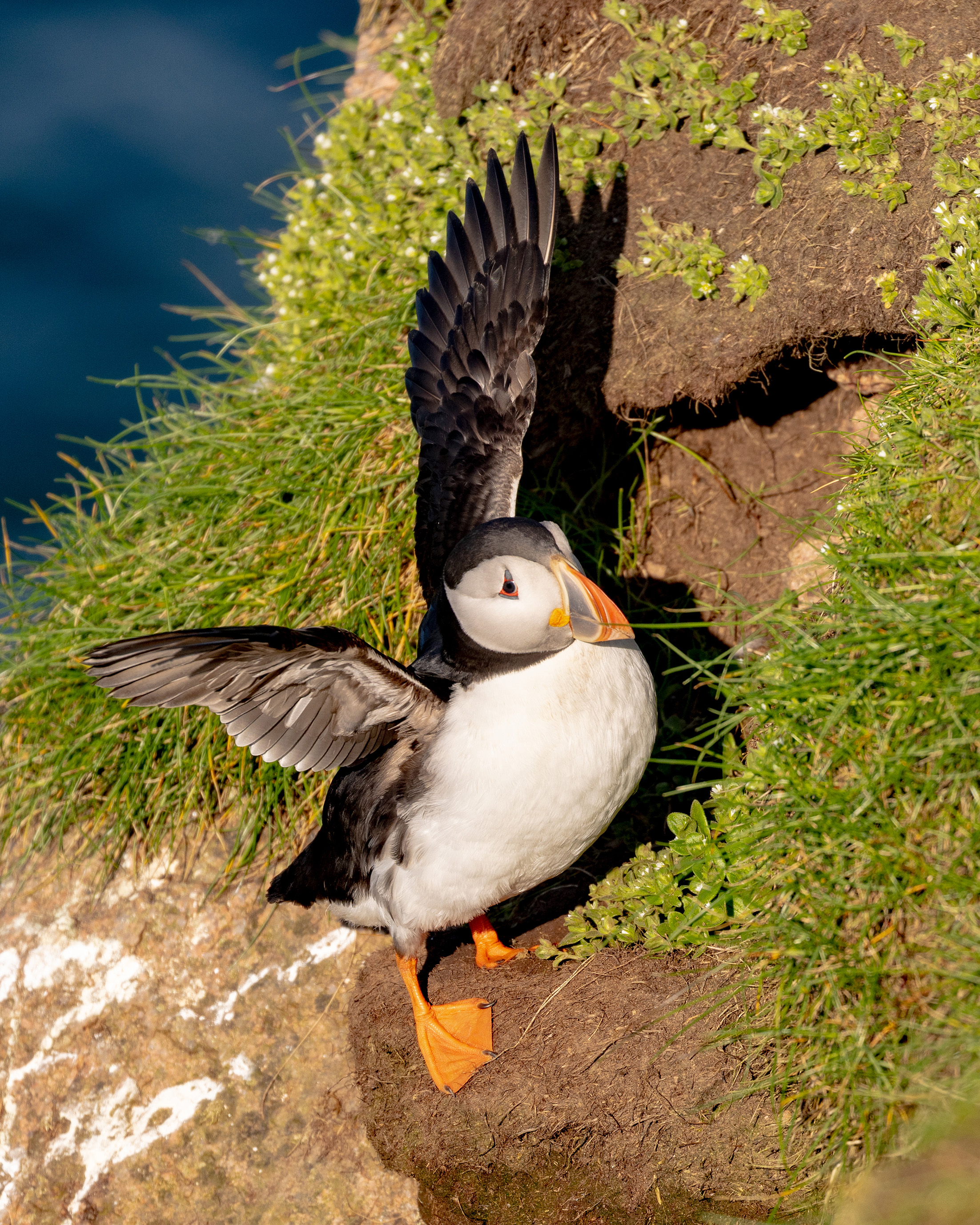
There are certain birds that I look forward to seeing every year. As the seasons shift, there’s a constant shuffle of some leaving the UK and others arriving. One particular spring/summer visitor who’s pretty much everyone’s favourite is the puffin.
Recently I set off on one of my annual pilgrimages to see these tiny seabirds at one of the clifftop nesting sites they share with guillemots, razorbills, fulmars and kittiwakes. They blend in well despite those luminous bills, often tucked away in their burrows and out of sight altogether. The key is to look for orange legs, which the other cliff inhabitants don’t have.
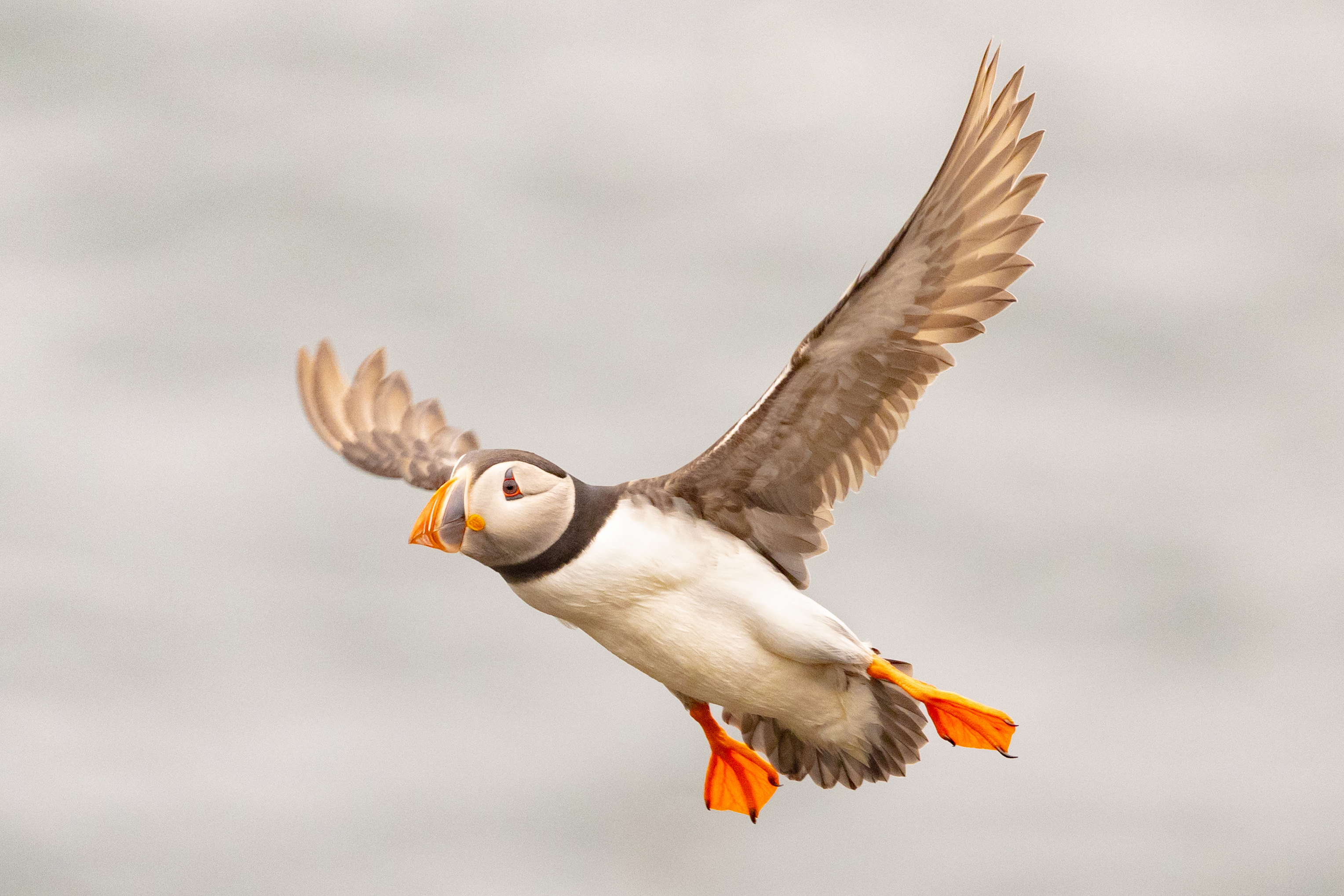
After a bit of fruitless searching I was just rummaging for some elevenses when a flash of orange made me abandon my search for chocolate. In a scrap of a second I’d seen a puffin fly past, curving around the cliff edge and back out towards the open sea. I hurried into position in case it returned and luckily for me it did, performing four rapid fly-bys with spectacular feet dangling.
Later in the day I tried my luck at a different spot, settling in a cup of earth in view of several grassy burrows that looked promising. I got distracted by a puffin on the water, some 100ft down. Even from that distance I could spot orange legs beneath the clear surface, so I enjoyed watching it through my binoculars as it bobbed around with its larger neighbours.
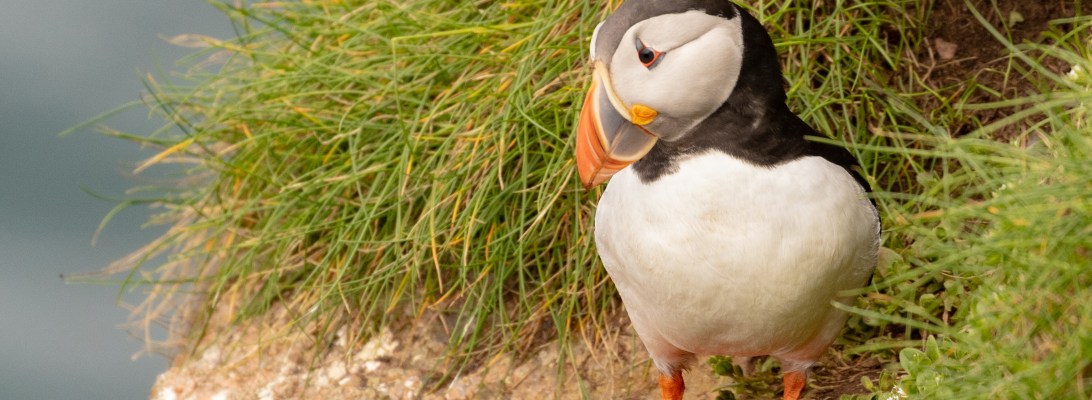
Birds are like buses in that they’re notoriously unreliable and just when you’ve waited long enough for one, two show up. Once I put down my binos, I found myself staring at another puffin perched 20ft from my lens. The little scamp! Luckily it had decided to take in the views before disappearing into its burrow, giving me a chance to make up for lost time and get some portrait shots.
Forty minutes later, a magic trick occurred and two puffins popped out. Either I’d missed the first one while I was ogling the water, or it had been hanging out inside the burrow the whole time. They lunged off the cliff together and I tracked them heading way out to sea, shrinking to black dots. Not ideal, as I had no idea how long a puffin took to fish.
Two hours, as it turns out. The sun had been screened by cloud all day but of course once I had no puffins to photograph it broke through and illuminated the burrow entrance like a theatre spotlight. By that point I’d spent seven hours on the cliff and evening was drawing on – I had a runny nose, numb bum and grumbling stomach and was ready to call it a day. But any superstitious photographer fears that as soon as you leave, the action happens. A combination of bird FOMO and my usual stubbornness made me stick it out a little longer.
Less than five minutes after I decided not to leave, the puffins returned, now looking radiant in the sun. A snaky pair indeed. Every minute spent staring at an empty burrow was suddenly worthwhile, and I finally left feeling ravenous yet thrilled with the day’s success.
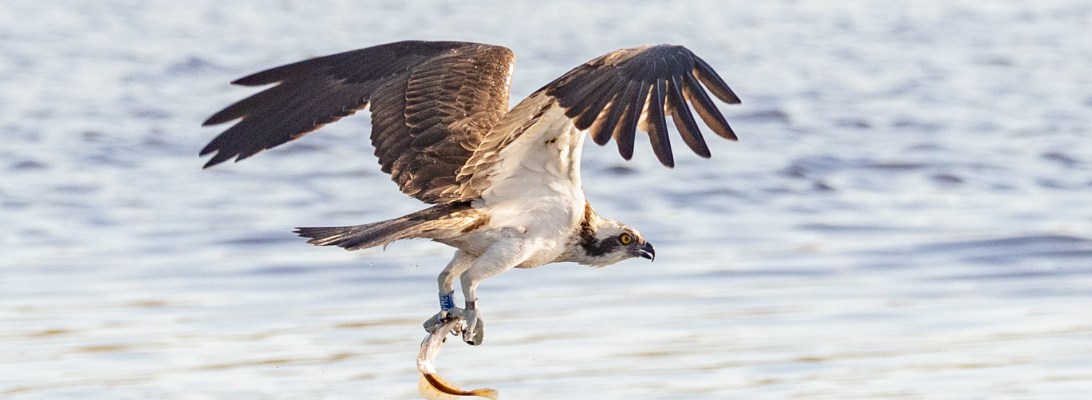
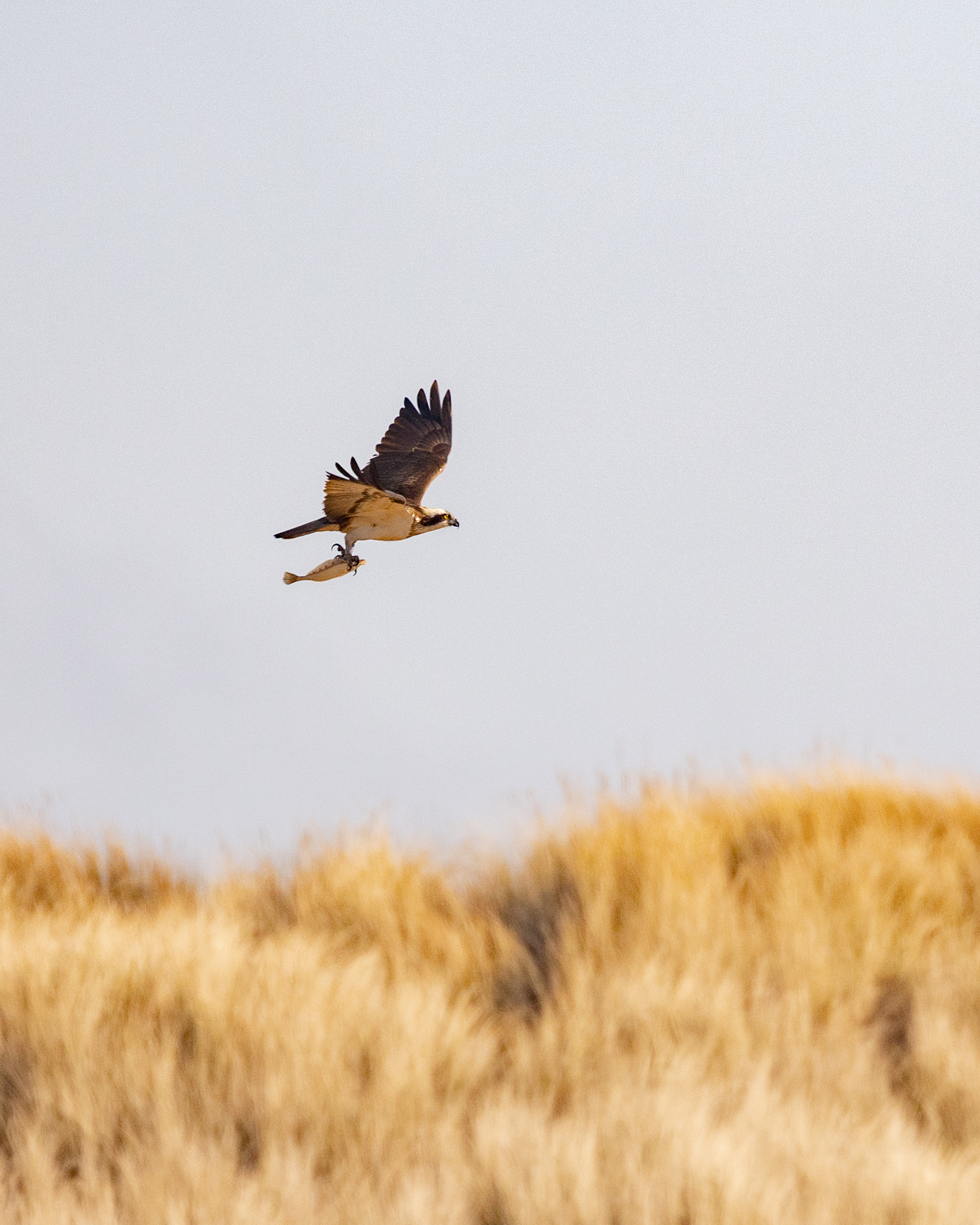
It’s that time of year again! One of my favourite things about spring is watching ospreys plummet into the water and emerge carrying huge flatfish, with the suave flourish of a magician extracting a rabbit.
I’ll be honest – I rarely get excited about larger raptors as they’re usually just a hazy speck in the sky. But ospreys bring all the drama, sometimes appearing out of nowhere and sending nearby herring gulls into a flap.
An osprey will hover high over the water, using its incredible eyesight to track a fish. Then it sidles down through the air, finally slamming into the shallows talons first.
It’s often a game of luck if you’re standing in the right place when they dive (and if you’re nimble enough to catch the actual dive, which I regrettably wasn’t), but you’ll hear the splash even from several hundred yards away.
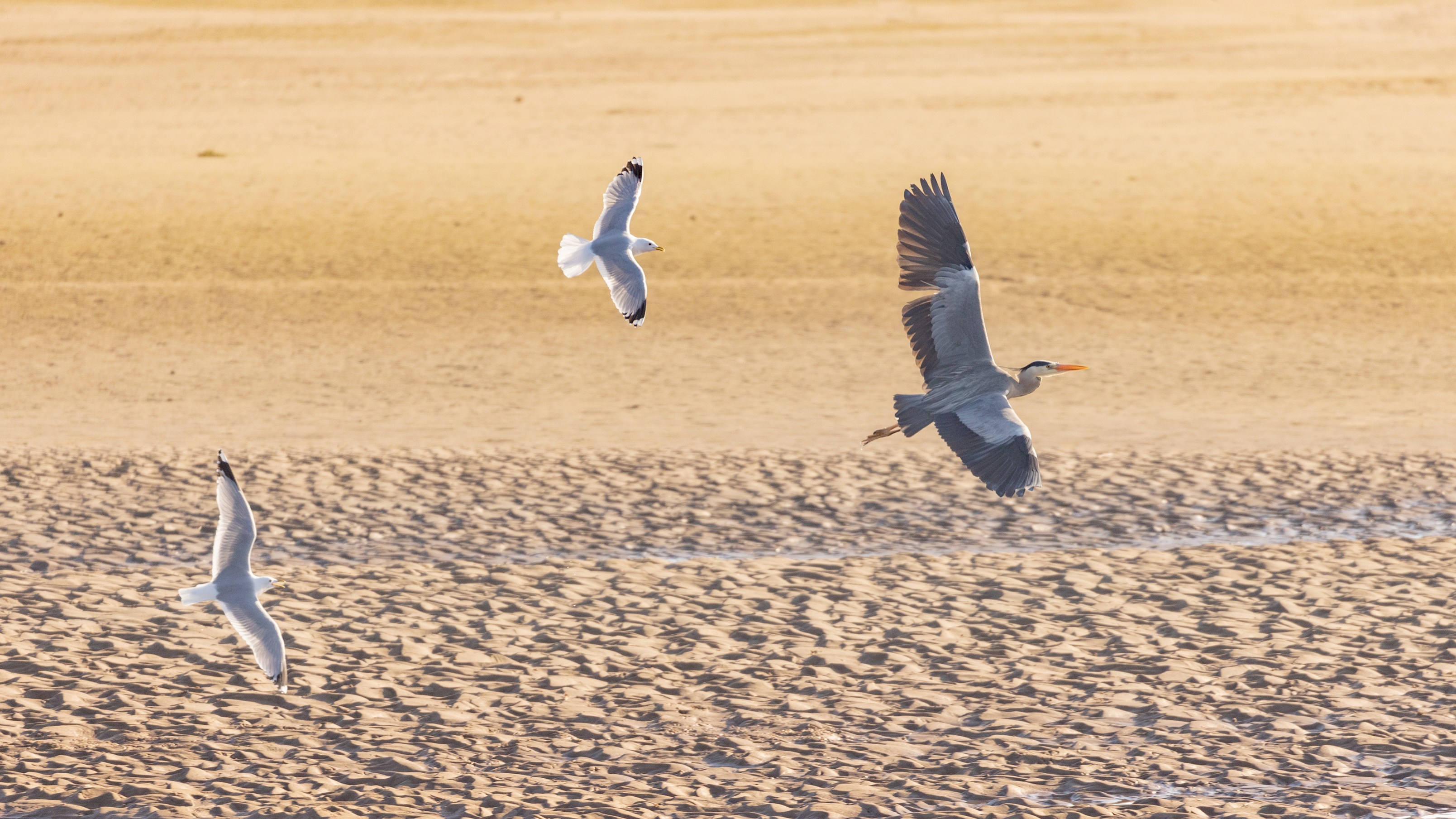
Elsewhere on the water, I was watching a heron minding its own business when it was mobbed by a couple of common gulls. Despite the size difference, the heron was shooed off its patch and raced past me with a reptilian squawk and a sweep of its vast grey wings.
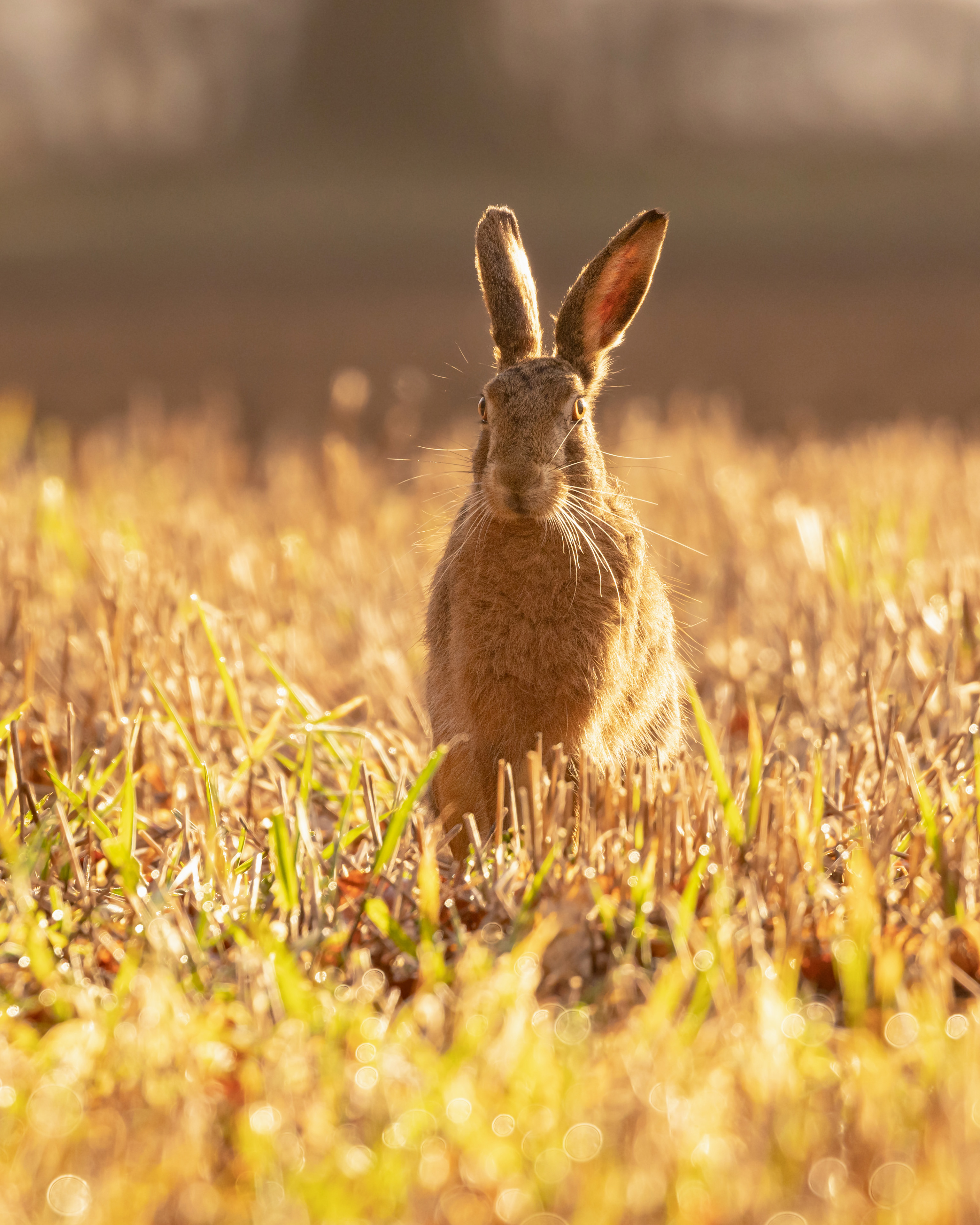
Snow scuppered my last attempt to photograph my local hares, and I didn’t have an opportunity to try again until this week. The conditions couldn’t have been more different, and I arrived in semi-darkness just as a smudge of yellow was blooming to the east.
In my initial binocular scan, I spotted two hares in the far corner of a stubble field, so I made my long way around, keeping to the edge beside the dry stone wall. At a respectable distance, I settled on the ground and wriggled into the comfiest position I could manage in hard yet soggy mud. Soon after, golden hour struck with heaven-like intensity, turning the grass to flame. The hares were perky, lolloping around with the occasional burst of a chase.
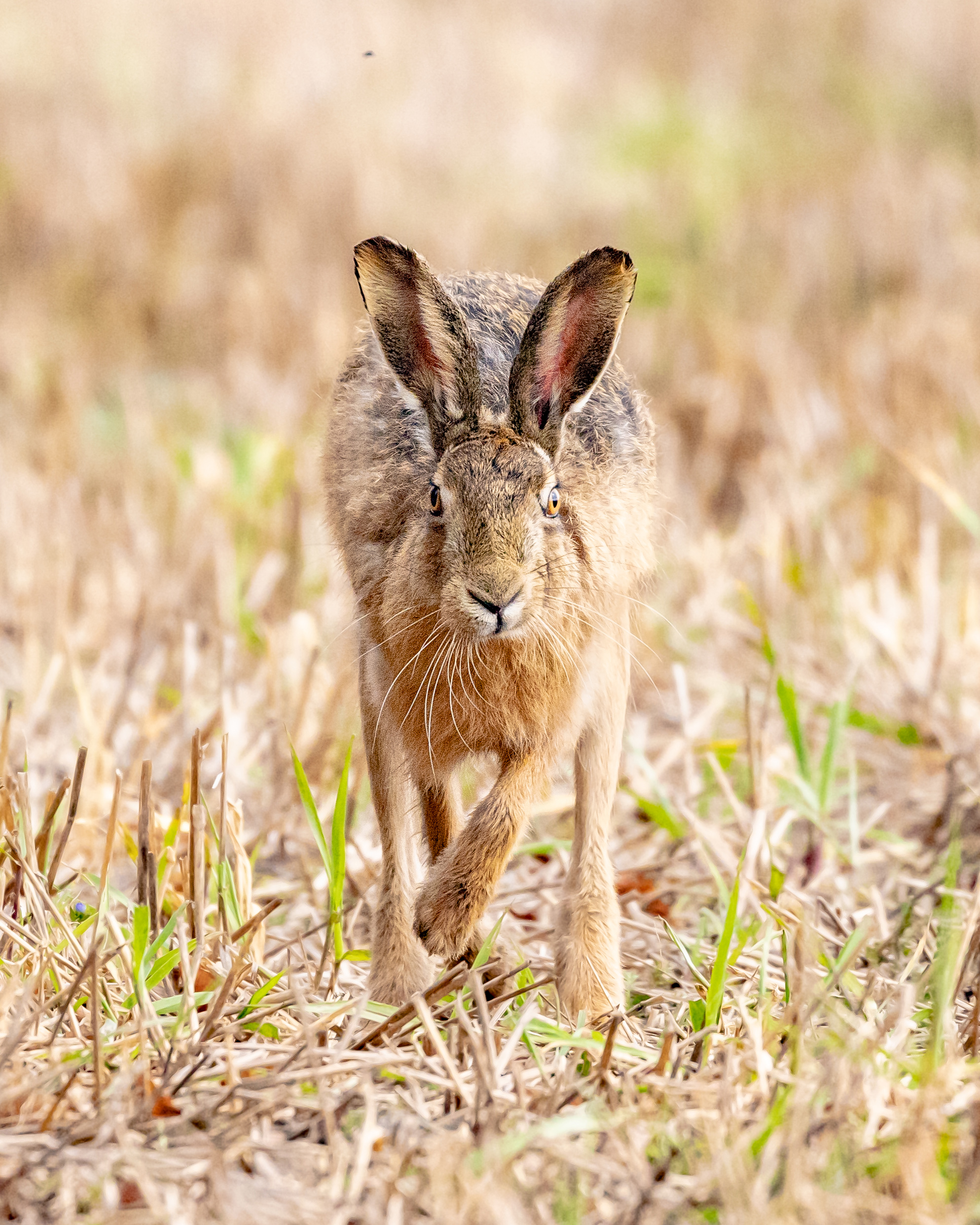
One hare disappeared and the other started foraging far off in the centre of the field. With my camera propped on my knees, I was watching it through the viewfinder when a blurry blob covered my view. The first hare had reappeared some forty feet from my lens, no doubt having watched me with a hare’s version of amusement ever since I’d been willing its companion closer.
Twisting my back in all sorts of wrong ways, I followed the hare as it ambled in a semi-circle around me, sitting for a few moments to have a nosey before disappearing into the long grass.
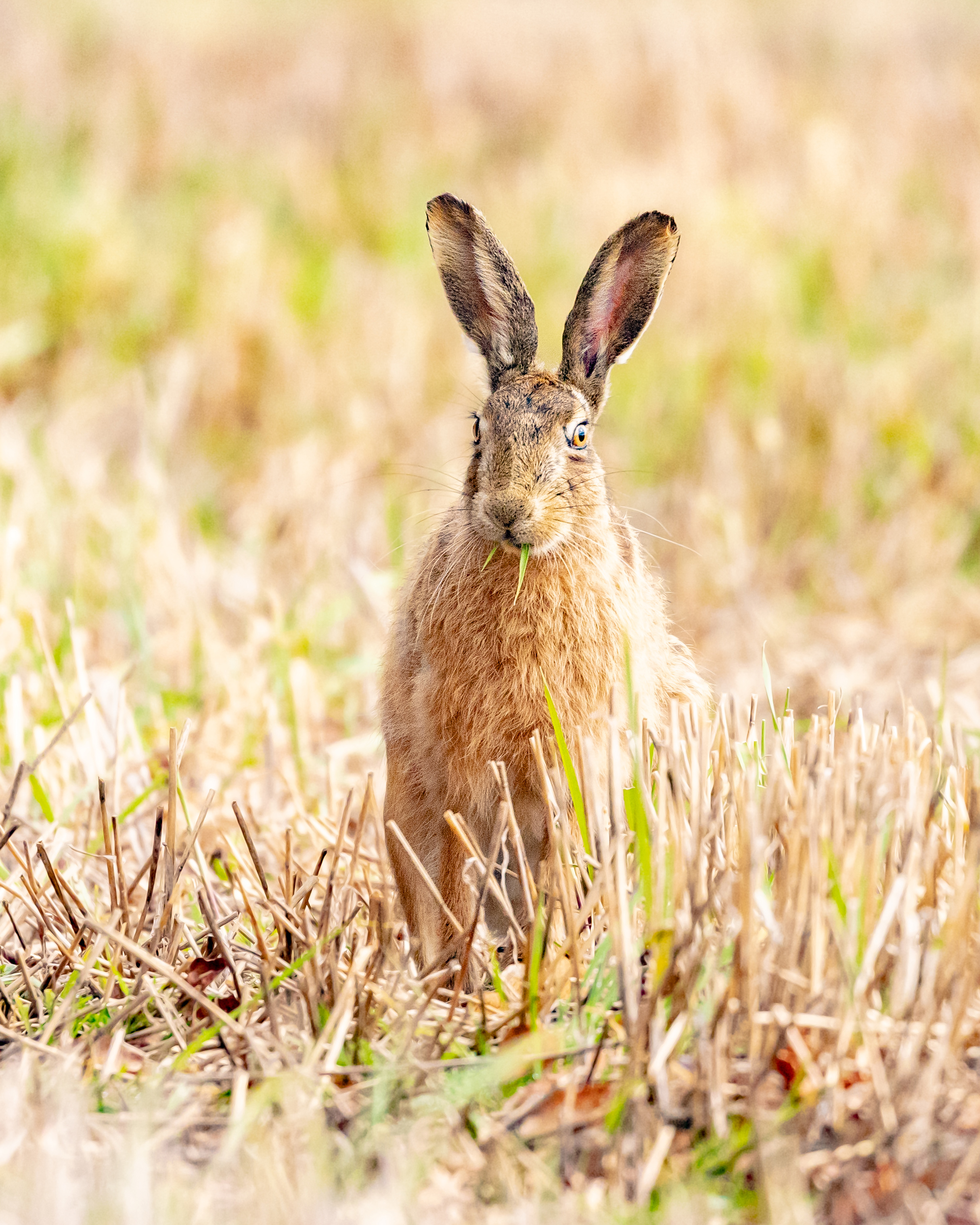
Light that molten was never going to last, but I was already covered in mud so I hung around after golden hour to see what else might happen. And before long another hare hopped over. The key with any wildlife is to let it come to you, and hares are no exception – I’ve discovered they can be curious to the point of full-out snooping. If you sit still, they often sidle over for a closer look.
My special sunrise with the hares was well-timed for Easter this weekend. Hares are said to be the companion animal of Eostre, or Ostara, the Anglo-Saxon goddess of dawn and spring. The link between eggs and the Easter Bunny doesn’t seem to make much sense at first, but one explanation comes from a bit of lapwing ecology.
Unlike rabbits, hares don’t use burrows but instead lay in scratched-out forms on flat ground. Lapwings are ground-nesting birds and often lay their eggs near a hare’s form or even inside it. Seeing lapwing chicks and baby leverets emerging at the same time could have led people to believe that hares laid eggs.
To be fair, hares are stealthy and mysterious animals, and that’s part of their irresistible charm.




































 rebeccaonthewing.com