A Song of Ice and Footprints


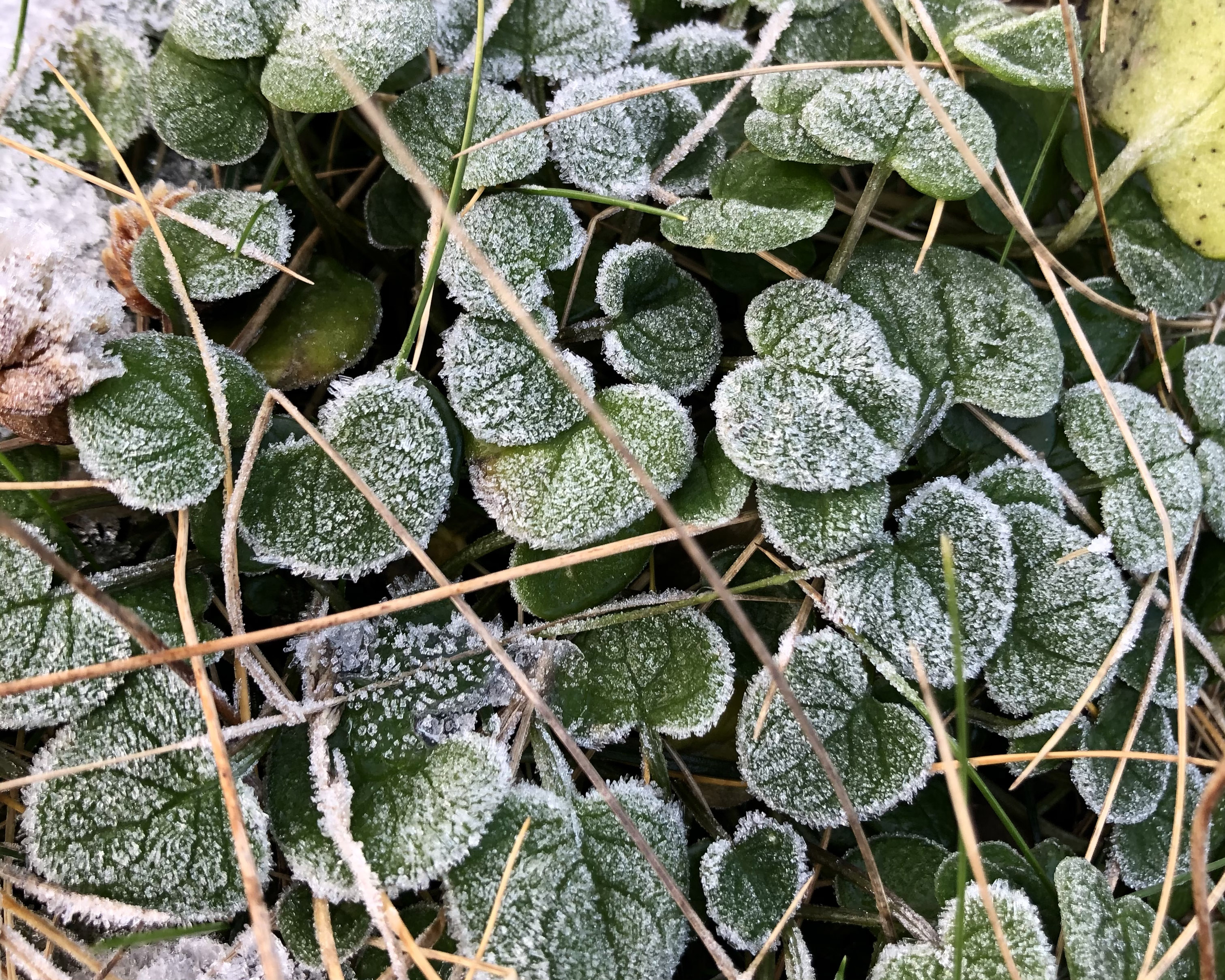
I’ve been loving my wintery walks recently and don’t actually want spring to come just yet. We don’t often get snow by the coast but it was finally cold enough for a spell of it this week. When I’m out and about I’m usually peering up and searching for birds or squirrels in the trees. But when the snow came I found myself watching my feet a little more, mostly to avoid patches of ice that would send me flying but also to admire some of nature’s art. By doing this I also discovered some special secrets.
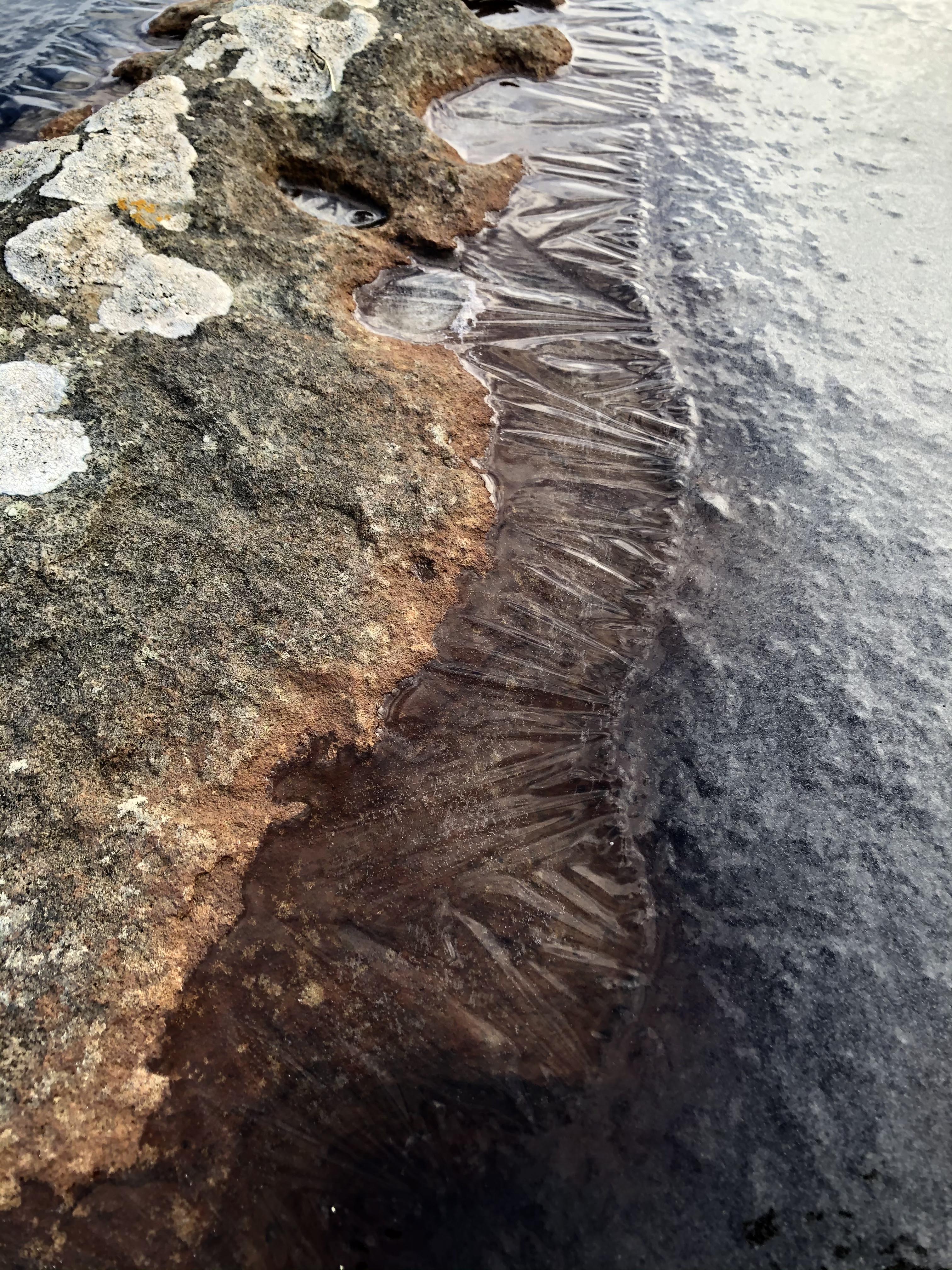
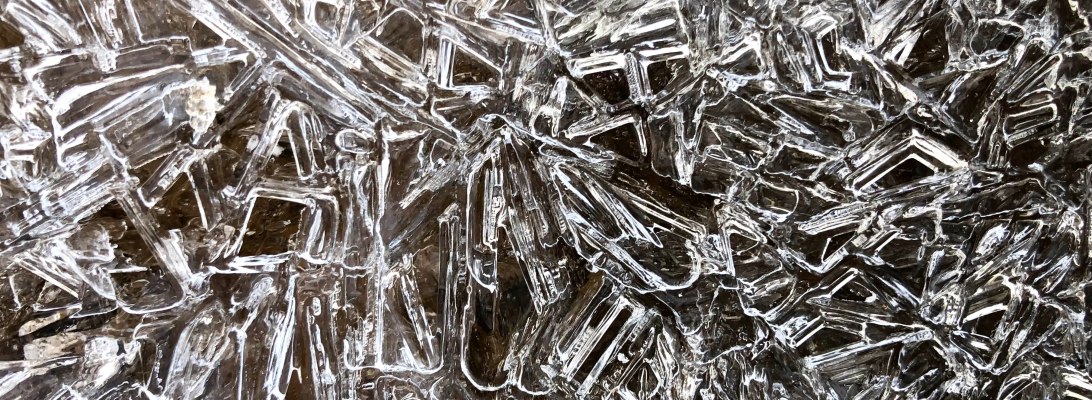
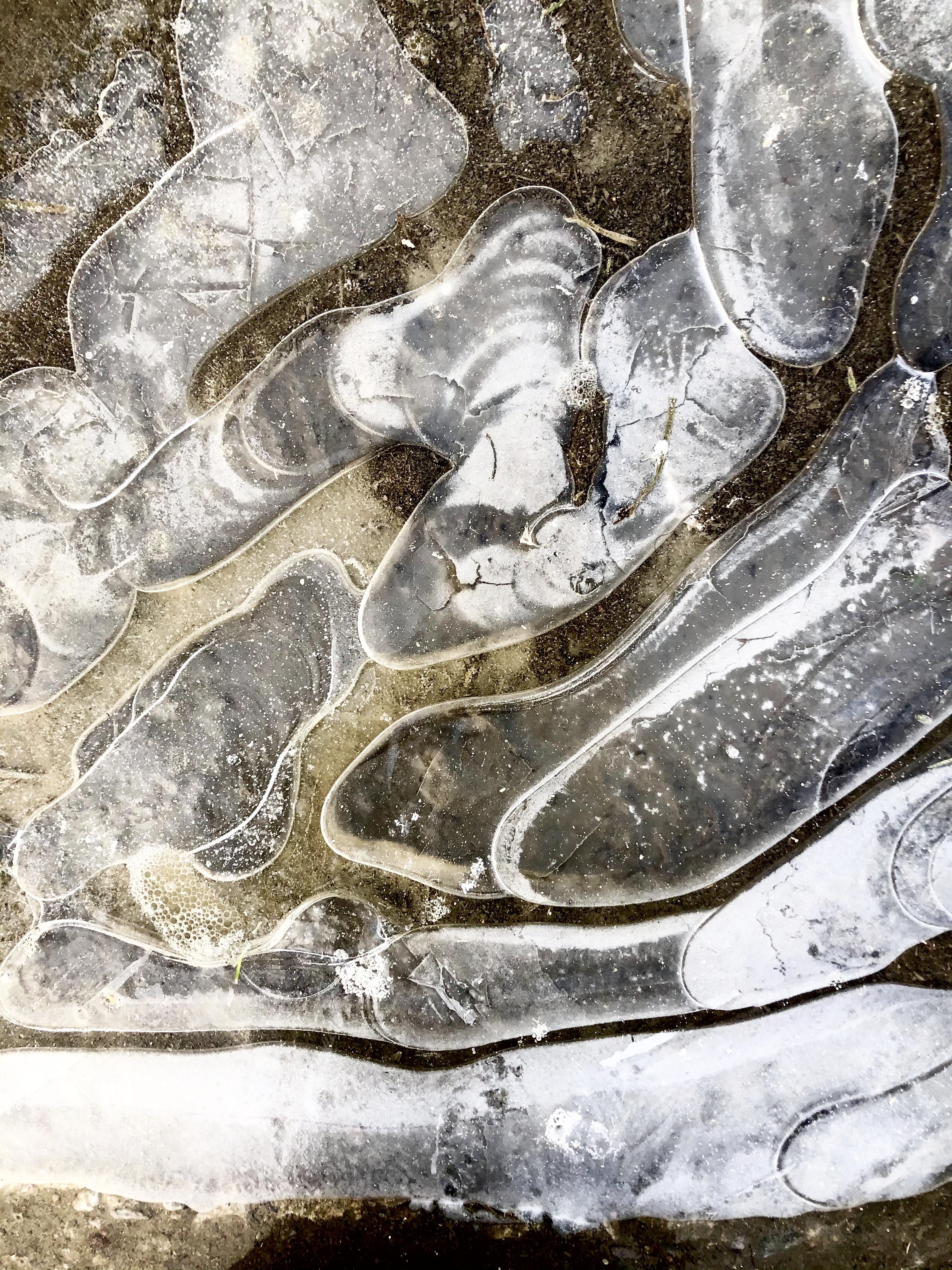
Frost and ice have always fascinated me. They can transform everyday objects into magical ones by covering them in the most exquisite artwork. Puddles and windshields are given new textures and patterns. Depending on where you find frost, the shapes can vary significantly. The two images below are both of puddles but one is out in the open and exposed to sea breezes while the other is tucked low in a muddy trail, sheltered on both sides by tangles of gorse. The results are two complete contrasts of smooth swirls and sharp shards.
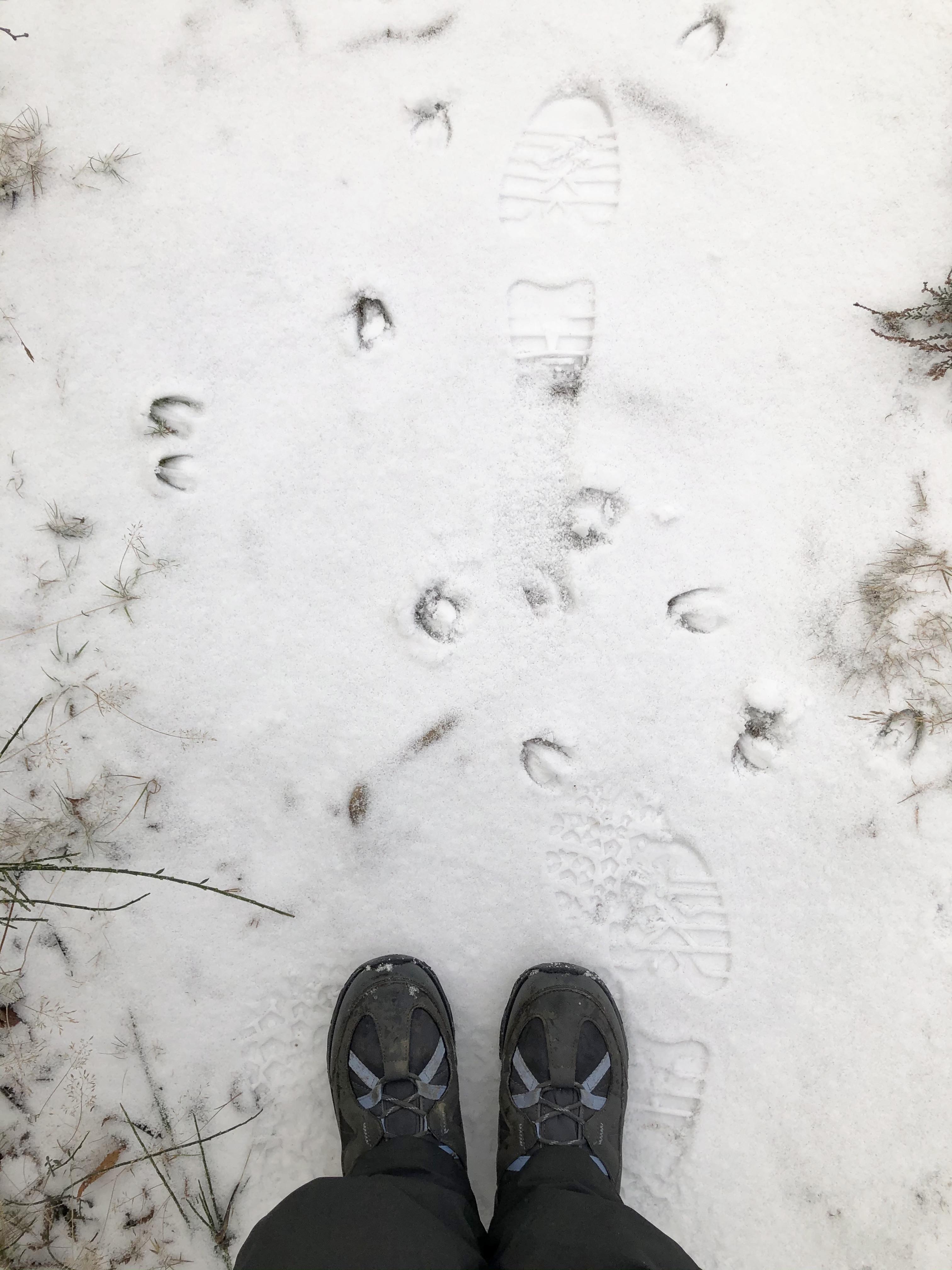
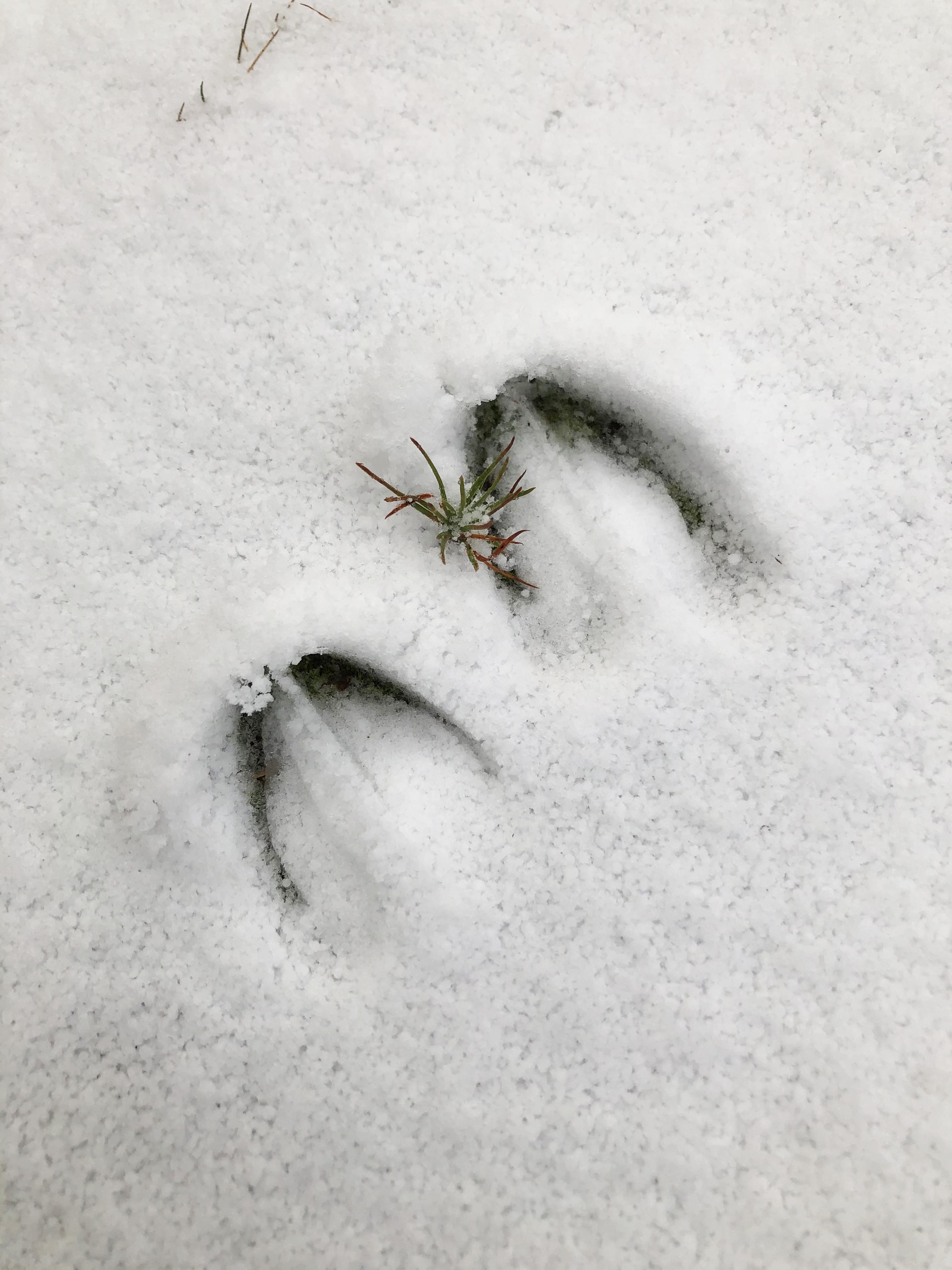
The snow also reveals the goings on of our more secretive neighbours, preserving snapshots of where different feet have trodden. This was excellent news for me as I have outrageously bad luck when it comes to seeing deer. While the majority of Scotland seems to be plagued by deer and has grown so accustomed to them that they’ve become a bore or even a nuisance, I’m absolutely enchanted by deer but see one every few months if I’m lucky. So the other morning I was thrilled to see that I’d crossed paths with a roe deer, even if I was there several hours later. There in the snow were the most perfect roe tracks I’d seen, and the sporadic placement suggested that the deer had been browsing in one place. How lovely it would have been to see it! I shall continue to look for them.
Elsewhere I made more discoveries. Beneath a clump of Sitka spruce was a large muddled patch of pheasant prints with several tracks spreading outwards like starfish arms. Each print was placed exactly in front of the previous one – I can just imagine the pheasant putting each foot down slowly and methodically before shifting its weight. Beside these thick prints were the scratches of much daintier ones that I guessed belonged to a blackbird, which often forage on the ground while smaller birds flutter above.
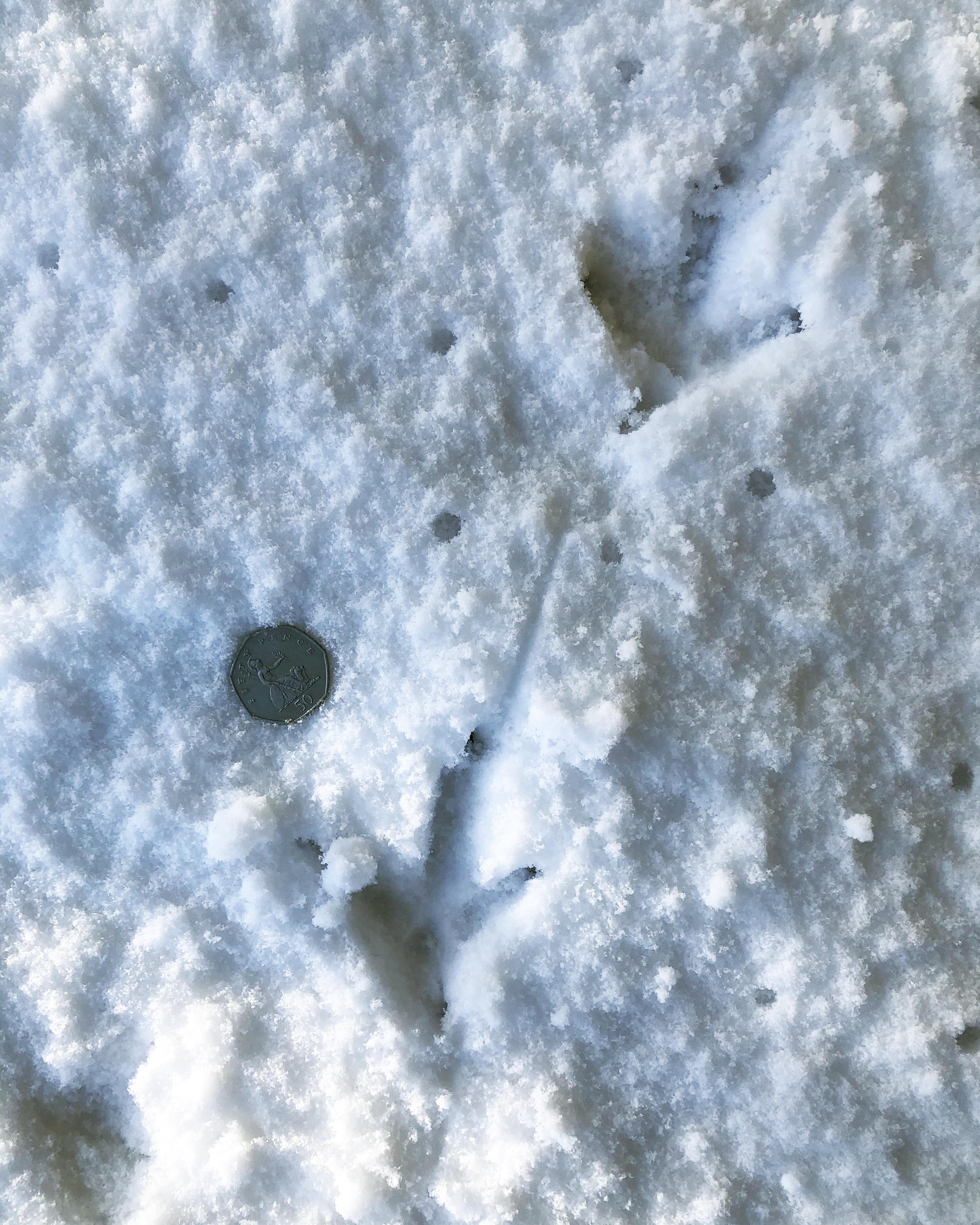
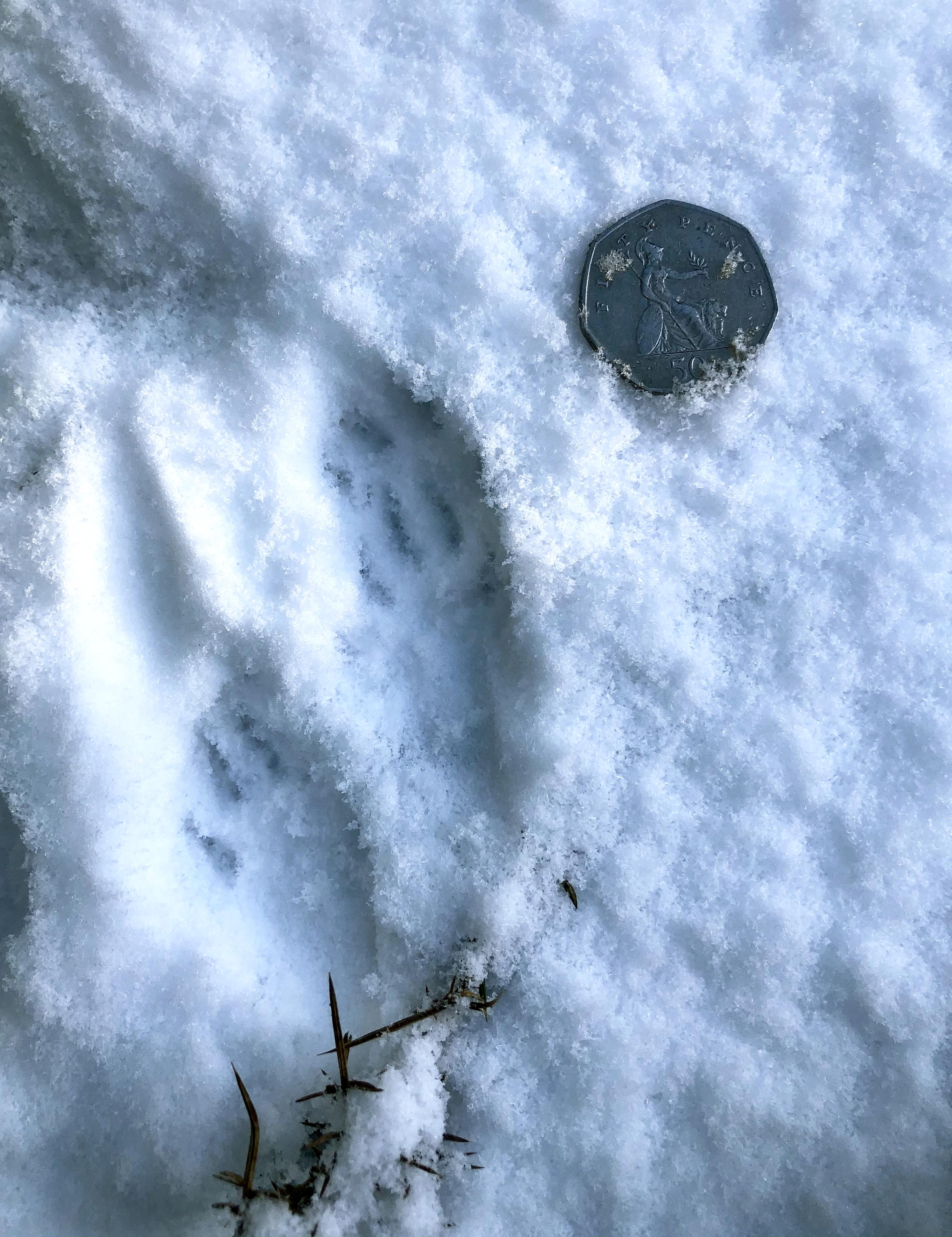
I left the most exciting find until last. Crossing a main path into a small grassy tunnel in the verge were several pairs of paw prints. I knew the square shape of badger prints but these were much smaller. I consulted my new indulgence purchase (Tracks and Signs of the Animals and Birds of Britain and Europe by Lars-Henrik Olsen) and checked first for pine marten. Although these were a similar shape, they were bulkier and didn’t seem right. The pictures of the stoat prints, however, looked much more like it: arranged in pairs like mine were on the trail and a better size match (3.5-4cm hind print). Again I wished I could have been a fly on the leaf when the stoat dashed across the path. Who knows what time it was, but one of the many beauties of snow is it can freeze time and preserve nature’s wonders just a little longer.  
Red Morning Ophelia’s Warning

Every morning when I wake up, I trudge to the window and peek outside at the weather. When I did this on Monday, the world was in sepia. A bizarre, yellow hue covered buildings, cars and streets. My sleep-fuddled mind thought perhaps the world was finally coming to an end; Earth had reached the end of her tether with the deadly human virus and was expelling us once and for all.

On my way to uni, I half-expected to see zombies staggering around. It was 9:30am, but the sun was nowhere to be seen. In the canteen all I could hear was talk of the sky and how long we all had left to live. This carried on for some time, until eventually the sky turned blue again. Strangely, the day turned into a beautiful one, and by the time I was walking home it was the warmest October afternoon in a while.

As many people soon realised, the cause of the red sun and yellow sky was Hurricane Ophelia, making her presence known everywhere possible by pulling with her a torrent of dust and tropical air from the Sahara. According to BBC weatherman Simon King, these clouds of dust meant shorter wavelengths of blue light were scattered, giving the sun its red hue.

That wasn’t all in Monday’s sky cocktail. According to the Met Office, the “vast majority” of the dust was an accumulation of debris from forest fires in Spain and Portugal, hitching a ride with Ophelia and spreading north.

So not quite the apocalypse that most of Twitter was anticipating, but the truth is terrifying enough. Hundreds of people have been sharing photos of the red sun and commenting on the weird and whacky events, but the cause of this phenomenon was a hurricane that has claimed three lives and left nearly 400,000 homes without power or running water… and that’s just in Ireland.

It’s easy to forget how devastating natural events like hurricanes are when they’re hitting thousands of miles away. But the aftermath of this storm is still very much a threat in the UK too. The damage that this hurricane, and that of Irma, Jose, and all the countless others should not be shrugged off as a pretty and peculiar occurrence.

Nature’s Fisherman

It was time once again for a wander in the wild. Kacper had told us about a kingfisher he’d seen on the River Caldew, so Zahrah and I met him in town and we set off. I’ve had two kingfisher sightings both in Cumbria, one with my camera one without. I managed to get the speedy bird in frame for one of my shots, but I wanted to slightly improve on an indistinct electric blue blur this time.

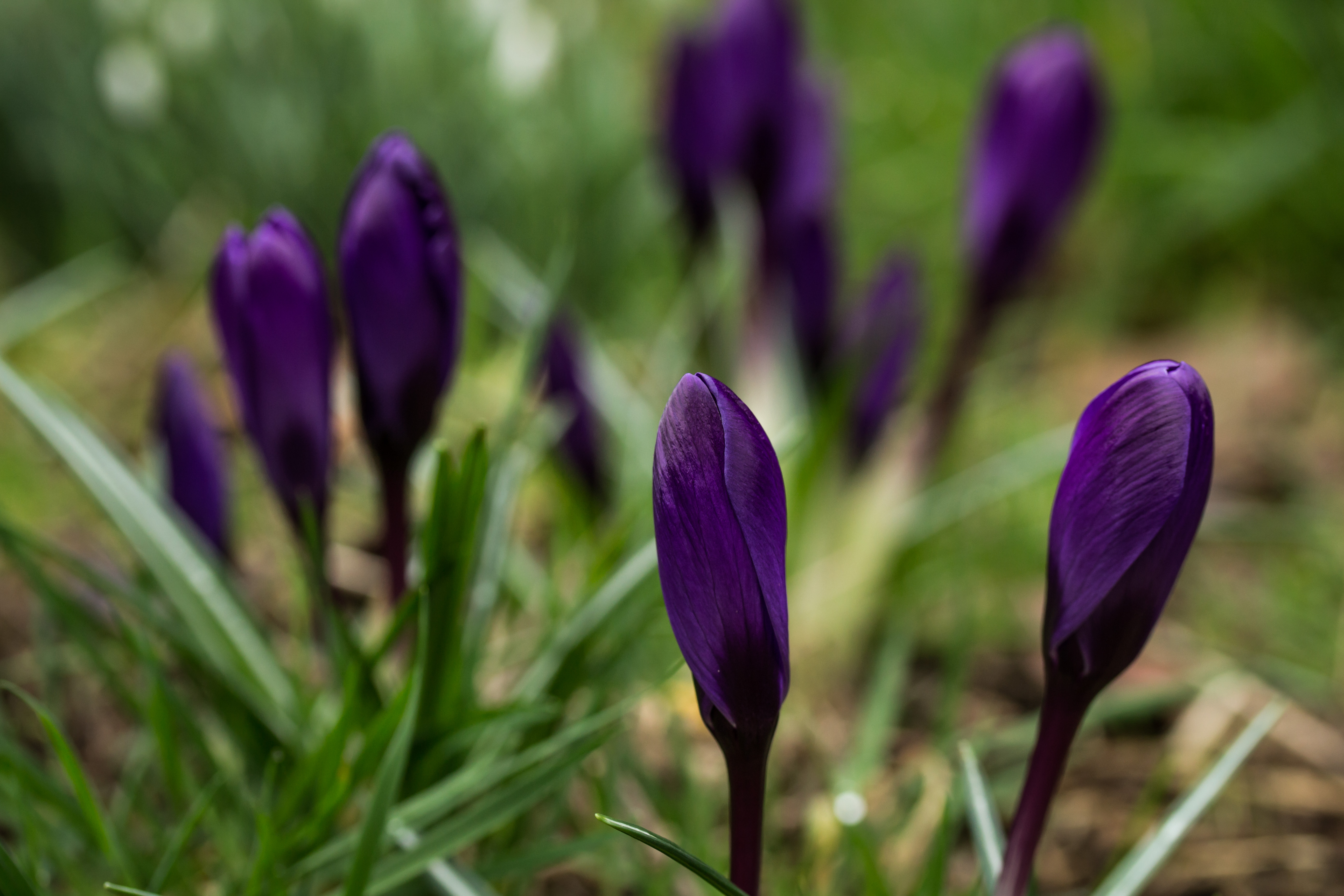
It was so refreshing seeing the first signs of spring. Little pops of colour speckled the green grass as snowdrops and crocuses stretched out of the cold, hard ground – dainty little warriors taking on the end of winter.

img_9572img_9580

We were met at the river by a smoky grey guardian – a feathered old man that stood hunkered up at the top of a tree. The heron surveyed his river with grumpy indifference. Zahrah is under the impression that these birds are beautiful. While I can’t quite agree on that, they are a spectacular looking species that always draw my attention, whether they’re sat slouched on a branch or flapping through the air with spindly dangling legs.

img_9644

After leaving the heron behind I spotted the elusive kingfisher, so we followed it along the river bank as best we could. In the meantime, Zahrah had a play with medium format film, and attracted a couple of inquisitive mute swans.

img_9684

Despite the slow emergence of spring, it still got bitterly cold and before long the light began to fade. We were just about to head for home when another flash of blue shot across the water. Hurrying across the bridge, we staked out the riverbank and managed to spot the kingfisher resting amongst the scrub. It’s still not the best kingfisher photo ever taken, but it’s a vast improvement on my last – you can even see it’s an animal this time!

img_9668