A Fortnight in Fife

I’ve recently returned from an amazing holiday in Fife with my family. I say holiday… I ended up working throughout, but in my defence it was the perfect opportunity to do some research for an upcoming project that I have to keep under my hat for now!

We’ve been holidaying in this particular cottage for the past 18 years, and I was both a lot shorter and nowhere near as bird savvy the first time we visited. Everything always stays exactly the same, prompting endless nostalgia and happy memories. The big difference this time was my 92-year-old nan came too, and being able to show her the place that’s become so special to us was such a treat.

Monster Truck on St Andrews Beach!

Naturally, I was out and about watching wildlife. Butterfly Conservation hosted an open day at Tentsmuir during our stay and I leapt at the chance to explore the site with a knowledgeable guide. During the walk I saw my first grayling, and was stunned by how effective their camouflage is.

A visit to Edinburgh, one of my favourite cities, was a must. Again, I was there in search of butterflies, and I met up with a wonderful volunteer who showed me around Holyrood Park. We found two graylings and plenty of small skippers, and after parting ways I couldn’t help being a tourist and hiking up Arthur’s Seat for the first time.

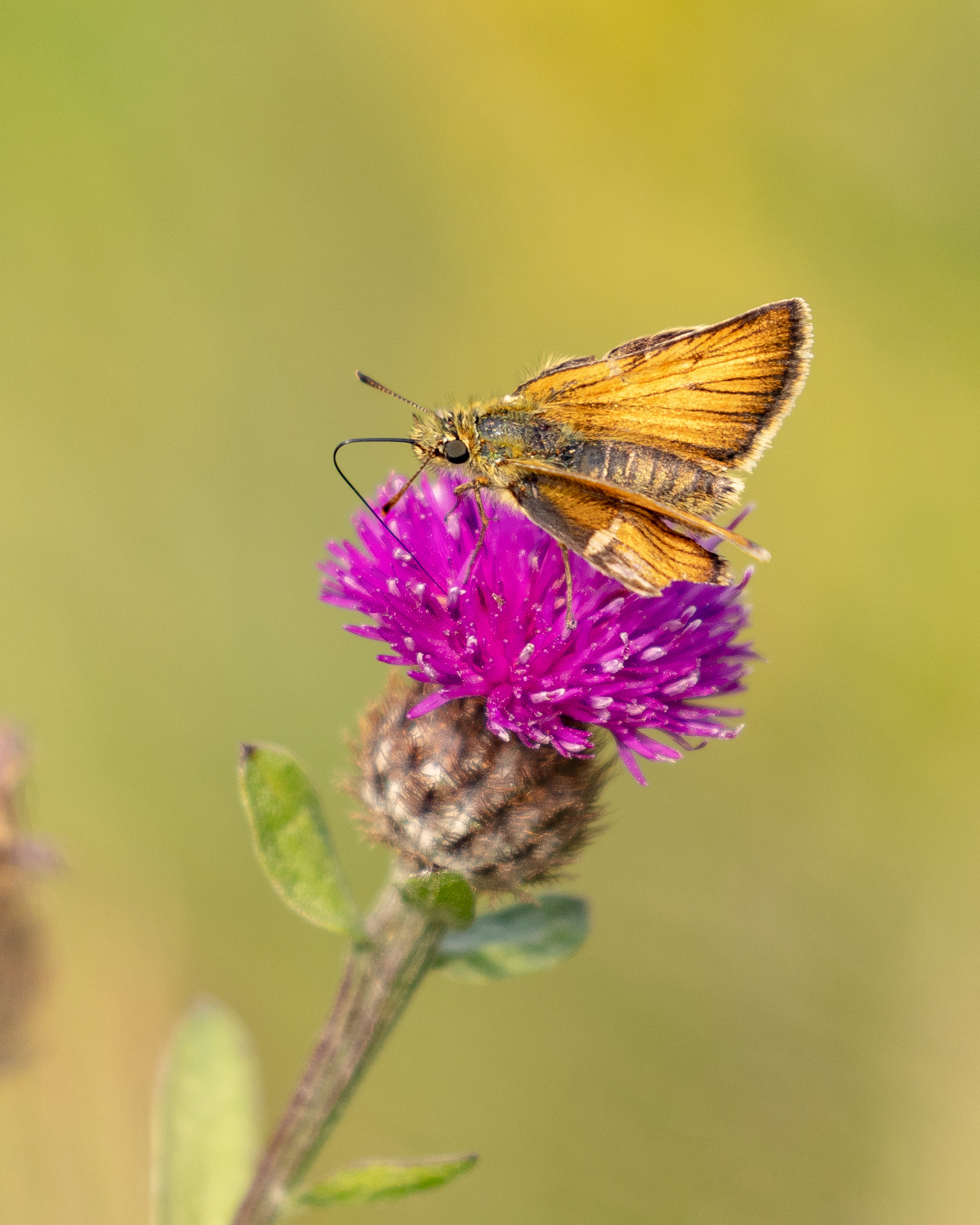
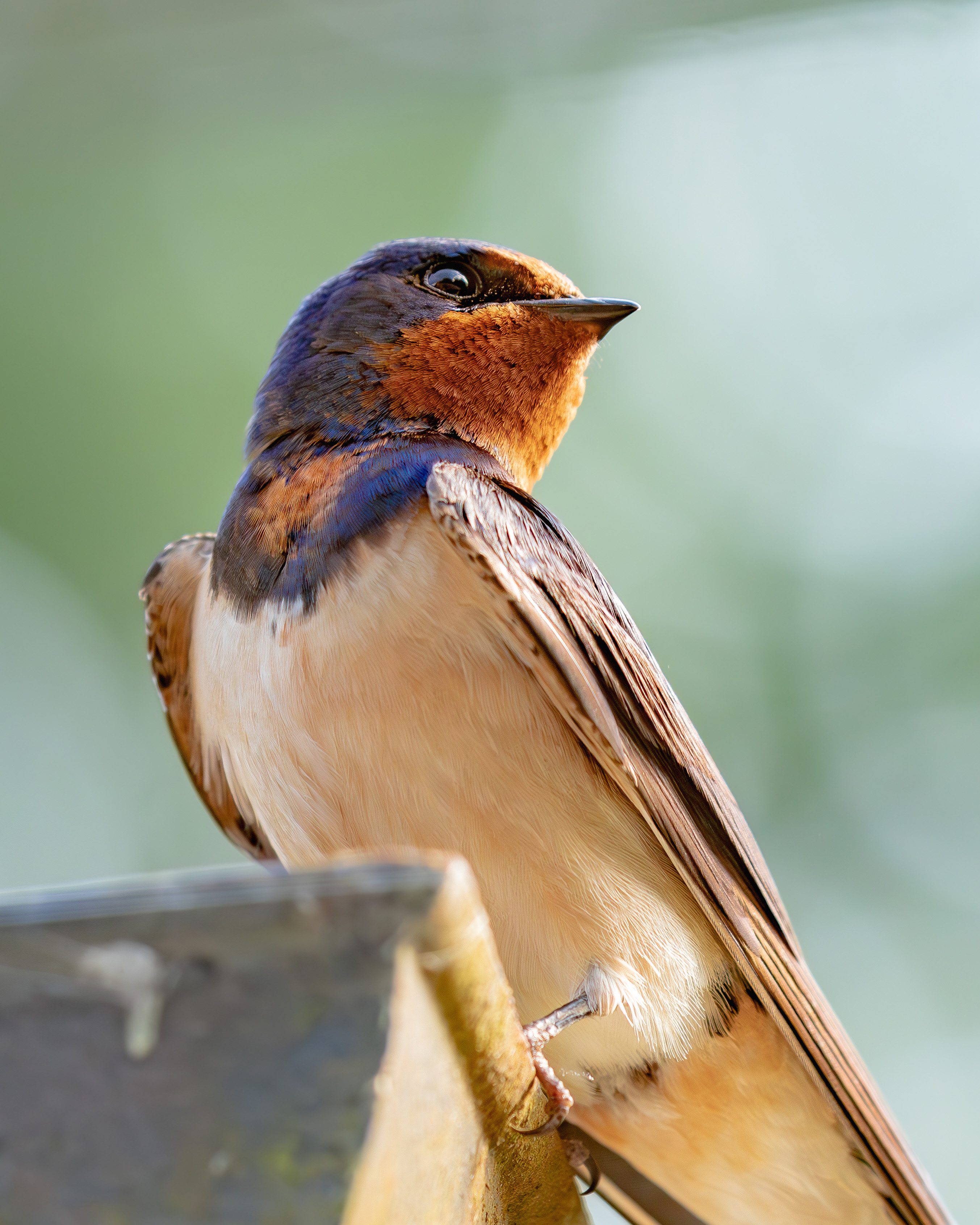
I also indulged in lazy birdwatching from the house. Each morning a group of swallows swept around the cottage and perched on the drainpipe, just inches from the kitchen window. I usually only see swallows as distant specks in the sky, so it was fantastic to get such close-up views from the comfort of a plush armchair.    
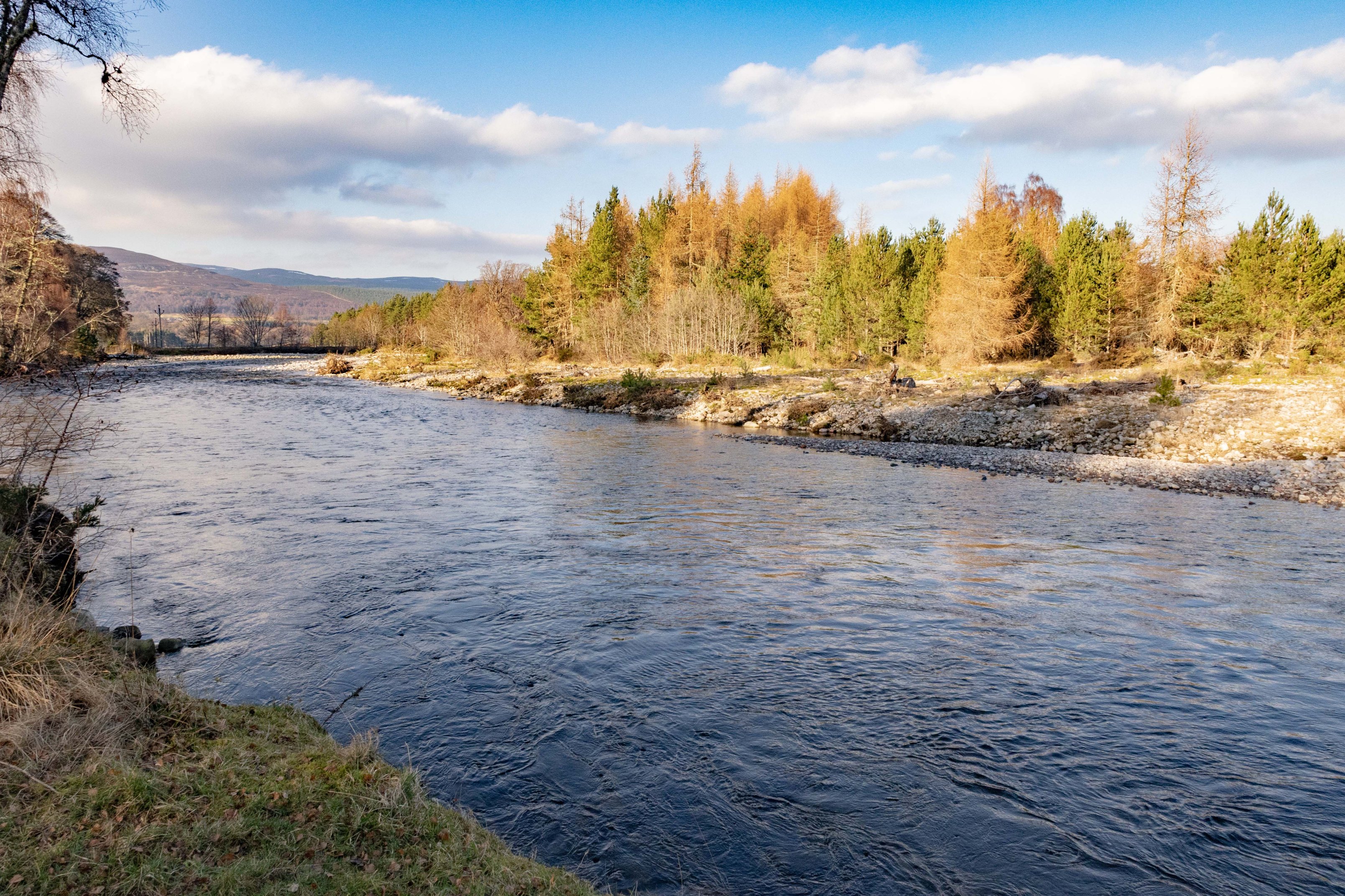
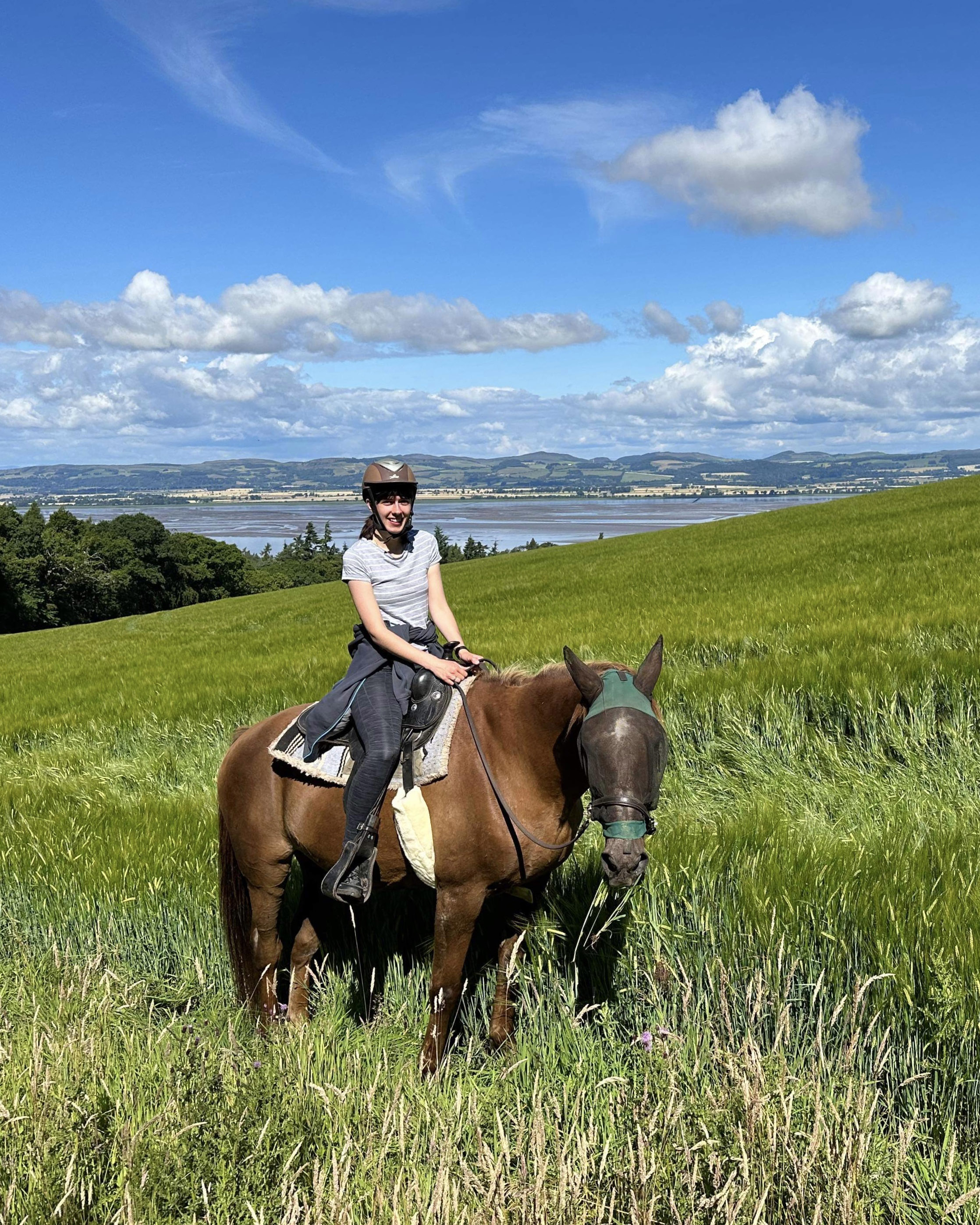
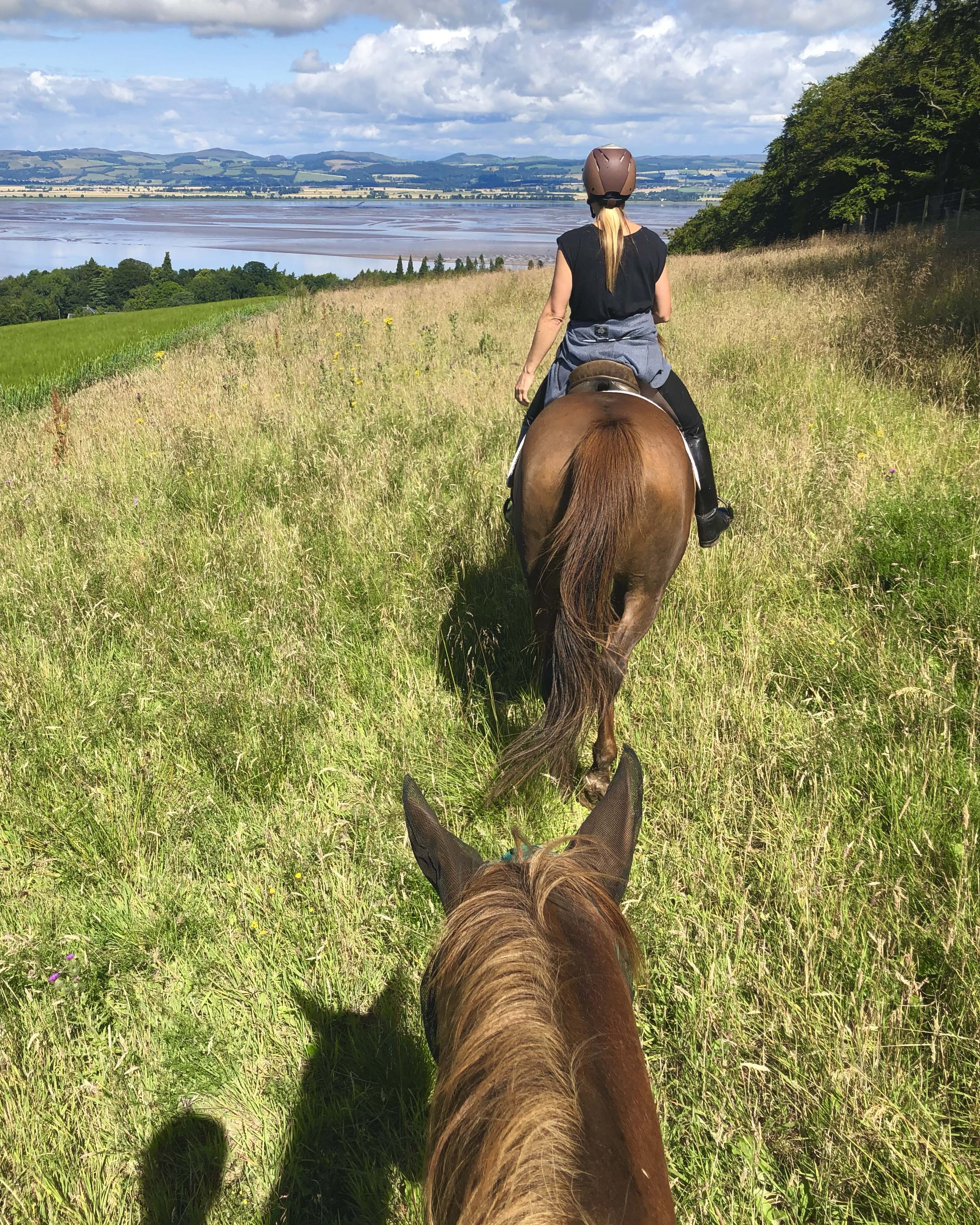
Finally I met up with my friend Kirstin, who happens to live down the road from the cottage. We took her gorgeous ponies on a hack and wandered through woodland and open fields, finishing with a splash in the River Tay. I hadn’t ridden since I was a child and it was so special to explore nature on horseback.
Nothing like a change of scenery and new wildlife sites to kickstart my inspiration again!

Reviews Incoming!

My book has been out in the world for just over a month and I’m thrilled with the feedback I’ve received so far. Knowing that people I don’t even know are reading what I spent three years putting together is such an amazing feeling.

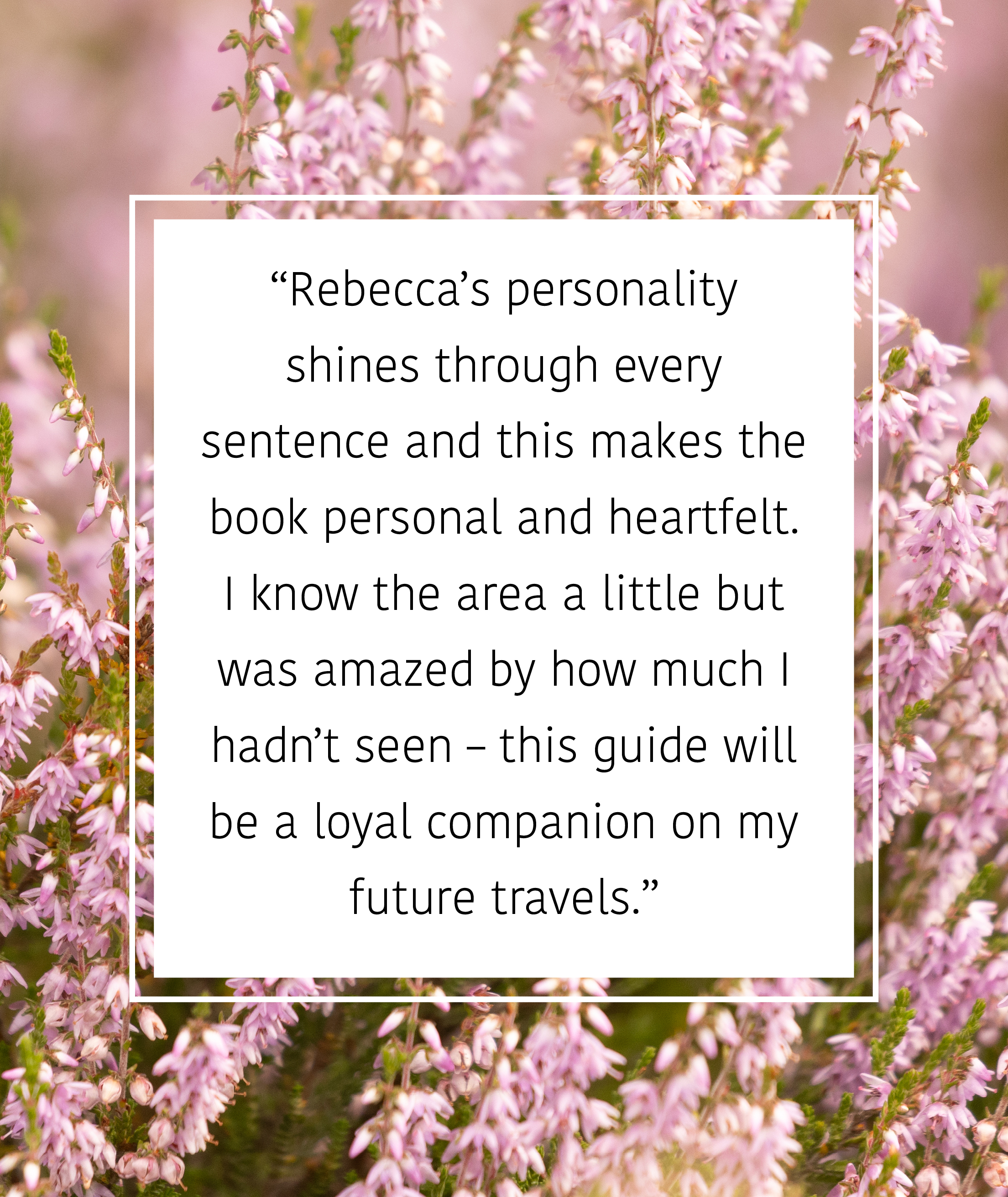
Reviews are starting to trickle in and I wanted to share some here just because they make me unbelievably happy. In particular, I’m proud that even those who are familiar with North East Scotland are discovering places they didn’t know – that’s the true essence of a Slow guide so I’m really pleased I’ve succeeded in capturing it.

If you’d like a copy of Slow Travel North East Scotland, you can order through Amazon, Waterstones or directly from the publisher by clicking the button below.

World Ocean Day

Apparently it’s World Ocean Day! I can never keep up with all these international days, but I was keen to get involved with this one. Since moving to Scotland, the ocean has become a huge part of my local landscape and it never fails to both relax and inspire me.

My local patch is a mile-long strip of rocky shore that’s bursting with wildlife – depending on the tide I can see gannets diving for fish, turnstones foraging among the kelp or bottlenose dolphins flinging themselves into the air.

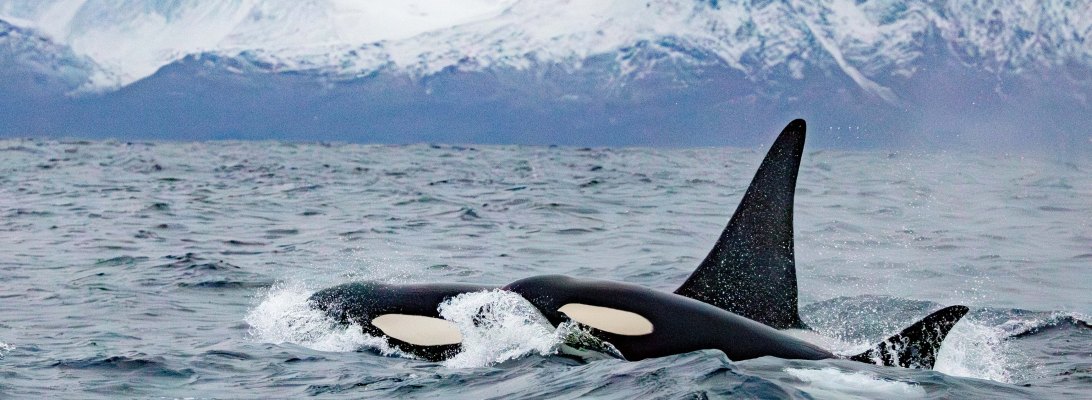
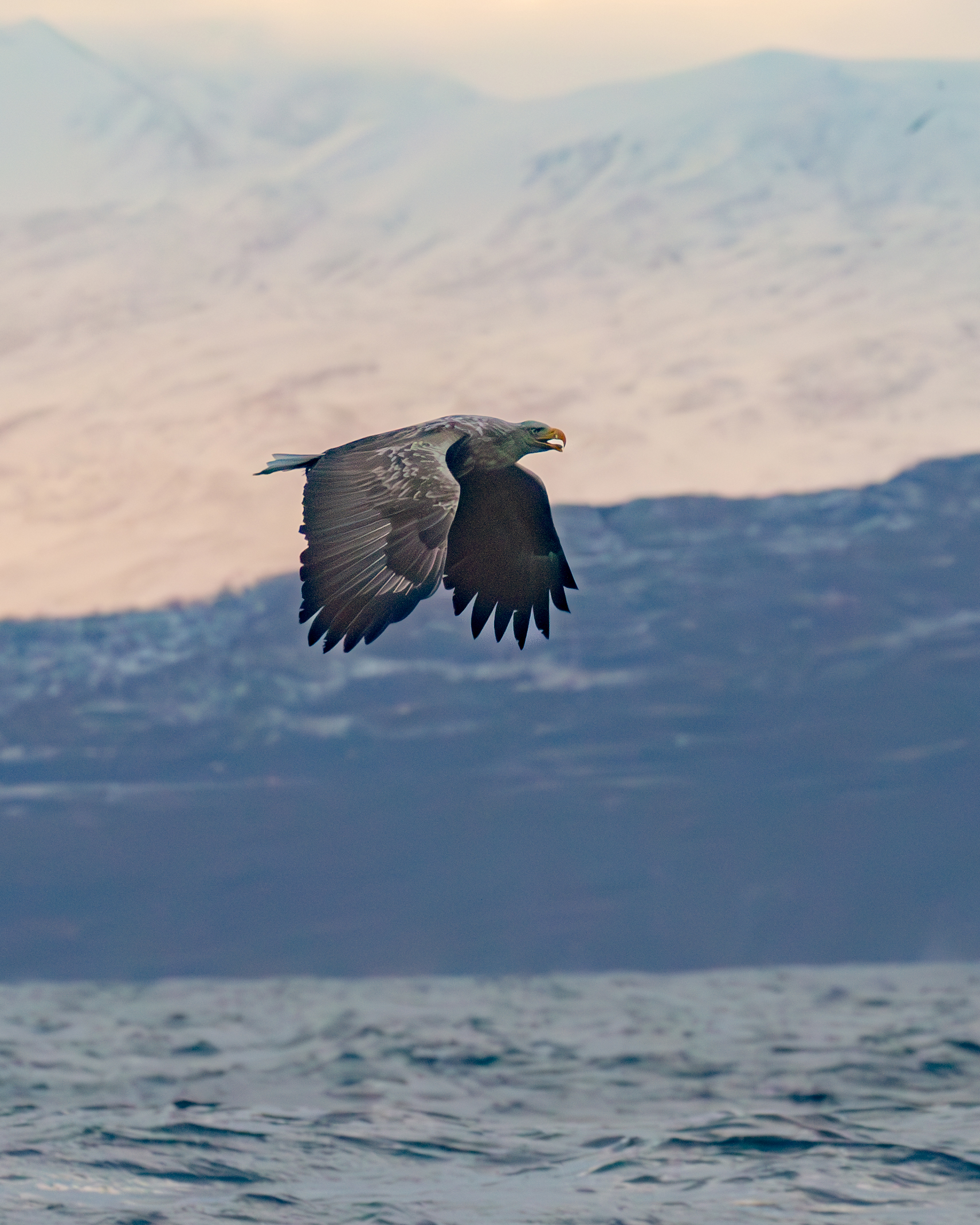
I’ve also been lucky enough to watch marine wildlife in Norway. During an unforgettable trip in 2020, I saw orcas, humpback whales and white tailed eagles – often all at the same time. Despite a dash of seasickness and some very numb toes, it was one of the best experiences of my life. I couldn’t believe I was surrounded by such huge animals, and it was a real privilege to share the icy fjords with them.  

What’s your favourite ocean memory?

My Scotland

The Scots Magazine has a photo feature each issue written by a famous Scot about their favourite places in the country. They can be locations with personal memories attached to them or just spots they enjoy visiting. It got me thinking about which places I would choose, so this week’s blog is my ‘My Scotland’.


Burghead

This narrow village on the Moray Coast, surrounded on almost all sides by ocean, brought about a huge shift in my life. Those who have followed me for a while will know that I grew up in south east England, and once I began exploring Scotland I realised I didn’t belong in my home country anymore.

It was Burghead that introduced me to north east Scotland and this in turn led to my first book, so it will always be a meaningful place for me. I’ve also seen a humpback whale, orcas, basking sharks and the northern lights from its rocky shore, so that scores it plenty of points!


Edinburgh

Edinburgh was the first city I visited in Scotland, and every time I go there I’m on holiday so it reminds me of Fringe shows and the Christmas market no matter what time of year it is.

Its centre is old and graceful, with everything you expect to see in a city but with cobbles, narrow closes and plenty of steep staircases. It’s also the home of Hendersons, an amazing vegetarian restaurant where I’ve had my favourite ever meals.

Image: Aleks Michajlowicz


Assynt

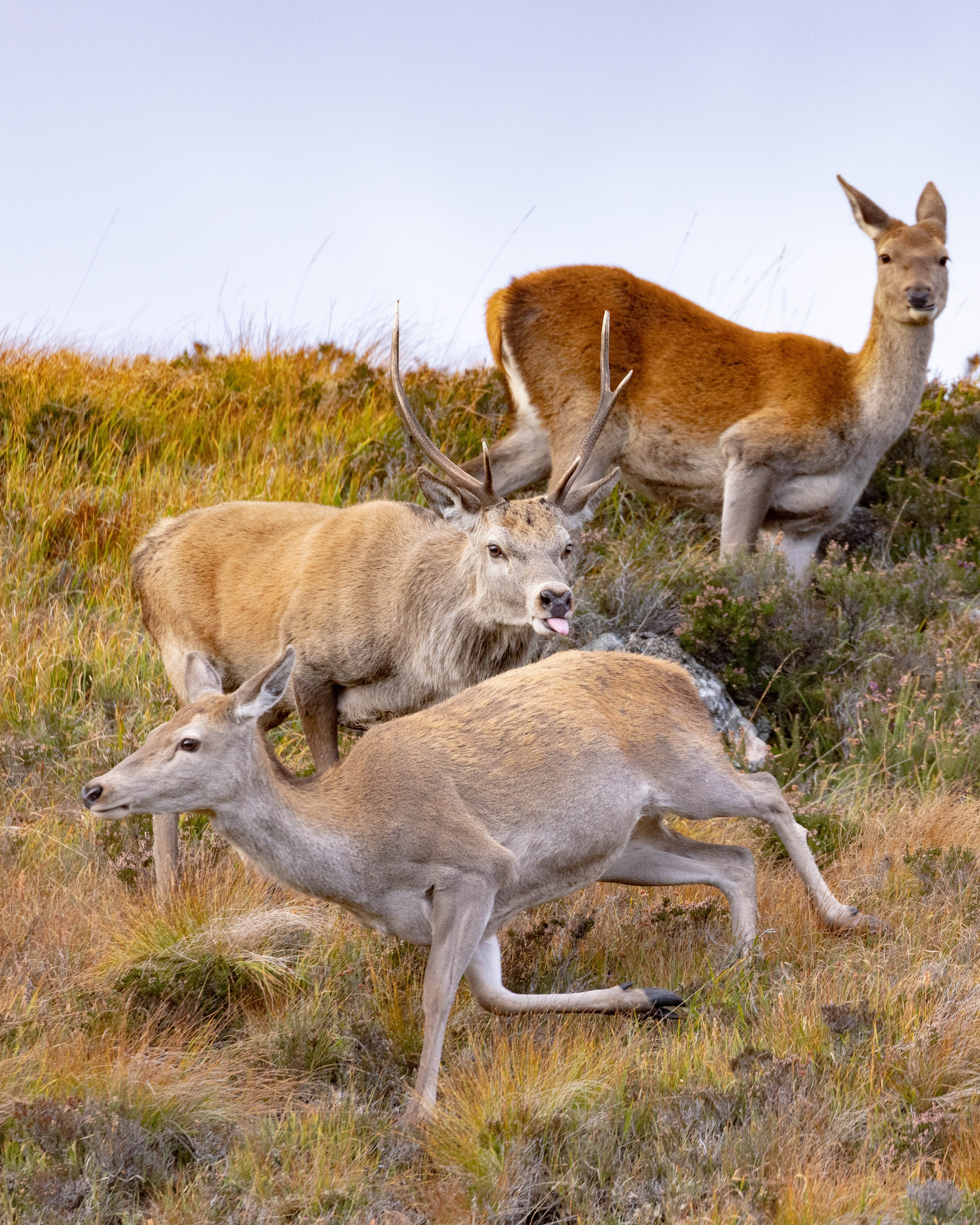
Since moving to Scotland I’ve made a pilgrimage to the west coast every year. Usually this is in autumn to coincide with rutting red deer and leaping salmon, but I’ve also been in summer and seen great northern divers, white tailed eagles and even pine martens in daylight, when it’s not truly dark until nearly midnight.

It’s also where I broke my lifelong curse and got my first otter photos. The wilderness of Assynt has given me countless wildlife memories and as soon as I leave I’m thinking about when to go back.


Aberdeen

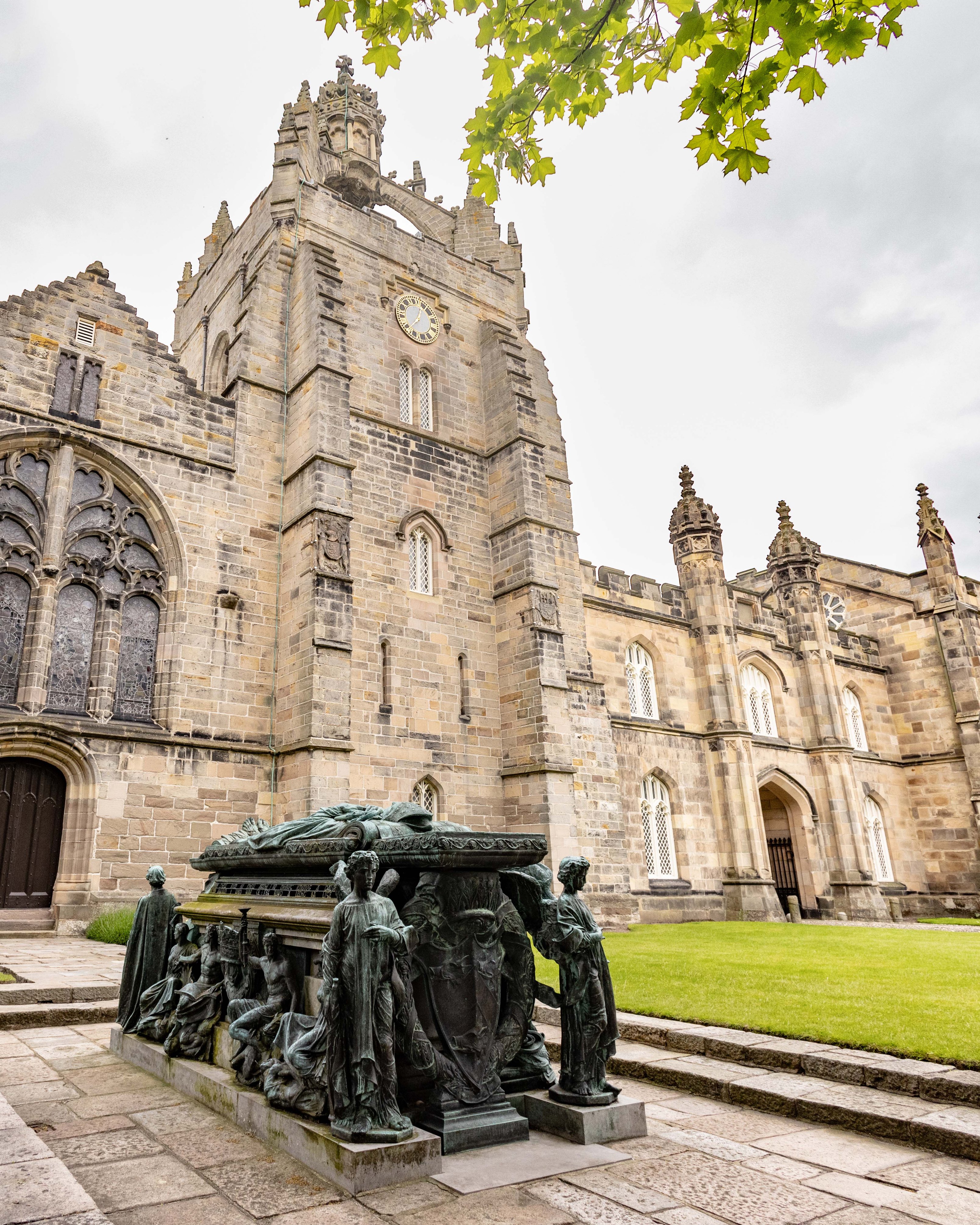
I’m not much of an urban dweller and much prefer the stillness and seclusion of rural habitats, but I connected to Aberdeen straight away. Scotland’s third largest city is hugely varied and this is perhaps most evident in its architecture, where a single street has large stone block buildings, ornate granite colleges and transparent office blocks.

Despite its size Aberdeen is easily walkable, with museums, gardens, restaurants and artworks in just a couple of miles. It has loads of character.     


Uath Lochans

I love the Cairngorms National Park in general, but this spot in particular had me obsessed from my first visit. I rarely use the word ‘magic’ because there isn’t much that justifies it, but the Uath Lochans do.

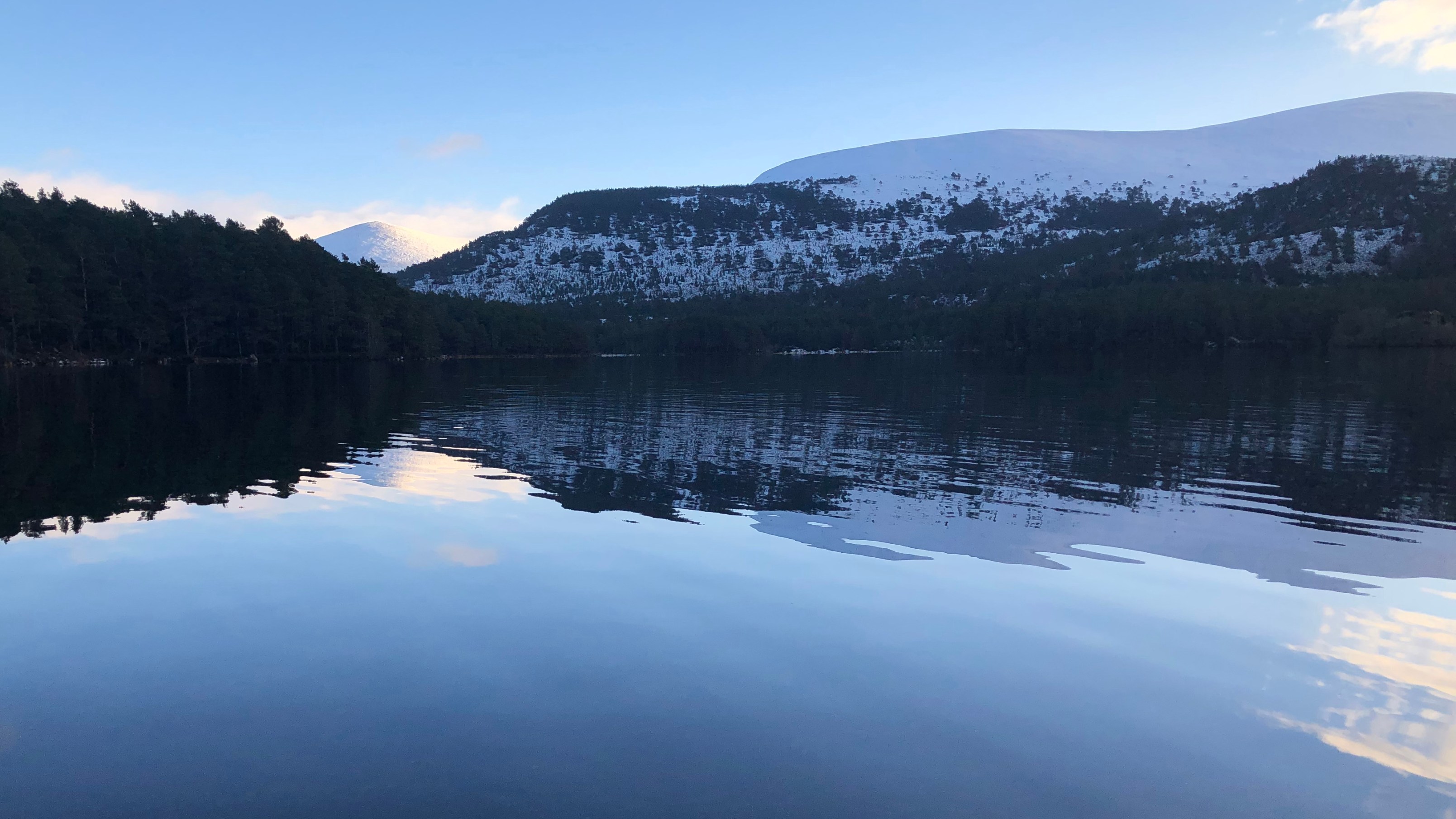
Submerged in pine forest not far from Aviemore, these four small lochs sparkle like they emit their own light. On a still day in summer, their surfaces create perfect reflections of the heathery hills beyond, disturbed only by the feet of dragonflies.


YOU MAY ALSO LIKE

Read All About It!

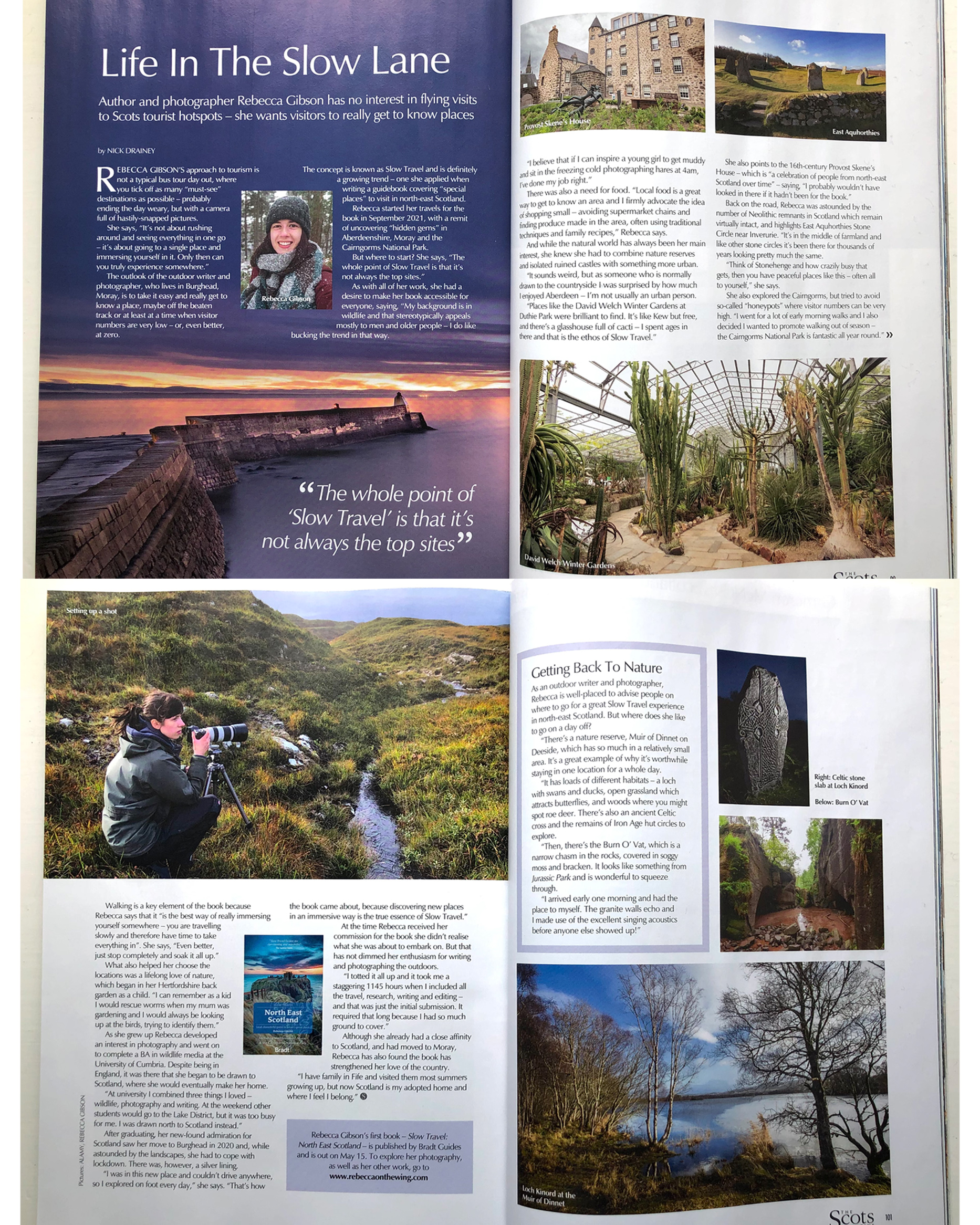
My book will be published one month today, and I can’t believe I’m writing this but there are two double page spreads about it in the latest issue of The Scots Magazine!

At the end of last year I was interviewed by journalist and outdoor enthusiast Nick Drainey. Although our main topic was my book, we had a great chat about Scottish walking, nature and travel in general.

I loved having the opportunity to talk about Slow travel and my experience writing the guide, but it was also really special to reflect on where my love of Scotland began. I think Nick’s done a wonderful job and I’m proud to be a small part of such a great Scottish publication.


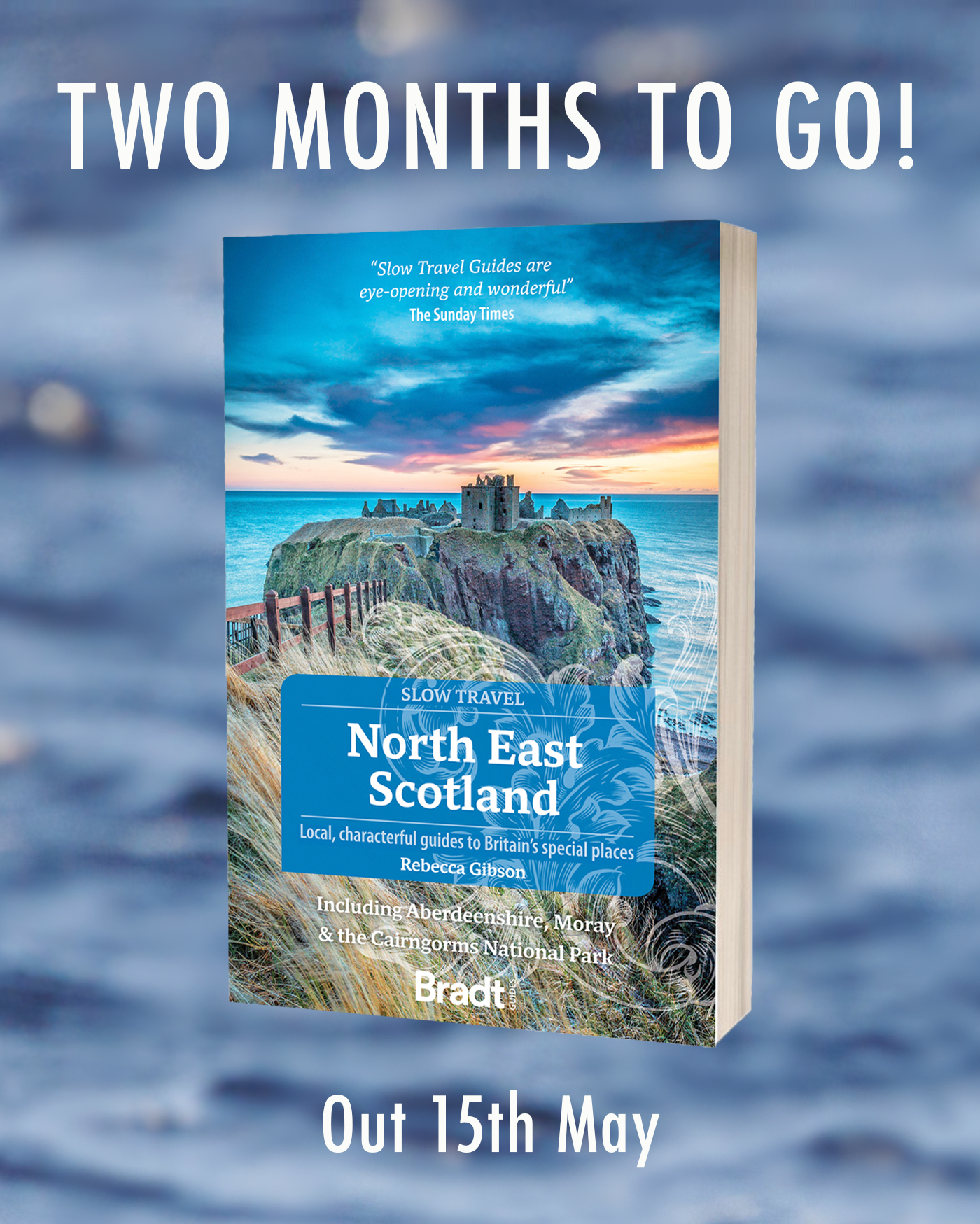
‘Slow Travel: North East Scotland’ is out 15th May

Book Teaser

My Slow Travel Guide to North East Scotland will be published exactly two months today! To celebrate what I’m considering to be the start of The Final Countdown (cue Europe), here’s an exclusive sample from the book about the town of Banchory, 18 miles west of Aberdeen.


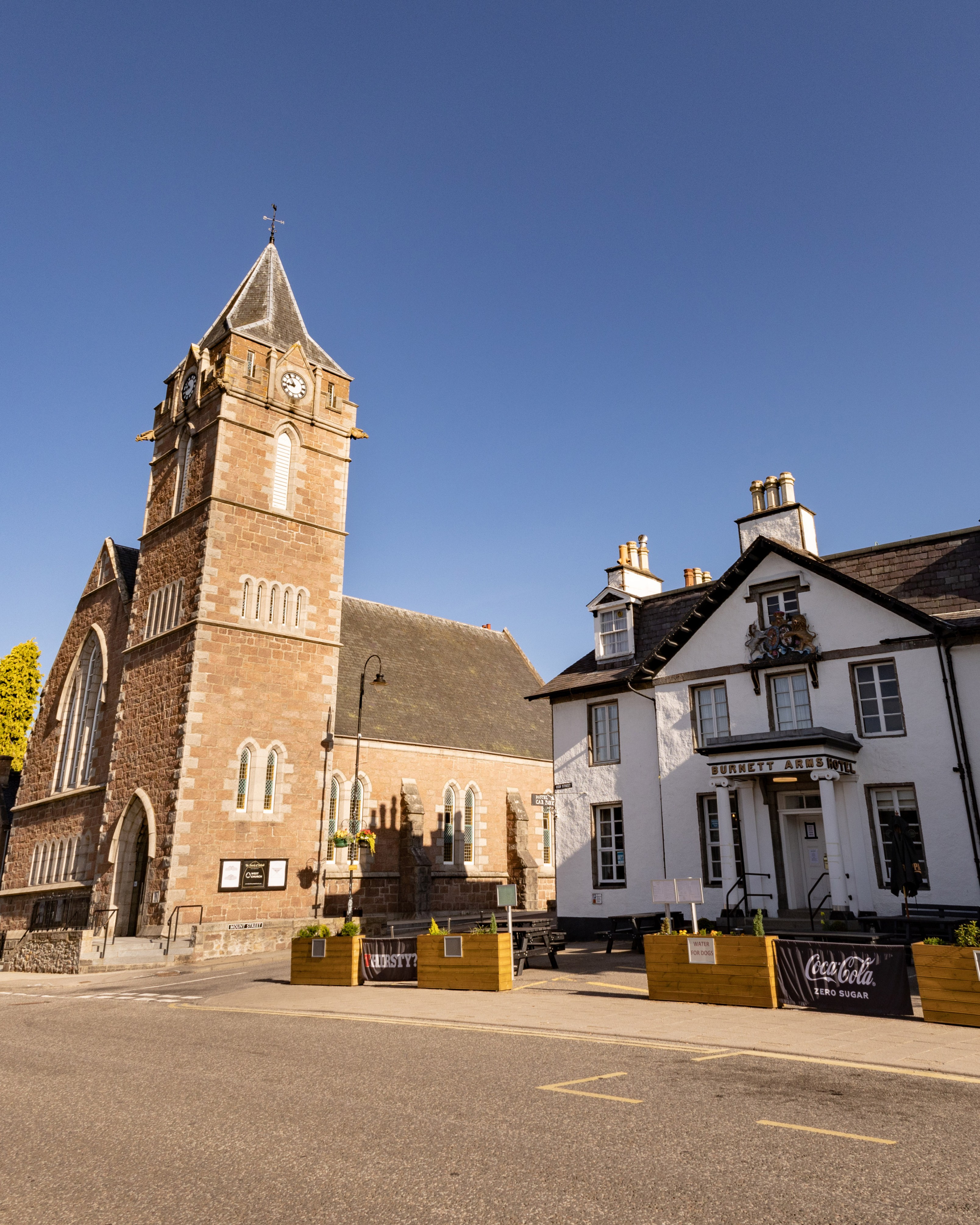
Banchory is the last major town before you move across the boundary into Aberdeen City, hanging in a hammock of the River Dee as it flows east. Close to neighbouring villages and with the granite torr-topped hill of Clachnaben nearby, Banchory is a handy base for exploring this part of Aberdeenshire. It’s also your best bet for shopping, with a range of gift shops lining High and Dee Streets.

High Street

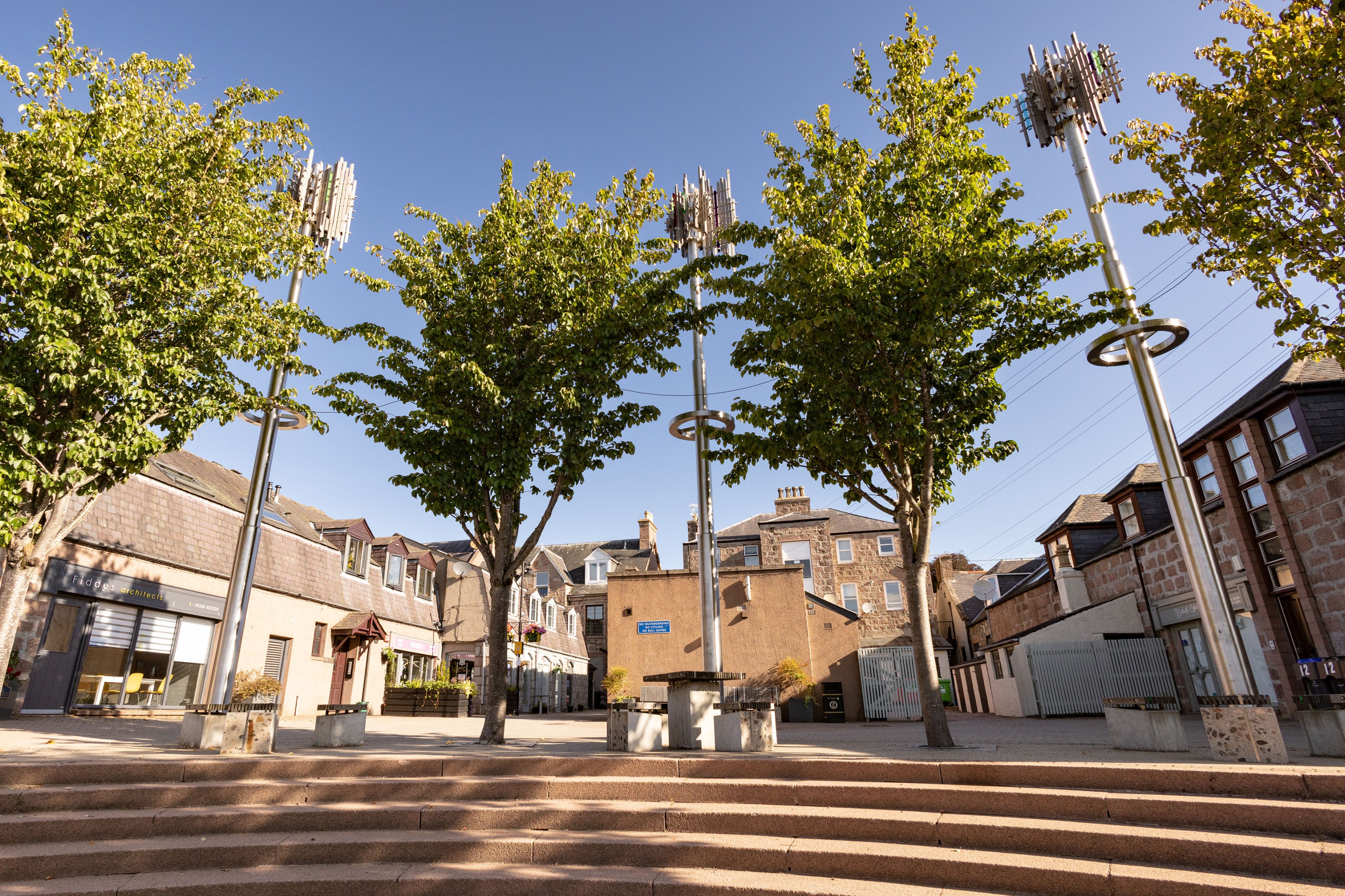
By happy accident, I found my favourite part of Banchory while tracking down the library, located within the pedestrianised Scott Skinner Square. Named after one of the greats of Scottish fiddle music, James Scott Skinner, the square contains a selection of small businesses arranged around a mini amphitheatre of steps.

Scott Skinner Square

James Scott Skinner was born in Banchory in 1843. By the time he was eight years old, he was playing the cello at dances across Deeside. Cello playing wasn’t the only string to Skinner’s bow though (pun unashamedly intended). He also trained as a dance teacher and was even invited by Queen Victoria to teach the children of Balmoral Estate in 1868.

In the square is a tiny garden with woven sculptures of a fiddle and treble clef musical note, created by Ayrshire-based willow and steel artist David Powell. One of Skinner’s most famous pieces, ‘Bonnie Banchory’, inspired the creation of three abstract columns around the square’s amphitheatre. On the top of each is a stack of different-sized rods, representing the sound waves of this song.

Woven sculpture by David Powell

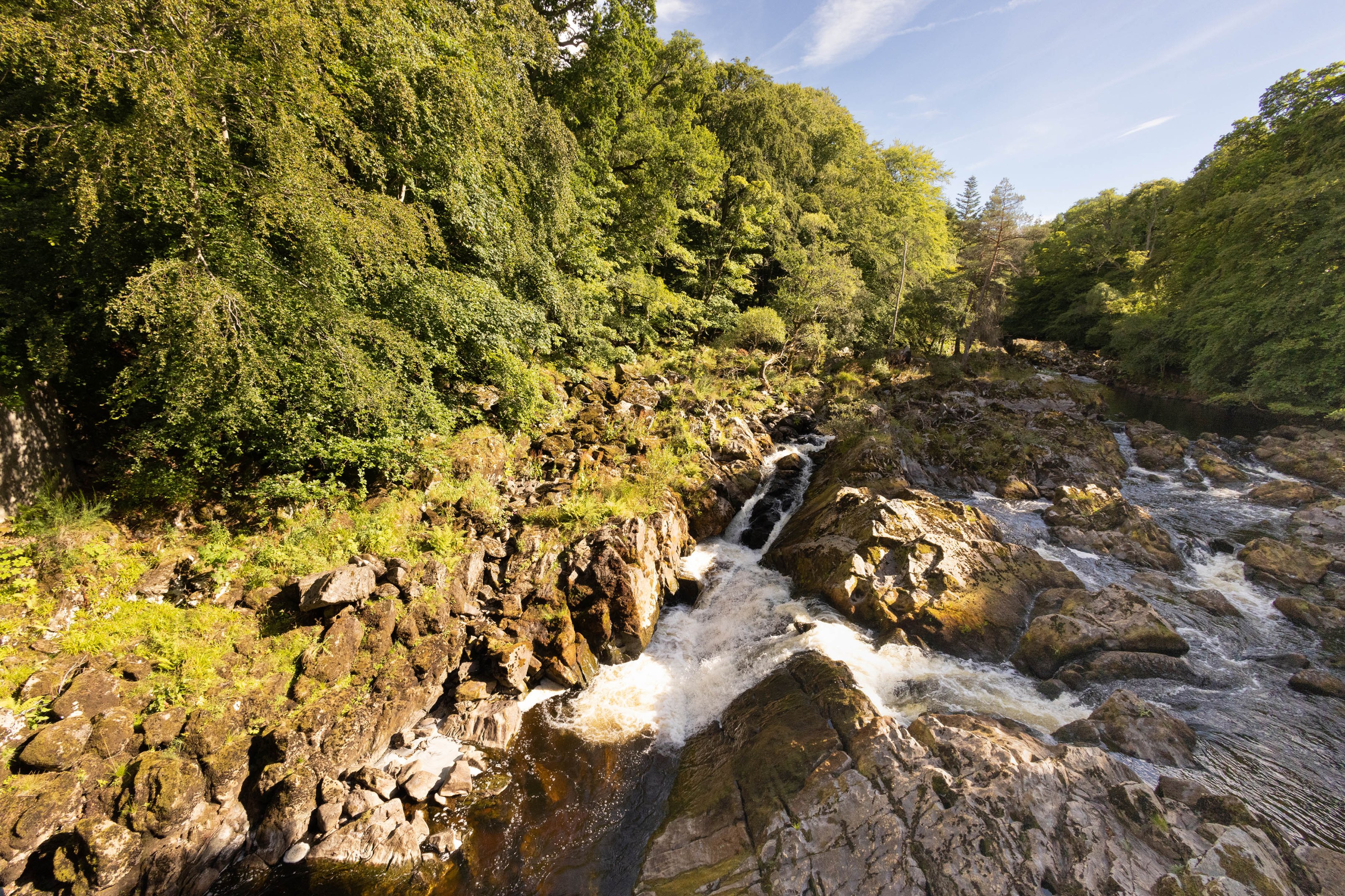
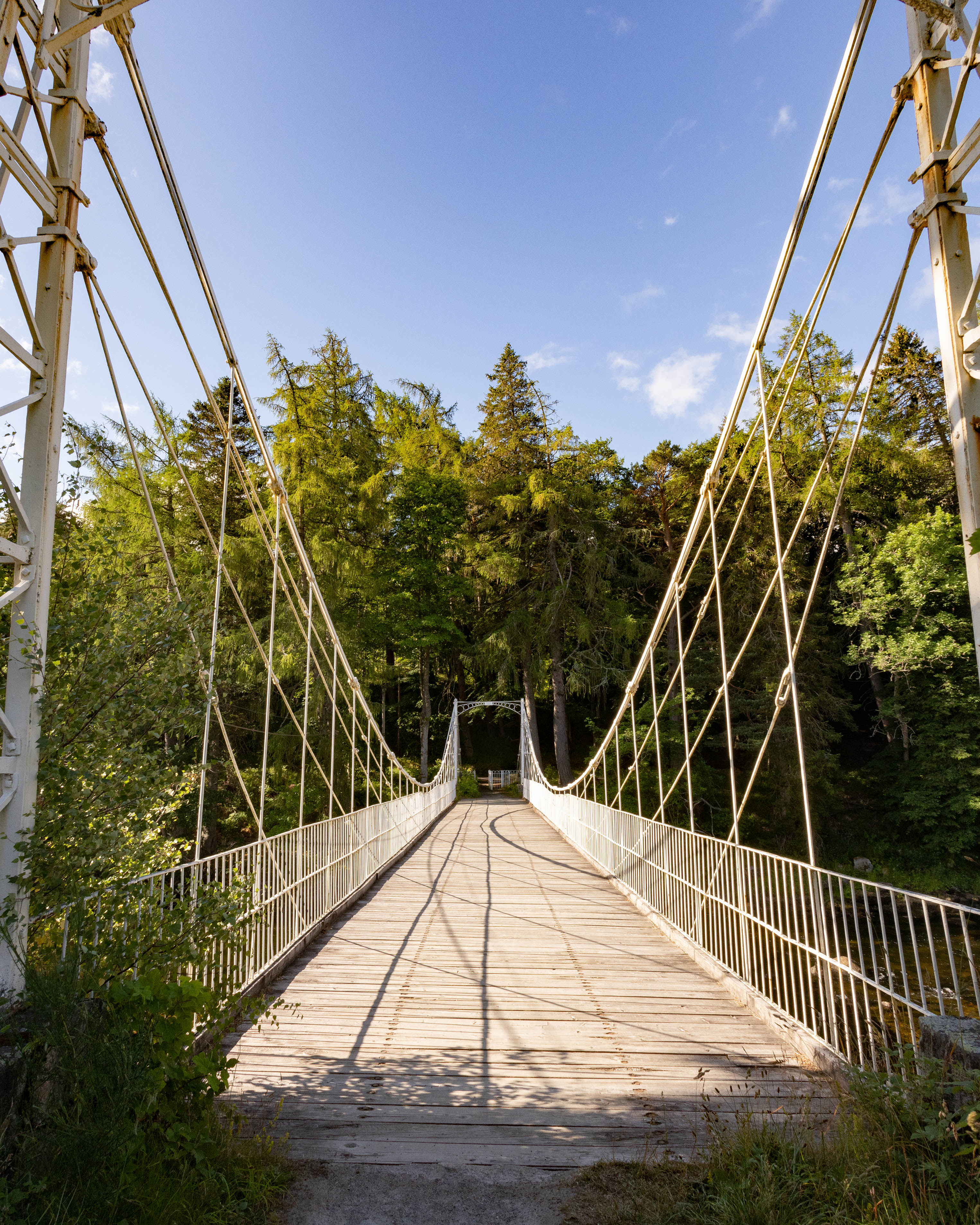
If you walk south on Dee Street you’ll soon cross the river. Half a mile further along is a T-junction, where the left branch passes over the Water of Feugh. Running parallel to the stone road bridge is a newer footbridge where you can peer down at the Falls of Feugh below. The water surges in two channels around rocky contours before crashing into a slower pool and continuing under the bridges. In autumn, this is a good spot to look for leaping salmon.

Falls of Feugh

Five miles south of Banchory is Nine Stanes Stone Circle, conveniently close to an unnamed road passing through a Sitka spruce plantation. There are six standing stones, a chunky horizontal recumbent and two wonky flankers, making up the nine stones in its name.

When I visited, I’d just experienced an assorted delight of road closures, cafés shut when they shouldn’t have been and insufferable August heat (I have about the same heat tolerance as a Mars bar). I arrived at Nine Stanes a sweaty, irritable mess and, although sitting in the middle of the circle with grasshoppers boinging around my feet didn’t make me any less sweaty, it was a serene way to end the day. Stone circles are good at that.

This one was arranged some 4,000 years ago, used as a burial place and to mark the movement of the moon throughout the year. Its stones now have mossy beards and grassy feet, but after all that time they’re still standing.

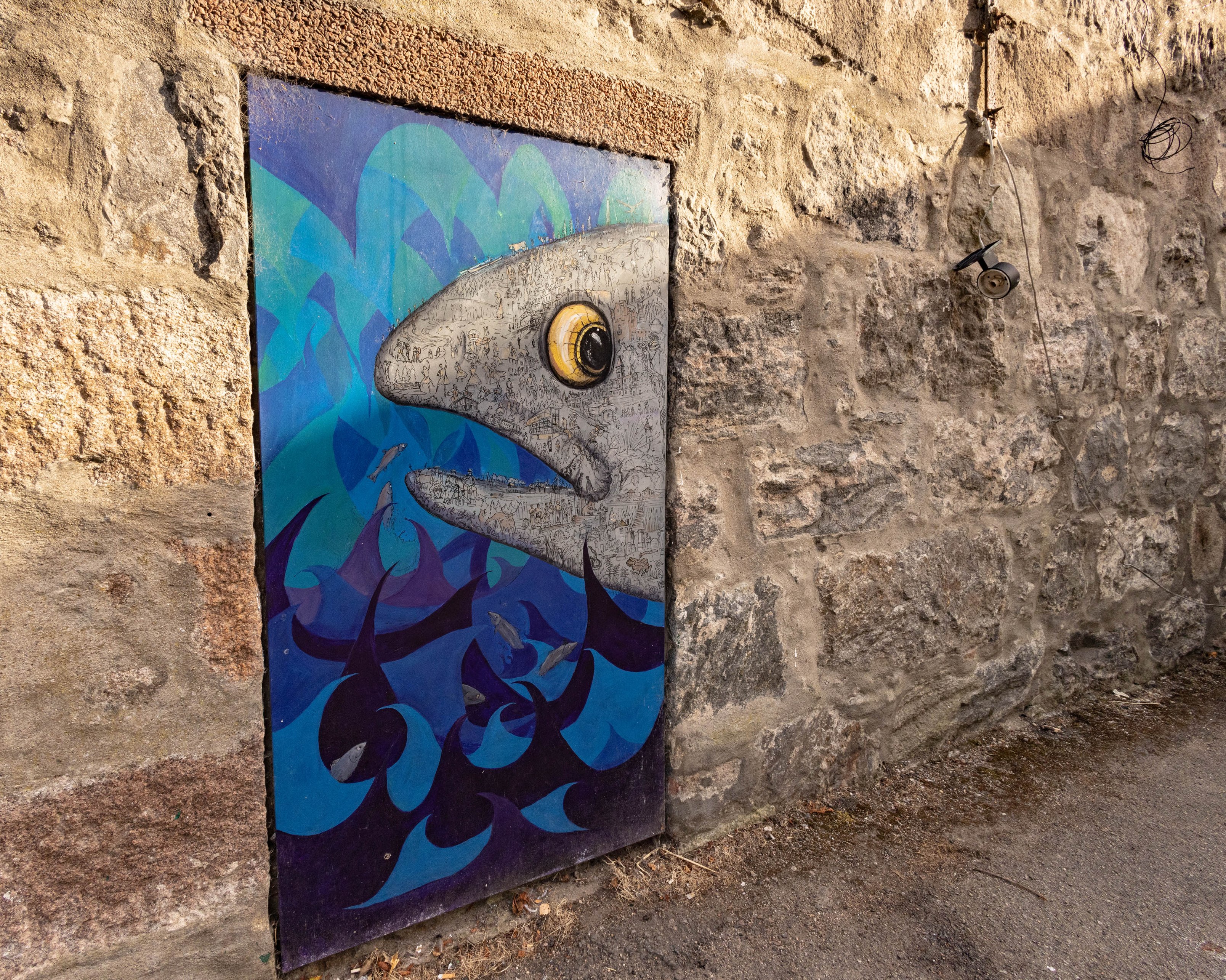
Banchory street art by Shona Macdonald

As you can see from this sample, Slow guides are just that: leisurely, and written as if the author is walking around with a person wearing a blindfold. I’ve loved writing in such immersive detail, as it’s given me the opportunity to really dive into the nuances of each location I’ve featured in the book. There’s a lot of nature and wildlife, which shouldn’t come as a surprise, but this particular entry gives you an idea of the variety of other things I explore too.

I’m so excited to share the biggest project of my career so far with you all. I’m currently working through the proofs and seeing the pages take shape, so it won’t be long until I can finally hold my first book in my hands.

Celebrating Scotland

Yesterday I attended a conference in Kingussie, down in the Cairngorms National Park, about Scottish community tourism. It was hosted by SCOTO, a collaborative group of community tourism enterprises from all over Scotland.

One of my favourite speakers was Calum Maclean – a presenter, writer and Gaelic language activist who’s probably best known for his wild swimming. He’s just been voted the most influential Scot on TikTok, surpassing the likes of Lewis Capaldi.

What resonated with me about Calum was his enthusiasm. He spoke about ‘the power of localness’ and exploring past the obvious to get a deeper understanding of the places we visit. He also said to go ‘beyond the guidebooks’ that tend to gloss over the juicy, undiscovered places you’d only know about if you were a local, in favour of overpopulated tourist hotspots.

After his talk, I chatted with Calum about my Slow guide and how it was important to me to write a guidebook that included some of those undiscovered locations. I had the privilege of meeting lots of local people during my research and travels, and their contributions have made my book far richer. To reinforce the importance of this kind of immersive travel even more, Slow Travel is the theme for May in VisitScotland’s 2023 marketing calendar – impeccable timing for the release of my book that same month!

Recently, there’s been a surge in awareness of ‘sustainable tourism’. Initially that might make you think of the environment, and how visitors should respect wildlife and wild places while travelling. This is essential of course, but the sustainable mindset also relates to people. Supporting independent businesses instead of big chains, and making an effort to learn the heritage of new places as well as appreciate their beauty, are just as important as being mindful of campfires and taking your litter home.

Again, these are things that a good Slow guide should cover, and I consciously shopped small while I was travelling for my book, discovering fantastic small businesses that gave the places I visited even more colour.  

Another excellent speaker at the conference was Scotland blogger, itinerary consultant and podcast host Kathi Kamleitner. Like Calum, Kathi’s passion was infectious and she spoke about connection as an emotional benefit of tourism. This connection can be with those you travel with, those you meet while travelling, and also with yourself.

Currently, one of the biggest travel trends is an interest in ‘localism and authentic experiences’. This links to the ‘staycation’ idea, which became even more prevalent during the pandemic. It was reassuring to see that my book links to this trend – I’ve highlighted many local people and hopefully conveyed enough immersive detail in my descriptions of lochs, forests, castles and distilleries to inspire these memorable and authentic experiences that visitors are looking for.

I’m a huge advocate of Scotland as a travel destination and clearly so is Kathi, who launched her business Watch Me See to help other people discover and fall in love with Scotland just like we both did. I’m always looking to connect with other solo female travellers and it was so lovely to hear Kathi’s perspective.     

March is Scottish Tourism Month, so the conference was well-timed. It was a whirlwind of conversations and ideas, not to mention a shock to my system after several years of professional interaction exclusively via Zoom! I left feeling inspired and even more excited about the release of my book, having reaffirmed my belief that Slow is the way to go. 

Lochans and Carved Faces

Monday was the perfect combination of winter chill and dazzling sunshine, so I decided to take my mum and the dog to two of my favourite wild spots down in the Cairngorms.


Looking like a blue pawprint when seen on a map, the Uath (pronounced ‘wah’) Lochans are four small pools bordered by pines. Their surfaces are sometimes wobbled by goldeneye ducks but they mostly stay mirror-steady, reflecting the trunks standing around them.

There are two short waymarked trails that can easily be combined into a meandering loop. One threads between the lochans, following compacted earth paths and sections of boardwalk over boggy pools. The other climbs a brief incline, offering an eagle’s eye view over carpets of pine and further into the mountains.

Less than three miles north, the Frank Bruce Sculpture Collection is a series of artworks that have been carved into wood and stone, destined to eventually rot and fade back into their woodland surroundings.

Because the carvings are natural, they have excellent camouflage and some are trickier to find than others. It takes a while for your eyes to adjust before you can pick out sculpted faces and hands among all the other trunks. A needle in haystack situation!

It’s possible to walk a small loop here too, following a stretch of the River Feshie as it tumbles over pale shingle. The river sparkled and the trees beyond shimmered in the winter sunlight.

Although the sun was boiling as it streamed through the car windows, outside was a different matter, so once the chill began to seep through our clothes we returned home. The winter light persisted until the very last moment and I wandered up to the headland to watch the sun set. It’s not often I spend a day without looking at screens, so it was a welcome treat.


YOU MAY ALSO LIKE

Winter Sun

Nature Spots in Aberdeen

The following article was featured in my latest issue of On The Wing magazine, which you can read here. I often see Aberdeen unfairly shrugged off as simply ‘The Granite City’. As with many urban places, there’s so much more to Aberdeen than grey buildings. Here are six of my favourite spots for nature enthusiasts to explore.


Tollohill Wood

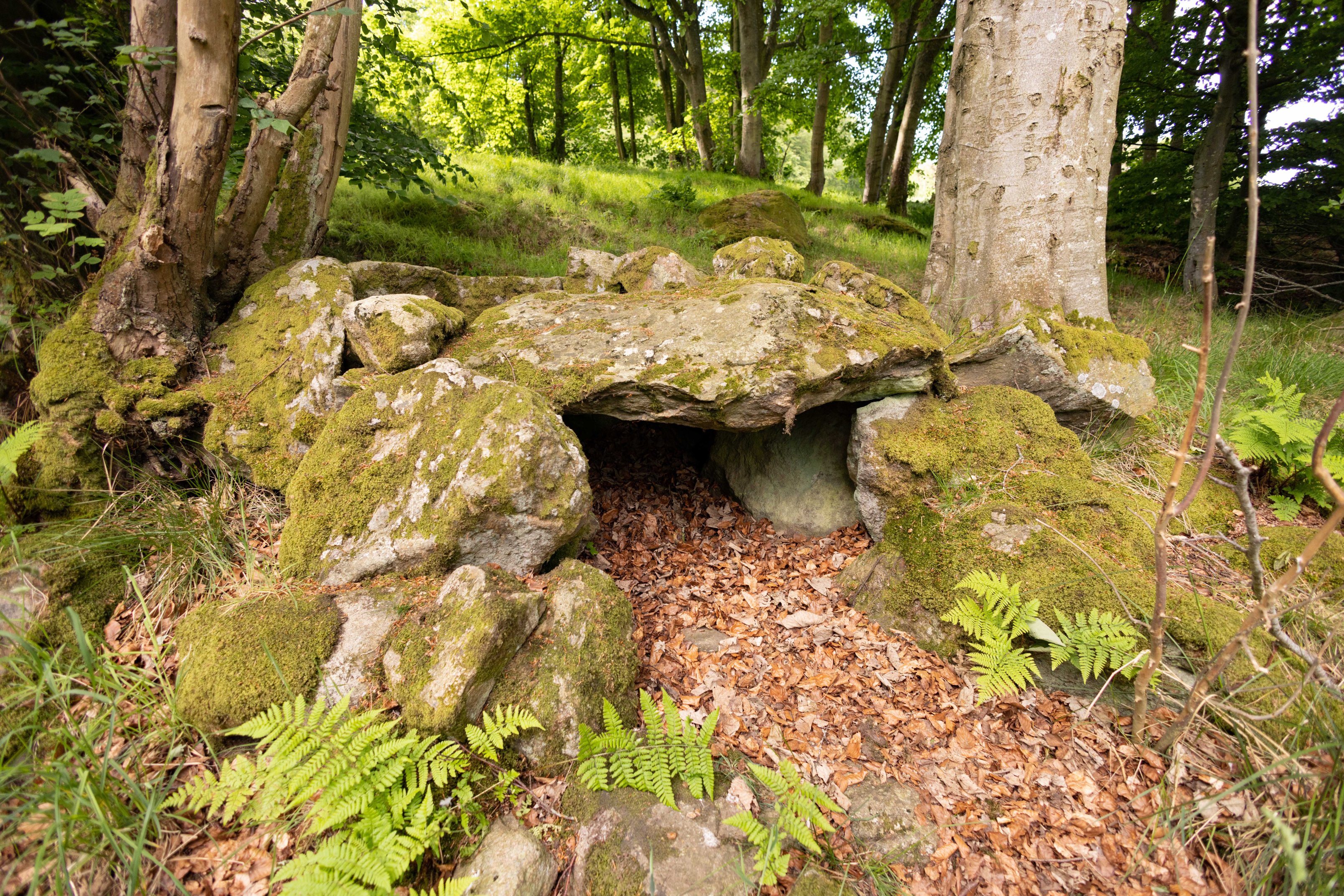
With its deep rocky dells and hip-high bracken, this is what I call a Jurassic forest because it doesn’t take much imagination to picture a dinosaur poking above the foliage. Beeches, birches and rowans line interweaving trails – look out for a Neolithic cairn and a stone monument hidden among the trees.

W3W: flute.saying.plans


Hazlehead Park

Like in all good parks, kids and dogs have open space to run around, but away from the play park area you can sit in a variety of gardens and hear nothing but birdsong. You can also explore Robert the Bruce stone cairns, a sculpture trail and Scotland’s oldest maze here.

Hazlehead Avenue, AB15 8BE


David Welch Winter Gardens

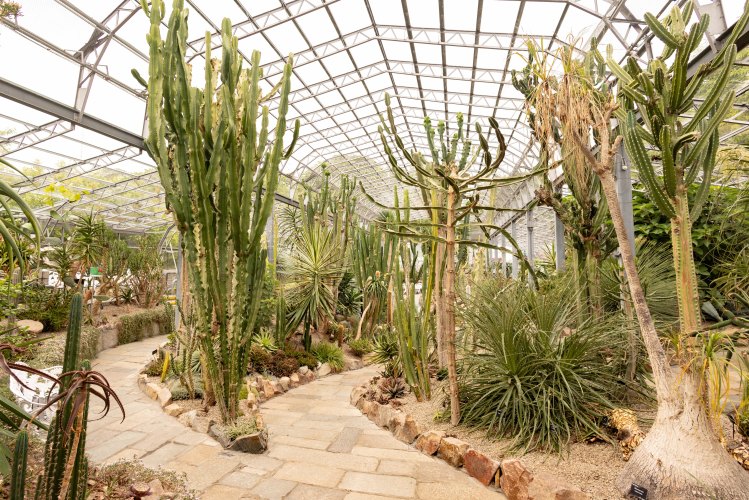
Within Duthie Park, this warren of greenhouses contains tropical flowers, roses, ferns and a squadron of carnivorous plants. I spent an unholy amount of time in the Arid House, where there’s every sort of cactus you could imagine. With more than 750 species, this collection is one of the largest in the UK.

Polmuir Road, AB11 7TH

Open: daily all year round

Entry: free

Greyhope Bay

This small headland forms a curved dell just past Aberdeen’s harbour. A range of seabirds gather in the shallows by the rocks and it’s a great spot to see bottlenose dolphins too. Watch in cosy comfort from the excellent Liberty Café, located within the historic structure of Torry Battery.

Greyhope Road, AB11 8QX


Seaton Park

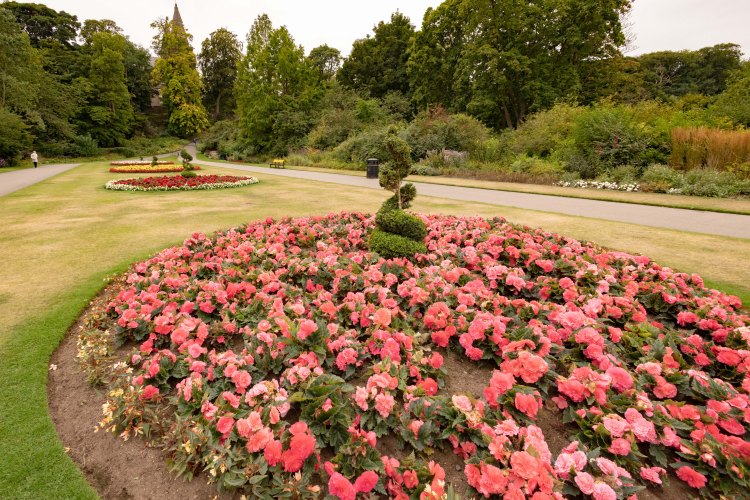
Sitting beside a dangling loop of the River Don, this is the largest green space in Old Aberdeen. Splashes of colour from dramatic flowerbeds, a high quality river footpath leading to a pedestrianised arched bridge, and several concealed features of historical interest make this more intriguing than your average park.

Don Street, AB24 1XS


University of Aberdeen Zoology Museum

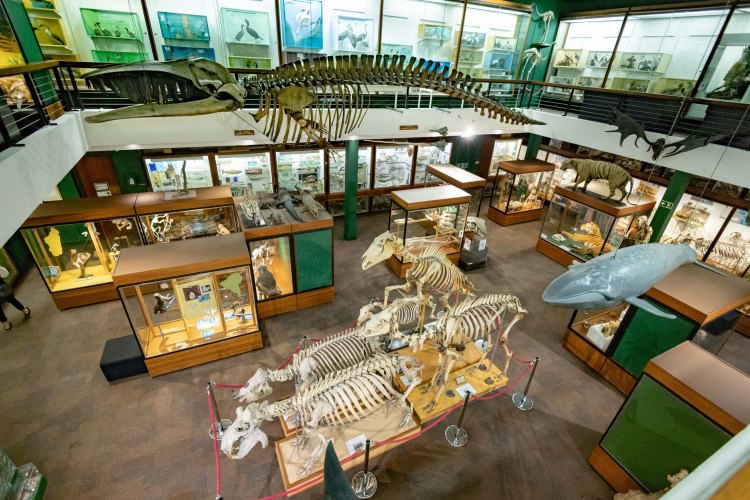
Scales and fur and feathers oh my! The lower gallery’s skeletons draw the eye first, but also make sure to check out minuscule amphibian bones, corals and a troupe of fish you wouldn’t want to meet down a dark alley. The upper gallery is an ornithologist’s delight, featuring everything from goldcrests to golden eagles.

Tillydrone Avenue, AB24 2TZ

Open: 10.00–16.00 Mon–Fri

Entry: free


All of these fab spots are featured in my upcoming Slow Travel Guide to North East Scotland: Aberdeenshire, Moray and the Cairngorms National Park. This will be published by Bradt Travel Guides in May.