For someone whose natural attire is thick jumpers and lace-up boots, the arrival of September is a breath of fresh air. I always grapple for inspiration during summer, but the one thing that keeps my camera from gathering dust is the emergence of butterflies.
Small Pearl-bordered Fritillary
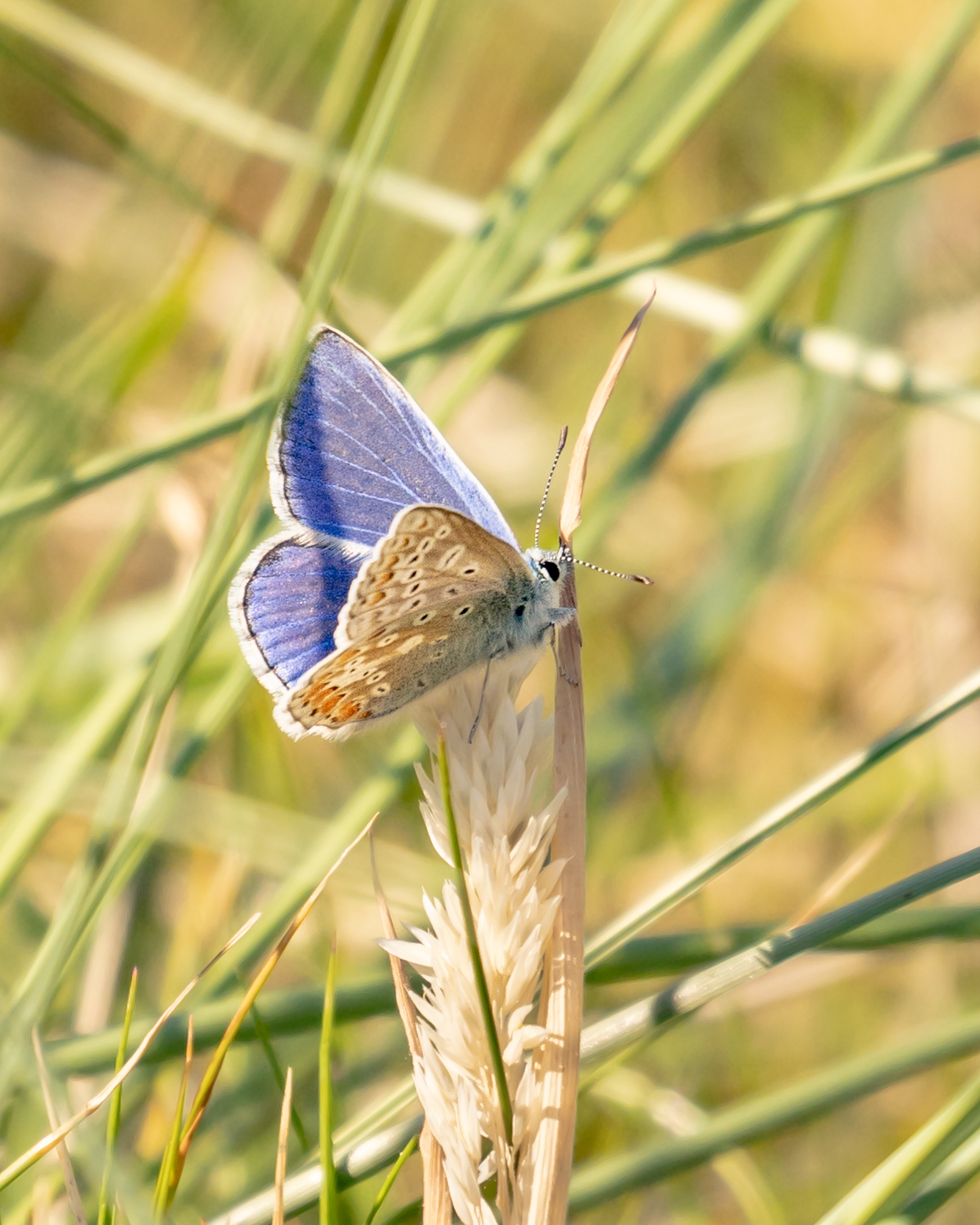
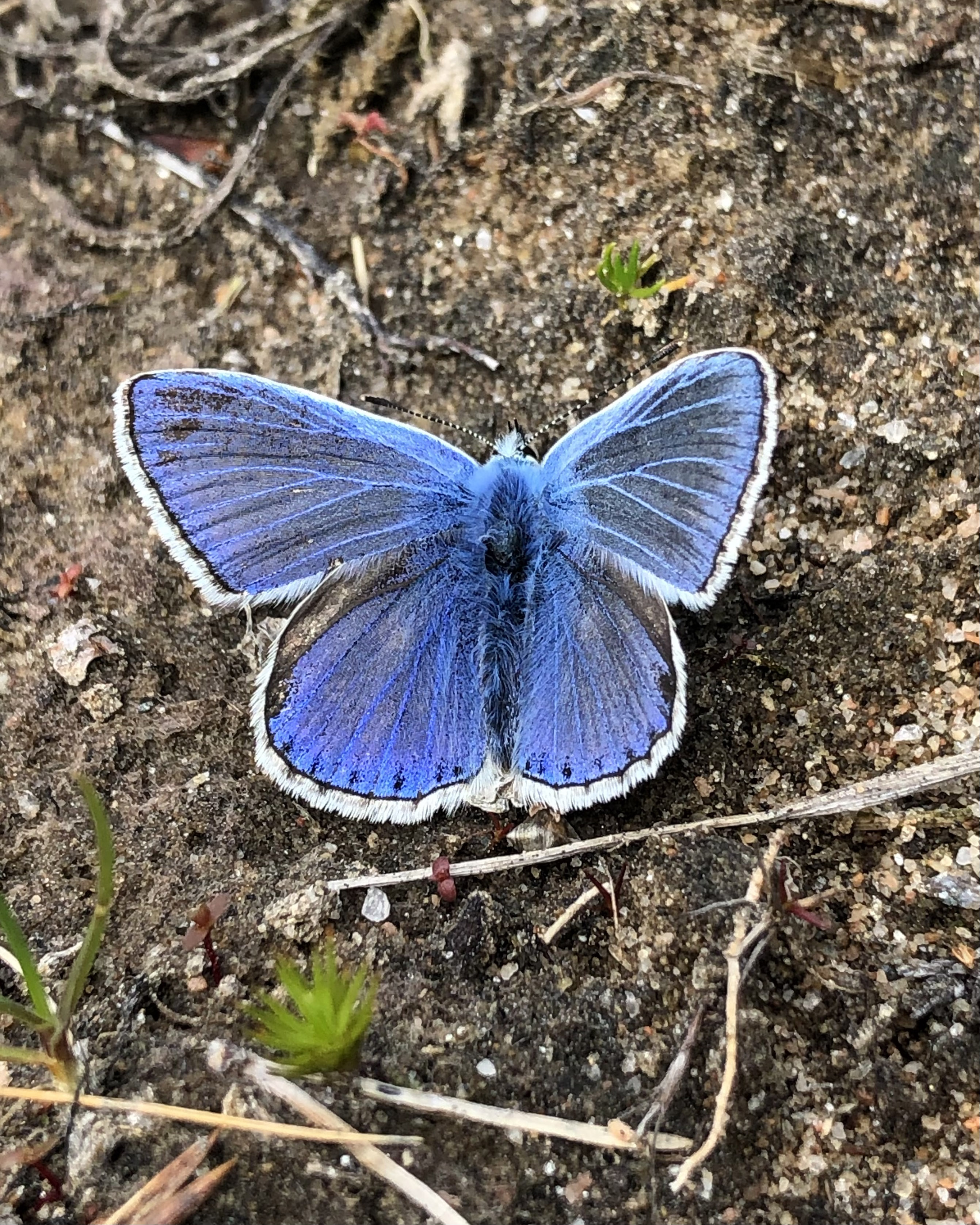
Common Blue
Small Skipper
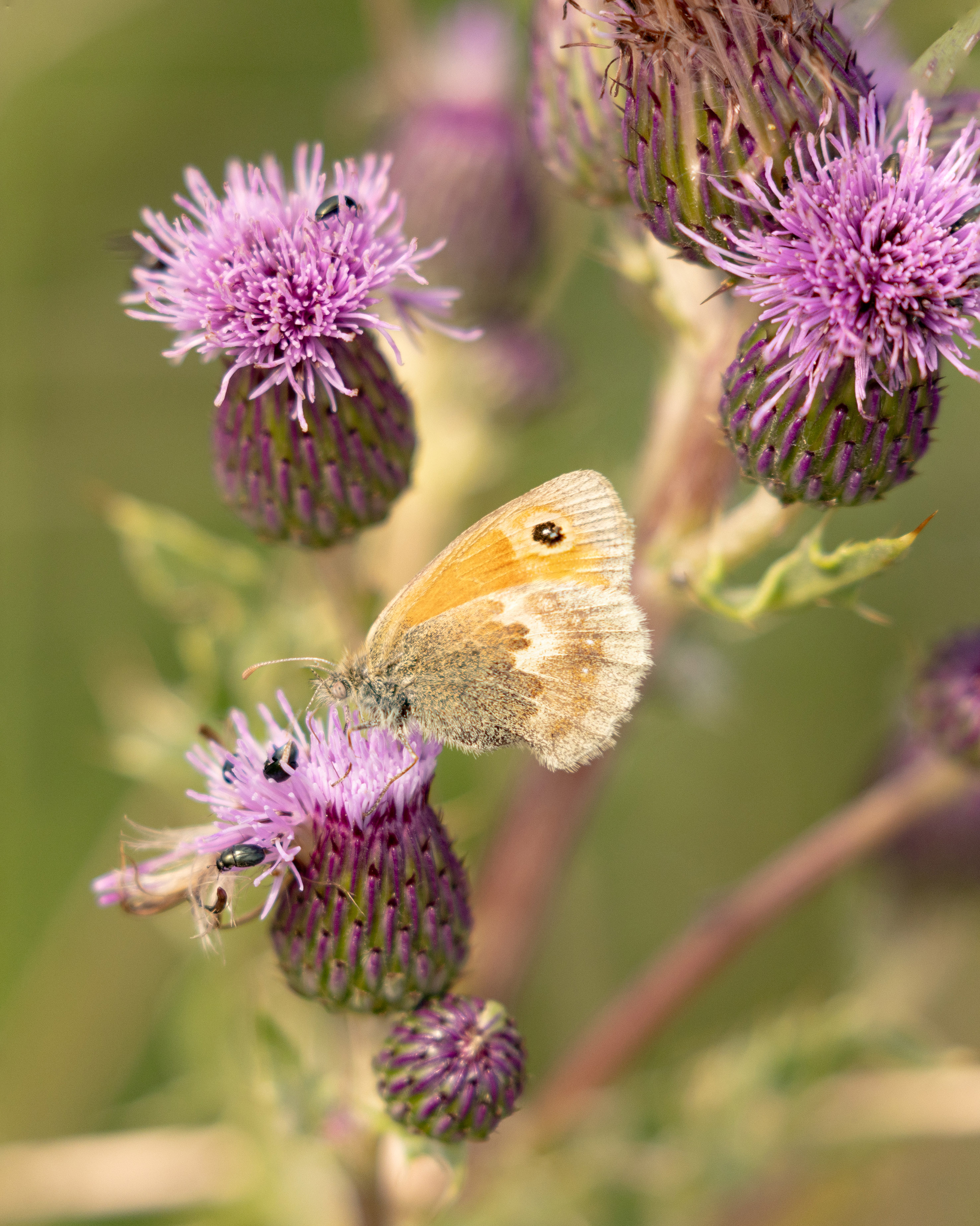
Small Heath
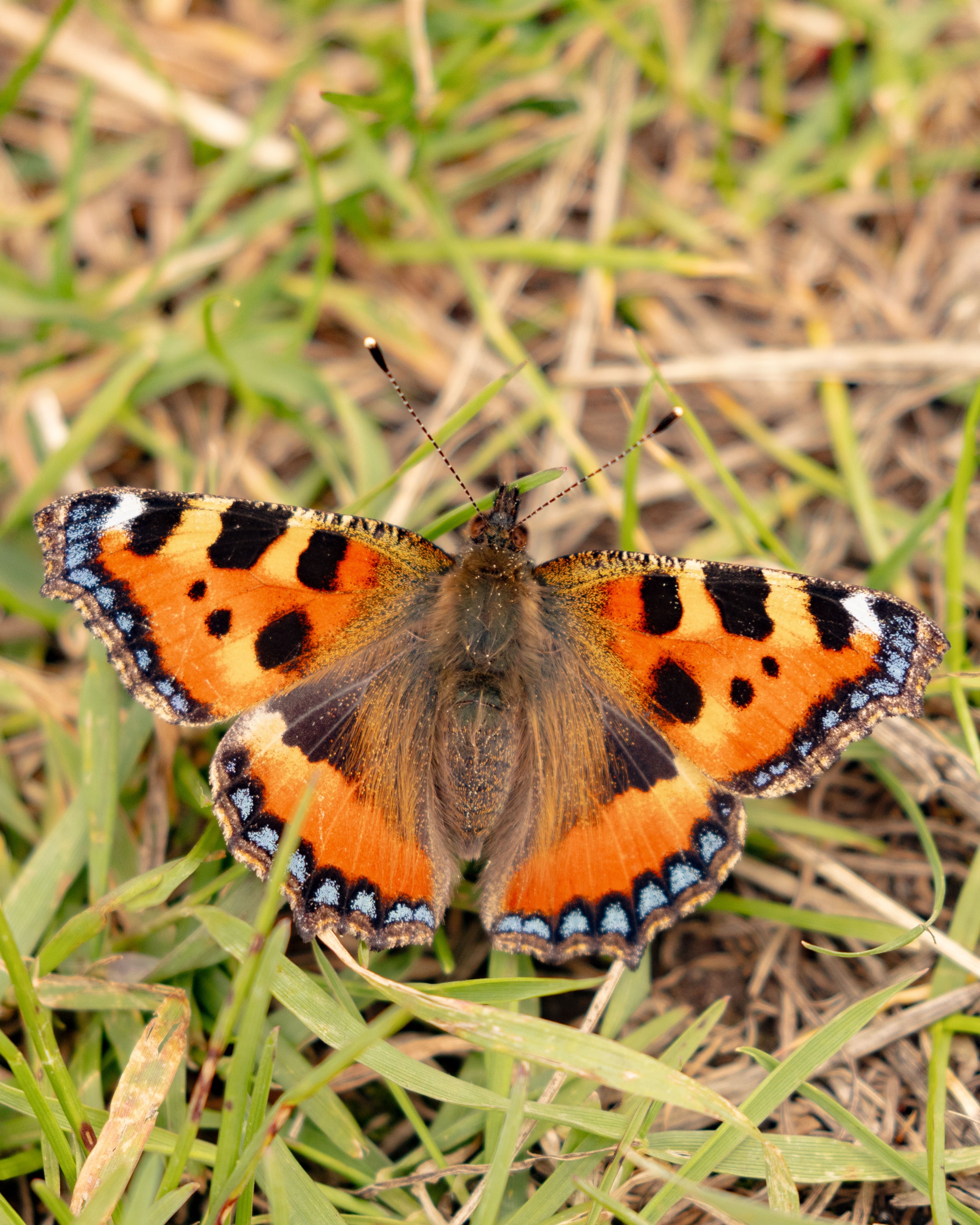
Small Tortoiseshell
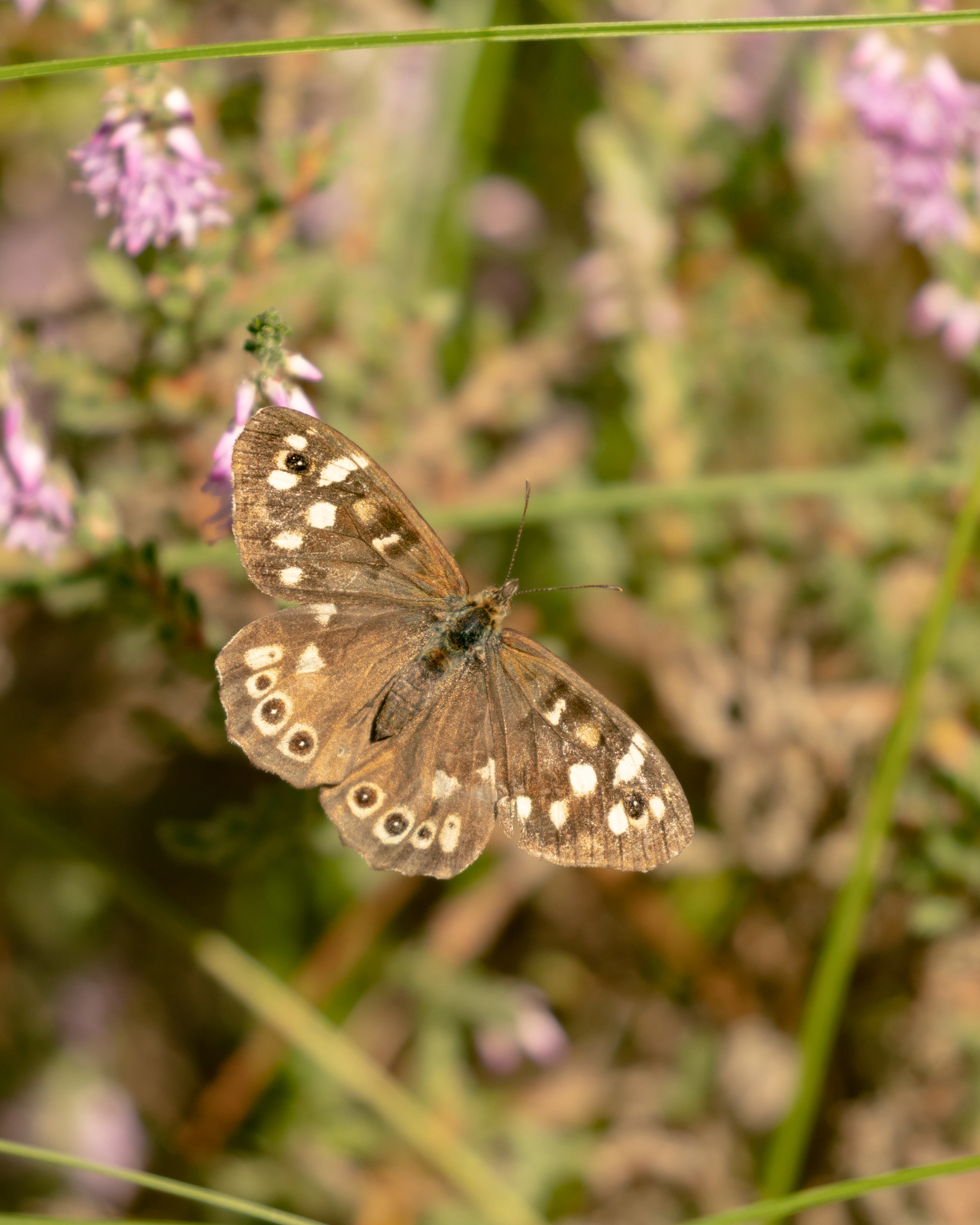
Speckled Wood
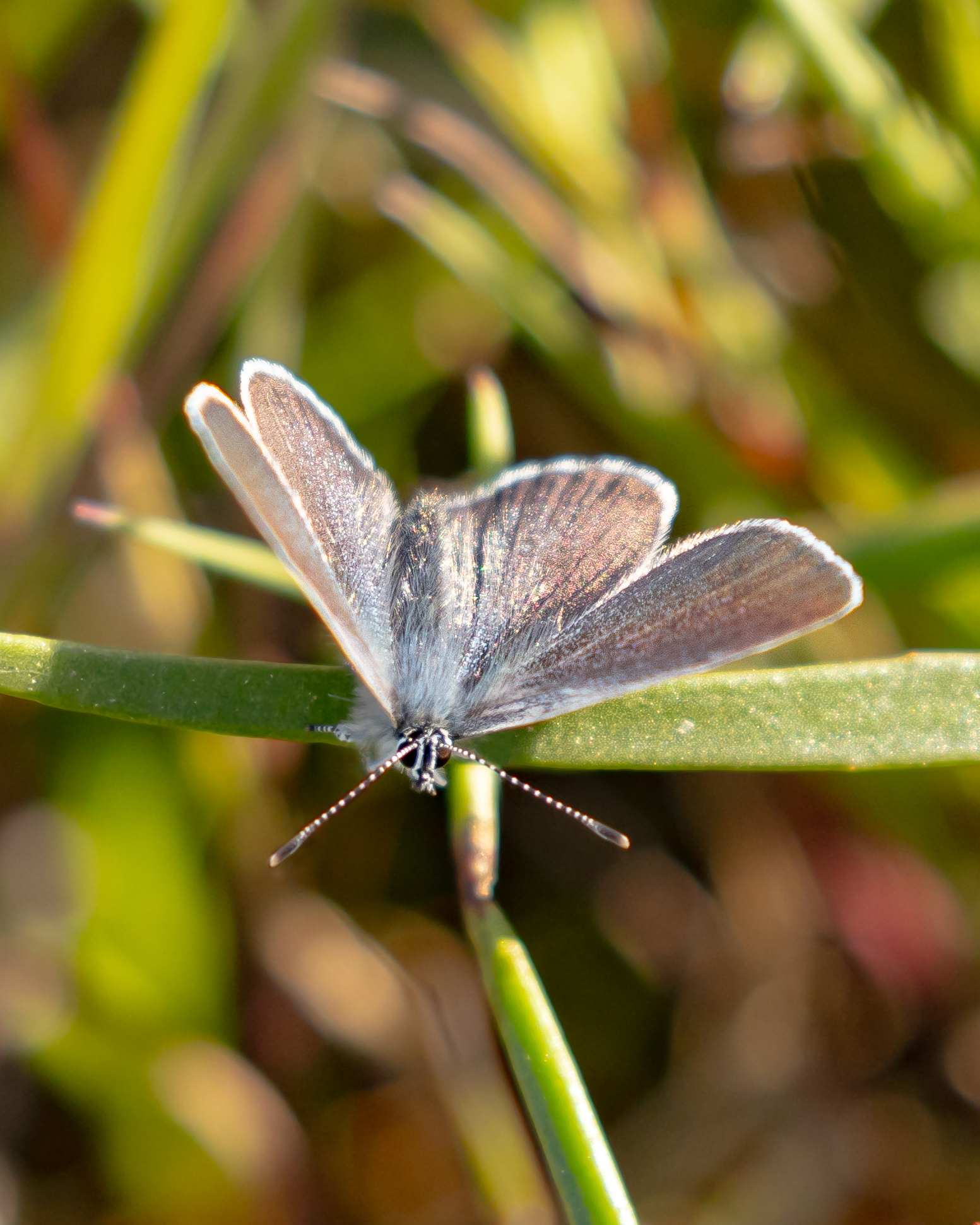
This season I saw my first Grayling during a trip to Tentsmuir in Fife, and my first Small Blue just down the road from where I live. One is an expert camouflager and the other is absolutely tiny, so I was thrilled to find both!
Grayling
Small Blue
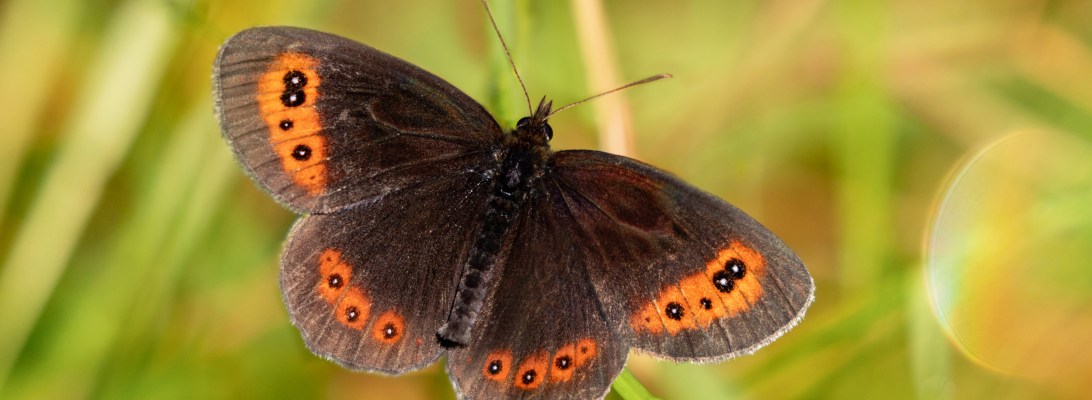
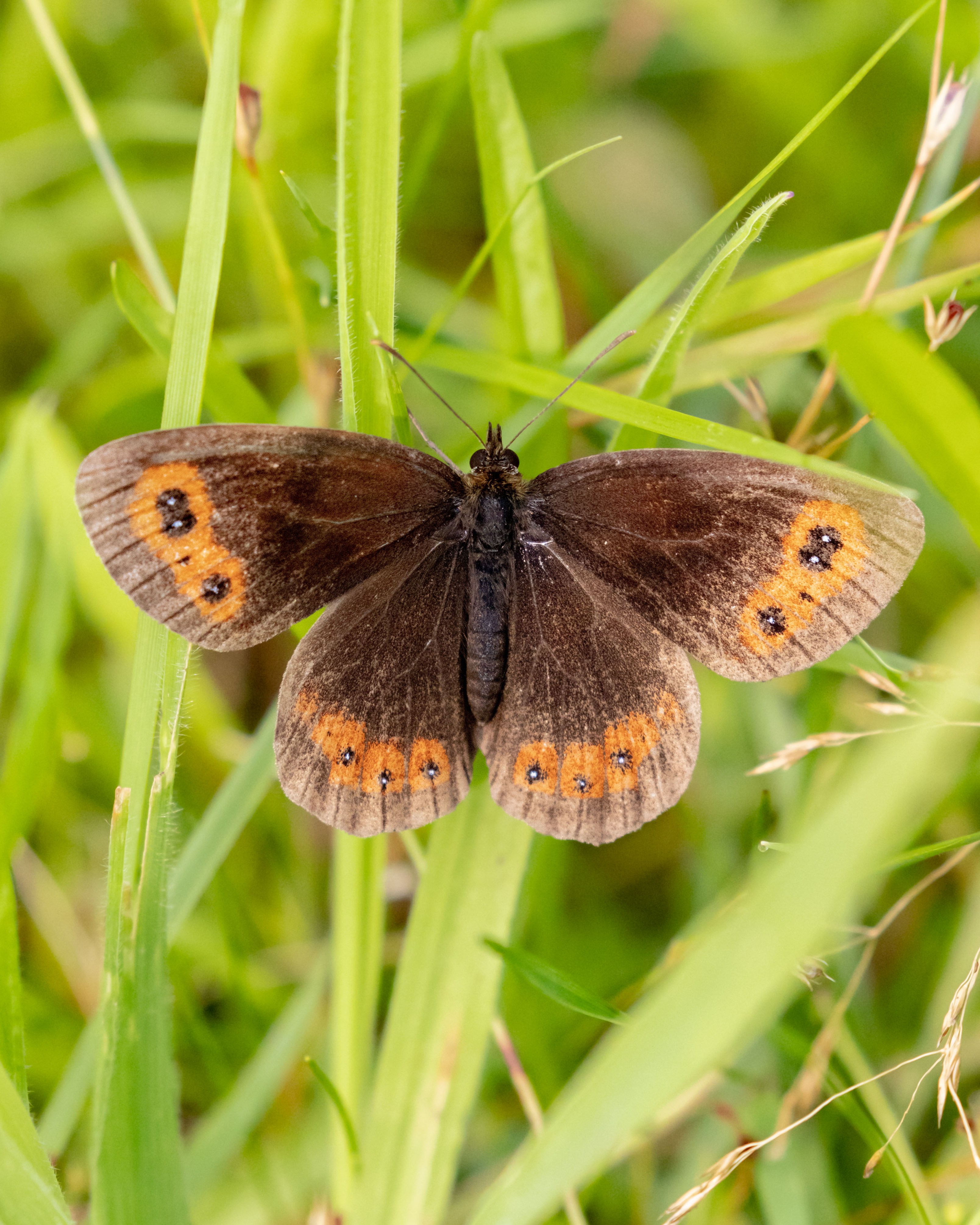
It was also a pleasure to see a decent number of Scotch Argus in my local patch again. Although not the most colourful of butterflies, there’s something so striking about the Scotch Argus and I always love seeing that flash of black among the bracken.
Scotch Argus
It’s been fun focussing on these tiny beauties, but now I’m keen to put the summer slump behind me. Here’s to fiery leaves, crunchy grass and soggy fungi.
During the recent heatwave I went off in search of one of my favourite butterflies: the Common Blue. I found one but it only settled for a moment before flickering off, and I was too drained by the heat to hunt for it. I returned to the same spot this week in much cooler temperatures, hoping this meant the butterflies would be more lethargic.
Meadow Brown
Small Heath
Almost straight away I crossed paths with half a dozen Meadow Browns and Small Heaths, which was a reassuring start. I spent an hour photographing them on various perches, but as the morning wore on I began to wonder when (or if) the Blues would make an appearance.
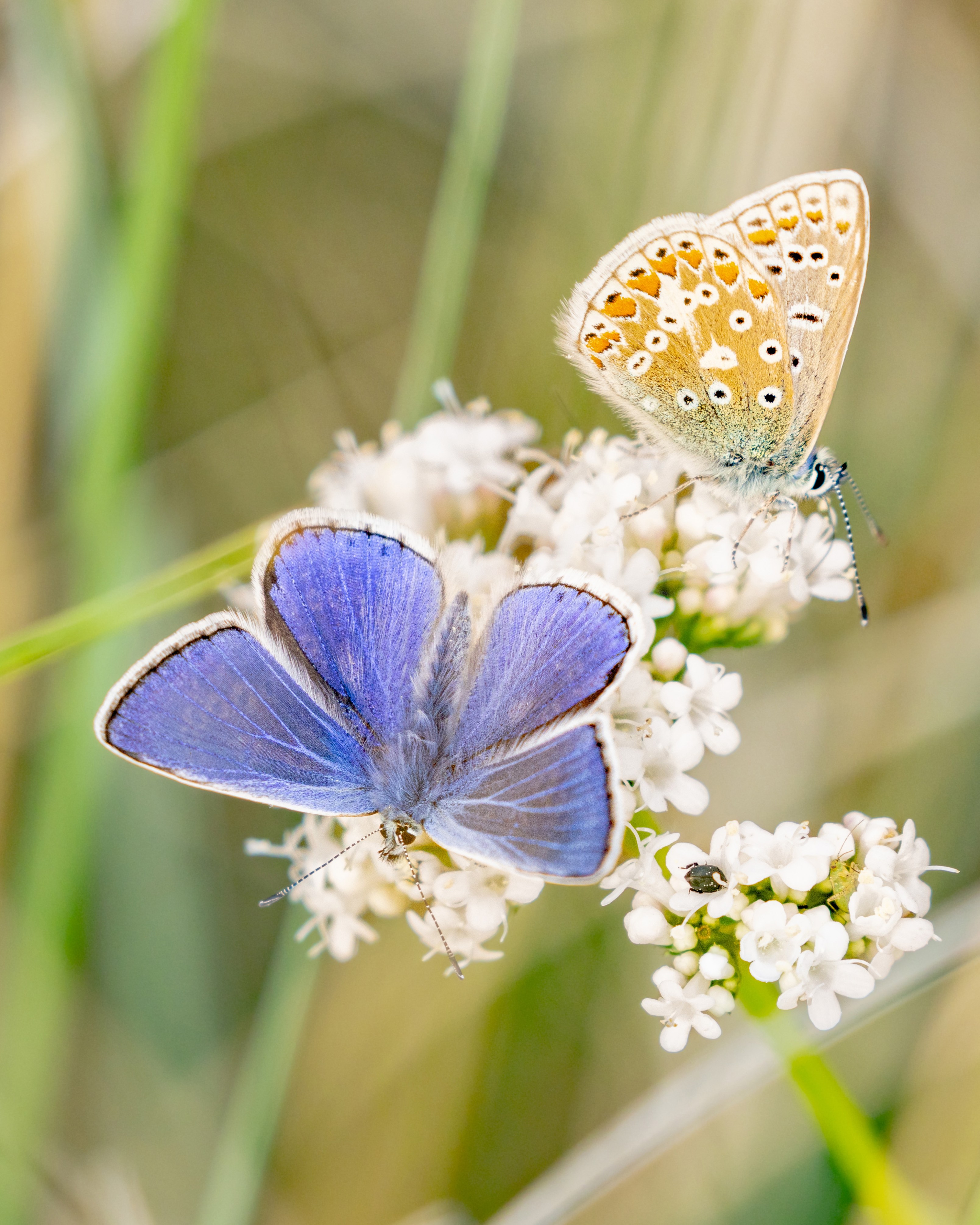
As so often happens, I was just nibbling my elevenses when I passed a clump of valerian growing out of the long grass, and perched on its white flowers were two male Common Blues.
I had my usual response: excitement at finding what I’d come to see and panic that they’d fly before I could get photo evidence. Luckily the morning was still cool, so they stayed put as I crawled around the valerian stalk and photographed them from every angle.
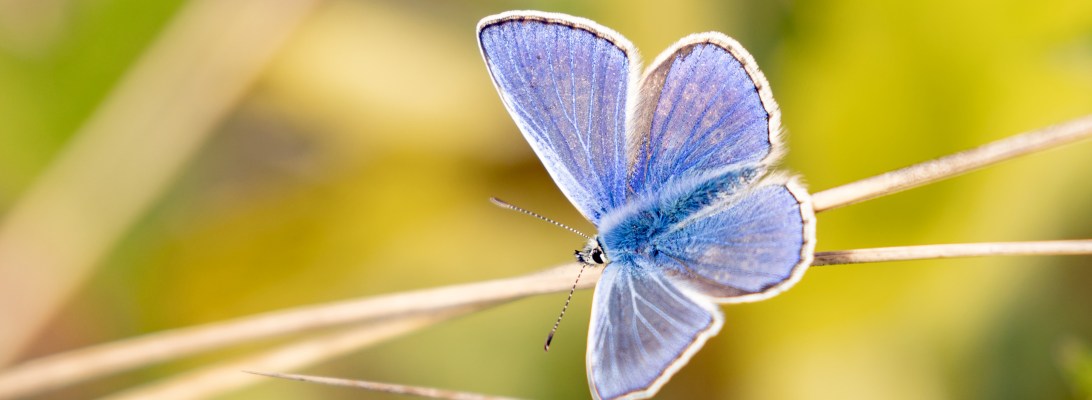
They’d initially had their wings closed, showing a row of orange flecks above a shimmery blue base. As they moved around the petals, their wings slowly opened, revealing upper wings so shockingly blue I couldn’t help a little dramatic gasp escaping. How can something be so tiny yet so magnificent?!
Of course, we have plenty of brightly coloured wildlife in Britain, but I can’t help thinking these azure beauties look like they’ve wandered across the Atlantic from sticky South American jungles.
I didn’t know where these two had suddenly emerged from, but after they lifted from the valerian I easily kept track of their sapphire wings as they fluttered along the dune path.
As the sun climbed higher and broke through the clouds, the Blues Brothers gained more energy and were soon zipping around quicker than I could follow. I decided to bow out and head home, delighted with the morning’s catch.
I spend most of my time outside peering up. My love of nature began with birds so I’m constantly checking tree canopies and rooftops for anyone perching or preening.
However, each summer my attention is snagged by a different kind of winged wildlife: butterflies. I consider myself pretty competent when it comes to bird ID but I’m very much at the floundering beginner stage with butterflies.
Red Admiral
Still, I’ve found that by learning just a couple of new ones each summer, I can slowly build my knowledge. Luckily for me there are only about 30 regularly occurring butterfly species in Scotland, so at least I can’t get too confused.
During this week’s (very) hot spell, I headed out for a bit of butterfly spotting. I was lucky enough to see a few different species around my local area, including some teeny tiny beauties.
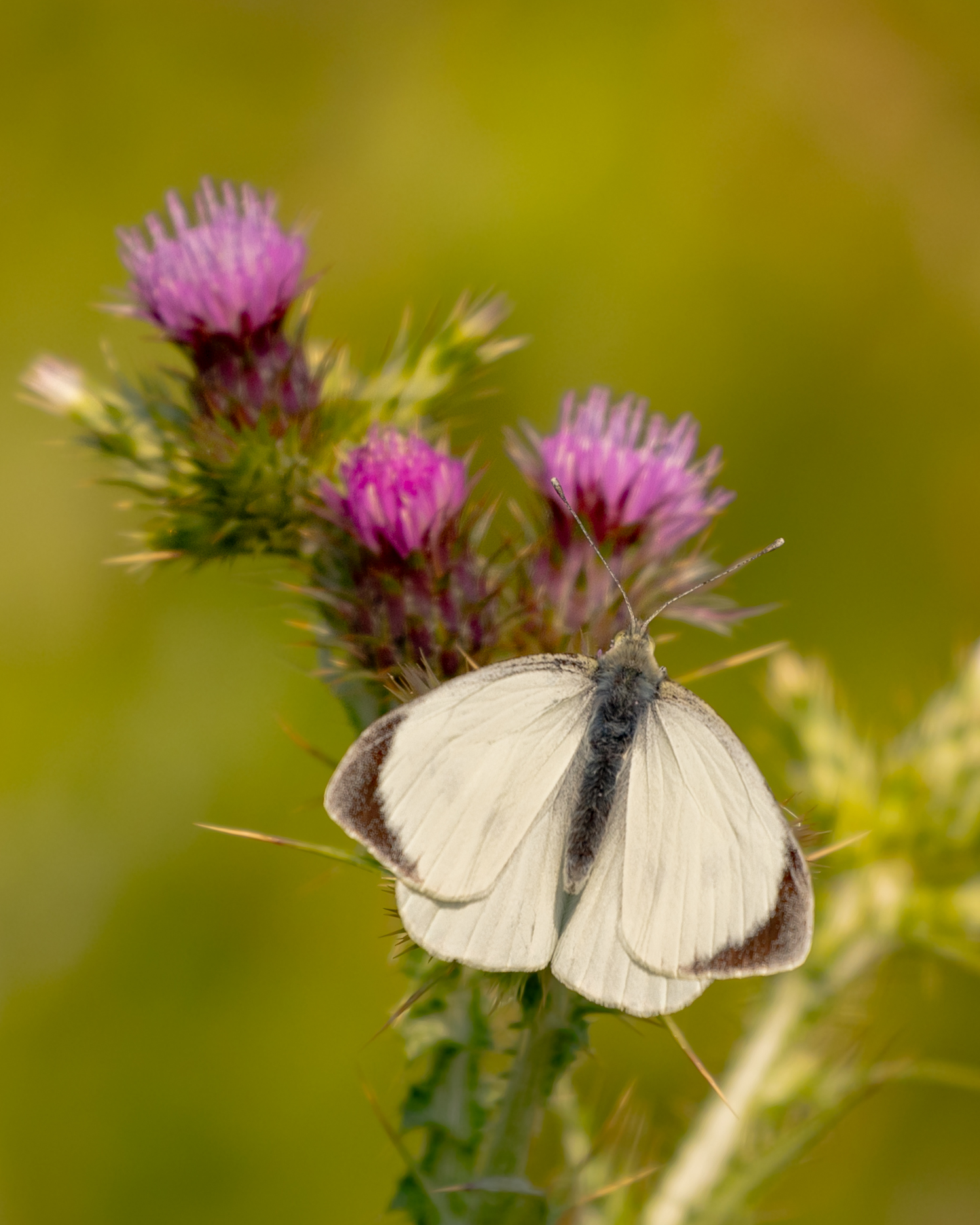
Small HeathCommon BlueLarge White
RingletPeacockSmall BlueSpeckled Wood
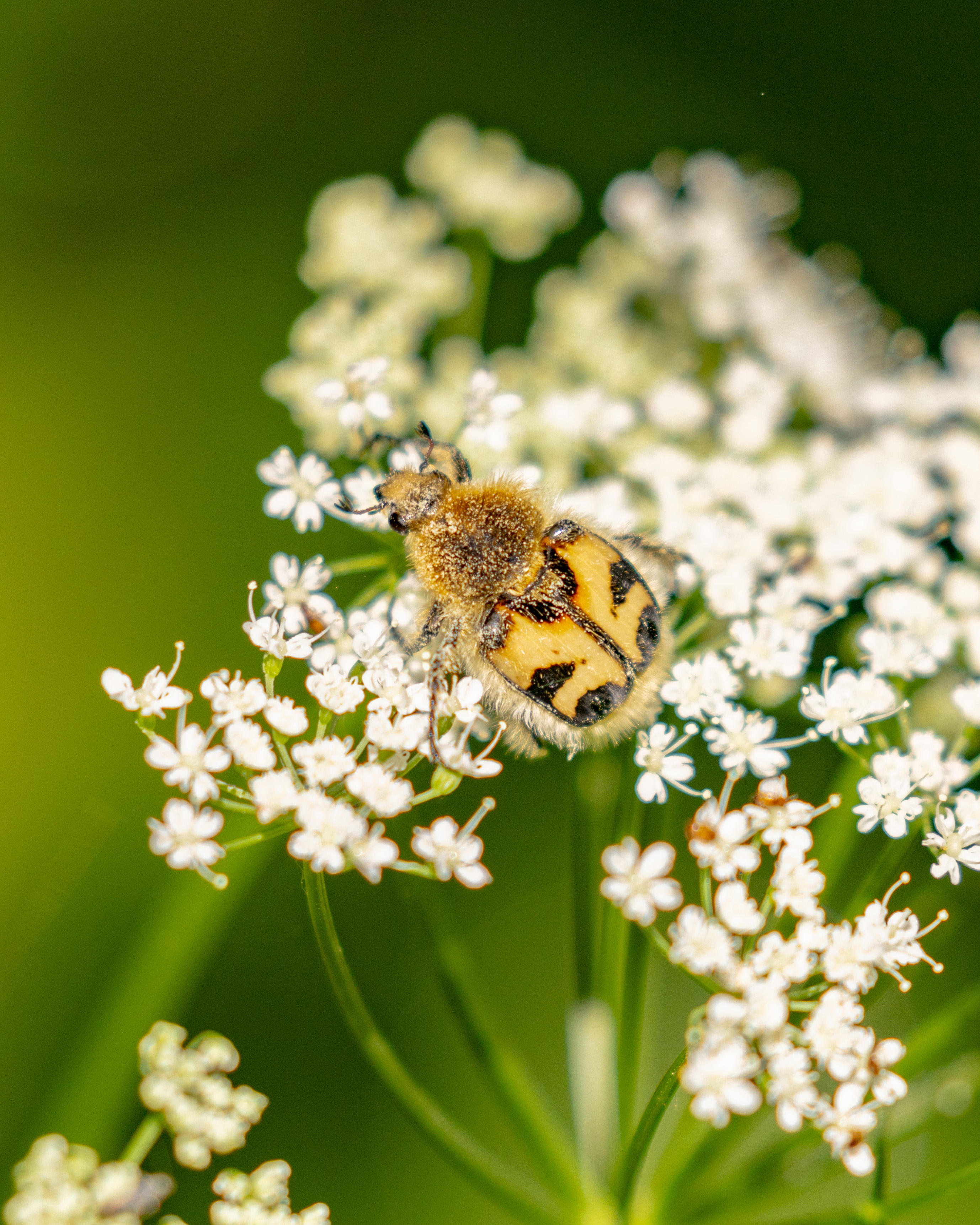
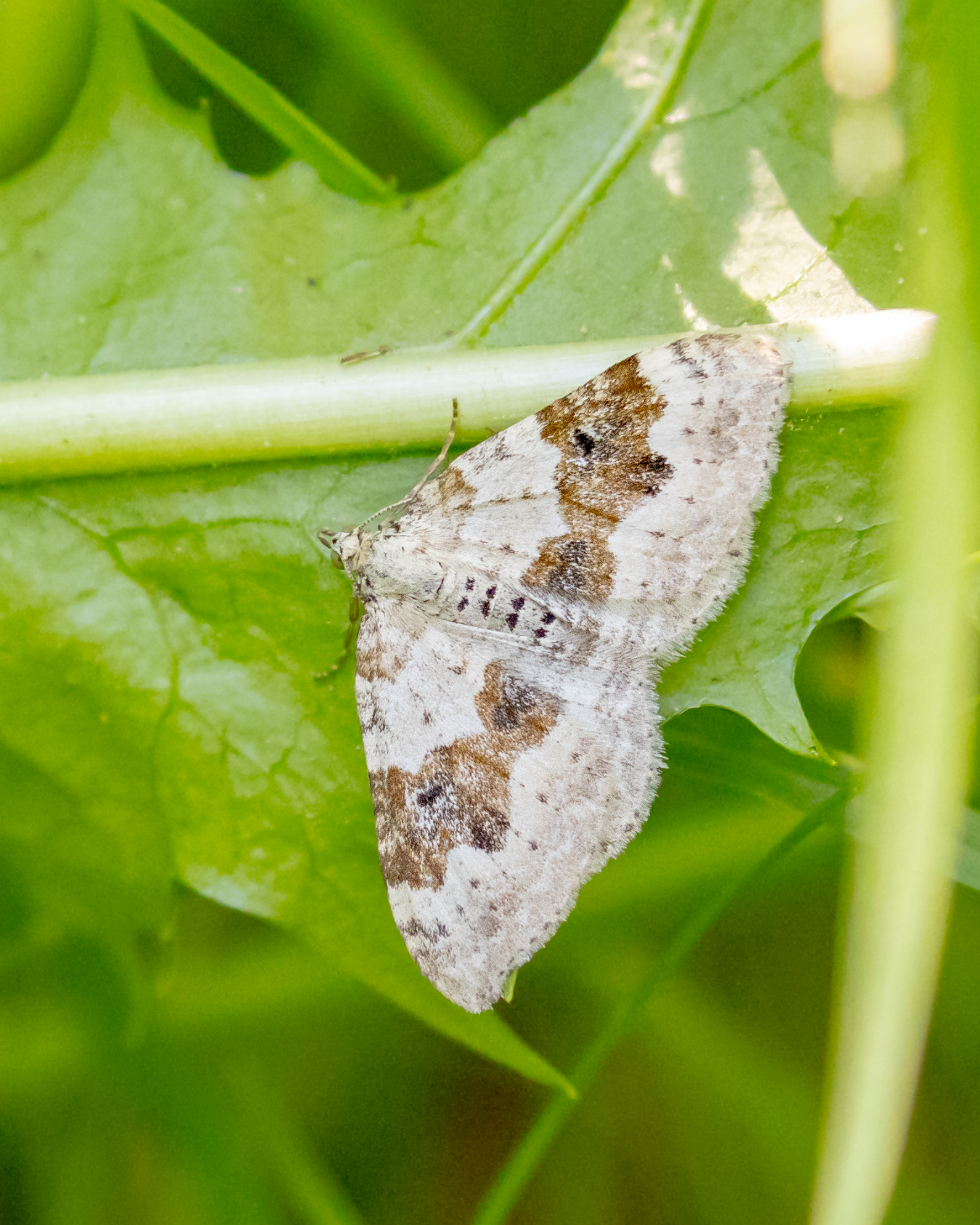
As well as butterflies, I also had close encounters with other insects this week. After consulting books and reaching out to more knowledgeable folk on Instagram and iNaturalist, I managed to identify some quirky finds!
Bee beetle
Silver-ground Carpet moth
Scorpion fly (female)
Each summer I’m reminded that insect photography requires a very different skillset to capturing birds. There have been some exasperating moments, such as when a Common Blue just wouldn’t land and a Small Heath zipped away the second I got the focus right. Still, I’m chuffed with my results and looking forward to seeing some new players appear in the coming weeks.
Today was the first day I’ve missed my woolly hat while out walking. I should have anticipated this from the sound of the moaning wind down the chimney, but I saw diluted sunshine and overestimated its efforts. We’ve hit that indecisive time between summer and autumn, when dressing for a walk becomes a series of deliberations.
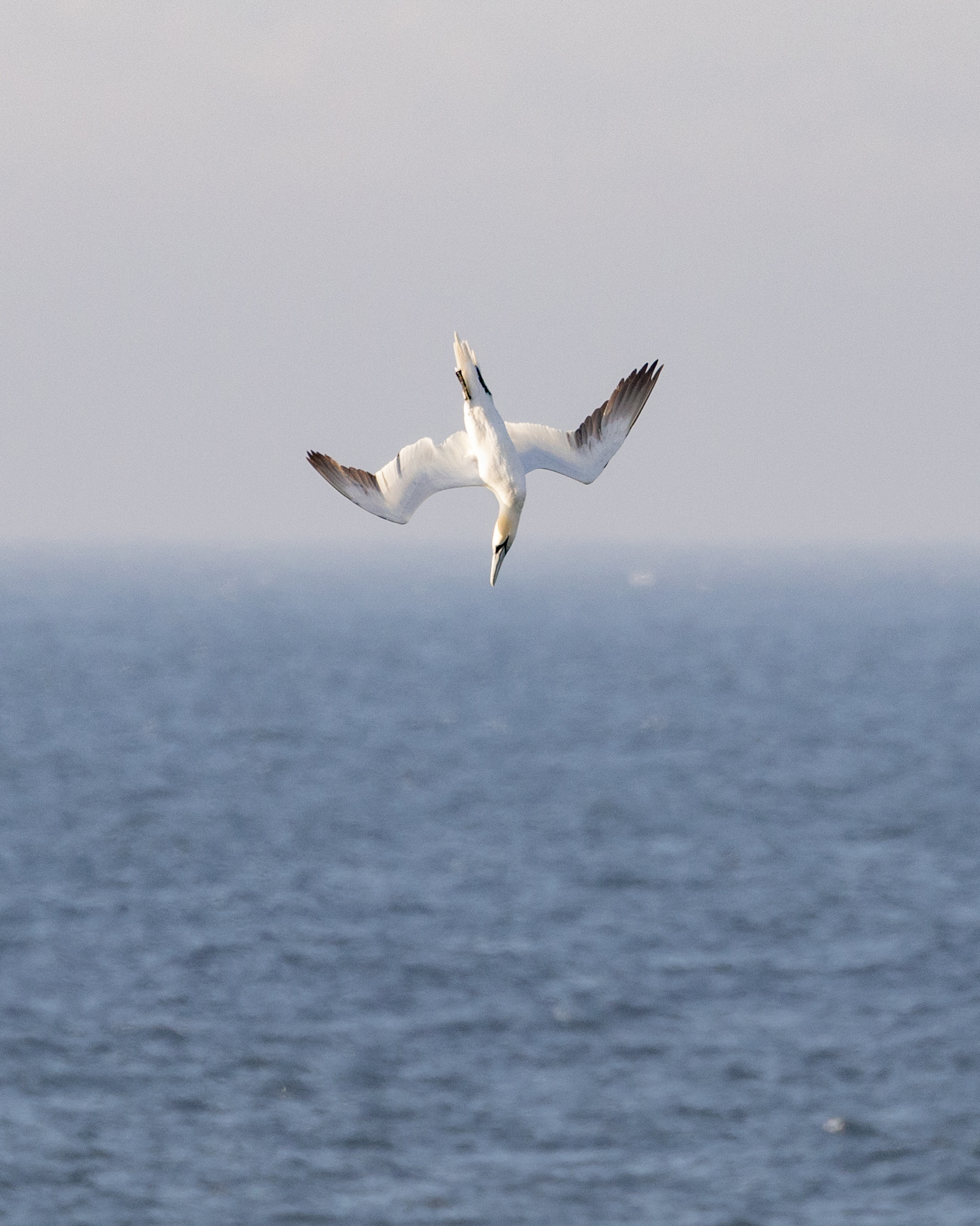
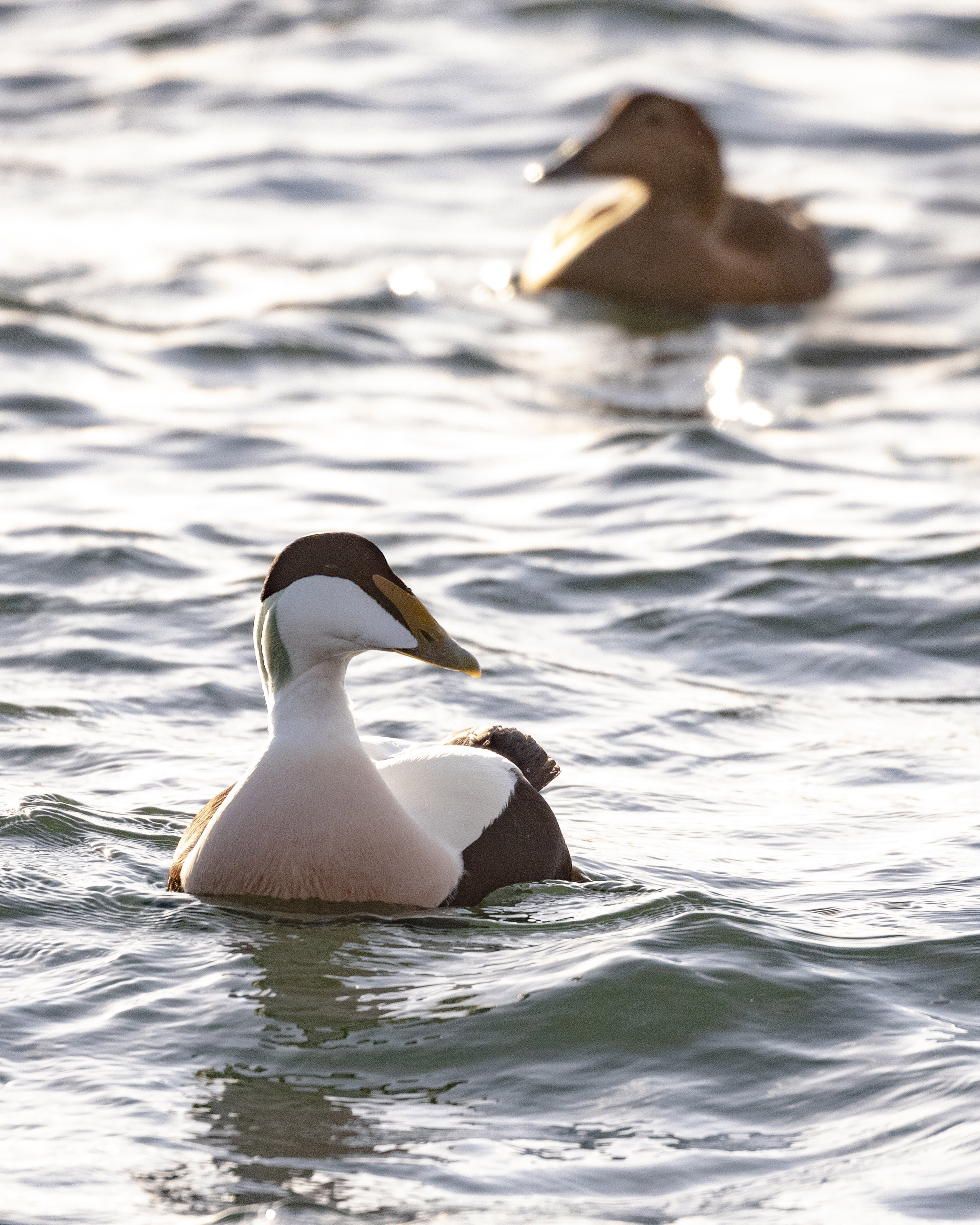
This morning I saw a couple of swallows swirling over the shore, still lingering after their long summer holiday. Further out, a couple of white flicks were diving in the choppy swell. Even from an anonymising distance I could tell they were gannets straight away, recognising the stiff beats of their black-tipped wings. As I withdrew further into my coat with hunching shoulders, another flash of white caught my eye. This was the clincher, a sign I’d been waiting for. A flock of eider ducks meant autumn was coming.
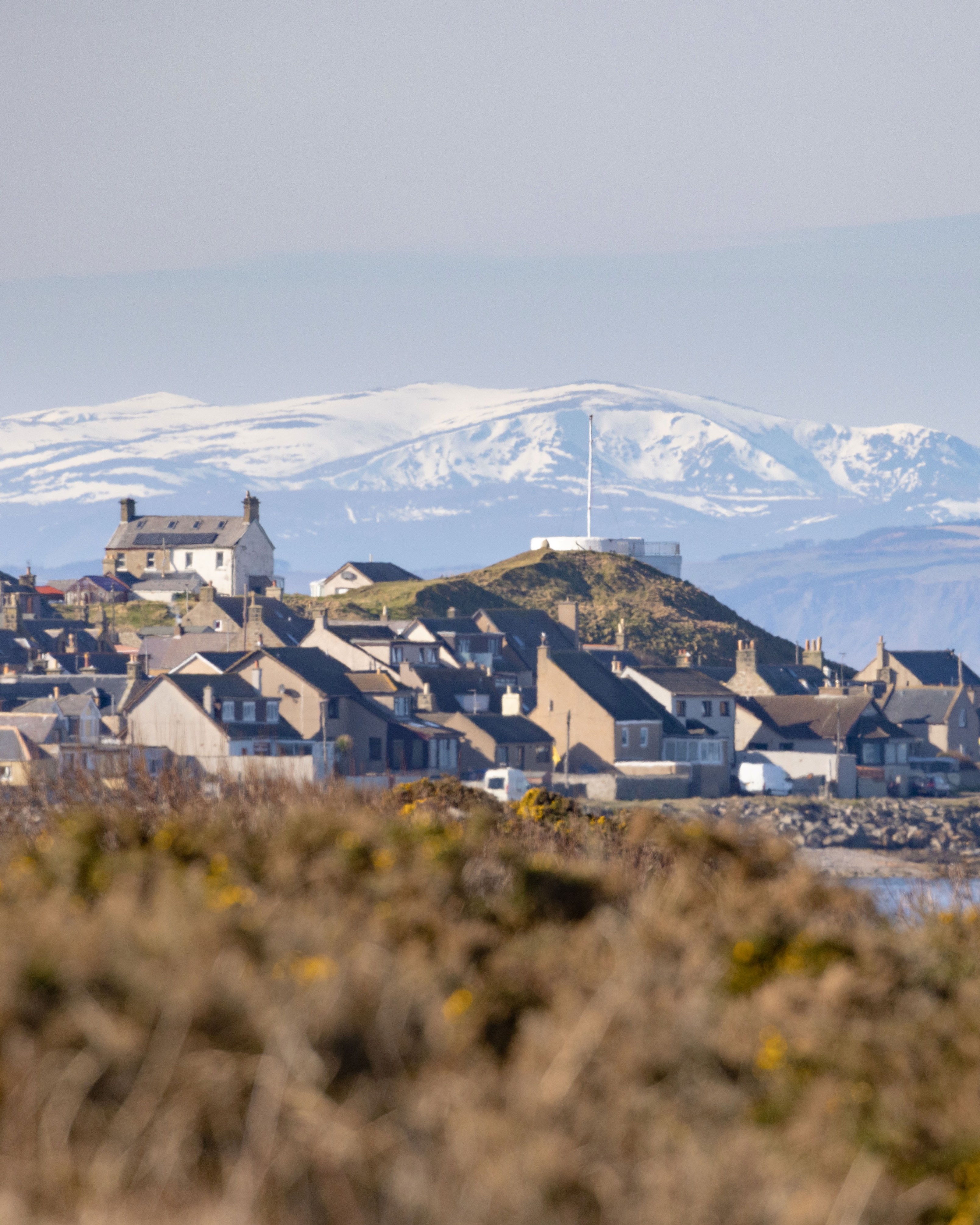
Hazy Burghead
Gannet mid-dive
Eider ducks
Summer isn’t my favourite season by a long way, and this year it was made particularly insufferable by a 40°C heat surge that coincided with my first case of Covid. Still, I can look back and say this summer has been both productive and great fun. Most of it was taken up by research for my book, which is now due in six weeks. I’ve explored Aberdeen, Portsoy, Glenlivet, Ballater, Braemar, Banchory, Dufftown and Carrbridge in the last two months alone, filling the last gaps in my Slow Travel Guide to North East Scotland.
Sitting at the top of Clachnaben, south of Banchory
After spending so much time walking outside, I was pleasantly surprised to find tan lines beneath my rings and watch strap. I mostly write at my desk, so I loved having the opportunity to stretch my legs and assure myself that spending days on end walking through forests and wandering around coastal villages was in fact work. Putting this book together has tested my organisation, self-discipline and resolve, but I’ve now emerged with a complete manuscript. All that remains is the entire editing process.
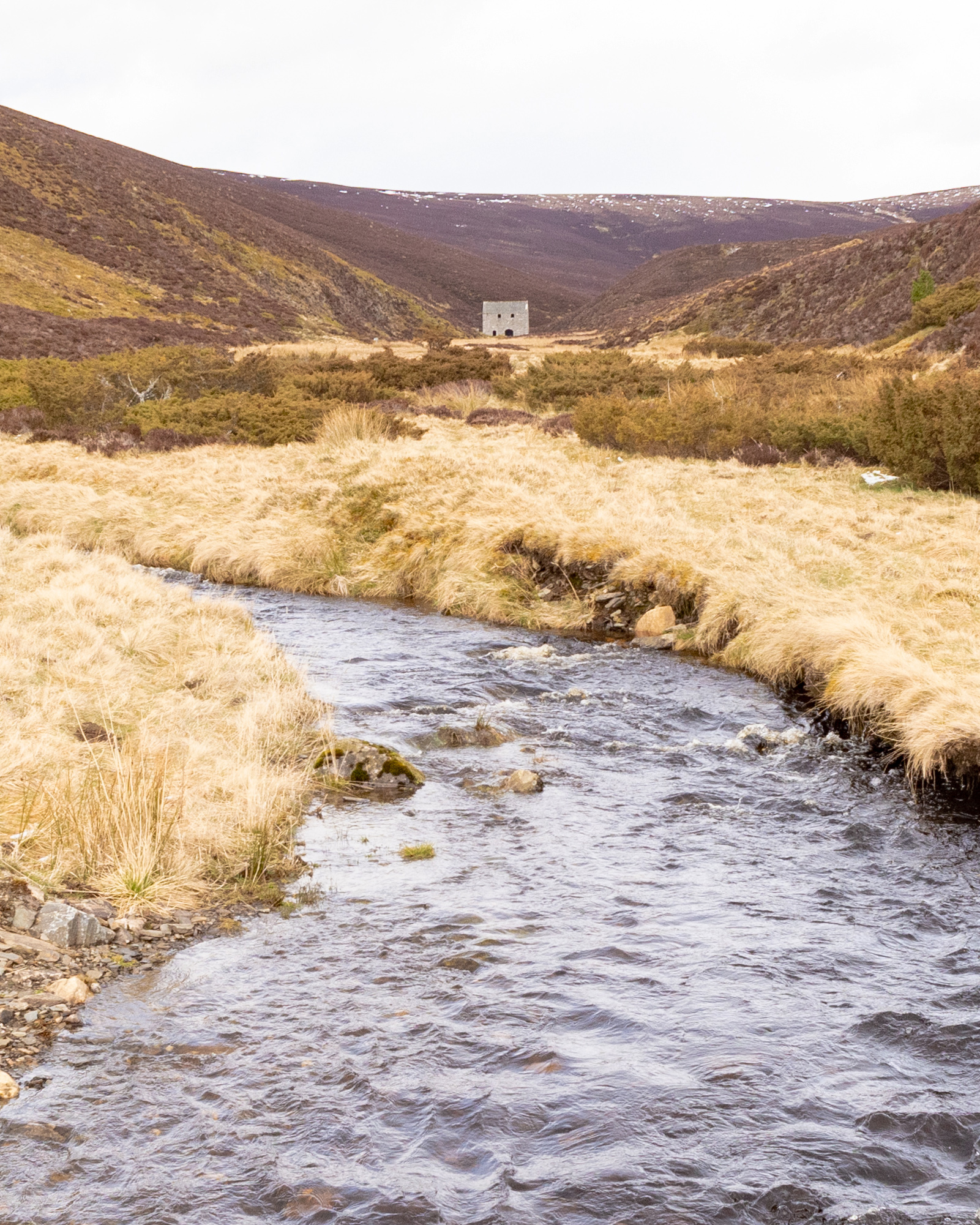
The Lecht Mine, near Tomintoul
During my research trips I’ve been learning more about butterflies. Birds and mammals have been favourites of mine for years, but insects in general have never been my strong suit. This summer I thought I’d make use of not being able to birdwatch as much, and expand my nature knowledge in another area. I found it fascinating, stopping frequently to crawl on the ground for a closer look at a red admiral, peacock or, on two wonderful occasions, a common blue.
Common blue
Small pearl-bordered fritillary
Speckled wood
The butterfly I saw most was Scotch argus, which has made my English friends jealous. Many of them have never seen one, let alone several on just a short walk. It’s been a fantastic learning experience and one that I’ll continue next year.
Scotch argus
Now, however, as both summer and my time working on my first book draws to an end, I’m looking forward. Fly agarics are popping up in the forest and eiders are rushing past over slate grey waves. I know it won’t be long before some of my favourite birds – fieldfares, redwings and long tailed ducks – make their reappearance. That chill in the air is the sign that autumn is waiting in the wings, and I can’t wait.
This summer is zooming by! I’ve been spending the past few months travelling and writing my book, which is now due in three months. That’s quite a terrifying thought actually…
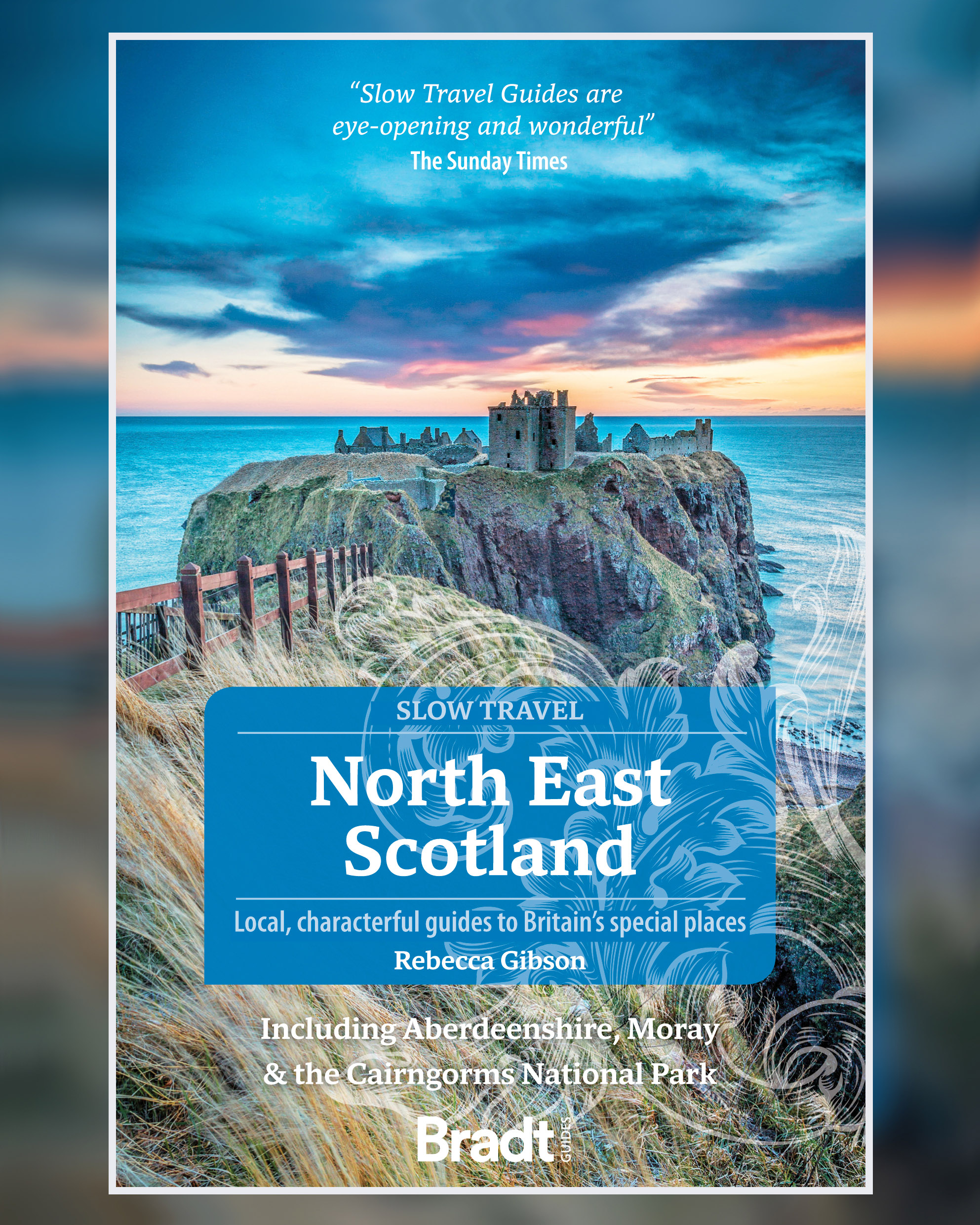
My research trips have involved stomping through Caledonian pinewood, sampling local whiskies and searching for hidden stone circles. I’m absolutely loving this challenging yet rewarding project and can’t wait to see the finished product on the shelves. Here’s a sneak preview of the front cover.
As well as book writing, I’ve been putting together my 2023 calendar. Like last time, it features a range of Scottish birds and mammals that I’ve photographed this year including snow buntings, badgers and even a goshawk!
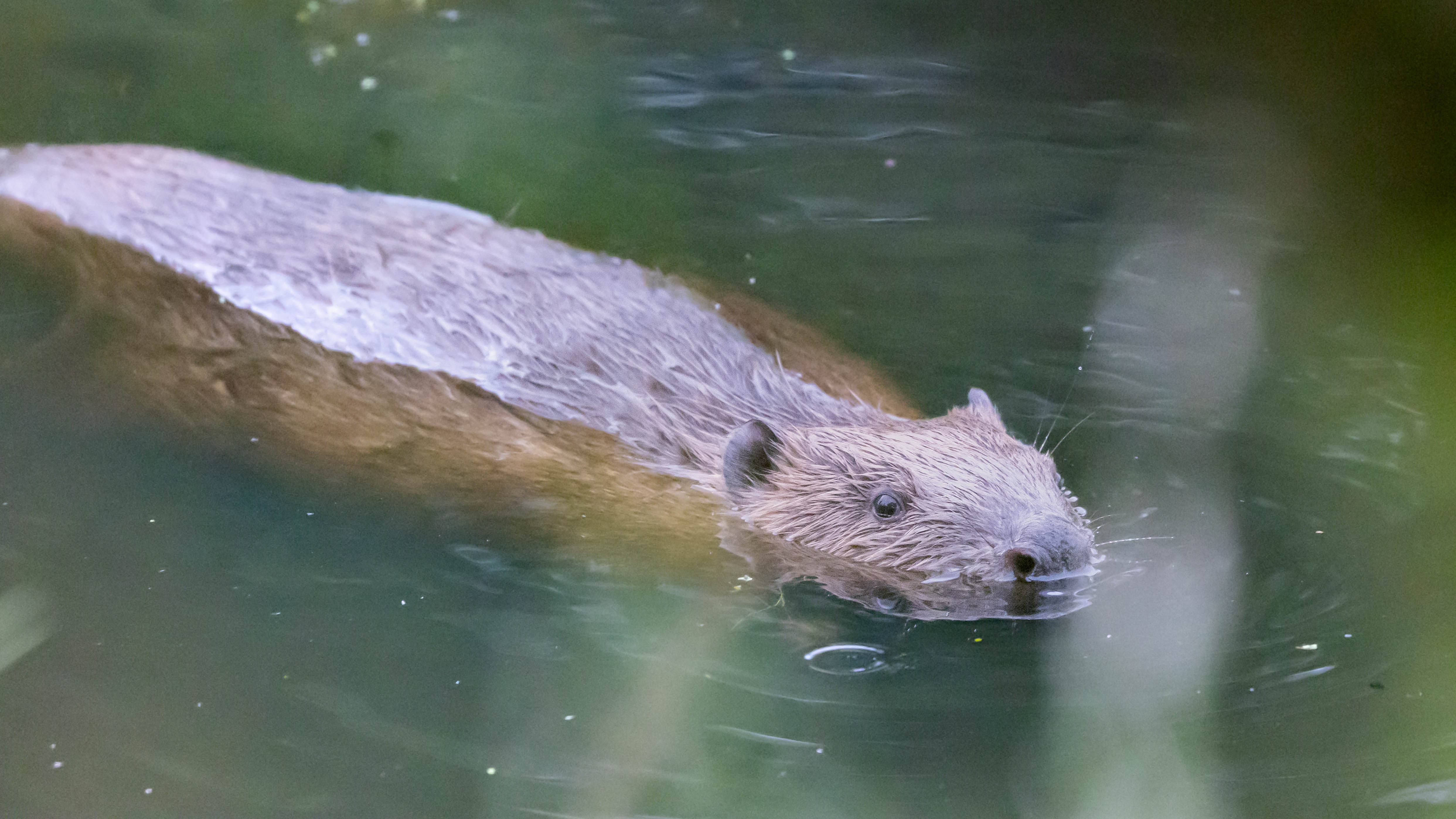
And finally, I took some time away from the north east recently and headed down to Perthshire to photograph beavers. These incredible animals completely transform their surroundings and it was a privilege to spend so much time with them.
What a month! It’s usually birds that take up most of my camera’s memory card, but over the past few weeks I’ve been lucky enough to get some fantastic mammal sightings, including the second rarest carnivore in Britain…
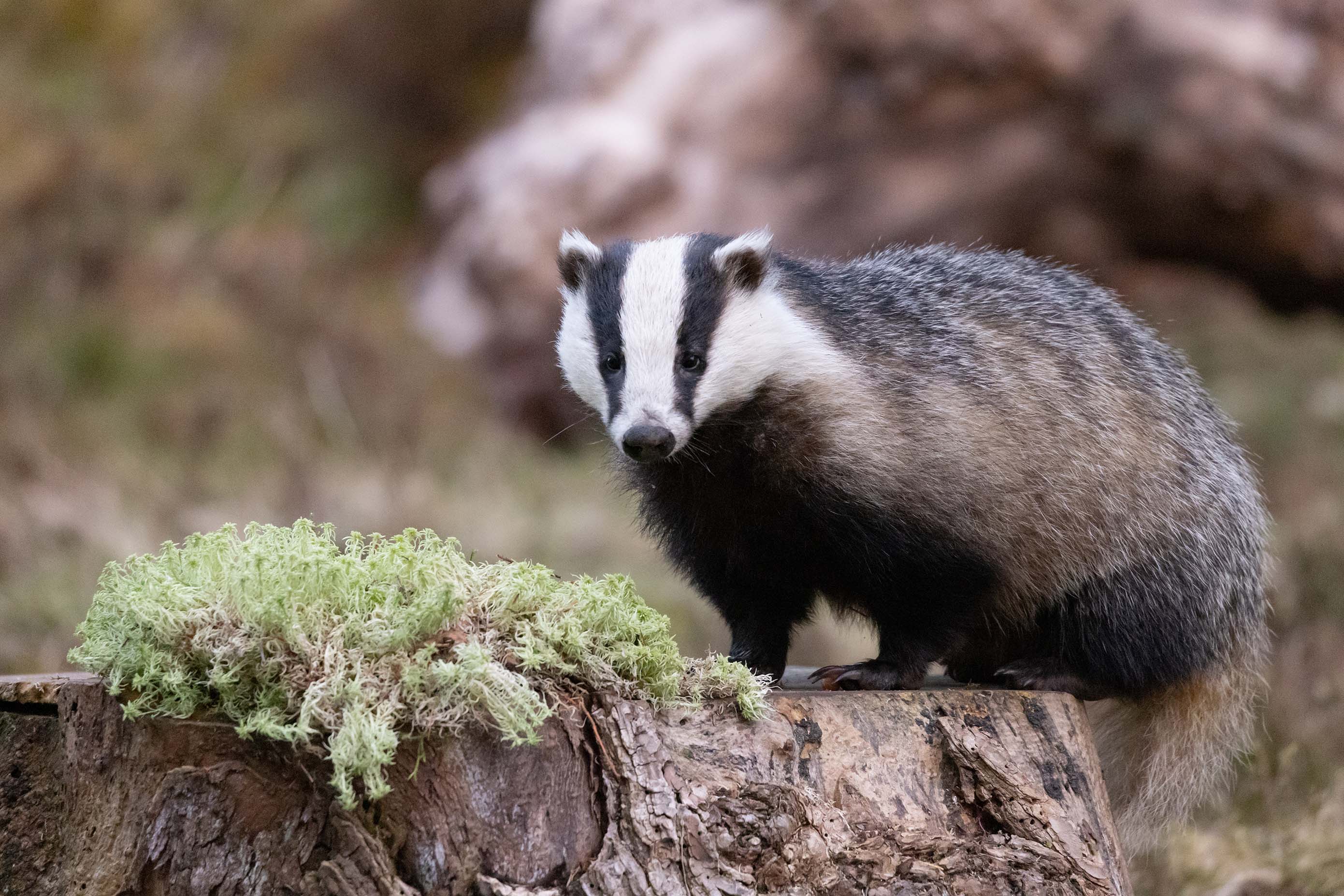
Badger
Recently I visited a friend’s private hide. I arrived at 2:30pm and enjoyed squirrels, siskins and jays. Seven hours later, I glanced up and saw this badger approaching the clearing. You know that jolt in your chest when you see something absolutely incredible and rush to get your camera ready but your hands seem to move at half speed? That was me. Luckily this little one was in a meandering mood and took its time snuffling along the grass towards me. Obviously I kept as quiet and still as I could (despite the manic joy) but it still glanced over at me. There’s no fooling wildlife!
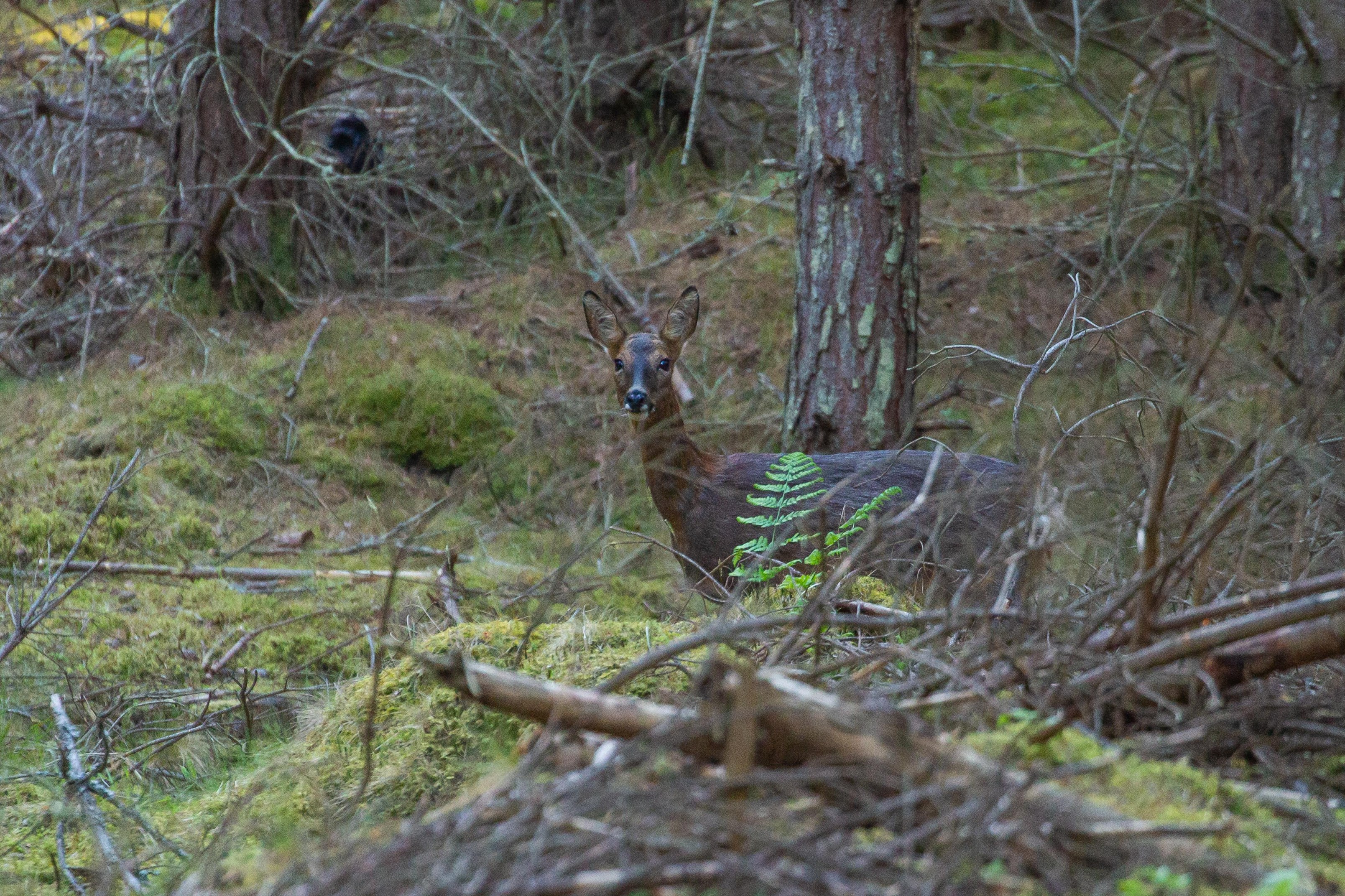
Roe deer
Roe deer prefer the seclusion and shelter of trees. Although they meander into open fields, they rarely stray far from the woodland edge. They are associated with Cernunnos, a Celtic horned god of wild animals and fertility. Deer were thought to have the power to pass to and from the Otherworld! Their antlers, shed each year, represent rebirth and rejuvenation. I saw this gorgeous buck from the same hide as the badger, which allowed me to get such intimate views. For me they’re one of Britain’s most magical creatures.
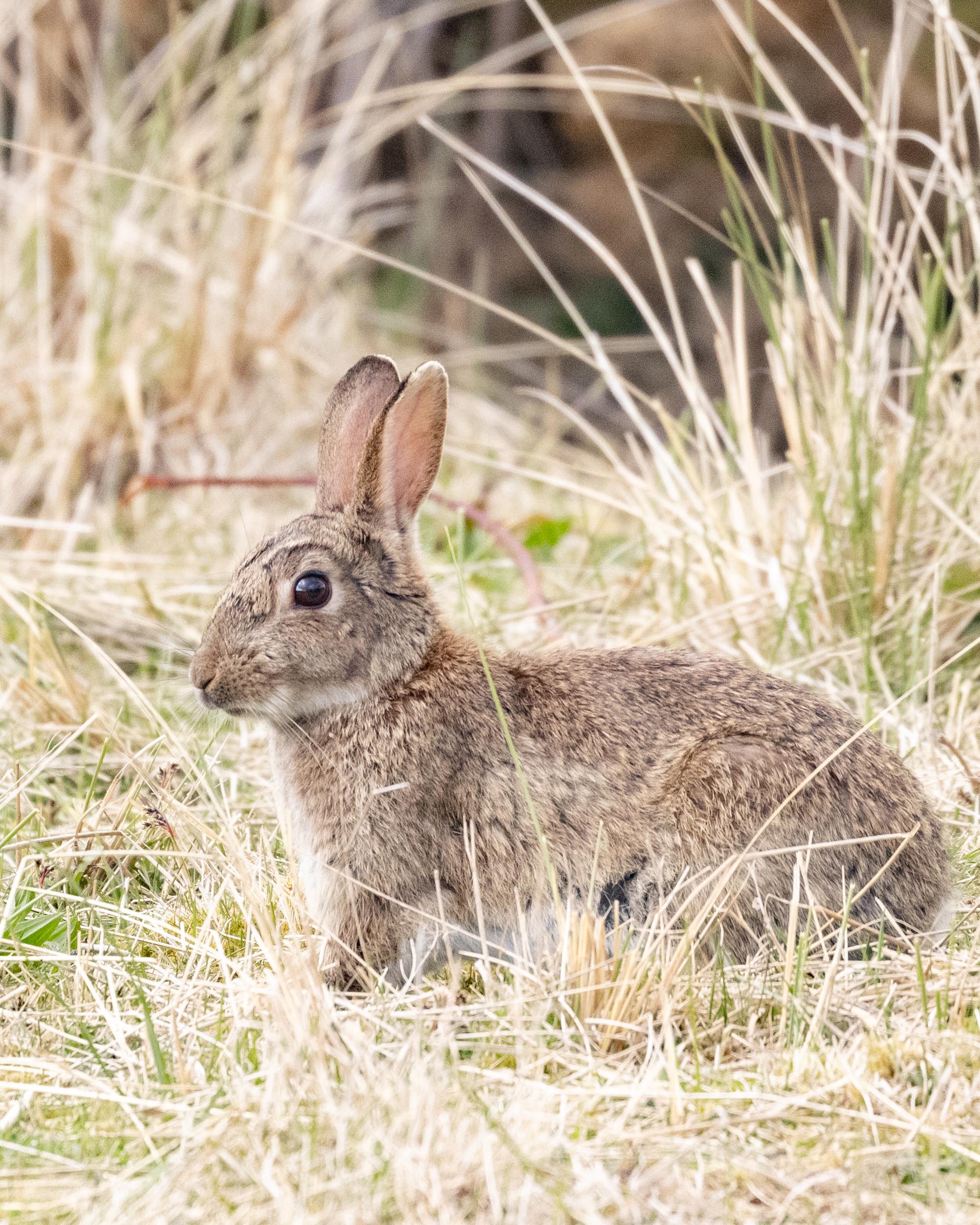
Rabbit
I’d been filming seals hauled out on the beach but there were some very grumbly clouds heading my way so I quickly packed up and hurried back to the car. Just beyond the sand was a dense area of gorse so as I walked I kept an eye out for stonechats and linnets. But instead I spotted a rabbit feeding out in the open. I was just marvelling over how darn cute he or she was when something caught my eye and this bundle of perfection appeared at the mouth of the warren. I’ve never seen a baby rabbit before and it was just as eye wateringly cute as I imagined. As a result of me stopping to take these photos I got caught in an absolute downpour before I made it back to the car, but getting soggy was totally worth it.
Red squirrel
I haven’t posted a squirrel photo since January so this is way overdue! I’d just enjoyed a swelteringly hot day in the Cairngorms. Aviemore was swarming with tourists so I made a hasty retreat back home. On the way I popped into my all-time favourite forest. It’s the sort of place you can get hopelessly and wonderfully lost in. I was tired and hungry after a long day but I thought I’d have a quick wander in case I spotted a squirrel. I walked for less than five minutes before I heard a crunching to my left and turned to see this little cutie at eye level, positively glowing in the sun. It was one of those right place right time moments.
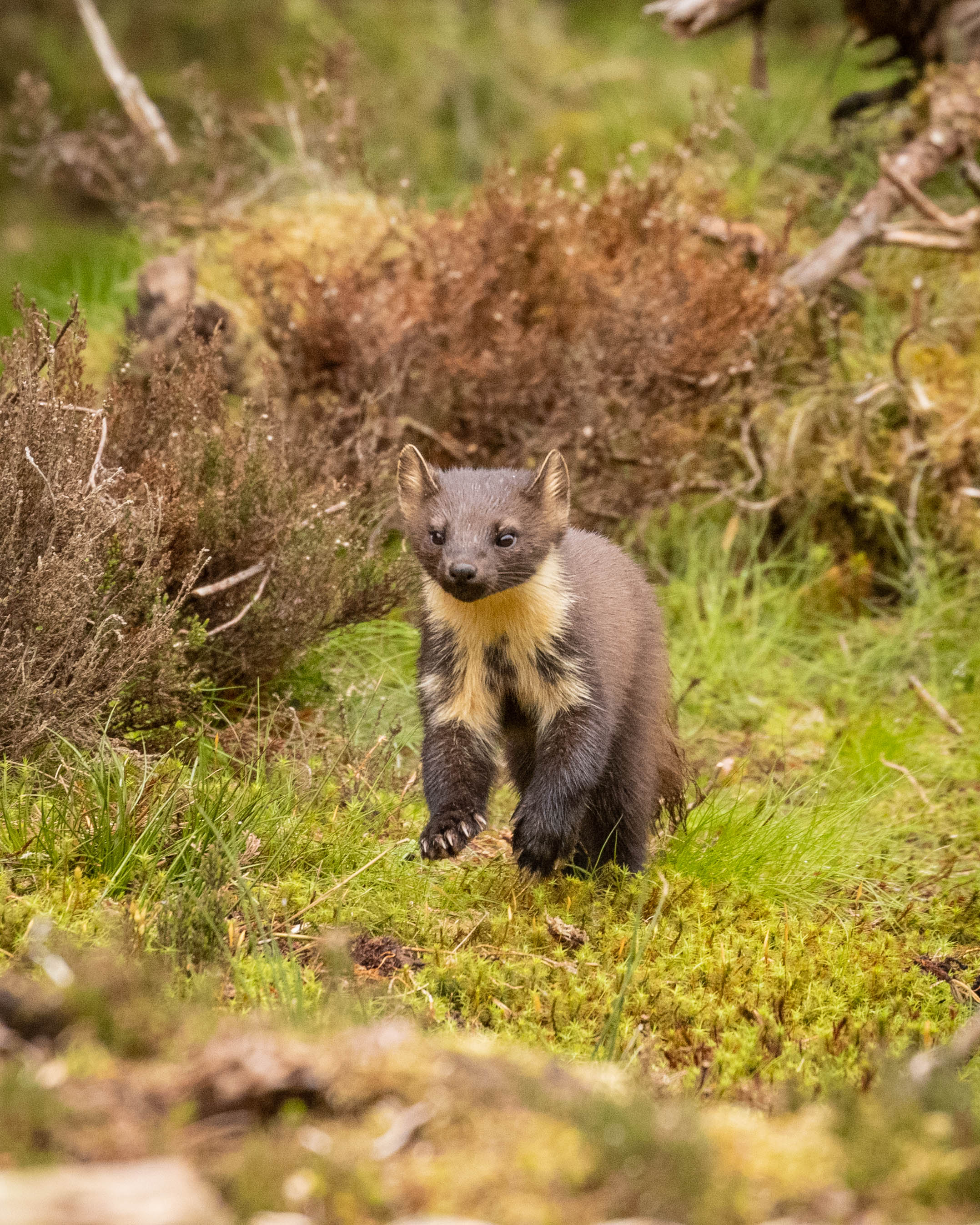
Pine marten
Although I wish I could open my window and draw in all the animals with my angelic singing (while a pie cools on the windowsill), I’m not actually Snow White and the real world isn’t like that. For certain creatures, a little more effort has to be put in and a hide is the only way to go! The pine marten belongs to the mustelid family with stoats, weasels and otters. They’re Britain’s second rarest carnivore after the Scottish wildcat, making them (in my view) as special as unicorns. I’ve been lucky enough to see them twice in the past, but both times were in the dark so photos were impossible. Recently I achieved a huge goal of mine and got my first images of a pine marten! Despite their leisurely-looking lollop, these cat-sized animals shift at a fair pace. Luckily I managed to catch this lovely female running straight towards the hide.
Since posting this photo on Instagram, I was approached by Countryfile who then shared it on their account! I was incredibly chuffed.
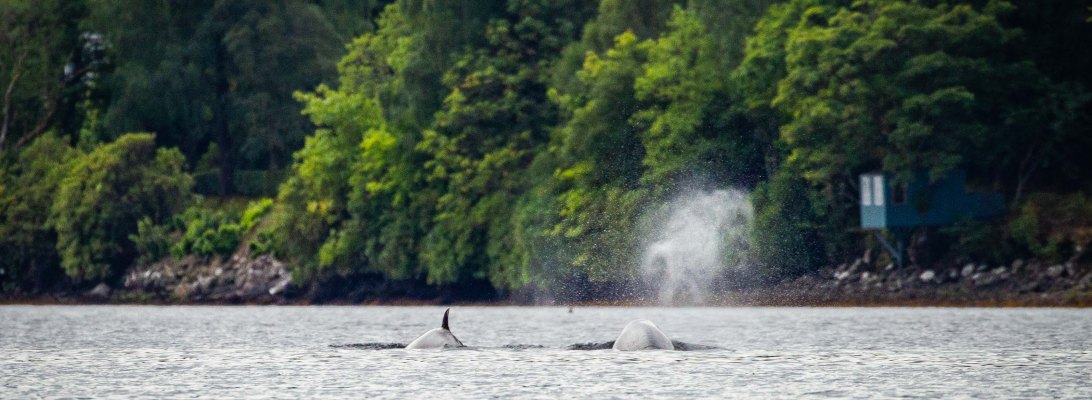
As this strange year continues, I’ve been busy taking photos, writing articles and getting stuck into new projects. I’ve ticked off 36 new species this quarter including my first otter, basking shark and northern bottlenose whales. Now the temperature has started to drop and I’m really looking forward to autumn and all its exciting wildlife spectacles!
I go through phases when it comes to wildlife watching. For the past couple of months, I’ve been deep in a forest phase and all I’ve wanted to do is wander through trees and look for birds and red squirrels. My Instagram was full of greens and the first hints of autumn oranges.
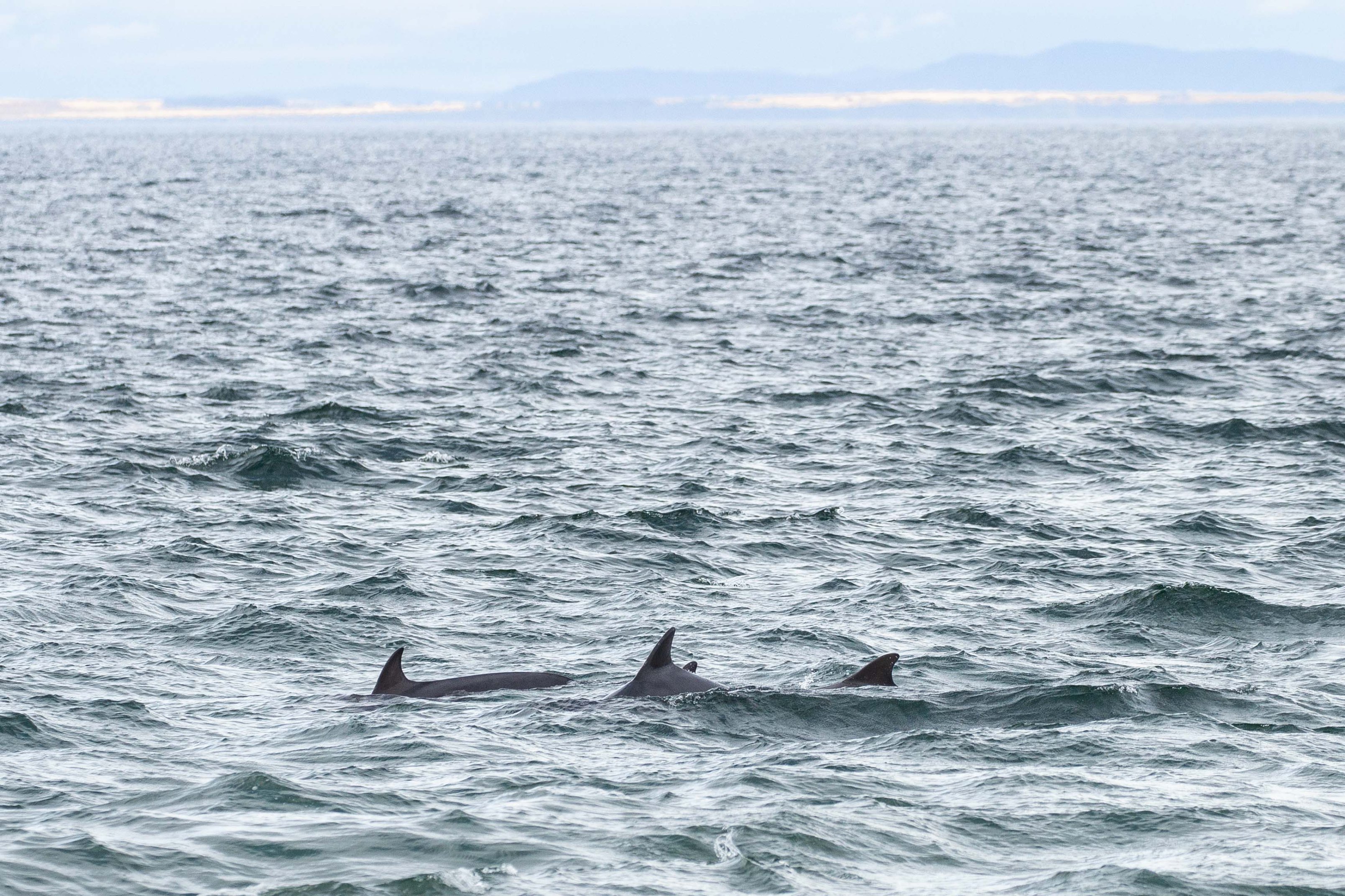
But then the ocean started pulling me back. After a few weeks with no sightings, bottlenose dolphins started to make appearances along the Moray Firth again. It was looking unlikely that I’d see my first orcas this summer, but I was still looking forward to getting dolphin photos that showed slightly more than the departing splash. I was back in an ocean phase.
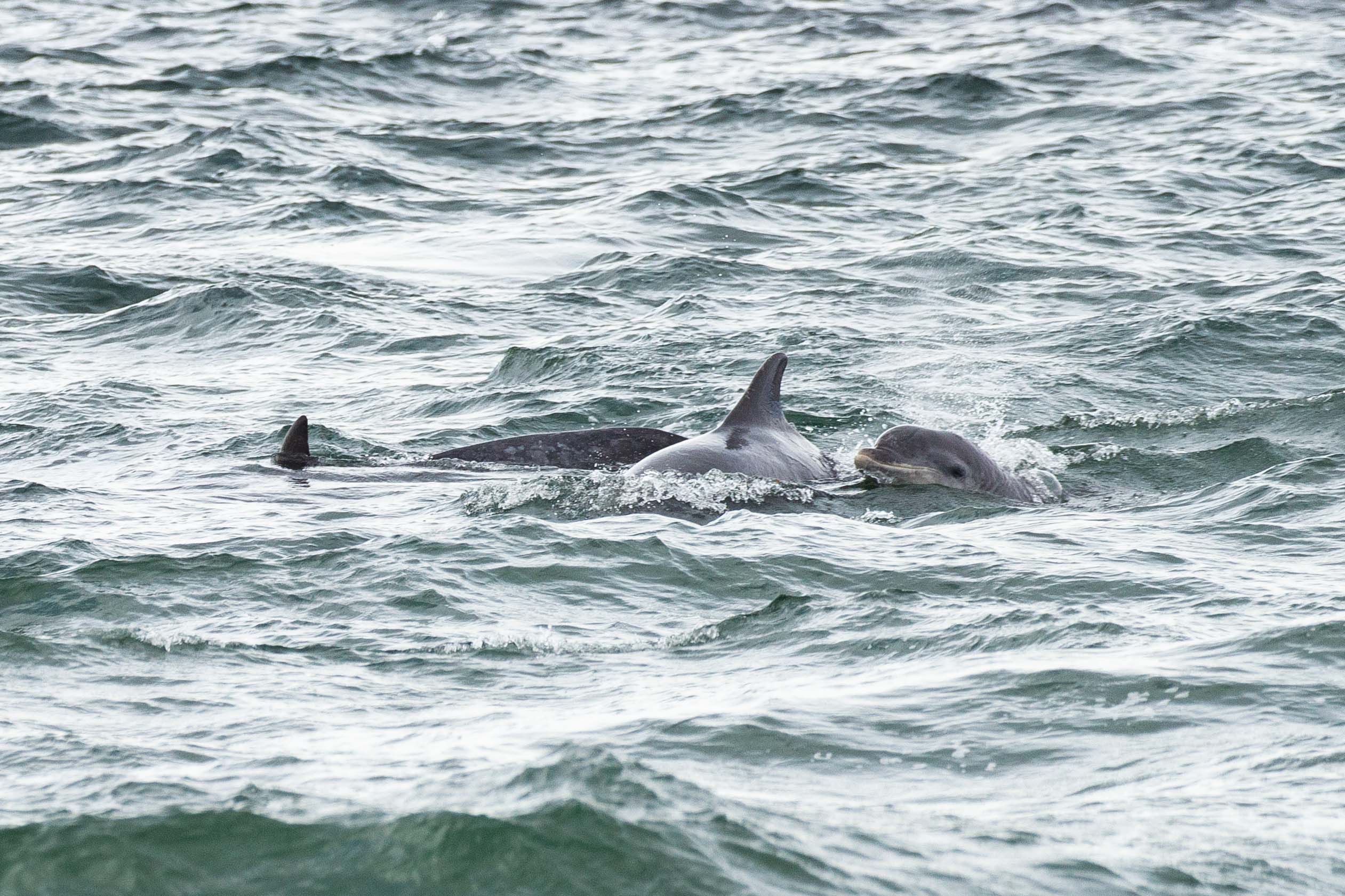
Earlier this month, on a particularly choppy morning, I found myself running full pelt along Burghead harbour to reach the end of the sea wall that juts out conveniently into the sea. From there, I could watch three different pods of bottlenoses as they caught fish. With so many breaking waves and white peaks, I didn’t know what I’d managed to capture until I returned home and uploaded the photos. I was thrilled to discover I’d caught a little face just as it breached the surface.
A few weeks later, I received a text alert from the local shore watchers saying there were bottlenoses heading west around the headland. Snatching up my camera, I made a beeline for my favourite vantage point at the end of the harbour. Unlike last time, the water was completely flat and every flash of fin caught my eye. Unfortunately all the feeding action happened far out, way past the range of my lens, but I did have an unexpected visitor pass close by.
The action continued the next week. Another text alert had me hiking up to the Burghead Visitor Centre at sunset and before long I had my lens pointed at a small pod who were following a jet ski and giving the driver some sensational views! As well as belly flops and tail waves, there were plenty of breaches. It was amazing to see the dolphins so active.
In the last of a flurry of excellent dolphin sightings, I paid Chanonry Point on the Black Isle another visit: one of the prime dolphin watching spots. Within moments of arriving – being sure to time my visit with the rising tide – a pod cruised straight past. Although there were no breaches this time, one particular dolphin dived three times directly in front of the crowd, revealing a distinctive notch in its tail fluke. I was also delighted to see a newborn calf among the adults, sticking closely to Mum as they passed by.
As summer blends into autumn, the dramatic display of emerging fungi will undoubtedly draw me into another forest phase, but I’ve loved having so many marine wildlife encounters this month. I’ve now got plenty more dolphin photos to add to my portfolio too!
August is an intriguing time for wildlife. Although birds are relatively quiet at this time of year, insects are out in force. This month sees summer and autumn blending together and there is plenty to discover out in the countryside. So, here are some of my favourite British wildlife highlights during August.
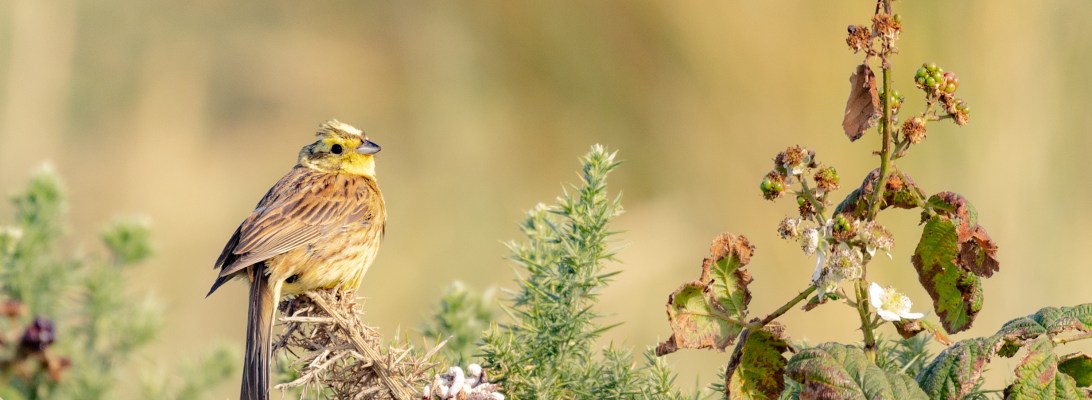
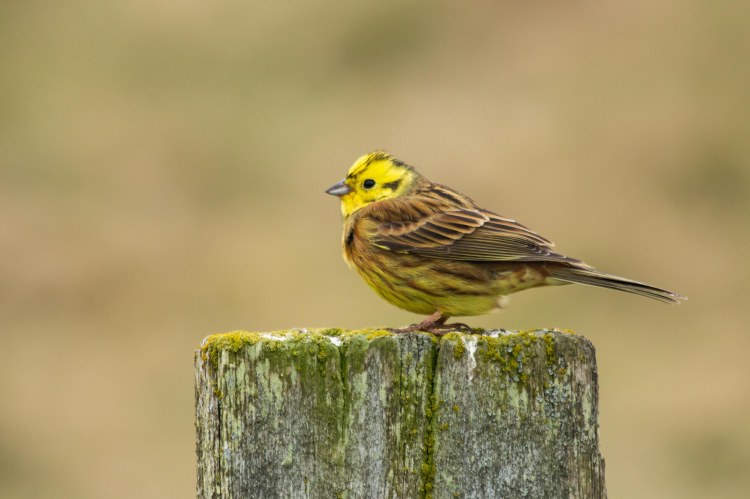
This month, yellowhammers are one of the few birds still singing. They can be seen perching high up on gorse bushes as they fill the air with a charismatic phrase that many birders say sounds like “a little bit of bread and no cheese”.
Migratory British birds such as swifts and blackcaps start to make their way back south this month – swifts are particularly noisy flyers and soon the skies will be much quieter in their absence. Other migrants including swallows and house martins will stay around a little longer and usually depart around September.
Tawny owls may start calling in August, but this usually picks up in autumn and then throughout winter. It is during this time that young birds leave their parents and attempt to establish their own territories, using their calls to announce their presence. The well-known “twit twoo” call of a tawny owl is a combination of voices – the female calls “ke-wick” and the male answers “hoo-hoo-ooo”.
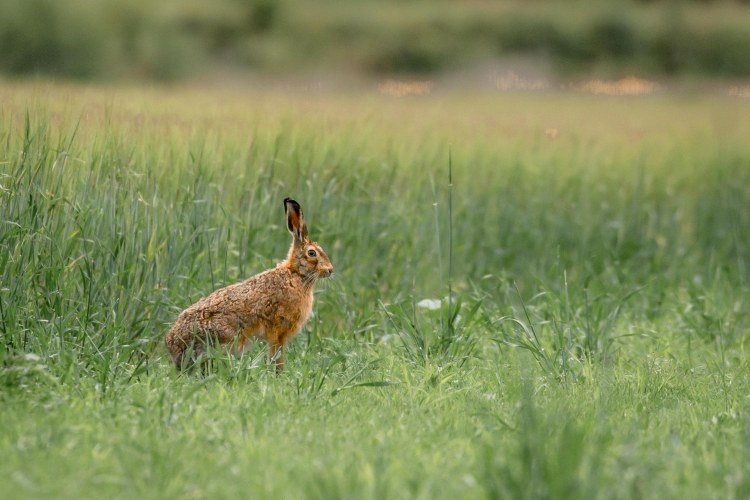
August is a good time to spot hares because farmland is starting to be harvested and crops are cut low to the ground. Keep an eye out for them darting along hedgerows or crouching low to the ground, looking remarkably like rusty stones.
Bats are actively feeding on the explosion of flying insects and badgers are starting to collect their bedding. Dry, warm weather can often mean there are fewer worms available and badgers may be drawn to gardens to drink from ponds.
Unlike red deer which rut in the autumn, roe deer have their breeding season from mid-July to mid-August. During this time a male – which is called a buck, not a stag – follows a female (doe) around and chases her in tight and continuous circles. This behaviour is known as ring-running, and when a ring is stamped into a permanent trail it may be used for future ruts.
August is also good for spotting insects. Dragonflies such as the common darter can be seen flying around ponds and other still bodies of water. They are also found far away from water as they rest on plants in patches of woodland.
This month, the second generation of many butterfly species are on the wing including comma, red admiral and painted lady. For those interested in butterflies, now is the time to contribute to The Big Butterfly Count. Launched in 2010, this UK-wide citizen science survey is running from the 17th July to the 9th August. It’s easy to take part – just choose a place to sit and record the butterfly species you see for fifteen minutes. As pollinators, butterflies are extremely beneficial for the health of the ecosystem but are currently facing severe declines, so the records collected during the count will provide valuable data for conservation projects and research.
This article was originally published on Bloom in Doom as part of my role as Nature Editor. It is the first of a monthly column of the best British wildlife highlights throughout the year.

























 rebeccaonthewing.com