White Birds in a Whiteout

When I arrived at Troup Head I could barely see. The mist was so thick it obscured the sheep chatting away in a field less than 30ft away. Seeing as I was here to photograph gannets at their clifftop nesting site, visibility as poor as this suggested impending disaster.

Refusing to waste a journey, I geared up and set off on the coast path. I took the long route to the cliff in the vain hope that the mist would have cleared by the time I arrived. Sadly not. As I approached the nesting site I could make out the blurry outlines of gannets gliding past – white against slightly duller white.
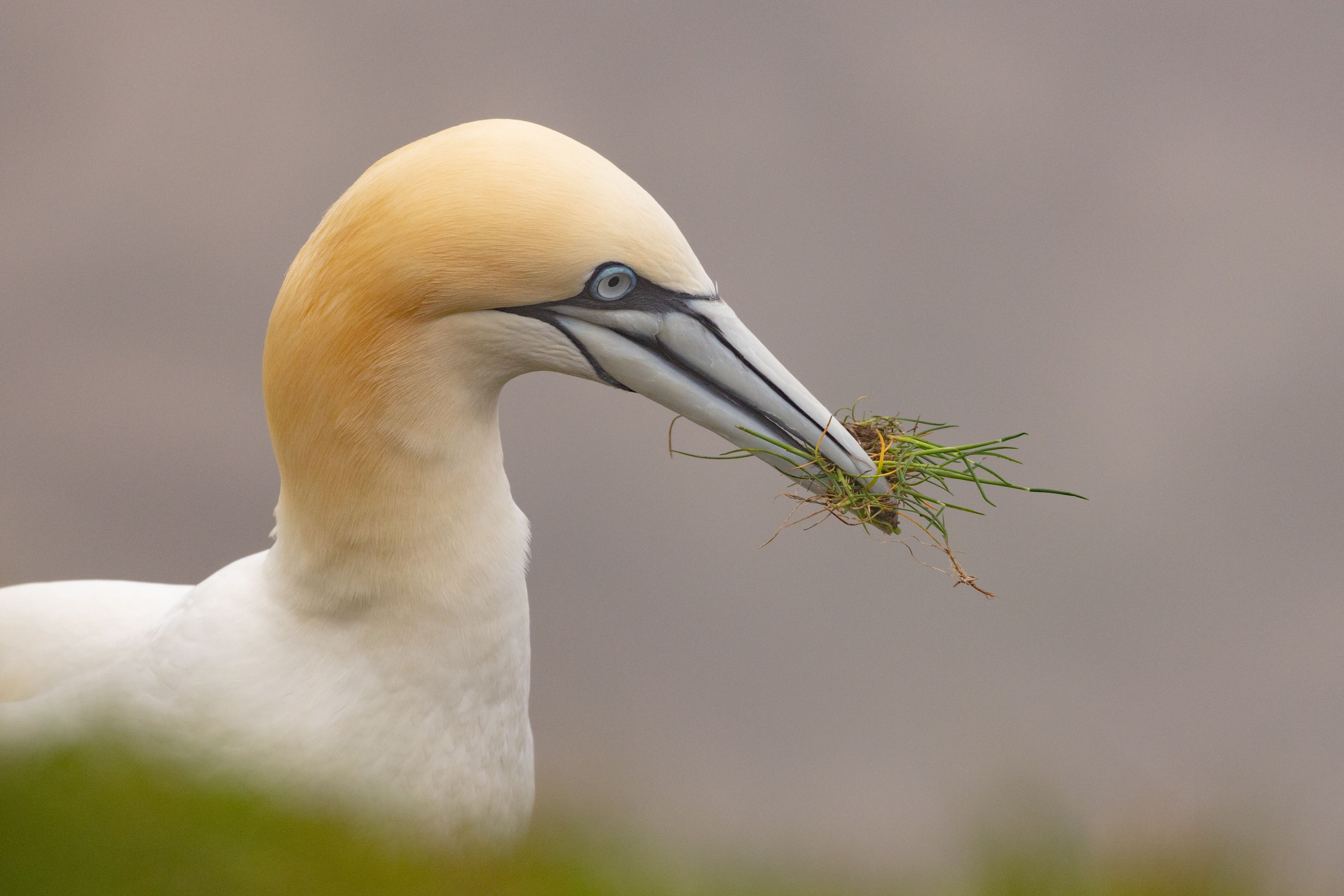
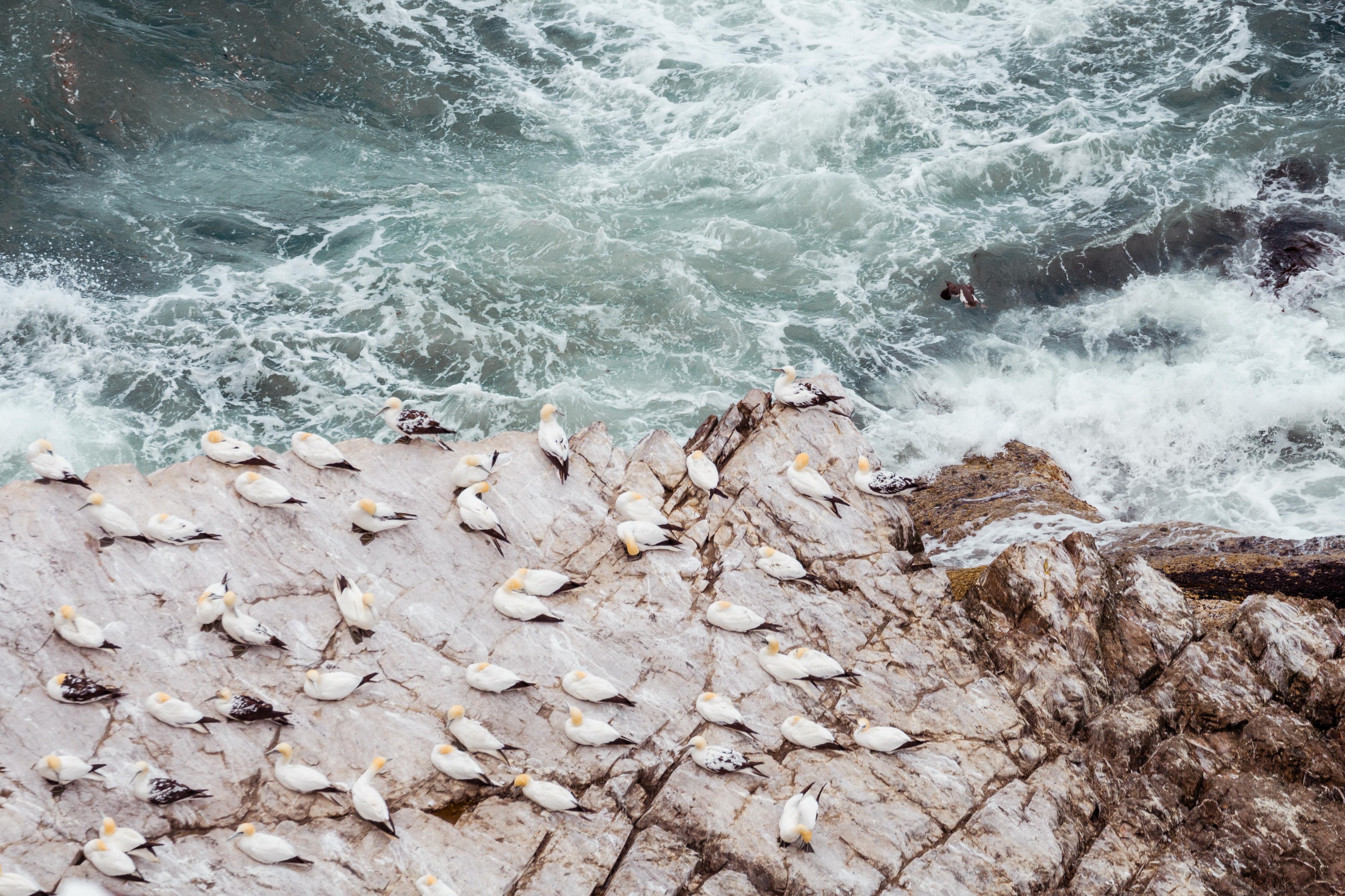
I settled on the grass and propped my camera lens on my knees. The entire ocean had disappeared, but luckily a cluster of gannets were perched close enough for me to actually see them through the fog.

I already had huge respect for gannets, with their vast wingspan, dagger-like bills and ability to slam into water from a great height without injuring themselves. But watching them navigate a jumble of clifftops through what was essentially a white-out was even more impressive.

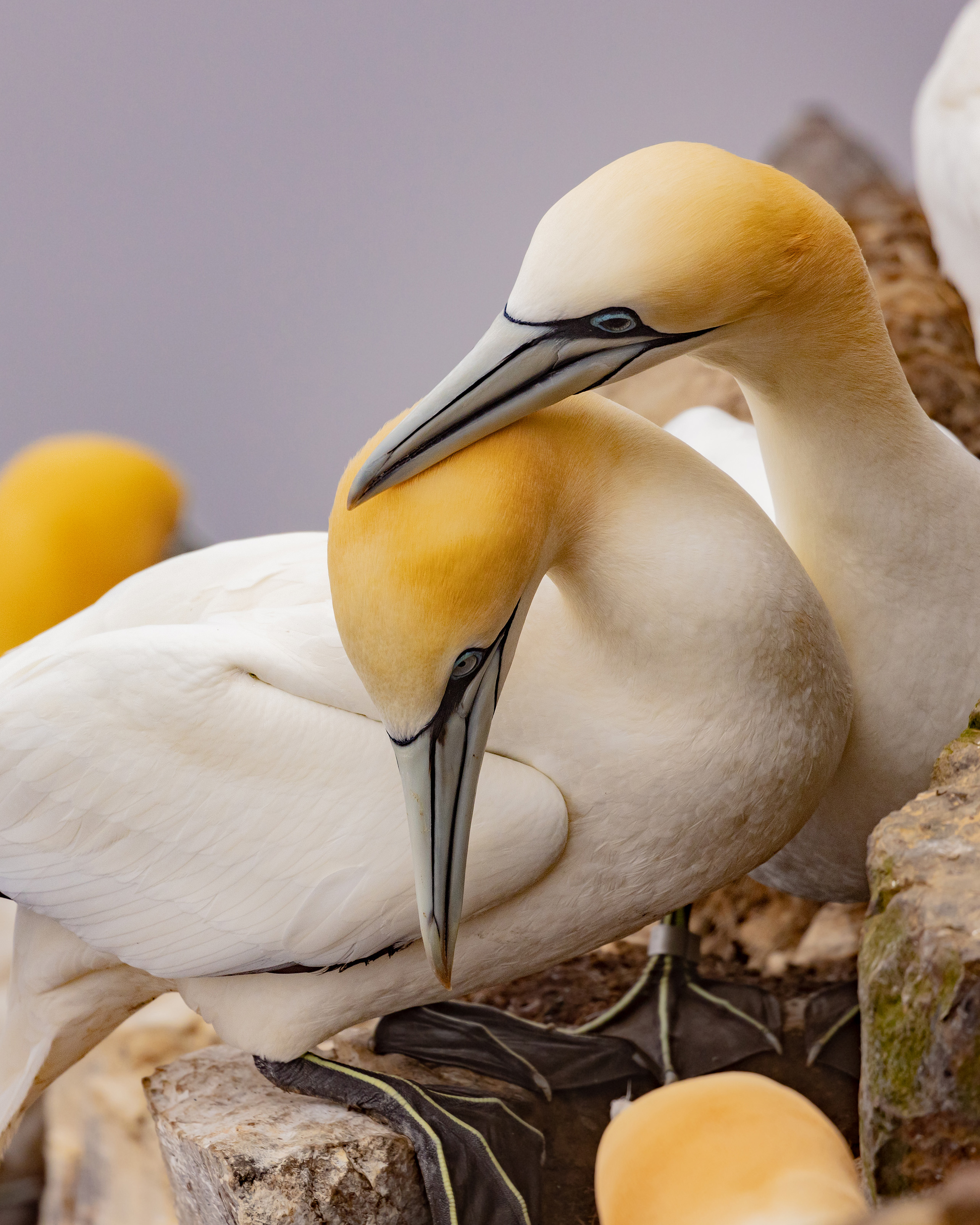
Despite the less-than-ideal conditions, after several hours I managed to get some shots I was happy with. Gannet goings-on continued as normal, and I watched bonding behaviours between mating pairs, grooming, and the occasional brawl when a neighbour shifted too close.

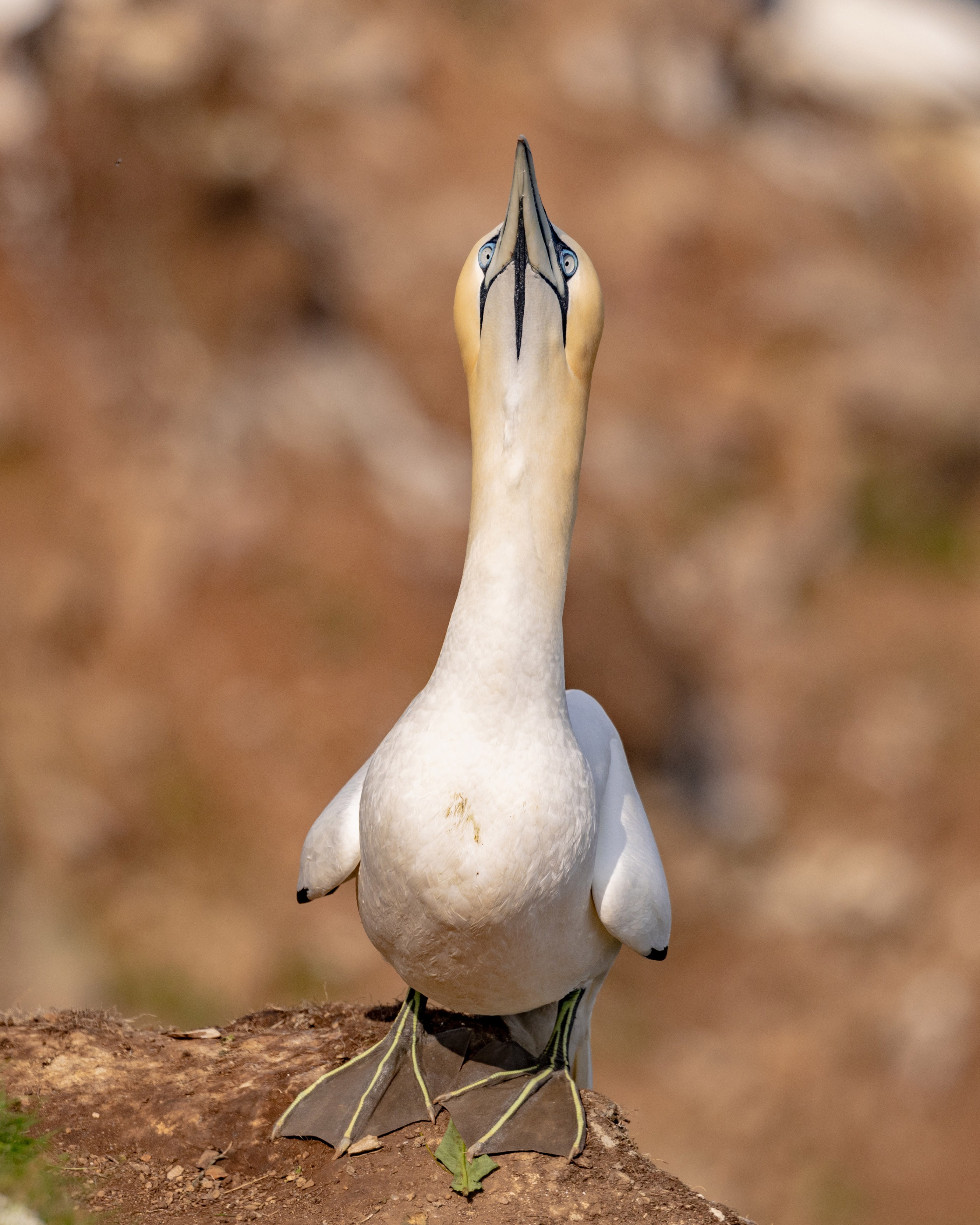
You can anticipate exactly when a gannet is going to launch itself off the cliff, as it takes several slow steps along the ledge with its bill pointed straight up, as if either limbering up for take-off or encouraging its companions to watch. It’s a bit of a showy thing to do and I love them for it.
By midday the mist hadn’t moved and my stomach was grumbling, so I called it a day and strolled back along the coast trail. Scottish weather is nothing if not predictable, but this means you usually don’t have to wait long for it to change.

Sure enough, when I returned the next day the sun was gleaming and the ocean was back. This time I could see gannets everywhere, swirling in the now cloudless sky as well as perching on their precarious ledges.

I’d taken lots of stationary shots the day before so I turned my attention to birds coming into land. This provided its own set of challenges – unlike their sky pointing routine before take-off, there was no warning before they popped up in a flurry of white wings.

It was a pleasure to spend time with such striking and charismatic birds and watch their daily routine from the lofty heights of the clifftop colony.
In Search of Puffins

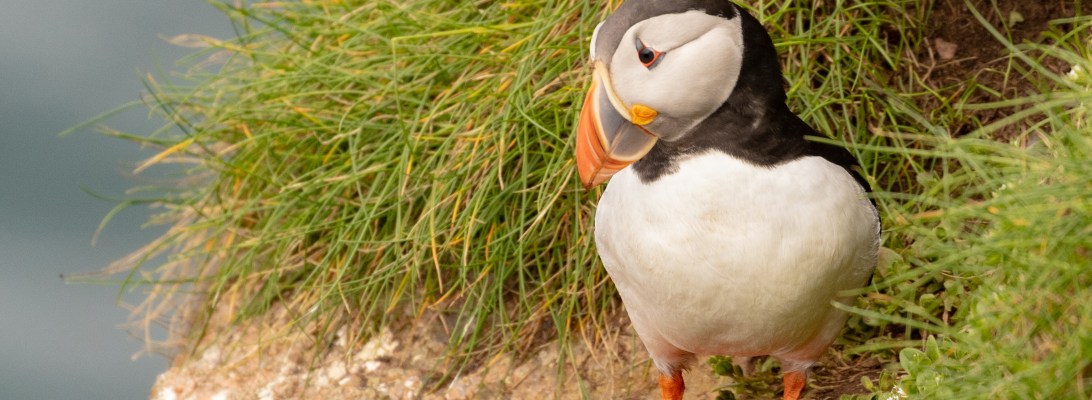
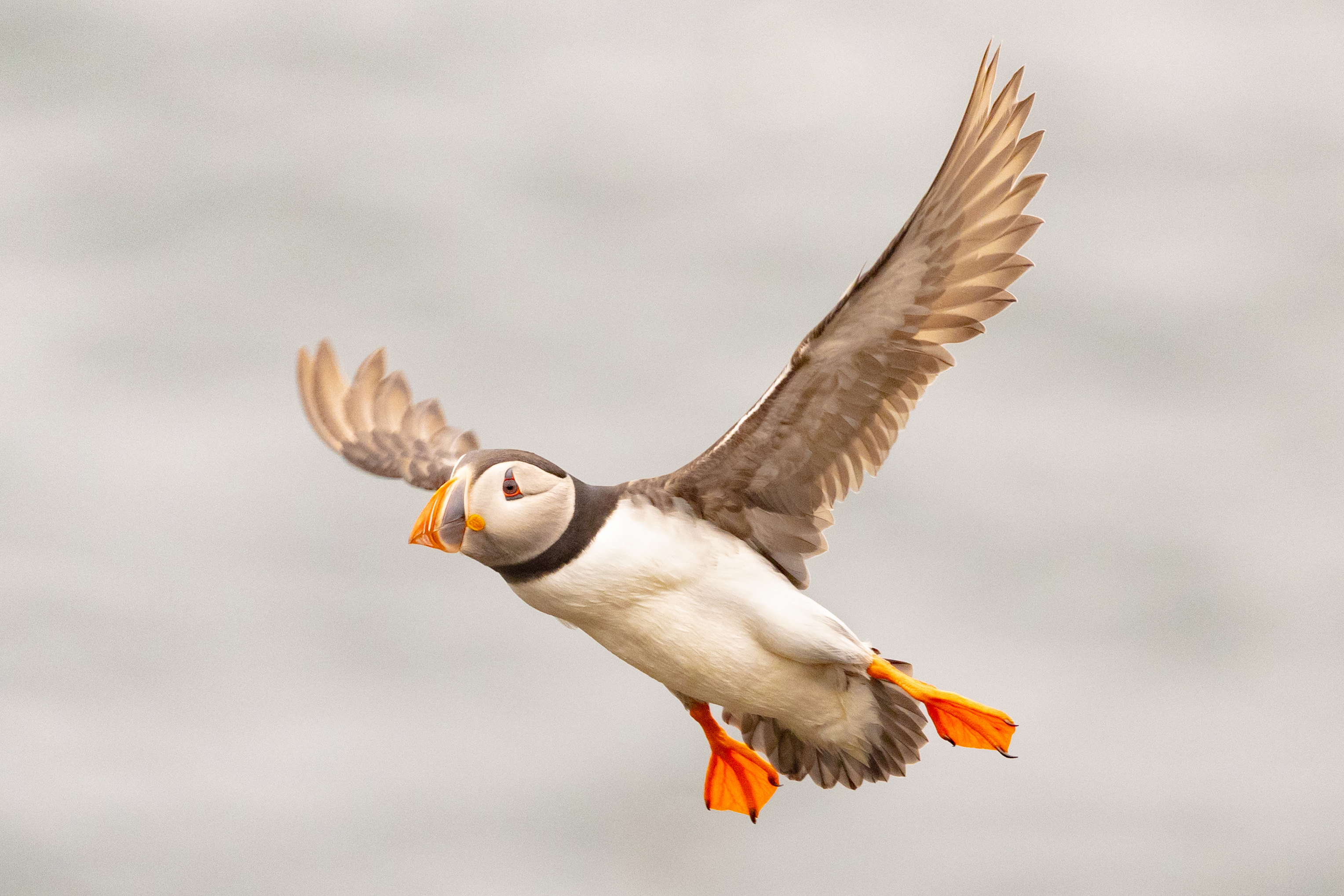
There are certain birds that I look forward to seeing every year. As the seasons shift, there’s a constant shuffle of some leaving the UK and others arriving. One particular spring/summer visitor who’s pretty much everyone’s favourite is the puffin.

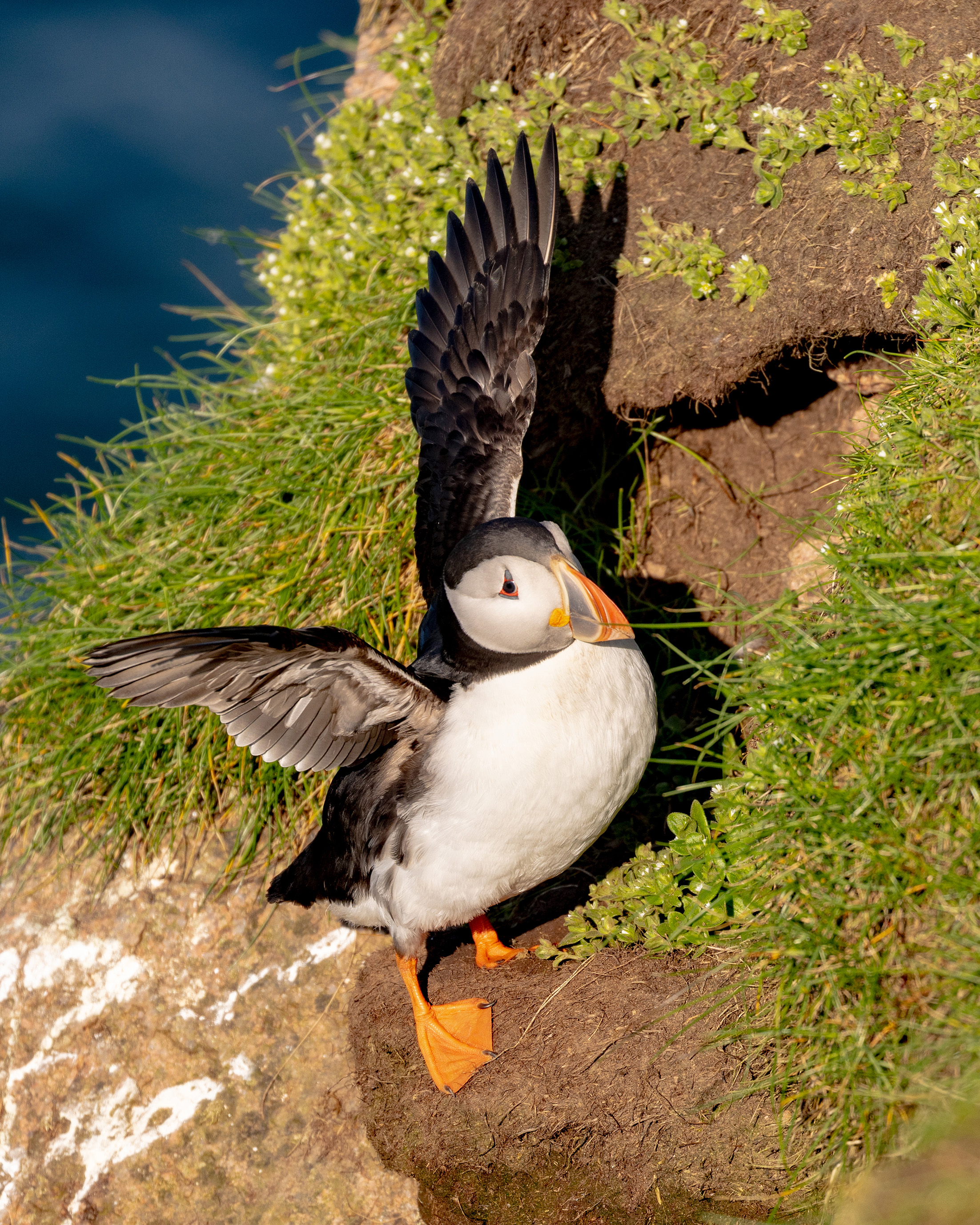
Recently I set off on one of my annual pilgrimages to see these tiny seabirds at one of the clifftop nesting sites they share with guillemots, razorbills, fulmars and kittiwakes. They blend in well despite those luminous bills, often tucked away in their burrows and out of sight altogether. The key is to look for orange legs, which the other cliff inhabitants don’t have.

After a bit of fruitless searching I was just rummaging for some elevenses when a flash of orange made me abandon my search for chocolate. In a scrap of a second I’d seen a puffin fly past, curving around the cliff edge and back out towards the open sea. I hurried into position in case it returned and luckily for me it did, performing four rapid fly-bys with spectacular feet dangling.

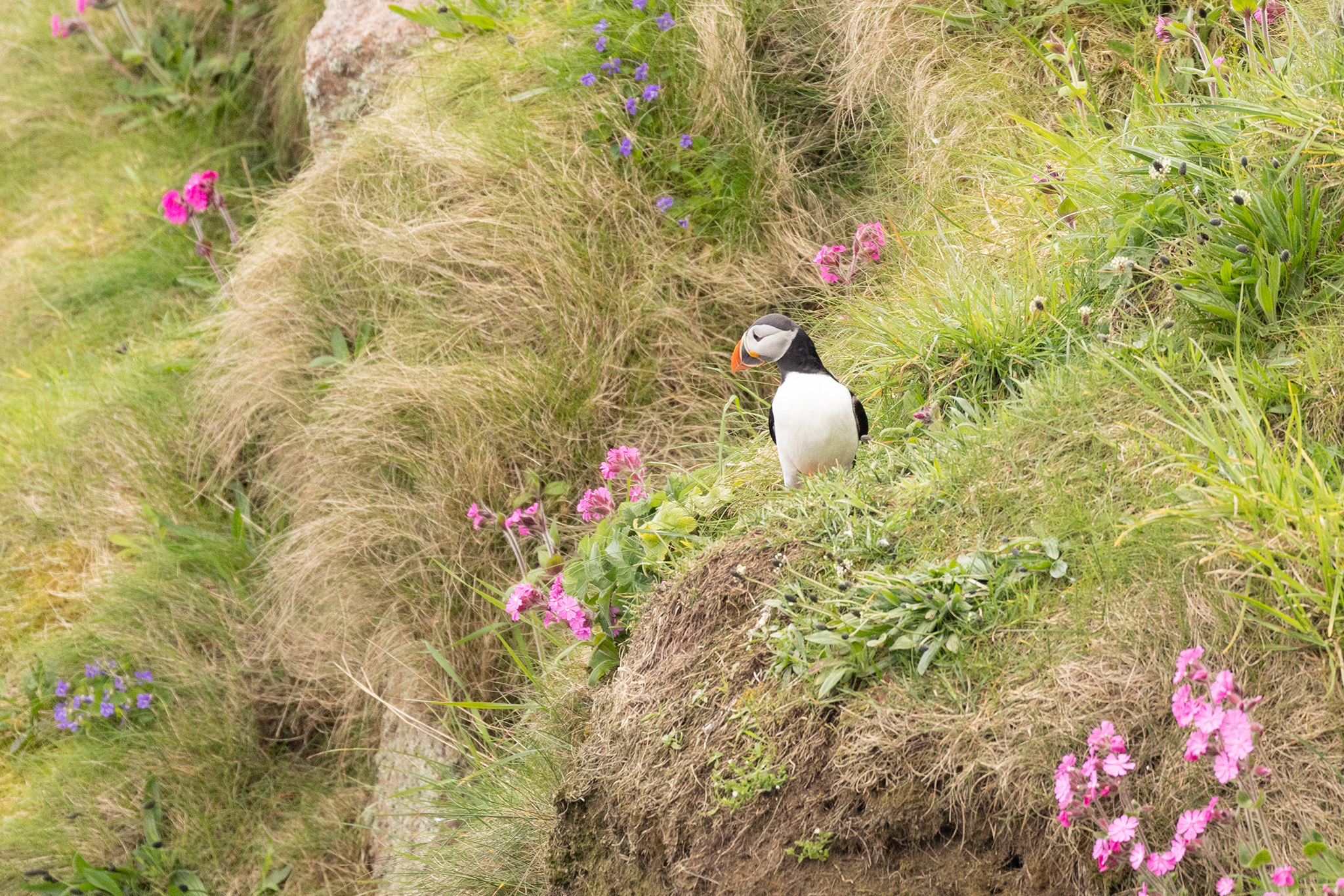
Later in the day I tried my luck at a different spot, settling in a cup of earth in view of several grassy burrows that looked promising. I got distracted by a puffin on the water, some 100ft down. Even from that distance I could spot orange legs beneath the clear surface, so I enjoyed watching it through my binoculars as it bobbed around with its larger neighbours.

Birds are like buses in that they’re notoriously unreliable and just when you’ve waited long enough for one, two show up. Once I put down my binos, I found myself staring at another puffin perched 20ft from my lens. The little scamp! Luckily it had decided to take in the views before disappearing into its burrow, giving me a chance to make up for lost time and get some portrait shots.

Forty minutes later, a magic trick occurred and two puffins popped out. Either I’d missed the first one while I was ogling the water, or it had been hanging out inside the burrow the whole time. They lunged off the cliff together and I tracked them heading way out to sea, shrinking to black dots. Not ideal, as I had no idea how long a puffin took to fish.

Two hours, as it turns out. The sun had been screened by cloud all day but of course once I had no puffins to photograph it broke through and illuminated the burrow entrance like a theatre spotlight. By that point I’d spent seven hours on the cliff and evening was drawing on – I had a runny nose, numb bum and grumbling stomach and was ready to call it a day. But any superstitious photographer fears that as soon as you leave, the action happens. A combination of bird FOMO and my usual stubbornness made me stick it out a little longer.

Less than five minutes after I decided not to leave, the puffins returned, now looking radiant in the sun. A snaky pair indeed. Every minute spent staring at an empty burrow was suddenly worthwhile, and I finally left feeling ravenous yet thrilled with the day’s success.  

Return of the Fish Hawk

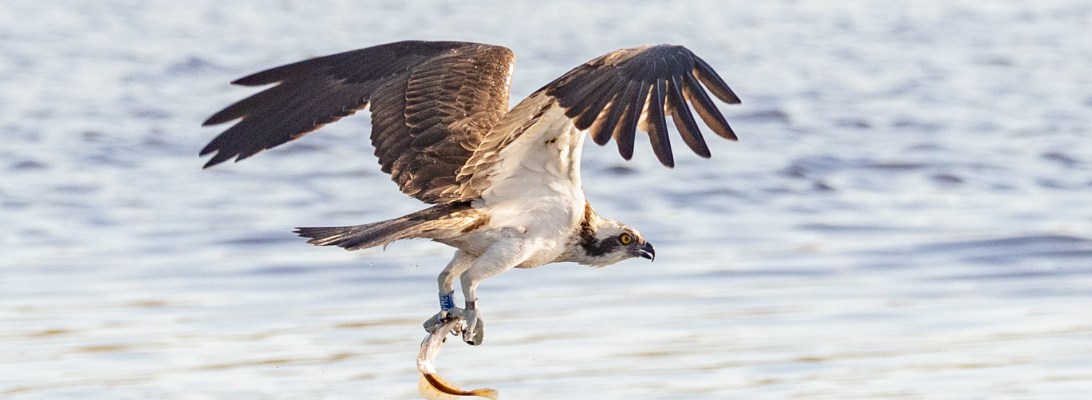
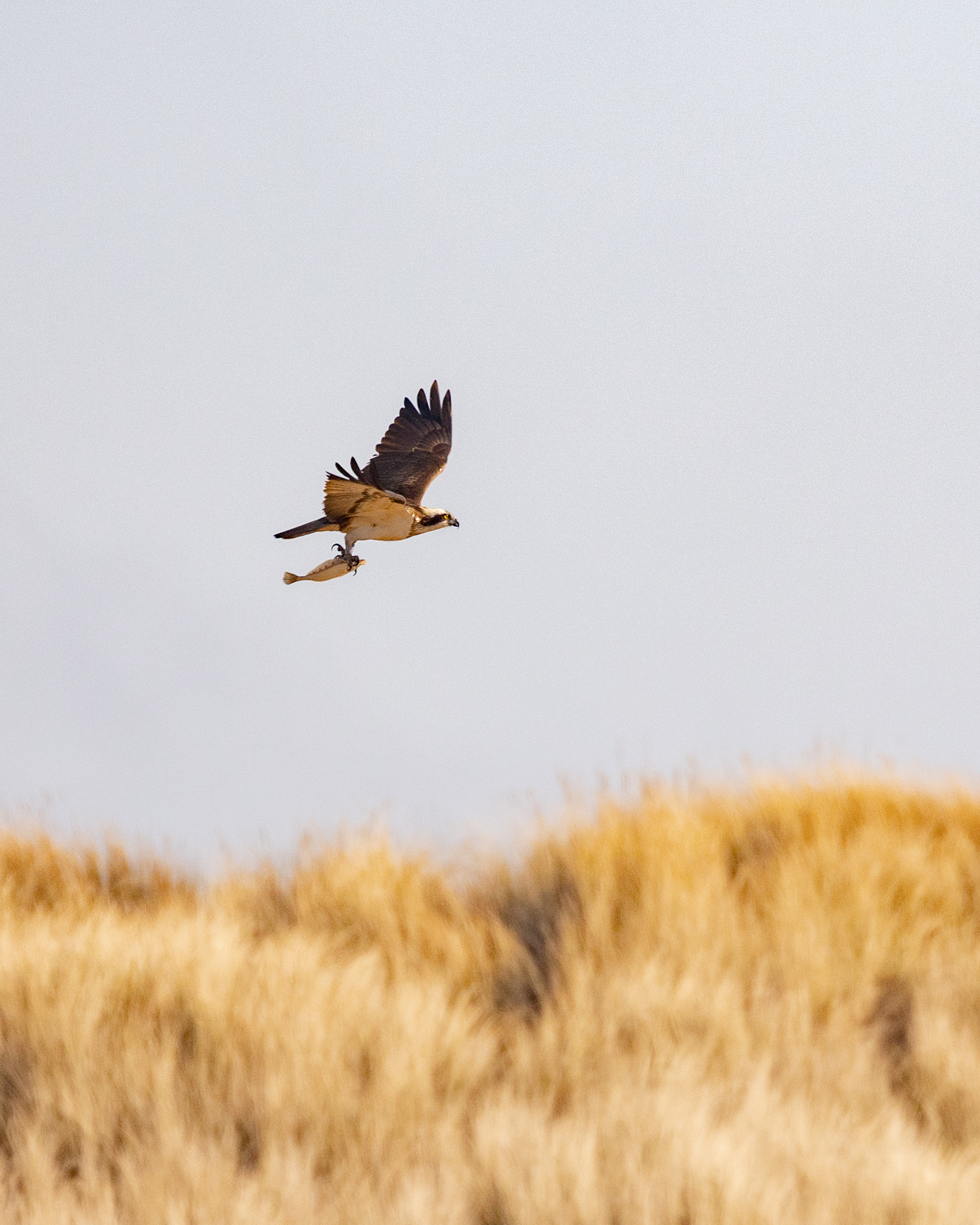
It’s that time of year again! One of my favourite things about spring is watching ospreys plummet into the water and emerge carrying huge flatfish, with the suave flourish of a magician extracting a rabbit.

I’ll be honest – I rarely get excited about larger raptors as they’re usually just a hazy speck in the sky. But ospreys bring all the drama, sometimes appearing out of nowhere and sending nearby herring gulls into a flap.

An osprey will hover high over the water, using its incredible eyesight to track a fish. Then it sidles down through the air, finally slamming into the shallows talons first.

It’s often a game of luck if you’re standing in the right place when they dive (and if you’re nimble enough to catch the actual dive, which I regrettably wasn’t), but you’ll hear the splash even from several hundred yards away.

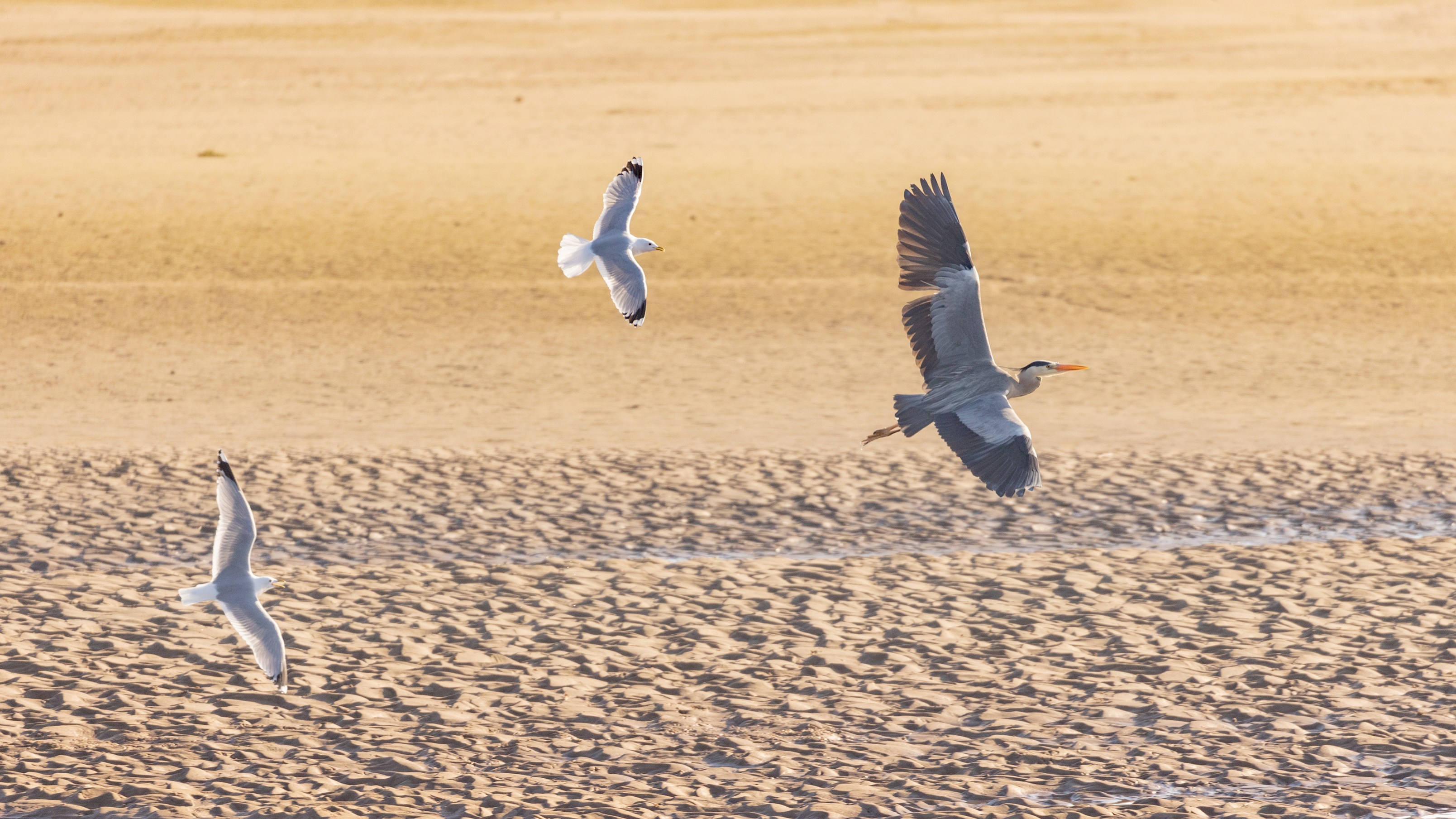
Elsewhere on the water, I was watching a heron minding its own business when it was mobbed by a couple of common gulls. Despite the size difference, the heron was shooed off its patch and raced past me with a reptilian squawk and a sweep of its vast grey wings.

Easter Bunny at Sunrise

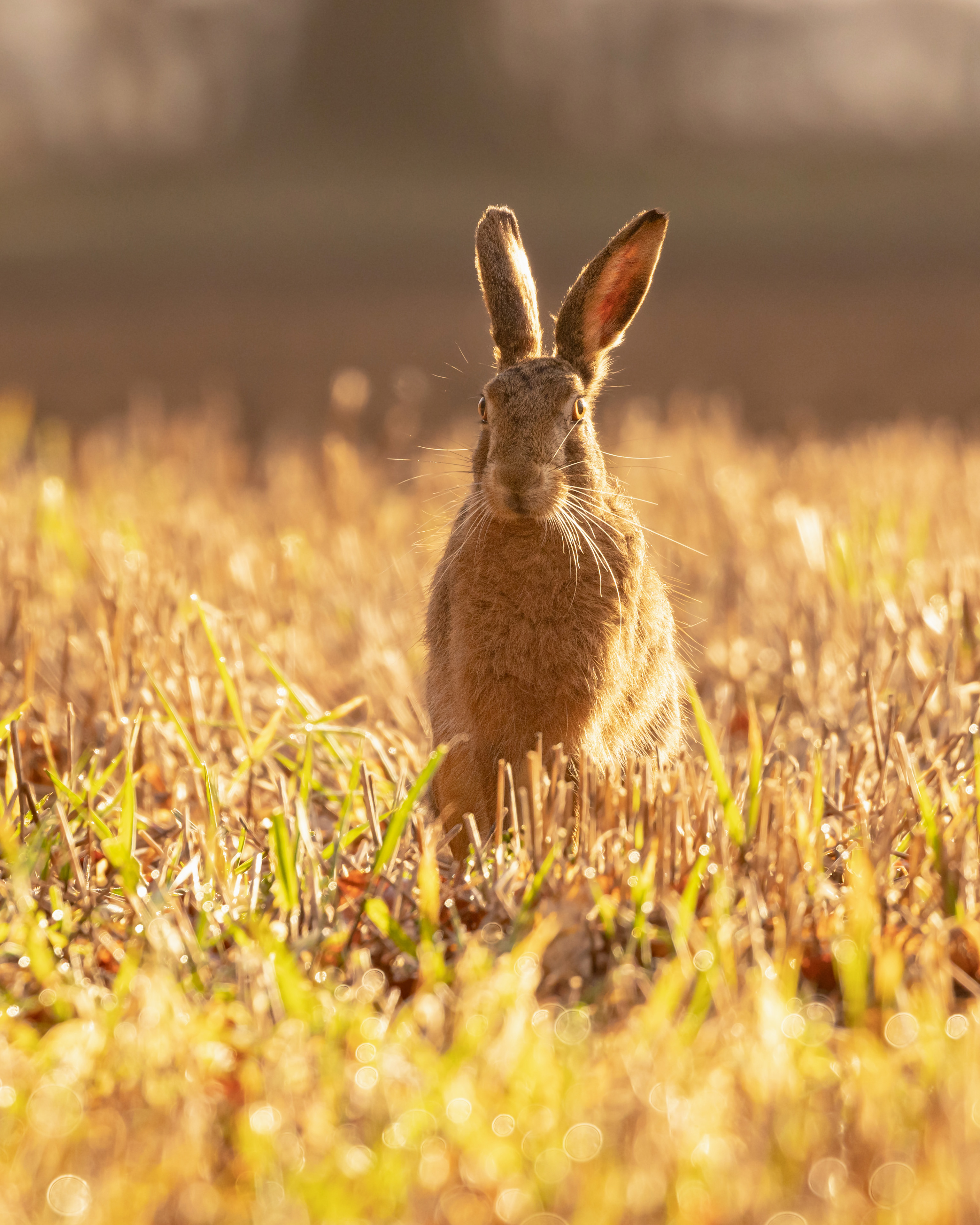
Snow scuppered my last attempt to photograph my local hares, and I didn’t have an opportunity to try again until this week. The conditions couldn’t have been more different, and I arrived in semi-darkness just as a smudge of yellow was blooming to the east.

In my initial binocular scan, I spotted two hares in the far corner of a stubble field, so I made my long way around, keeping to the edge beside the dry stone wall. At a respectable distance, I settled on the ground and wriggled into the comfiest position I could manage in hard yet soggy mud. Soon after, golden hour struck with heaven-like intensity, turning the grass to flame. The hares were perky, lolloping around with the occasional burst of a chase.  

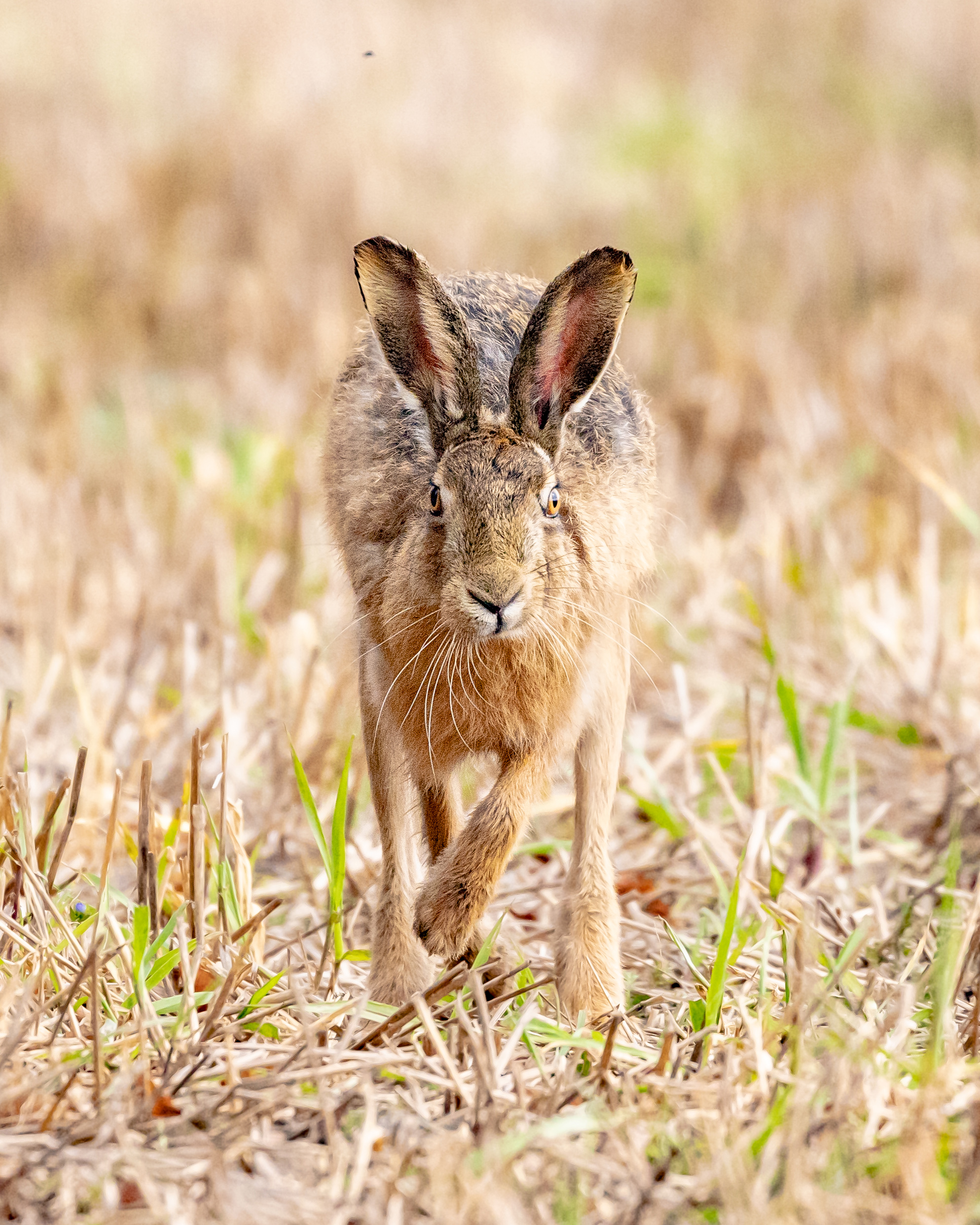
One hare disappeared and the other started foraging far off in the centre of the field. With my camera propped on my knees, I was watching it through the viewfinder when a blurry blob covered my view. The first hare had reappeared some forty feet from my lens, no doubt having watched me with a hare’s version of amusement ever since I’d been willing its companion closer.

Twisting my back in all sorts of wrong ways, I followed the hare as it ambled in a semi-circle around me, sitting for a few moments to have a nosey before disappearing into the long grass.

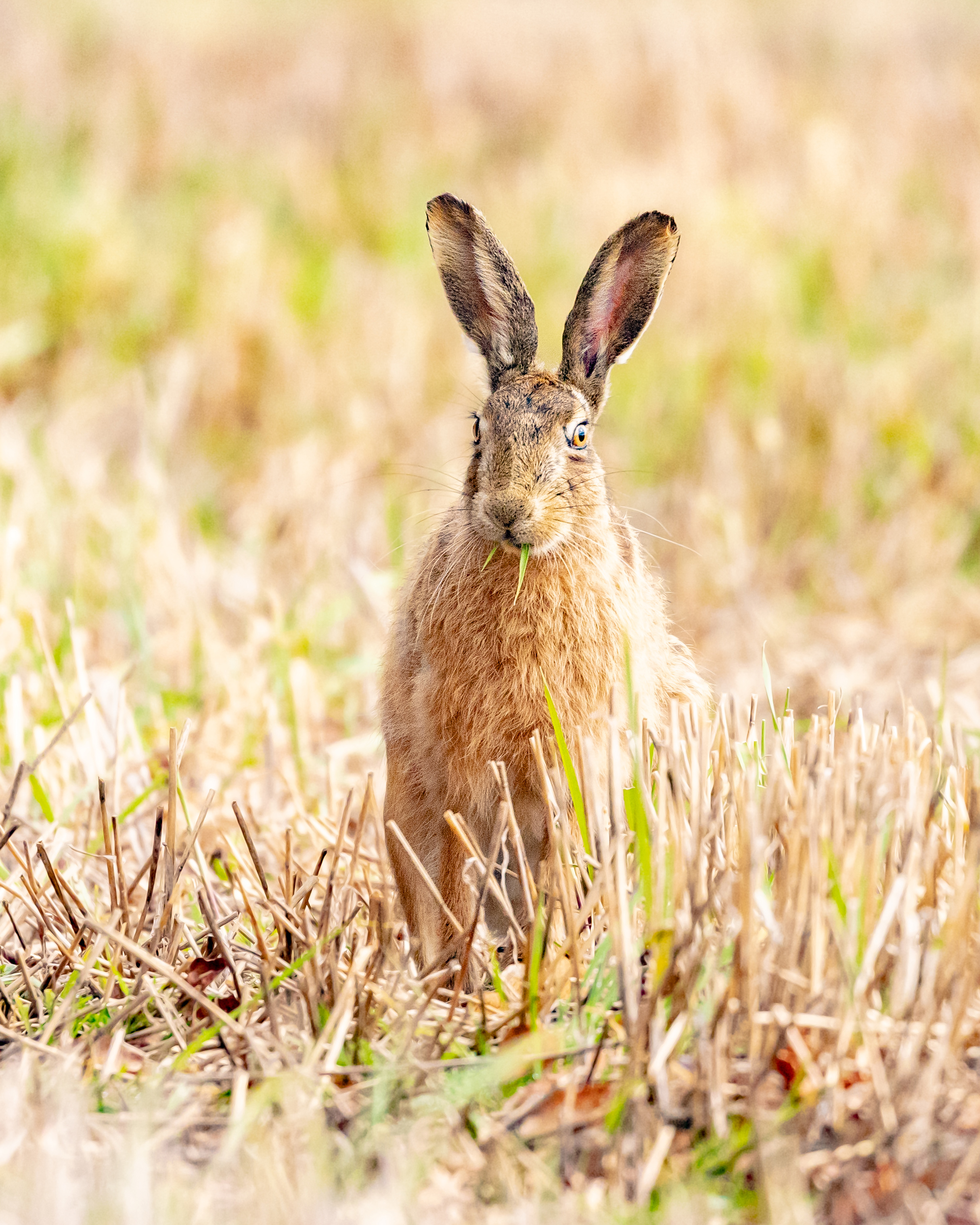
Light that molten was never going to last, but I was already covered in mud so I hung around after golden hour to see what else might happen. And before long another hare hopped over. The key with any wildlife is to let it come to you, and hares are no exception – I’ve discovered they can be curious to the point of full-out snooping. If you sit still, they often sidle over for a closer look.

My special sunrise with the hares was well-timed for Easter this weekend. Hares are said to be the companion animal of Eostre, or Ostara, the Anglo-Saxon goddess of dawn and spring. The link between eggs and the Easter Bunny doesn’t seem to make much sense at first, but one explanation comes from a bit of lapwing ecology.

Unlike rabbits, hares don’t use burrows but instead lay in scratched-out forms on flat ground. Lapwings are ground-nesting birds and often lay their eggs near a hare’s form or even inside it. Seeing lapwing chicks and baby leverets emerging at the same time could have led people to believe that hares laid eggs.

To be fair, hares are stealthy and mysterious animals, and that’s part of their irresistible charm.


You may also like

Happy Accidents

Aurora Blushing Bright

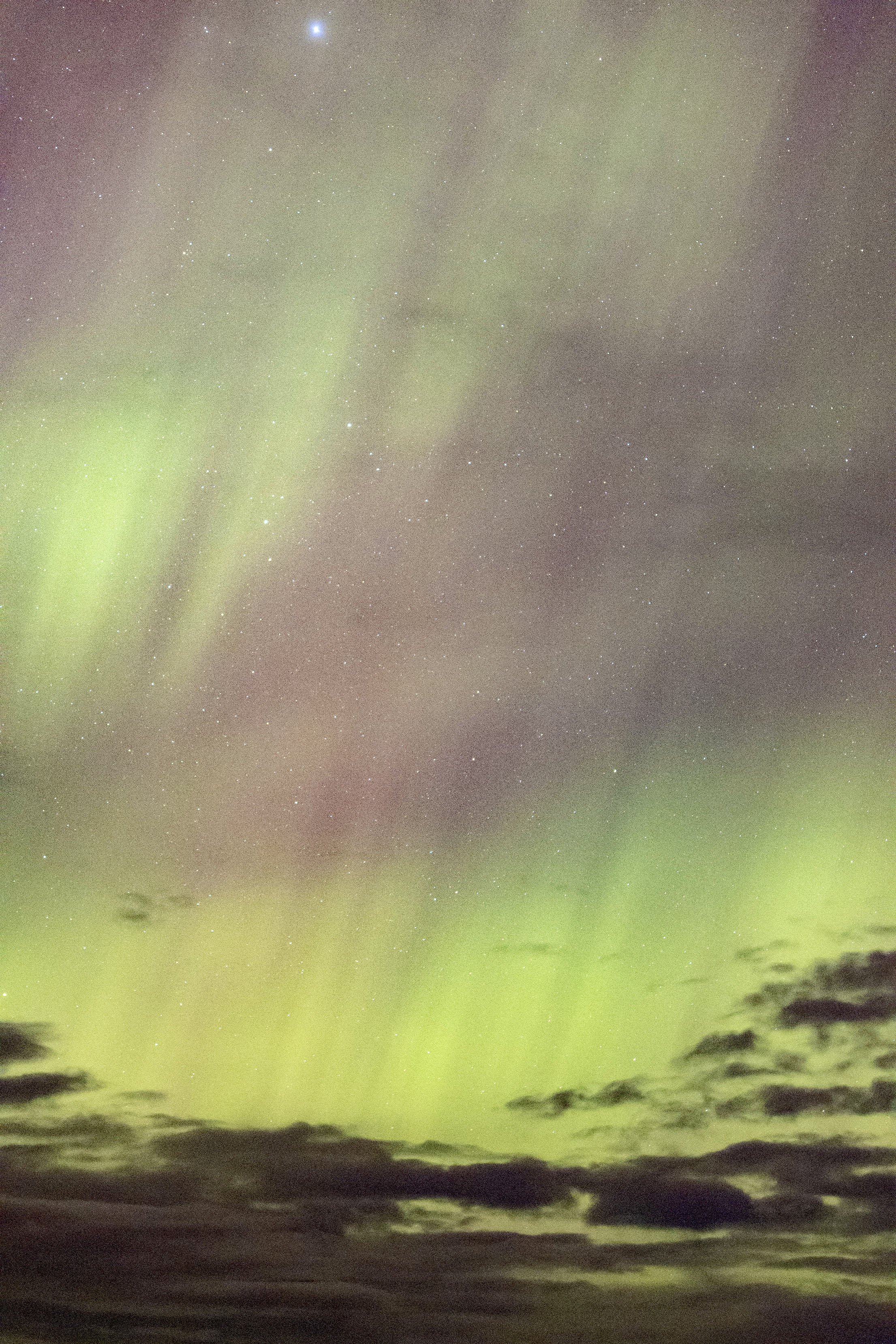
I couldn’t be less of a night owl. Unless something exceptional is happening, I’m tucked up by 11pm and asleep minutes later. This means that I routinely miss the northern lights, which appear in the sky above my village several times each winter and early spring, and I wake up the following morning kicking myself at the missed opportunity.

So naturally, when the alert came last week I was already in pyjamas. Luckily I hadn’t yet nodded off, so I scrabbled for thermals, camera and tripod and legged it outside. I could already see pillars of aurora even through the streetlights, so I felt the familiar dread that I’d missed the peak of activity. Still, I was grateful to be seeing this crazy phenomenon that I so often sleep through.

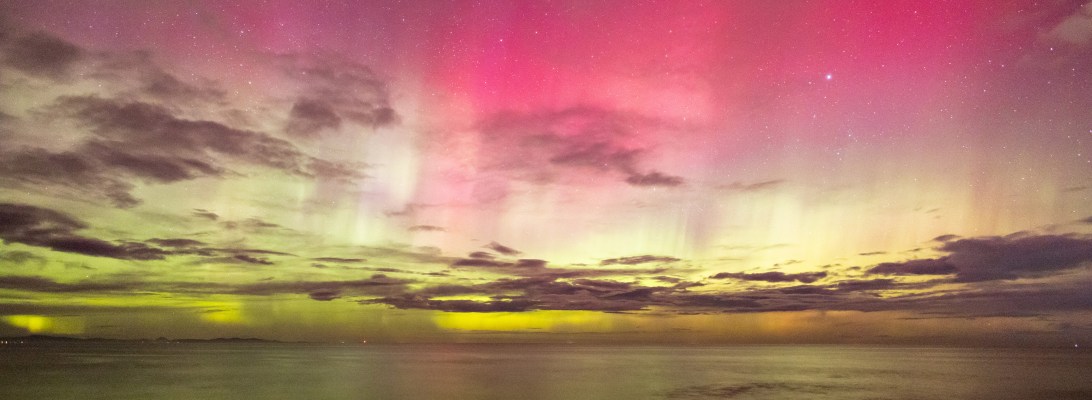
At 23.22 something caught my eye right over my head. I thought it was either a shooting star or one of my extensive collection of eye floaters, but when it didn’t stop I realised it was the aurora. Bizarrely for Scotland, the beams had stretched all the way up the sky and were flickering in so many different directions that I couldn’t look at them all at once. A massive diagonal column slanted to the side of me and a narrow band pulsed above me every few seconds.

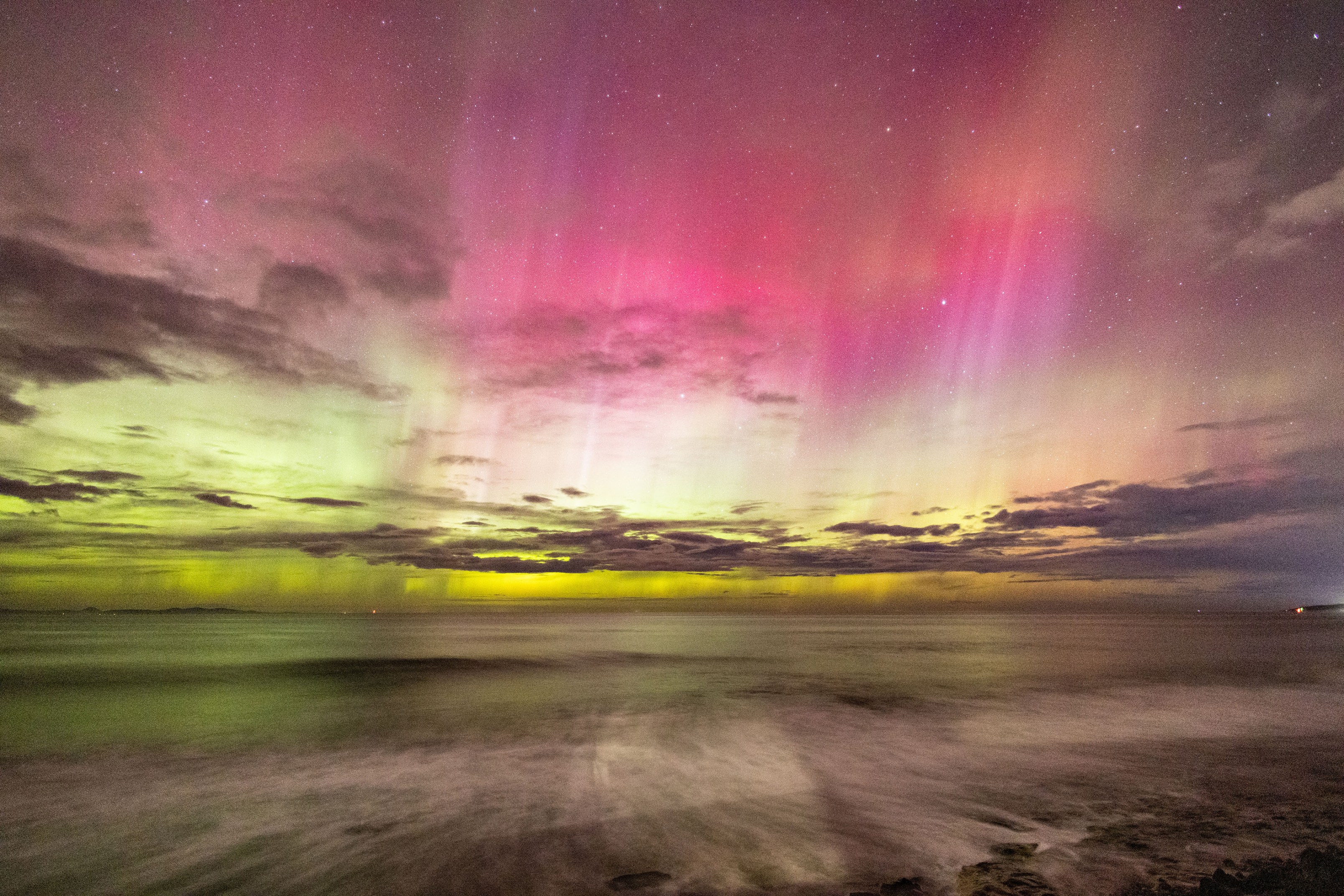
In my bleary-eyed confusion, I’d grabbed a lens that was a bit too cropped for landscapes, and while I got some interesting close-up shots of the pillars, I was keen to photograph the whole sky. So I gallantly ran home (up a very steep hill I might add) to switch lenses. I arrived back just as the sky turned raspberry. I couldn’t see that colour of course, but my camera picked up a vivid blush across the entire horizon, layered above the more usual green aurora.

Some folk say they can see the colours but I’ve never been able to, not even when I watched the northern lights in Arctic Norway. I don’t mind seeing silver instead though – what I love most is the movement. Wisps of light being blown by an undetectable wind is the most surreal thing I’ve ever witnessed, and I jumped up and down in the pitch black with my hands clapped over my mouth until well after 1am.

I said I didn’t stay up late unless something exceptional was happening, and that display qualified. I was a wide-eyed night owl at last. 

On The River

As habitats go, a river is a particular favourite of mine. Not only does it make one of nature’s most soothing sounds, but it’s usually a hub of wildlife activity.

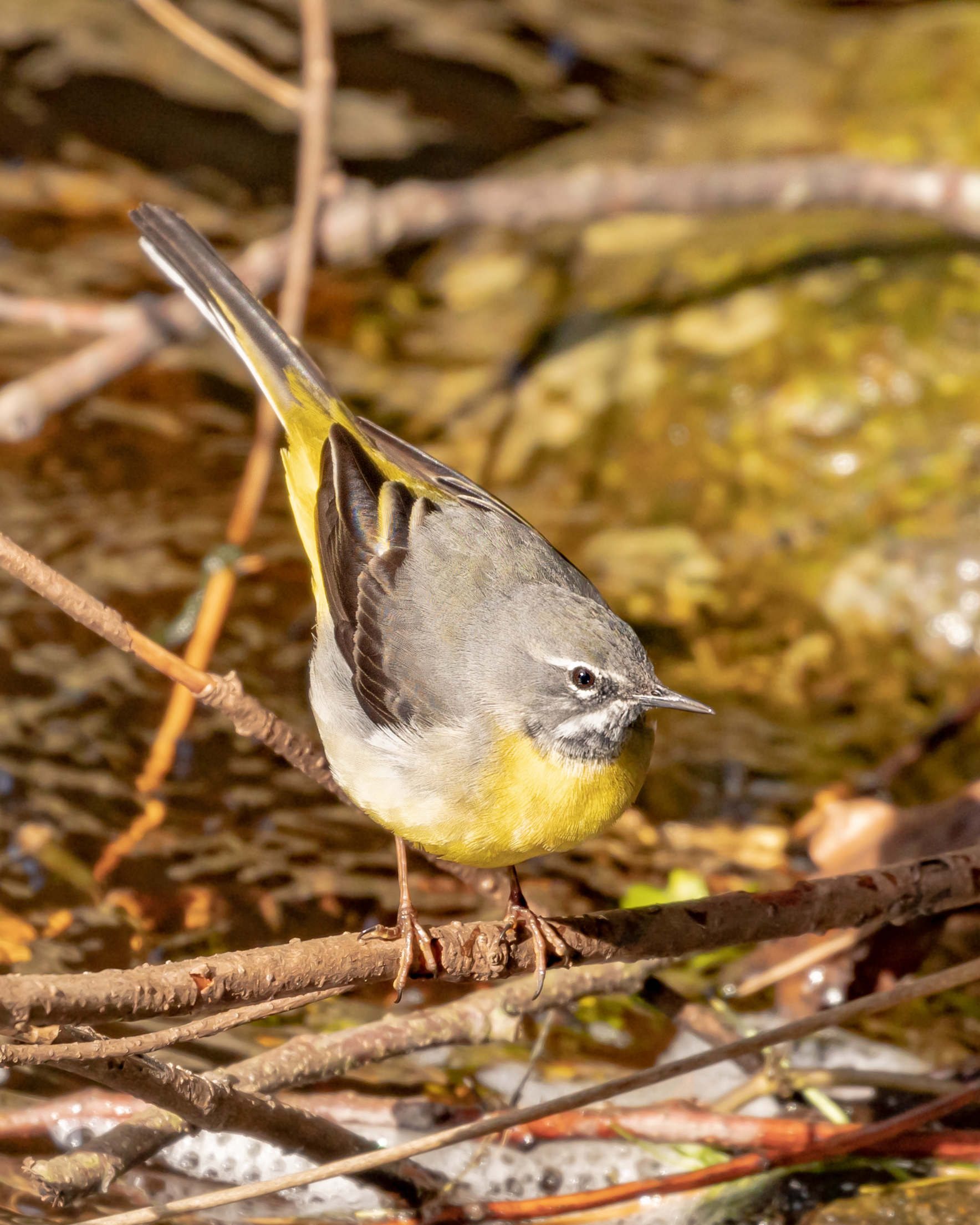
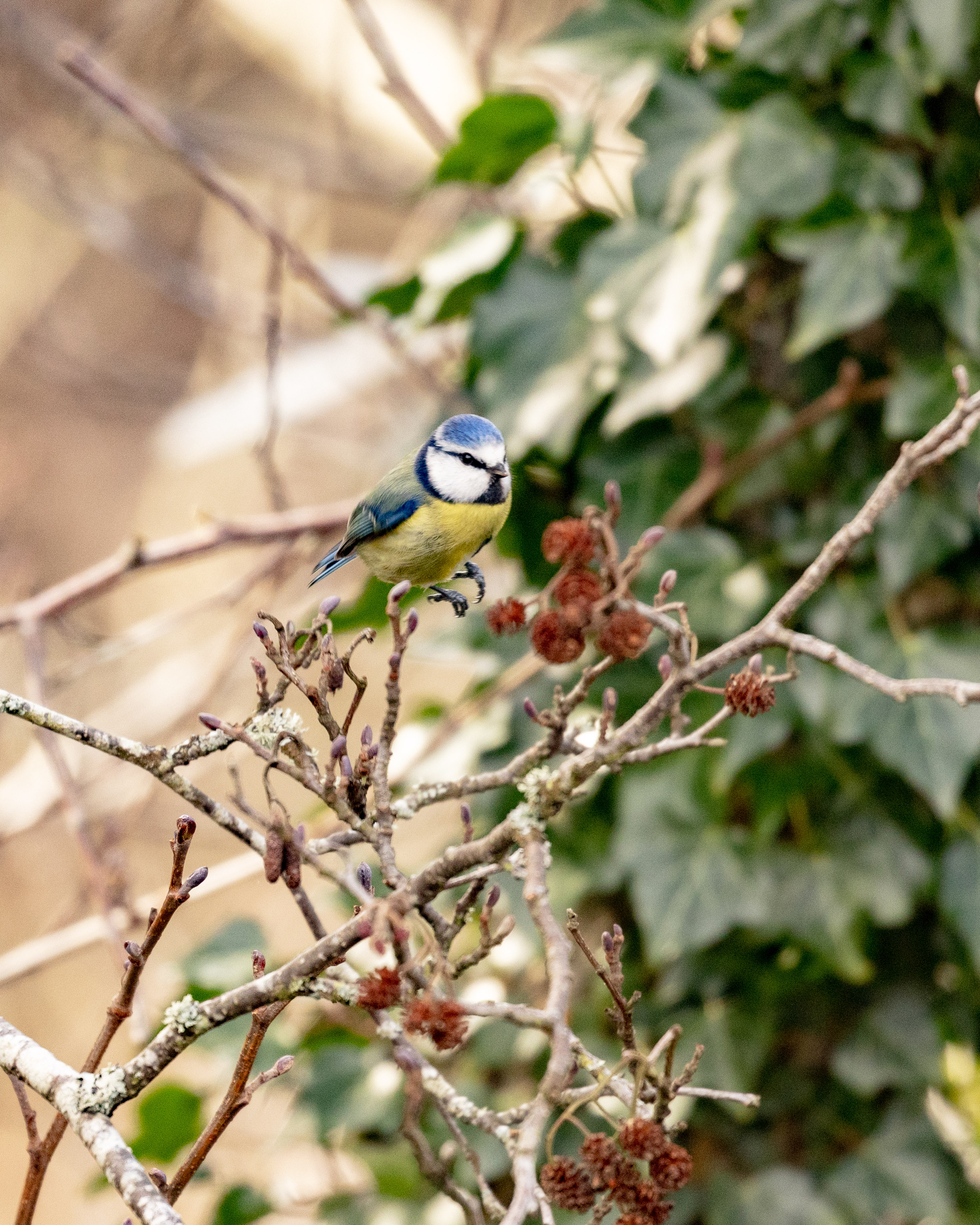
When I arrived, the first bird to catch my eye was a blue tit, which was loudly serenading everyone around it with its ‘tea-tea-lily-lily-lily’ call. Beneath it, flickering from rock to rock, was a grey wagtail. Similar to other river-dwelling birds, grey wagtails have a high-pitched call that cuts through even the chattiest of rivers. 

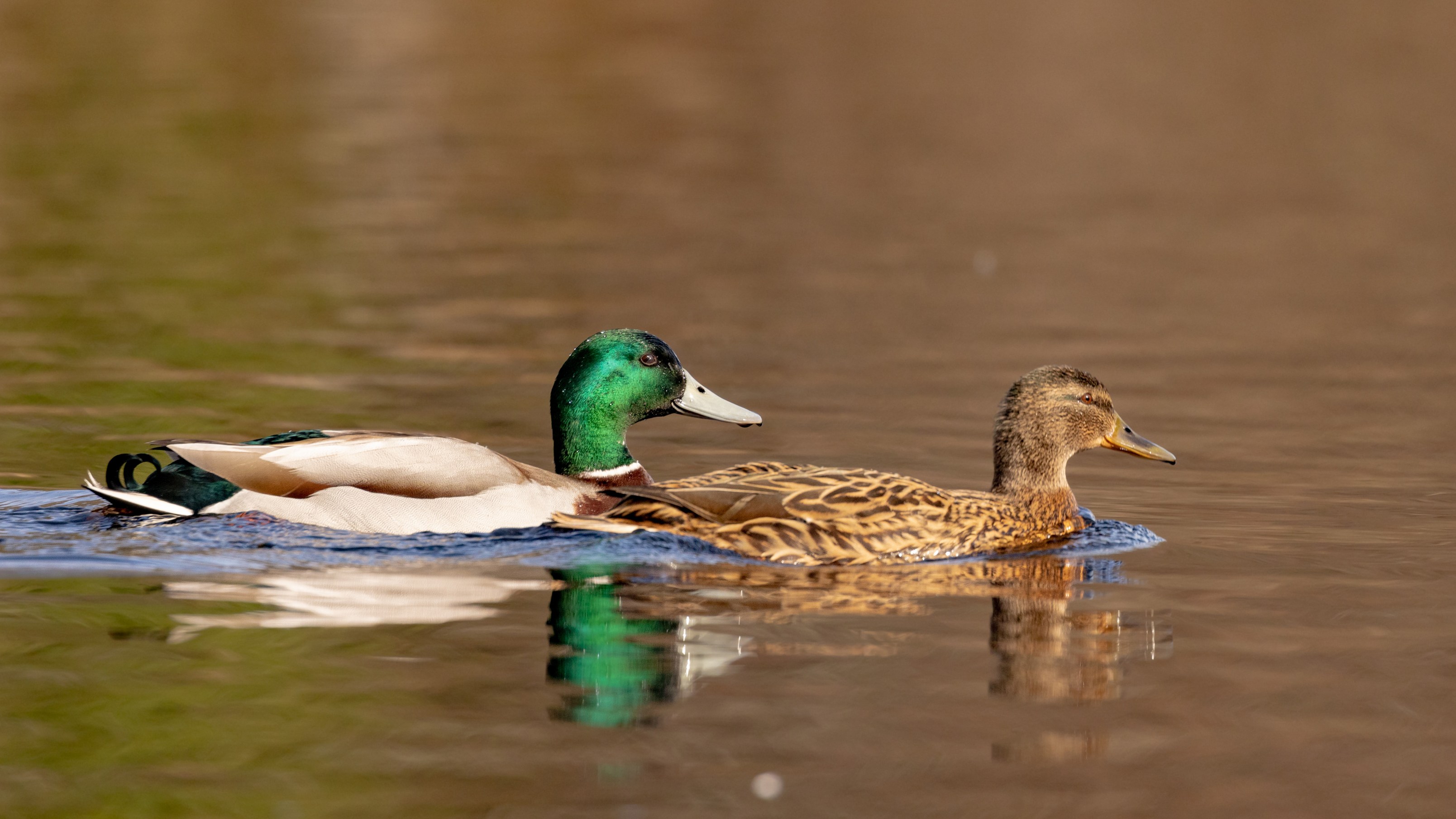
On the calm pond beside the stream, a pair of mallards swept around in slow circles. Surely one of our most under-appreciated beauties, the male mallard shimmers in direct sunlight.

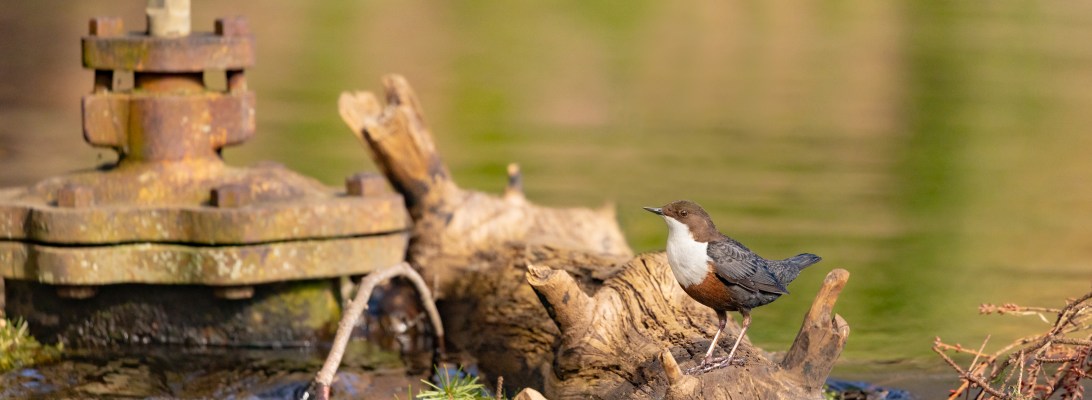
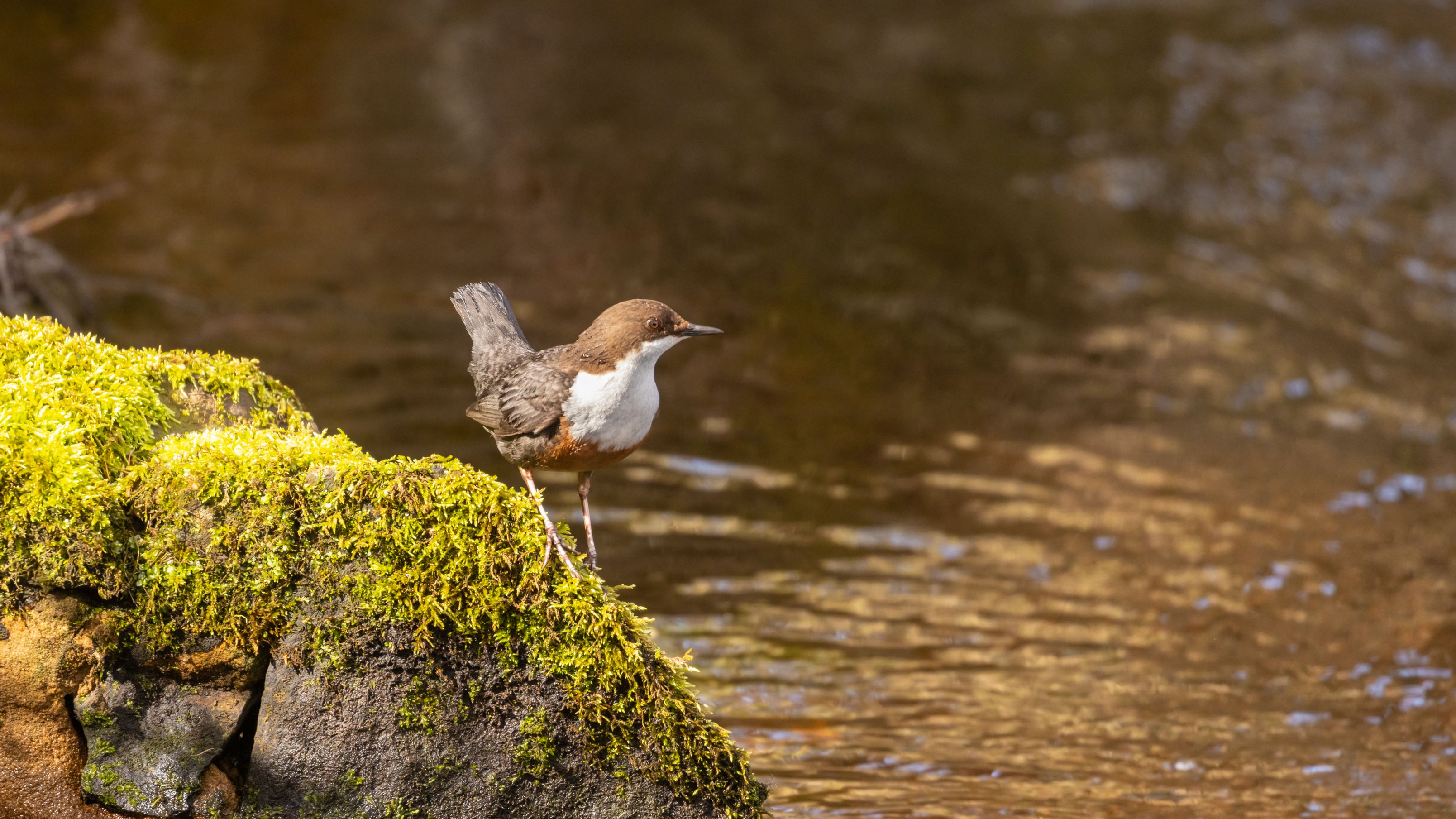
I’d come to the river especially for dippers. This patch has a Rocky Road structure of stones, logs and twigs jutting out of the water, providing countless opportunities for perching and dipping.

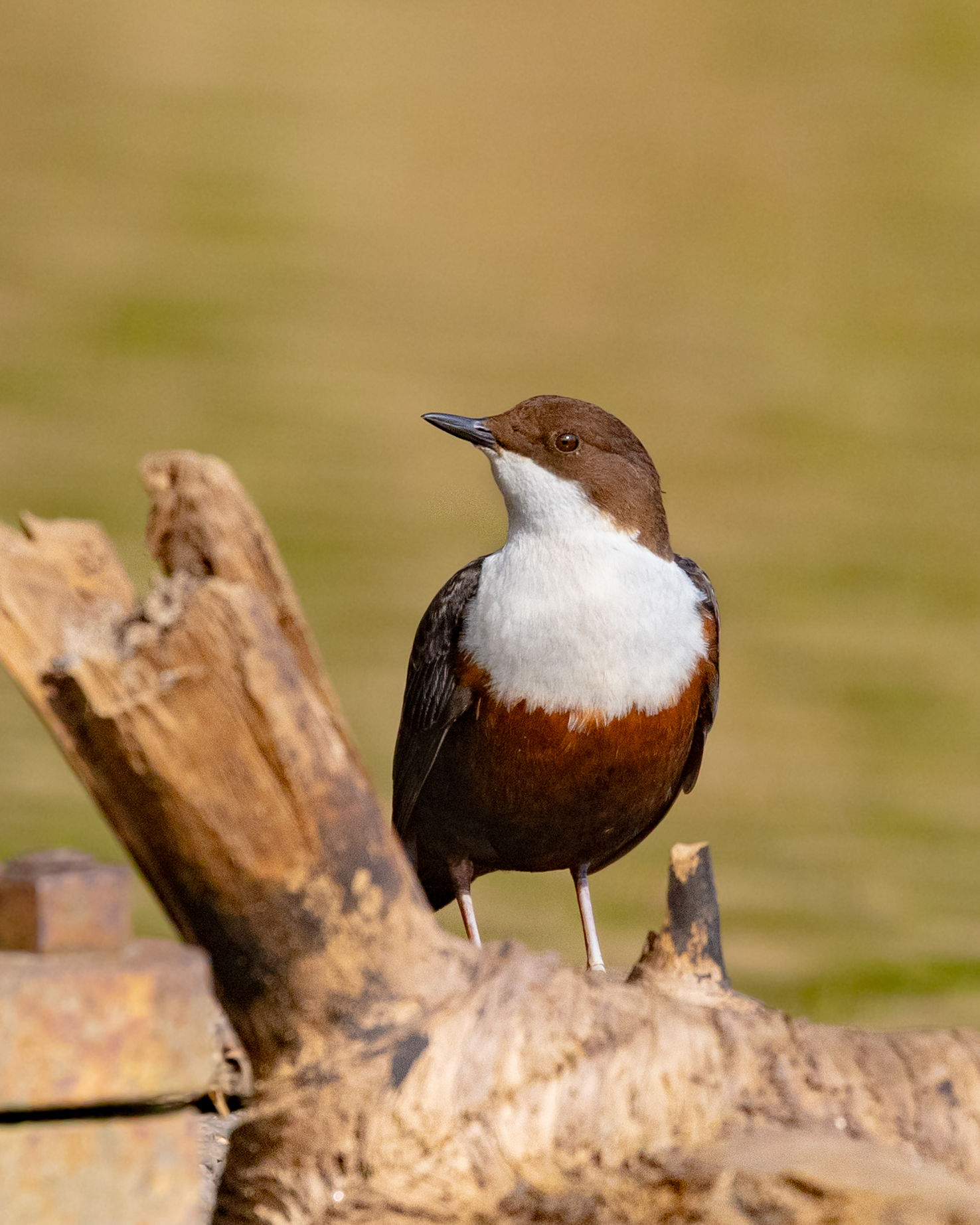
On some occasions, I’ve had to settle on the bank and wait a while for the flash of brown and thrum of stumpy wings as a dipper zoomed by, but today I timed my visit perfectly. Just as I was peering along the water channel for a white bib, a dipper came zipping past me and landed several feet away.

I crept closer and watched as it ducked down behind its perch until only the top of its head was visible. It emerged holding an enormous clump of moss in its bill. With another dip, it sped back downstream, returning minutes later without its foraged cache.

For the next hour I watched a pair of dippers gather moss almost continuously. I’m always heartened and impressed by the diligence of some bird parents. Chicks were obviously on the way, and they would have a luxuriously cosy nest ready for them when they arrived.    


Spring draws to a close

I’m currently writing a Slow Travel Guide to North East Scotland, which will be out next spring. The thing about writing this book is I’m spending every working moment on it but won’t have anything to show for my efforts until it’s published. Until then it looks like I’ve fallen off the face of the earth. As we’re almost at the end of spring, I thought I’d finally resurface and reflect on what I’ve been up to over the past couple of months.

Inchrye Lodge

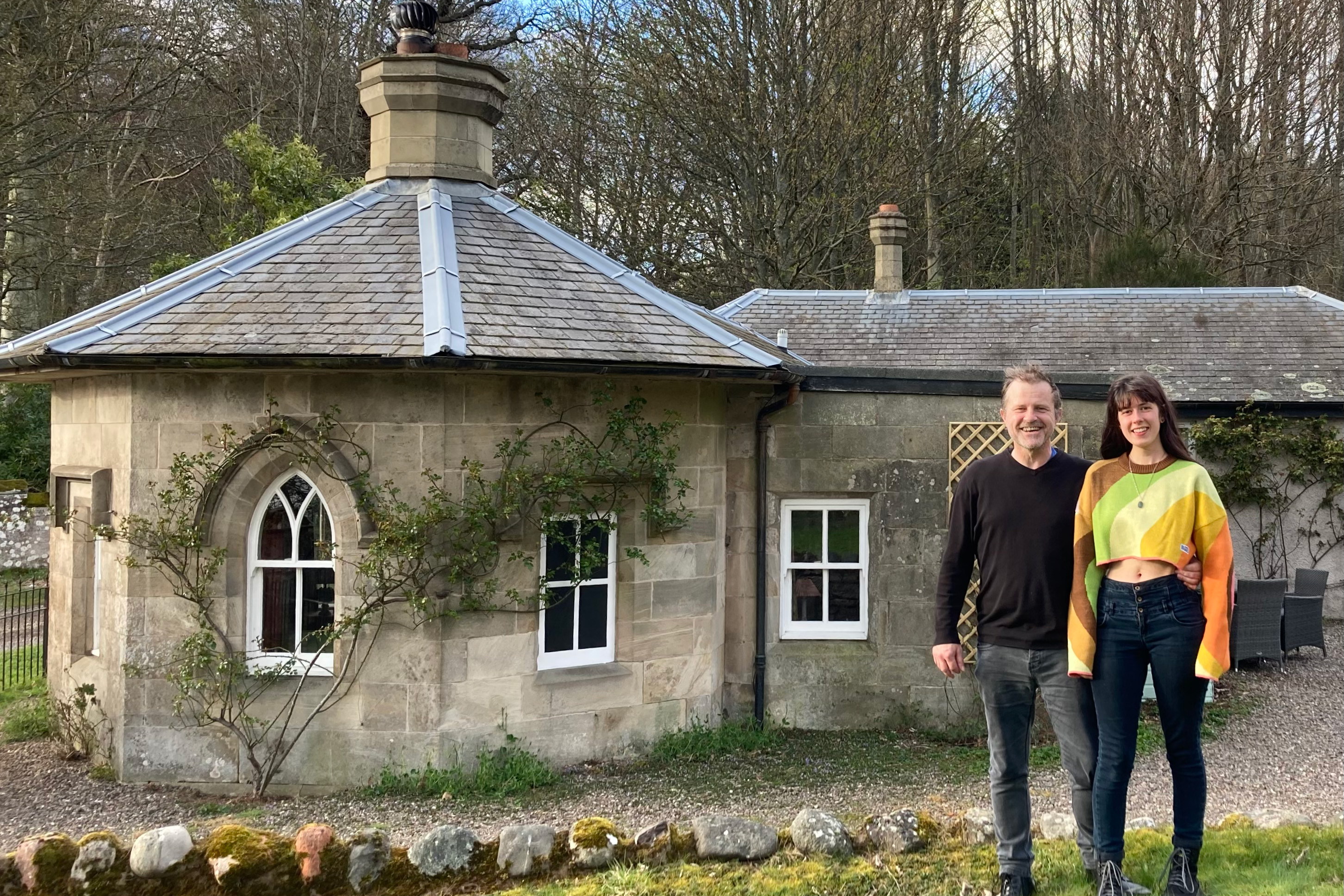
At the start of April I travelled down to Fife for a week. This was a particularly special holiday as I returned to the same cottage in the first part of Scotland I ever visited, back when I was eight years old. It was fantastic to be back and I realised just how much my wildlife knowledge has improved since that first visit. During my time in Fife I also visited the Audubon exhibition in Edinburgh, one of my favourite cites, and the incredible Topping bookshop in St Andrews.   

Stonehaven

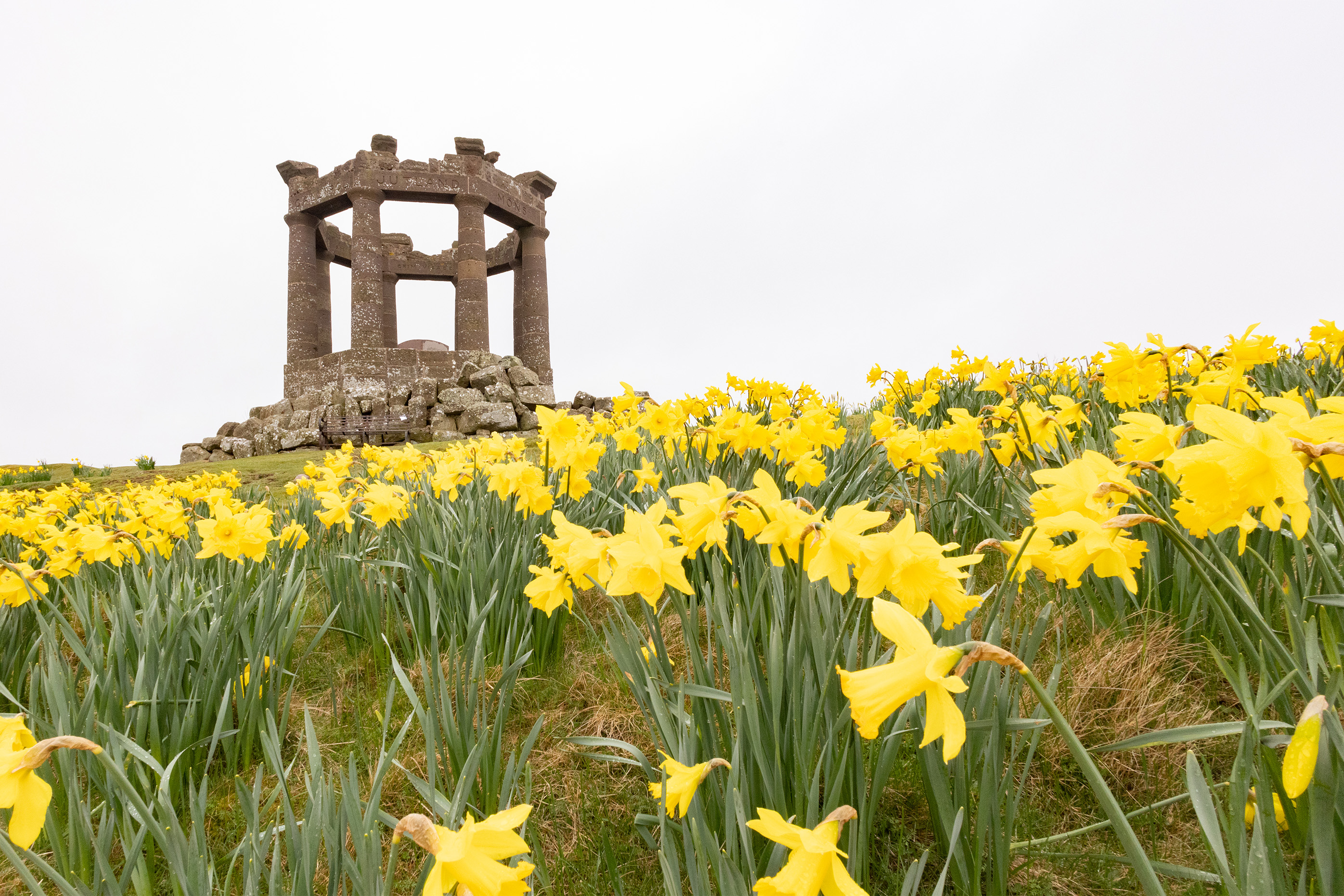
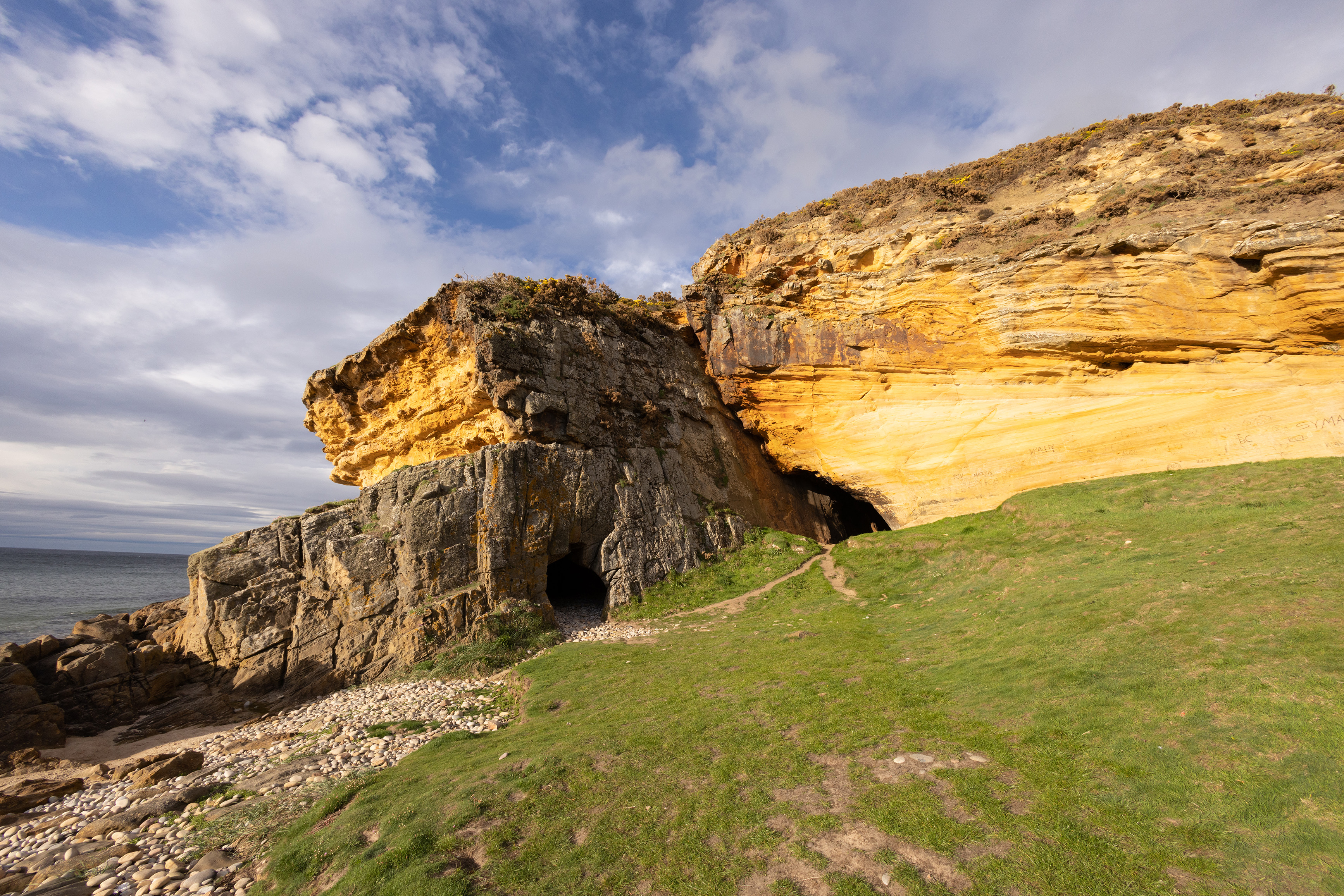
On my drive back up from Fife I got into Book Mode again and stopped off in Stonehaven, a beautiful harbour town south of Aberdeen. I walked around the harbour and along the coast path and found a stone igloo decorated with thousands of shells hidden within Dunnottar woods.

Cairngorms Trip

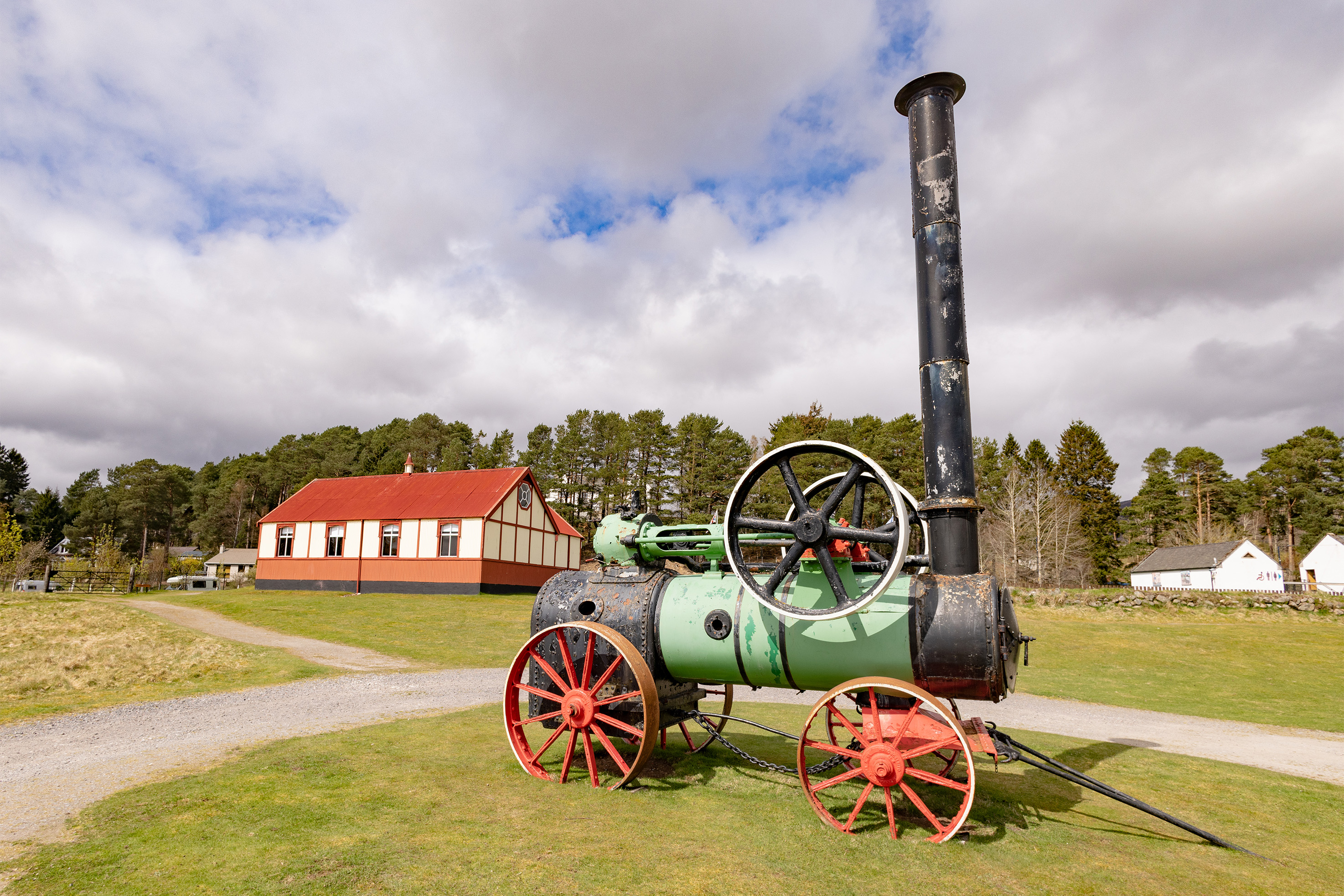
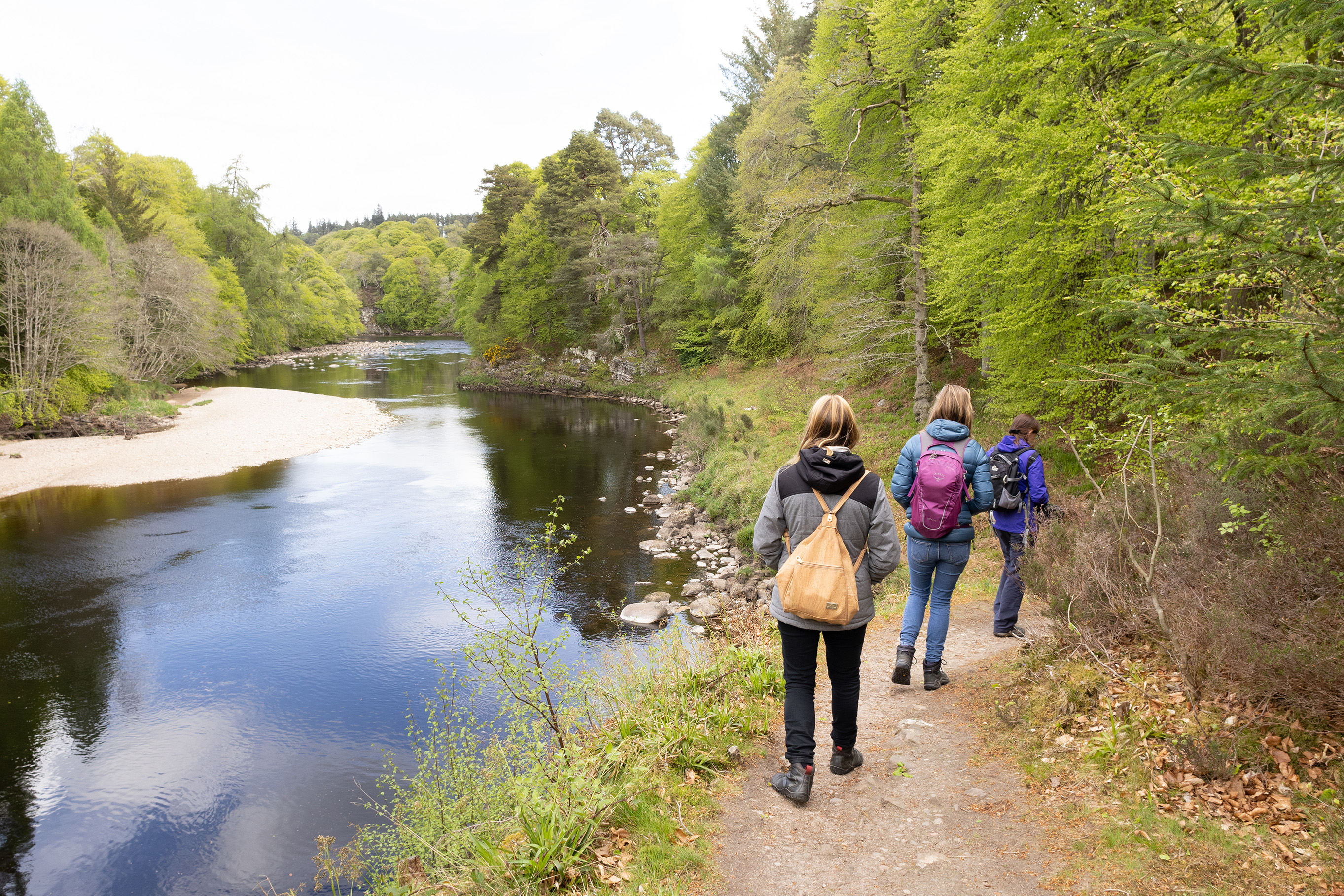
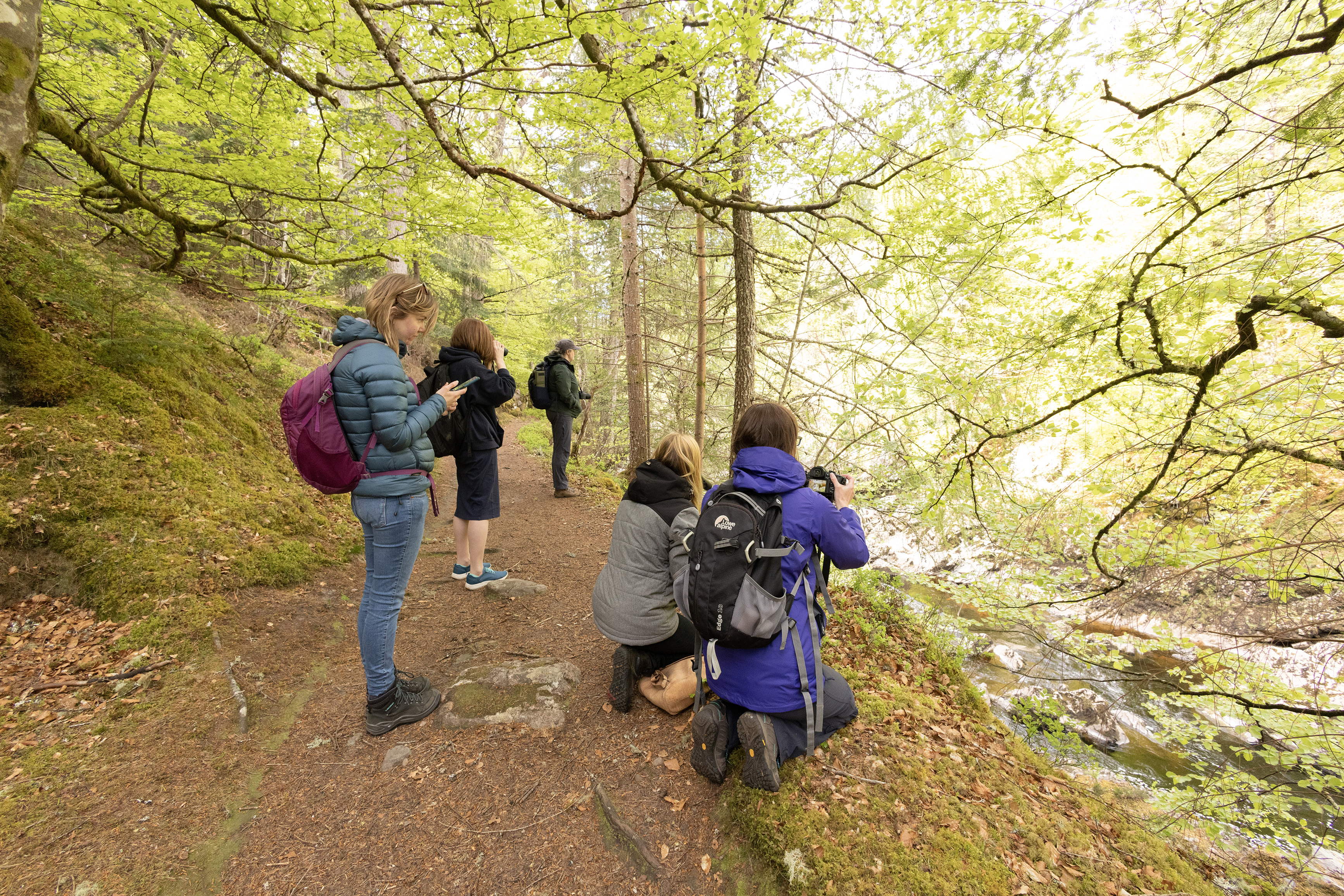
At the end of April I was off on another book trip, this time back to the Cairngorms. This has been my favourite section to visit and write about so far. Although I’m very attached to my home in Moray and have been so impressed by Aberdeenshire’s coastline, it’s the ancient Caledonian pine forests of the Cairngorms that have really taken hold of me. During my time in Boat of Garten and Newtonmore I visited the amazing Highland Folk Museum, discovered the Green Lochan – so named because the fairies wash their green clothes in the water – and had an incredible hide encounter with four badgers!  

Mindful Creative Retreat

At the start of May I had a brief break from book writing to take on another exciting project. Last summer I co-hosted a Mindful Creative Retreat on the Moray Coast. It was a great success so we held another one this year. The guests really enjoyed unwinding from their own work and commitments and dedicating time to nature writing, mindful photography, breath work and even outdoor yoga each morning. I benefitted from the experience too and found the process of slowing down and being in the present moment so rewarding.

Peterhead

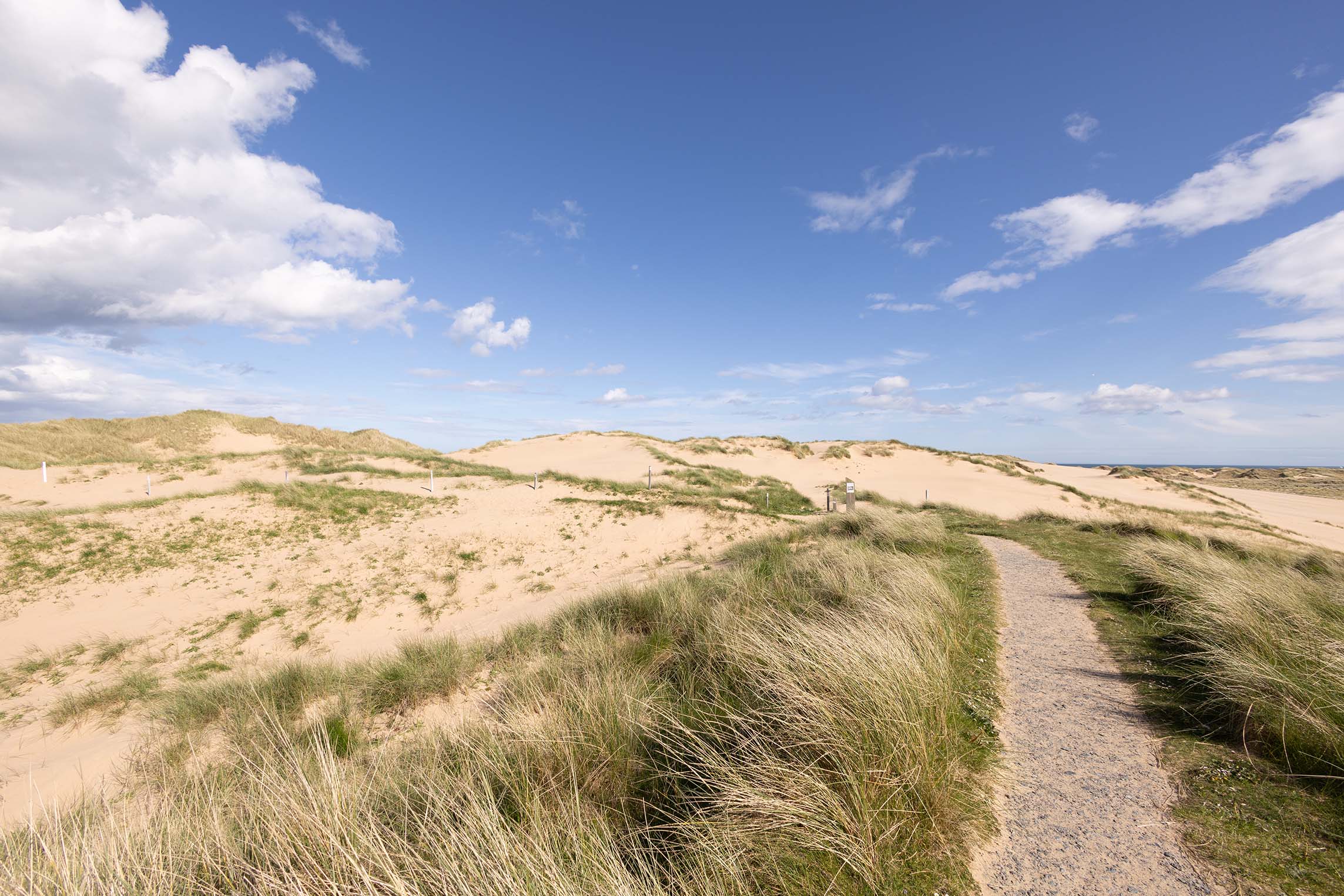
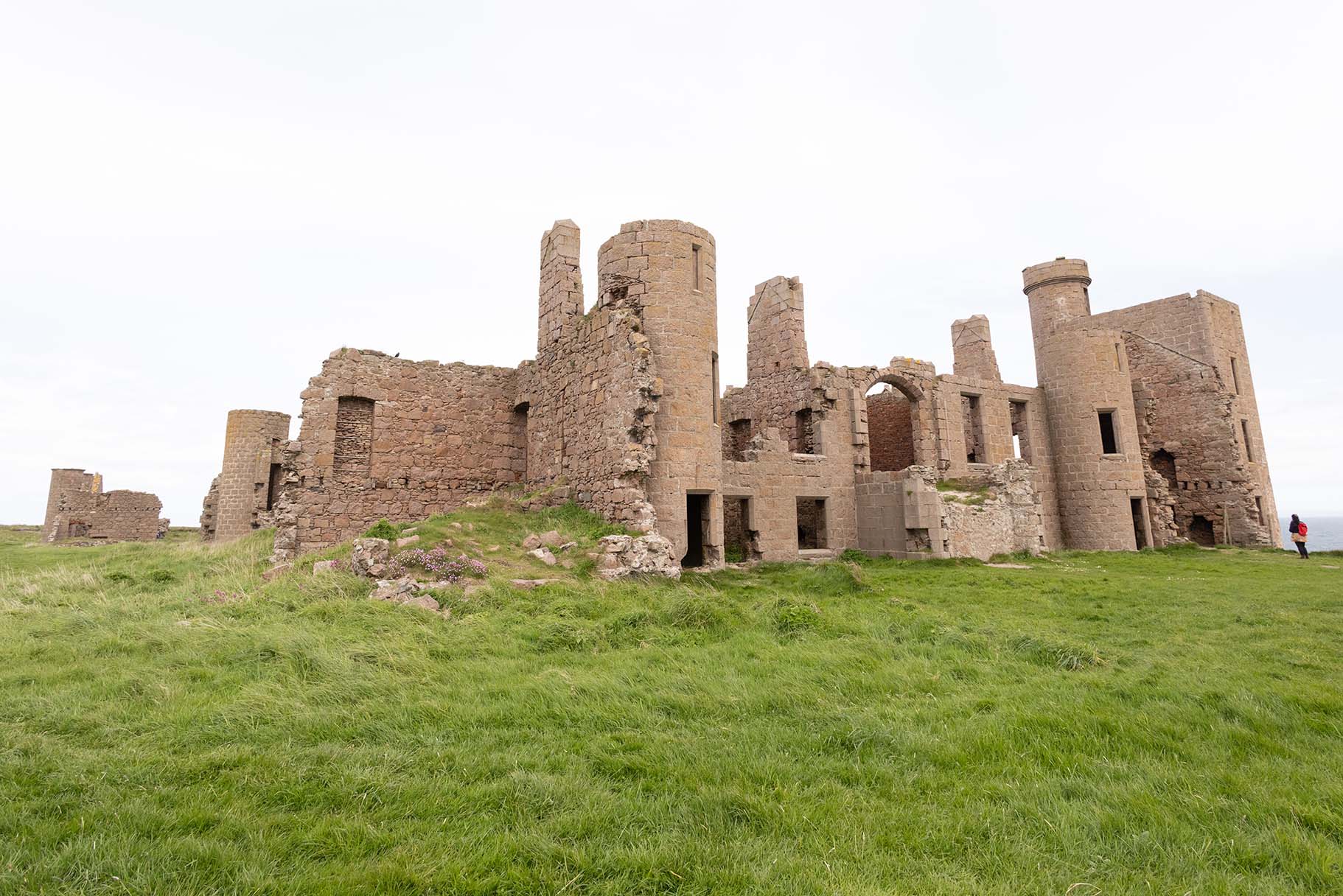
And finally, last week I had another book trip back to Aberdeenshire. My friend Kim, who I co-hosted the retreat with, kindly offered me a place to stay in Peterhead, which was a great base for exploring more of my new favourite coastline. I visited Peterhead Prison Museum and Slains Castle (which was inspiration for Bram Stoker’s Dracula castle), walked barefoot through the wind-sculpted dunes of Forvie and even managed to see a couple of distant puffins.

As we move into summer and I carry on beavering away with my book, I hope I can maintain the mindful practices I explored during the retreat and make them a regular part of my routine.  

The Whisper of a Stream


Once restrictions were eased in Scotland and I was given a precious piece of freedom to venture outside of my county of Moray, I planned a day trip to the Cairngorms. One of my favourite sounds is the whisper of a stream in a forest – it’s the epitome of fairytale magic for me. So when I arrived at Inshriach Forest on the western flank of the Cairngorm plateau and heard that incredible sound, I made a beeline for it. I passed other people heading up a rocky hill trail that would take them into the mountains. But I’m more forest sprite than mountain goat – my place is at ground level.

A very Scottish landscape!

Inshriach is part of one of the Cairngorms National Park’s eight National Nature Reserves. As well as ancient Caledonian pinewood it contains mountainous and heather moor habitats too. Scottish rarities such as crossbills, red squirrels and crested tits are found there. There’s also the possibility of seeing golden eagles over the mountains, but I had my eyes on the ground rather than the sky.   

A trodden grass trail broke away from the main track and I followed it, only briefly distracted by chaffinches and a characteristically vocal wren. The sound grew louder until eventually I was close enough to see the water sparkling in the bright sun. It was gorgeous. Allt Ruadh it was called – a tributary of the River Feshie.

Dumping my rucksack, I knelt at the edge and dipped a hand. Just as icy as I suspected. I always feel an urge to swim in wild water or at least wade knee-deep, but even with the sun it was far too cold for me on this occasion. Still, just to see and hear all that stirring water was a treat. I settled on the bank and crossed my fingers for dippers. 

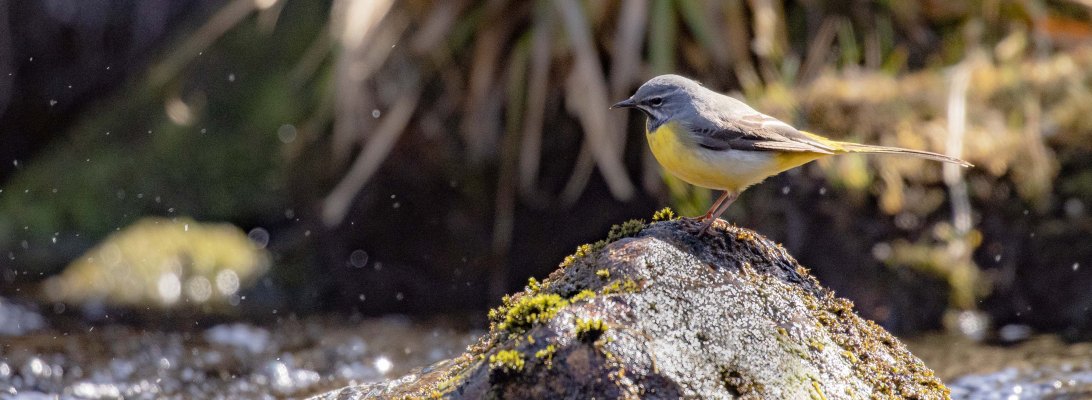
I spent several hours there, reminded of the time only by my rumbling stomach. As I leant back against the rocks with my soup flask and watched the rapids churn up white froth, my gaze caught on a flash of yellow. A grey wagtail! It was standing in the centre of the river, bobbing its tail and fluttering from rock to rock. After examining each one around me, it flew to the top of a Scots pine and began to sing. I’ve seen many different birds using treetops as a singing perch but never a wagtail, so it was both a surprise and a privilege. Its song was so loud I could hear it above the stream.

I suppose this is how I meditate. I can’t sit in a lotus pose, close my eyes and listen to drum music – my mind just wanders to deadlines and errands. But if I disappear into the wild and fill every one of my senses with nature, I forget all the admin and sink into the closest meditative state I can manage. It helps if there’s no service because it means my phone is useless. Having no connection to the material world could be scary I suppose, but if I stay safe and pack accordingly I can enjoy complete solitude and peace, if only for a morning.

April Whirlwind

I’ve been a busy, quite tired bee recently! April has gone by in a flash and no matter how long I spend at my desk, the length of my to-do list never seems to change. This month I’ve been hard at work on a few different projects which I can’t wait to share. Fortunately I still managed to squeeze in some much-needed nature time, so here are some of my recent highlights.


I was thrilled to have a second article accepted by Oceanographic magazine. In July last year I visited Troup Head near Aberdeen, which is home to a vast colony of gannets. Soon afterwards I met Tim Marshall, who first visited the site in 1988. Back then there were just four gannet nests – by 2013 numbers had reached 2885 occupied nests! I was so excited about seeing these gorgeous seabirds up close that I wrote a story about them, which is now published on Oceanographic’s website alongside my photos.

There’s been a running joke for a while that I have awful luck when it comes to seeing roe deer. For many people, in Scotland at least, roe deer seem to be ten a penny. They’re one of my favourite animals but for some reason my sightings are very rare – I’ve actually seen more crested tits than roe deer! As for photos they’ve been disastrous, either dark and noisy or almost indistinguishable behind a thousand branches.
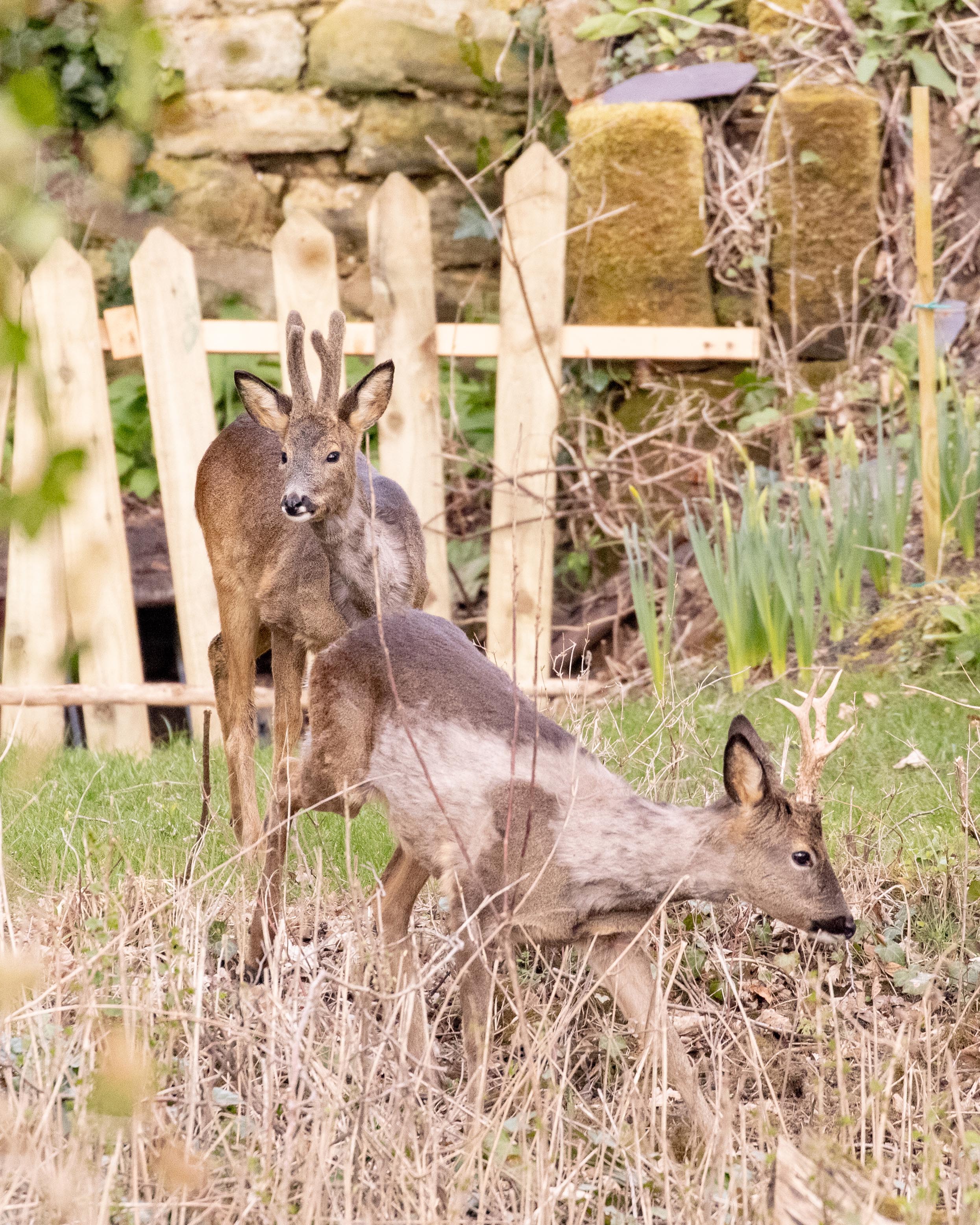
So managing to photograph not just one buck but two simultaneously was an exceptional bit of luck for me. I’d been strolling along the river when the first buck appeared on the far side. Moments later a second buck joined him. It was intriguing how one still had all his antler velvet and the other had none. With the river between us they seemed comfortable grazing out in the open, giving me the clearest daytime views I’ve ever had of this gorgeous animal.

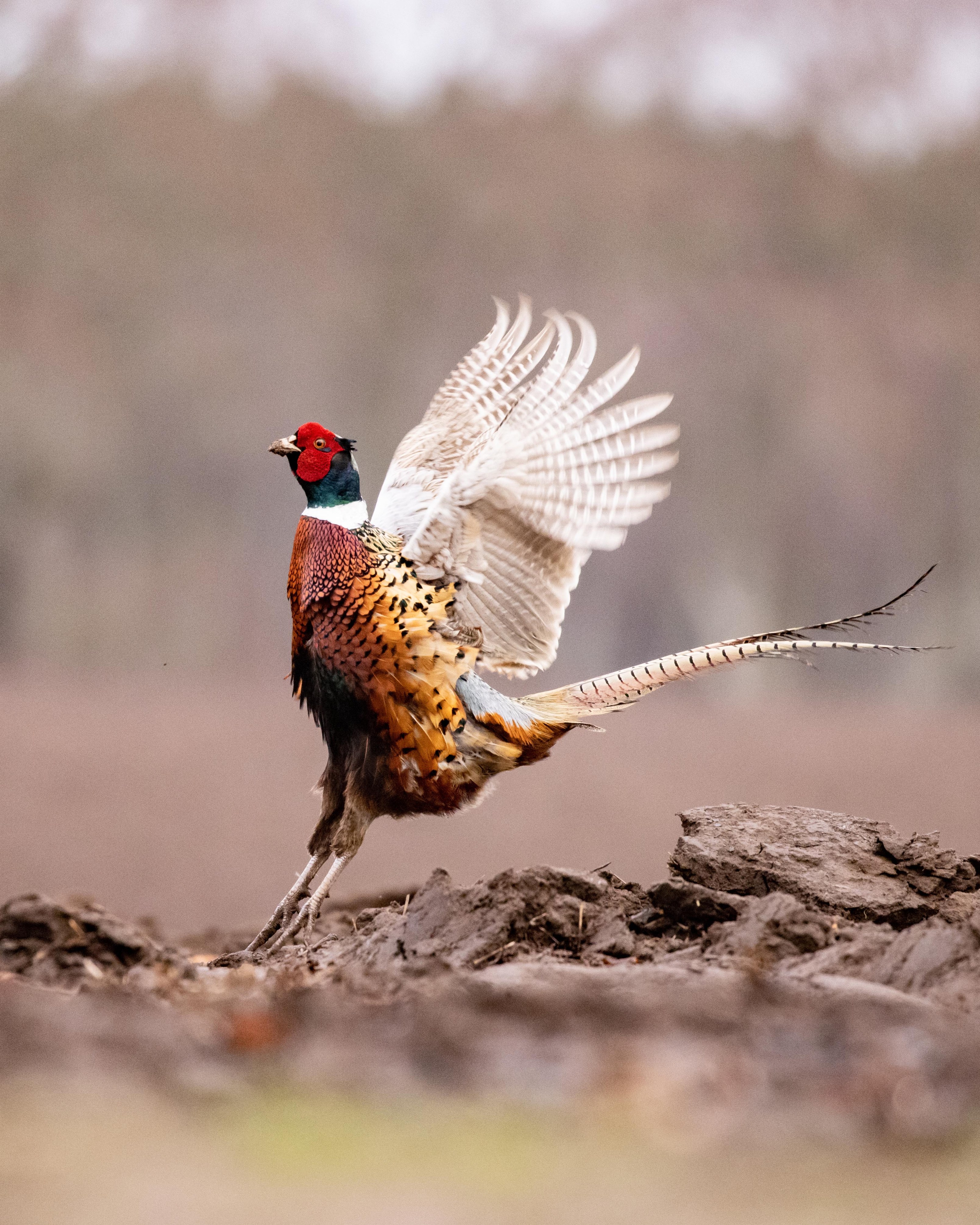
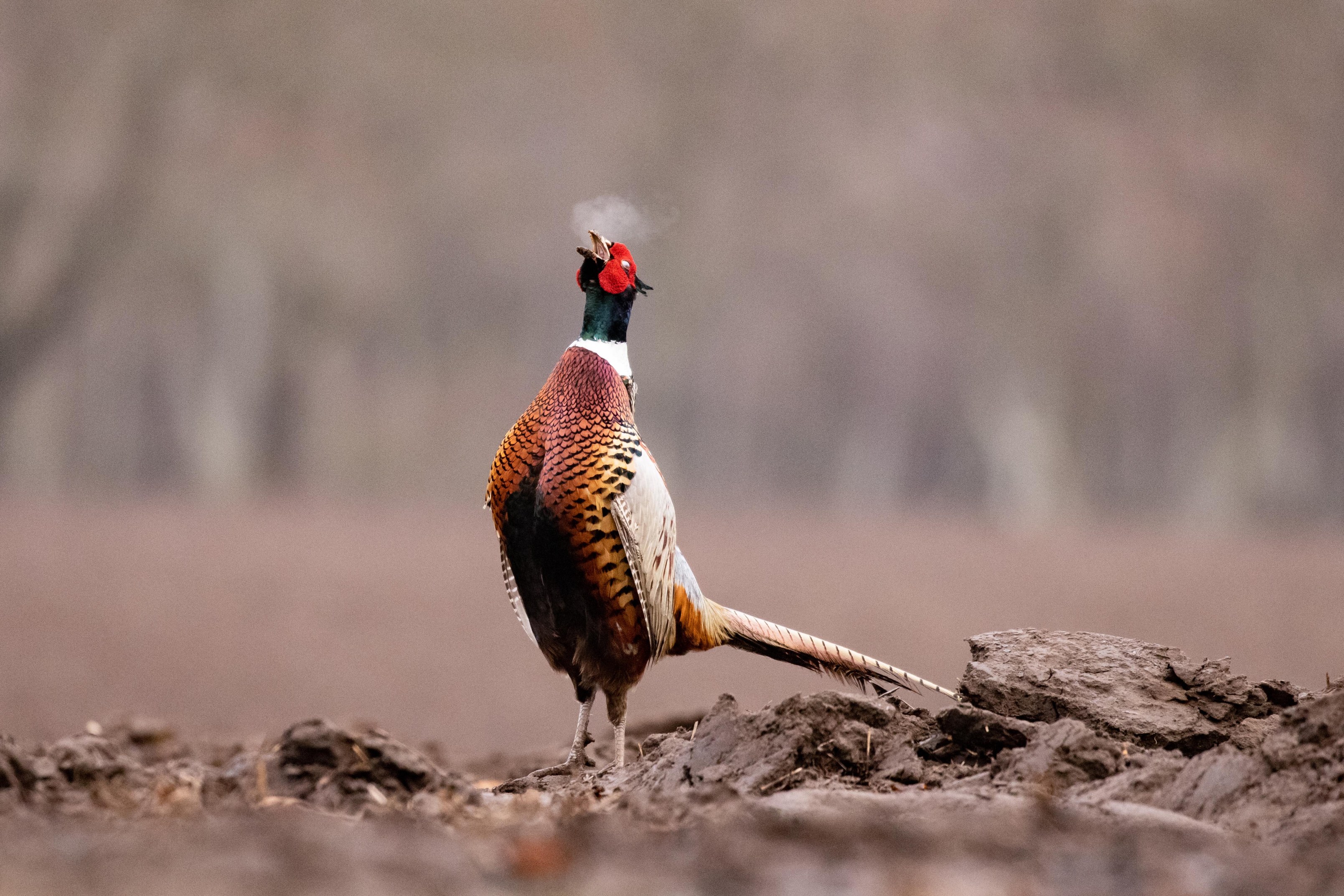
I shared my frankly miraculous encounter with a hare in my last post. That same morning, I also had a run-in with a very handsome male pheasant. I’ve heard pheasants call hundreds of times – that screeching grate echoes through open fields everywhere. But it was only the other day that I discovered what a pheasant does while it calls.

This male was foraging right next to my car window. Every so often he’d stand up straight and lift his head to release that banshee scream, scaring me half to death each time. After calling he would flap his wings, almost like he’d startled himself too. As I hadn’t taken the time to notice pheasants calling before, I hadn’t realised what an excellent opportunity to train my reflexes it was. I had great fun photographing these glamorous poses. Say what you like about pheasants but they’re suave looking birds!

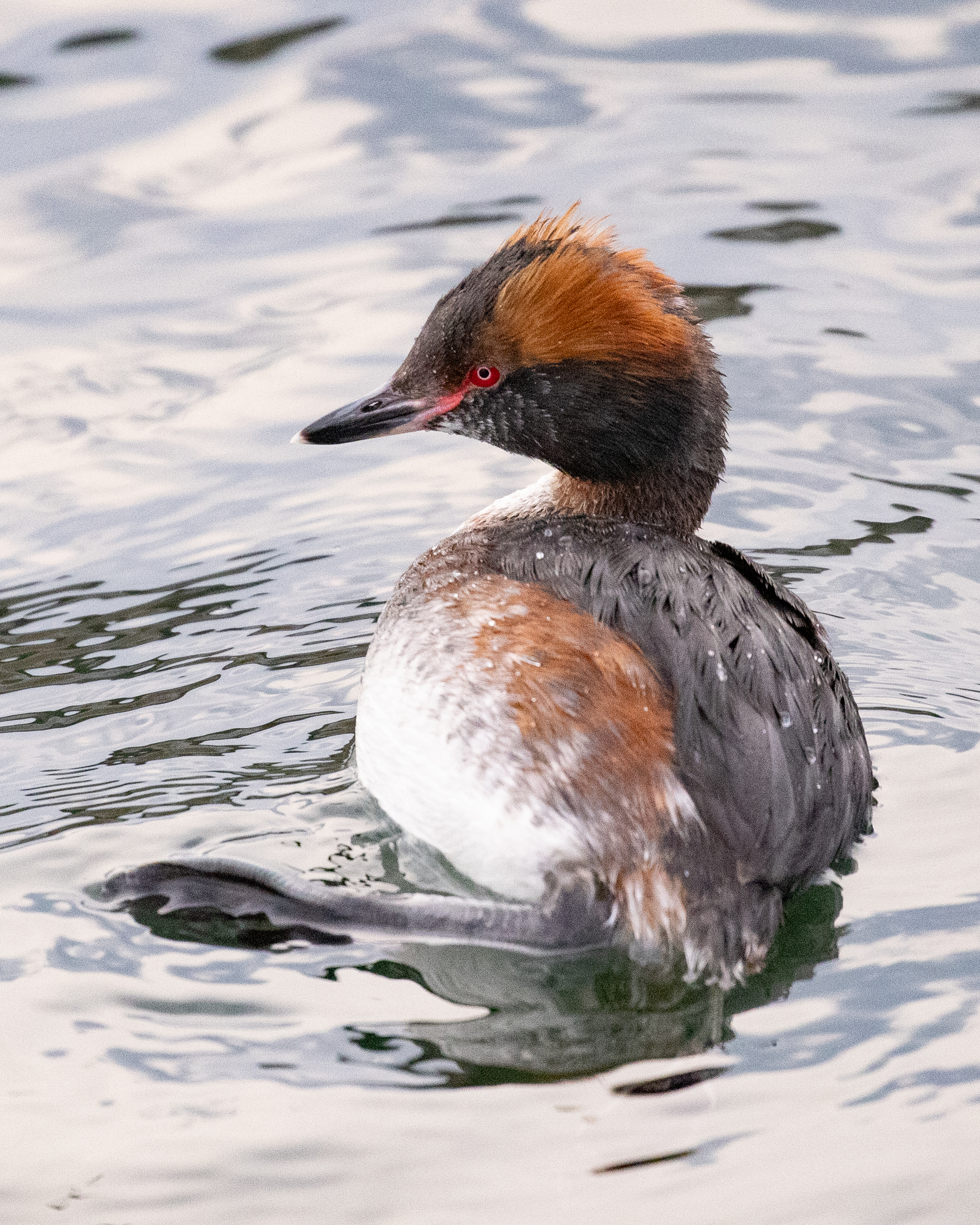
I’ve saved the best wild encounter until last. In fact, I’d say it’s one of my most exciting bird encounters ever, and it happened only 200 metres from my front door. As I was having dinner I got an alert from a fellow photographer telling me there was a Slavonian grebe in the harbour!

Pasta forgotten, I raced down and lo and behold there it was. A harbour was the last place I thought I’d tick off my first Slavonian grebe. About the size of a moorhen, these birds are extremely rare in the UK. They can be seen on a few Scottish lochs but spend most of the year at sea. I felt incredibly lucky to have seen one at all, let alone a stone’s throw from home.

Keep an eye out for my next post, where I’ll be sharing photos from my first trip out of Moray this year. The day featured a trio of herons, a serenading grey wagtail and a mallard making a splash!