Red Morning Ophelia’s Warning

Every morning when I wake up, I trudge to the window and peek outside at the weather. When I did this on Monday, the world was in sepia. A bizarre, yellow hue covered buildings, cars and streets. My sleep-fuddled mind thought perhaps the world was finally coming to an end; Earth had reached the end of her tether with the deadly human virus and was expelling us once and for all.

On my way to uni, I half-expected to see zombies staggering around. It was 9:30am, but the sun was nowhere to be seen. In the canteen all I could hear was talk of the sky and how long we all had left to live. This carried on for some time, until eventually the sky turned blue again. Strangely, the day turned into a beautiful one, and by the time I was walking home it was the warmest October afternoon in a while.

As many people soon realised, the cause of the red sun and yellow sky was Hurricane Ophelia, making her presence known everywhere possible by pulling with her a torrent of dust and tropical air from the Sahara. According to BBC weatherman Simon King, these clouds of dust meant shorter wavelengths of blue light were scattered, giving the sun its red hue.

That wasn’t all in Monday’s sky cocktail. According to the Met Office, the “vast majority” of the dust was an accumulation of debris from forest fires in Spain and Portugal, hitching a ride with Ophelia and spreading north.

So not quite the apocalypse that most of Twitter was anticipating, but the truth is terrifying enough. Hundreds of people have been sharing photos of the red sun and commenting on the weird and whacky events, but the cause of this phenomenon was a hurricane that has claimed three lives and left nearly 400,000 homes without power or running water… and that’s just in Ireland.

It’s easy to forget how devastating natural events like hurricanes are when they’re hitting thousands of miles away. But the aftermath of this storm is still very much a threat in the UK too. The damage that this hurricane, and that of Irma, Jose, and all the countless others should not be shrugged off as a pretty and peculiar occurrence.

Birdfair 2017

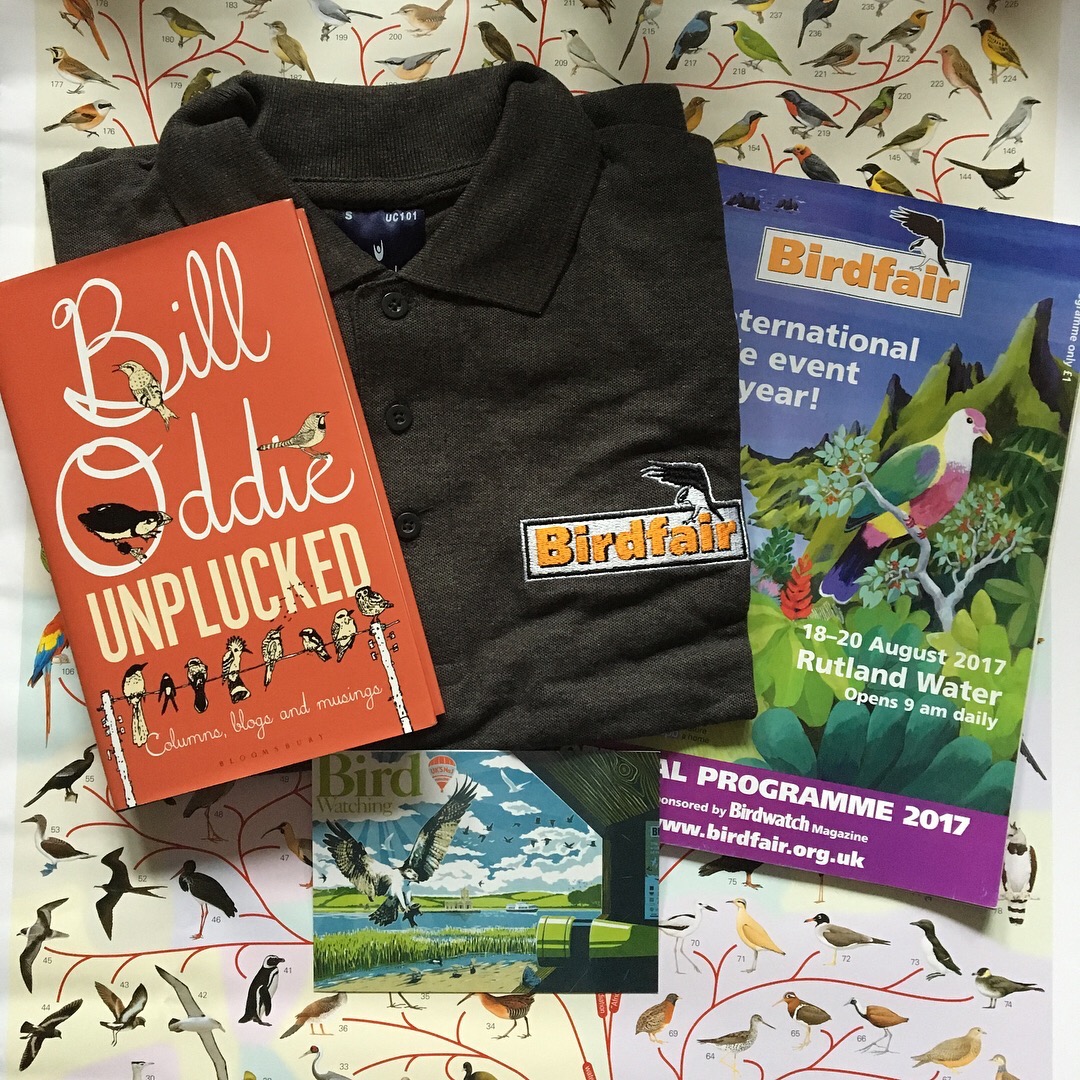
Zahrah and I only managed to attend the third and final day of Birdfair 2016. This year, we were set on squeezing everything we could out of this incredible event. Kerr decided to join us too, so last Thursday the three of us set off for Rutland Water Nature Reserve.

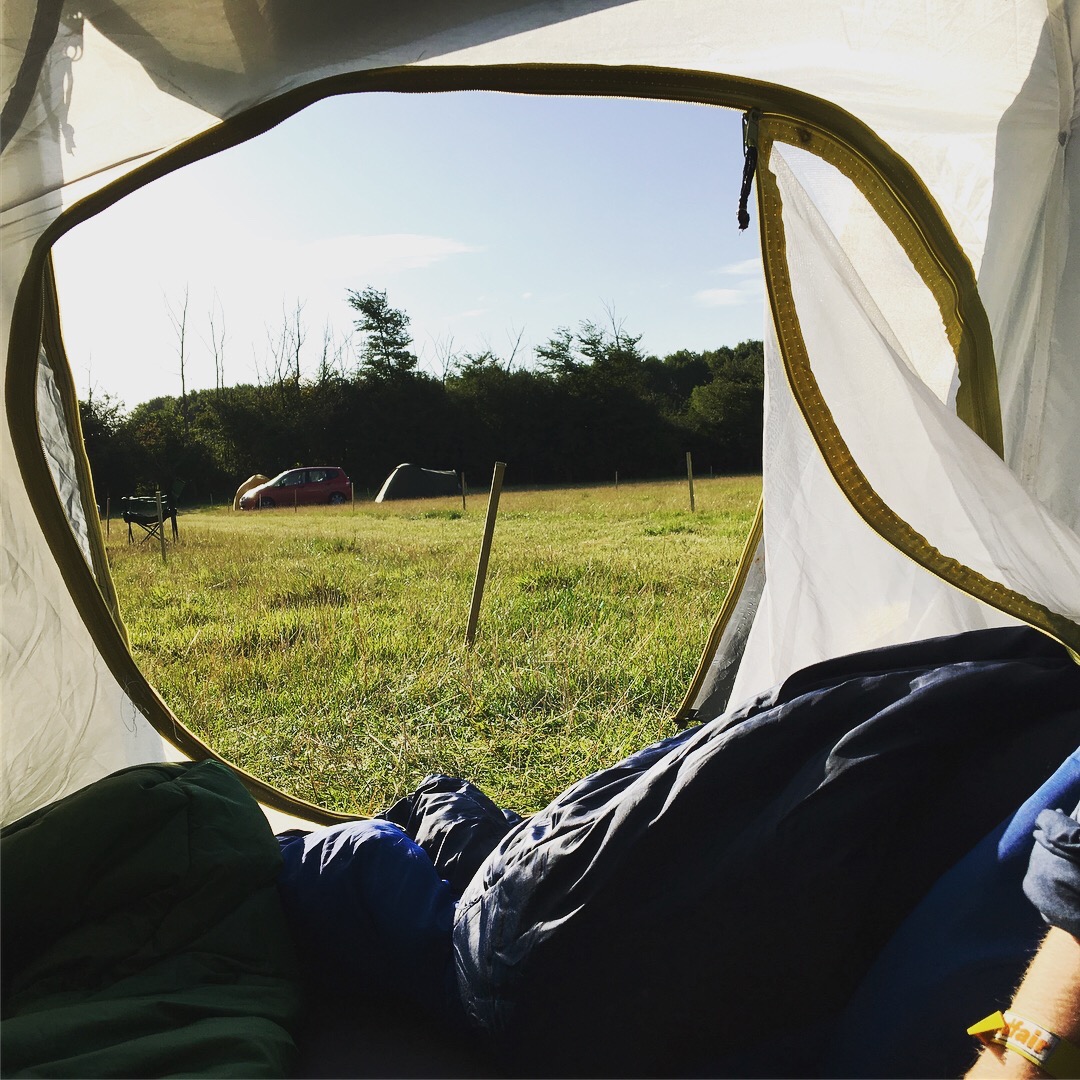
Due to a slight train mishap from Zahrah, it was nearly dark by the time we arrived at the campsite. We met the very charismatic steward and his wife, who cruised around the site on a rather fetching golf buggy and led us to our pitch. Perhaps ashamedly, I’d only been camping twice before, once ten years ago and once last month, so I was excited to get the tent up and spend our first night in the reserve.

IMG_8516

In the morning I woke from a genuinely good tent’s sleep. After eating pots of porridge around the stove we headed over to the fair. As usual, I was overwhelmed by just how much there was to see: eight long marquees, three lecture theatres, the main events marquee and a large cluster of food stalls, merchandise stands and of course, the reserve itself.

After a scan of the programme, we threaded our way through the first marquee. We met a lovely lady from the West Cumbria Swift Group, and I soon realised how little I knew about swifts. Due to house renovations, swifts are losing their nesting sites and should now be red-listed. The fastest bird in level flight, swifts shut down half their brain at a time to enable them to sleep on the wing and endure such long journeys overseas.

In the afternoon I attended a talk on the successes and challenges of conservation. As I listened to comeback stories of black-winged stilts, spoonbills and Manx shearwaters, it struck me how much we all dwell on the ‘doom and gloom’ of wildlife. Of course, it’s appalling how many of our planet’s species are now threatened, but invaluable work is being carried out all over the world and it should be celebrated. The talk inspired me to concentrate on conservation success, not failure, and it’s something I reckon I’ll be turning into a third year project.

IMG_8517

Day two of Birdfair began with some more networking in the marquees. I chatted to lots of lovely people, from the BBC Wildlife team to photographers to those offering amazing wildlife holidays (I lost count how many competitions I entered – bring on the promotional emails). After a delicious pulled pork roll with applesauce, my ultimate favourite, Zahrah and I caught Simon King’s talk. He really is a great speaker. Although it’s often the case at these events that the speakers are merely preaching to the choir, it’s always so good to be reminded just how important nature is. He included a quote from Anaïs Nin that drove his message home: “We don’t see things as they are, we see them as we are.” Mankind has done extraordinary things, some of them terrible, and it’s important not to lose focus on what really matters: preserving this planet. It’s a message I really hope can endure the test of time.

IMG_8518

I was a little sad to wake up on Sunday and realise Birdfair was nearly over. Zahrah and I anticipated long queues for Steve Backshall so we hurried to the fair earlier than usual. The marquee was filled to capacity, with people lining the walls and stuffing themselves into every space. I suppose it’s the nostalgia talking, but I think Steve Backshall is an inspiration. Deadly 60 was perfect, combining boisterous adventure with important messages about wildlife to capture every child’s imagination. In his talk, Steve showed various images of shark species, to which the children sat cross-legged at the front shouted out the names of without a moment’s hesitation. It gave me a fuzzy feeling: these kids absolutely loved wildlife. It’s true that engaging younger generations is undoubtedly the long-term solution for the natural world, and Steve Backshall was doing just that. I couldn’t help but put my hand up for a question. I asked him what species was next on his wish list, to which he replied the snow leopard.

IMG_8515

Before long it was time to go. Kerr had bought the Sony camera he’d been eyeing up for months and at a considerably lower price, so he was happy as Larry. I treated myself to a poster of the ‘Orders and Families of Birds of the World’, which is now hanging proudly alongside my others. Birdfair is one of those rare events where us wildies gather in our thousands to celebrate not only birds, but all wildlife. I know from previous experience that an interest in nature is not a common one, so to meet people from all over the world with the same passions as me is something really quite special. I’m already looking forward to next year.

The Whale and the Freezer

Here’s another article I wrote during my time interning at Student and Graduate Publishing. My colleagues were so interested in the whale project at Tullie House that they asked me to write a piece on my volunteering experience. 

I’ve just finished my second year studying Wildlife Media. It’s really quite a niche course and when I tell people about it I get a mix of surprise, curiosity and almost every time I’m asked if I’ll be the next Attenborough.

A career in wildlife media is seriously competitive, making work experience essential. If you’re interested in nature and conservation take a look at Conservation Careers for inspiration. A lot of wildlife-related opportunities aren’t paid, due to the charitable organisations offering them, so my first two years have been full of volunteering. The thing with volunteering is you never know what to expect, and my experiences have proven that anything can happen.

I’d probably say one of my volunteering highlights this year was cleaning whale bones, something I never thought I’d say. Back in 2014, a massive whale skeleton was found on a beach in Cumbria and taken in by the local museum. I joined forces with two of my course mates to take on the behemoth. There was flesh hanging off the bones and they smelt nothing short of pungent. Donning our glamorous all-in-one suits, wellies and goggles, we got to work scrubbing the bones clean.

Nearly half a year later, after three hours a week of funky odours and a ridiculous amount of disposable gloves, we said our farewells to the whale, who we’d both grown very attached to. The bones have been sent off for industrial cleaning, and will then be hung up in all their glory in the museum atrium. Have a read of the full story.

That wasn’t the end of my antics at the museum, however. A week after the whale left us, we began a new project: the freezer. Deep in the basement of the museum – think restricted section of the Hogwarts library – are all kinds of treasures, some beautiful and others less so. There’s a freezer containing several hundred frozen specimens, from bats that could hide in your palm to far larger animals like otters and barn owls. It was our job to work through the freezer and document the name, date, locality and donor of every specimen to put them all on a database.

A lot of people would feel quite queasy at the thought of handling frozen dead animals, the majority of which were roadkill and had seen far better days. Luckily, or perhaps tragically, my friend and I couldn’t get enough of it. I have a particular obsession with British birds, so getting to see hawfinches, bullfinches and waxwings up close was a real privilege. And not just birds: one week we found a large bin bag containing the very rare and elusive blue mink, a member of the mustelid family with otters, stoats and weasels.

In fact, my friend and I were both quite sad when we reached the bottom of the freezer. Although it was a real shame that the animals had arrived at the museum in freezer bags, it was incredible to see all those birds, mammals and a few reptiles far closer than we ever could in the wild. It gave me an even greater appreciation of wildlife and provided an unforgettable experience that’s a great story to tell.

Puffballs, Prints and Pellets

Due to a lecture cancellation, Zahrah and I seized the day and paid Watchtree Nature Reserve a second visit. As the sun was actually shining, we made haste before the English climate returned to its usual cheeriness.

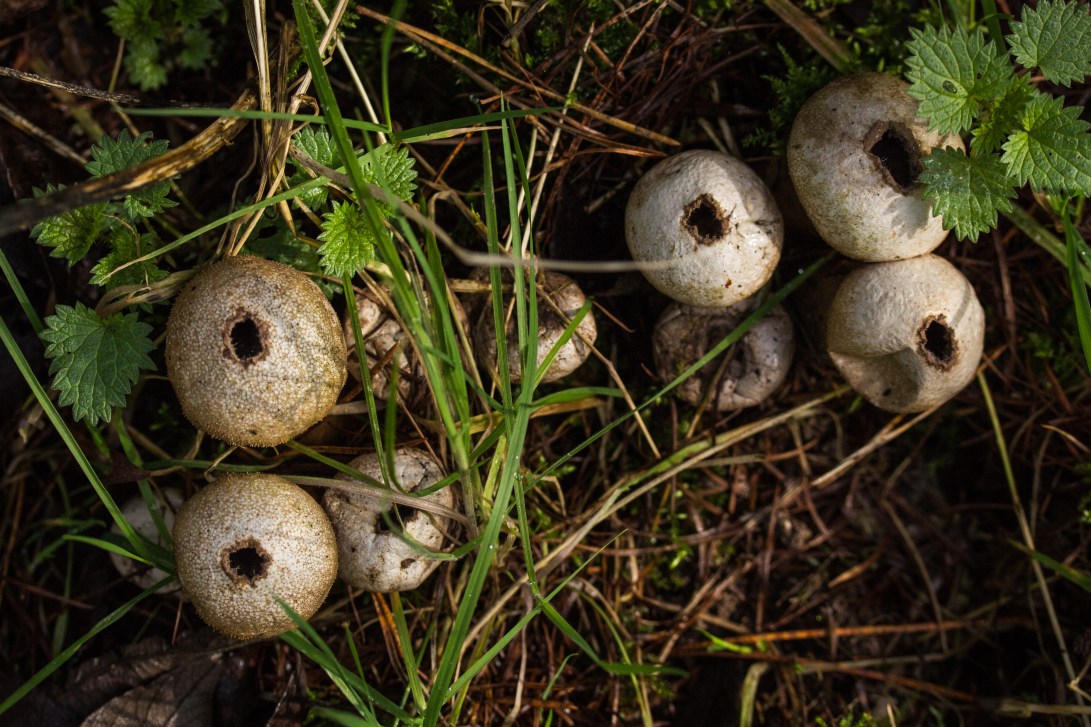
As we’d found several roe deer skulls at the reserve last time, we headed straight to Pow Wood and began to forage. My first find was a cluster of puffballs (Lycoperdon sp.). I find these little guys are extremely difficult to identify, but they’re always fun to see and remind me of terrestrial sea urchin shells.

img_9893

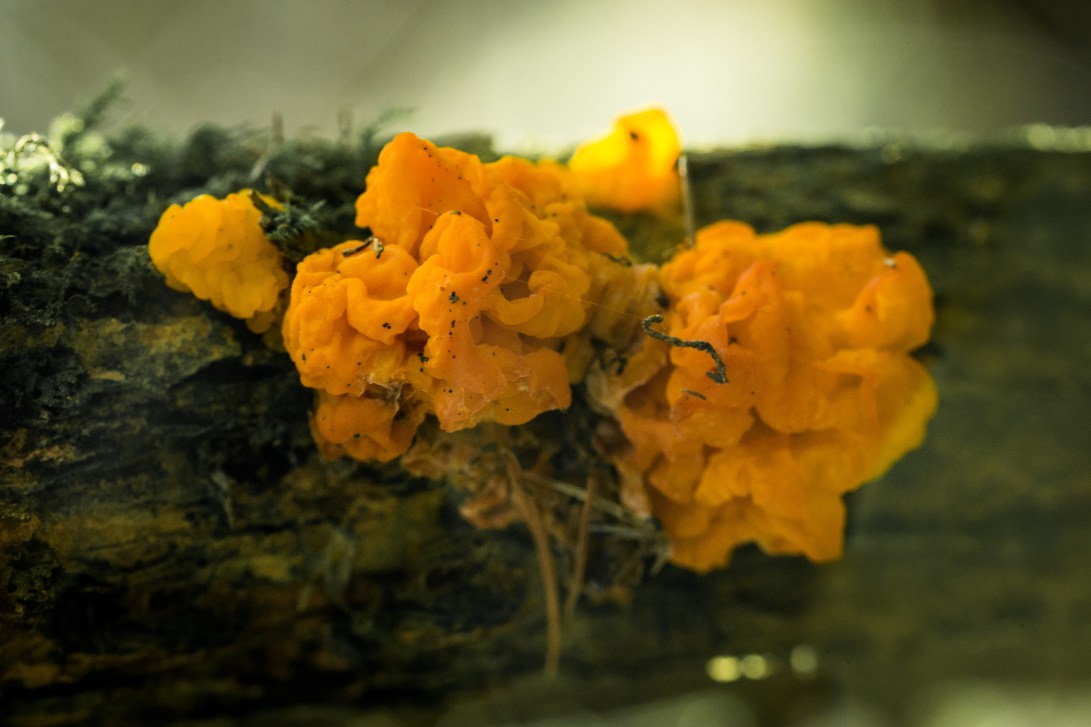
Further into the wood I was extraordinarily excited to identify more fungi. This ID lark is slowly getting easier! I found a patch of jelly ear (Auricularia auricula-judae) on some dead wood, and wrestled for some time with said dead wood to get close enough for my macro lens to work its magic.

img_9935

Shortly afterwards, I found several violent red blooms amongst the green foliage. The only scarlet elf cup (Sarcoscypha austriaca) I’d seen before was the size of my little fingernail, so to see some two inches wide was fabulous.

img_9955

Finally, my eye caught on a bright patch of yellow as we untangled our clothes and hair from the low-hanging branches of the pine trees and, completely forgetting my wildlife voice, I shrieked “witches’ butter!”. In my defence, Tremella mesenterica is a really intriguing fungus and it’s the first I’ve seen up close.

img_9971

In addition to our success with fungi, we also did some pretty good tracking. Putting the tricks we’d learned from Alex to the test, we found some deer tracks in the mud. As we found roe deer (Capreolus capreolus) skulls in Pow Wood on our last visit, we deduced that the same species had left these prints. Our suspicions were confirmed when we saw a flash of white and watched as three female roe deer darted into the forest, white bob tails stark against the brown and green of the trees.

img_9979-2


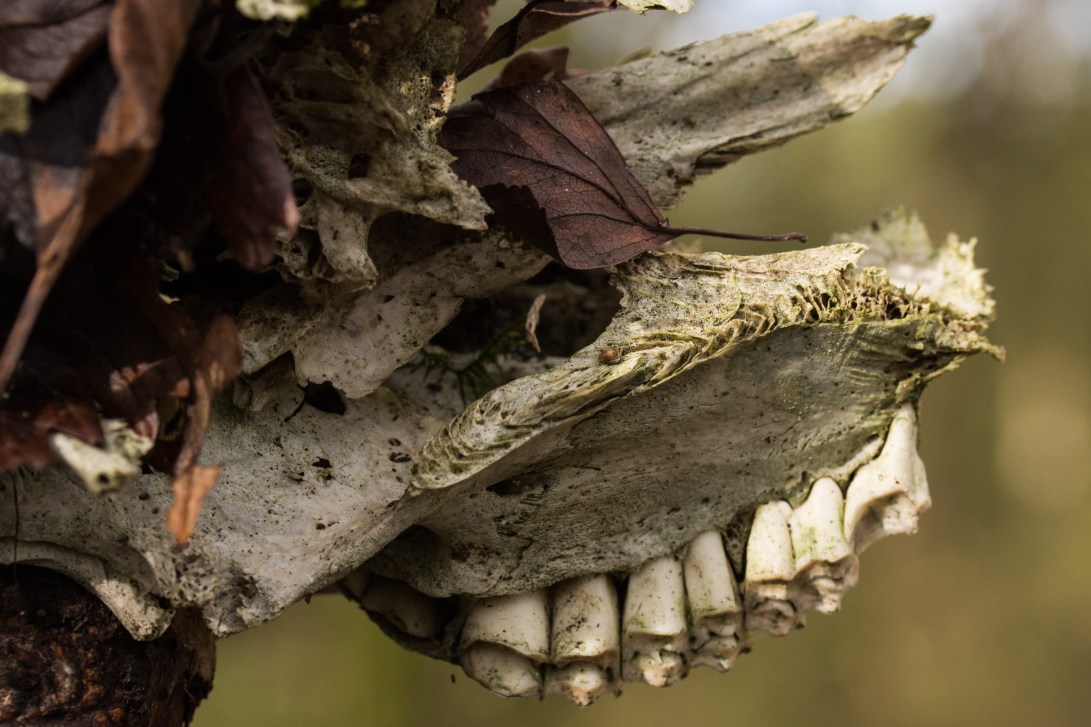
Incidentally, I didn’t realise that I was on a walk with Hawkeye. In just a few hours, Zahrah found two roe deer skulls, what we suspect was a sheep skull, and a headless skeleton with beautifully pristine white vertebrae. I guess I’d been too distracted by the fungi. We scooped up the bones into a plastic bag, ready to douse them in hydrogen peroxide when we got back home.

img_9947

Despite my ineptitude at finding skulls, I did find a collection of pellets at the foot of a tree along with a discarded white egg shell. The combination of these two signs suggested that the tree was home to a nest. After some research, I discovered that barn owls (Tyto alba) are known for their stark white eggs and dark, charcoal grey pellets, so perhaps this was our bird.

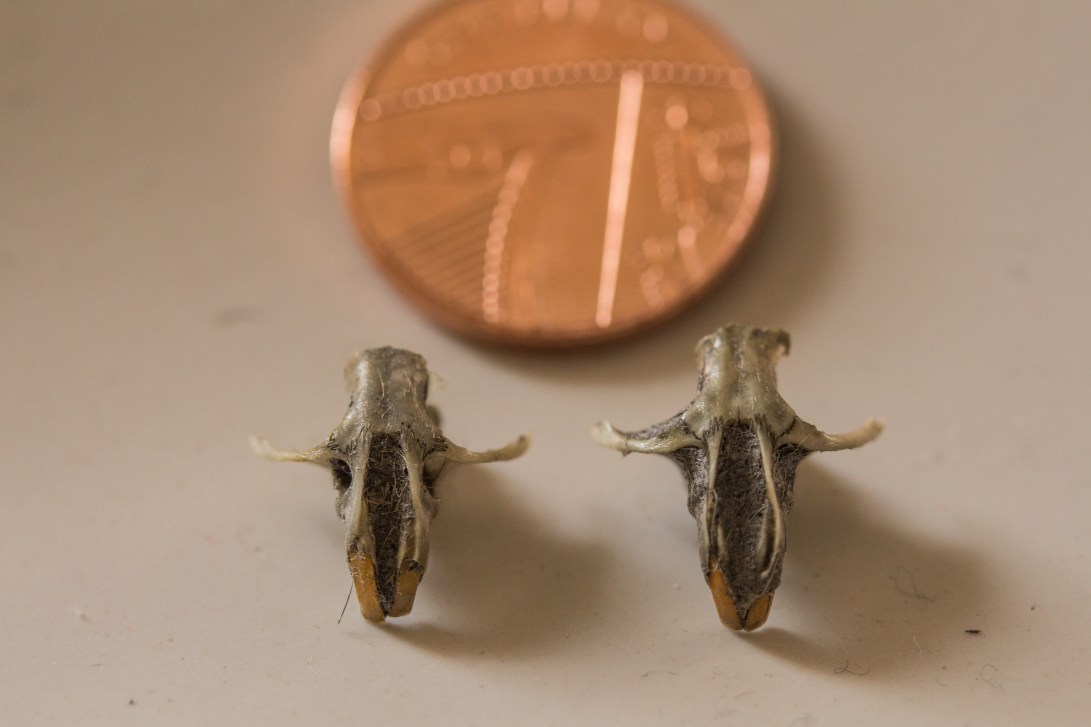
Back at the house, I dissected the pellets and in just three I recovered the remains of six rodent skulls, seven mandibles (lower jaws), several loose rodent incisors and a variety of leg bones. I attempted to identify who the skulls belonged to, but sadly they all looked the same. Still, it was fascinating to see how many kills the owl had made; there were at least two skulls in each pellet. This indicates that the bird was hunting regularly, as a barn owl usually regurgitates 1-2 pellets each night (Barn Owl Trust).

In addition, the egg shell I found had no yolk, suggesting the chick hatched naturally and wasn’t predated. If this were the case, the edges of the shell would have been pushed in and parts of the membrane would still be visible.

img_0005img_0007img_0002

In short, it was a very successful day’s foraging! It’s amazing how much you can see when you know what to look for.

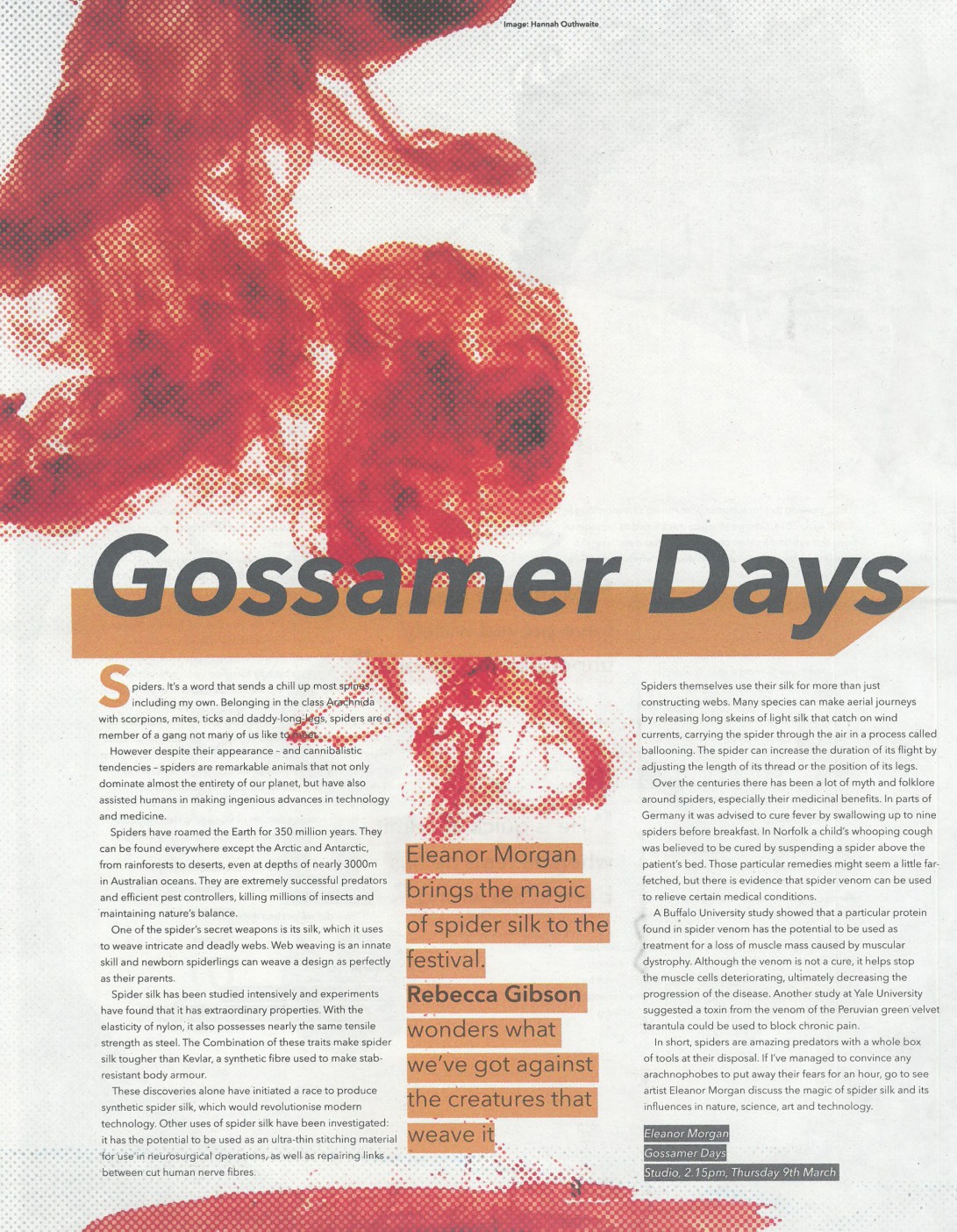
‘Gossamer Days’ Article in Watermark Magazine

Every year, the Theatre by the Lake in Keswick, Cumbria, hosts the literary festival Words by the Water, which is a wonderful celebration of words and ideas from a variety of topics including science, art, politics and history.

In parallel to the festival, students from the University of Cumbria produce a magazine publication with pieces inspired by the speakers and their topics. This year, I was asked to be the student editor of the magazine, which was a fantastic experience. Part of the job involved writing articles, so here is one inspired by Eleanor Morgan’s talk on spiders, a subject that fascinates and horrifies me in equal measures. I decided to shun my shivers and find out more about these unfortunate-looking invertebrates. To my surprise, I discovered some truly astonishing things.

KM_C224e-20170530111227


Camera Trap: A week in January

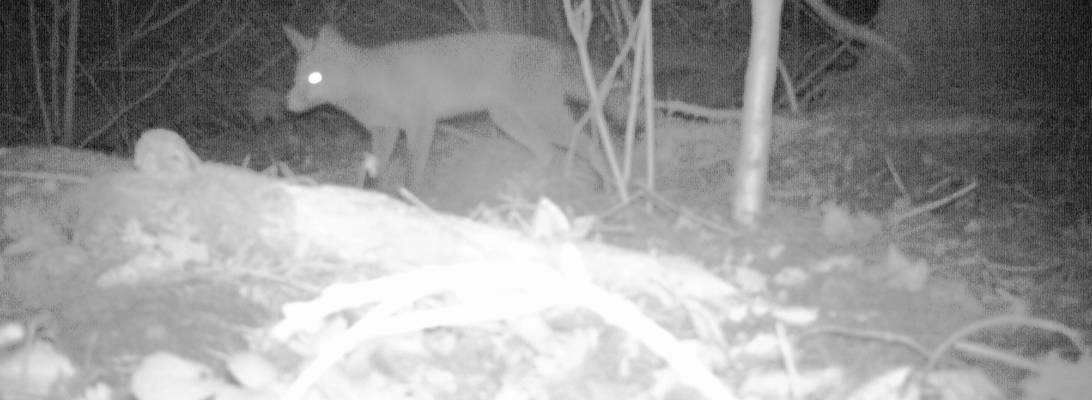
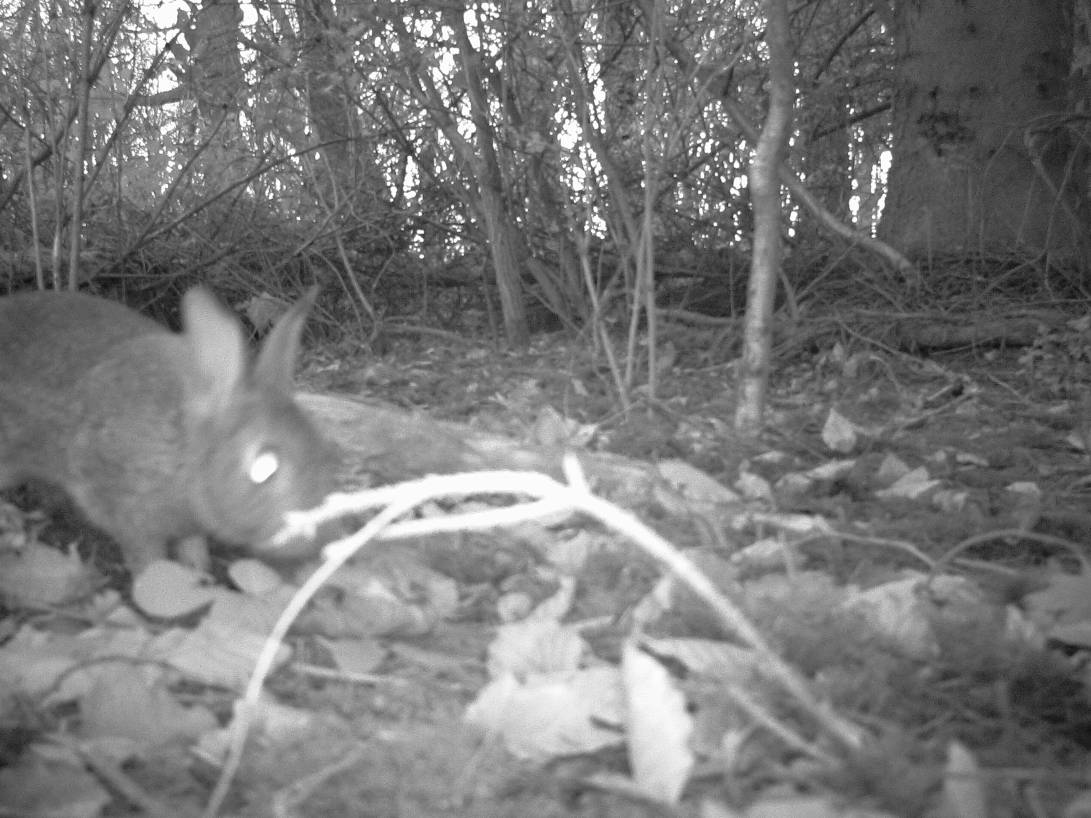
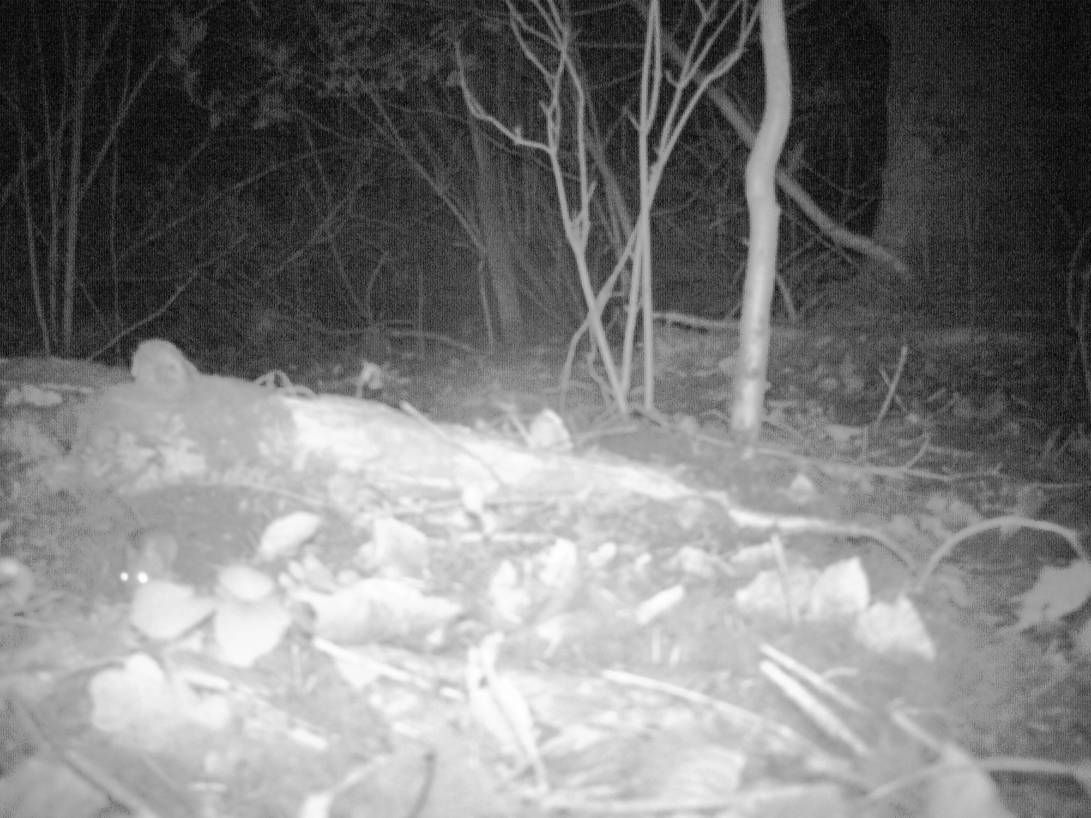
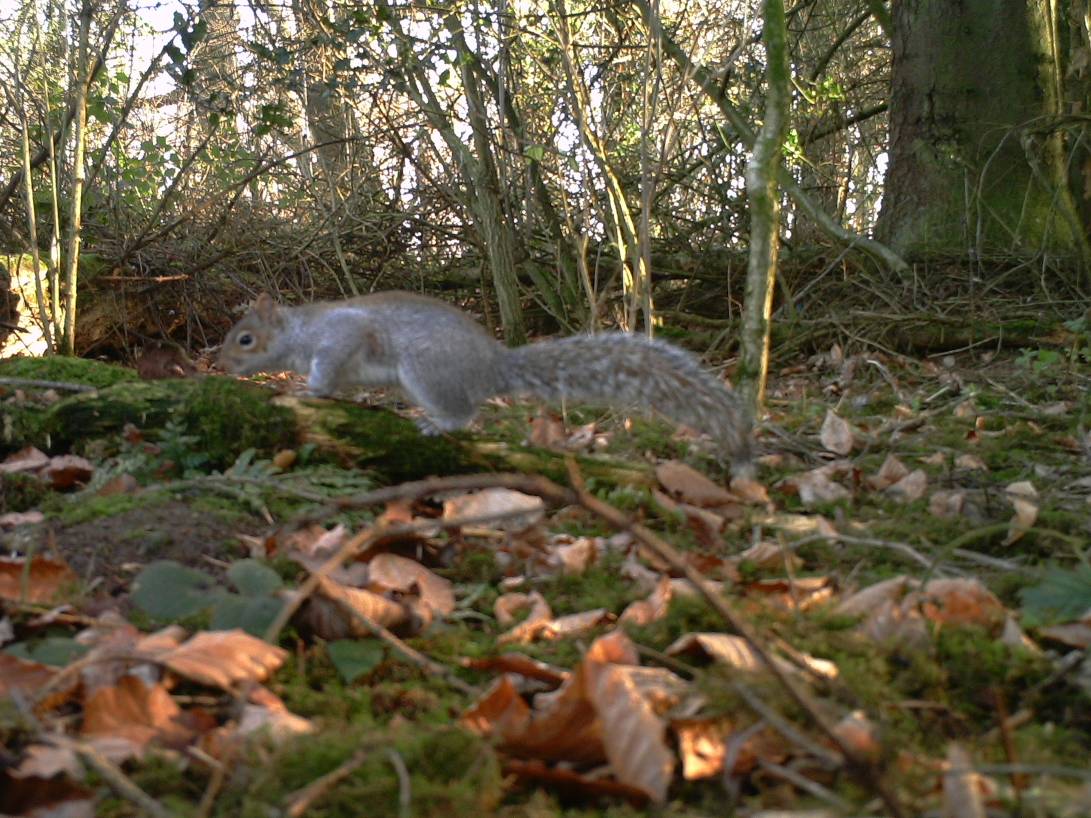
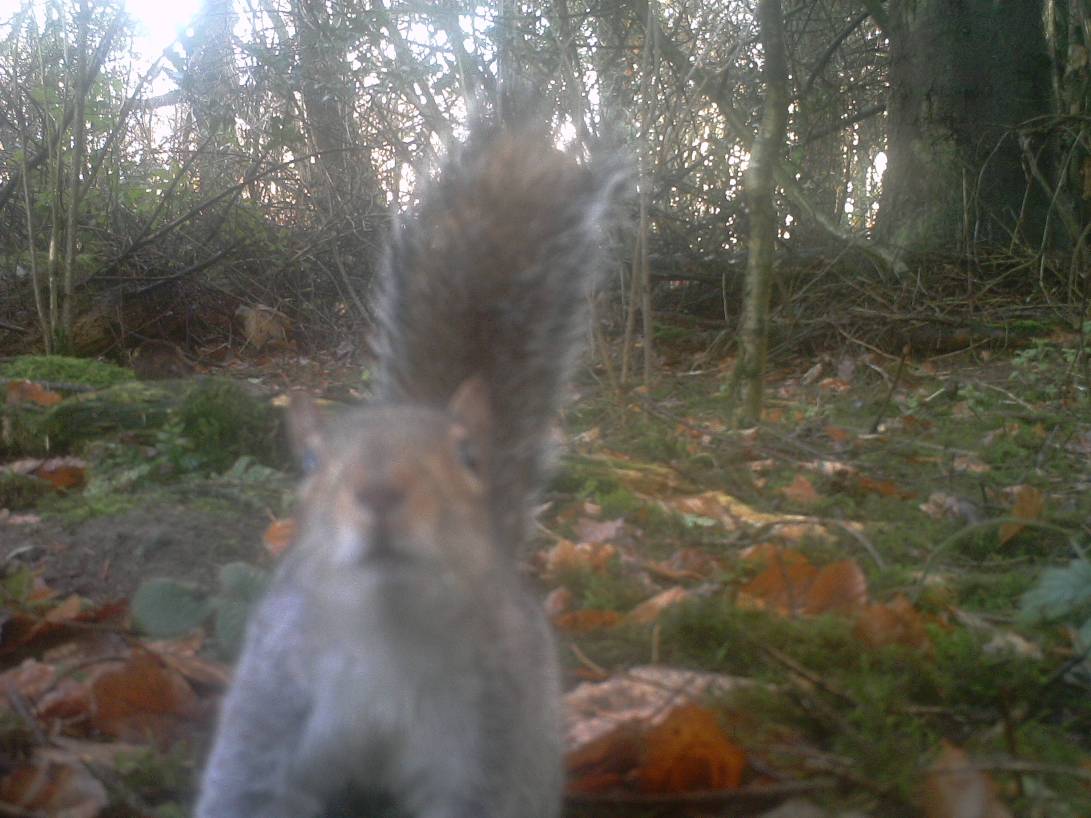
In many cases, wildlife can only be truly photographed without the photographer. After falling in love with Kingmoor South, Zahrah and I decided to set up camera traps to see what we could find. We had just attached all three traps when we realised we’d forgotten to bring bait, but decided to leave them a week and hope for the best. When we returned, we were thrilled to discover we’d had some visitors.

imag0038
European rabbit (Oryctolagus cuniculus)
imag0176
Wood mouse (Apodemus sylvaticus)
imag0058
Red fox (Vulpes vulpes)
imag0073
Grey squirrel (Sciurus carolinensis)

imag0139

I reckon we’ve found a good patch for traps, so I’d love to plan a second trip and set them up again. I’ve got my sights set on catching a badger…

Whale Bones and Walking Stones

As usual, I trundled to Tullie House Museum for my weekly volunteer shift. Right now everything is focussed on the whale project. Following the discovery of a 16m fin whale skeleton on a beach in Cumbria, Tullie House now has the makings of a smart new welcome feature in their entrance hall. The bones are being taken away for professional cleaning in less than a month now. There’s still a lot to be done before that happens, so it’s all systems go!

Today I was joined by a new volunteer called Will, who turned out to be a fascinating character. As we set to work on scrubbing dried whale flesh off vertebrae the size of my hips, we got chatting about wildlife. Turns out, he’d travelled to some stunning places for expeditions, something I was incredibly jealous of. One one expedition in Abu Dhabi, he had the chance to excavate fossilised camel skeletons as part of his master’s degree in zoo archeology. Once they reached the ribs, the guide assured them there would be nothing of interest to investigate. Will decided to convince him otherwise and together they found an ancient spearhead embedded in the bone. The small discovery prompted a thousand questions: who killed this camel? For what reason? It was fascinating.

Soon, Will is heading off the to the Far East, but he’s done a lot of work in East Greenland. Highlights from his trips here included a sighting of a polar bear jumping through an enlarged seal breathing hole and into the ocean below, and a herd of very intimidating musk oxen, as well as polar wolves, snow white relatives of the grey wolf. On one encounter, Will’s team heard a distressed ringed plover and glanced out the window of their lodgings to see an arctic wolf mere feet away.

As amazing as these stories were to hear (as I sat on the floor scraping white fat off whale bones), my favourite was the tale of the walking stones. Will described how, when rocks fall onto a glacier, they create a natural phenomenon. While the ice around the rock melts under the sun, the patch directly beneath it is kept sheltered. After many hours, the rock is “lifted” by its ice pedestal as the rest of the glacier melts away. Soon though, even the elevated platform succumbs to the sun’s heat and the rock falls onto a patch below, beginning the whole process again. The result is a very slow game of slinky, but one that fills me with such joy that nature is so beautifully playful.

Birds at the bottom of the garden

As of today, I’ve been living in my new house a week! It’s not the biggest or the most glamorous, but it’s certainly enough to feel like home. There is also a generously sized garden that oozes potential. Currently, the grass is several feet high and tickles the midriffs of the two apple trees, but I’m determined to make it a spot both we and our neighbouring wildlife can enjoy.

Zahrah and I have already had debates over whether the grass should be cut at all. While she favours the truly wild, I prefer neat and tidy with areas that the wildlife can still feel at home in. My plan is to cut the majority of the lawn but leave a wild patch at the bottom, so all kinds of creatures can still seek sanctuary in its grassy depths.

I’ve noticed several species of garden bird already, namely robins (Erithacus rubecula), blue tits (Cyanistes caeruleus) and great tits (Parus major), but I’m sure we can attract more with a range of bird feeders – millet for dunnocks (Prunella modularis) and finches and sunflower seeds for the tits and hopefully greenfinch (Chloris chloris). As well as this, we could fit some nest boxes to the apple trees to encourage nesting birds to stay.

Now we have such a secure garden, Zahrah suggested setting up a camera trap to see what nocturnal wildlife we play host to. In an urban area, it’s possible we have hedgehogs (Erinaceus europaeus) and maybe red foxes (Vulpes vulpes), something I’d be thrilled to see. After managing to photograph a wood mouse (Apodemus sylvaticus) at Kingmoor Sidings nature reserve not far from here, I’m optimistic we’ll get to see a lot more once we’ve set some tasty bait.

As for the lawn itself, I’d love to create a winding path out of the stray slabs we’ve found lying around. The garden is large enough for a compost heap too, something else that would attract a range of species. I’d love to cultivate a pond, but feel like this may be beyond my skill set! However, it would be lovely to plant some flowers and inject some colour into the otherwise very green garden. Although not the prettiest, stinging nettles are well known for being excellent attractors of the red admiral (Vanessa atalanta), comma (Polygonia c-album) and small tortoiseshell (Aglais urticae). Other good plants for butterflies include garlic mustard (Alliaria petiolata) and marjoram (Origanum vulgare).

All in all, I see some exciting things on the horizon for our little garden! After living in halls for a year and the only green space being the faded carpet of my room, I can’t wait to unleash my inner gardener and make our patch the perfect wildlife haven.

Carna – Day Five

Species seen:  

  • Chaffinch – Fringilla coelebs
  • Common Porpoise – Phocoena phocoena
  • Common Seal – Phoca vitulina
  • Common Shag – Phalacrocorax aristotelis
  • Common Tern – Sterna hirundo
  • Golden eagle – Aquila chrysaetos
  • Grey Heron – Ardea cinerea
  • Herring Gull – Larus argentatus
  • Hooded Crow – Corvus cornix
  • Lesser Redpoll – Acanthis cabaret
  • Oystercatcher – Haematopus ostralegus
  • Song thrush – Turdus philomelos
  • White-tailed eagle – Haliaeetus albicilla
  • Wood mouse – Apodemus sylvaticus

This morning Heather woke us all up with a real treat; last night the Longworth trap had caught a wood mouse. As quietly as we could, we took some brief photos then sexed the animal. The nipples were clearly visible, meaning our mouse was a breeding female.

IMG_6260
Heather assured us the use of a plastic bag was standard procedure and it was held open for the very short time the mouse was inside. After releasing the animal back at the trap site, it scuttled away safely and unharmed.

After a few more hours sleep we visited what Heather described as a ‘sweet shop’. The shed beside the house was full of barn owl pellets which we had the opportunity to dissect. After some initial apprehension we got to work and I found myself enjoying pulling apart what a barn owl regurgitated many months previously. In my pellet I found both a mouse skull and a vole’s skull, as well as numerous minuscule jaws and ribs. It was yet another new experience for me and it was fantastic to analyse what an owl on Carna had been eating.

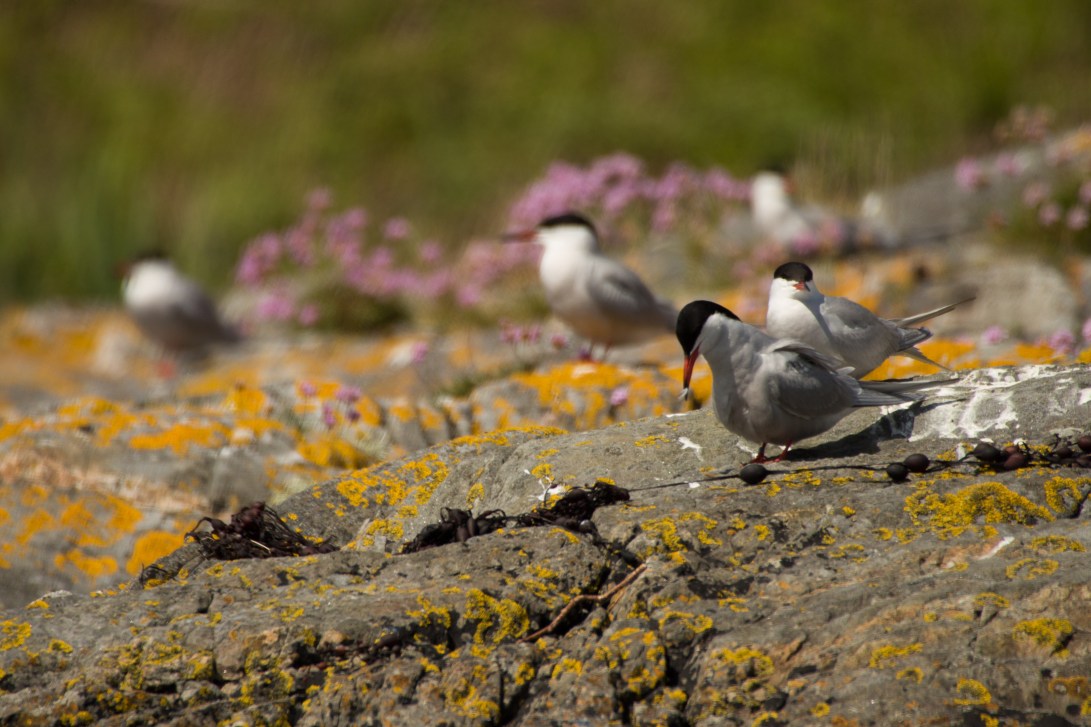
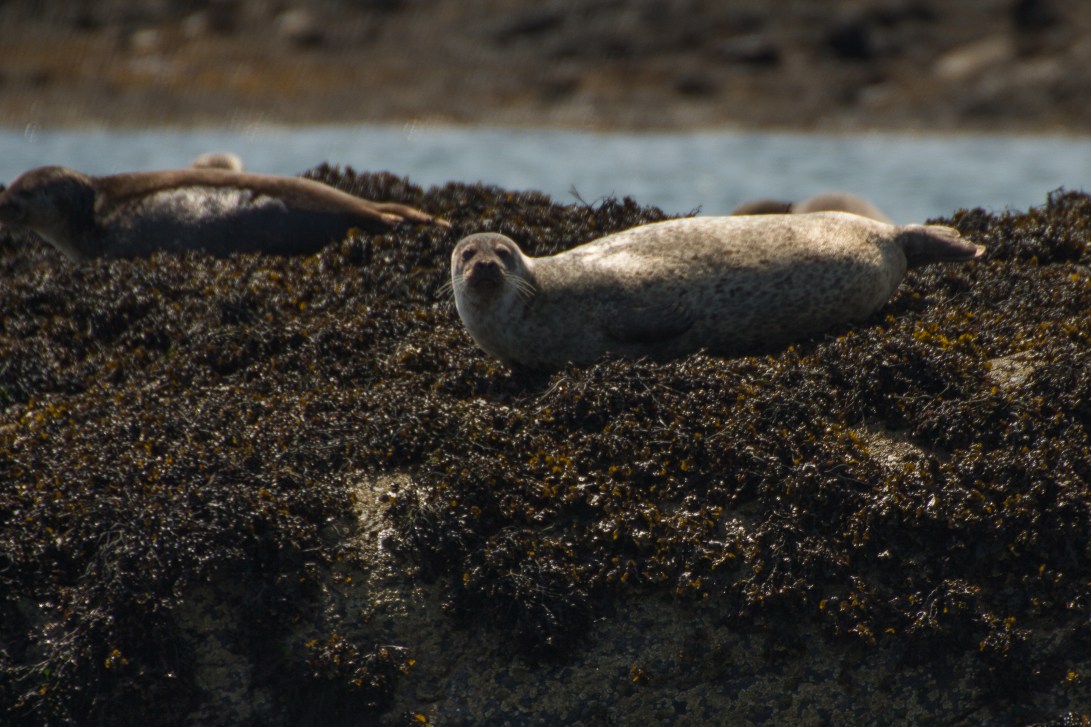
Shortly after we’d finished with the pellets Andy came to pick us up on the boat for a trip around the islands. Unbelievably we had another fantastic day of sunshine, so conditions were great for photography. For a while we watched common terns mating, and their stark white feathers contrasted with the rich colours of the moss clinging to the rock.

IMG_6277

IMG_6304

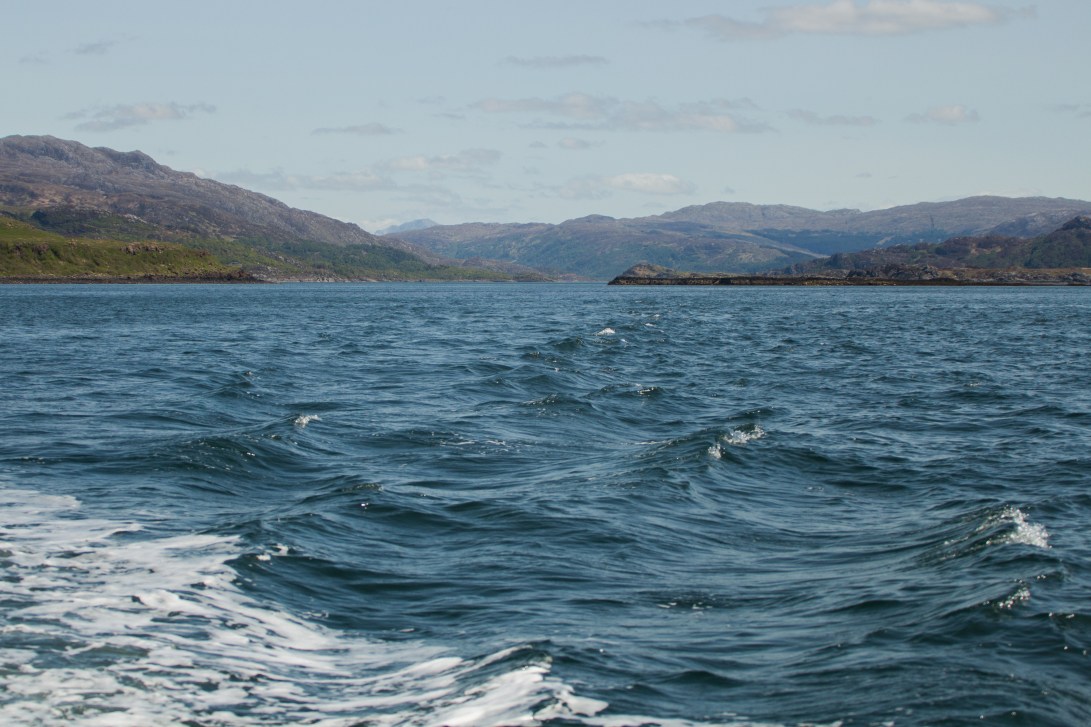
Once in open water we saw two more porpoises breaking through the waves. The tide was choppy and negotiating tripods and telephoto lenses while the boat tilted from side to side was a challenge we had to overcome. Once again Lequane was first to notice the white-tailed eagle far up in the sky, but almost immediately after we noticed a different bird above the hills. As it descended and came within binocular range we saw the rich hazel hue of the golden eagle’s wingspan. It dipped low and landed amongst the trees so we lost it, but this bird was near the top of my wish list and it was so satisfying ticking it off.

IMG_6293IMG_6320

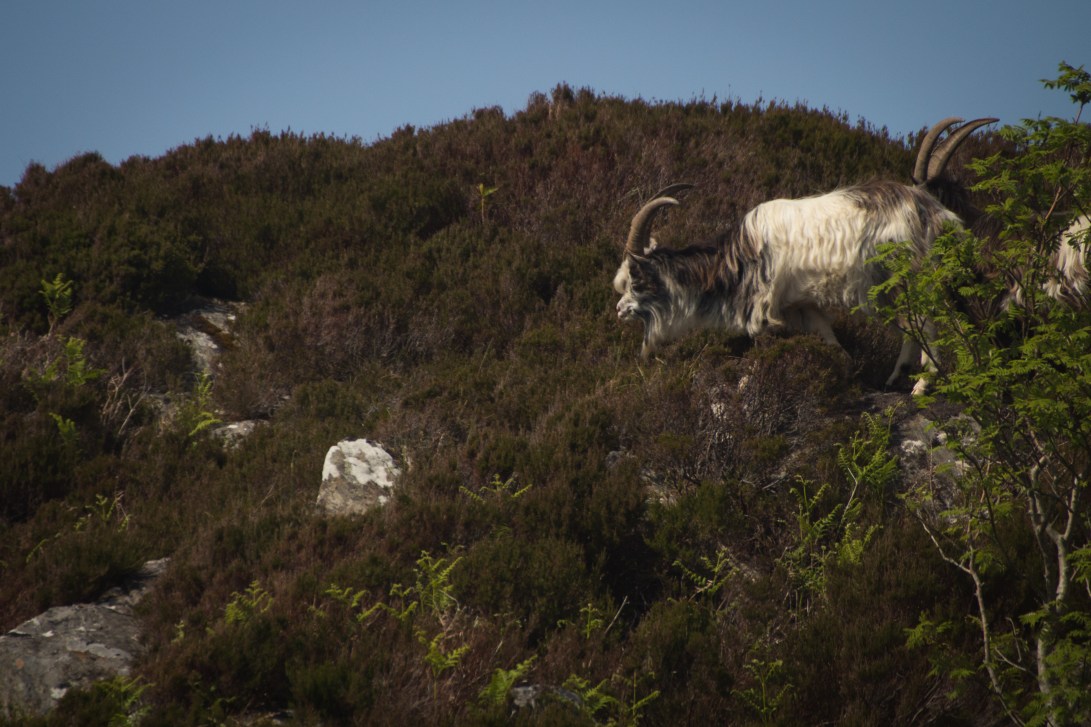
On the way back to the house we spotted some of the wild goats that had made the rocky coast of Carna their home. We also stopped off at the shag’s nesting site again. Not many people are aware of these birds but I find them extremely handsome with their sharp yellow eyes and the green sheen in their feathers.

IMG_6357IMG_6365

When we got back Cain and Heather had gone to pick up the camera traps and we all gathered at the kitchen table to see what we’d captured. It was nothing short of a success. In the first trap we had several clips of an otter trotting in and out of a small cave mouth and sprainting at the entrance. In the same spot a few hours later the whole frame was filled with two pricked up ears and a pair of antlers that were unmistakably a roe deer’s. Heather and Cain informed us that this was the first official footage of a roe deer on Carna so this was fantastic news. By using the camera traps we can find out new information about just how diverse Carna is.

Footage from the next trap showed a vole that we were unable to identify. It could have been either a bank vole or field vole sub-species. Either way, it was great watching the rodent feast on the apple and seeds we’d left, although it did manage to shift the trap so we could no longer see anything but out of focus rock.

Yet more treats were to follow. The next trap had been set in the bluebell wood and a fox had visited late one night. Though it didn’t linger, we still got to see the mammal’s gorgeous fluffy tail as it trotted through the bracken.

Seeing the wildlife on the Isle of Carna on the camera traps was a great end to an unforgettable experience. In only four and a half days I have learnt so much about tracking and field craft and got an insight into the ecology of an island rich in wildlife. It was so refreshing being around people who get as excited as I do when I hear a cuckoo or glimpse an otter swimming across the loch. By being separated from technology I have had the chance to enjoy the outdoors even more. I’ve been out of breath on numerous occasions during our hikes and scrambles but it’s been worth it every time. I even did some sketching, a pastime I haven’t enjoyed in years.

Everybody should spend time in a place like Carna, especially those who don’t fully appreciate the natural world. Sharing a loch with seals, otters and porpoises is something everybody should experience. While I am the last person to criticise books, sometimes the best way to learn about wildlife is to be a part of it. Get your hands dirty lifting rocks to see the starfish underneath, wade ankle deep in mud to set a camera trap and get a crick in your neck gazing at eagles. It really does change you.