My book has been out in the world for just over a month and I’m thrilled with the feedback I’ve received so far. Knowing that people I don’t even know are reading what I spent three years putting together is such an amazing feeling.
Reviews are starting to trickle in and I wanted to share some here just because they make me unbelievably happy. In particular, I’m proud that even those who are familiar with North East Scotland are discovering places they didn’t know – that’s the true essence of a Slow guide so I’m really pleased I’ve succeeded in capturing it.
If you’d like a copy of Slow Travel North East Scotland, you can order through Amazon, Waterstones or directly from the publisher by clicking the button below.
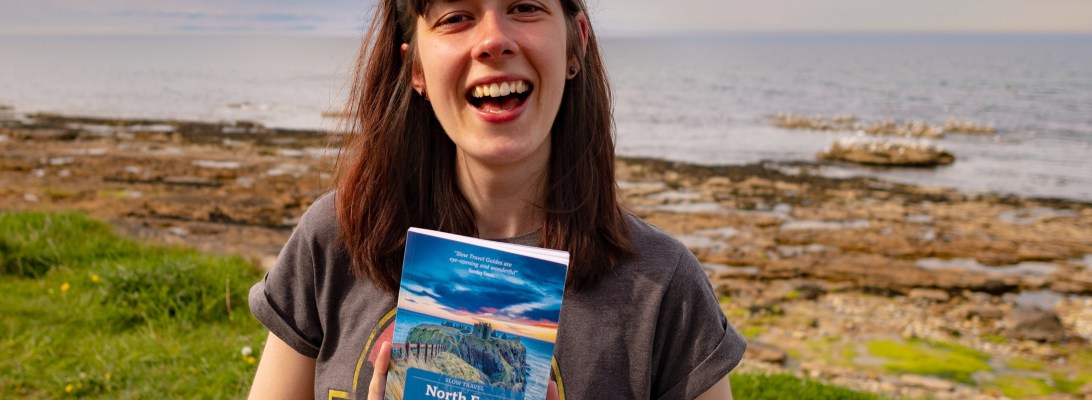
This bun has been in the oven for three years and two months and now she’s finally here.
My book is written as though I’m walking along with you, dropping in history, folklore and other nuggets along the way. There are castles, stone circles, museums, distilleries and also plenty of opportunities to eat cake.
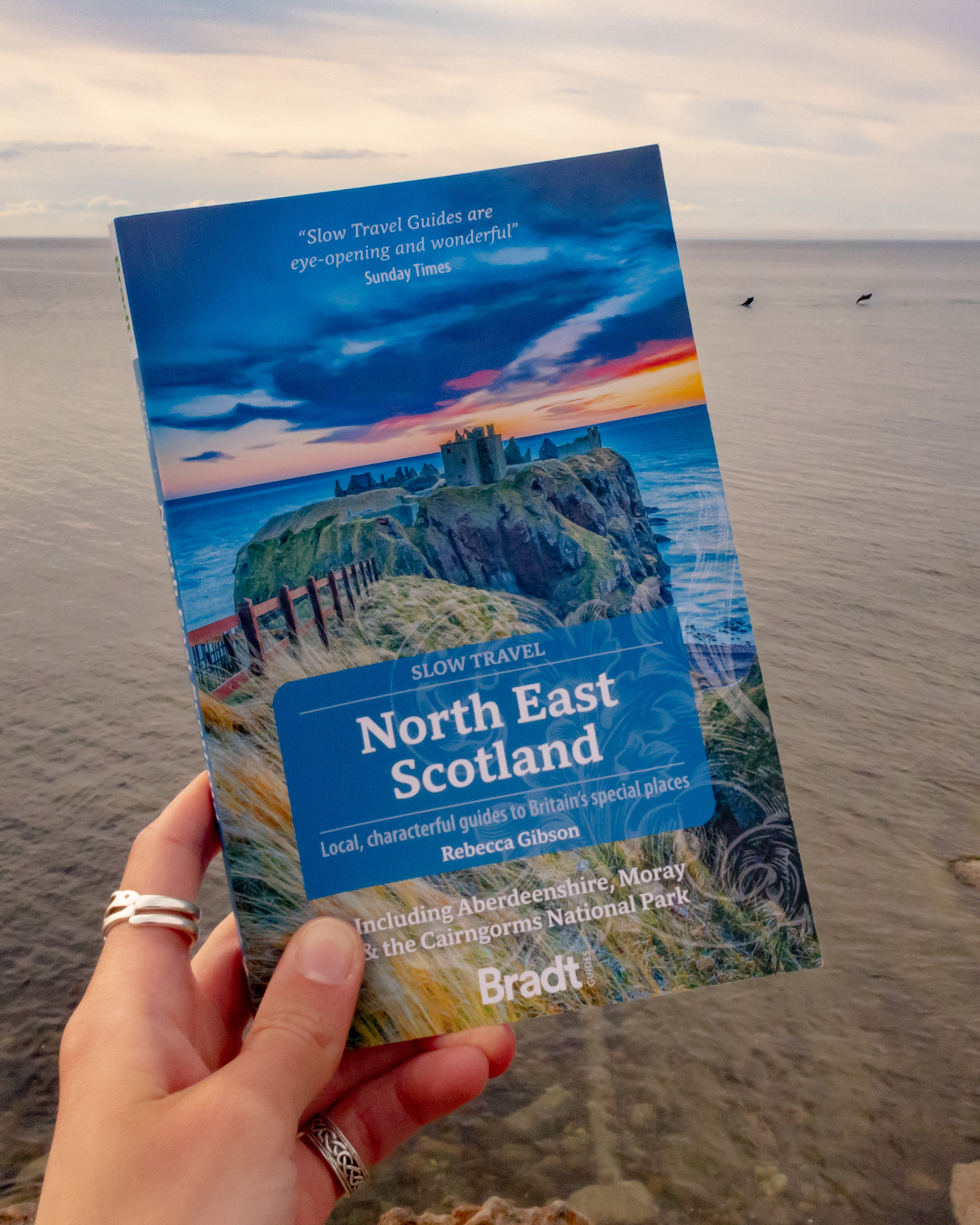
Slow travel is about taking the time to find lesser known spots and really connect with the places you visit. I’m proud of how much I’m crammed into these 328 pages, and I hope that whether your interest is wildlife, whisky or waterfalls, you’ll discover something special. Incidentally, it’s the perfect size to slot in your rucksack and take out and about.
Today I’m thinking back to a little girl who loved writing so much that she thought maybe she could be an author when she grew up. Well, she did it.
Yes those are dolphins jumping in the background – I’m just that good!
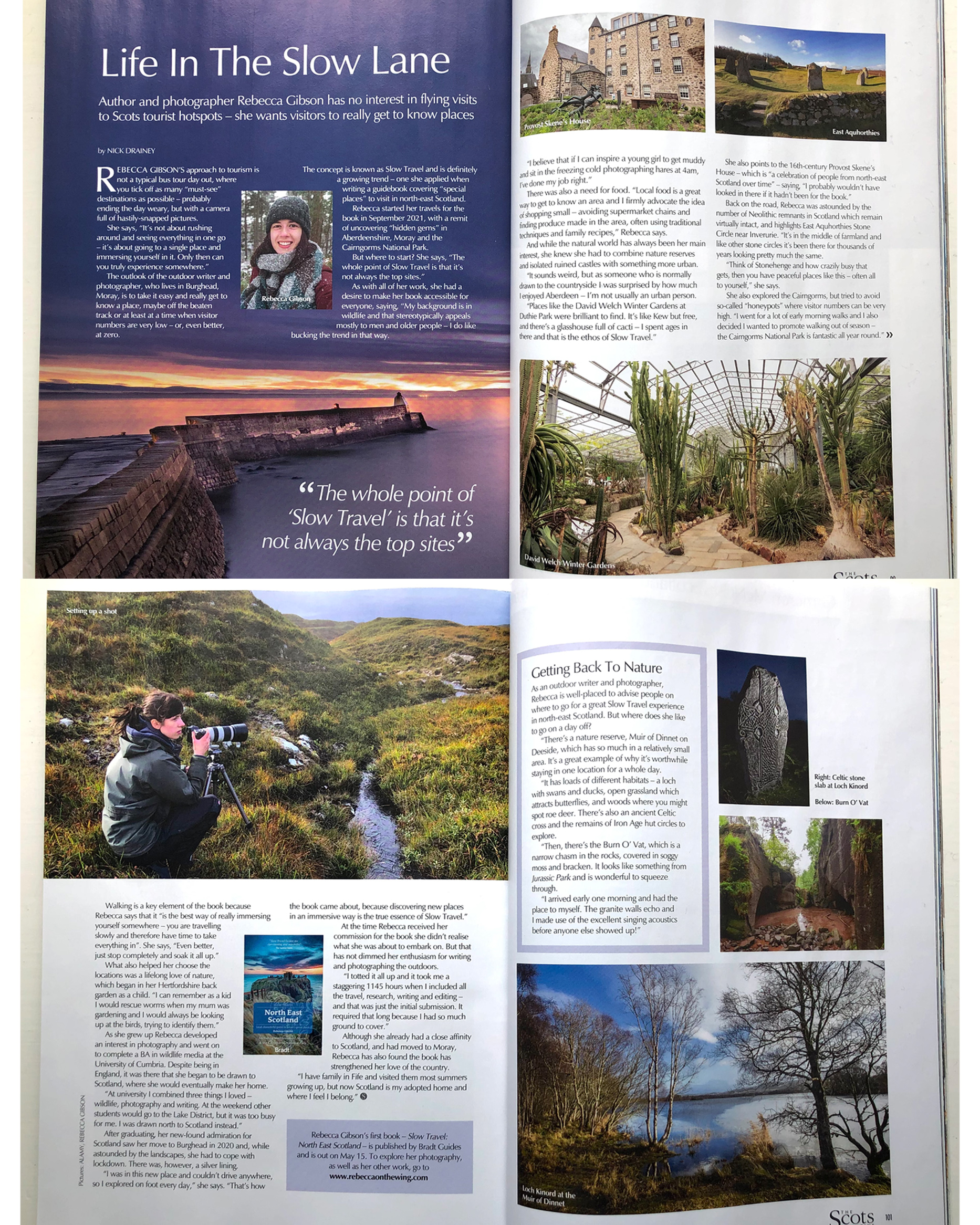
My book will be published one month today, and I can’t believe I’m writing this but there are two double page spreads about it in the latest issue of The Scots Magazine!
At the end of last year I was interviewed by journalist and outdoor enthusiast Nick Drainey. Although our main topic was my book, we had a great chat about Scottish walking, nature and travel in general.
I loved having the opportunity to talk about Slow travel and my experience writing the guide, but it was also really special to reflect on where my love of Scotland began. I think Nick’s done a wonderful job and I’m proud to be a small part of such a great Scottish publication.
‘Slow Travel: North East Scotland’ is out 15th May
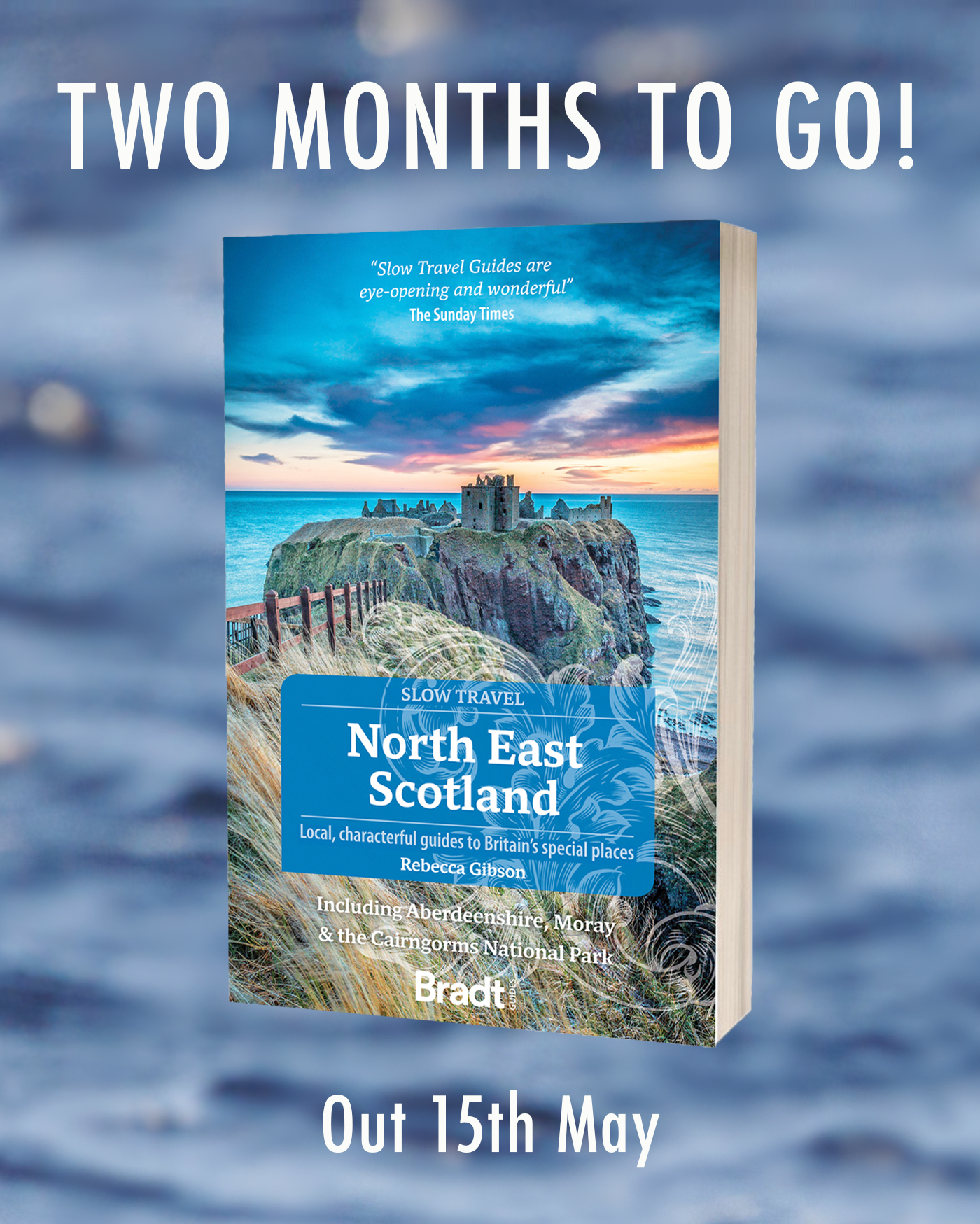
My Slow Travel Guide to North East Scotland will be published exactly two months today! To celebrate what I’m considering to be the start of The Final Countdown (cue Europe), here’s an exclusive sample from the book about the town of Banchory, 18 miles west of Aberdeen.
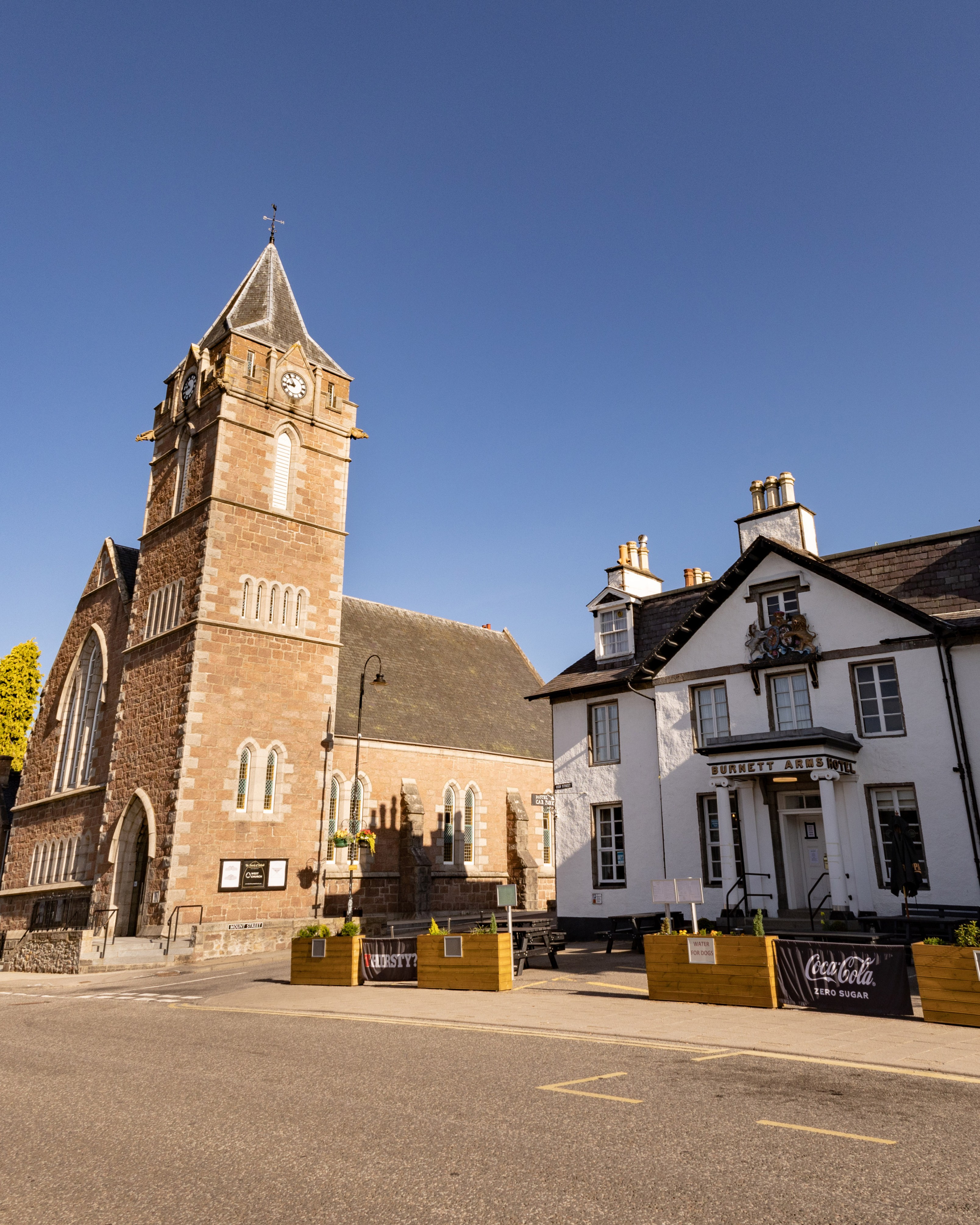
Banchory is the last major town before you move across the boundary into Aberdeen City, hanging in a hammock of the River Dee as it flows east. Close to neighbouring villages and with the granite torr-topped hill of Clachnaben nearby, Banchory is a handy base for exploring this part of Aberdeenshire. It’s also your best bet for shopping, with a range of gift shops lining High and Dee Streets.
High Street
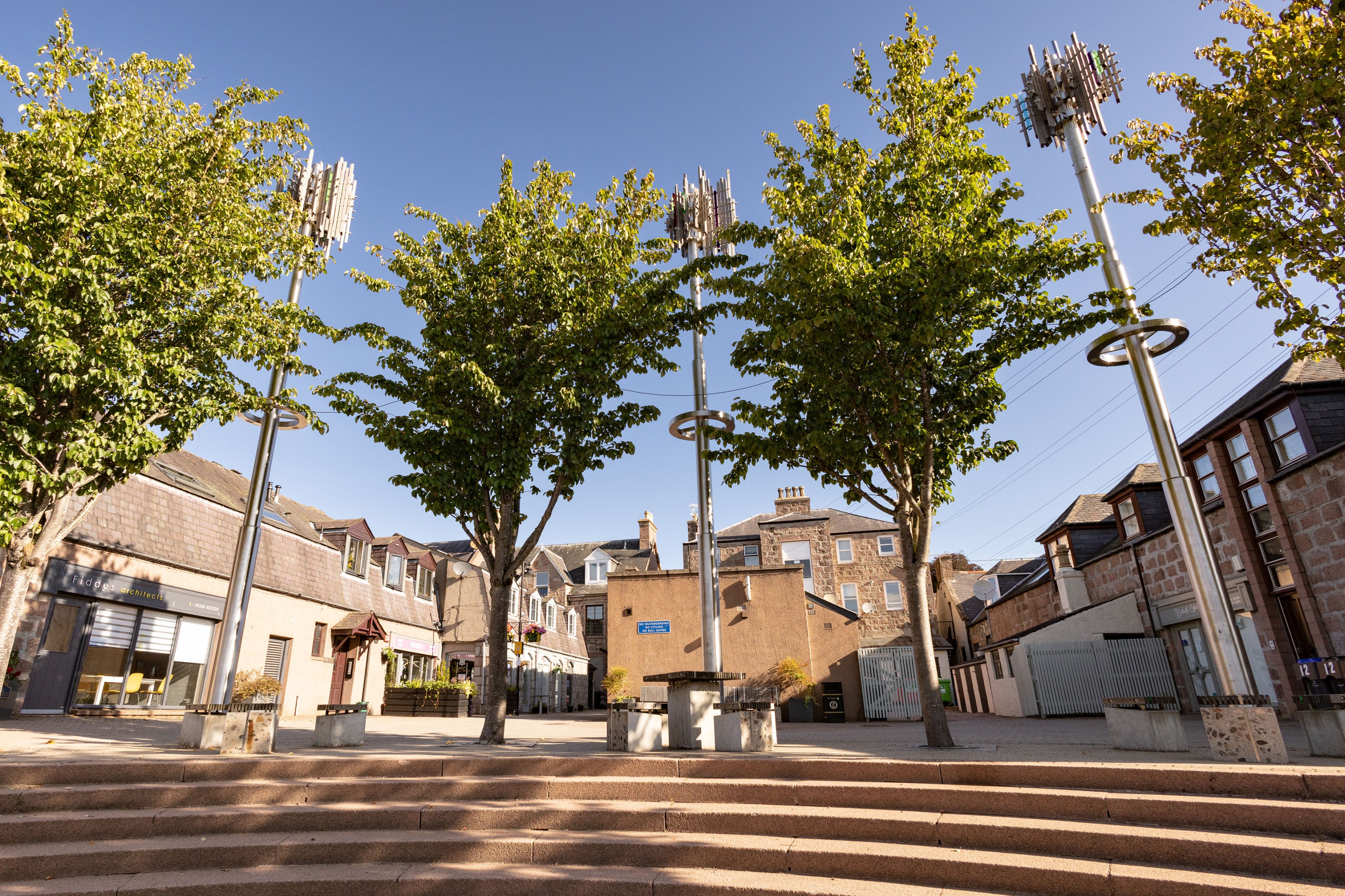
By happy accident, I found my favourite part of Banchory while tracking down the library, located within the pedestrianised Scott Skinner Square. Named after one of the greats of Scottish fiddle music, James Scott Skinner, the square contains a selection of small businesses arranged around a mini amphitheatre of steps.
Scott Skinner Square
James Scott Skinner was born in Banchory in 1843. By the time he was eight years old, he was playing the cello at dances across Deeside. Cello playing wasn’t the only string to Skinner’s bow though (pun unashamedly intended). He also trained as a dance teacher and was even invited by Queen Victoria to teach the children of Balmoral Estate in 1868.
In the square is a tiny garden with woven sculptures of a fiddle and treble clef musical note, created by Ayrshire-based willow and steel artist David Powell. One of Skinner’s most famous pieces, ‘Bonnie Banchory’, inspired the creation of three abstract columns around the square’s amphitheatre. On the top of each is a stack of different-sized rods, representing the sound waves of this song.
Woven sculpture by David Powell
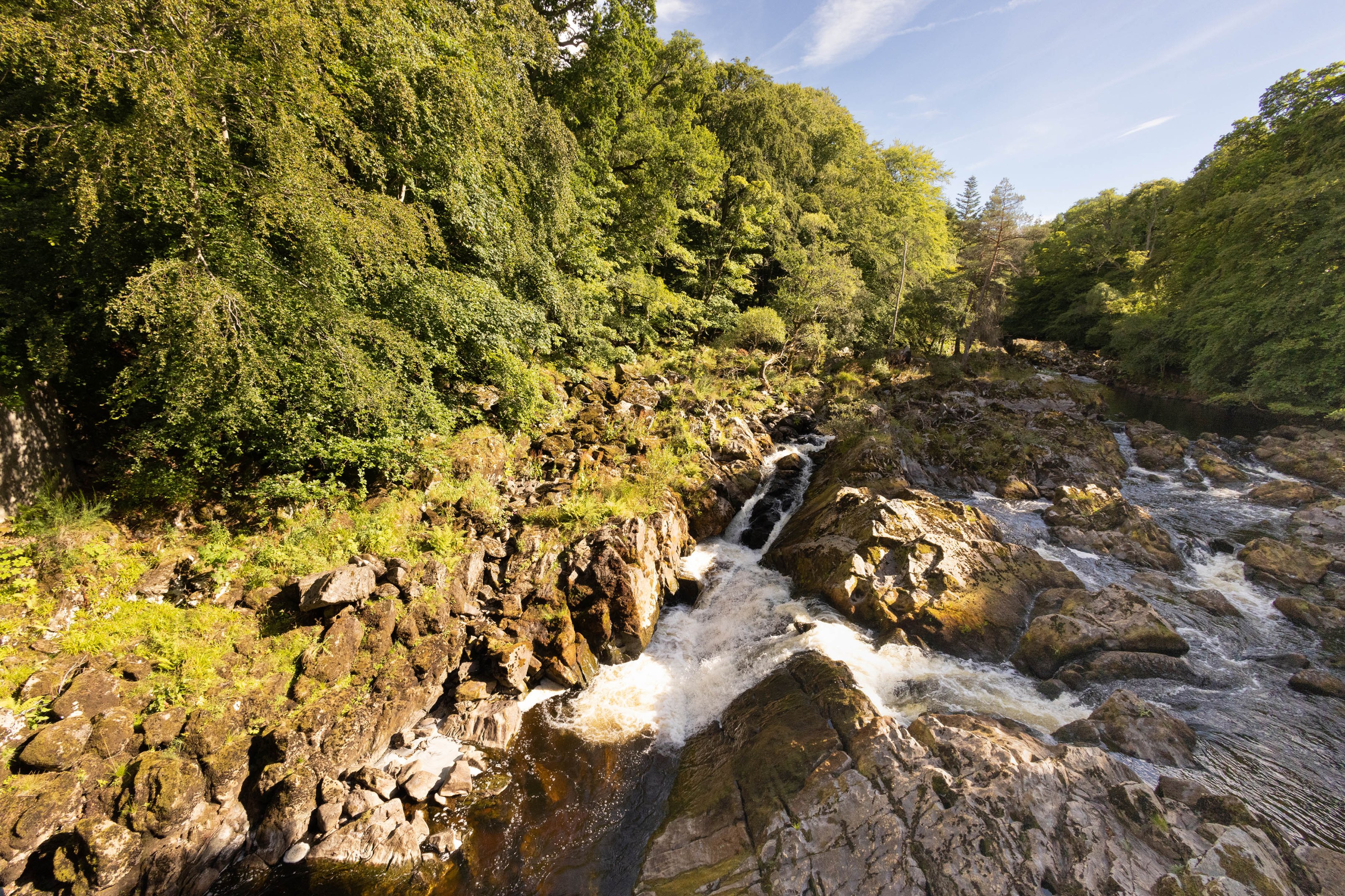
If you walk south on Dee Street you’ll soon cross the river. Half a mile further along is a T-junction, where the left branch passes over the Water of Feugh. Running parallel to the stone road bridge is a newer footbridge where you can peer down at the Falls of Feugh below. The water surges in two channels around rocky contours before crashing into a slower pool and continuing under the bridges. In autumn, this is a good spot to look for leaping salmon.
Falls of Feugh
Five miles south of Banchory is Nine Stanes Stone Circle, conveniently close to an unnamed road passing through a Sitka spruce plantation. There are six standing stones, a chunky horizontal recumbent and two wonky flankers, making up the nine stones in its name.
When I visited, I’d just experienced an assorted delight of road closures, cafés shut when they shouldn’t have been and insufferable August heat (I have about the same heat tolerance as a Mars bar). I arrived at Nine Stanes a sweaty, irritable mess and, although sitting in the middle of the circle with grasshoppers boinging around my feet didn’t make me any less sweaty, it was a serene way to end the day. Stone circles are good at that.
This one was arranged some 4,000 years ago, used as a burial place and to mark the movement of the moon throughout the year. Its stones now have mossy beards and grassy feet, but after all that time they’re still standing.
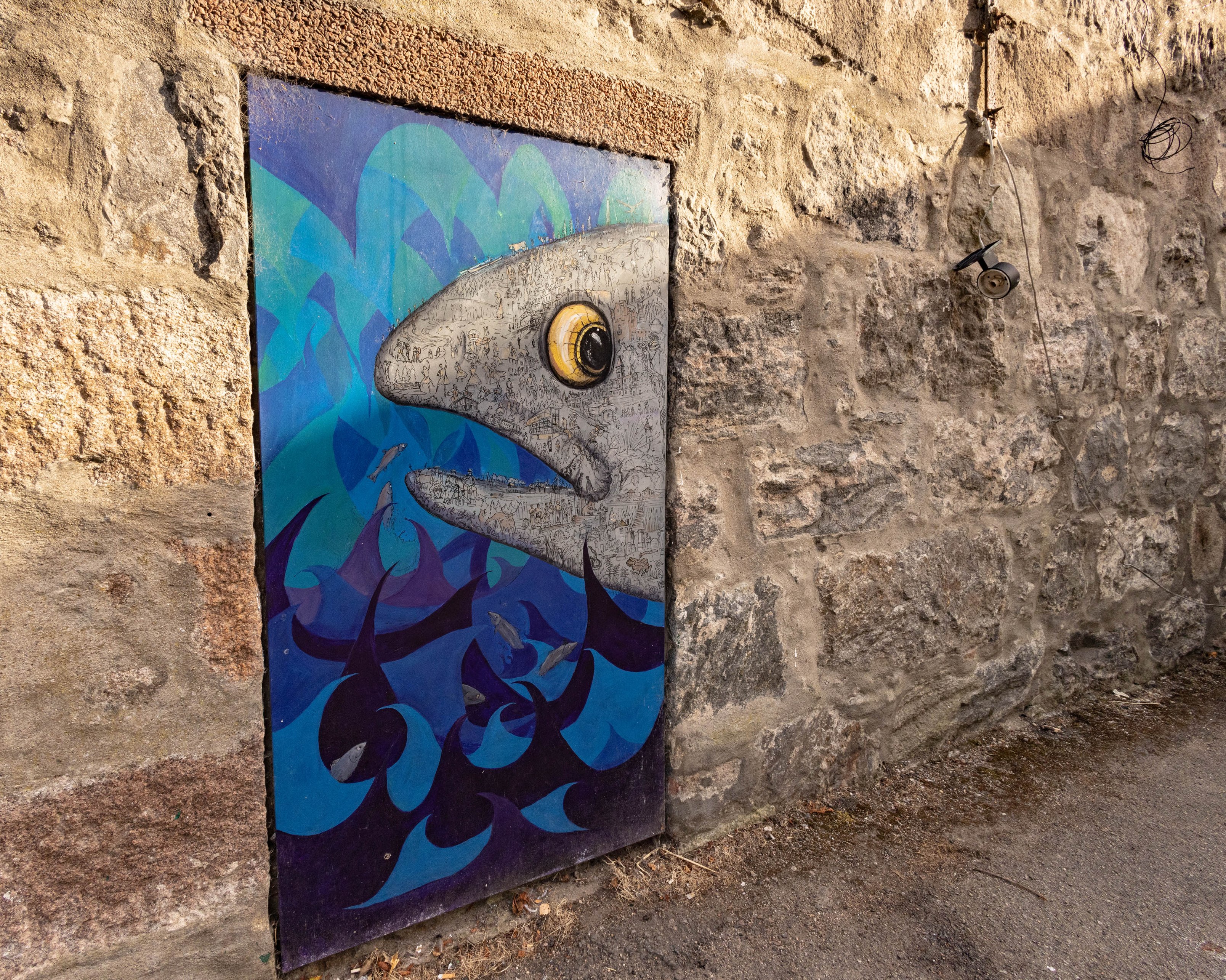
Banchory street art by Shona Macdonald
As you can see from this sample, Slow guides are just that: leisurely, and written as if the author is walking around with a person wearing a blindfold. I’ve loved writing in such immersive detail, as it’s given me the opportunity to really dive into the nuances of each location I’ve featured in the book. There’s a lot of nature and wildlife, which shouldn’t come as a surprise, but this particular entry gives you an idea of the variety of other things I explore too.
I’m so excited to share the biggest project of my career so far with you all. I’m currently working through the proofs and seeing the pages take shape, so it won’t be long until I can finally hold my first book in my hands.
Winter is the time to reflect. I love looking back on what I’ve done over the year, and once again I’ve put a summary of my work projects into my own mini magazine. I did this for the first time during lockdown when I was painfully idle and needed a project to distract me. It turned into something I was proud to share and this is now my third issue.
Between research trips for my book, I’ve been busy working on other projects including another mindful creative retreat at home on the Moray Coast, a design commission inspired by Thumbnail Nature, and my second wildlife calendar.
This summer is zooming by! I’ve been spending the past few months travelling and writing my book, which is now due in three months. That’s quite a terrifying thought actually…
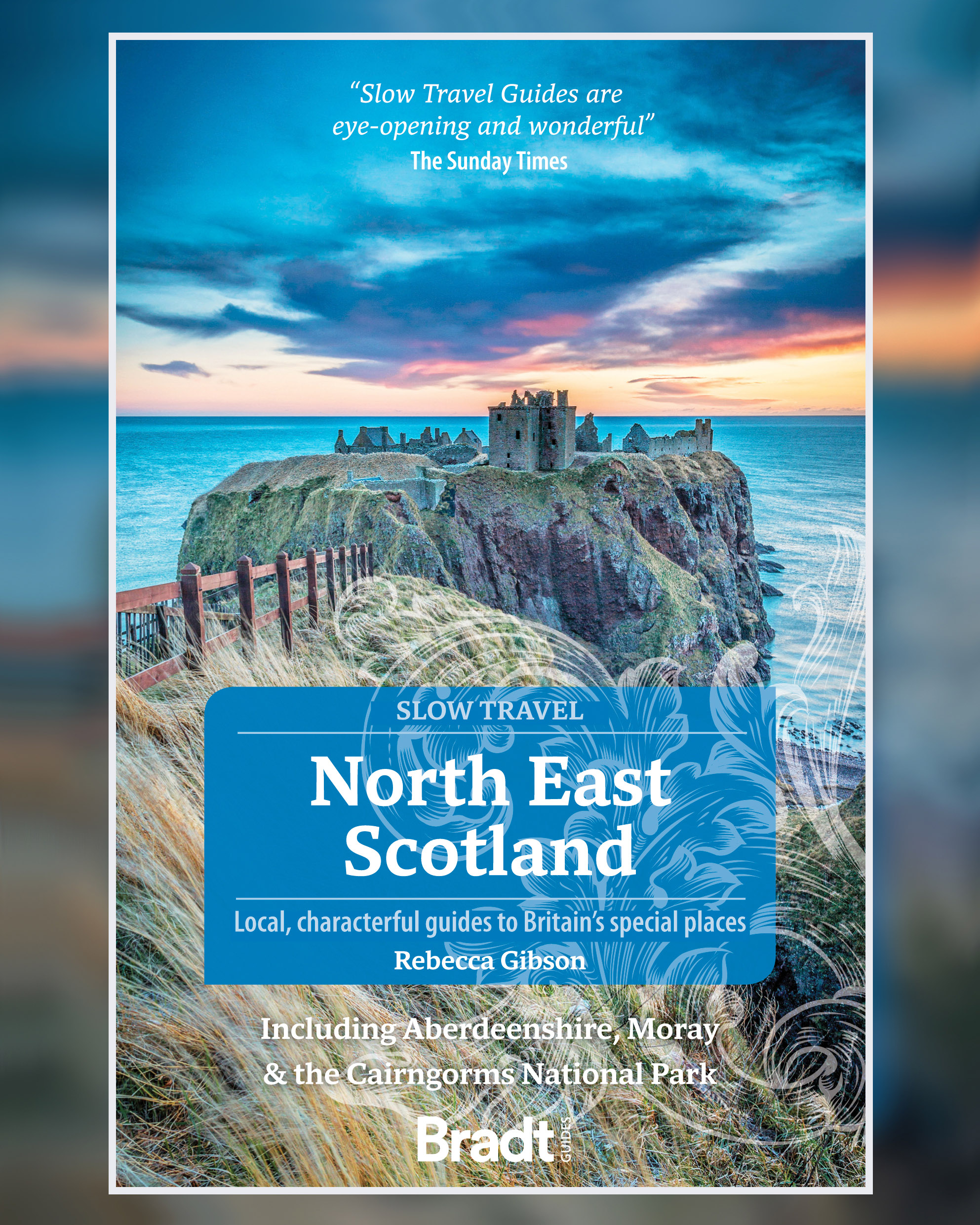
My research trips have involved stomping through Caledonian pinewood, sampling local whiskies and searching for hidden stone circles. I’m absolutely loving this challenging yet rewarding project and can’t wait to see the finished product on the shelves. Here’s a sneak preview of the front cover.
As well as book writing, I’ve been putting together my 2023 calendar. Like last time, it features a range of Scottish birds and mammals that I’ve photographed this year including snow buntings, badgers and even a goshawk!
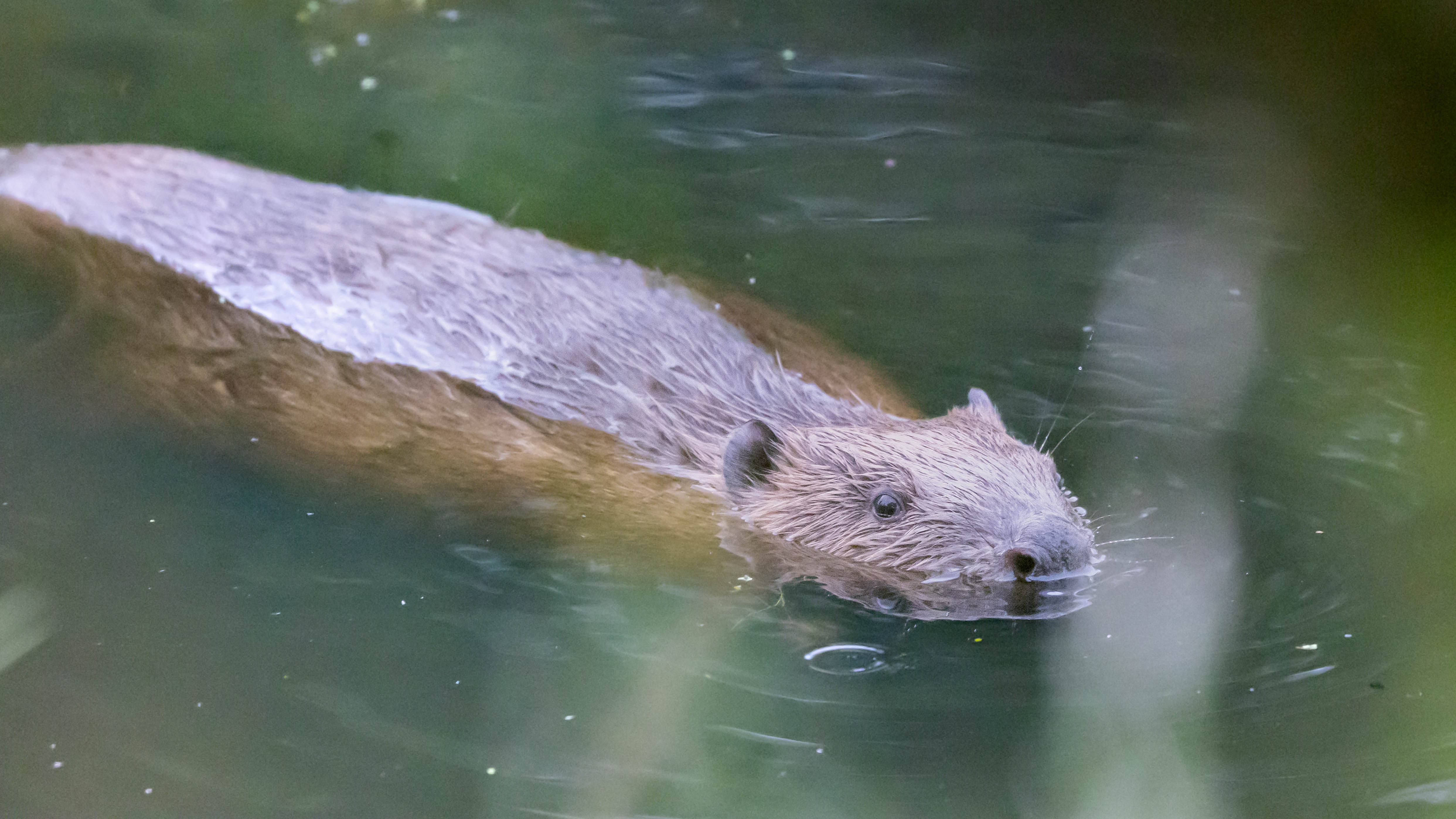
And finally, I took some time away from the north east recently and headed down to Perthshire to photograph beavers. These incredible animals completely transform their surroundings and it was a privilege to spend so much time with them.
I’m currently writing a Slow Travel Guide to North East Scotland, which will be out next spring. The thing about writing this book is I’m spending every working moment on it but won’t have anything to show for my efforts until it’s published. Until then it looks like I’ve fallen off the face of the earth. As we’re almost at the end of spring, I thought I’d finally resurface and reflect on what I’ve been up to over the past couple of months.
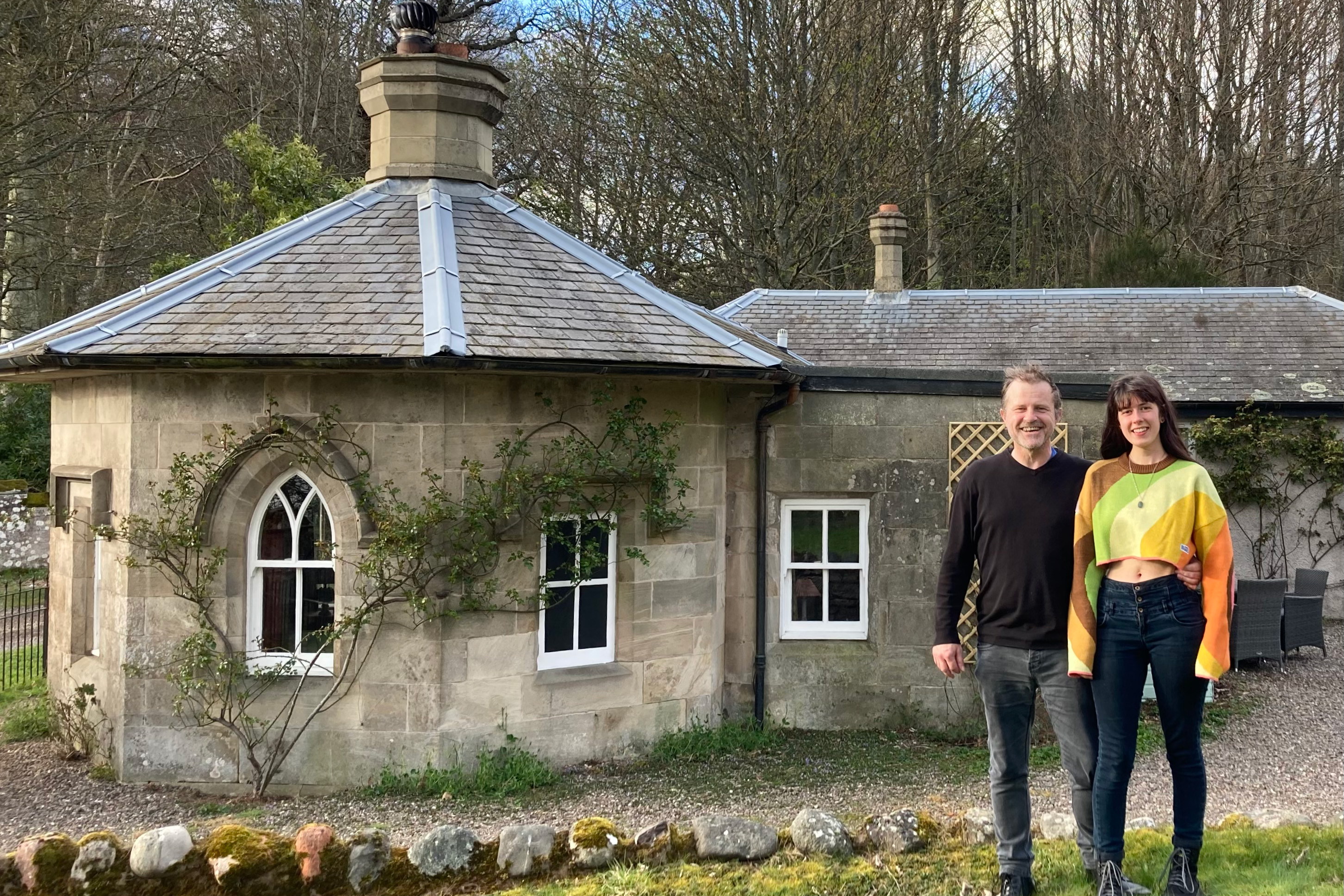
Inchrye Lodge
At the start of April I travelled down to Fife for a week. This was a particularly special holiday as I returned to the same cottage in the first part of Scotland I ever visited, back when I was eight years old. It was fantastic to be back and I realised just how much my wildlife knowledge has improved since that first visit. During my time in Fife I also visited the Audubon exhibition in Edinburgh, one of my favourite cites, and the incredible Topping bookshop in St Andrews.
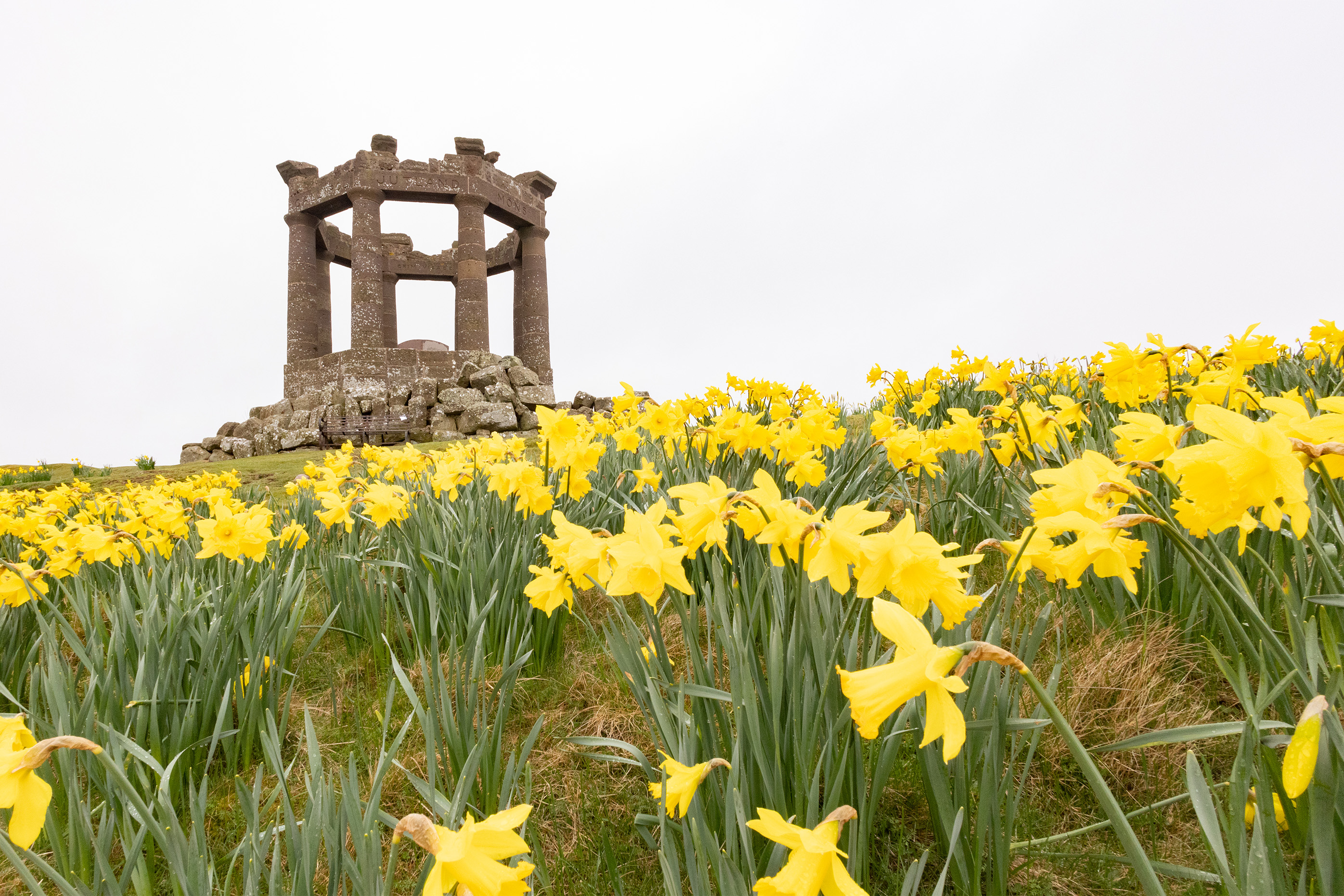
Stonehaven
On my drive back up from Fife I got into Book Mode again and stopped off in Stonehaven, a beautiful harbour town south of Aberdeen. I walked around the harbour and along the coast path and found a stone igloo decorated with thousands of shells hidden within Dunnottar woods.
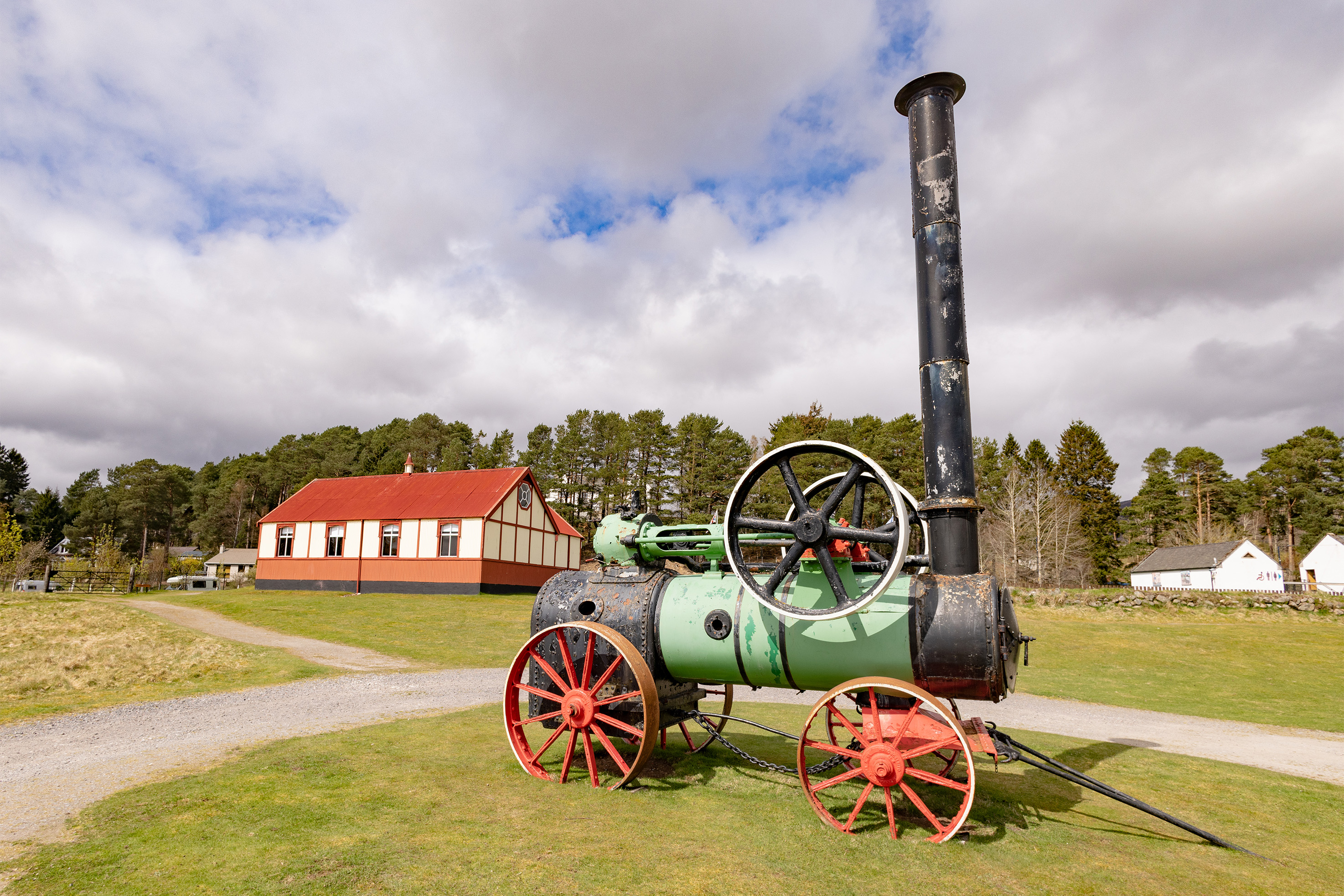
Cairngorms Trip
At the end of April I was off on another book trip, this time back to the Cairngorms. This has been my favourite section to visit and write about so far. Although I’m very attached to my home in Moray and have been so impressed by Aberdeenshire’s coastline, it’s the ancient Caledonian pine forests of the Cairngorms that have really taken hold of me. During my time in Boat of Garten and Newtonmore I visited the amazing Highland Folk Museum, discovered the Green Lochan – so named because the fairies wash their green clothes in the water – and had an incredible hide encounter with four badgers!
Mindful Creative Retreat
At the start of May I had a brief break from book writing to take on another exciting project. Last summer I co-hosted a Mindful Creative Retreat on the Moray Coast. It was a great success so we held another one this year. The guests really enjoyed unwinding from their own work and commitments and dedicating time to nature writing, mindful photography, breath work and even outdoor yoga each morning. I benefitted from the experience too and found the process of slowing down and being in the present moment so rewarding.
Peterhead
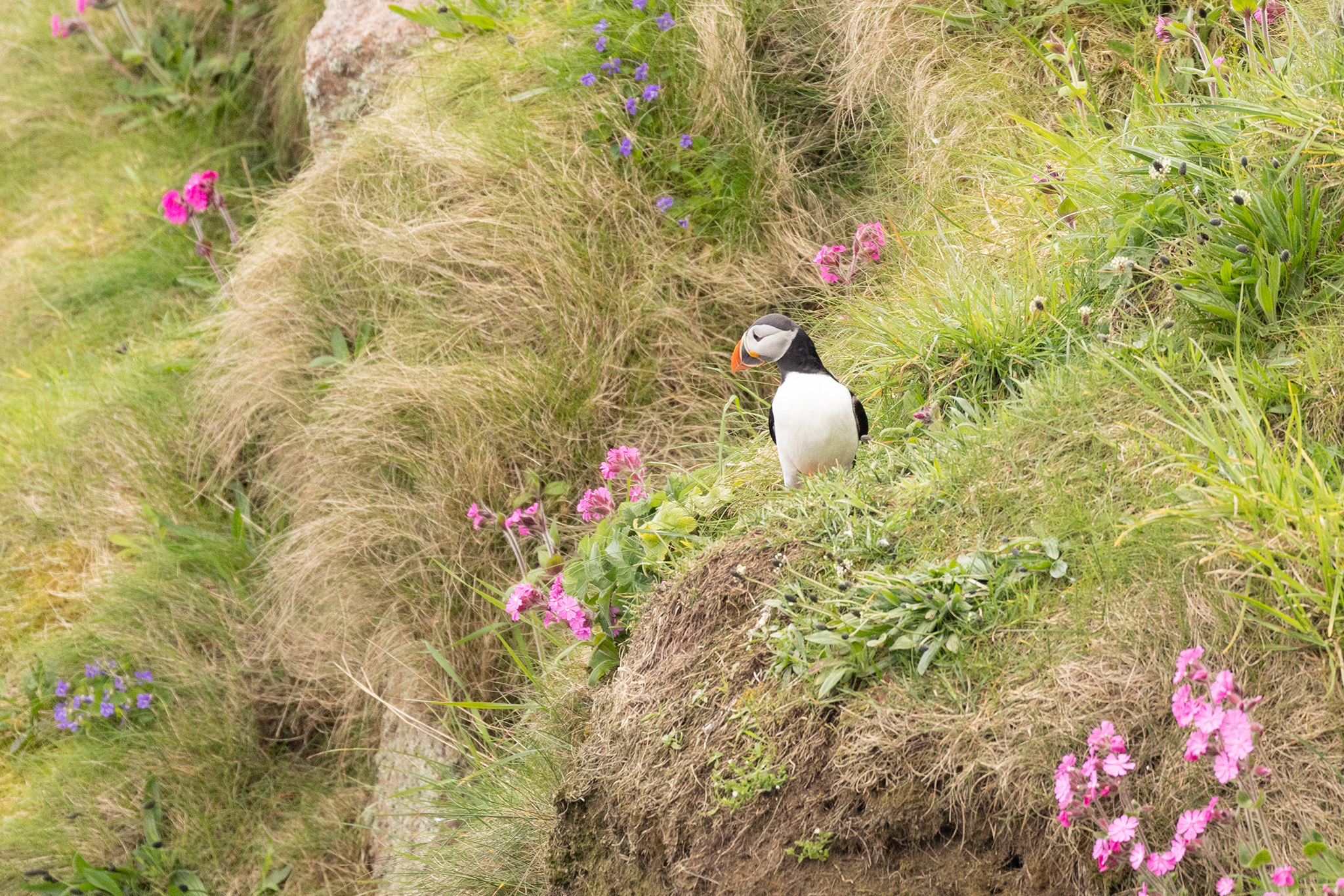
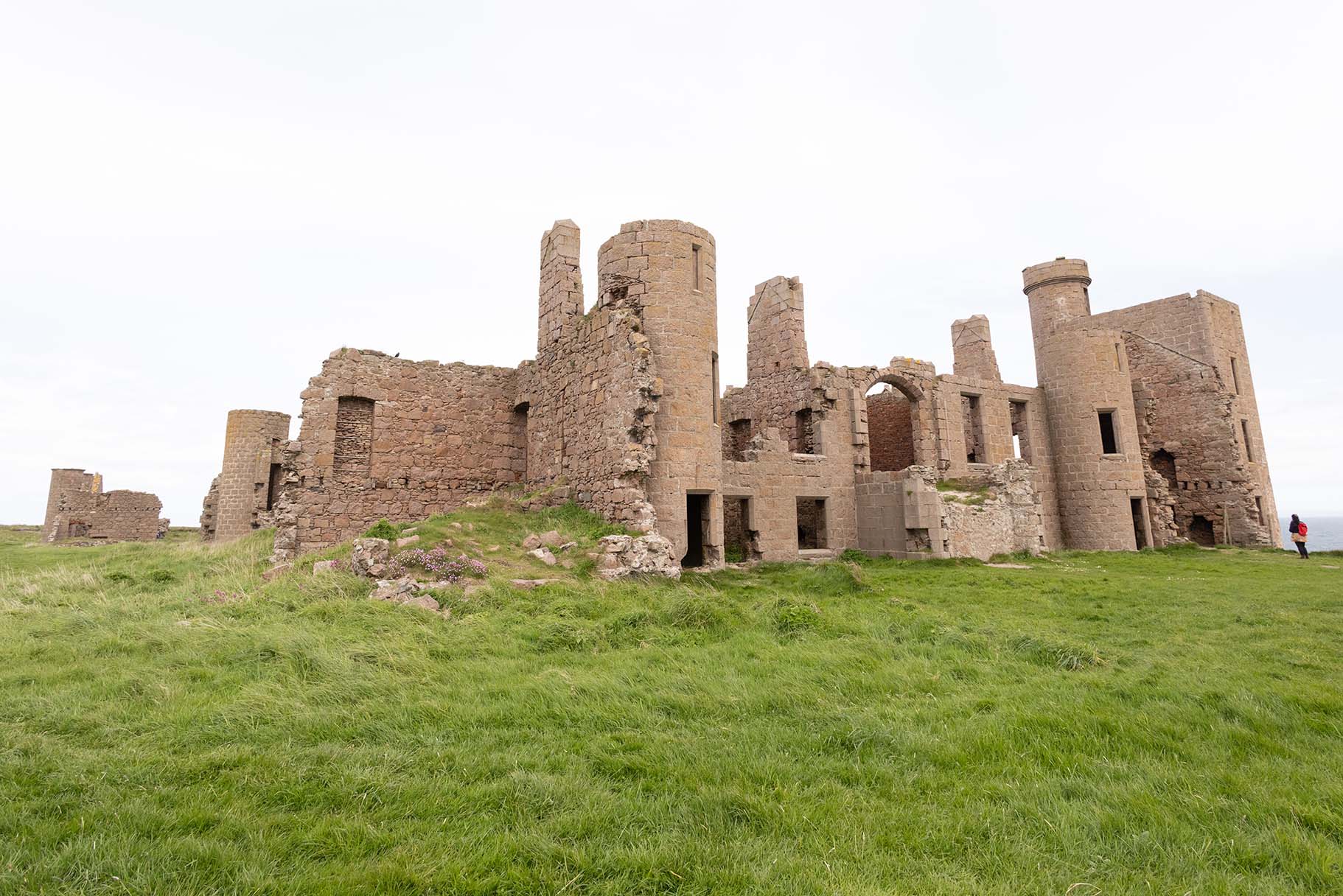
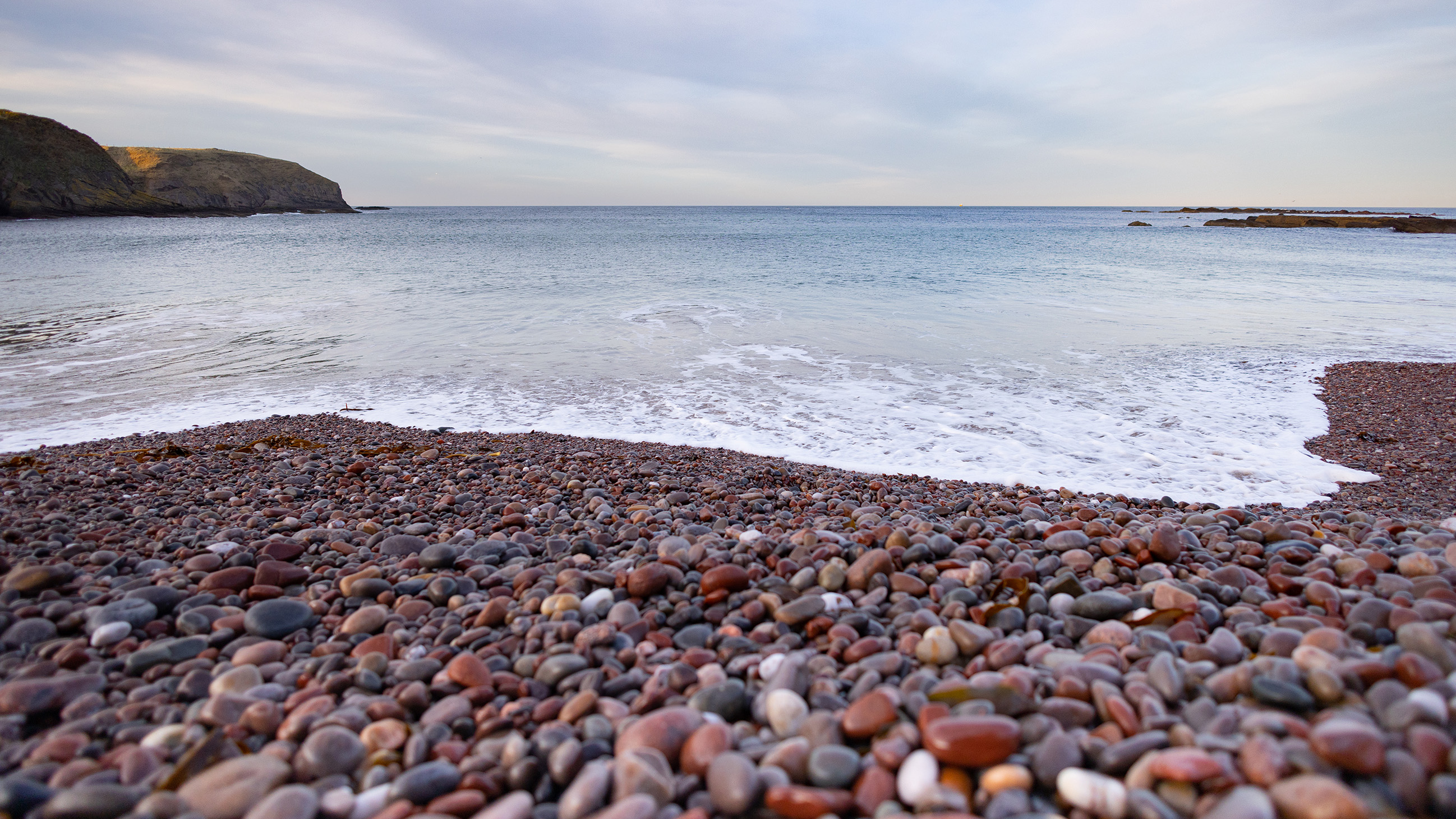
And finally, last week I had another book trip back to Aberdeenshire. My friend Kim, who I co-hosted the retreat with, kindly offered me a place to stay in Peterhead, which was a great base for exploring more of my new favourite coastline. I visited Peterhead Prison Museum and Slains Castle (which was inspiration for Bram Stoker’s Dracula castle), walked barefoot through the wind-sculpted dunes of Forvie and even managed to see a couple of distant puffins.
As we move into summer and I carry on beavering away with my book, I hope I can maintain the mindful practices I explored during the retreat and make them a regular part of my routine.
I’m currently writing my first book. It’s a Slow Travel Guide to northeast Scotland, which will be published in spring 2023. The book covers Aberdeenshire, Moray and the Cairngorms National Park, so basically a huge chunk of the country! My daily routine has become a contrasting blend of emailing accommodation providers, walking, writing copious notes and staring at maps until my head swims.
This is the biggest project I’ve undertaken so far and it’s very easy to get lost in the Big Picture. I’m learning the key is to break it down into chunks. Each field research trip is a week long and during those weeks I have a list of castles, stone circles, museums and reserves to visit.
I need to be as thorough and detailed as possible, so when the book is written it will read as though I’m giving a guided tour to someone wearing a blindfold. I’ve never written in this much meticulous depth before and it’s a rewarding challenge. During my master’s degree I was told to ‘show don’t tell’. With a Slow guide, it’s a case of including heaps of both.
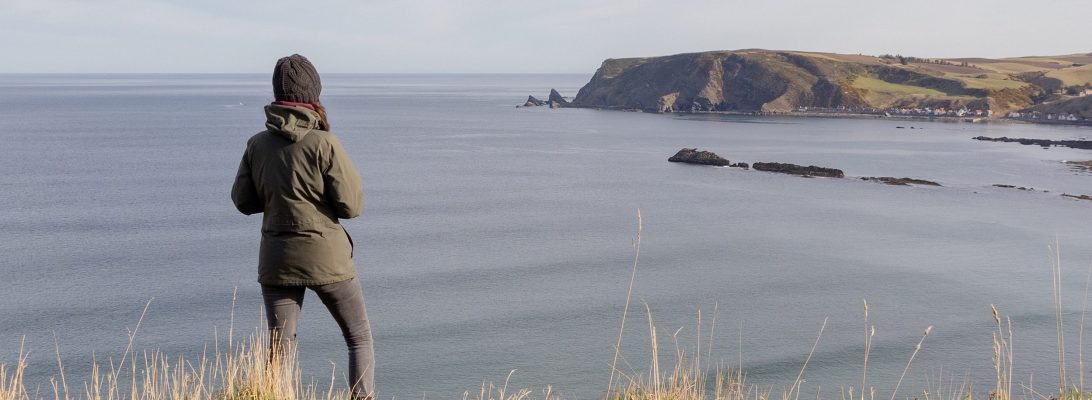
Looking towards Crovie, Aberdeenshire
Because the project is all-encompassing, other things have slipped into the background, including this blog. When I was studying for my undergraduate degree I had a delicious amount of time on my hands. My blog was abuzz with updates because it’s all I had going on outside of my assignments. What simpler days they were! Now everything I write has a destination – nothing is free just to keep the blog ticking over.
I’ve struggled with work/life balance for years. For me work has a nasty habit of becoming life. If I go for a walk I’m thinking about new places I could include in the book or looking for new photos to share to Instagram. Last year this took me close to burnout. Wildlife was everywhere I looked and for a while it lost its charm. Something I had grown so attached to had become almost a chore and I hated that I’d let that happen.
I think this is something all freelancers have to deal with. Working from home has lots of benefits but it also means your office is your home, and switching off takes real effort.
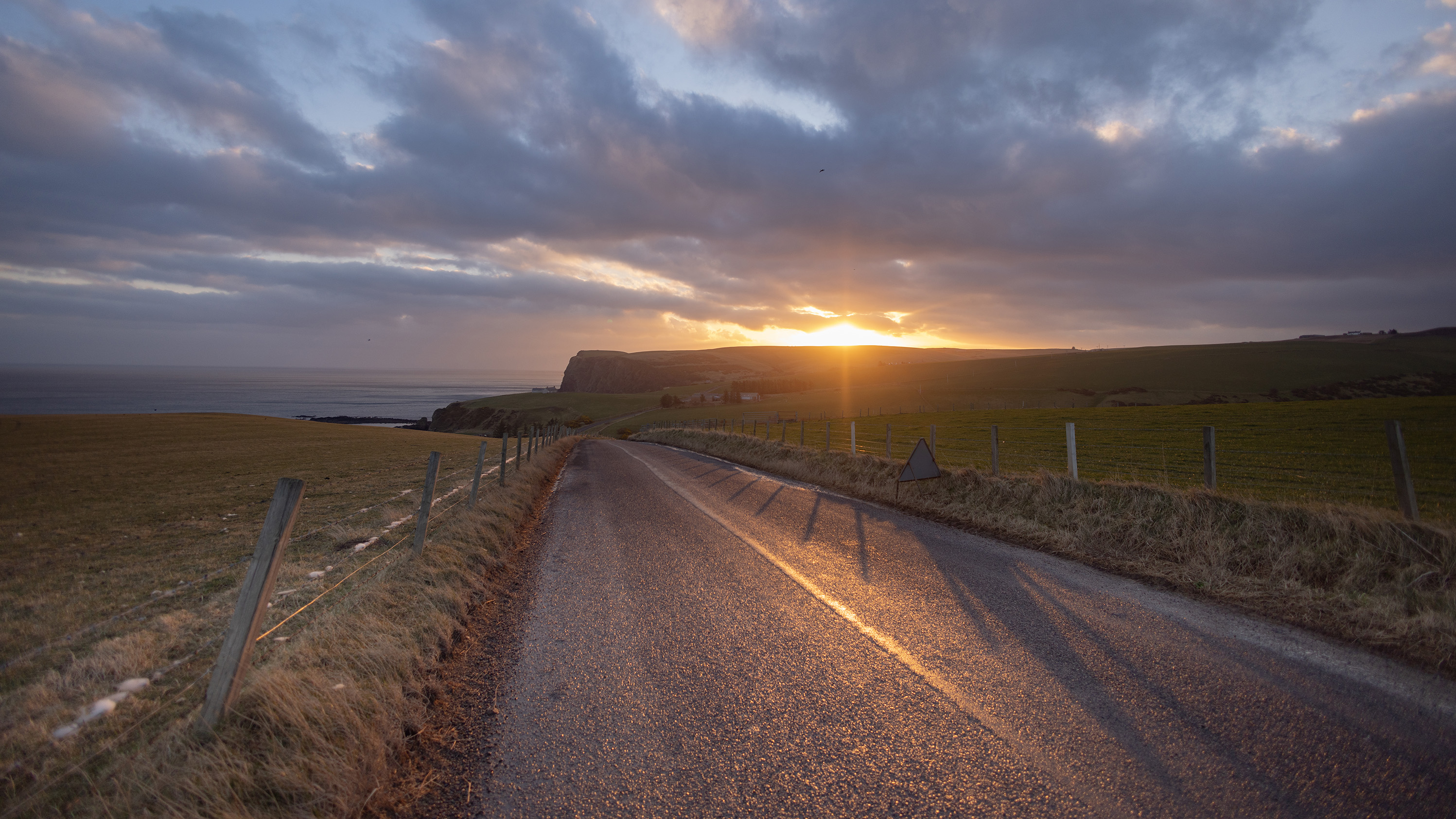
Sunrise on the road to Pennan, Aberdeenshire
Recently I’ve taken up ice skating again. I used to love skating when I was younger but because I didn’t know anyone else who could do it, I eventually stopped going. Luckily I had yeti feet as a child and they haven’t changed in the last ten years so my old ice skates still fit me.
There’s a rink in my local town that I didn’t even know about so I had a go. Obviously I was rusty at first, and the fear of falling on my tailbone (here I speak from painful experience) held me back. But with each visit I got comfortable quicker and now it’s become a passion again.
I’m by no means an expert – I skate for the sensation, which is the closest to flying I’ll get with my feet still on the ground. I find it so therapeutic, almost meditative, and better yet it doesn’t require any screens. My dry eyes get a break and I get lost in my thoughts, gliding weightlessly in repetitive circles.
I realised it’s the first true hobby I’ve had in years – something completely unrelated to work that lets me switch off and be in the current moment for a change.
When the weather warms up I’ll return to sea swimming too. I started this last year and experienced similar benefits to skating – no screens, no social media, just my own thoughts and a sensation of floating. Maybe it’s significant that my two forms of escape are different states of water.
I’m hugely proud of this book commission and I know that the moment I hold the finished product in my hands, every minute of stress and fatigue will be worth it. However, to reach that point I need to care for myself. I haven’t been very good at that in the past, but I’m learning.
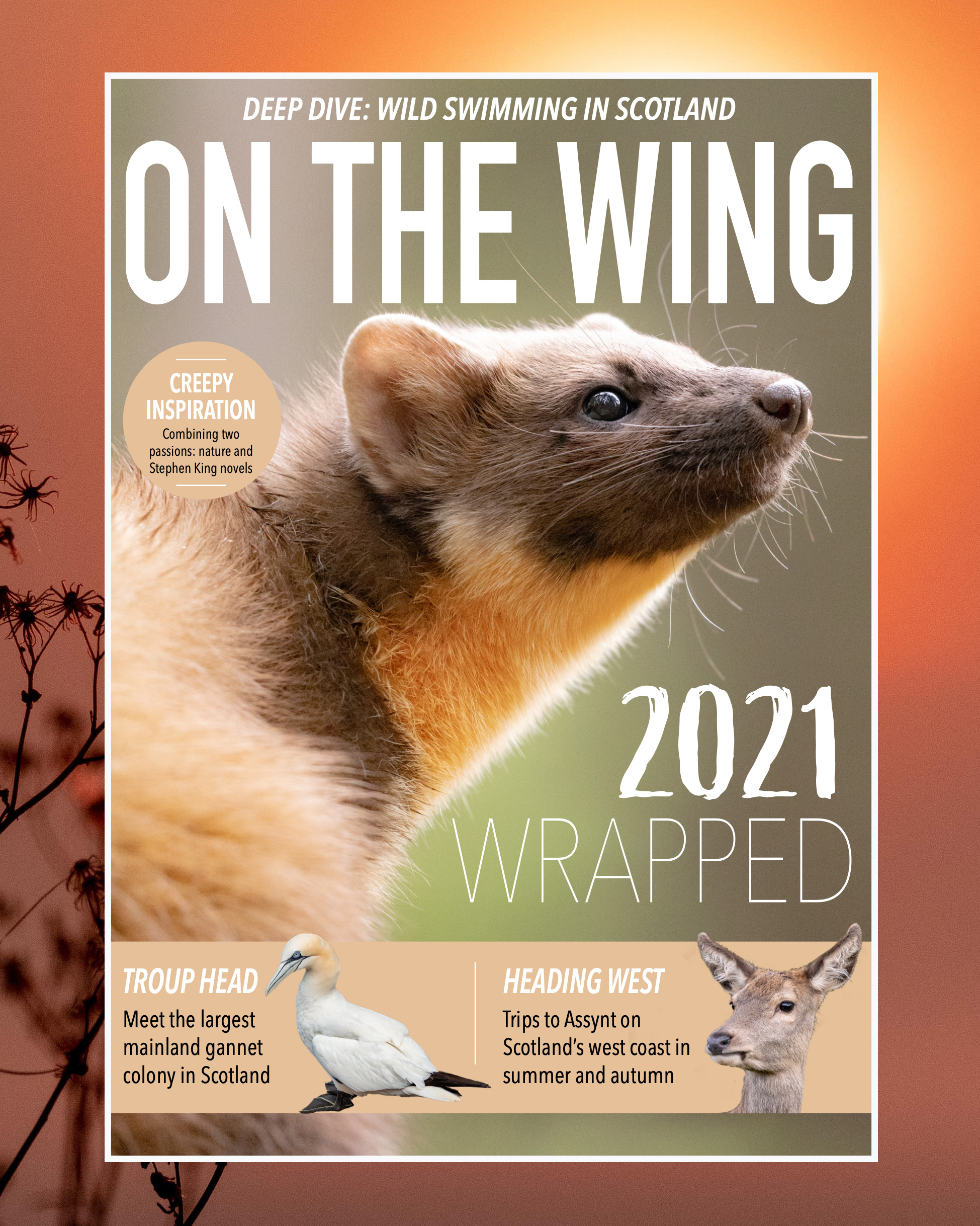
I always like to reflect at the end of the year, and this time I thought I’d summarise my antics in the second issue of my own magazine, which you can read by clicking the image below.
Thank you all so much for your kind comments and support in 2021. I look forward to seeing what 2022 brings.



















 rebeccaonthewing.com