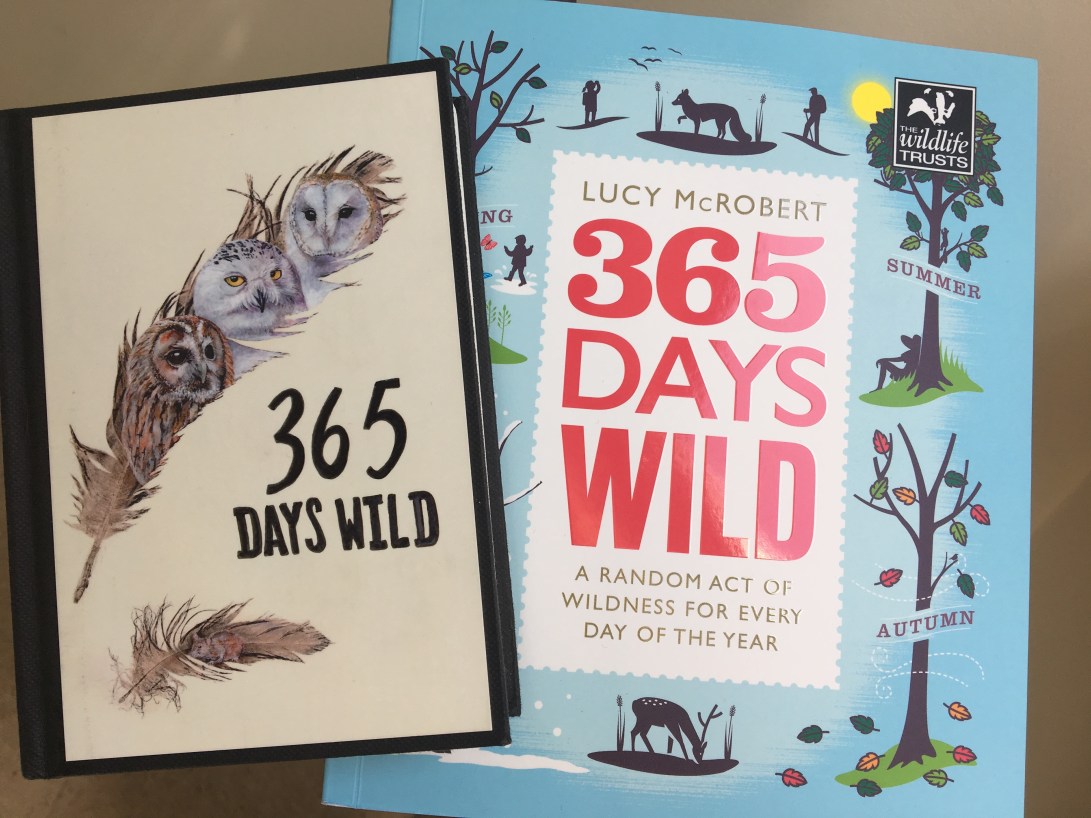
Onwards and Upwards

My last post was all about reflecting on 2019. This one is about looking forward to 2020. It’s easy to write a long list of New Year’s resolutions but a little trickier to stick to them. So, this year I want to develop habits that I already have, starting with my art.

Last year saw a surge in my artistic activity. I can’t remember quite how it happened, but I know that starting a nature journal certainly helped. As well as nature I use my journal for tickets, feathers, pretty page borders and scribblings. One of my new evening past times is sketching whilst curled up on the sofa in my favourite spot. It’s a one-stop shop for all my creative energy and seeing the book get fatter only encourages me more. The journal is particularly useful for making notes on walks, although I still need to kick the bad habit of wanting every page to look Pinterest-worthy. I make title pages each month and have bought a dinky old-fashioned library stamp to date each entry. It’s by no means perfect, but so far it has proven to be a useful tool for getting me drawing and painting again.

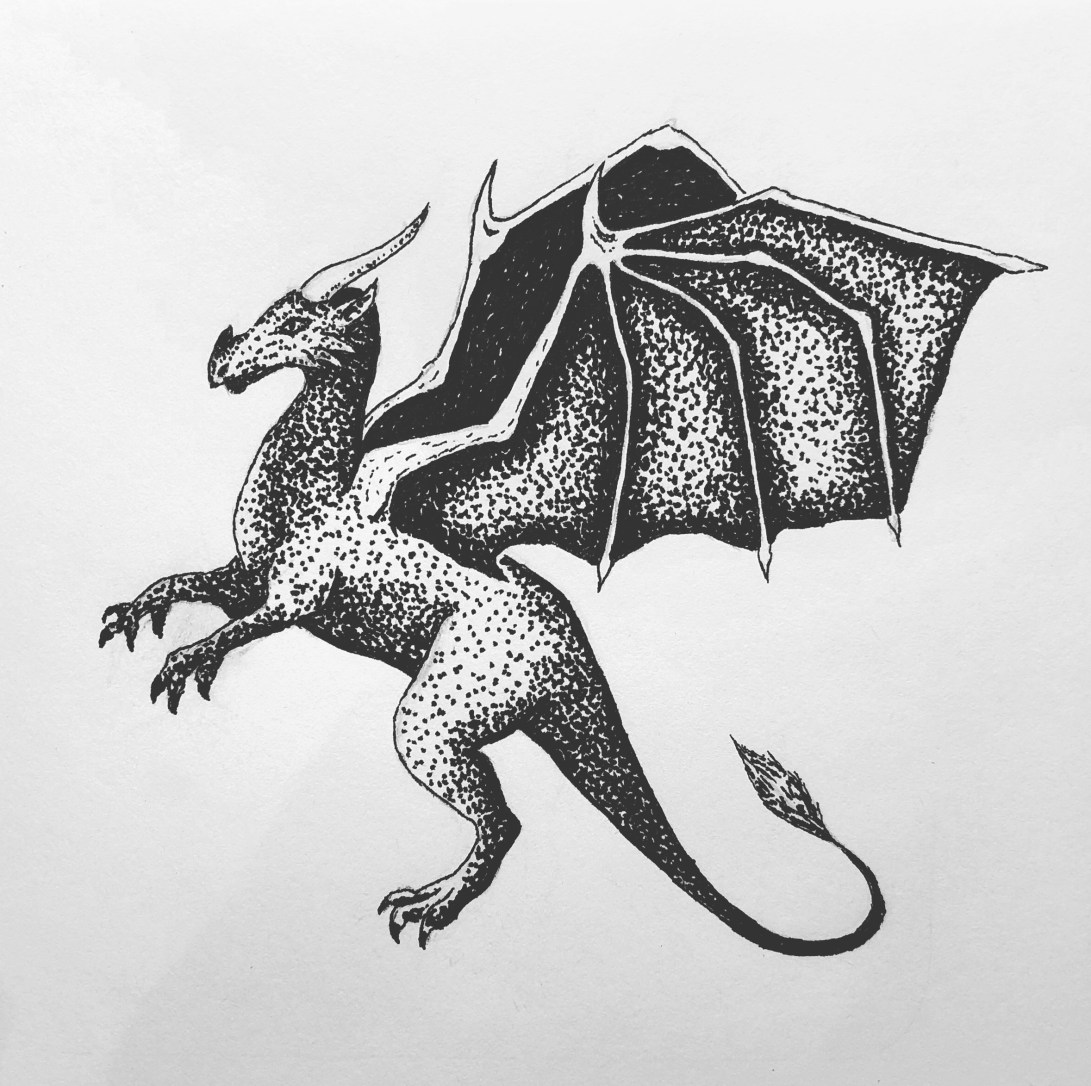
Linked to this is a new art challenge: Inktober 52. The original version was a drawing prompt for every day in October, but that sadly didn’t quite happen. Luckily for me there’s a weekly version starting in 2020 – 52 new drawings that I can add to my portfolio. The first prompt was FLIGHT so I drew a dragon with my new Faber-Castell pens I got for Christmas. I really want to stick to Inktober 52 and I can’t wait to get next week’s prompt!
C34767BE-2C12-4BF8-A468-B925793D3D36

Alas, where there’s play there has to be work. I’m feeling really optimistic about my writing moving forwards. The MA has already provided a structure for developing my work and, perhaps most importantly, trying to get paid for it. The self-led trip in April will be an important test of my ability to pitch to publications. Today I spent many hours poring over Scottish magazines and I was pleased to see that a lot of my ideas hadn’t been featured. There’s still a lot to organise, but I’m so excited to see what happens over the next few months.

Another thing I would like to do this year is establish a better work structure. I have quite a few different types of work including MA assignments, freelance pieces and personal writing, and my long to-do list was getting a little daunting. This year I’d like to try assigning a certain type of work to a specific day, so on that day I only have a few tasks to concern myself with. Blocking out time will hopefully mean I get jobs done more efficiently and make time for the things that get neglected, such as my fiction projects.

Something I certainly need to make more time for in 2020 is exercise. After a fairly consistent feast of mince pies, Yorkshire puddings and apple sauce over Christmas and the uninspiring rainy weather, my fitness has undoubtedly suffered. What’s more insulting is that my monthly gym membership still zips out of my account even when I don’t actually go… Although the idea of jogging makes me want to crawl into a ball and play possum, I want to embrace power walking and forest walking more this year.
IMG_1489
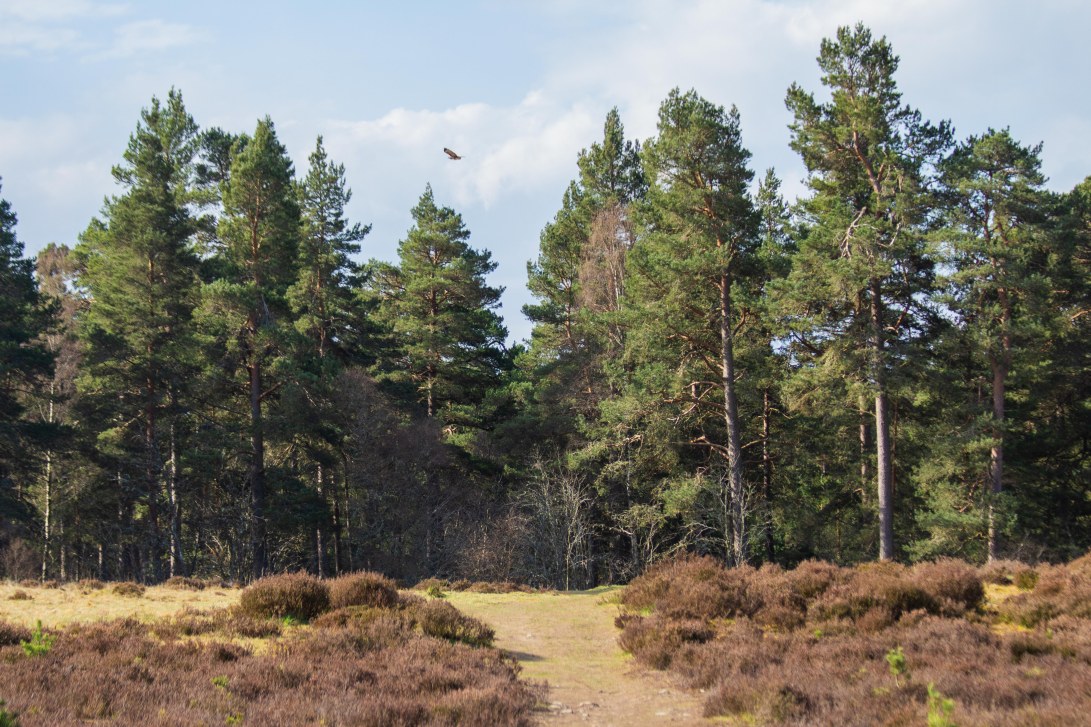
Buzzard gliding over Anagach Woods, Grantown-on-Spey

Lots to be getting on with! I’ve seen a few people choosing one word to summarise the coming year so I’ve decided that mine will be “improve”. It may sound simple but it’s what I want to do every year, whether that’s learn something new, develop a skill I’ve already been working on or change something for the better. Basically any small victory that brings me closer to my goals. I hope 2020 will bring lots of improvements!

 

2019 Wrapped Up

Christmas is here again, which means it’s time to reflect on what I’ve achieved in 2019. I still have a long way to go before I can really call myself a freelance writer, but I’m so proud of the progress I’ve made this year.

img_3859

A particularly significant event was the Grant Arms Wildlife Book Festival in April, where I travelled to the beautiful Cairngorms National Park to stay in what is undoubtedly the coolest hotel in the UK for wildlife lovers like me. I attended some fascinating talks, met many established writers and was thrilled to see my first pine marten. However, perhaps the most influential moment was meeting author Stephen Moss, who runs the MA in Travel and Nature Writing at Bath Spa University. We sat down for a chat and spoke about my work so far, and after our talk I began to think seriously about doing a masters. I was sad to leave the beautiful wilderness of Grantown-on-Spey behind, but I was also intrigued by the possibility of further study and what it could do for me.

img_3262_lively

In the summer I visited Madrid – my first solo trip to a non-English speaking country. I don’t think it occurred to me how daunting that prospect could be until I arrived and realised that my A Level Spanish was a lot rustier than I had anticipated. Nonetheless, despite the language barrier and the most intense heat I have ever experienced, I really enjoyed my stay and learnt a lot about my resilience when travelling alone. Madrid is a beautiful city that I would love to return to some day, just in a slightly cooler season! The highlight was undoubtedly the flamenco show on my last night – that experience will stay with me for a very long time.

P1000122

Not long after Madrid it was time to drive up to Rutland Water nature reserve for Birdfair, which has now become a yearly tradition. I caught up with good friends from uni, met the lovely Lucy McRobert and finally christened my new tent in the campsite. As always, Birdfair was a fantastic networking opportunity and I met some lovely authors and conservationists who were keen to share their advice. I also saw Stephen Moss again and bought rather too much wildlife art…

IMG_4060

September saw some more networking at the AFON conference – I’d never seen so many young naturalists in one place and I felt proud to be part of that community. During the weekend I introduced myself to author and illustrator Tiffany Francis, who is one of the loveliest people I’ve ever met. I swapped Instagrams with lots of inspiring writers and conservationists, many of whom I’ve stayed in contact with since. Events like the AFON conference are such a great way of reaching out to like-minded people and I was so happy to build my network further.

IMG_4207

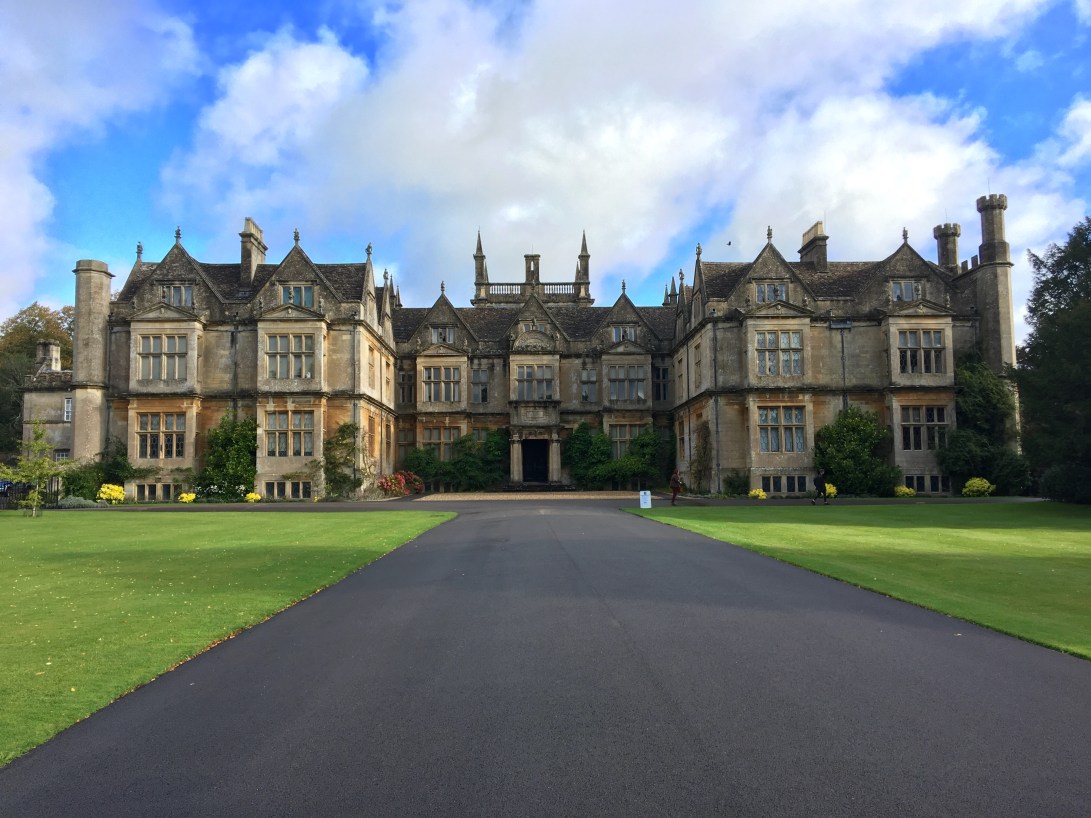
In October there was a very big change: beginning the MA. The week-long residential in Corsham was a chance to meet my fellow students and be introduced to the way the degree was run. I’m sharing the year with a diverse and enthusiastic group of people and I already feel close to them after so little time. An unexpected achievement has been my rekindled love for drawing and painting, which has proven to be a great tool for inspiration. So far I have submitted two assignments for the course and have been really pleased with my results. The second term will begin in the new year and I can’t wait to tackle the next module – a trip completely organised and funded by me where I need to try and get writing commissions from professional publications. Naturally I’m apprehensive about it, but I’ve done this before with the Isles of Scilly so I know once I begin my research I’ll be away.

IMG_4272

Finally, the end of 2019 saw my first official commissions – two for Blue Sky Wildlife, two in Hertfordshire Life magazine and the completed annual report for SEZARC. The team in Florida loved what I’d done and have now asked me to make the next report for 2019, which I can’t wait to get started on. In fact, I’m excited to announce that I shall be visiting Florida again in 2020. Not only will it be a chance to see my friends and work colleagues, but also a fantastic opportunity to gather new images to use in the next report. I don’t know when it will be yet, but I’m so excited to get the details in place.

I began this year feeling a little shaky and unsure of exactly where I planned to go. I still don’t have everything figured out, but the commissions have given me a real boost of confidence. It has been great meeting other naturalists including young women like Tiffany Francis and Lucy McRobert, as well as everyone on my course who are all making amazing contributions to wildlife writing. I have a great feeling about 2020, and I can’t wait to see where I am this time next year.

Published!

This month I was thrilled to have an article and two photographs published in the Christmas issue of Hertfordshire Life magazine. I have started volunteering as a Communications Assistant for the Herts and Middlesex Wildlife Trust, and as part of my work I was able to write a festive article about twelve wild things to see and do at Christmas.

4) Herts Life Dec 14) Herts Life Dec 2

In the past I’ve had a few articles published on websites and a column in a local Cumbrian newspaper, but this was my first full-length article in print and I was overwhelmingly proud. Hertfordshire Life is a beautiful and professional publication, and I was so grateful to be given the chance to contribute to one of its issues.

Even more excitingly, I have submitted another article which shall be published in the next issue in a few weeks. This one will be about winter walks to banish the January Blues and I can’t wait to see it!

The British Wildlife Centre

The British Wildlife Centre (BWC) is a little pocket of countryside that combines wetland, woodland and marsh to create the ideal natural environment for around forty species native to the UK. The centre is home to birds, mammals and reptiles, some of which have been rehabilitated because of permanent injury or too much contact with humans. They range in size from harvest mice to red deer with all sorts in between. It’s a particular treat to be able to see animals native to Scotland such as the pine marten and the Scottish wildcat, the latter of which is now critically endangered.

IMG_2172
Pine marten

Five years ago, I attended one of the BWC’s photography days, which was a fantastic opportunity to practise using my new telephoto lens and get to grips with wildlife photography. Taking part in the photography day enables guests to visit the centre out of hours and get even closer to the animals. Recently I decided to return to the BWC and see what I could capture.

A lot of wildlife writers I know don’t post about captive wildlife. I can understand why – regardless of the facility it is the concept of animals in cages that they don’t agree with. However, the BWC isn’t cramming elephants into its enclosures. Conservation of British wildlife is at the forefront of their objectives and this is done primarily through education. When the centre is closed to the public, the BWC welcomes school groups and those in higher education to provide “a real natural history experience”. What I love most about the BWC is that it aims to promote greater involvement in British wildlife by giving children and students an opportunity to study native wildlife in a natural setting.


IMG_2077
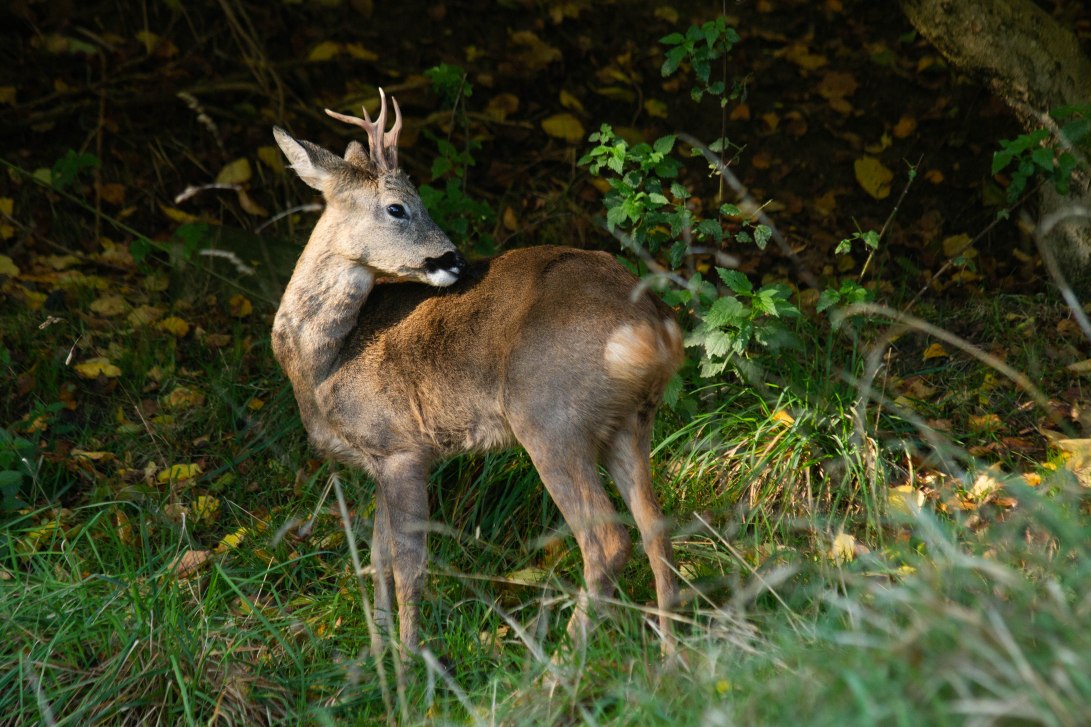
Roe buck

A particular favourite of mine was Flo the red fox. She rested with her eyelids drooping, her fur glistening fiery orange in the bright sun. She is one of the animals that has become too habituated with humans to be released, so she enjoys unlimited cuddles from the keepers. I sat down beside the fence and she got to her feet, stepping through the grass to lie down close to me. I took the chance to admire the stunning brush tail that swept around her back legs, her wet black nose and long whiskers. It was impossible to see how anyone could hate such a stunning animal. I sat with Flo for a while, the two of us basking in unnaturally hot November weather until a family with children approached and she trotted over to say hello.

IMG_2121

Escape to the Wilds

Recently I travelled up to Northumberland to visit friends from university. They are two of the busiest people I know, so I was pleased to be able to steal a few days in October to catch up and visit their local patch.

The first thing I experienced was severe house envy. Wildlife art adorned every wall; the sort of beautiful paintings and drawings that I planned to splash all over my own home some day. However, it was the bookshelf that really caught my attention. Sprawled across an entire wall and almost reaching the ceiling, it was crammed with every book on natural history you could want. Not just modern paperbacks but antiquarian hardbacks with leather bound covers and swirling gold titles. In front of every row of books was an envious selection of treasures: pinecones, gannet eggshells, roe deer antlers, pin badges, lino prints, Wade Whimsies, fossils, gemstones, lichens, miniature animal wood carvings and a beautifully preserved badger skull with its lower jaw intact. I spent ages studying everything in turn, gravitating first to the roe antlers. I have a roe buck skull of my own – one of my most prized possessions – but I still long to find dropped antlers too. It was an impressive collection of everything nature, framed by dozens of books from my wish list.

I stayed with my friends for a long weekend and managed to cram quite a lot into those few days. Heather and I visited a fantastic patch of woodland, which was home to not only red squirrels but also pine martens! I knew we probably wouldn’t catch a glimpse of one during the day, but it was still exciting to walk among trees that might be housing a sleeping marten. It was so peaceful and quiet with only faint birdsong punctuating the air. As we searched for fungi to photograph, I found a gorgeous caterpillar making its way along the fence. Later, we discovered it was a buff tip moth caterpillar.

IMG_1888

IMG_4477
Photo by Heather Devey

The next day I helped Heather with a “Mini Wildlife Adventure” that she was running for a child’s birthday party. The boy was intrigued by nature and so he and his friends spent the morning pond dipping, searching for bugs, finding badger prints and birdwatching in a hide. It was such a fantastic idea for a birthday party, and it was particularly refreshing to see that the boys had good wildlife knowledge and were genuinely excited by what they saw. Educating children about nature at a young age is the key to ensuring they continue to care about it when they grow up. Those boys would have spent hours pond dipping if we’d had the time, and it was so lovely to see.

IMG_4449
Here there be badgers

That evening Heather, Cain and I spent a peaceful last evening watching Sherlock with the fire cracking and snapping in the grate. It had been a pretty jam-packed weekend but as always, I felt inspired with a rejuvenated love for nature that always comes after a trip to northern England or Scotland. I sometimes struggle to feel that same passion at home in the south, where there are more people and noise and far fewer pine martens. I love escaping to the wilder parts of the UK and look forward to another wildlife adventure very soon.

IMG_4478
Photo by Heather Devey

A Prickly Afternoon

I arrived at the Hornbeam Wood Hedgehog Sanctuary half an hour early just in case I got lost. They purposely don’t advertise their exact location online, as is often the way with small wildlife charities. Luckily, just as I was cruising along a rather featureless country lane and beginning to think I was in completely the wrong place, I saw a man in a van with “Hornbeam Wood Hedgehog Sanctuary” plastered on the side.

Hedgehogs are one of those creatures that have slipped through my radar for some reason. I’ve only seen a handful of live ones my whole life, and as they’re nocturnal and not particularly attention seeking, I didn’t know a great deal about them. So, when I saw an advert on the Hertfordshire Wildlife Trust website about learning more about hedgehogs at a sanctuary only a few miles from where I lived, I was keen for the opportunity.

Martin, the man in the van, is the only permanent person working at the sanctuary, and all as a volunteer. At peak times during the year, there can be as many as 80 hedgehogs at the site with six new patients a day, but usually there are around 40 animals, which is still a huge commitment. In the intensive care barn, where the hoglets and “pinkies” (hogs only a few days old) are kept, there are feedings every two hours. The majority of hedgehogs that arrive are dehydrated or injured by foxes, dogs or traps. If a back leg is injured, or even amputated, the animal can still be released. Equally, a hog that is blind in one eye can also return to the wild, but a completely blind animal requires an enclosed garden to keep them safe from predation.

Temperature is vitally important for hedgehogs. Hoglets cannot generate their own heat so will die if abandoned by or separated from their mother. Hibernation among adults is dependent on temperature and so the timing can vary year on year. Usually if the temperature falls to around 5°C they will find a secluded space, slow their breathing right down and curl up into their signature ball. A hedgehog’s quills, sometimes reaching as many as 7000 in number, are primarily used as defence, but they also provide a helping hand in ensnaring tangled leaves and wild materials around the hog as added insulation.

P1000552
Martin showing us around “Hog Hotel”

Sadly, hedgehog numbers have declined rapidly in recent years, down 50% in rural areas and a third in towns and cities. There are now thought to be fewer than one million hedgehogs left in the UK. That may sound like a lot, but in the 1950s there were rough estimates of around 30 million individuals. The reasons for such a drastic drop are numerous, ranging from intensive farming methods that rotate fields more often, reduced hedgerows, pesticides and fewer water sources. That’s just in the countryside. In urban environments, hedgehogs are threatened by the use of slug pellets, abandoned plastic and an increase in impregnable fences and walls that prevent wandering hogs from passing through.

Of course, there are ways we can help. Providing jelly-based cat and dog food or dried food specifically for hedgehogs provides much-needed nutrition. Contrary to the once popular belief, hedgehogs should never be fed bread or milk as they are lactose intolerant and this would seriously harm them. Another important garden addition is access to water, especially as most of the rescue hogs Martin receives are dehydrated.

For more indirect help, make your garden a haven for insects by planting wildflowers and fruit trees, and the insectivorous hogs will have a more plentiful food supply. To prevent any casualties, install ramps in ponds to help a soggy hog clamber out – although they can float and swim well, they sometimes drown from exhaustion after getting stuck in the water. And finally, make sure to always check for hedgehogs in compost heaps and bonfires before using them. A simple nudge with a broomstick will stir a hedgehog and give them sufficient warning to leave, although with bonfires it is always best to rebuild them elsewhere before lighting.

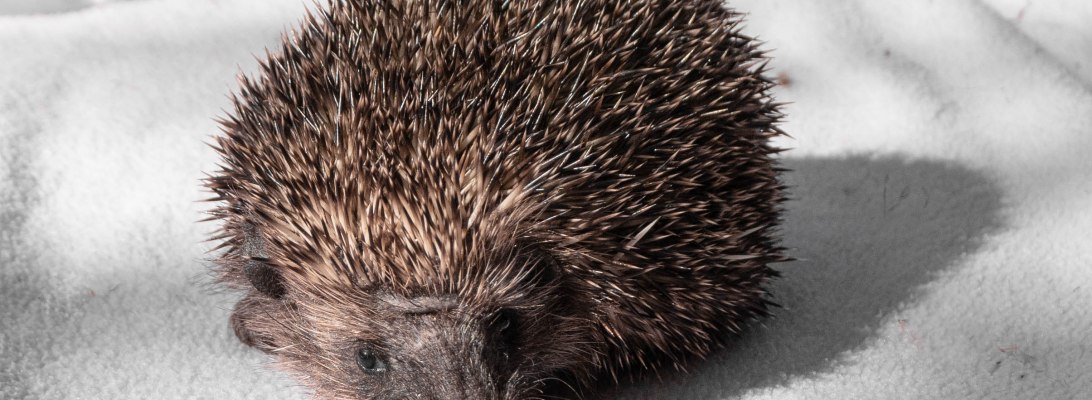
As a wonderful end to a thoroughly informative talk, Martin showed us Hog Hotel where a lot of his patients were kept. We were allowed to meet one, Rock, up close and personal. Not quite adult size, Rock fit snugly in the cup of Martin’s gloved hand and pointed his twitching nose up at us.

P1000547

As hedgehogs are naturally wary of exposing their vulnerable undersides, it’s difficult to sex them. Martin explained that the best way was to find a small dimple amongst their fur. If it is around halfway up the stomach, it is a male. If it is further back towards the rear, it is a female.

Rock explored his surroundings for a while, while Martin stood poised ready in case the hog made a mad dash across the table. Getting to see a live hedgehog so closely was such a privilege. As I watched Rock, I realised I couldn’t remember the last time I had seen one in the wild. Like many of our native British species, hedgehogs are in trouble and it’s so important that we help them in any way we can. People like Martin give up full days of their time. I know I can definitely give up five minutes to put trays of water and cat food in the garden.

If you find a sick or injured hedgehog, the first thing to do before intervening is to contact the British Hedgehog Preservation Society to get expert advice. 

This fantastic event was hosted by the Herts and Middlesex Wildlife Trust. To find out about future events, visit their website.

P1000551

The Red Rut

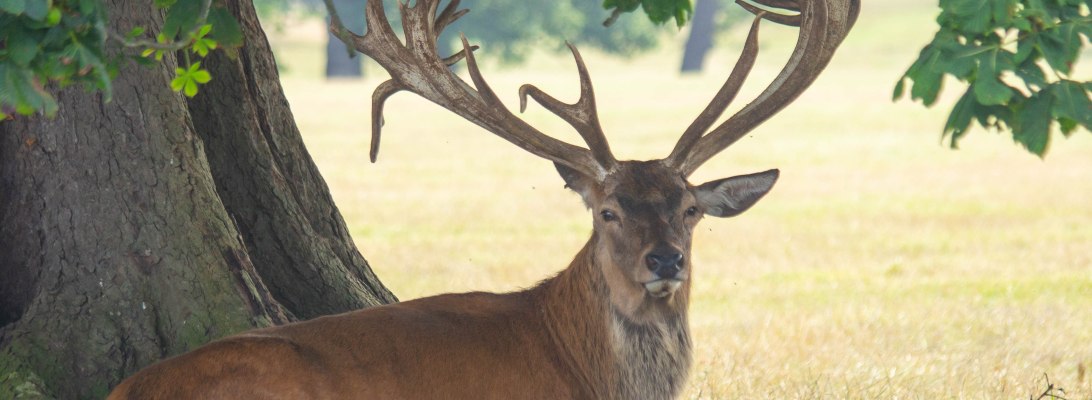
As the mornings grow gradually colder, signs of autumn such as emerging fungi, clusters of conkers and grass crunchy with frost can now be seen. A seasonal highlight among wildlife during this colourful season is the deer rut, where red stags and roe bucks compete with each other for the right to breed with hinds and does respectively.

The deer rut is regarded as one of British wildlife’s most impressive spectacles, especially that of the red deer – the UK’s largest land mammal, reaching over one metre at the shoulder. From late September to early November, testosterone-charged stags spend many weeks bellowing at dawn and dusk in an attempt to ward off rivals and also to bring hinds into heat (oestrus). They will often thrash in vegetation, gathering foliage into their antlers to increase their size. A slightly less glamorous habit is wallowing in their own urine. This olfactory stimulus also triggers oestrus among the females.

If two stags are equally matched, they will parallel walk alongside each other to assess size and strength. Stags will also clash antlers and shove each other – the victor of these battles will claim his harem of females and win mating rights. Due to its high risk of injury, physical contact is often only a last resort, carried out towards the end of the rut when the dominant male is near exhaustion. The rut is a huge physical drain for stags and they can lose up to 20% of their body weight as a result of being on constant guard of their harem and therefore not eating or resting.

IMG_1827
A red stag grazing in Woburn Abbey Deer Park earlier this month – in a few weeks’ time his strength and endurance will be put to the test to win a harem of females

If watching red deer during the rutting season, it’s important to take care and keep a respectable distance. Stags can be aggressive and unpredictable, so it is essential not to get too close when watching the event. This autumn I would love to witness my first red deer rut. After my incredible encounter with a roe deer at Tring Park recently, I’m keen to continue learning about these often under-appreciated animals and witness more of their natural behaviour out in the field. While many good spots for deer rutting are in the wilds of Scotland, more accessible locations include Richmond Park, where over six hundred deer can be found.

The usual suspect, work, has meant that I’ve only managed to snatch the occasional walk outside in nature over the past few weeks.  It’s been a while since I’ve been up with the dawn for a wildlife watch and it’s high time I got back into it. For the deer rut especially, it’s the early bird that gets the reward. 

Who Am I?

I was so excited for last weekend’s A Focus On Nature’s “Now For Nature” conference at London’s Natural History Museum. Specifically aimed at 16-30 year olds, AFON is all about young people in conservation. Wildlife isn’t often popular among young people, so having the chance to meet like-minded individuals my age was a brilliant opportunity. From talks by big names such as Chris Packham and Stephen Moss to productive workshops from successful conservationists, the event was an inspiring weekend full of Conservation Optimism.

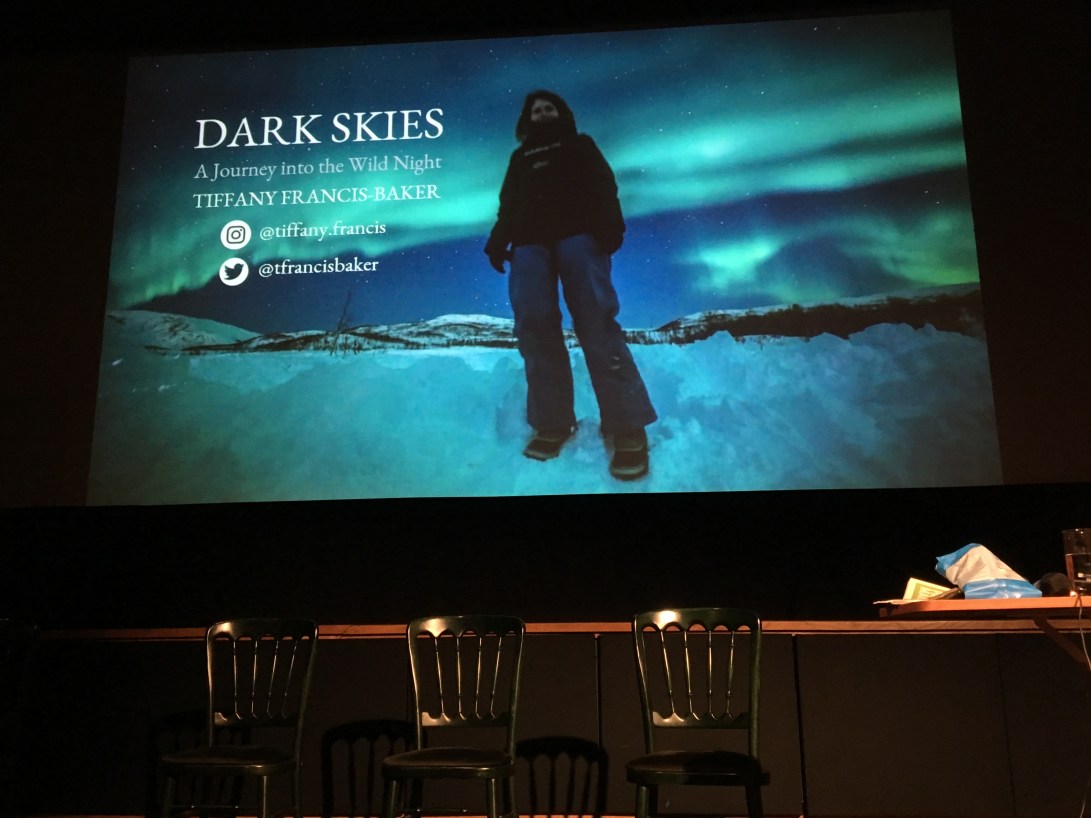
I was particularly pleased to meet Tiffany Francis. At just 27 years old, she has three books published, which is an incredible and inspiring achievement. Her big break came from AFON itself, where she wrote an article on wild foraging that was picked up by Bloomsbury and turned into a book. Tiffany went on to write her second about British goats – taken from her time working on a farm – and her latest book Dark Skies, released only last week, is about our relationship with darkness and wildlife at night. As well as writing the book, Tiffany also produced all the illustrations including the book’s front cover.

IMG_4164

Speaking to Tiffany afterwards, I discovered how approachable and open she was. We chatted like we knew each other; in fact, when I gave her business card she said, “Oh you’re rebeccaonthewing!” which was a fantastic feeling.

I told her about the trouble I’ve had finding a specific identity in my writing and establishing a niche without cutting myself off from other readers. I also suffer from overthinking, which ends up being a real obstacle that stops me from writing. One thing I’d like to try is free writing, where I just sit and let thoughts pour onto the page. I’m hoping that not only will this lessen the inhibiting effect of overthinking but it will also generate new ideas. I’ve learnt that getting hung up about writing means you don’t write.

Tiffany’s reply was that I should just write what I enjoy writing. For a while she had conflicting ideas about her own professional identity. Was she a writer or illustrator? At the time she felt she couldn’t be both, which made filling out social media bios a real trial.

She later realised that she didn’t have to label herself as anything. She was a “creative”, which could mean writer, artist, public speaker and a whole range of other things. I’ve experienced this too, deliberating over “writer” and “photographer”, and although they’re not my greatest strengths, I also love painting and drawing which ties in nicely with nature writing as Tiffany has proven. I’ve come to realise that all these skills come together to form my identity as a “creative” and it is constantly changing and adapting. It doesn’t need to fit in a bio box. Tiffany said all that’s important about your work is it pays the bills, makes you happy and makes a difference. While the first may take a while, I can continue with the second and strive for the third.

IMG_4163

Doe, A Deer

The first wildlife I encountered when I crossed over the bridge into Tring Park was the grasshoppers. They were everywhere, their electric buzz sounding from every direction. The pale grass in which they were concealed was jungle-thick with a million places to hide, but a particularly noisy individual drew me in and I knelt on the grass and studied the ground intensely. Suddenly I found the culprit, rubbing its legs together with fierce ferocity. I just managed to take a few quick photos before the insect propelled itself into the air, leaving the leaf bouncing with the impact.

IMG_4112

As stunning as the open parkland was – with butterflies flitting through the grass and red kites wheeling in slow circles overhead – I sought the shade of the forest, already beginning to perspire in another bout of sweltering August heat. The cooling cover of the trees was instantaneous and I made my way up the hill. Sloping overhead from left and right, the trees sighed as a breeze whistled through them. The canopy was a blend of greens, browns, oranges and, where the sun was shining, molten gold. Further up the hill I found a small clearing speckled with sun and shade and set down my blanket. Blue tits churred up in the trees and a distant jay screeched into the silence.

The first activity came from two grey squirrels who came darting at full pelt straight through the clearing. One continued right past me but the second wasn’t nearly so trusting. Hopping onto a nearby tree, the squirrel studied me intensely. After a few moments’ deliberation, it decided to take the long way round and shimmied up the tree in fragmented bursts, pausing every so often to stare again, bushy tail twitching. I’d obviously plonked myself in a squirrel playground and this one was making sure I knew it.

P1000474

After the branches had stopped shivering from the squirrels’ antics, the forest fell silent. My eyes kept catching on long lines of spider web that sparkled each time the sun touched them. They were mesmerising; delicate gossamer threads lifted by the breeze. Behind them, voices permeated through the forest and a group of dog walkers marched past, each dog’s nose on overdrive with all the enticing aromas. Another squirrel foraged close by, exploring the leaf litter in small hops and tail twitches.

Every so often a single leaf would fall, twirling slowly to the ground like confetti. It seemed that no animal had disturbed it, so it must already be the beginning of autumn. Soon, the leaves would explode into warm colours and tumble to the ground before the first frost.

P1000495

There was another rustle to my right and I glanced up, expecting to see another dog walker or jogger. An involuntary gasp escaped and I watched in disbelief as a female roe deer headed straight towards me. She briefly disappeared behind a tree and when she emerged suddenly spotted me, stopping dead in her tracks three metres from where I was sat. For several long moments we stared at each other, both equally incredulous. I willed her not to be scared of me but she was naturally rigid with unease. My camera lay right next to me within easy reach, but I knew the second I moved she would bolt. So I ignored my photographer’s instinct and stayed frozen.

We continued to gaze at each other and I took the opportunity to admire her beautiful face with its large, black nose and literal doe eyes. Eventually she skirted around me, falling back to a safer distance and emerging onto the path, her elegant legs moving in long strides. As she retreated I grabbed my camera and snapped just before she disappeared, although of course my real photo opportunity was long gone.

P1000510
Proof that it happened!

There comes a time when an encounter is worth not getting the picture and I believe that was one of those times (or so I kept telling myself afterwards). Not only would reaching for my camera have startled the deer unfairly, but it would have undoubtedly shortened my time with her. For those few precious seconds I ignored all distractions and savoured the thrill of engaging with a wild animal, especially one as naturally wary as a deer. Experiences like that don’t happen every day and sometimes it’s best to simply be in the moment, even if you pass up the possibility of a killer Instagram post.

Long after the deer had gone I buzzed with excitement. The afternoon was warm but goose bumps had risen on my arms as I sat relishing the encounter. I’d always been captivated by the elegance and composed beauty of deer. In a way I found them near mythical. Despite their supposed abundance I very rarely see them, so to experience one so unexpectedly close and without any warning was exhilarating.