Arctic Adventure


This is what we went to Norway for!

Although I’m so happy to be back in Scotland, I can’t help missing Norway. Obviously the humpback whales and orcas were the highlight, but the northern lights, eagles, sunsets and even the cold were all so special too. There are already whispers about going again in 2021, but for now I’m still reminiscing over the incredible sightings I had during my trip this month.
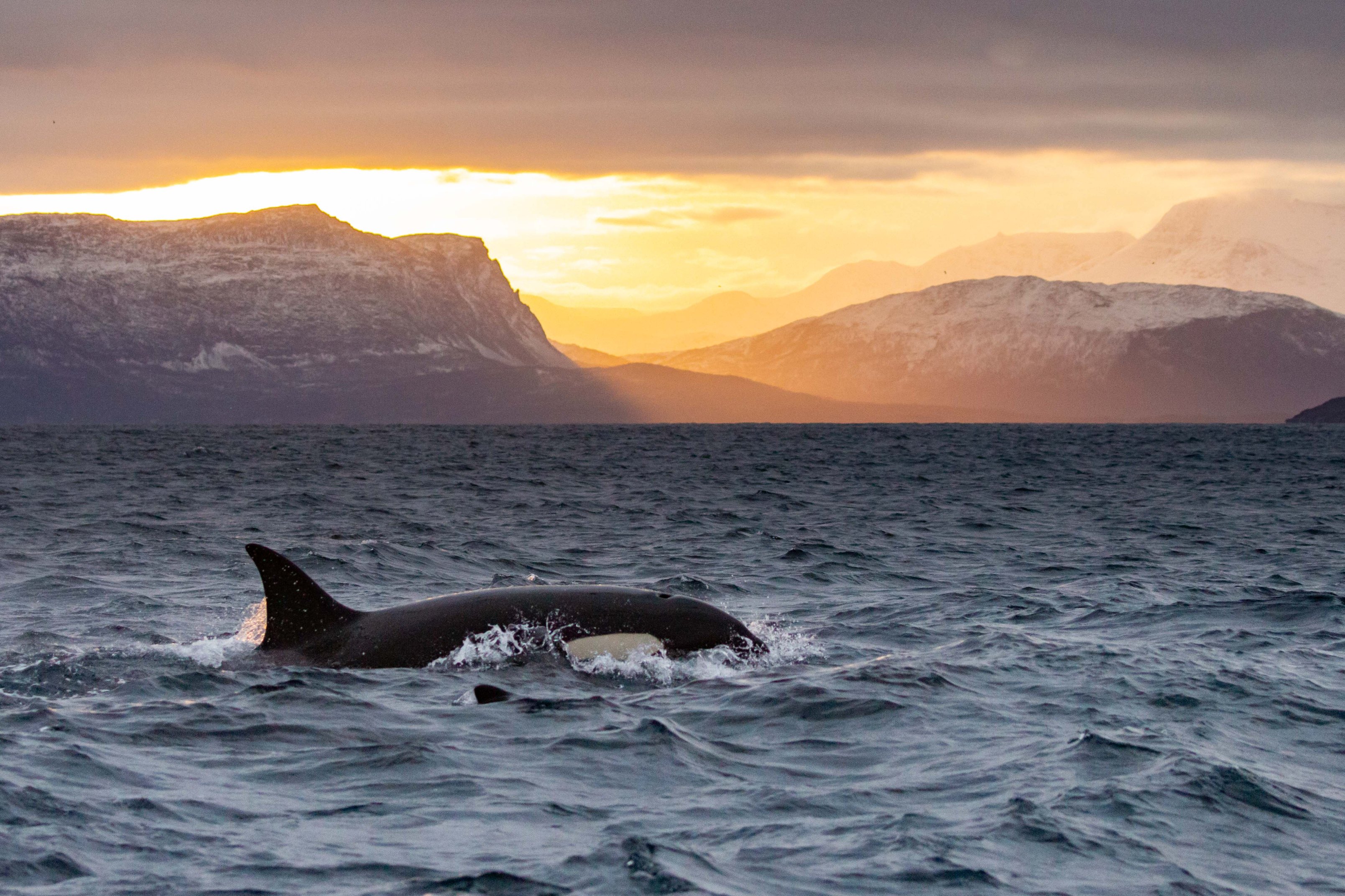
If you’d asked me a month ago if I thought I’d be this close to wild orcas, I’d have replied with a straight no way. But somehow this is what happened. Within ten minutes of leaving the harbour we were surrounded by orcas. We kept our distance of course, but there’s no rule against orcas approaching boats and that’s exactly what they did. A pod of males, females and even calves cruised tightly alongside us. As much as I was itching to take photos of the entire encounter, I forced myself to glance over my camera too because I couldn’t quite believe what I was seeing.
“BREACH!”

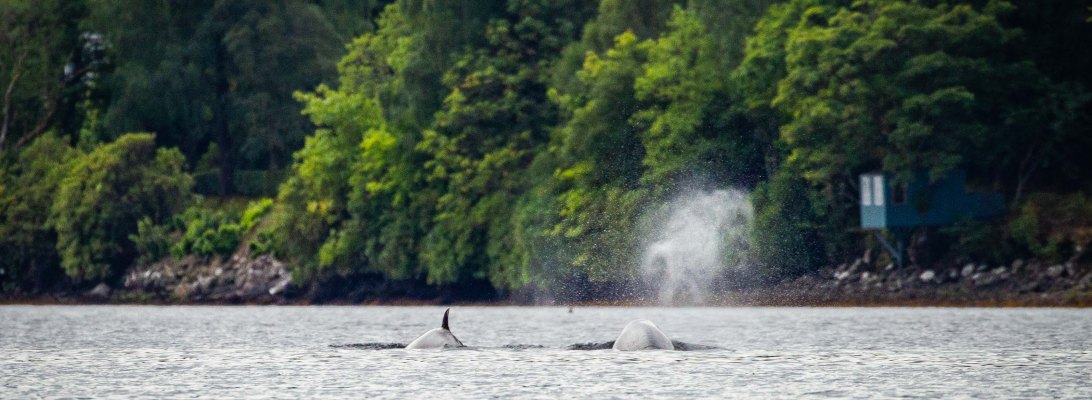
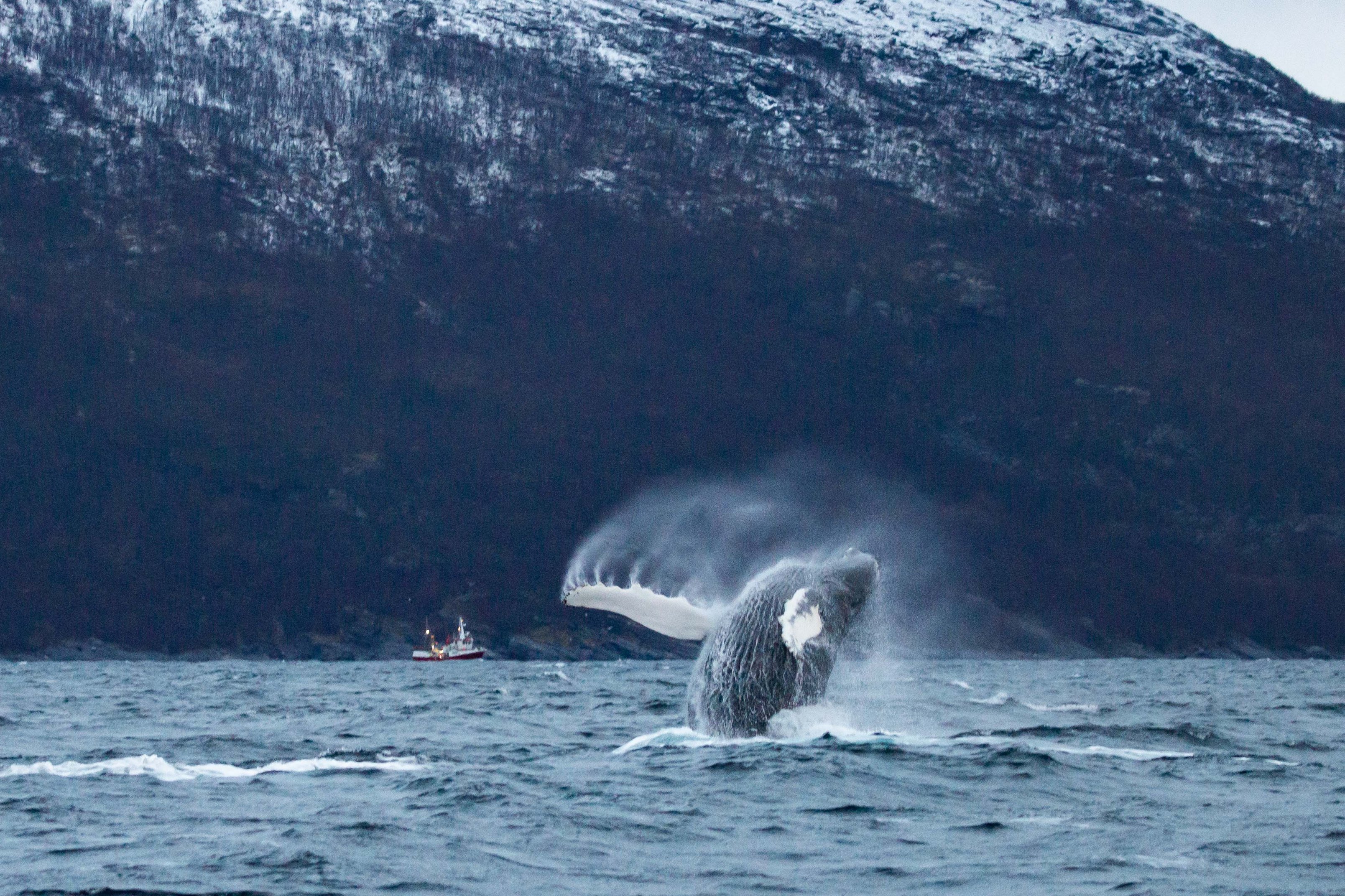
It’s the word every whale watcher wants to hear. On our fourth day on the boat one of our group screamed and pointed. I ducked below the cabin and glanced through the window to see a white splash as large as a circus top. Humpback whales often breach more than once so I darted around to the other side of the boat and lifted my camera, finger poised on the shutter. Seconds later the whale leapt again, flipping in mid-air from its front onto its back. I shrieked into my viewfinder as water streamed off the whale’s huge pectoral fins. The sound of the whale hitting the water was like a thunderclap. Seeing a forty ton animal erupting into the air like that left me with my jaw on the floor!

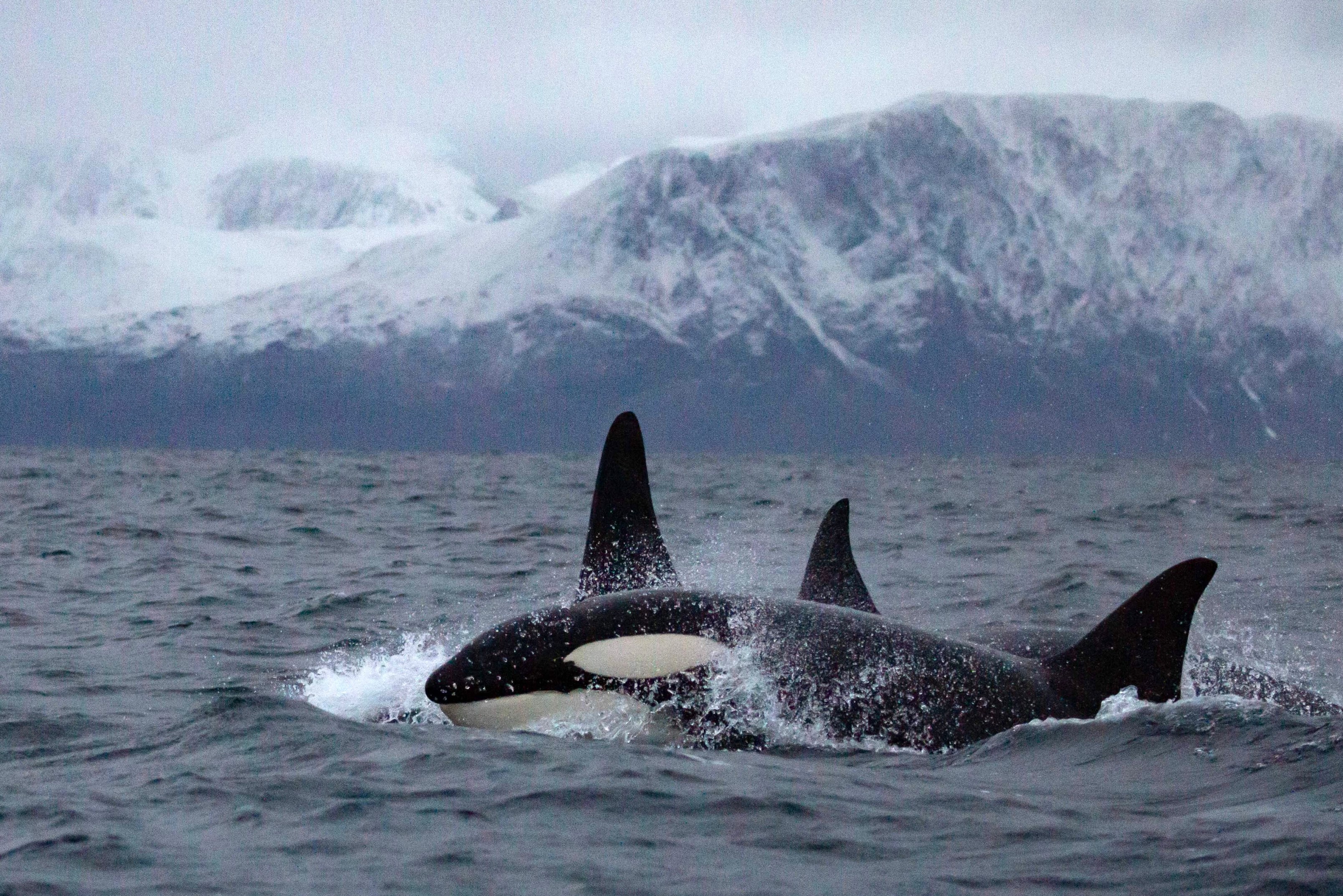
This is a moment that will stay with me for a very long time. On one of the calmer days we found this beautiful pod of orcas. As well as males with large triangular dorsal fins and slightly smaller females there were also some calves breaking the surface for air. Making sure we kept our distance, we drove the boat slowly alongside the orcas, which were framed by stunning snowy mountains. After a while they dived and disappeared, leaving us spellbound in their wake!

What a bird! Known as the “flying barn door”, white tailed eagles are the largest bird of prey in the UK. In the early 20th century they were hunted to extinction but were reintroduced from Norway in the 1970s. Now these huge birds can be found from the Isle of Mull to the Isle of Wight and are doing well in Britain. I’ve seen them a few times in Scotland but at a distance – in Norway they came so close that they soared right over my head!

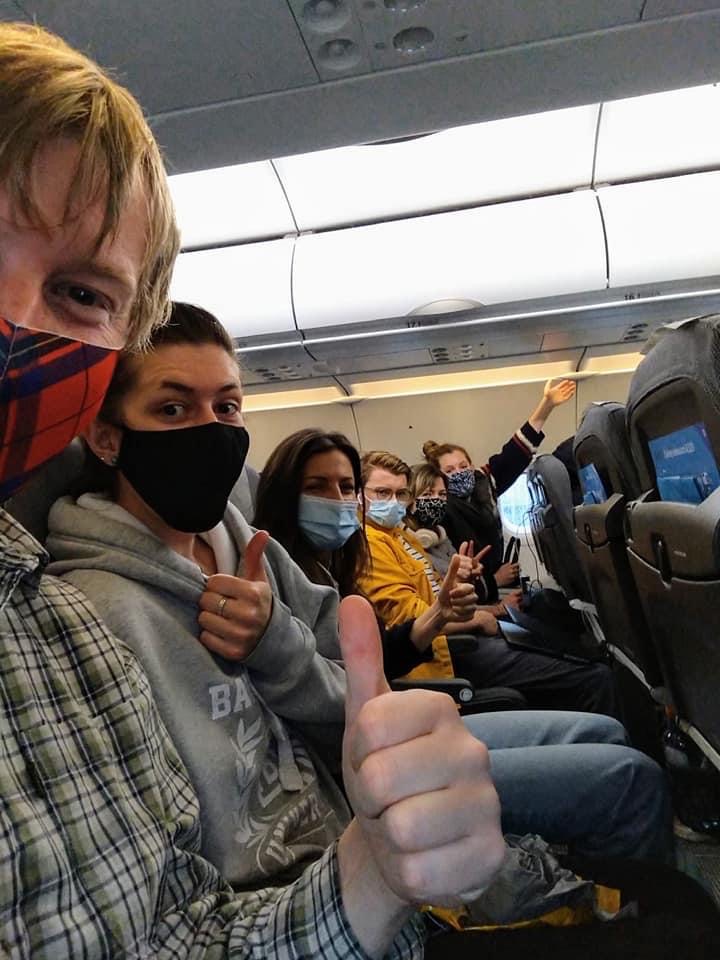
I had an absolute blast in Norway with the best group of people! Nothing like being housebound in quarantine together for ten days and all going for a Covid test to break the ice. It was a trip of a lifetime for me and although I’m pleased to be home and looking forward to my first Christmas by the sea, being back in “the real world” has made Norway seem like a distant dream.
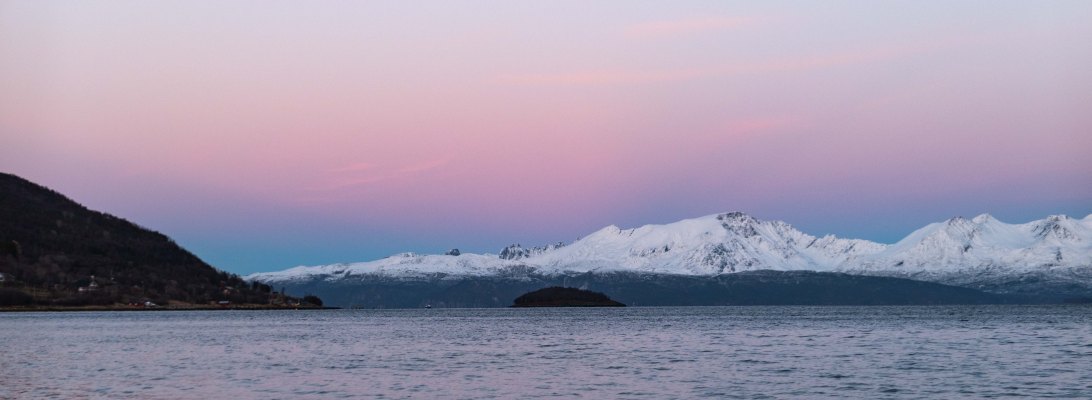
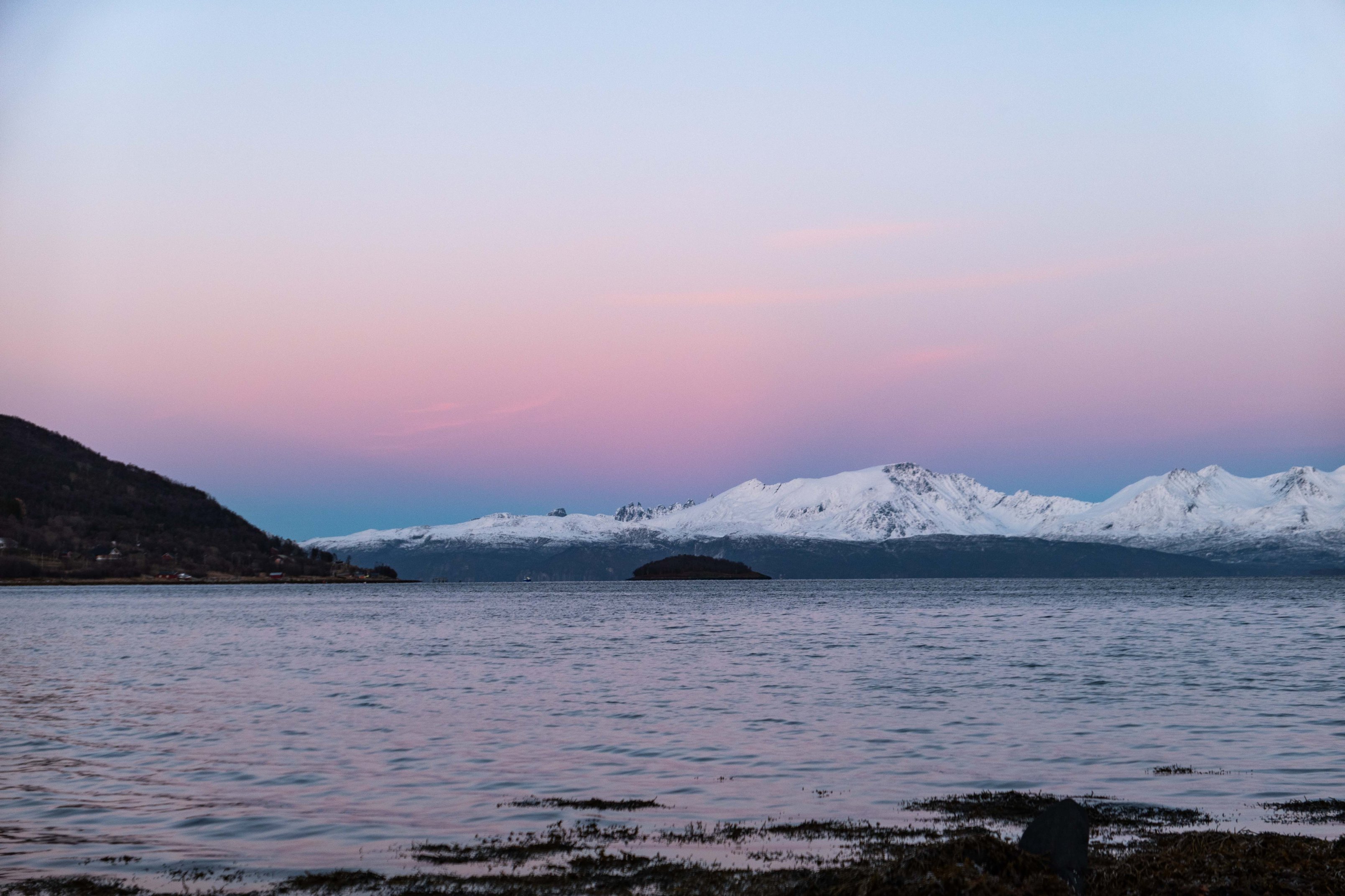
Away At Sea


It’s been a while since my last post – the past couple of months have been a whirlwind of planning, packing and stress! Earlier this week I came back from a trip of a lifetime to Arctic Norway, but it nearly didn’t happen at all.

For the past three winters, my partner and his friends have made the journey to Skjervøy, a three hour’s drive north of Tromsø, to go whale watching. Large shoals of herring have been drawn into the fjords of northern Norway, attracting humpback whales and orcas. Every year my partner hires a boat and takes the group out to find them. As soon as they returned in 2019 they booked the house for 2020, obviously unaware of how the year would progress.
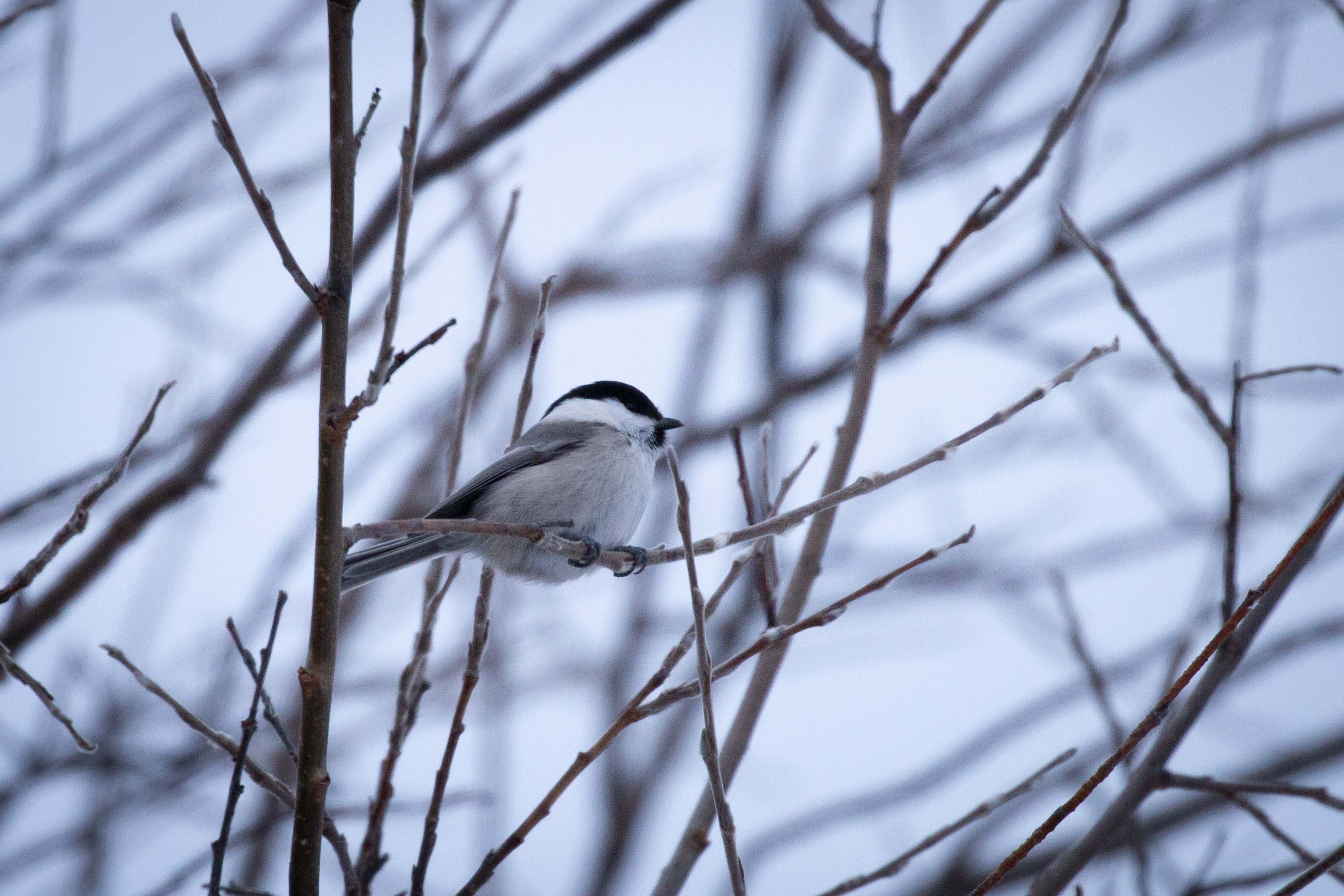
Willow tit

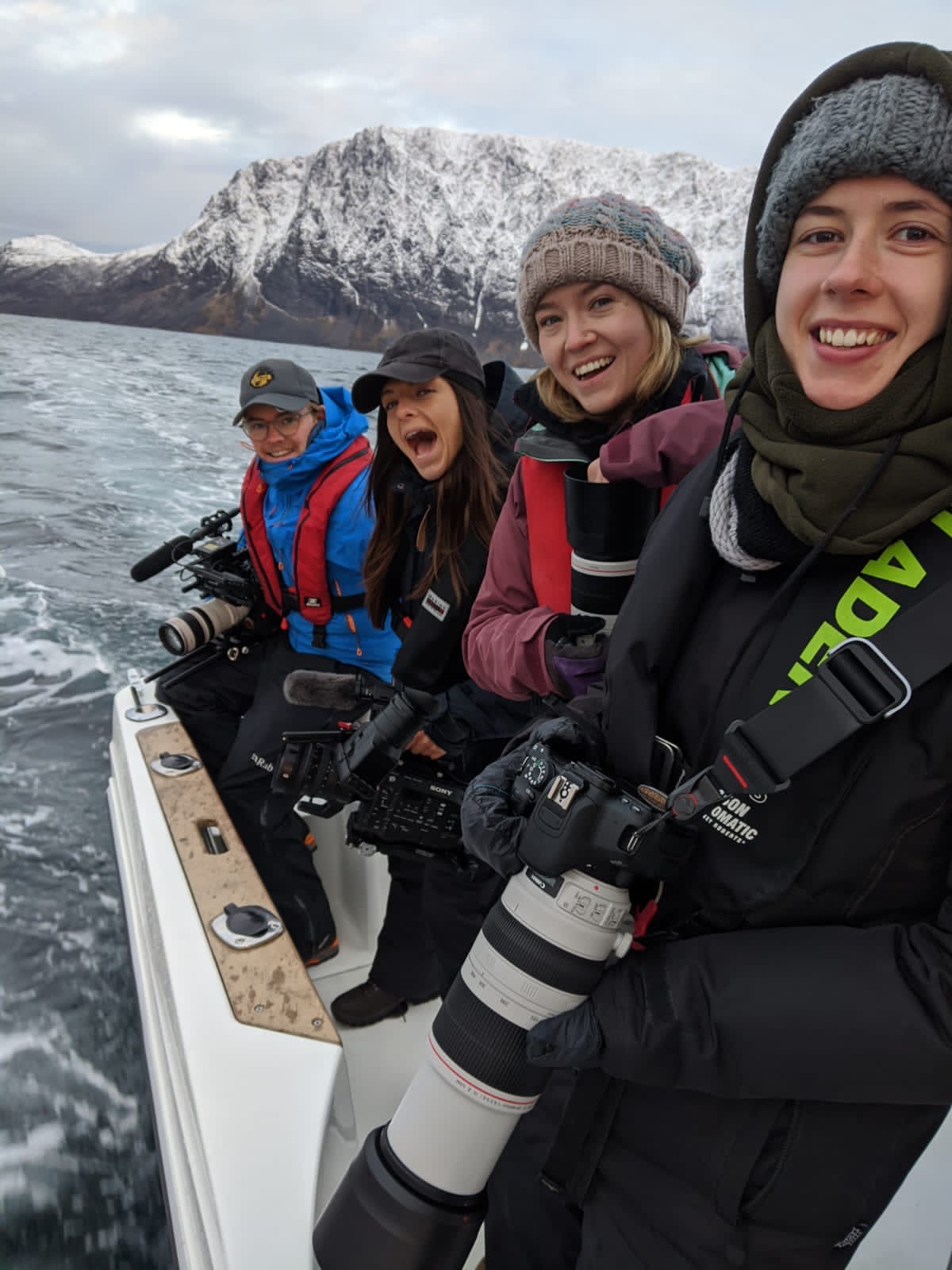
In the lead up to our departure, our flights were cancelled and rearranged three times. What was originally a trip for eighteen people split over three weeks shrunk to just six of us because we all had to arrive at the same time to do our ten day quarantine. Eventually we made it out there and settled into our beautiful house right on the water’s edge.

It was the best quarantine I could have wished for: white tailed eagles flew directly overhead every morning at 10am sharp; willow tits scooped up the seeds beneath the feeder; velvet scoters cruised across the fjord and best of all, the northern lights shimmered in cloudless skies on most evenings. I felt incredibly fortunate to have reached Norway and had such an enjoyable quarantine!

The first ten days could have been a holiday by themselves, but after we were cleared to leave the house it was time to do what we came to Norway for – head out on the boat to look for giants. More coming soon!

November Wildlife


In November, many mammals are preparing for hibernation while some new faces are arriving on the scene. In the latest instalment of my monthly series for Bloom in Doom magazine, I’ve shared some of the British wildlife highlights that can be seen during November.

Birds

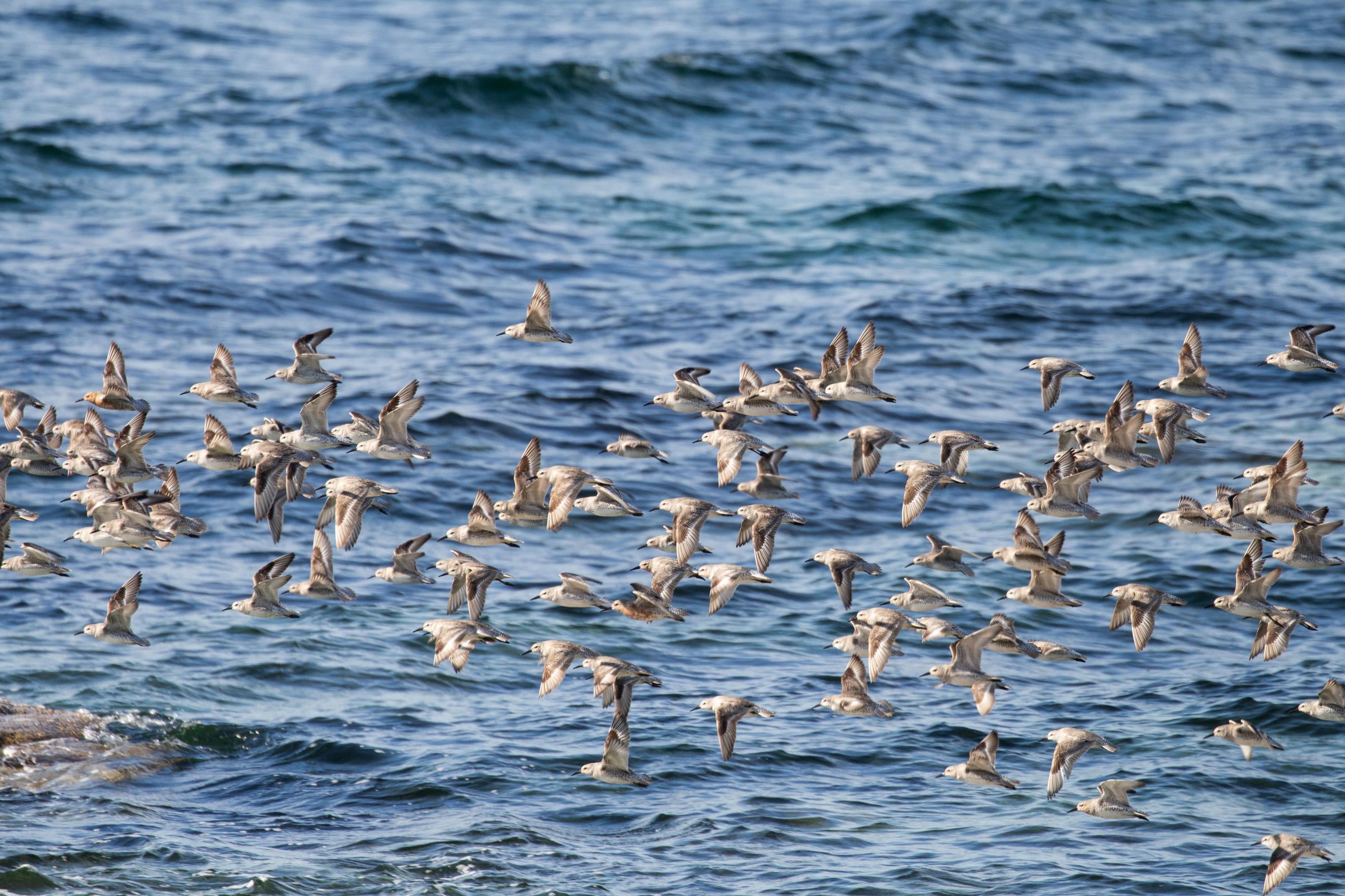
Winter is an excellent time for birders because of all the overwintering geese, ducks and waders that have arrived. It is thought that around 50,000 barnacle geese travel from as far away as Russia to reach our shores, which may seem chilly but are far warmer in comparison!

All those birds attract the attention of raptors, so also keep an eye out for peregrine falcons and harriers which are looking for a possible meal. Short-eared owls also travel south for winter and are often seen near the coast. 

A flock of knot flying along the shore
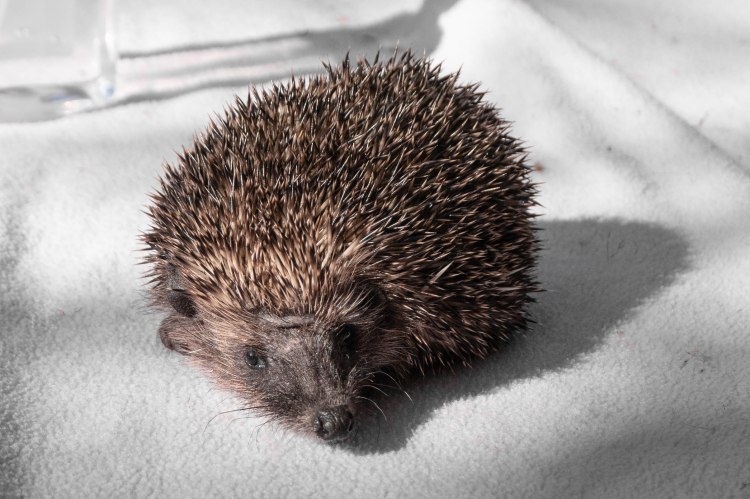
A recuperating hedgehog at Hornbeam Wood Hedgehog Sanctuary

Mammals

Many mammals are now looking to start their hibernation in November, including our special but now scarce hedgehogs. They search for large piles of branches and leaves, which sadly often include bonfires. Please always check bonfires for hibernating hedgehogs – the best thing to do is build it just before you light it. Also, it’s a good idea to leave fallen leaves on the ground instead of raking them up because they provide important hedgehog nesting material.

In November there are usually lots of baby hedgehogs handed in to wildlife rescue centres because they are born late and therefore too small to survive hibernation. For more information on what to do if you find an injured hedgehog, check out this link.

Fish

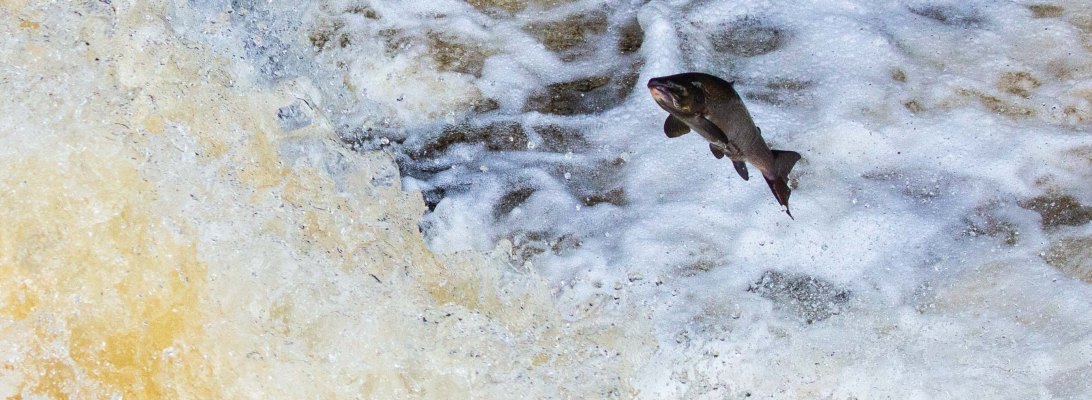
November is usually the peak of the salmon run – a dramatic and impressive feat. Mature fish are swimming upriver from the Atlantic to their spawning grounds, having waited in estuaries for the rains that raised the water levels enough to allow them to travel back to where they were born.

As if leaping several metres into the air to pass thundering water wasn’t impressive enough, during this time the salmon don’t feed at all and concentrate solely on their mission to breed.

The Rut


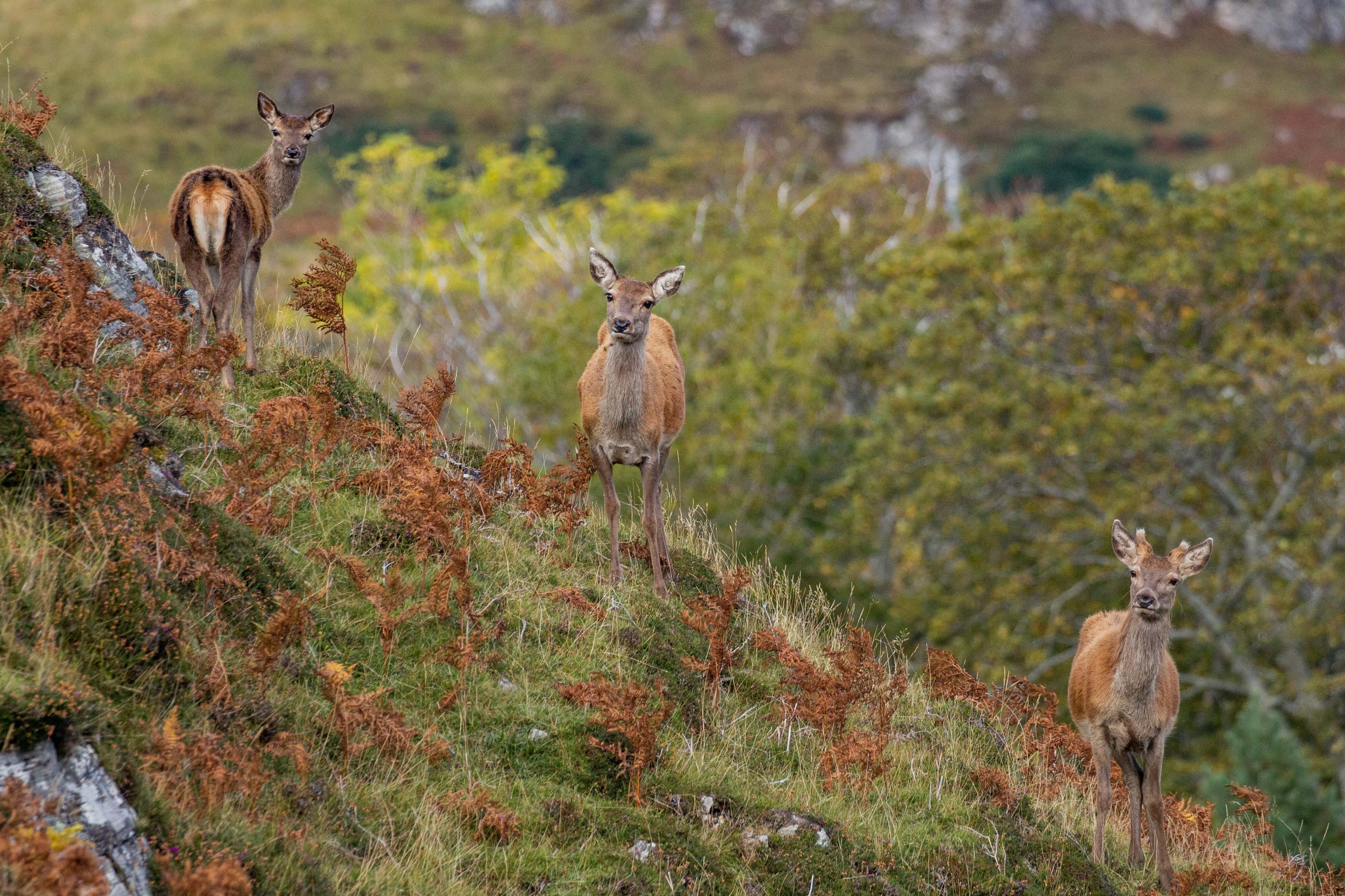
For years it’s been a dream of mine to watch Scottish red deer in the autumn so last week my boyfriend Steve and I journeyed to the west coast to find some. We saw deer every day but they were often on the peaks of the hills and too far away for photos. Even if the sights weren’t great, the sounds were fantastic. At night in the chalet I’d pause during dinner after hearing a faint mooing sound from outside. It wasn’t cows but the bellowing of breeding stags on the hill across the loch, working hard to protect their own harems of hinds or attempting to steal someone else’s. They bellowed long into the early hours and several times I woke up disorientated, wondering if I had dreamt it.

A distant hind on the crest of the hill.

On the last full day of the trip after yet more distant silhouettes on the horizon we turned around and started driving back to the house, just about ready to accept defeat. In an almost cliched “nick of time” moment Steve suddenly spotted a stag with his harem in a field not far from the road. Naturally there was nowhere to pull over so we ditched the car in a layby, walked back up the road and crawled the last few metres on our bellies to avoid scaring the deer.

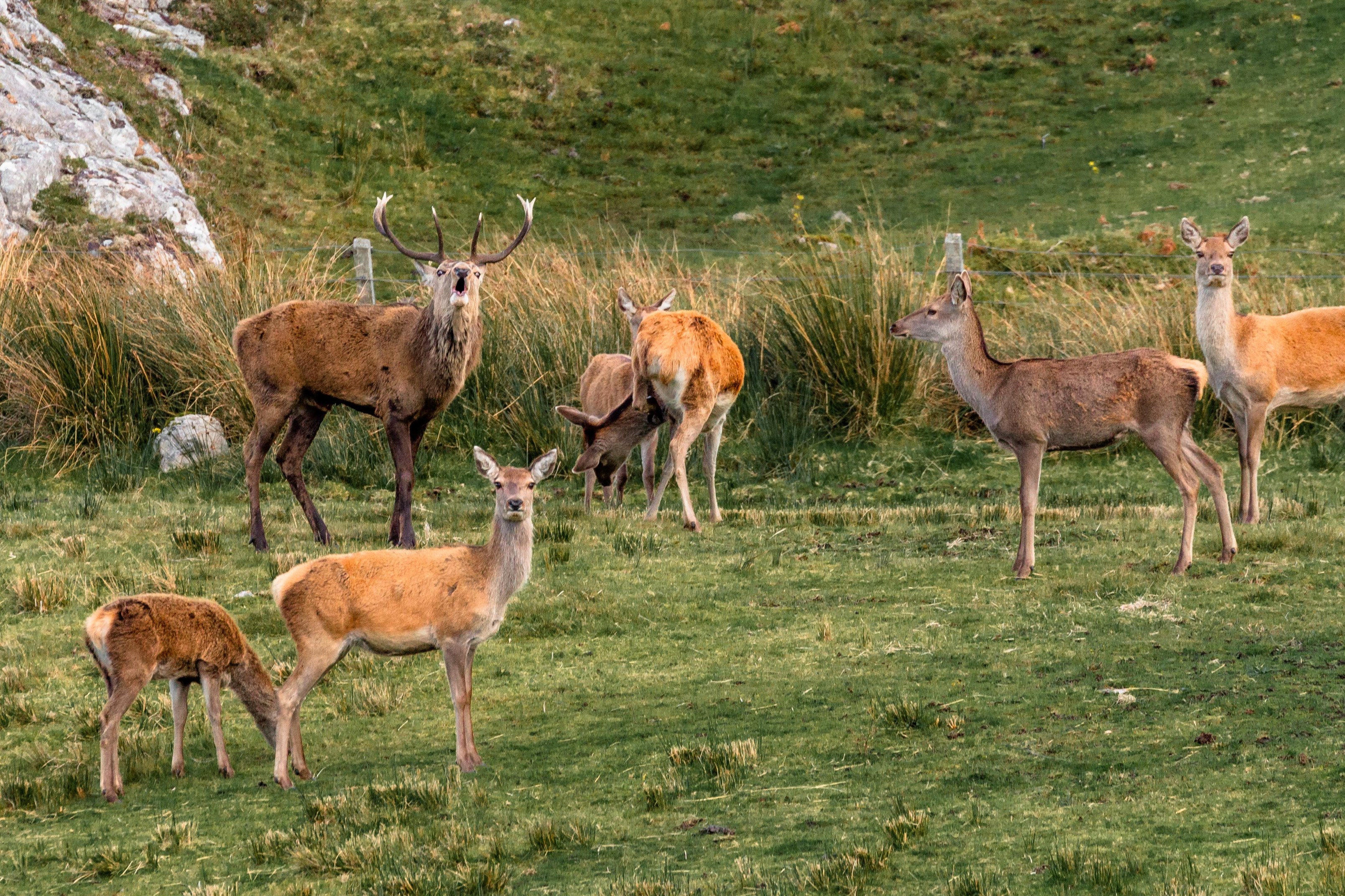
A stag bellows in front of his harem of hinds

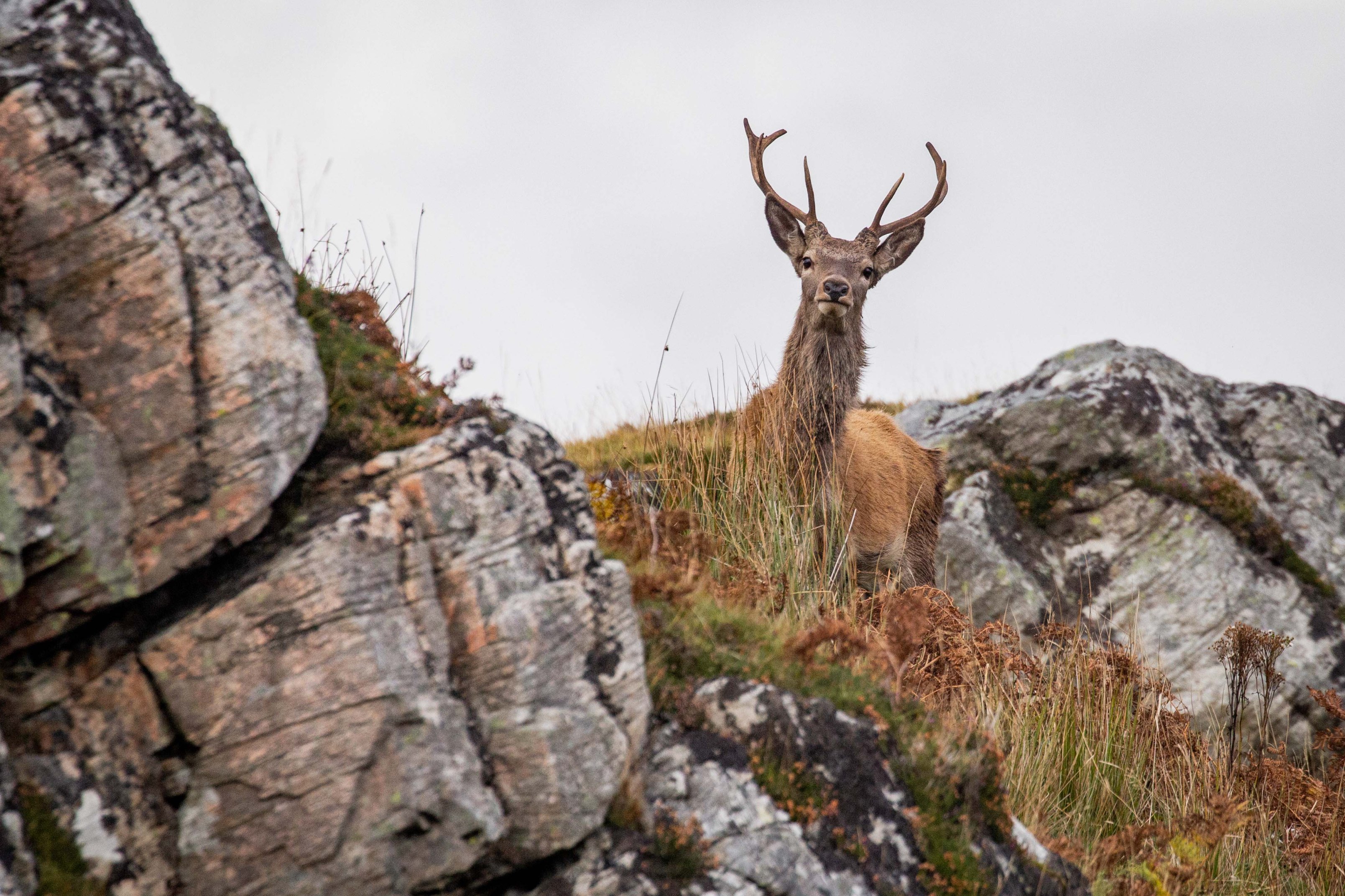
After several minutes of crawling I discovered that my hands were covered in roughly a dozen ticks, all tiny and luckily unattached. However, the ticks, mud and poo were all worth it for the views. The stag in the field below was in full rut mode, bellowing every minute or so and chasing the hinds around. None succumbed to his advances but he persevered, even jumping the hilariously named “deer proof fence” with ease. As well as the larger stag, there were also several younger stags feeding on the hill at eye level with us. They stared us down every time we shifted position but seemed content to carry on as normal and let us watch.

After several days of hearing deer without seeing many, getting to spend a couple of hours being completely surrounded by them was the perfect way to end our trip. Deer are one of those Marmite animals for some people, but I think they’re exceptionally special and I relish every encounter I have with them.

October Wildlife


Birds

From this month until November, look out for flocks of winter thrushes as they move south. Fieldfares are similar to the more common song thrush but have slate grey and chestnut colouring rather than warm brown. Redwings are easy to identify because they have a patch of red beneath each of their wings. These birds have bred in Iceland and Scandinavia and are now feasting on berries in large groups.  

Mammals

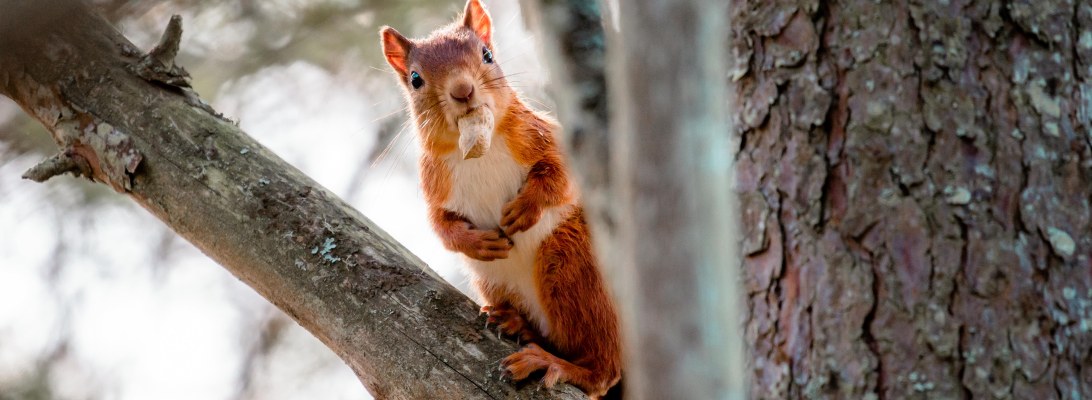
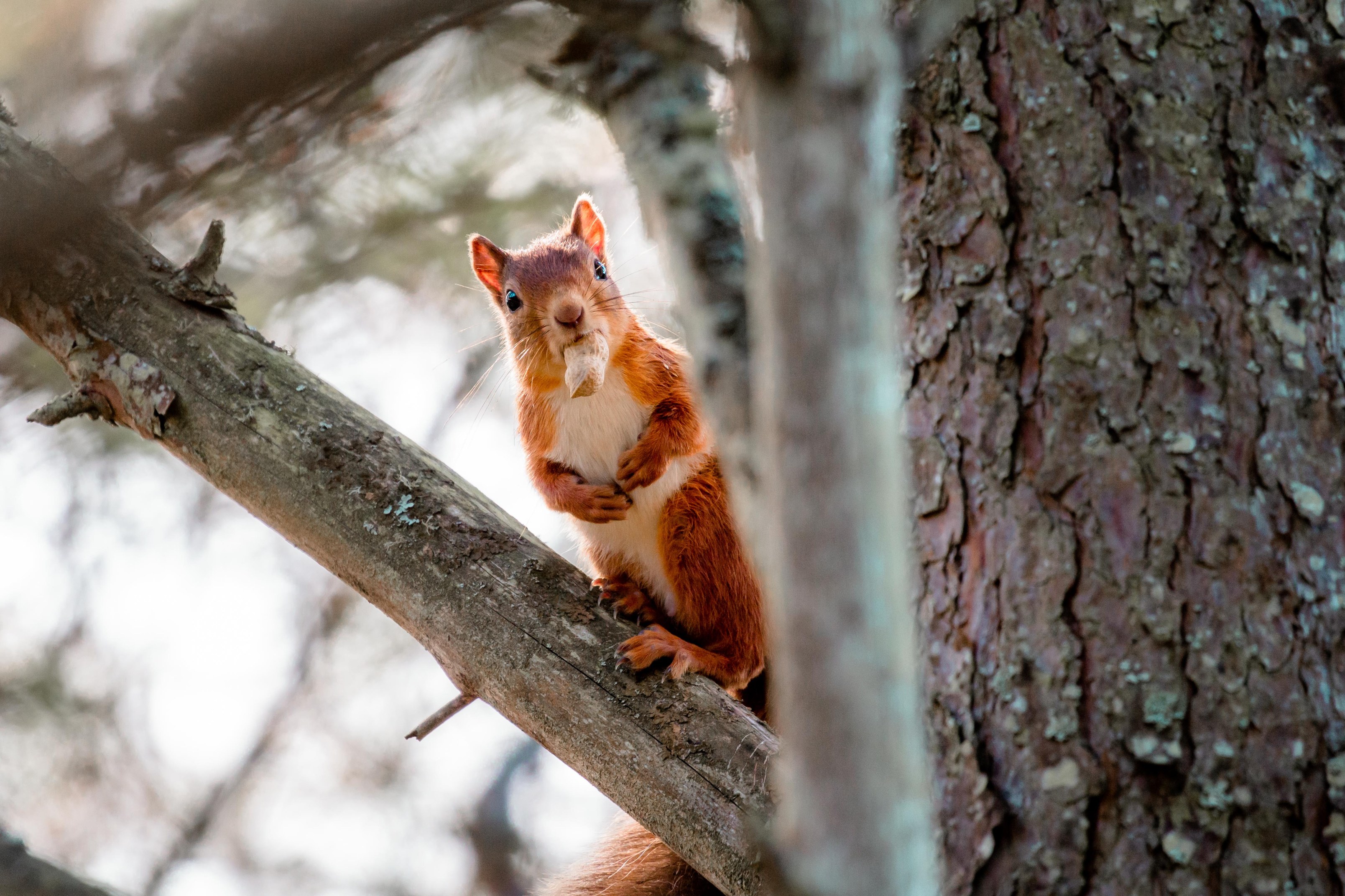
With winter looming, many mammals are busy caching food and building up fat reserves to see them through the cold season. Hazelnuts are now ripening so look out for squirrels as they forage and horde away their finds for when food is less abundant. As well as hazelnuts, red squirrels feed on seeds from many different trees including pine, larch and spruce. Their diet also consists of fungi, fruits and even birds’ eggs if they get the opportunity.

As wildlife spectacles go, the red deer rut has got to be one of the most dramatic. Every October, stags battle it out with each other for the right to breed with a harem of females, or hinds. During August and September, stags have been developing thicker necks and shaggy manes in preparation for the rut. While clashing antlers is common, on many occasions rival males will walk alongside each other to gauge their opponent’s strength. It is best to watch the red deer rut during early morning or evening, but be careful not to get too close. Watch safely from a respectful distance and enjoy the sights and sounds of Britain’s largest land mammals as they breed.

If you’d like to see the red deer rut this autumn, check out this Countryfile article for some ideas of places to visit.

Red Deer

Fungi and Flora

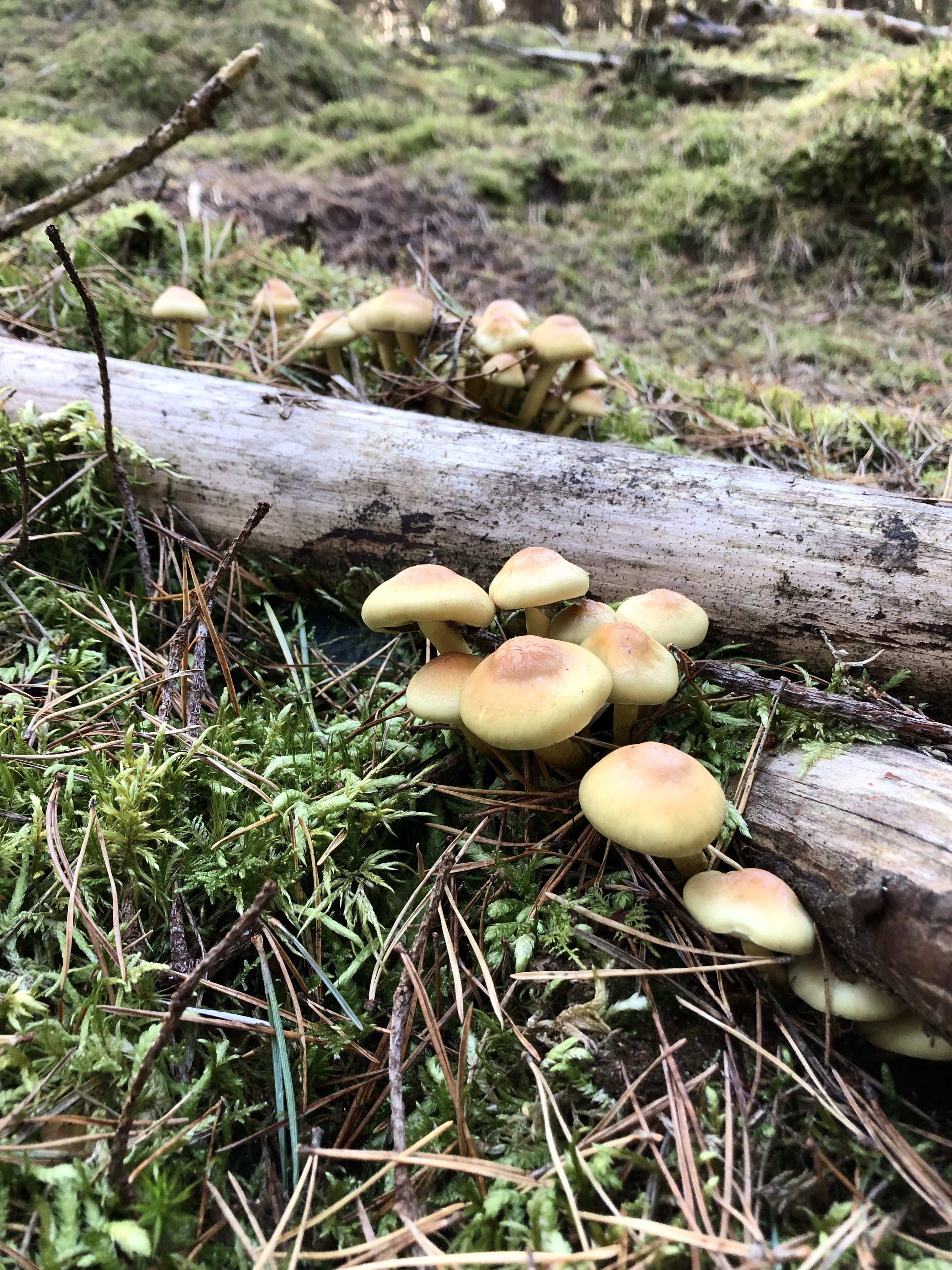
Head to the woods this month to see lots more fungi. With more wet weather, fungal fruiting bodies of all shapes and sizes will be emerging. Interestingly, the visible body above ground is only a tiny fraction of the whole fungus – many metres of filaments known as hyphae spread out below the soil and are extremely beneficial for breaking down leaf litter and dead animals. Look for fungi on rotting wood, in particular fallen trees and sodden stumps. You may need to get lower down to see some of the daintier varieties, but in many areas they’re very obvious. Some fungus families grow in circles, which are known as ‘fairy rings’ and increase in diameter as the fungus ages.

This piece was originally published on Bloom in Doom as part of my role as Nature Editor.

Newsletter July to September

As this strange year continues, I’ve been busy taking photos, writing articles and getting stuck into new projects. I’ve ticked off 36 new species this quarter including my first otter, basking shark and northern bottlenose whales. Now the temperature has started to drop and I’m really looking forward to autumn and all its exciting wildlife spectacles!

Red Squirrel Week


It’s National Red Squirrel Week!

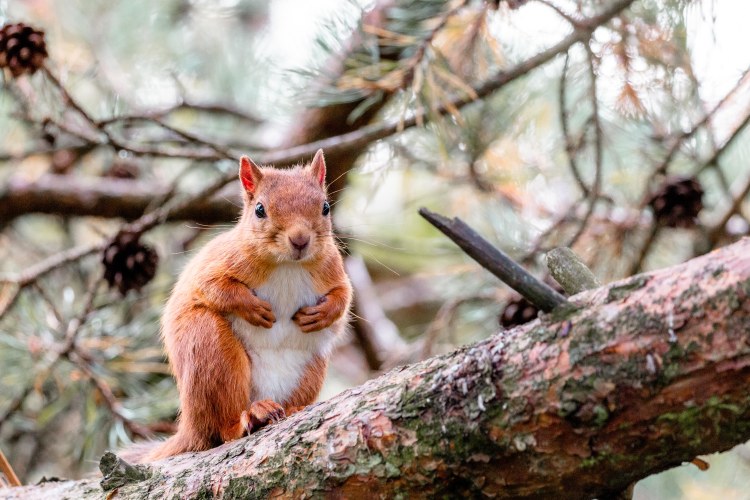
I didn’t see my first red squirrel until I was eighteen, but since then I’ve been extremely lucky with sightings of these gorgeous mammals and they’ve been a firm favourite of mine ever since. I often see them while walking my dog through the forest and the first giveaway signs that I’ve found one are the sounds of rapid scrabbling overhead and the occasional thud of a pinecone as it hits the floor. At this time of year, red squirrels are hard at work finding food to see them through the winter. Instead of large caches, squirrels are scatter-hoarders, which means they store each item separately. Unlike grey squirrels, red squirrels can’t easily digest acorns and instead feed on hazelnuts and seeds from many different trees including pine, larch and spruce. Their diet also consists of fungi, fruits and even birds’ eggs if they get the opportunity.   

This week, I was very pleased to see two of my red squirrel images featured in BBC Wildlife magazine’s new Red Squirrel Guide, written by ‘Saving Scotland’s Red Squirrels’. Both photos were taken in Lockerbie, Dumfries and Galloway, where I’ve had some very close encounters with these animals! While I’ve seen plenty of adults, my next challenge is to spot some red squirrel babies, which are called kits.

Before the introduction of grey squirrels into Britain, there were millions of red squirrels. Nowadays there are thought to be around 120,000 left in Scotland, which is 75% of the UK population. As part of National Red Squirrel Week, ‘Saving Scotland’s Red Squirrels’ are encouraging people all over Scotland to take part in the Great Scottish Squirrel Survey from the 21st to 27th September. All you have to do is go for a walk in the woods and if you see either a red or grey squirrel then submit your sighting on the website. Even after the Squirrel Survey has finished, you can still submit sightings throughout the year.

It won’t be long before the red squirrels near me start growing their ear tufts, which I can’t wait to see!

Red Squirrels and Cresties


It has become a running joke that I’m pretty unlucky when it comes to seeing certain species. Examples include otters, badgers and deer, despite the fact that I now live in Scotland, which is essentially the deer capital of the UK! But, if there’s one animal that I have an affinity for, it’s the red squirrel. There’s something irresistible about their fluffy tails, tiny hands and beady eyes. And of course they all have completely different personalities. I will never not be excited by red squirrels, no matter how many times I see one. I must have thousands of photos of them by now but I always take more, and this weekend was no exception.

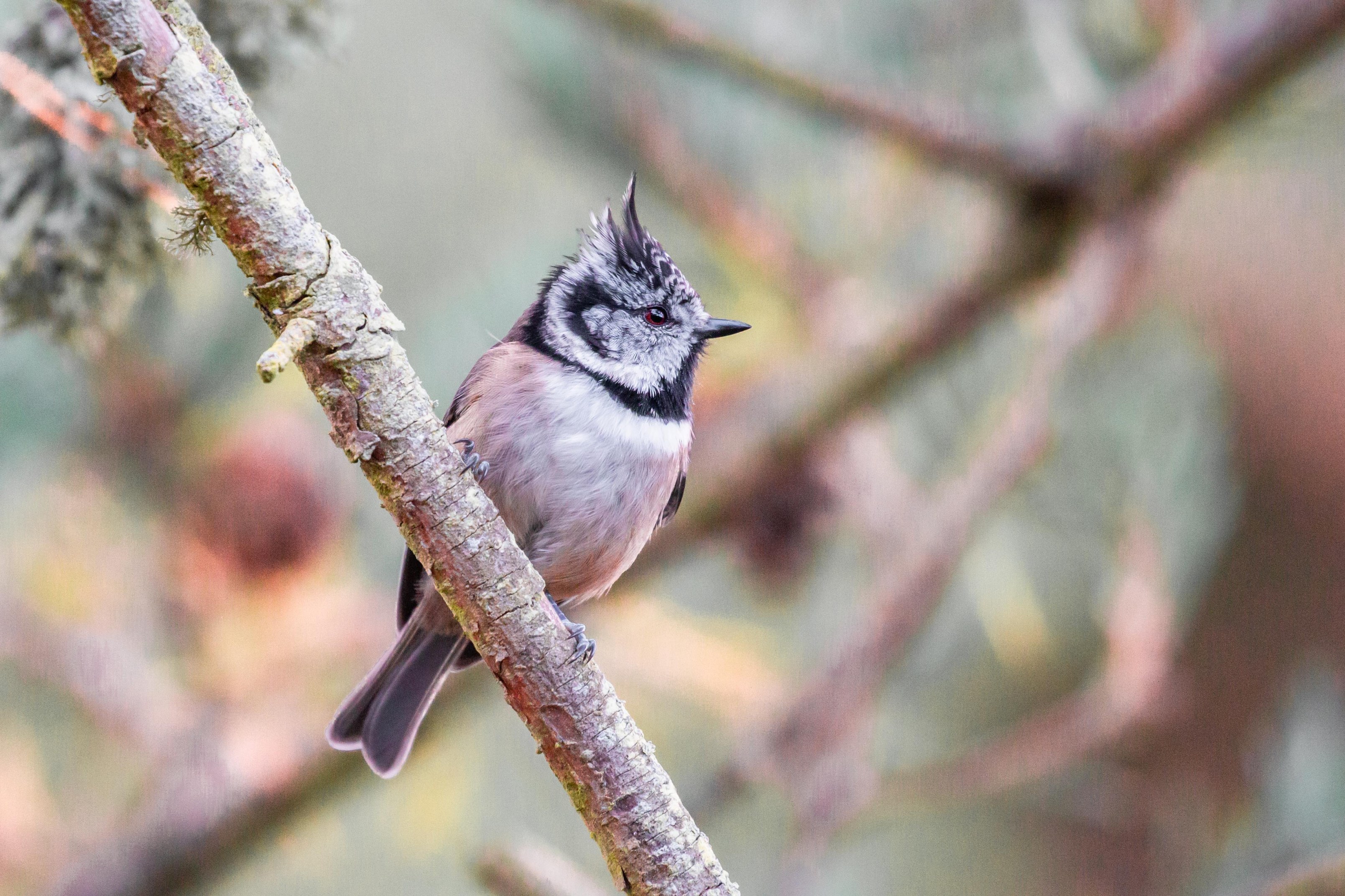
My friend Steve and I visited Lossiemouth for some wildlife watching in a beautiful patch of coniferous woodland by the estuary. Within ten minutes of arriving I was gazing down my telephoto lens at a red squirrel as it clutched a monkey nut in its paws. Despite the flurry of coal, great and blue tits, I would happily have just watched the squirrels until a particularly special bird caught my eye: the crested tit. In Britain, these birds are mostly confined to the Caledonian forests and Scots pine plantations of Scotland. The punky hairdo is perhaps the most striking feature of the crested tit but their bright red eyes are pretty amazing too! I couldn’t believe I was so close to such an uncommon and beautiful British bird.

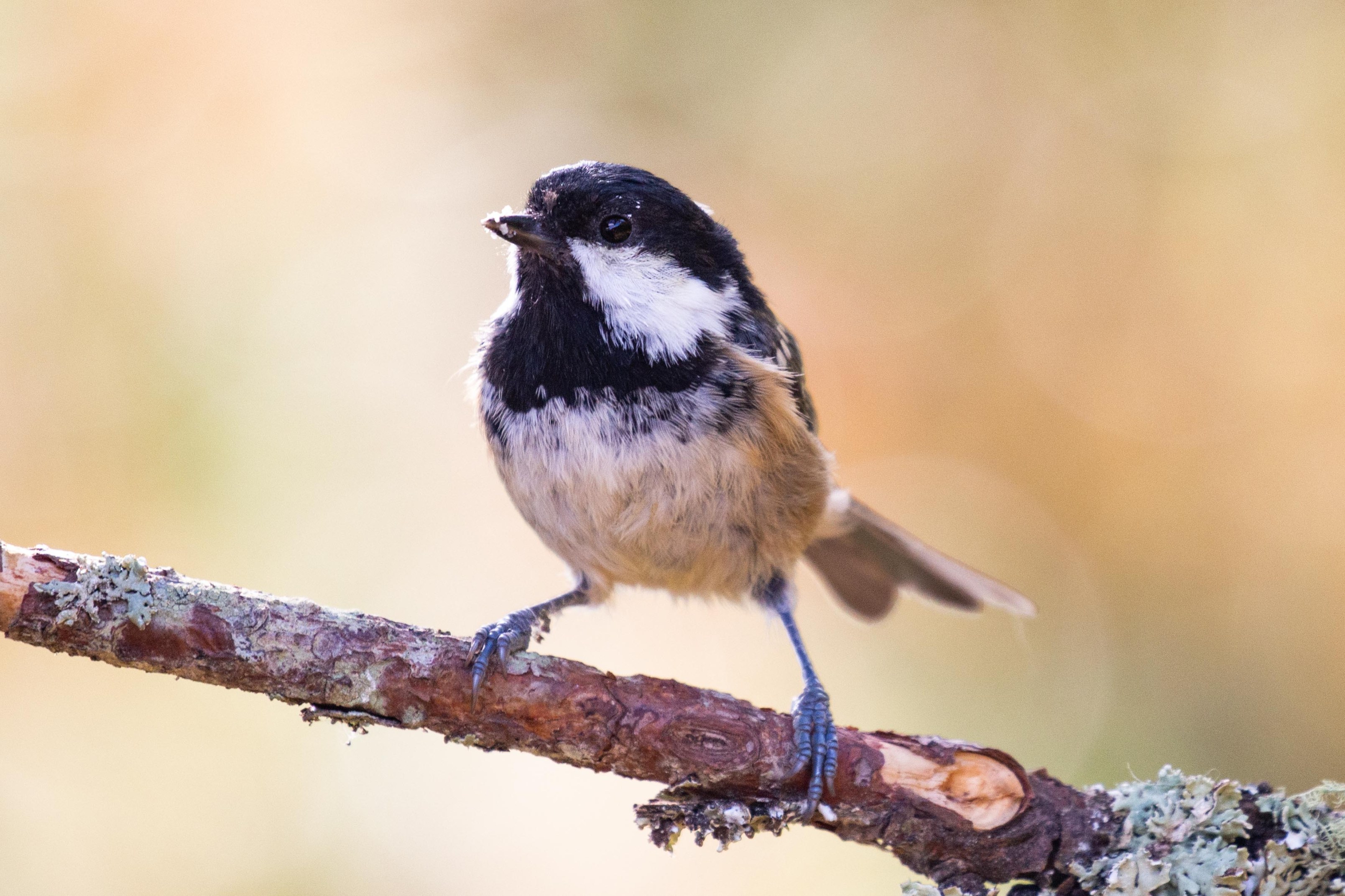
Coal tit

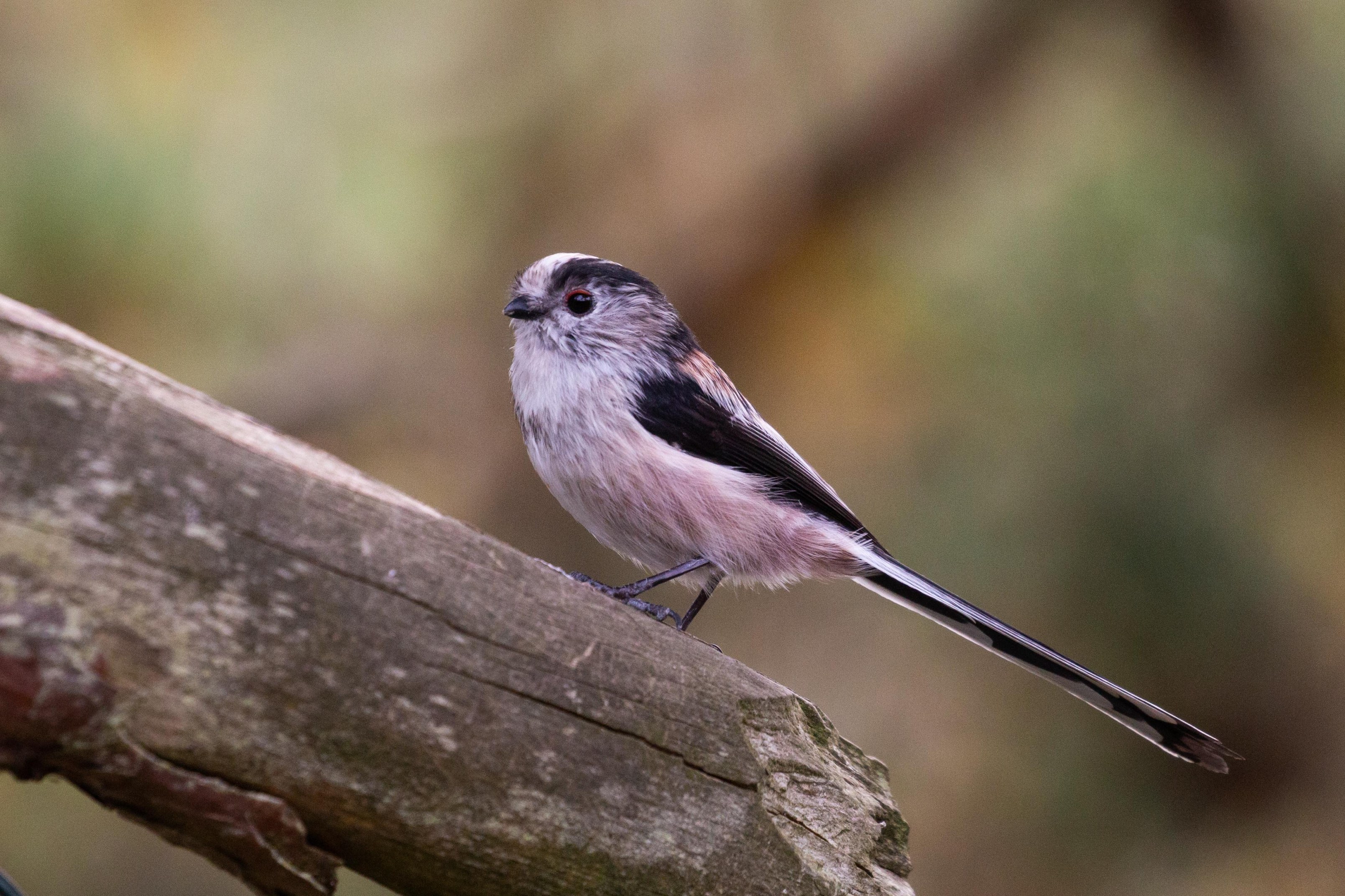
As well as squirrels and cresties, we were surrounded by dozens of other birds including another favourite of mine: the long tailed tit. The proportions of this bird are what I love most about them. They have a body like a golf ball with a spoon handle sticking out one end and the sharp nib of a bill out the other. What a bird! And where there’s one, there are nearly always more and I often hear them before I see them. Their alarm call sounds frog-like and the trees erupt with soft ribbits whenever I pass by.  

I am in my element in the forest. It’s my favourite wild place to visit and I absolutely loved getting such close-up views of some fantastic species. After a couple of hours the afternoon sun began to fade and a chilly breeze had us packing up and heading home, though I’d definitely be back soon.

Autumn Colours


I was back in the wood this week, helping Joan and John with their restoration project. The forecast blatantly lied about there being no rain all day, but luckily we timed our visit with a brief spell of sunshine! The breeze brought the added benefit of whisking the midges away. After topping up the feeders we had a slice of Joan’s delicious homemade ginger and sultana cake and watched the chaffinches and great tits up in the trees.

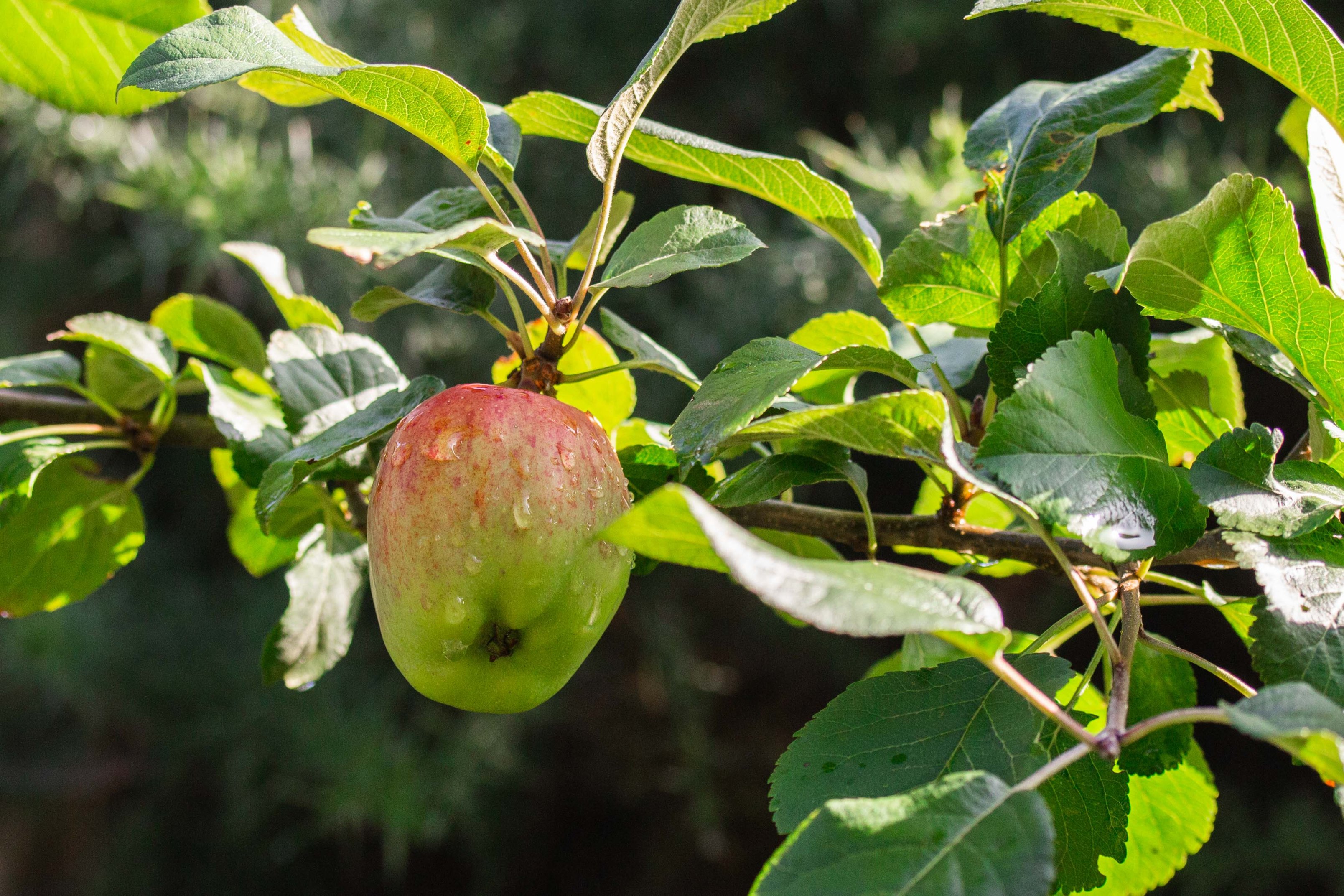
A dewy apple ready to be picked

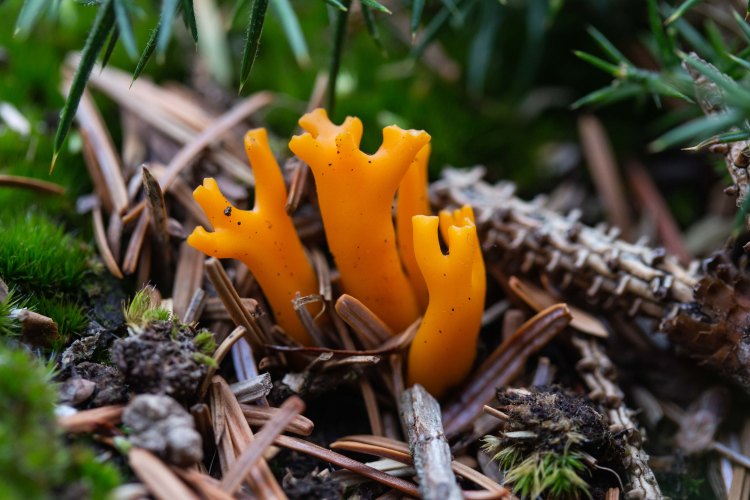
One good thing about the rain is it brings up all sorts of fungi – with so much soggy soil and plenty of log stumps I knew there would be loads to see in a few days’ time. For now though, I amused myself with tiny sprigs of yellow stagshorn fungus that were just starting to emerge. I’ve been lucky enough to see several fly agarics already this year but I’ve got my fingers crossed that more will be popping up in the wood soon.

Yellow stagshorn fungus

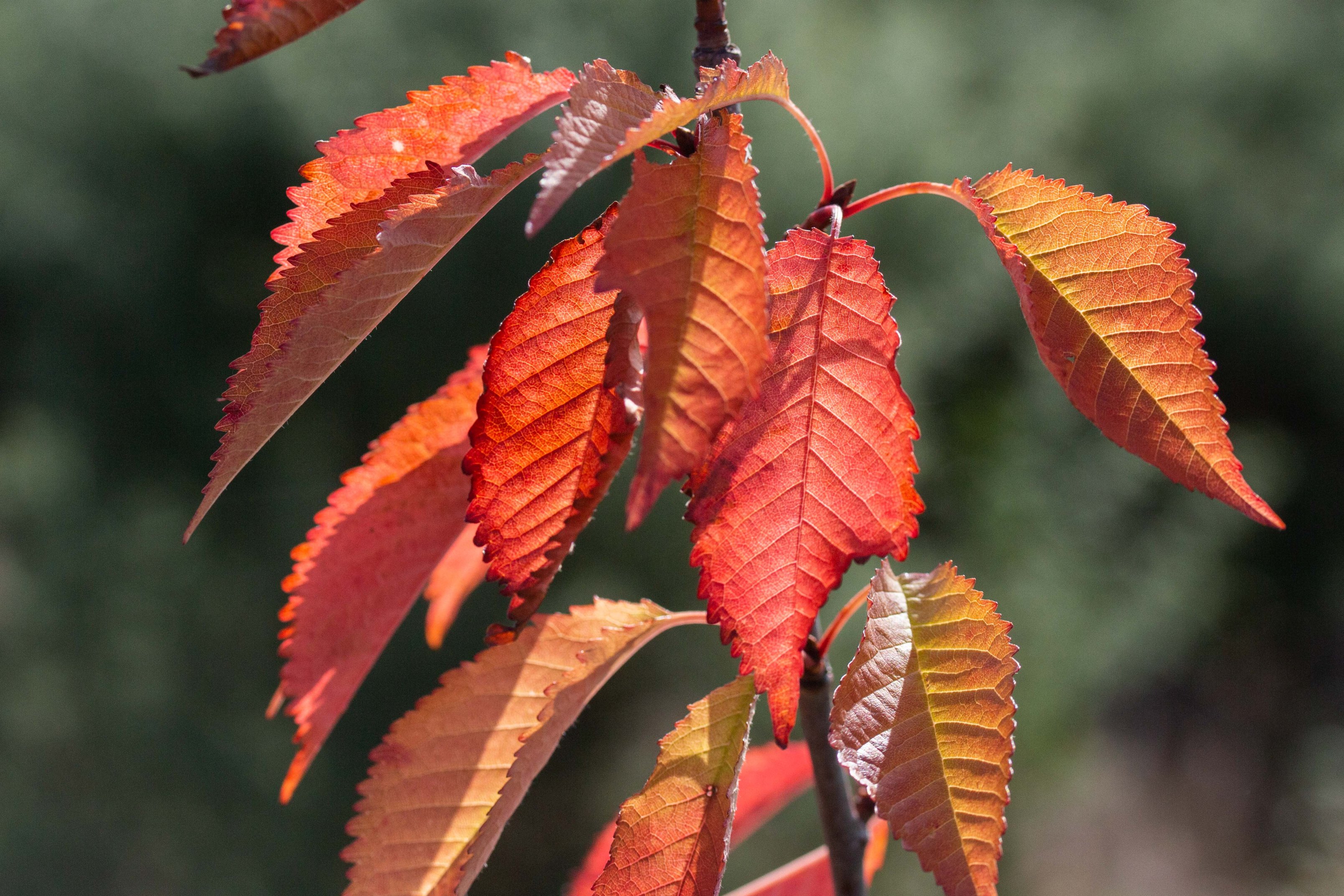
The autumn colours are really beginning to pop. Ling heather is still dominating the woodland floor but a lot of the saplings are shining in the sun too. The rowans are beginning to brown, the oak leaves are turning acid green and the wild cherry leaves are burning a vivid pink. It’s an excellent place to learn tree ID and with Joan’s help I’m already picking up on some of the common species.

Wild cherry leaves

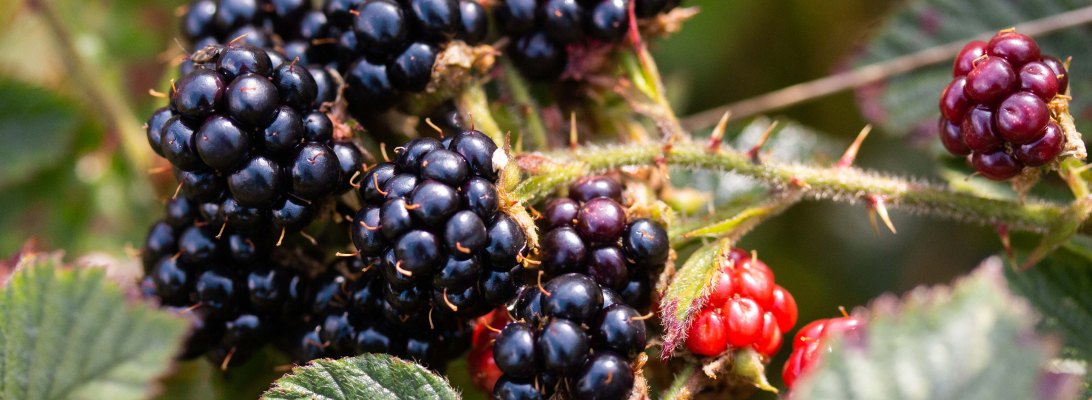
As I watched a buzzard gliding overhead, Joan ventured off to pick the first blackberries and the last raspberries. There were a few apples which were ready to be plucked too. I’m in love with all the rich colours and can’t wait to see what the true autumn will bring!