Typical. I lived in southeast England for 18 years and never had snow in November, but it seems like it was all over Britain this weekend! As I live on the coast snow is rare here, but after a 40-minute drive south to Grantown-on-Spey there was snow beneath my boots again.
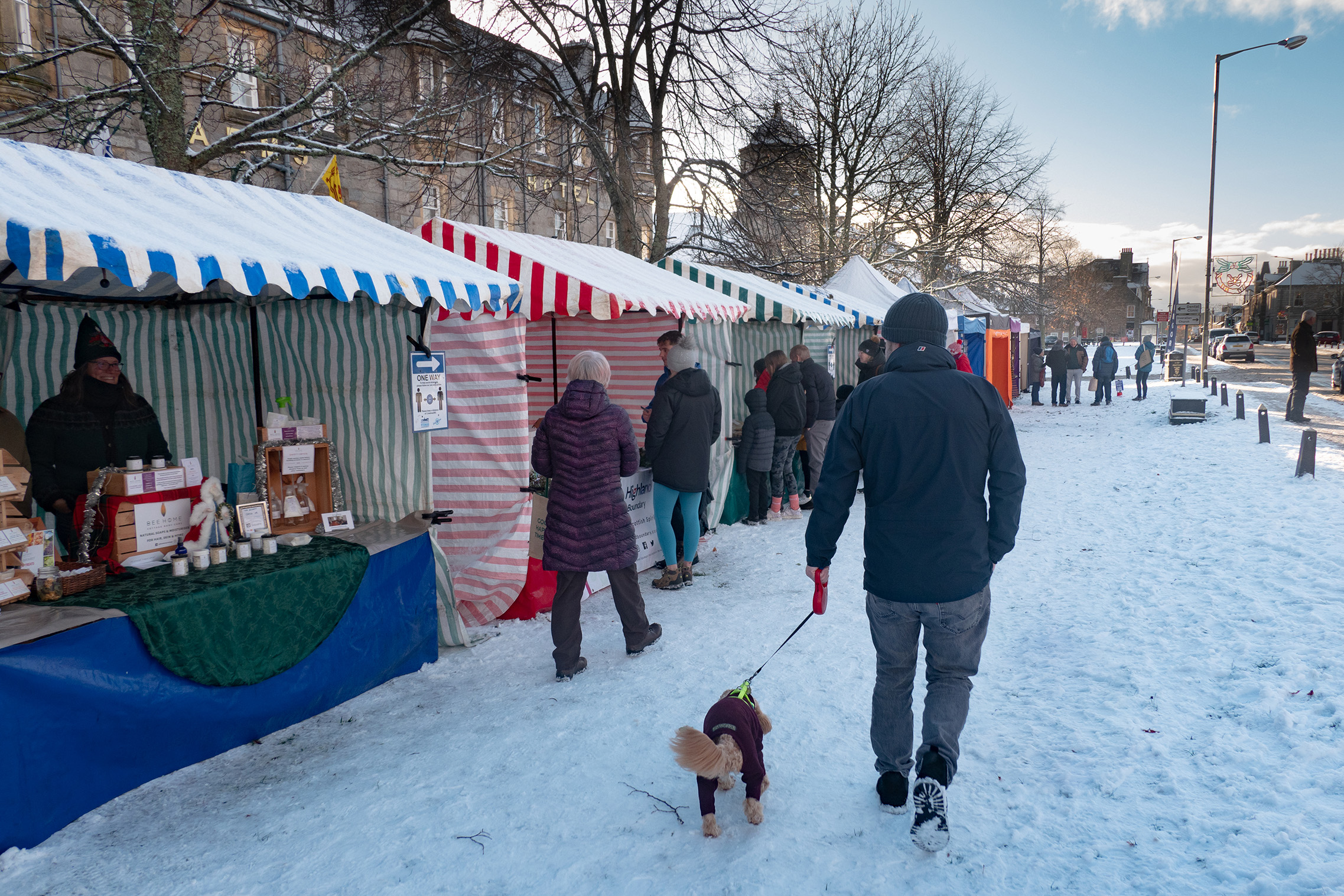
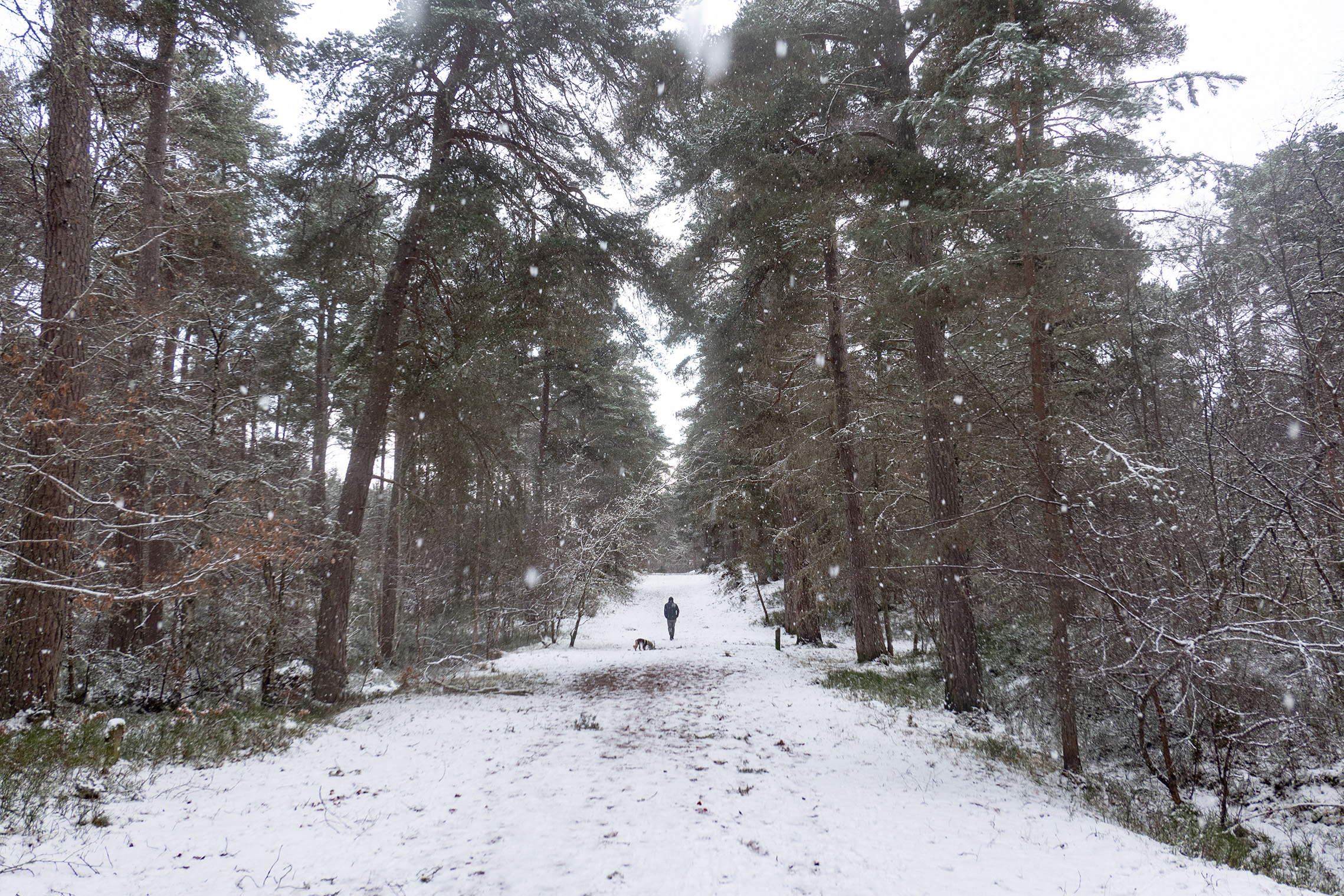
A festive food market was in full swing along the main high street. We had a quick browse before heading down the aptly named Forest Road to one of my favourite wild places in Scotland: Anagach Woods.
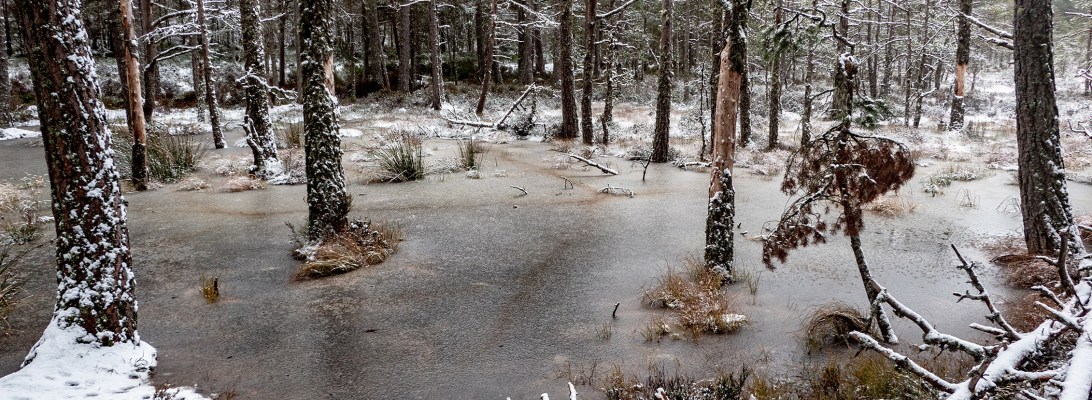
The last time I visited was on a sweltering afternoon in May. This time everything was coated in white, adding cartoon highlights to branches and trunks. Over the past couple of years I’ve become a real winter baby so I was in my element.
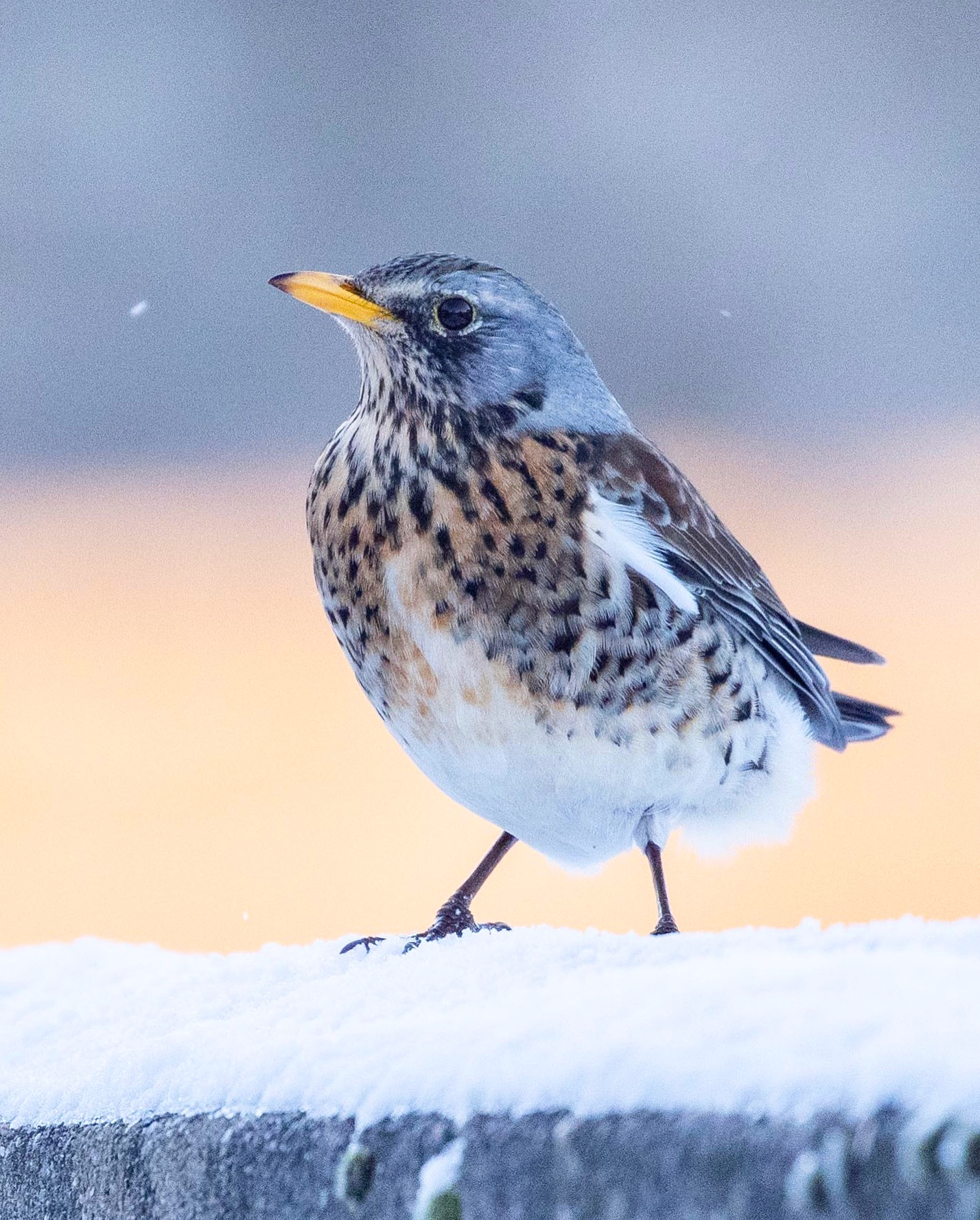
As we walked along a high ledge overlooking deep bowls of forest floor on either side, a chattery cackle overhead made me look up and jump for joy: a flock of fieldfares were flying over!
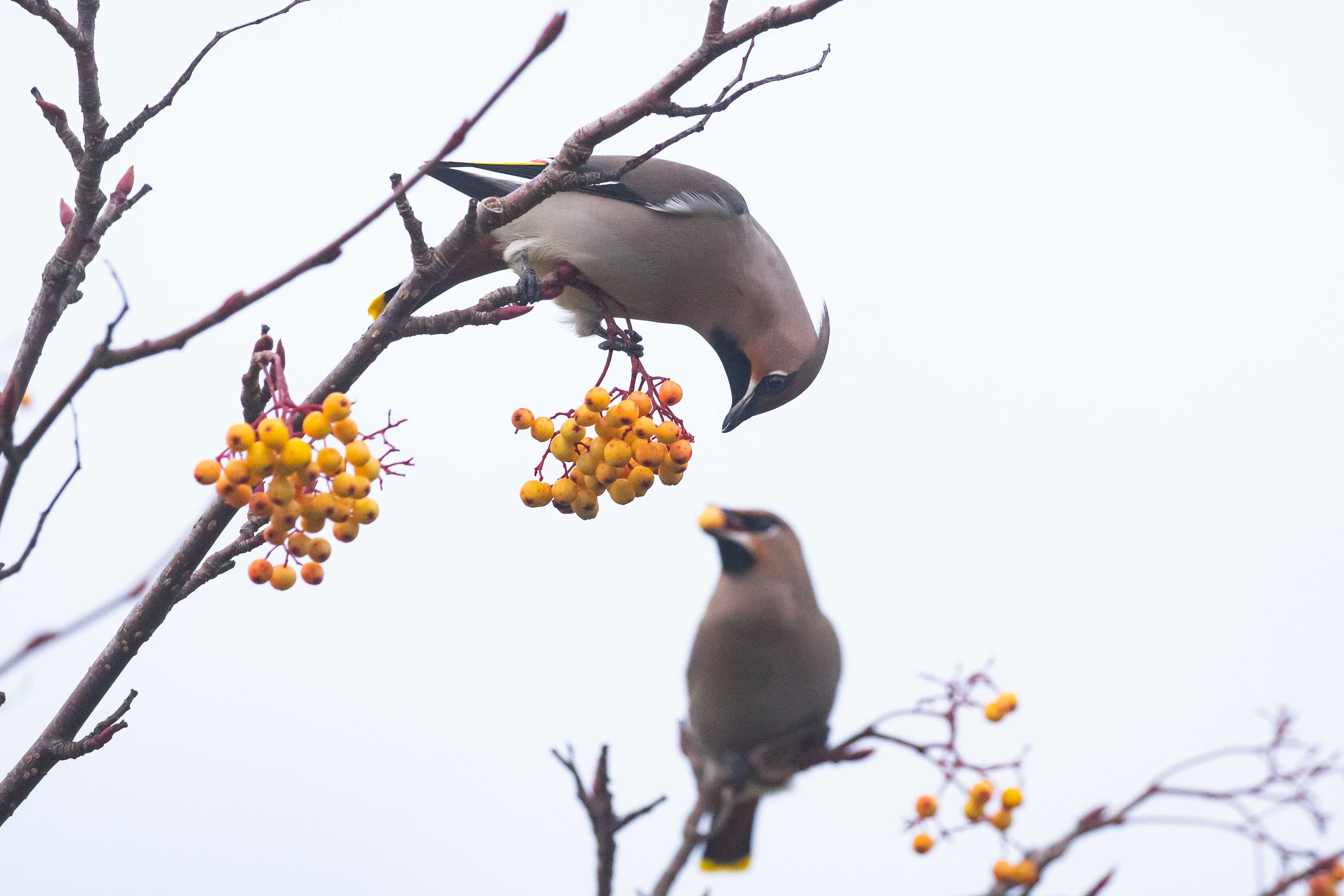
I’ve been longing to see fieldfares since they left for their breeding grounds in Scandinavia at the end of last winter. They’re one of my power five – along with bramblings, waxwings, redwings and long-tailed ducks – and I can’t wait to try and photograph them again this year.
Taken in February this year during heavy snow in my home town
There’s nothing like snow and fieldfares to get me even more in the winter mood!
It’s about this time of year that I turn into an excitable child again. The moment we cross into November, my mind’s full of frost, knitwear and Christmas. I think it’s linked to the clocks going back. While getting up before the sun can be horrid, I love that my afternoon walks are in the dark now. I’m sure it won’t be long before Christmas lights start appearing up and down the village.
Last winter I was spoilt rotten with over a week of thick, persevering snow. It was unheard of in Burghead, seeing as we jut out into the Moray Firth and the salt air usually prevents anything more than frost from settling. I know I shouldn’t expect another wonderland like that again this year, but the aforementioned excitable child has her fingers crossed!
The natural world is stunning throughout the year but in winter I believe it becomes even more special. Here are some of the things I love most about the silver season.
Frost and ice
Frost is what first got me interested in macro photography. The sparkly sheets covering the ground look pretty even from afar, but getting right up close to shards of microscopic ice is completely addictive.
It’s not all sharp and jagged either – in the past I’ve photographed a huge range of shapes including swirls, ribbons and bubbles.
Winter sunsets
At this time of year the sun takes on a milky, diluted glow which is just delicious to photograph. I’m not much of a landscape photographer, but on my recent trip to Portknockie I spent hours on the beach capturing Bow Fiddle Rock as the light dimmed.
Initially the rock was bathed in gold but once the sun sunk below the horizon, the sky behind Bow Fiddle glimmered with pinks and blues. It’s a chilly image and I’m really pleased with how it came out.
Northern lights
I count myself extremely lucky to live in a part of the UK where the northern lights occasionally show up. The displays here aren’t as elaborate as they are in Norway or Iceland and they can be tricky to make out with the naked eye, but last weekend there was a particularly good show and I managed to catch a few pillars on camera.
The northern lights remind me of His Dark Materials, which remind me of witches and animal dæmons and all that good stuff. I also believe the aurora is the closest thing to magic we can physically see, and it’s one of my ultimate winter highlights. Even if you don’t live in an aurora zone, you can still watch it real time on this Shetland Webcam. There’s the added bonus of not having to get freezing cold!
Migrant birds
Summer and winter are great times to be a birder as there are new faces to see. While I love the ospreys, swallows and whitethroats that accompany long summer days, I have a soft spot for the winter migrants. I managed to see waxwings last year and I’ve got everything crossed that we’ll get another royal visit from them this time round, but some years they just don’t show. Even without waxwings, we have redwings, fieldfares, bramblings, eider ducks and long-tailed ducks on the cards. So many photo opportunities!
I know a lot of people struggle with the long nights during winter and this is definitely a challenge, but I hope this list will provide some wintery inspiration. There’s plenty still to enjoy in the dark half of the year.
I say this every month… but honestly what a month! We’re moving towards my favourite time of year – there were still some randomly hot days in September but autumn is definitely in the air now. This morning I crunched through my first frost since February and it was finally cold enough for my mittens.
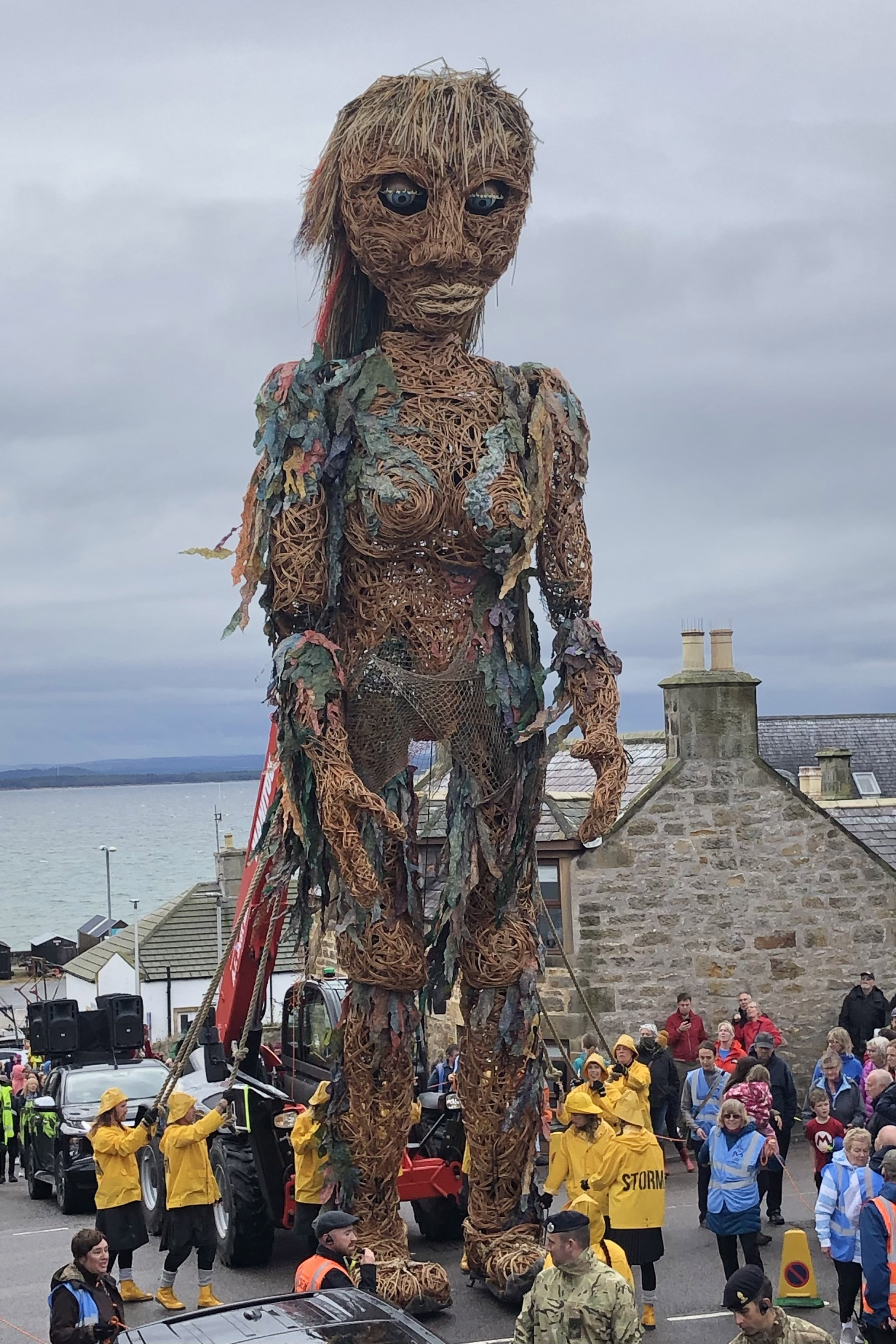
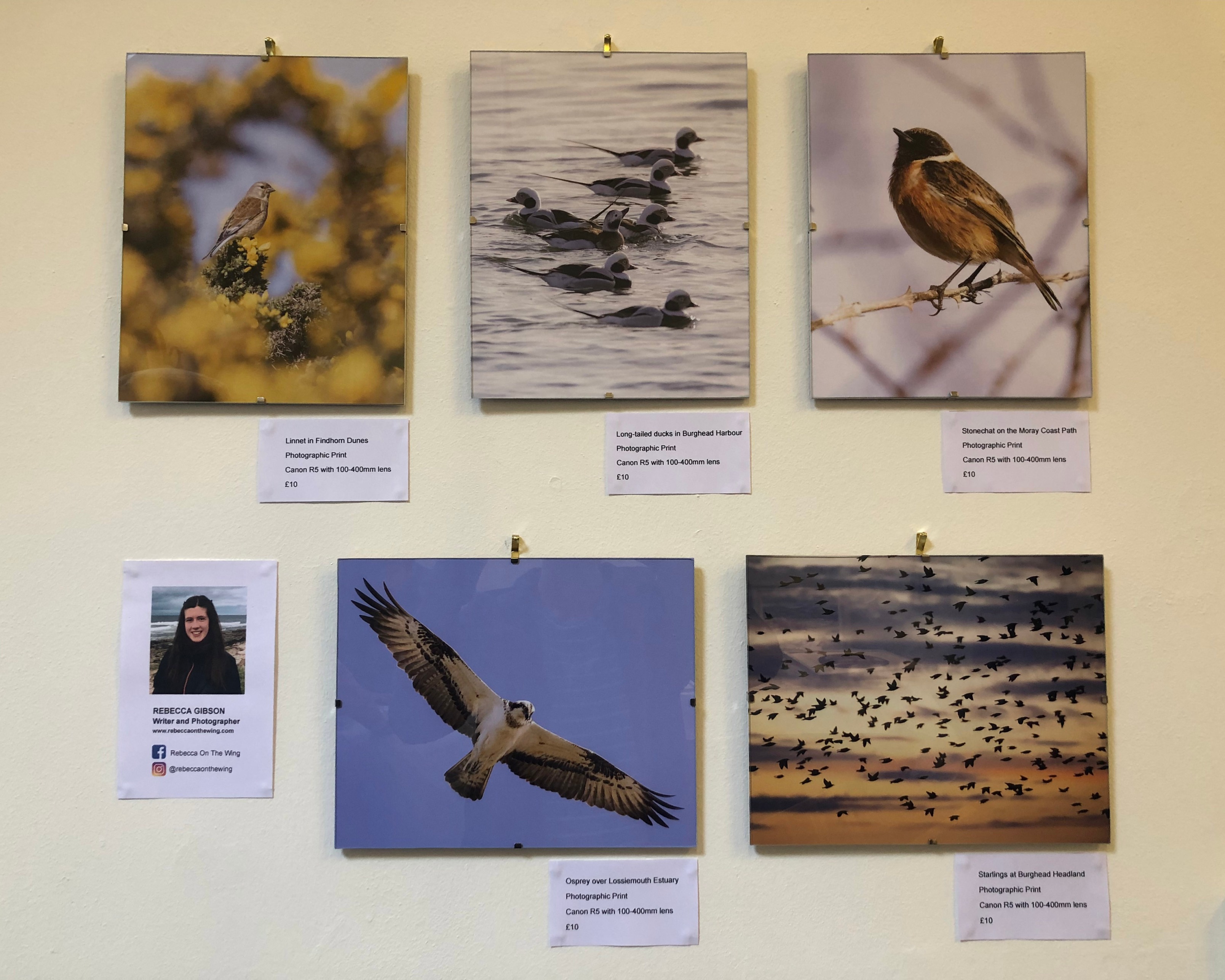
At the start of the month I took part in an art exhibition in my village. The theme was the sea, linking to the arrival of a 10 metre-high puppet called Storm which made its own waves across Moray. I submitted some of my coastal bird photography to the exhibition and brought along my calendars to sell. There were over a hundred works up on the walls and we had visitors coming down for a look all weekend. I haven’t exhibited since university finished three years ago, so it was great to see my work printed again.
Storm comes to Burghead!
My exhibition pieces
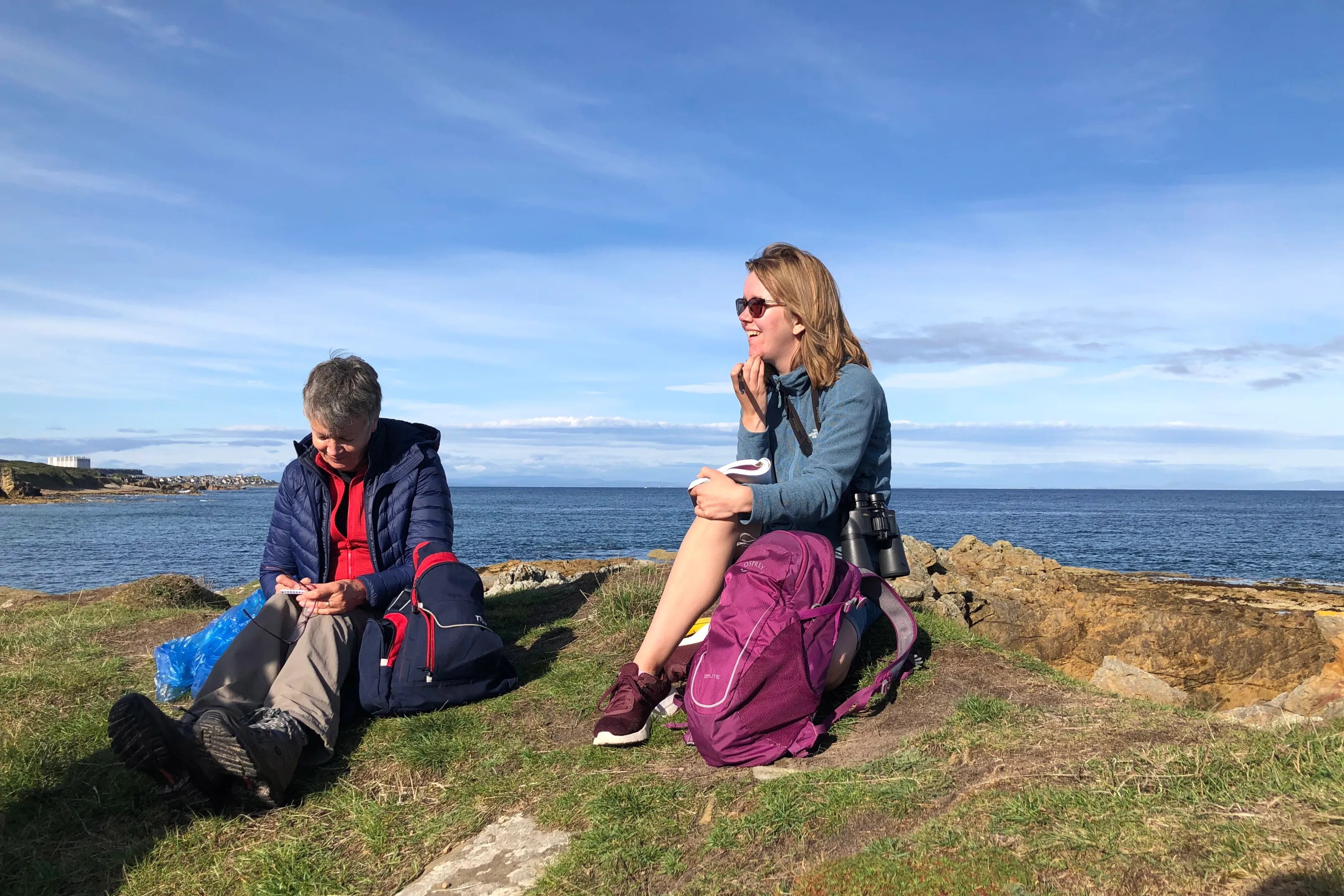
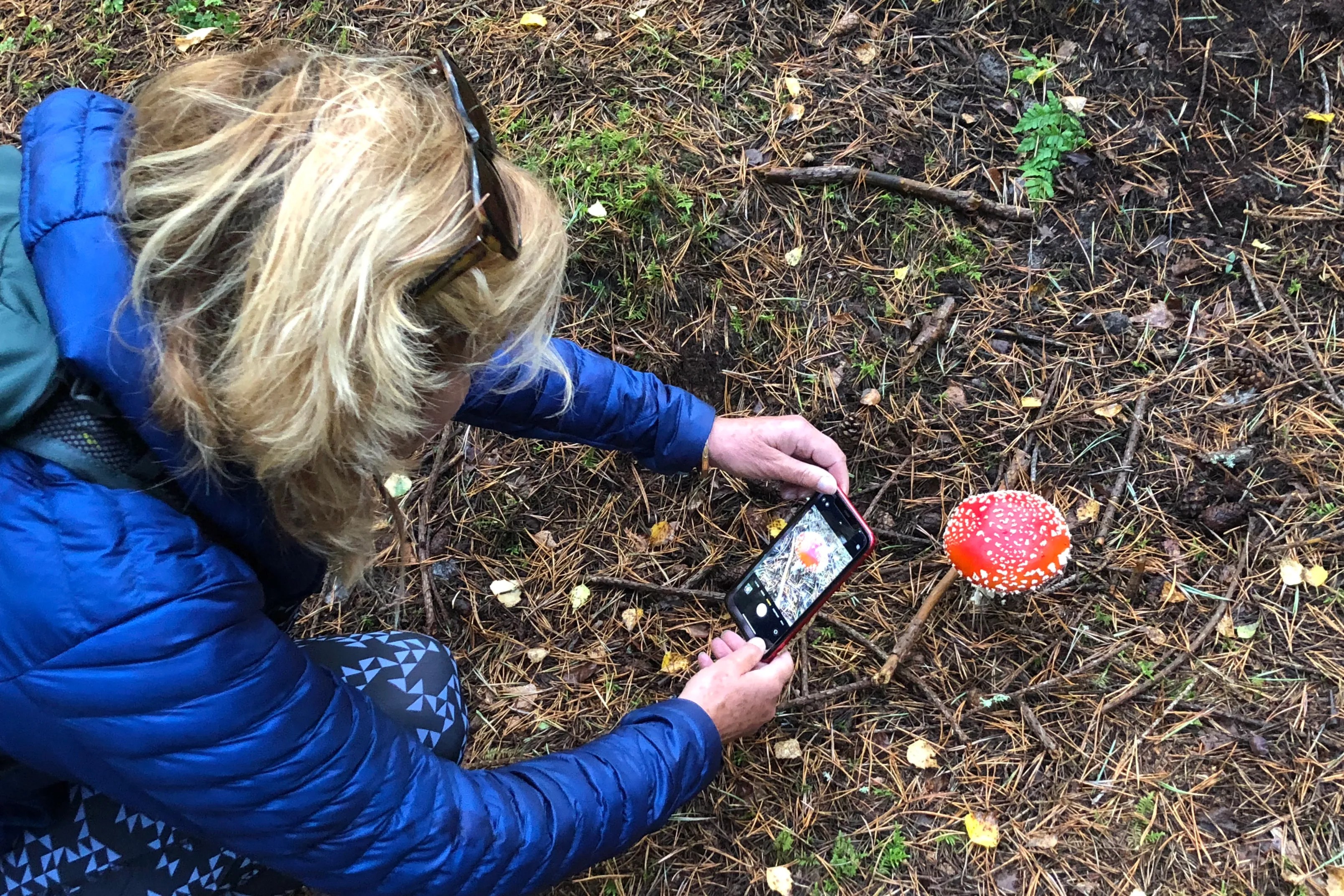
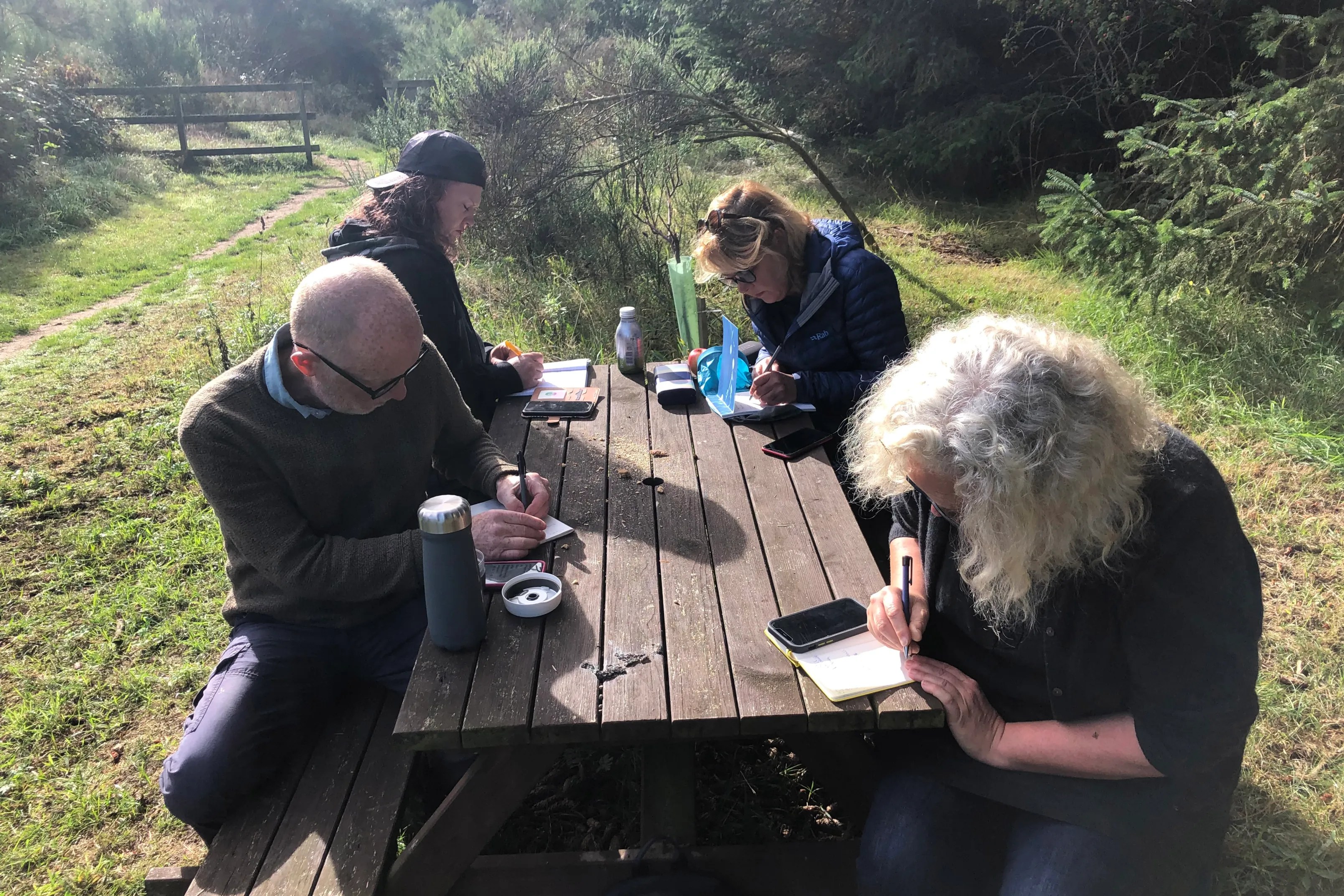
A week later I hosted two more nature writing workshops – one in Roseisle Forest and the other along the Moray Coast Path. I enjoyed doing this again later in the year – while the June workshop in Roseisle included more birds, this time it was all about the fungi. When the event started early in the morning, the sun was glistening on dozens of spiderwebs, and amongst the gorse bushes were several wood ant nests. Along the coast, we watched gannets diving out at sea and dunnocks singing in the blackberry bushes. My workshop participants wrote some beautiful things – although we all walked the same paths, the pieces were so diverse and it was really rewarding to hear them.
Last week I had family up to visit that I hadn’t seen in years. Although we had some blustery winds that whipped the bay up into a bubble bath, there were still plenty of opportunities to watch wildlife. My uncle had been hoping to see his first crested tit, and we were lucky enough to see two at once! Other bird highlights included a sandwich tern diving in the estuary and a whole cloud of rooks swirling in the air above us.
Photo: Rod Cameron
This month I’ve also been working furiously on my master’s degree, which I’ve just finished. My final portfolio was 20,000 words and although I started writing it last summer, I was still scrabbling to finish it the day before the deadline. My portfolio is called ‘Finding Home’ and it’s about my connection with Scotland, beginning with my first visit when I was six years old. Gathering all these pieces together has made me realise how many different ways my new home has inspired me, from memoir to folklore to fiction. Although it was rewarding to write, I’m glad it’s done now…
And now for the most exciting news: I’m going to be an author! This has been in the pipeline for more than a year and now I can finally tell everyone that I’m writing a Slow Travel Guide to Northeast Scotland. The book will be published by Bradt Travel Guides in spring 2023.
Back in February 2020 I attended a National Geographic travel writing masterclass and got chatting with the MD of Bradt about the possibility of a Slow guide for Moray. We swapped emails and a few months later I was asked if I was interested in writing a guide not just for Moray but for Aberdeenshire and the Cairngorms National Park too.
Slow guides are all about getting away from the ‘top sights’ and looking for the hidden gems of a place, enjoying each forest, café and stone circle at a leisurely pace. They cover nature, history, geology, food and culture, encouraging walking and cycling to experience the destination more thoroughly. Northeast Scotland is packed with potential Slow content and it’s an honour to be able to share its beauty and charisma with other Slow travellers in this book. I’m going to research, walk and write my socks off to make this guide the best it can be.
An excellent month’s progress. Bring on the dark half of the year!
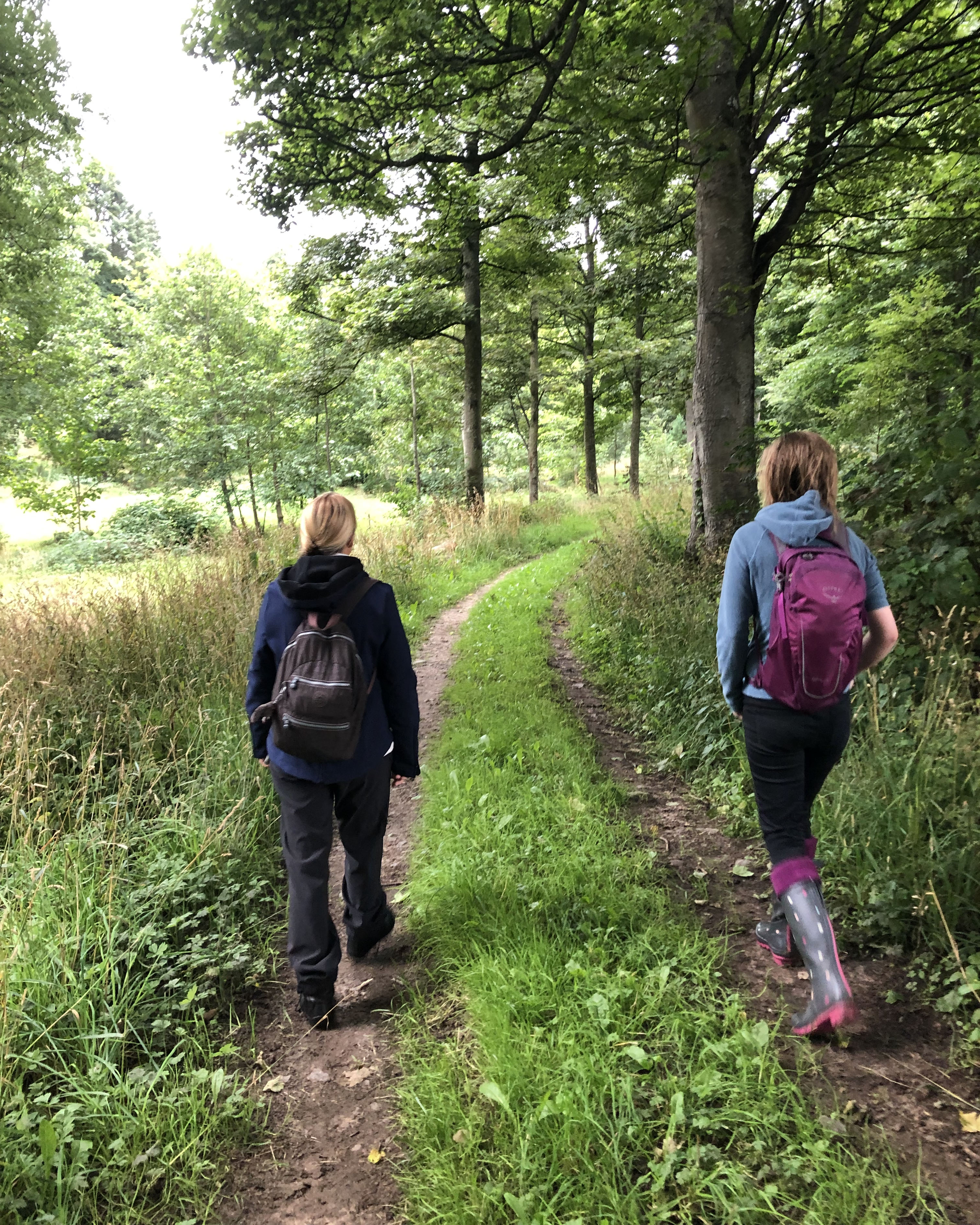
For the last day of the mindful creative retreat, we began in Burgie Arboretum. The grass was soaked with dew and I soon regretted not bringing my wellies!
Still, fungi loves damp ground and we soon spotted one of my favourites: amethyst deceivers. These lovely mushrooms are bright purple, and in contrast to the usual rule of colourful mushrooms being inedible or even poisonous, amethyst deceivers are often foraged. Apparently they have a mildly nutty flavour and keep their bright colour when cooked.
Later in the day we explored a small loch just outside Forres. This session was my favourite of the whole retreat. I sat for hours among the Scots pines, admiring the carpet of heather and bracken.
I was treated to several wildlife encounters. A brave wren appeared only a few feet away, flashing its stubby tail. It did what wrens do best: scream and shout and stick its bum in the air! This one was great fun to photograph.
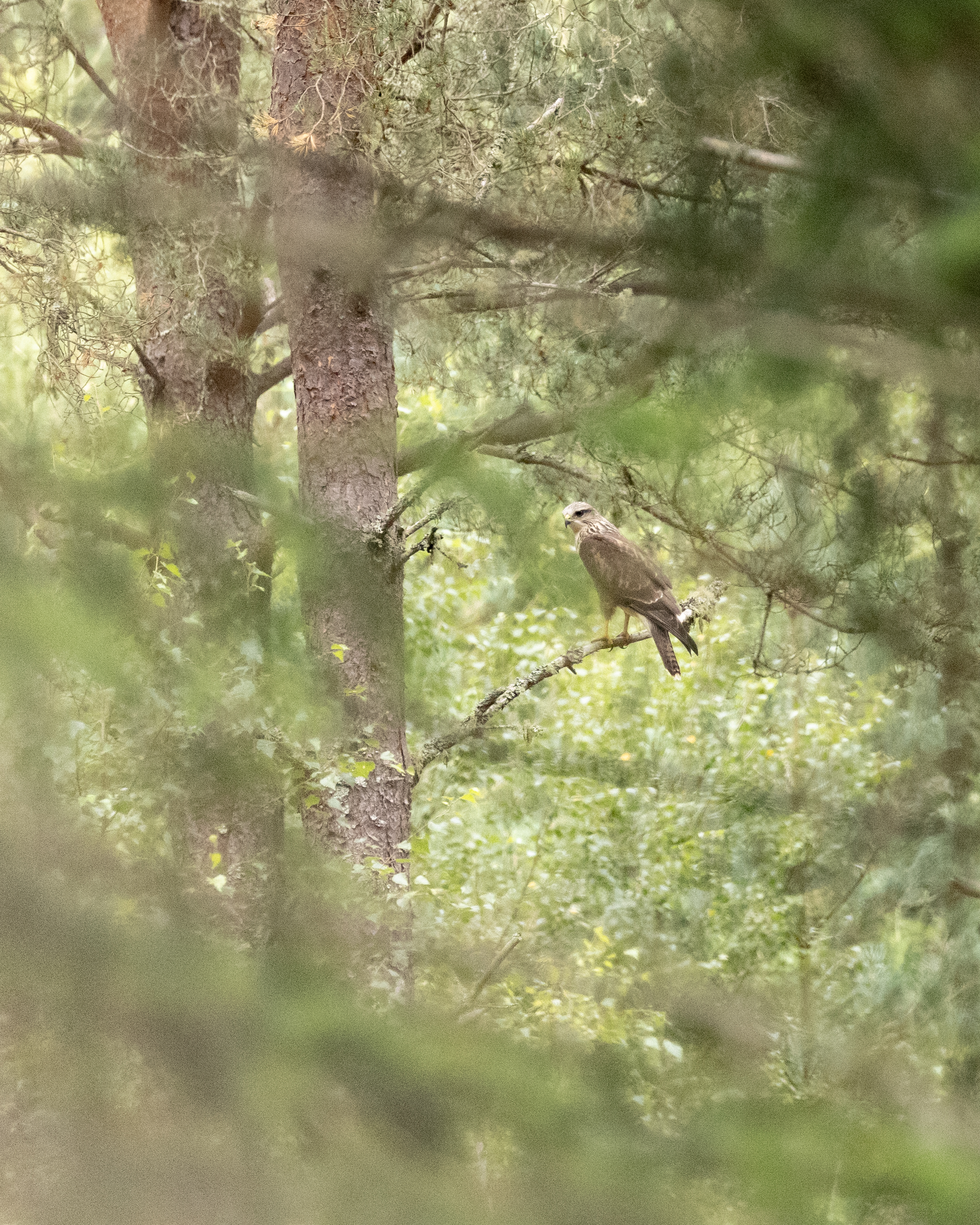
Shortly after, a brown shape caught my eye and I glanced up to see a buzzard sweeping through the trees. It perched in a very convenient gap for photos. Knowing how skittish these birds can be around people, I felt privileged to see it resting.
Finally a flash of movement on the ground caught my eye and when I eventually found it I realised it was a teeny tiny frog. The afternoon was full of surprises – while walking is a great way to encounter wildlife over distance, certain wonders just won’t happen unless you slow down to a complete stop.
Just before dinner, we gathered by the loch and did some more breath work, led by Jen. I wasn’t sure if I’d notice any changes from Monday but I could actually breathe a lot deeper than I did in the first session. I liked to think it was the calming effects of the retreat, which had turned out to be a huge success.
Have a read of what happened on day one and day two here.
Another hectic month! I’ve travelled more over the past few weeks than I have all year. At the end of June I drove down to Hertfordshire, where I’m now staying until mid-August. It’s so strange being in my home town again after a year away – the same old walks I used to do daily are fresh now and I’ve been so surprised how many different birds I’ve been hearing. Since learning a few more bird calls in Scotland I’ve realised there’s more wildlife around here than I thought – it’s just a lot harder to find!
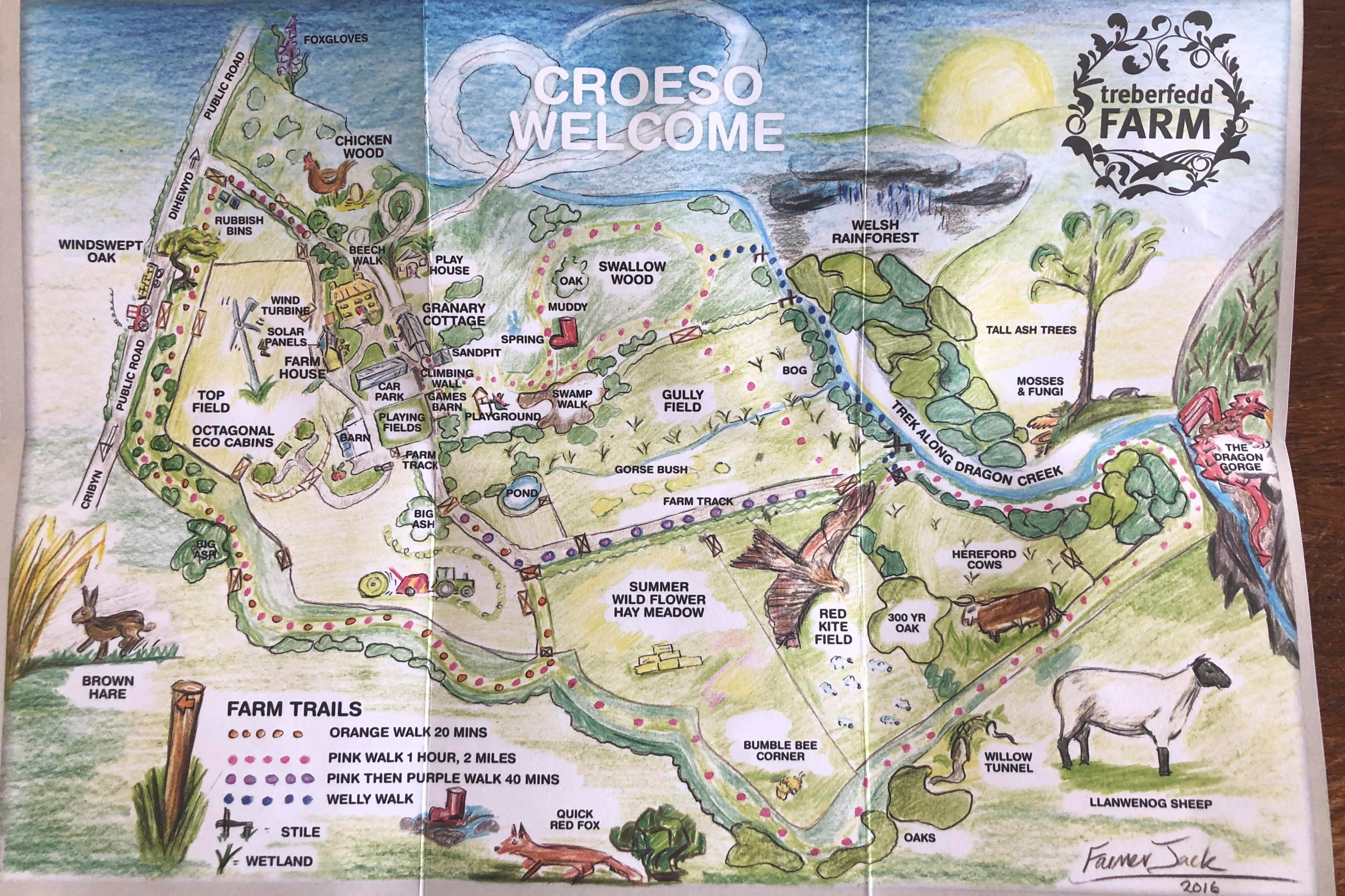
The day after I arrived in Herts I got on a train and headed west. My master’s degree has almost finished but we booked a short stay in Wales for our last residential. I stayed over with a friend in Bristol – seeing my first kingfisher of the year that evening – and the next morning we drove to Treberfedd Holiday Cottages in Lampeter, west Wales – our home for the next five days. This was my first time in Wales so I was excited to see what wildlife was around.
View from The Farmhouse
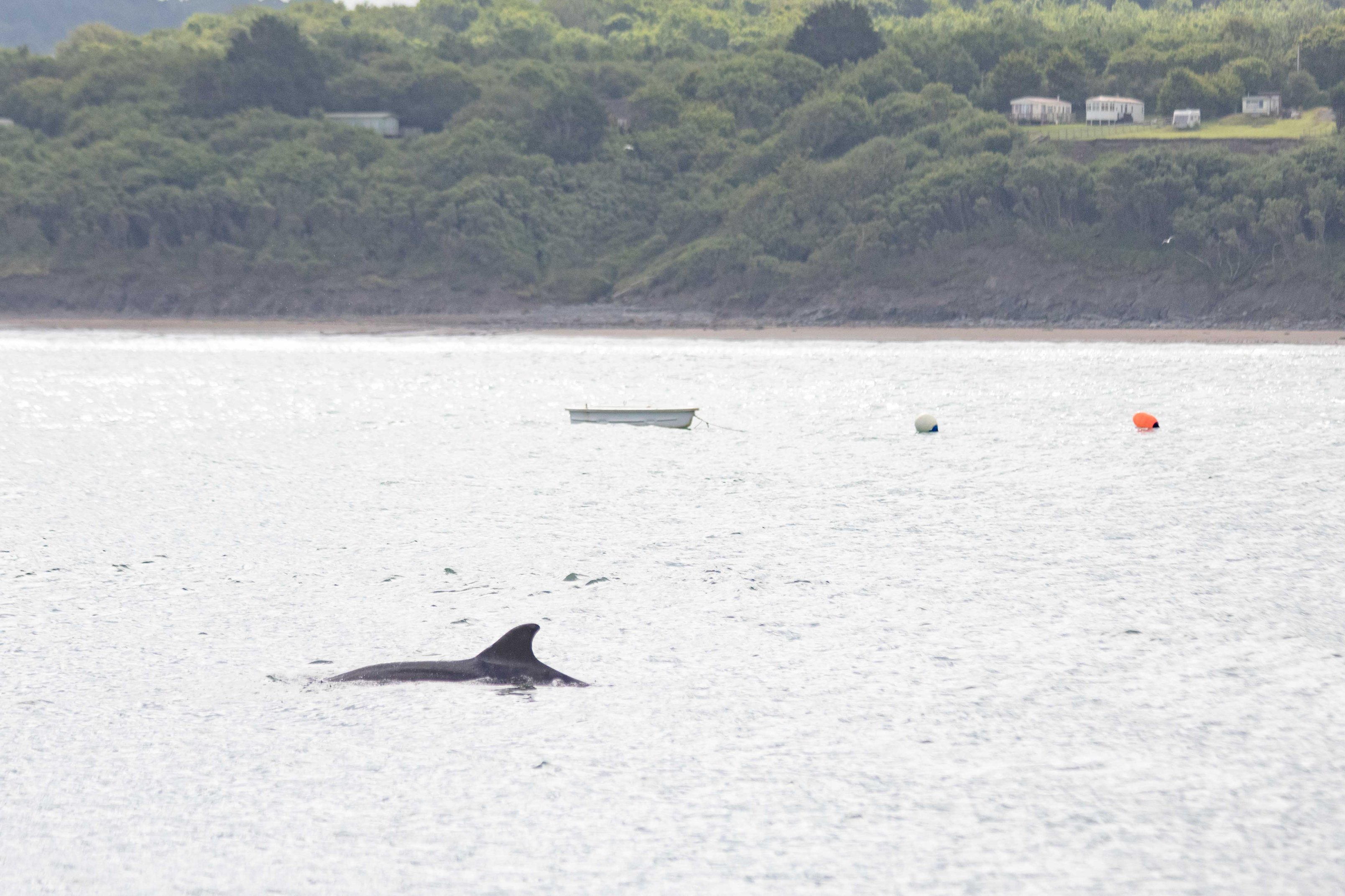
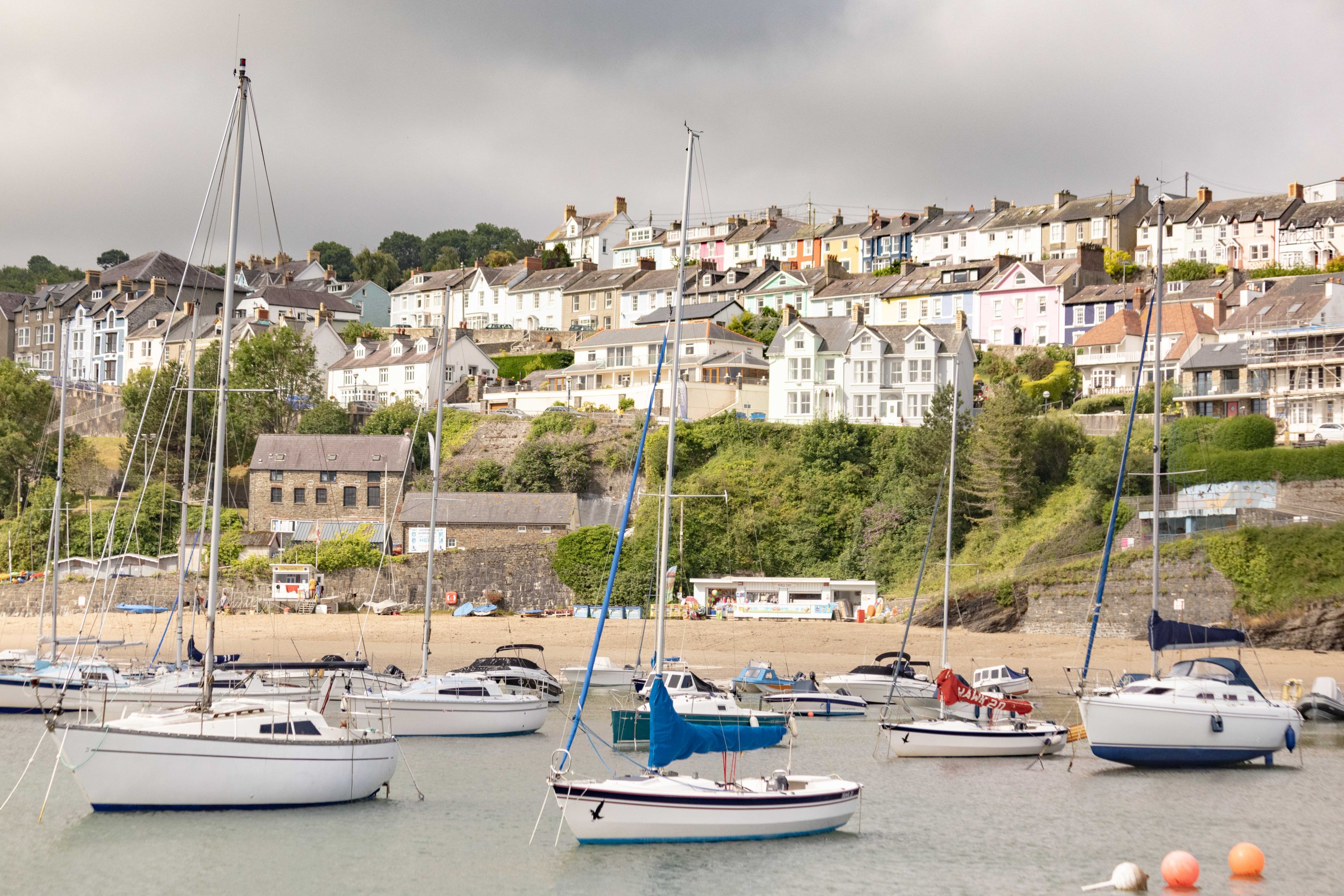
On one of the days we visited the seaside town of New Quay (not Newquay). We’d booked onto a dolphin watching boat trip, but as we stood waiting for the boat to return I spotted a dolphin right next to the harbour! It surfaced leisurely every few seconds and hung around for ages. It was strange to think this was the same species I spot from home, over five hundred miles north. It was great to see everyone else so excited.
Sadly I should have stayed at the harbour… During the boat trip we didn’t better the views we got from land and I had an unexpected bout of seasickness that nearly ruined everyone’s afternoon. I can’t believe how awful on boats I’ve become! I got a case of ‘green face’ in Norway last year, and now I can’t even go an hour on a sightseeing boat without feeling queasy. Note to self: I’m a landlubber now.
New Quay Harbour
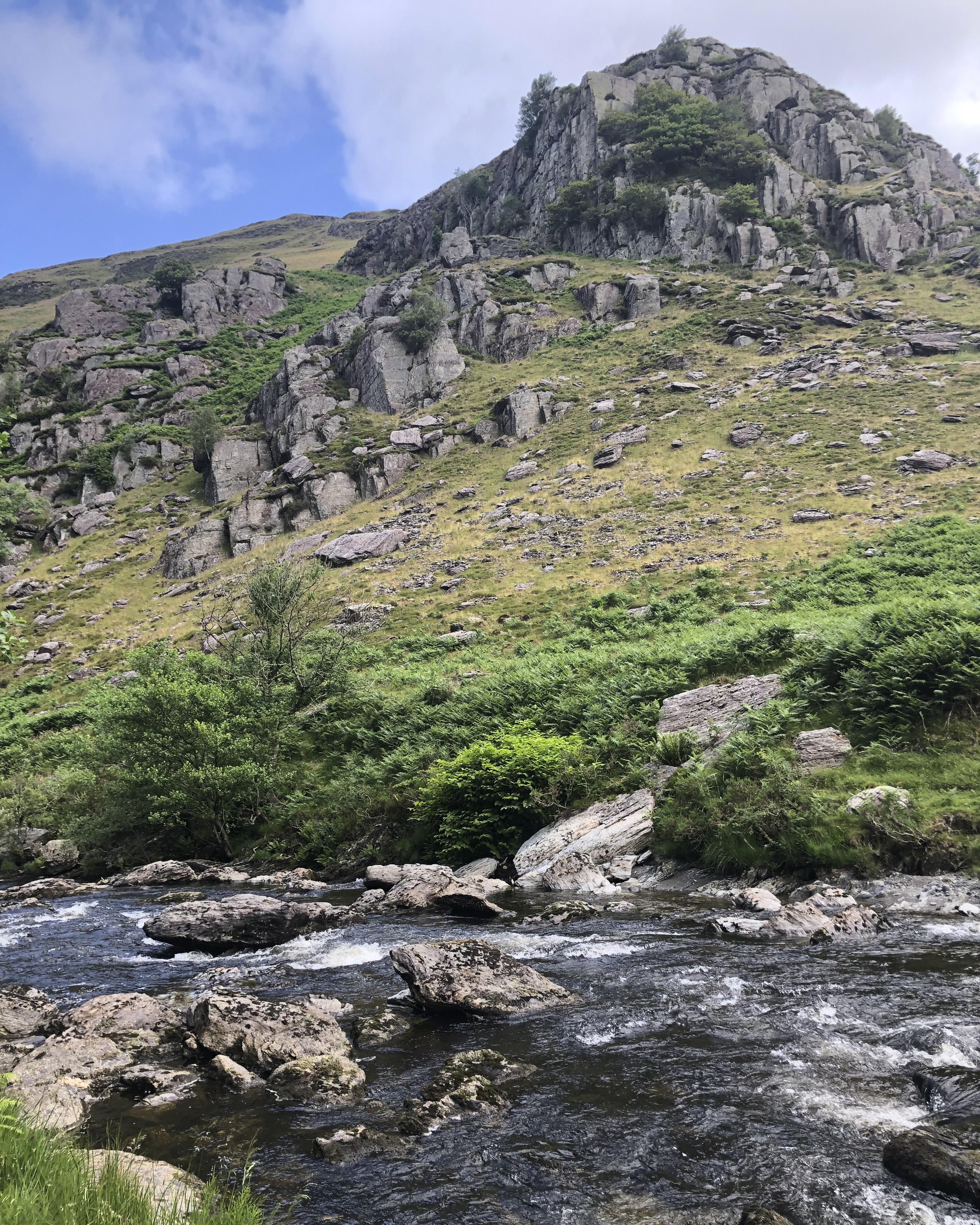
Another of our outings suited me far better. We visited a stunning area of Celtic rainforest called Gwenffrwd-Dinas. Surrounded by steep-sided valleys and threaded through with winding rivers, this was essentially my ideal home and all I needed was a wood cabin. I visited a Celtic rainforest during my time on the west coast and I didn’t realise just how incredible they are. I was dubious about the use of the word ‘rainforest’ but it describes the habitat perfectly – everything is that lush green you expect to see in the Amazon, just with willow warblers instead of howler monkeys.
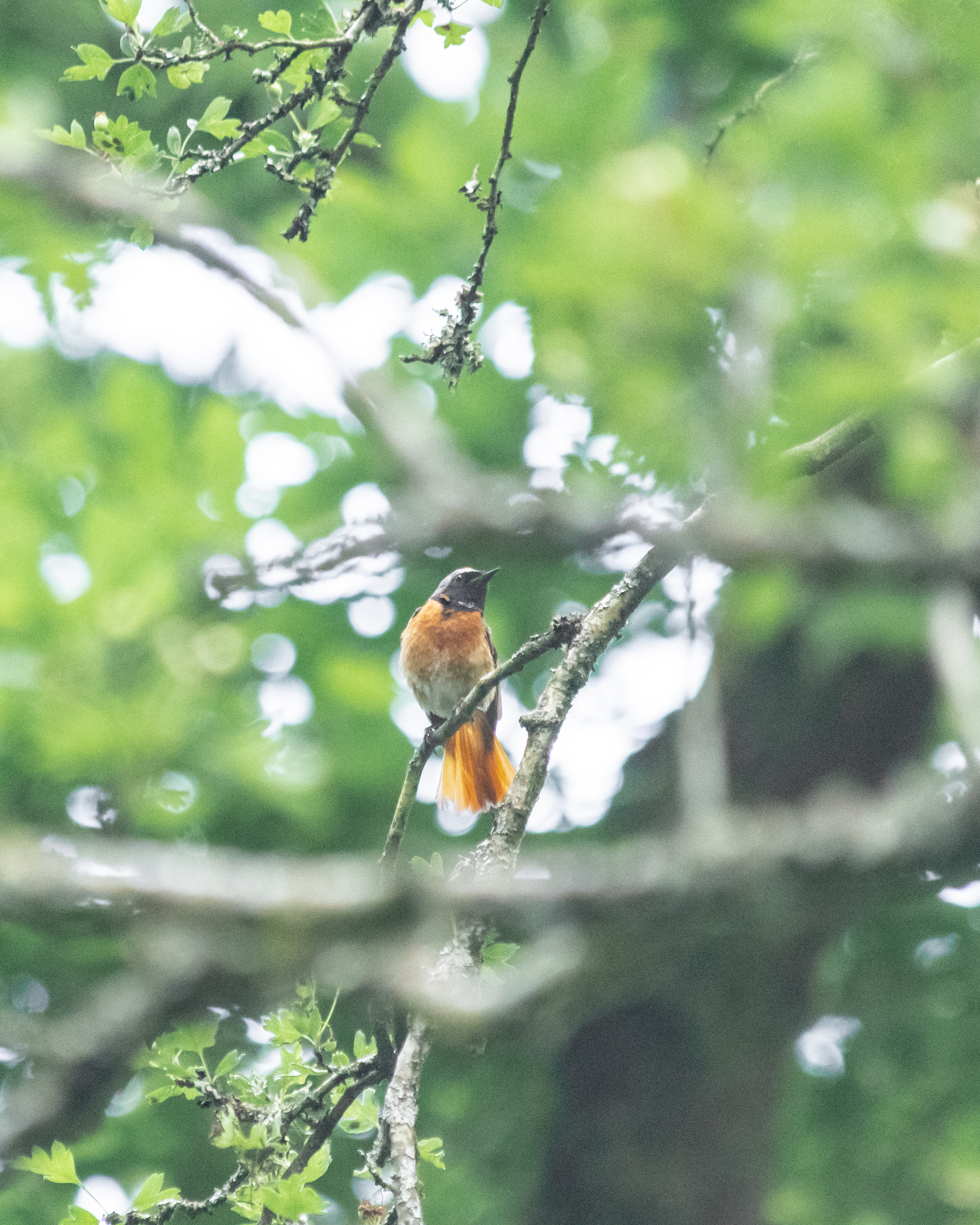
We followed a board walk beside the river – spotting a dipper and a family of grey wagtails along the way – and then clambered up steep rocks embedded in the earth, eventually looping back around. We’d been keeping our eyes peeled for redstarts, which are special summer visitors to the UK that I hadn’t seen before.
With no luck throughout the walk I was ready to accept defeat, but as so often happens we saw a flash of scarlet just before the car park, and there was our redstart! Two in fact – male and female taking it in turns to carry insects into a tree nest hole. I was thrilled to see them both, especially the vibrant male. After one drop-off he flew directly overhead and perched in a perfect gap in the trees. The sun shone through his slightly fanned feathers and I had to bite back a whoop.
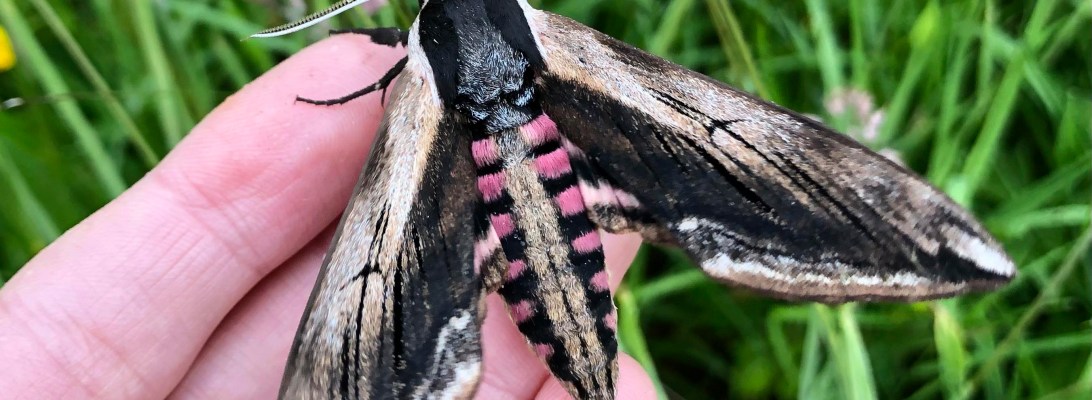
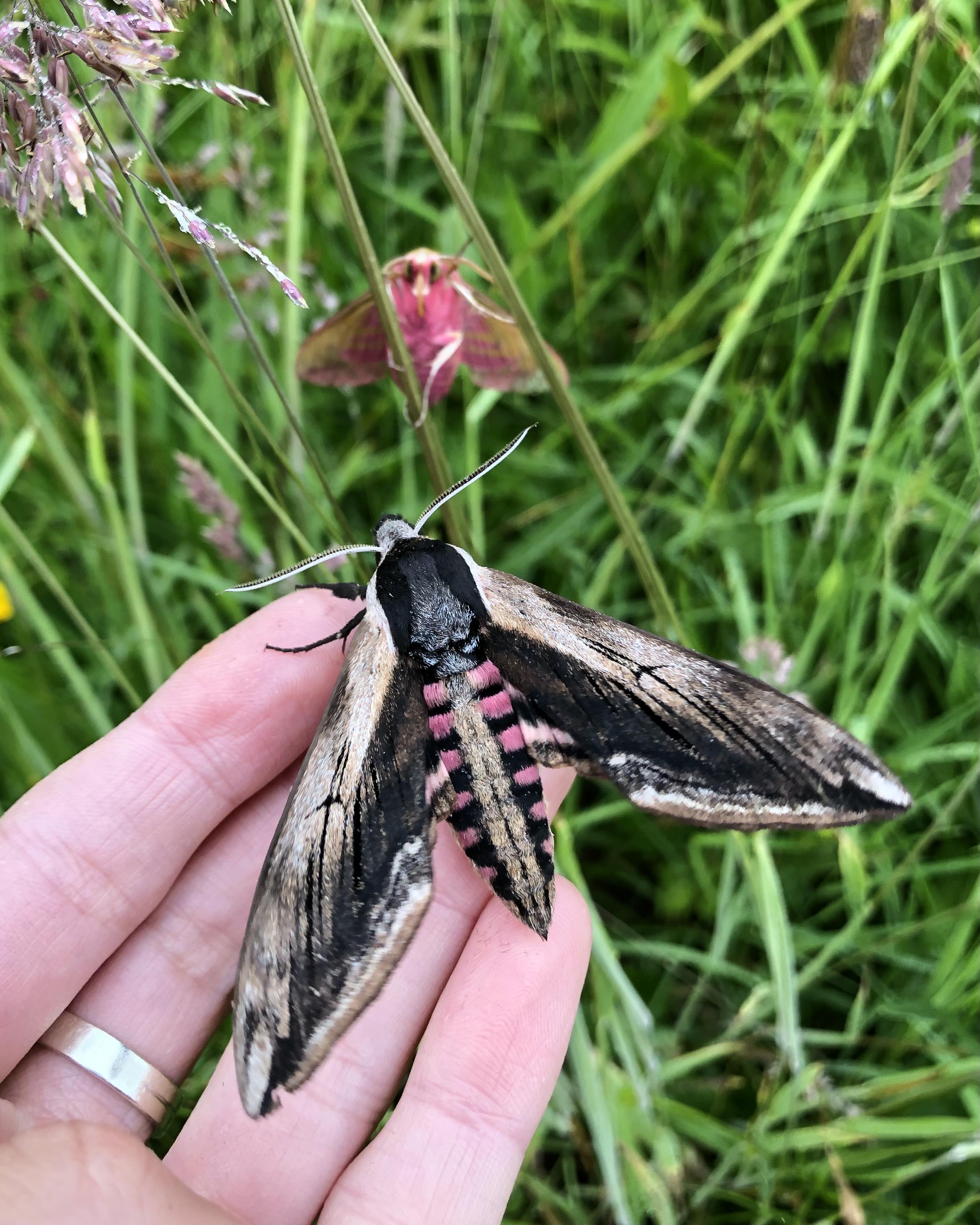
The redstarts were exciting, but my favourite part of the trip came on the last morning. My MA tutor had set a moth trap the previous night, and we headed over first thing to see what he’d managed to get. And what an incredible haul! With the help of the books we identified Blood-vein, Brimstone, Buff ermine, Garden tiger, Green arches, Peach blossom, Peppered, Plain golden Y and three of the most majestic creatures in existence: Poplar hawkmoth, Elephant hawkmoth and Privet hawkmoth. What gorgeous insects! The bubble-gum pink of the Elephant was stunning enough, but my favourite was the Privet.
Privet hawkmoth (with Elephant hawkmoth behind)
I couldn’t believe how big it was as it clung to my hand with sticky feet, flickering wings revealing a black and pink-striped body. After goggling it for several minutes, I was just about to put it carefully into the hedgerow when it took off, fluttered against my face for a few seconds then completely disappeared. Up until now I haven’t been much of an insect person but the hawkmoths gave me a whole new perspective. I left Wales feeling refreshed and with a load of new species to add to my list!
What a month! It’s usually birds that take up most of my camera’s memory card, but over the past few weeks I’ve been lucky enough to get some fantastic mammal sightings, including the second rarest carnivore in Britain…
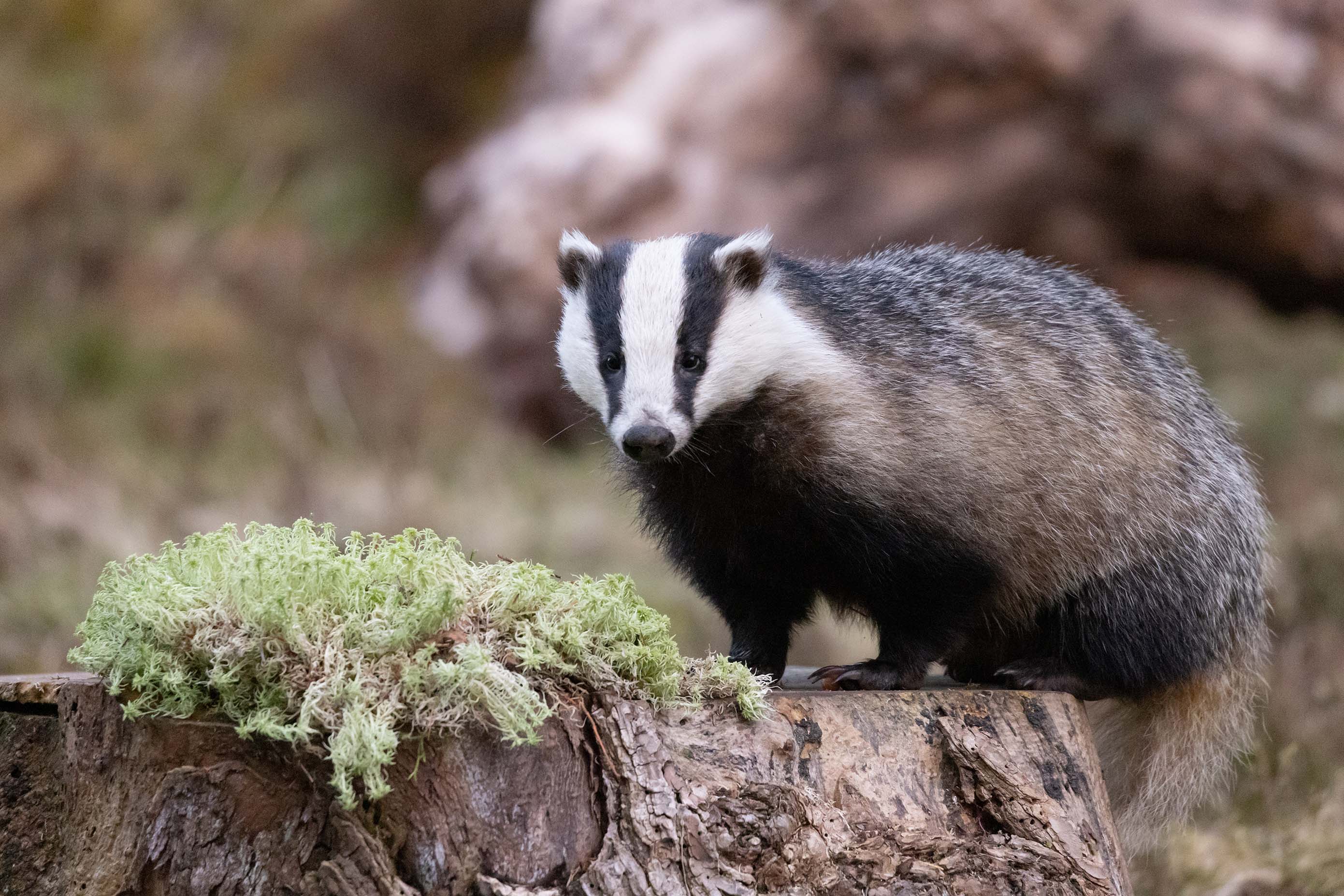
Badger
Recently I visited a friend’s private hide. I arrived at 2:30pm and enjoyed squirrels, siskins and jays. Seven hours later, I glanced up and saw this badger approaching the clearing. You know that jolt in your chest when you see something absolutely incredible and rush to get your camera ready but your hands seem to move at half speed? That was me. Luckily this little one was in a meandering mood and took its time snuffling along the grass towards me. Obviously I kept as quiet and still as I could (despite the manic joy) but it still glanced over at me. There’s no fooling wildlife!
Roe deer
Roe deer prefer the seclusion and shelter of trees. Although they meander into open fields, they rarely stray far from the woodland edge. They are associated with Cernunnos, a Celtic horned god of wild animals and fertility. Deer were thought to have the power to pass to and from the Otherworld! Their antlers, shed each year, represent rebirth and rejuvenation. I saw this gorgeous buck from the same hide as the badger, which allowed me to get such intimate views. For me they’re one of Britain’s most magical creatures.
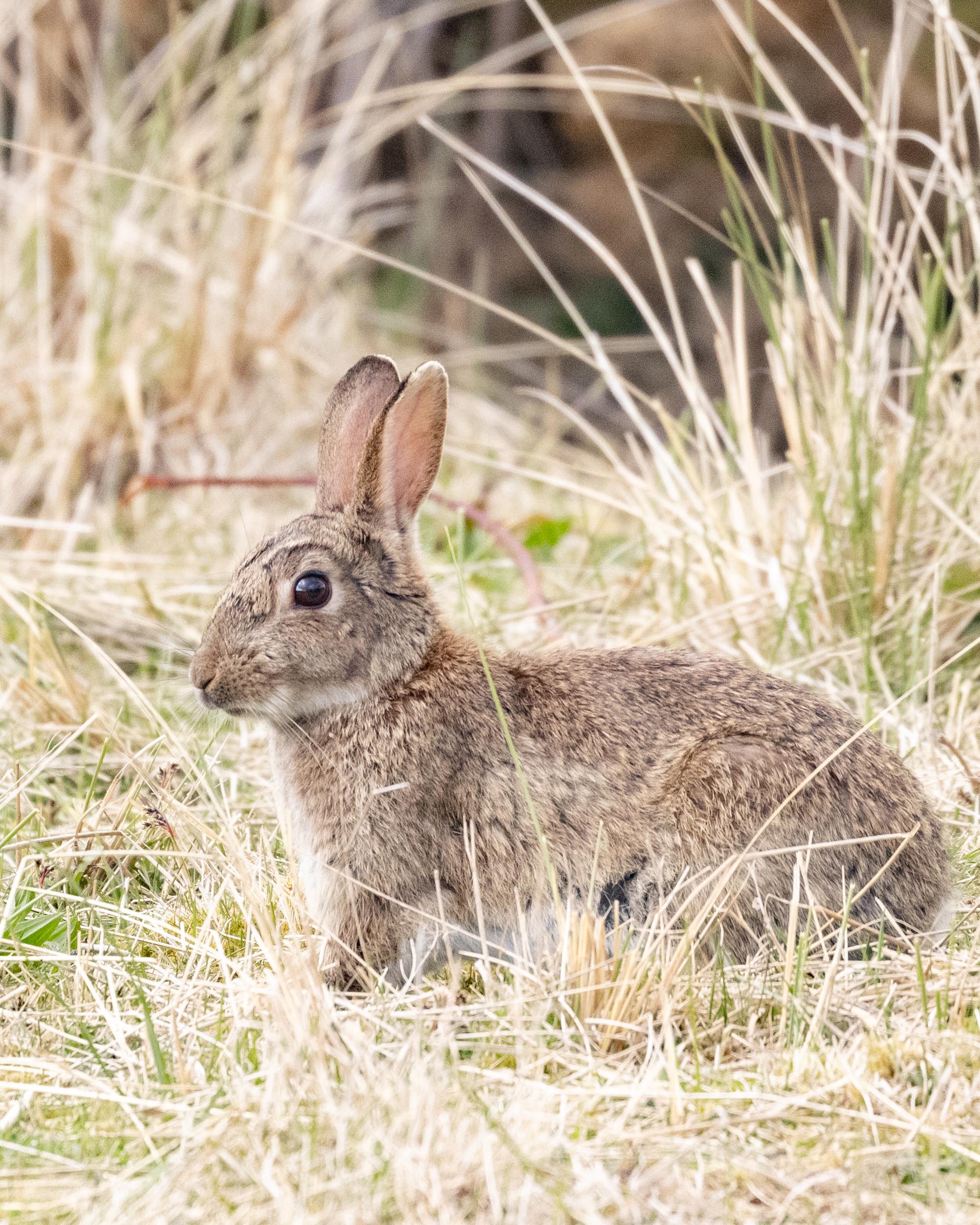
Rabbit
I’d been filming seals hauled out on the beach but there were some very grumbly clouds heading my way so I quickly packed up and hurried back to the car. Just beyond the sand was a dense area of gorse so as I walked I kept an eye out for stonechats and linnets. But instead I spotted a rabbit feeding out in the open. I was just marvelling over how darn cute he or she was when something caught my eye and this bundle of perfection appeared at the mouth of the warren. I’ve never seen a baby rabbit before and it was just as eye wateringly cute as I imagined. As a result of me stopping to take these photos I got caught in an absolute downpour before I made it back to the car, but getting soggy was totally worth it.
Red squirrel
I haven’t posted a squirrel photo since January so this is way overdue! I’d just enjoyed a swelteringly hot day in the Cairngorms. Aviemore was swarming with tourists so I made a hasty retreat back home. On the way I popped into my all-time favourite forest. It’s the sort of place you can get hopelessly and wonderfully lost in. I was tired and hungry after a long day but I thought I’d have a quick wander in case I spotted a squirrel. I walked for less than five minutes before I heard a crunching to my left and turned to see this little cutie at eye level, positively glowing in the sun. It was one of those right place right time moments.
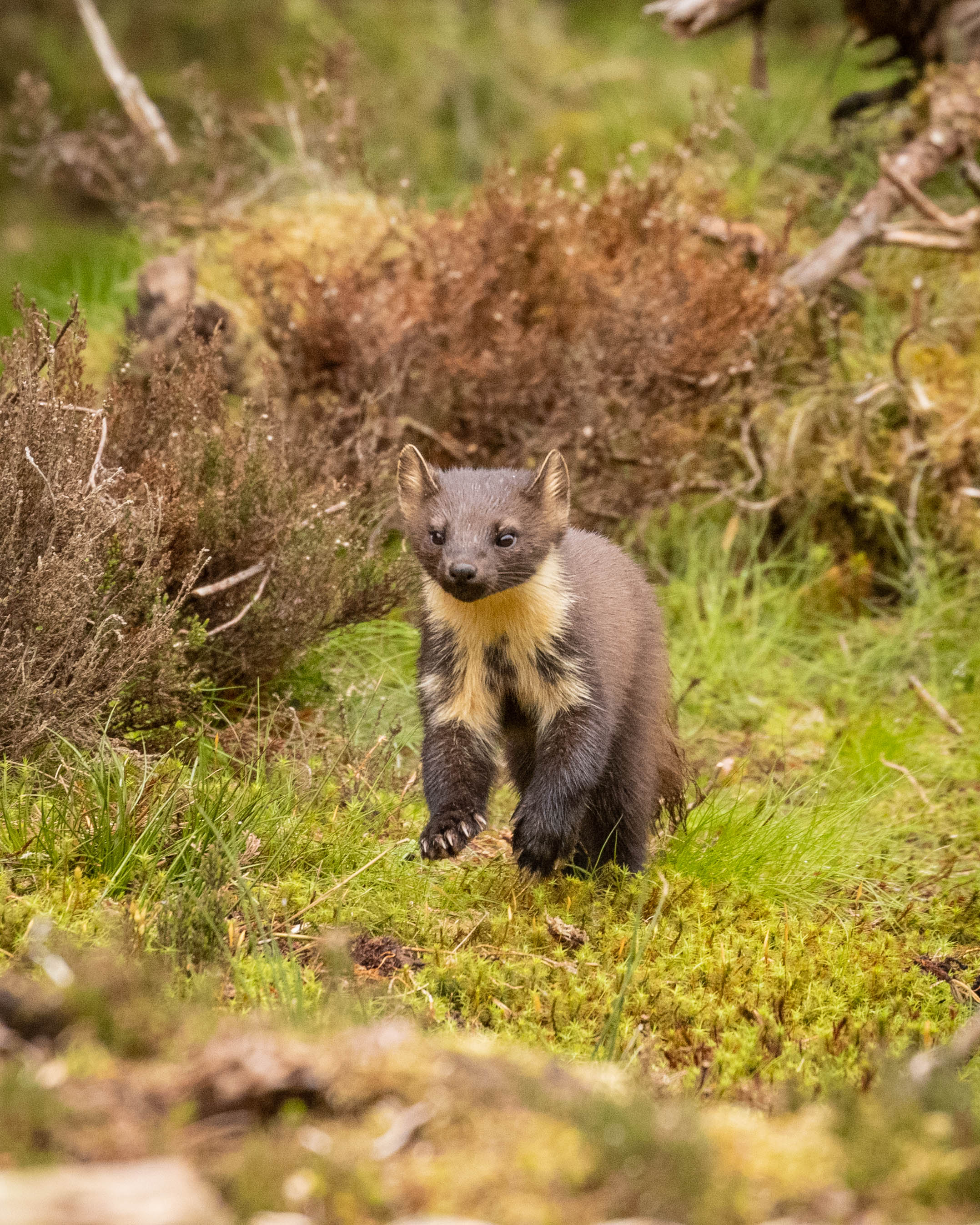
Pine marten
Although I wish I could open my window and draw in all the animals with my angelic singing (while a pie cools on the windowsill), I’m not actually Snow White and the real world isn’t like that. For certain creatures, a little more effort has to be put in and a hide is the only way to go! The pine marten belongs to the mustelid family with stoats, weasels and otters. They’re Britain’s second rarest carnivore after the Scottish wildcat, making them (in my view) as special as unicorns. I’ve been lucky enough to see them twice in the past, but both times were in the dark so photos were impossible. Recently I achieved a huge goal of mine and got my first images of a pine marten! Despite their leisurely-looking lollop, these cat-sized animals shift at a fair pace. Luckily I managed to catch this lovely female running straight towards the hide.
Since posting this photo on Instagram, I was approached by Countryfile who then shared it on their account! I was incredibly chuffed.
Once restrictions were eased in Scotland and I was given a precious piece of freedom to venture outside of my county of Moray, I planned a day trip to the Cairngorms. One of my favourite sounds is the whisper of a stream in a forest – it’s the epitome of fairytale magic for me. So when I arrived at Inshriach Forest on the western flank of the Cairngorm plateau and heard that incredible sound, I made a beeline for it. I passed other people heading up a rocky hill trail that would take them into the mountains. But I’m more forest sprite than mountain goat – my place is at ground level.
A very Scottish landscape!
Inshriach is part of one of the Cairngorms National Park’s eight National Nature Reserves. As well as ancient Caledonian pinewood it contains mountainous and heather moor habitats too. Scottish rarities such as crossbills, red squirrels and crested tits are found there. There’s also the possibility of seeing golden eagles over the mountains, but I had my eyes on the ground rather than the sky.
A trodden grass trail broke away from the main track and I followed it, only briefly distracted by chaffinches and a characteristically vocal wren. The sound grew louder until eventually I was close enough to see the water sparkling in the bright sun. It was gorgeous. Allt Ruadh it was called – a tributary of the River Feshie.
Dumping my rucksack, I knelt at the edge and dipped a hand. Just as icy as I suspected. I always feel an urge to swim in wild water or at least wade knee-deep, but even with the sun it was far too cold for me on this occasion. Still, just to see and hear all that stirring water was a treat. I settled on the bank and crossed my fingers for dippers.
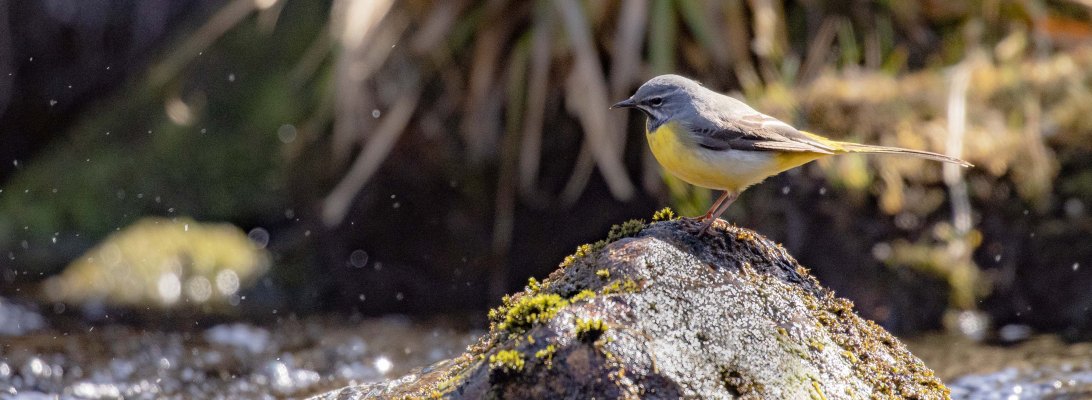
I spent several hours there, reminded of the time only by my rumbling stomach. As I leant back against the rocks with my soup flask and watched the rapids churn up white froth, my gaze caught on a flash of yellow. A grey wagtail! It was standing in the centre of the river, bobbing its tail and fluttering from rock to rock. After examining each one around me, it flew to the top of a Scots pine and began to sing. I’ve seen many different birds using treetops as a singing perch but never a wagtail, so it was both a surprise and a privilege. Its song was so loud I could hear it above the stream.
I suppose this is how I meditate. I can’t sit in a lotus pose, close my eyes and listen to drum music – my mind just wanders to deadlines and errands. But if I disappear into the wild and fill every one of my senses with nature, I forget all the admin and sink into the closest meditative state I can manage. It helps if there’s no service because it means my phone is useless. Having no connection to the material world could be scary I suppose, but if I stay safe and pack accordingly I can enjoy complete solitude and peace, if only for a morning.
I’ve been a busy, quite tired bee recently! April has gone by in a flash and no matter how long I spend at my desk, the length of my to-do list never seems to change. This month I’ve been hard at work on a few different projects which I can’t wait to share. Fortunately I still managed to squeeze in some much-needed nature time, so here are some of my recent highlights.
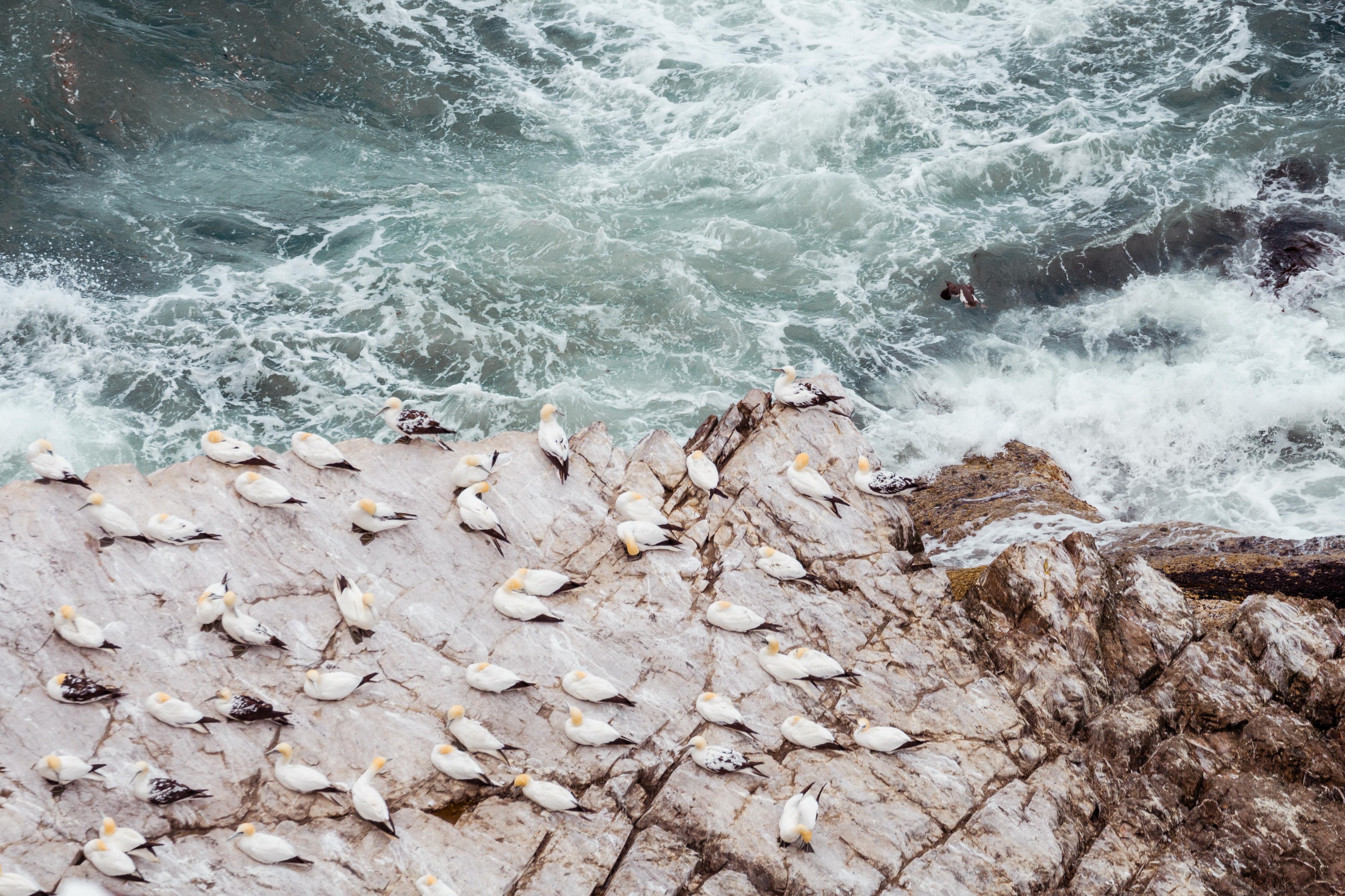
I was thrilled to have a second article accepted by Oceanographic magazine. In July last year I visited Troup Head near Aberdeen, which is home to a vast colony of gannets. Soon afterwards I met Tim Marshall, who first visited the site in 1988. Back then there were just four gannet nests – by 2013 numbers had reached 2885 occupied nests! I was so excited about seeing these gorgeous seabirds up close that I wrote a story about them, which is now published on Oceanographic’s website alongside my photos.
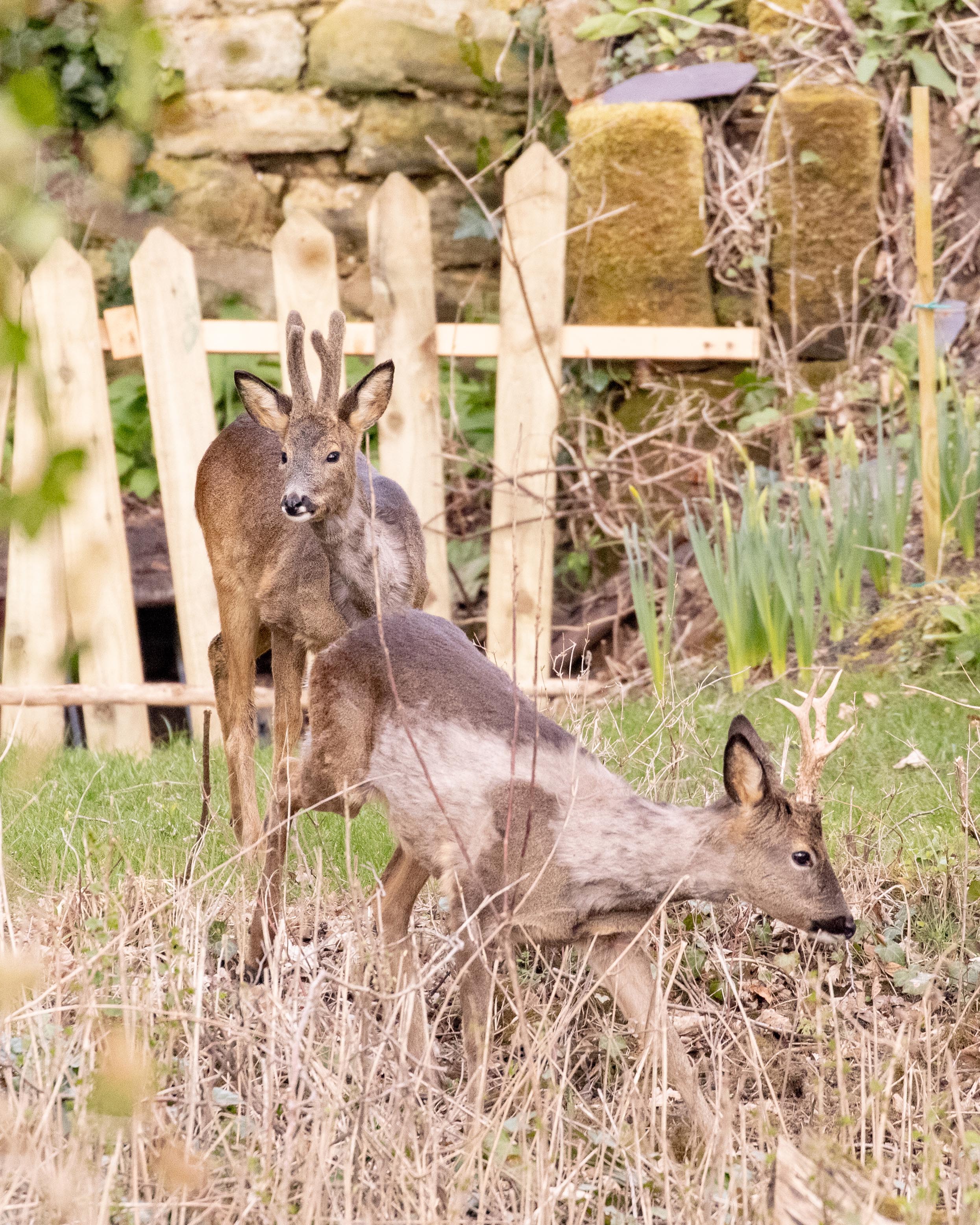
There’s been a running joke for a while that I have awful luck when it comes to seeing roe deer. For many people, in Scotland at least, roe deer seem to be ten a penny. They’re one of my favourite animals but for some reason my sightings are very rare – I’ve actually seen more crested tits than roe deer! As for photos they’ve been disastrous, either dark and noisy or almost indistinguishable behind a thousand branches.
So managing to photograph not just one buck but two simultaneously was an exceptional bit of luck for me. I’d been strolling along the river when the first buck appeared on the far side. Moments later a second buck joined him. It was intriguing how one still had all his antler velvet and the other had none. With the river between us they seemed comfortable grazing out in the open, giving me the clearest daytime views I’ve ever had of this gorgeous animal.
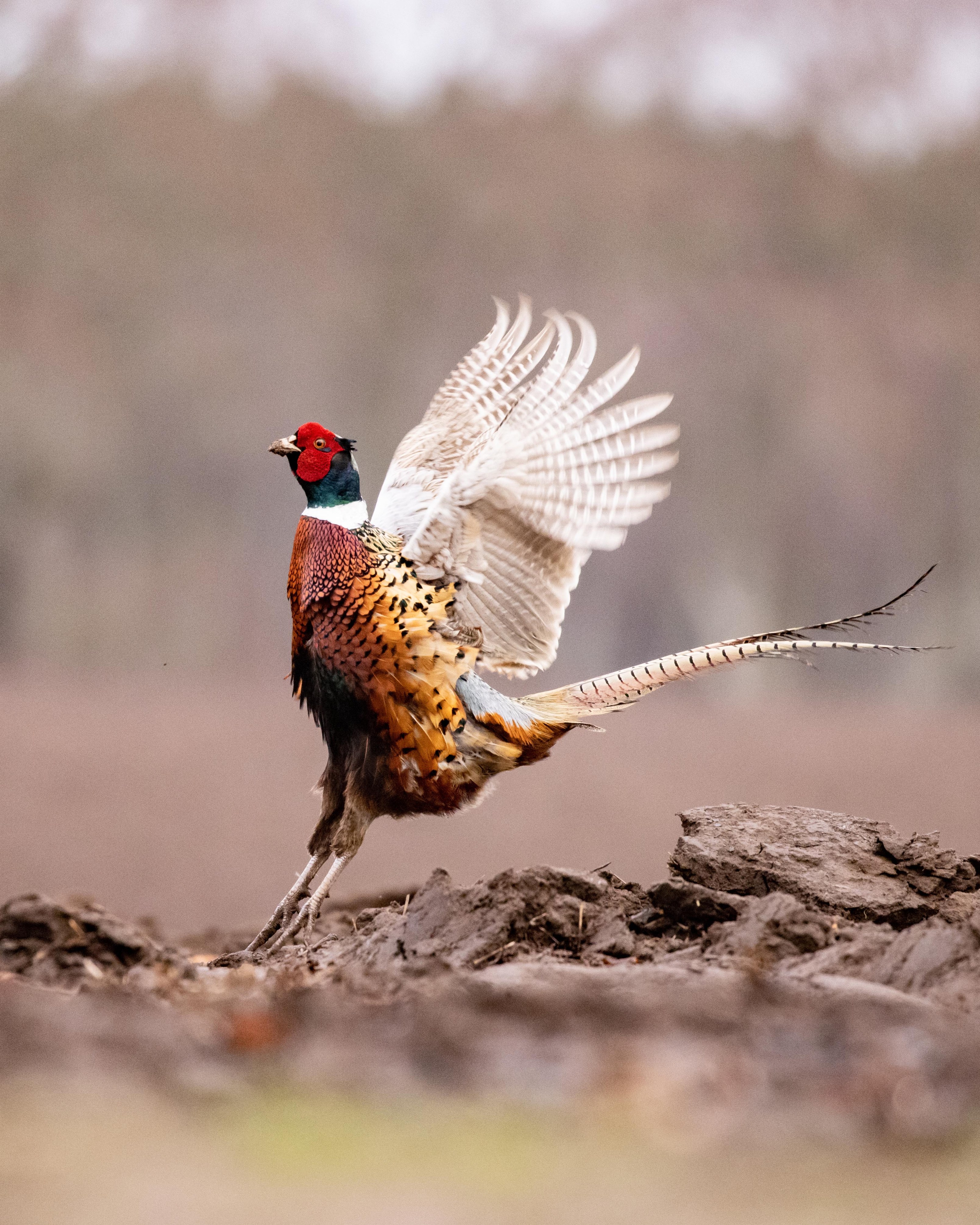
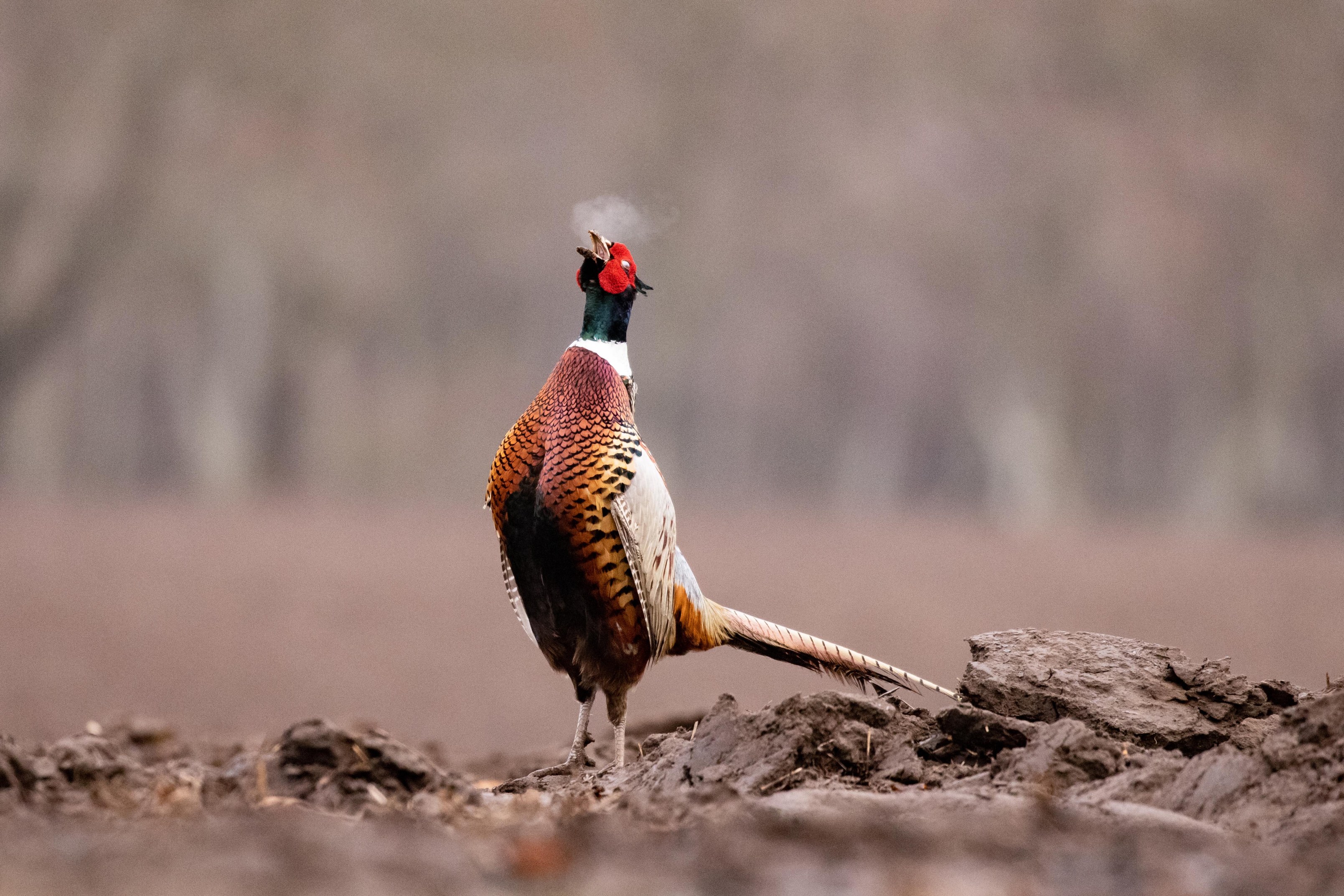
I shared my frankly miraculous encounter with a hare in my last post. That same morning, I also had a run-in with a very handsome male pheasant. I’ve heard pheasants call hundreds of times – that screeching grate echoes through open fields everywhere. But it was only the other day that I discovered what a pheasant does while it calls.
This male was foraging right next to my car window. Every so often he’d stand up straight and lift his head to release that banshee scream, scaring me half to death each time. After calling he would flap his wings, almost like he’d startled himself too. As I hadn’t taken the time to notice pheasants calling before, I hadn’t realised what an excellent opportunity to train my reflexes it was. I had great fun photographing these glamorous poses. Say what you like about pheasants but they’re suave looking birds!
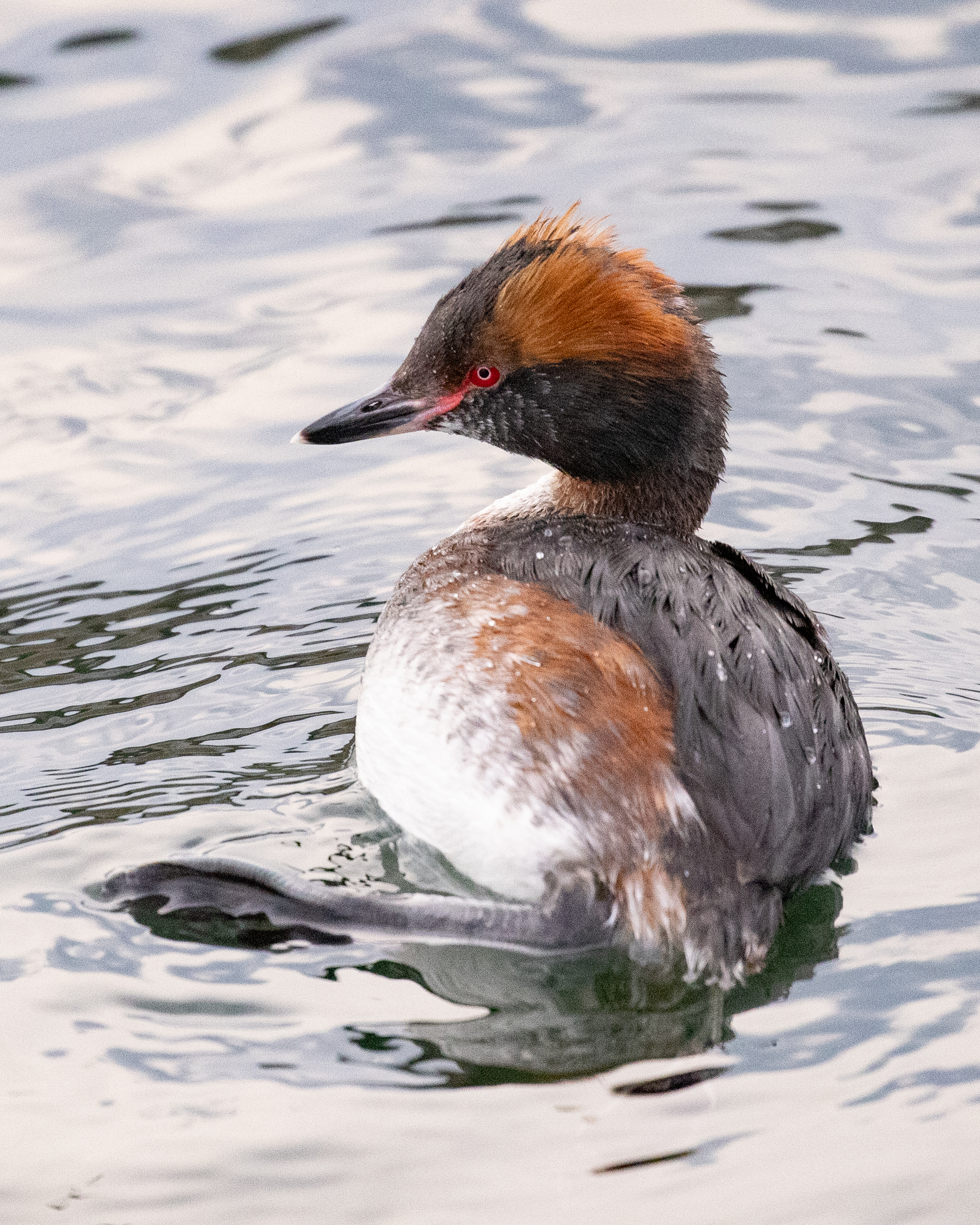
I’ve saved the best wild encounter until last. In fact, I’d say it’s one of my most exciting bird encounters ever, and it happened only 200 metres from my front door. As I was having dinner I got an alert from a fellow photographer telling me there was a Slavonian grebe in the harbour!
Pasta forgotten, I raced down and lo and behold there it was. A harbour was the last place I thought I’d tick off my first Slavonian grebe. About the size of a moorhen, these birds are extremely rare in the UK. They can be seen on a few Scottish lochs but spend most of the year at sea. I felt incredibly lucky to have seen one at all, let alone a stone’s throw from home.
Keep an eye out for my next post, where I’ll be sharing photos from my first trip out of Moray this year. The day featured a trio of herons, a serenading grey wagtail and a mallard making a splash!
Despite the cocktail of sun, rain, hail and snow all in four days I managed to have an excellent Easter weekend of wildlife watching. I heard my first chiffchaff this week, which can only mean spring is on its way despite the occasional blizzard!
Osprey season has begun and I spotted my first of the year on Saturday. That was the hottest day in a long time and sunglasses were essential for squinting up at the sky. As well as seeing this stunning male osprey hovering over the estuary, I saw my first sand martin of the year (too nippy for a photo) and my first ever grey plover, which was a rare visitor to the area.
Grey plover
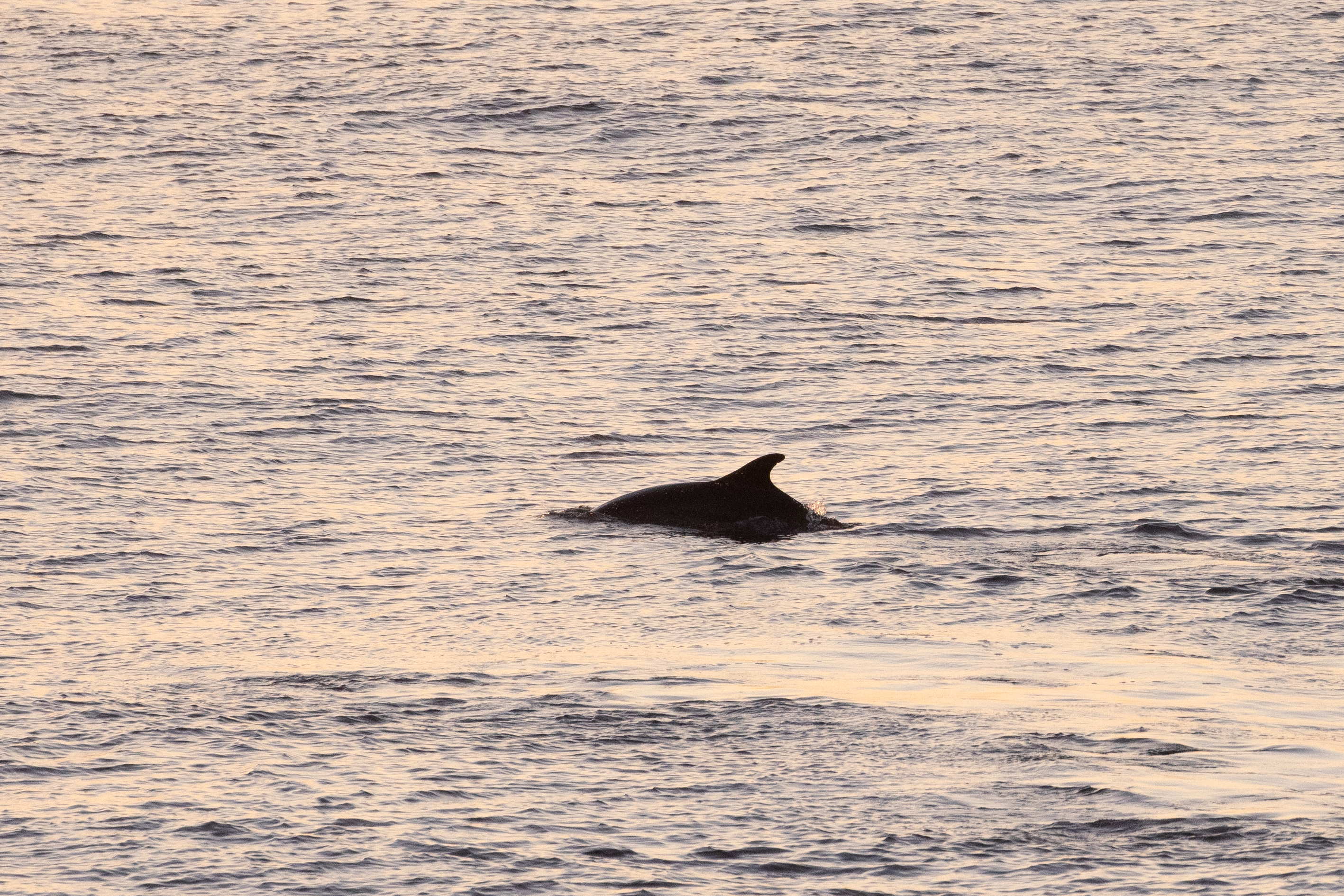
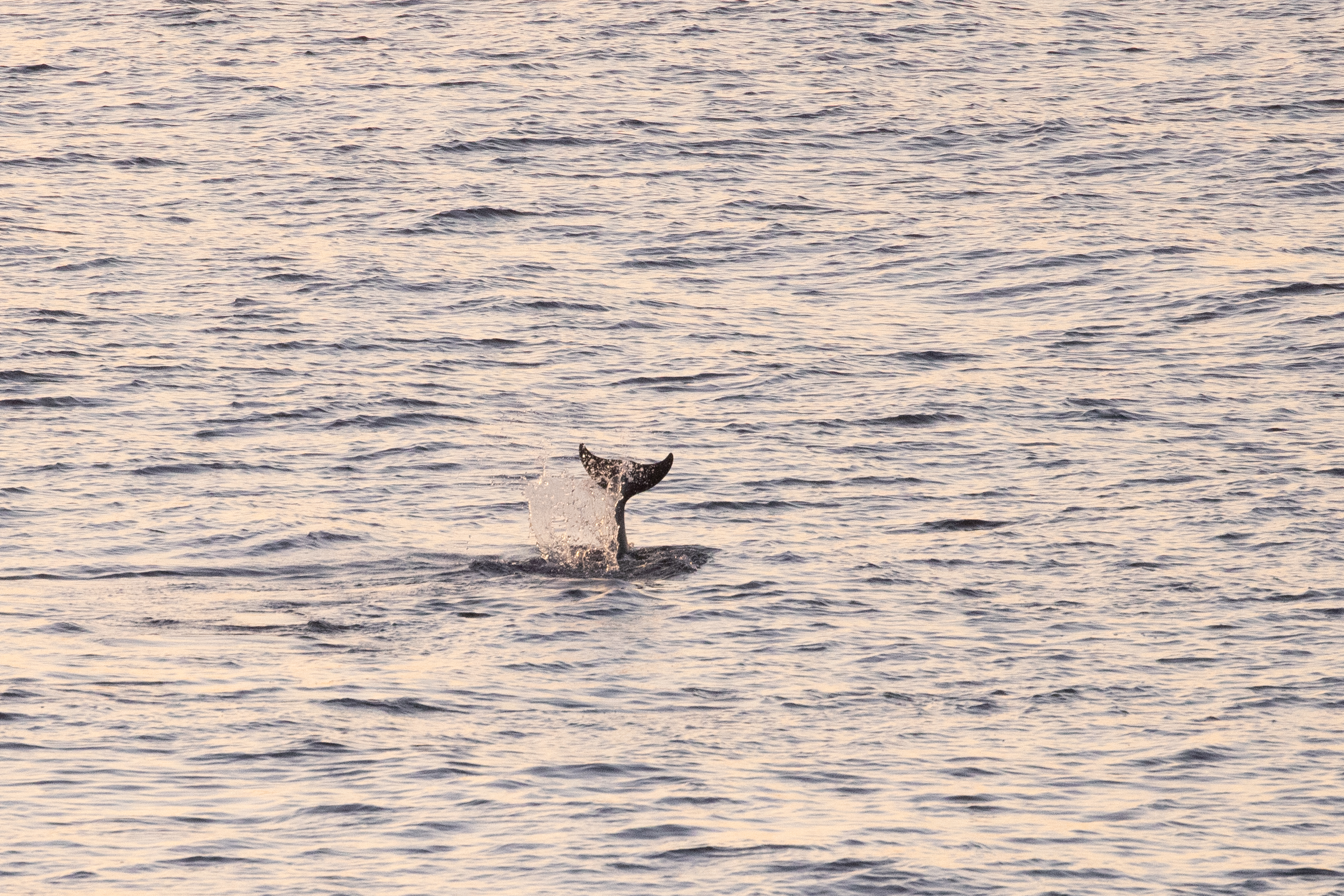
That evening the excitement continued with my first gannets and bottlenose dolphins of the year! It was a gorgeous evening with a cracking sunset, made even prettier by the appearance of three dolphins that cruised all the way around the headland. There were a couple of distant breaches too far away for a photo but it was so lovely to see dolphins again. I can’t wait for the season to kick off properly when there will be sightings on most days!
But the most exciting encounter happened on dry land.
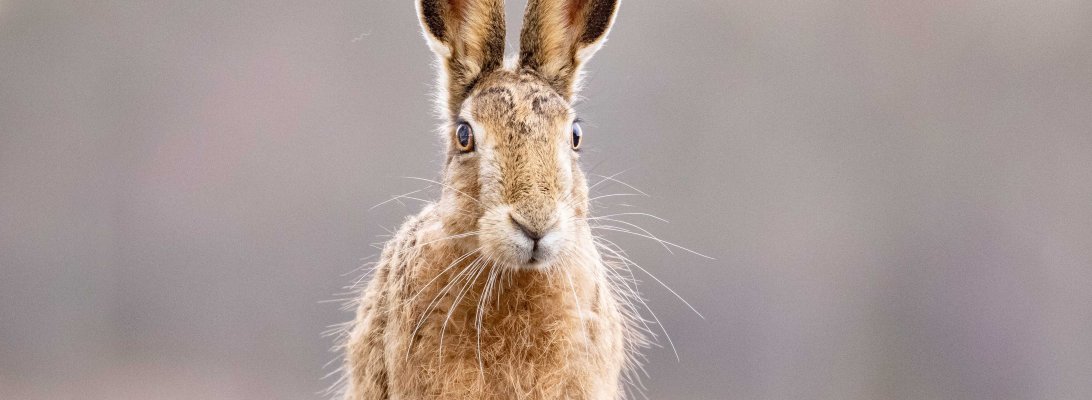
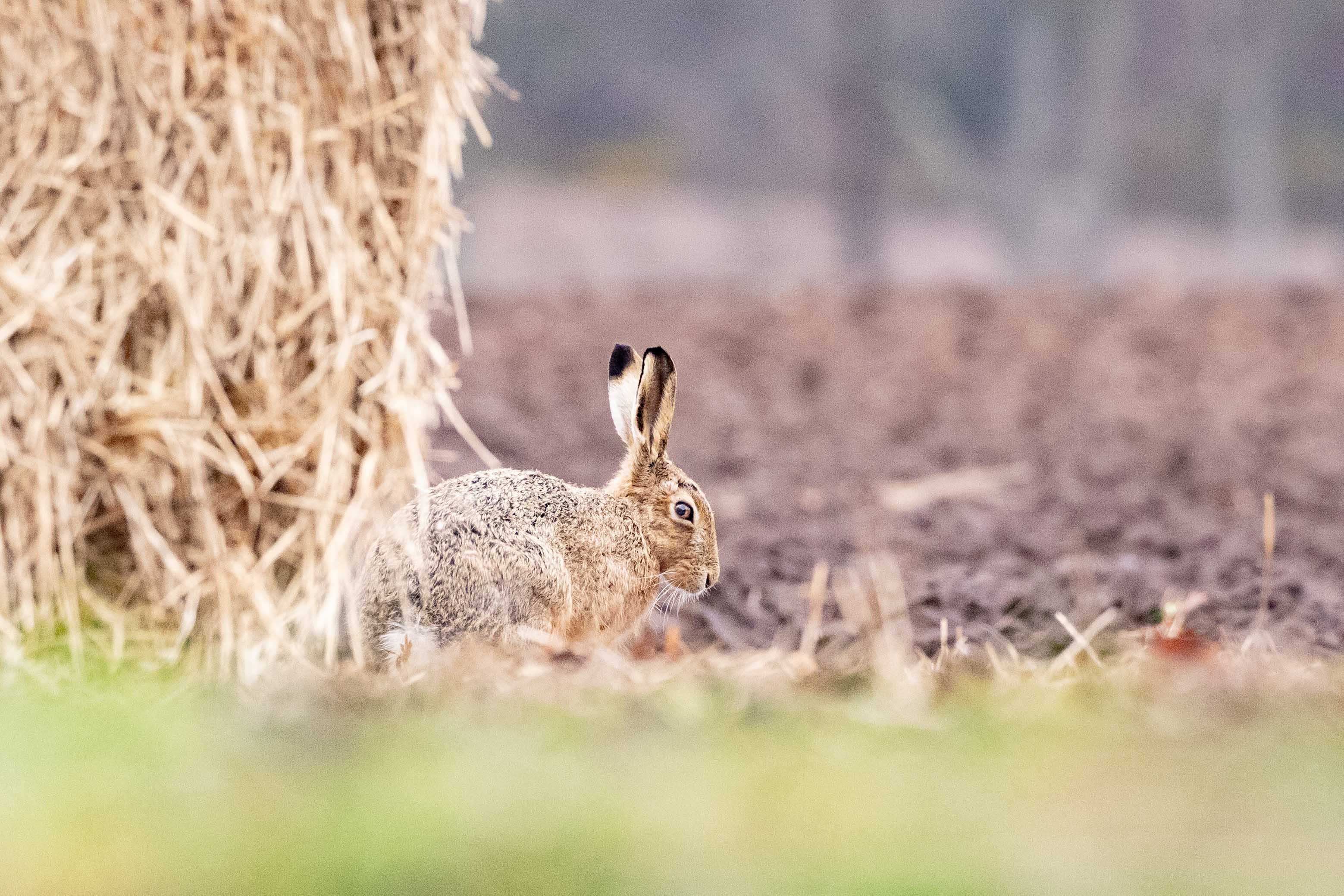
I knew there were hares nearby as I often saw them dashing across the open fields, too fast and far away for a photo. I wondered if I pulled up with the windows down safari style whether they might appear a bit closer. For a photographer, a car can be an excellent wildlife hide.
I passed the time watching pheasants foraging. Every now and then the male would do his screech call and flap his wings, which looked lovely in the early morning light.
I waited for him to do it again but he wasn’t playing ball. My hands were going numb and I was just about to put the camera down when a hare appeared behind him.
I froze, actually hearing my heart thud as it padded towards me. Once it was ten feet from my lens it sat and stared right at me before lolloping back behind the bales. Even though it could see me, there was something about me being in the car that had relaxed it enough to check me out.
Once I was sure it had gone I checked the photos and actually cried looking at them, which has never happened before. The combination of shock, joy and relief was overwhelming and I almost couldn’t believe what had happened.
It’s been an Easter weekend full of treats, from soaring ospreys to sunlit dolphins to breathtaking views of one of the most iconic Easter animals: the gorgeous hare. Thank you Mother Nature!






























 rebeccaonthewing.com