Life in the Forest

For my latest university project, I explored the concept of forests and what people have to say about them. By creating a survey, I gathered a range of intimate stories that reveal just how important the forest habitat is to us all, for many different reasons.


Peaceful. Majestic. Timeless. Forests are a vast and highly diverse habitat with a different meaning for everyone, and provide the perfect opportunity to get time and space away from regular life. To find out just how significant forests can be, a recent survey was conducted, uncovering some varied and intimate stories.

“Forests remind me of home. While standing in any other habitat you surround yourself with nature, but the forest is the only one that swallows you.”

Despite our love for woodland, Britain and Ireland are some of the least wooded countries in Europe, even with the presence of approximately 13,000 ancient trees. Some of these have been standing for over a millennium. This, when compared to the human lifespan, seems an eternity.

“Woodland is a much-loved feature of the landscape,” writes Sophie Lake, author of ‘A Guide to the Wildlife Habitats of Britain and Ireland’, “Stepping inside an ancient wood can be a welcome escape from the monotony of the abrasive, urban environment.” For lots of us, forests are holders of secrets and memories, paving the way for personal reflection and relaxation that cannot always be achieved in the bustle and noise of our everyday existence. Forests enable us to lose ourselves, literally and figuratively.

We admire forests for their natural beauty. Most noticeable of all the seasons is undoubtedly autumn, when frost, crunching leaves and a flurry of excitement in preparation for winter really brings them alive. The forest is not just important for the survival of hundreds of forest-dwelling species but also for ourselves. We are nemophilists – that is, we have a deep fondness for forests and woodland – and have childhood stories to tell of long days spent climbing trees, collecting conkers or watching birds.
7W1A8426-2

“I went on aimless walks as a child – my mum and I used to collect pretty sticks and stones. I’ve always been surrounded by forests and even if I wasn’t in them physically, their presence was always there.”

Forests are a place of play, where children dream up kingdoms and magical lands. There is an undeniable magic to forests that we first discover during childhood, but this stays long into adulthood whether or not we care to admit it. We ask ourselves what exactly it is about a forest that makes us shed our deep-set cynicism and embrace childlike wonder again. Perhaps it is the seclusion that the trees provide that prompts a split from the real world and allows our minds to wander, creating a barricade that shields us from reality. There is also the enchanting way that many wild, forested places muffle our connection to technology, rendering our phones useless. We are cut off from the outside world so we must embrace wilderness, and that is when we realise what we’ve been missing.

“I was convinced I was Mowgli and went running off – ducking to make sure I wasn’t seen by any creatures that might be lurking in the woods. I wanted to stay there forever.”

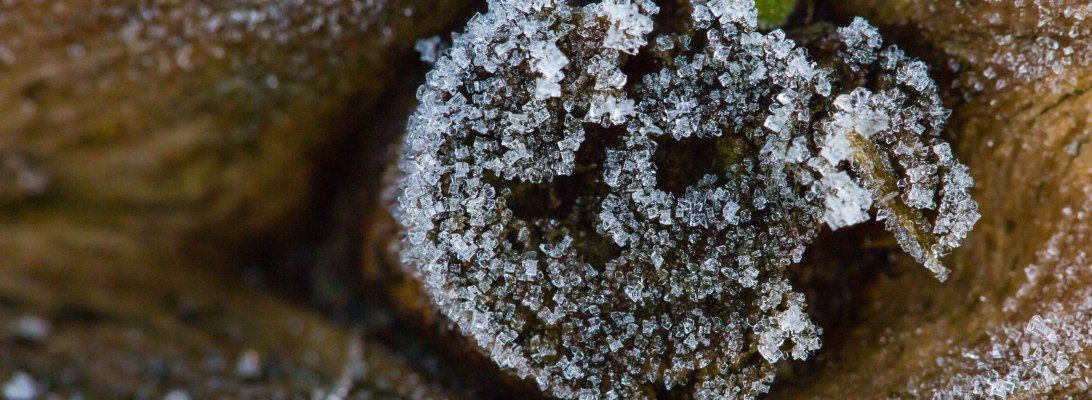
As children we see and savour so much more, with no limits to our imagination. The rumble in the bushes is a prowling tiger, so we pick up a stick and have a sword. By spending time in the forest as adults, we see nature with fresh eyes. Senses that have been dulled by noise and brightness are now reinvigorated to appreciate new marvels – the sound of birdsong, the smell of conifers, the sight of leaves coated in frozen, silver crystals. It is not until we return to a forest that we remember what a surreal place it is, full to bursting with secrets.

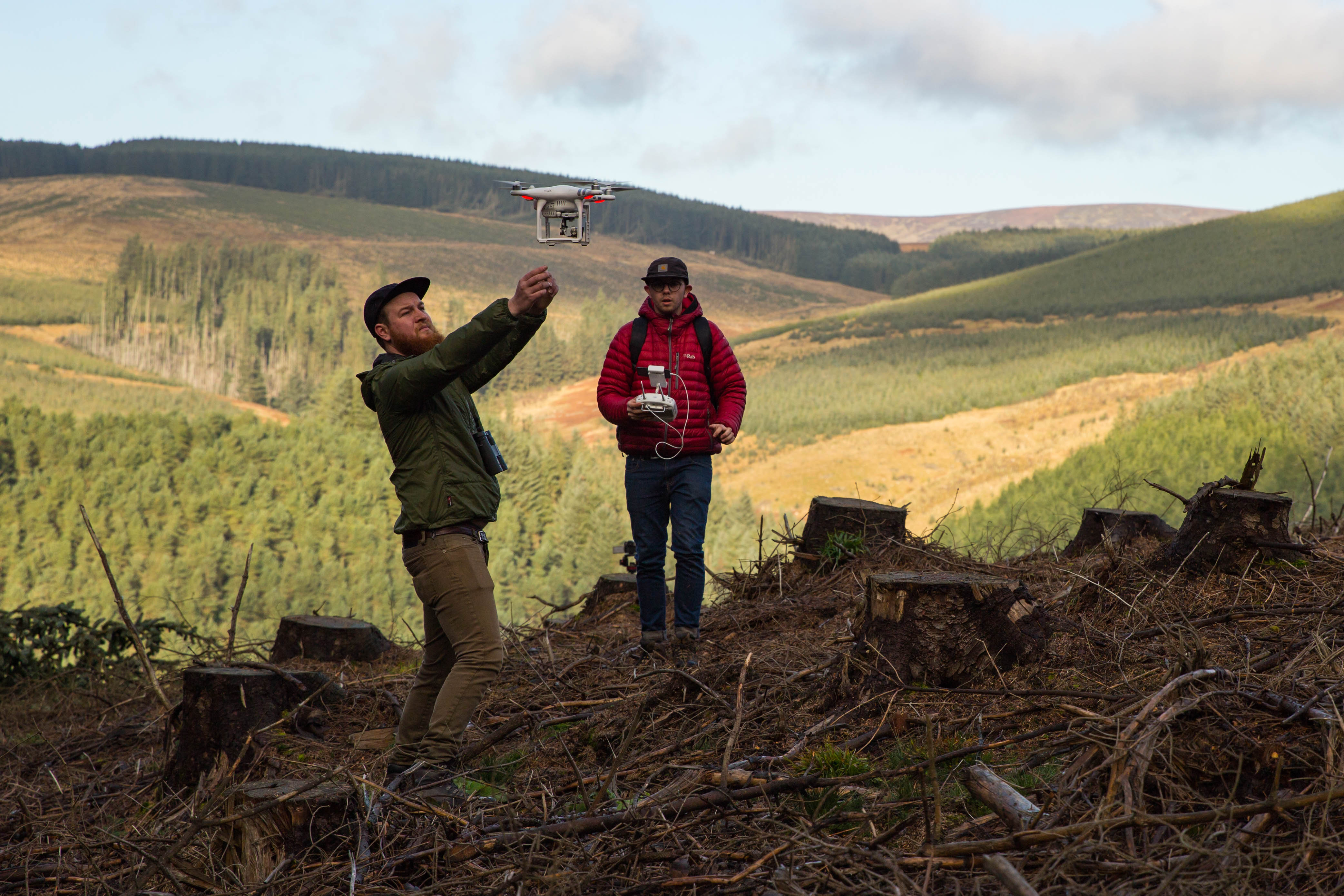
After a recent trip to Kidland Forest in the Northumberland National Park, with over five thousand acres to explore, all these feelings came flooding back to me. The forest was silent; listening while others threw sounds into the air. An abandoned tyre swing creaked, a tawny owl called, but the trees stayed hushed. Each one has survived bleak winters, dry summers and overseen a thousand births and deaths. Seeing such colossal larch trees stretching into the sky put into perspective how powerful and significant the forest landscape is.

“A favourite memory of mine is an enormous old oak that I used to play on. Its limbs went on forever – the sheer size was incredible and it’s amazing to think of the memories it might have held.”

Our love for forests must surely be from the respect we hold for these vast, natural structures that have been standing for centuries while generations have come and gone. These unmoving, unspeaking elephants with trunks of bark and thick, deep-set roots have a majesty that is easy to overlook. They begin life as a seed we can hide in our hands, but will eventually, and inevitably, dwarf adults and children alike.

“Spring is fresh and green, summer is full of birdsong, autumn brings the golden colours and in winter it is a stark place, with all the tree branches exposed scratching lines across the sky.”

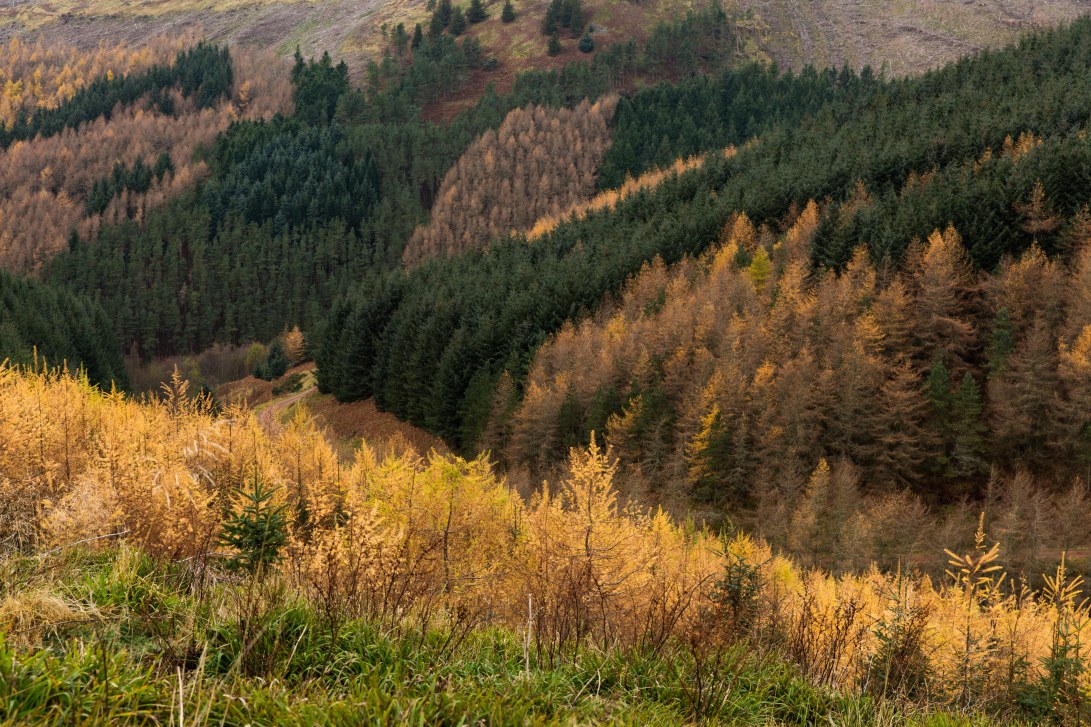
Forests in November are patchwork blankets of green, orange and brown, where the trees shine like fiery beacons. It is autumn at its finest: an explosion of colour with just the right amount of chill in the air. Arranged in rows like ornately dressed soldiers, trees stand in silence, the sort of hush that comes just before something long-anticipated. The sun shines in slanted shards, illuminating certain branches and leaving others in chilled shadows. The forest is a drug – beautifully addictive. Its costumes are always changing throughout the year. This season: orange is well and truly in.

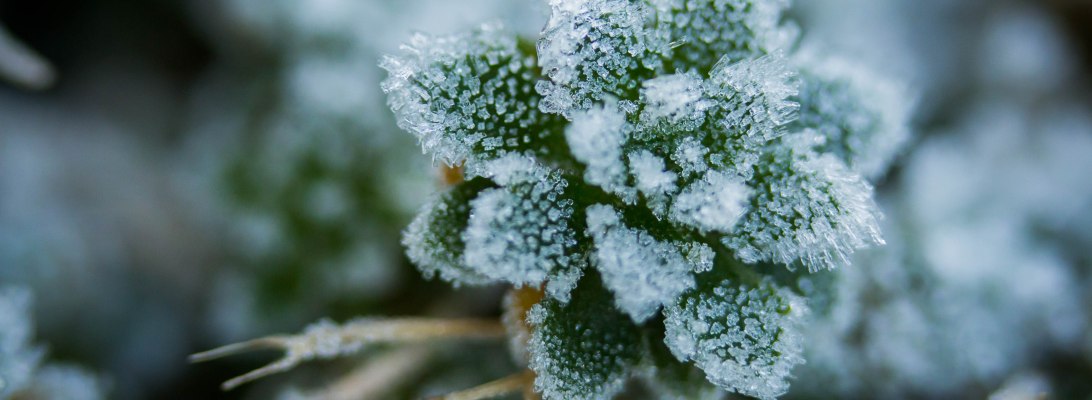
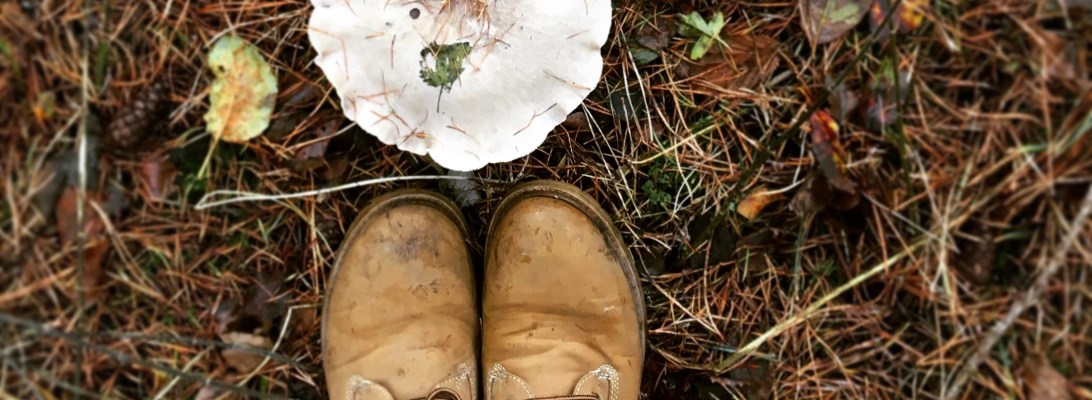
The forest is particularly wonderful because it never dies. Whatever the season, there is something happening. Come September, the temperatures drop and the rain persists, but new life is always arriving. Leaves fall and curl up into dry husks, but from amongst them sprout fungi, mushrooms of every colour that decorate and cloak the tree roots like nature’s Persian rug. Soon the nights will be cold enough to freeze, and come morning when the weak sunlight breaks through, millions of miniscule ice sculptures cling to every surface, each one unique. The forest is a menagerie of sights, smells and sounds; even with the wind and rain, the last few months of the year bring breathtaking beauty.

“Every Christmas morning my mum and I have breakfast in the forest. The whole place is frozen and beautiful. I remember how big it was and that I’d never see all of it. That just made what I did see more special.”

Christmas is undoubtedly a time of magic, and forests can be the perfect place for festive celebrations. Businesses are using this to their advantage and hosting holidays in wood cabins and yurts deep in picturesque forest locations; with ever advancing technology it is becoming even easier to find the perfect wild spot. If done sustainably, encouraging a greater participation in the forest can only be beneficial. Being surrounded by the winter chill with perhaps a sprinkling of snow is idyllic – the presence of such an enchanted habitat accentuates the beauty of winter.

7W1A8328

“It is the ability to put to one side the complexities of modern life and modern living and to escape into a world seemingly untouched by the industrial intervention of man.”

Forests are vast, varied and can accommodate everyone. They offer the freedom to forget the modern world for a while and spend time in true wilderness. Walking through a forest feels like stepping back in time, where nothing is artificial. The forest is vast, yet its size and range never seem ominous. Barren and haunting depictions of woodland always resurface around Halloween, painting a rather commercial picture of a scary place, but a forest in autumn and winter is as enchanting as one in midsummer, perhaps with even more wonder.

“I think forests are irreplaceable and I need to go there regularly to remind myself of what’s important.” 

Many people surveyed for this feature revealed that they spend time in forests for meditation, thinking and to enhance creativity. The fact that being surrounded by trees encourages this self-care is truly humbling. In our otherwise hectic existence, minds preoccupied with material wealth, a brief moment spent surrounded by peaceful, green silence allows us to step back and put all of these worries into perspective. And that is worth more than anything money can buy.

The Legend of Jokul Frosti

The frost coated everything in sight. Like a shimmering white blanket it lay draped over leaf, twig and soil. The spectacle brought a hush to the usual bustle of early morning; for the brief time that the frost was here, a silence that only winter could bring hovered in the air.

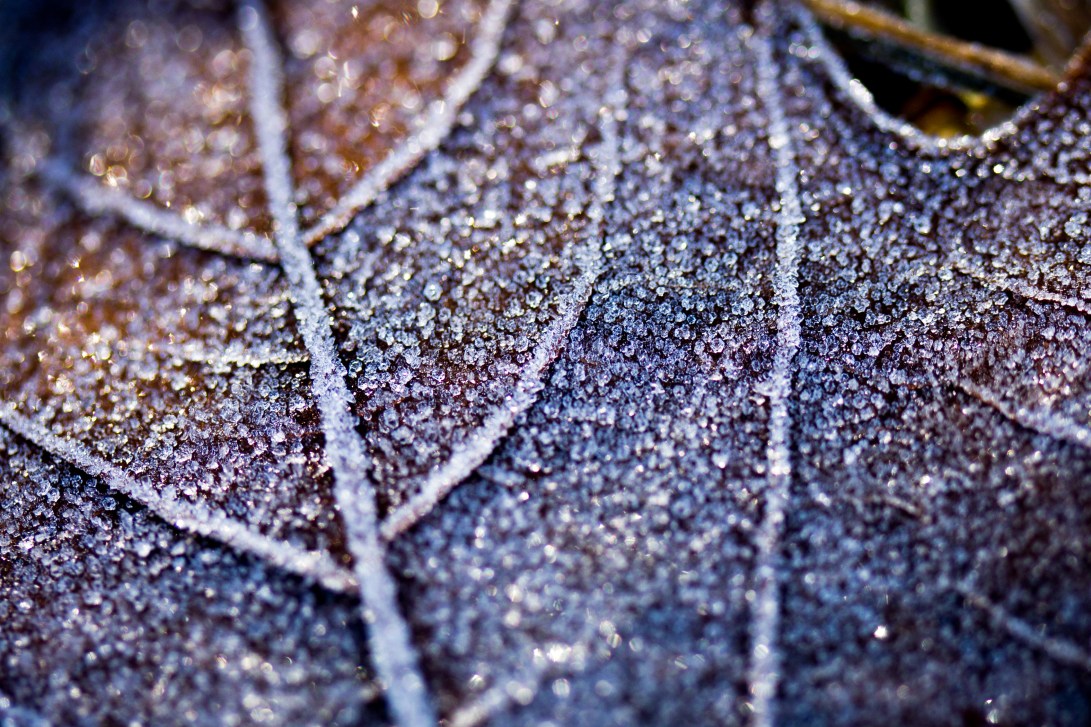
There were leaves scattered over the roots of the trees from which they were shed, curled and dry and chattering every time a breeze stirred them. Jack Frost had traced every vein with white crystal, setting down each cold stone beside the next like lines of silver beads. A knot in the wood of a fallen log had been sprinkled with frost too. The perfect cubes of ice were arranged in clusters like the hidden crystals that form inside a geode, except this display was here for everyone to see.

7W1A8300

Frost has been a source of delight for thousands of years. Over the course of a few hours, the sleeping streets are transformed into a stunning white sculpture. Perhaps the most magical of all is how fleeting it is; when the sun rises, the silver art melts, disappearing until the next freeze.

Formed from water vapour clinging to freezing surfaces, the white colour of frost is brought by air bubbles that have become trapped in the ice crystals. Hoar frost is the frozen version of dew, formed when water vapour transforms directly to solid ice. Its magical swirling patterns and shapes are perhaps what sparked the deep-set Norse mythology that gave frost a far greater meaning. According to legend, it was in fact the artwork of a mysterious character we all recognise: Jack Frost.

“Then he went to the mountain, and powdered its crest,

He climbed up the trees, and their boughs he dressed

With diamonds and pearls…”

Extract from “The Frost” by Hannah Flagg Gould (1789-1865)

Hannah Flagg Gould’s poem about Jack Frost is a playful representation. After painting the mountains and trees with an artistic flair, he causes mischief in a house by “biting a basket of fruit”, spoiling the food for the occupiers of the house to find the next morning.

It is thought that the legend of Jack Frost originated from Viking folklore. His modern name is an Anglicised rendition of Jokul Frosti, meaning “Icicle Frost”. The son of the Nordic wind god Kari, Jokul was a nymph-like creature who painted beautiful frosty patterns on windows during the night. He was the personification of the chill that arrived with winter and nipped the noses of children with his icy bite.

img_9065
Ice Crystals

While Jack Frost is often depicted as a playful sprite with innocent intentions, other cultures recognised Jokul as a more sombre figure – one that was feared and respected. Scandinavian mythology paints a picture of a frost giant that brought not only bitter cold but the black doom of winter that symbolised the end of the world. In northern Russia and Finland, an almighty deity known as Frostman commanded the weather, and was given sacrifices by reindeer herders to persuade him to lessen the severity of blizzards. The villagers would leave bowls of porridge for the Frostman to ensure their crops weren’t touched by the damaging frost. Elsewhere in Japanese folklore, Frostman was a malicious character, the brother of Mistman, who were both keepers of the frost and dew.

Jack Frost is well known but barely understood in modern culture. Most people envisage the elfish creature that decorates the night with beautiful silver patterns that melt with the sunrise. Over time, he has shed the fearsome demeanour that came with the frost giants of Norse mythology. Something as beautiful as sweeping hoarfrost or delicate ice crystals surely couldn’t have been summoned by a menacing omen of everlasting winter. Frost, like the Aurora borealis, is a natural wonder. Although it may not be as sought after as dancing green skylights, it is a microscopic miracle. Whether it is the handiwork of Jokul Frosti will forever be a mystery.

Winter Flora

Chances are, everyone has seen that Christmas is coming. Holly adorns the cards, wreaths hang on the front door and trees are being dragged into the house. Christmas traditions have been part of our culture for many years, but why do we follow them? I wanted to find out, so get yourself another mince pie and discover why exactly certain flora have become such icons of the festive period.

Holly

Holly has been a significant part of Christmas tradition for many thousands of years. The Druids regarded it as the king of winter. It was sacred; while other plants withered during the cold months, holly continued to flourish. As a result, the prickly plant became a symbol of renewal and rejuvenation, maintaining high spirits throughout the difficult winter. Many ancient Europeans brought holly into the home as protection, to ward off ill omens and bring good luck.

Holly also has religious connotations. Early Christians associated the prickly leaves as a crown of thorns and the bright berries as drops of the blood of Christ. According to legends, holly berries were originally white, but were stained red when Christ was crucified.

Ivy

The Druids considered ivy to be the queen to holly’s king. Also an evergreen that endures challenging environments and keeps its healthy green all year, ivy is symbolic of endurance and promise. Thought to possess magical qualities, it was hung in the home to bring luck in the spring.

For a time, ivy was banished by Christians during the festive period because it was able to grow in shade, which was considered a symbol of secrecy and deceit. However, this tradition soon wore off and ivy became a firm part of Christmas culture again.

Mistletoe

Mistletoe has long been regarded as a symbol of freedom – perhaps why it’s suspended rather magically in mid air. Ancient Europeans believed it was a sign of peace, and any time warring Celtics found it in the forests, they would honour the plant and drop their weapons. Today, mistletoe is less of a white flag of surrender, but we still honour it with compassion by sharing a kiss!

Christmas trees

Once again, Christmas trees (typically fir) are evergreens, so were seen as signs of eternal prosperity. They were a symbol of optimism and freshness even in unforgiving environments. By bringing its branches – and more recently, the whole tree – into the home during the Christmas period, it was believed that the evergreen could enliven and invigorate in preparation for the coming year.

So as you are decorating your home with beautifully smelling natural plants this December, remember why exactly they are there and how long these sacred traditions have endured!


A Grand Day Out

On my first day off, I decided to cram in as much natural history as I could. First I went to Bristol Zoo for a spot of nostalgia. Going to the zoo was a thing of great excitement when I was younger – though half the time I was equally excited by the gift shop as by the animals – so considering I’d heard some good things about the Bristol Zoological Society and their conservation programmes, I made the chilly walk over to Clifton.

Unusually for me, I was drawn to the reptile house. Perhaps that was partly so I could warm up, but I also fell in love with the blue poison dart frogs. I’d seen them on TV before, but as is often the case, the screen dilutes the real wonder. Shocking azure and midnight blues and black speckles, with a perfect sheen across their skin. Lacking webbed toes, these beautiful frogs aren’t strong swimmers and instead frequent leaf litter or nooks and crannies in boulders. As their name implies, poison dart frogs release toxins from their skin, so don’t taste half as good as they look.

Other reptiles also caught my eye. There was the mountain chicken frog, so named because of its likeness to poultry when eaten, and the Chinese crocodile lizard that was locally known as the “lizard of great sleepiness”. I was also privileged enough to watch a face-off between a male turquoise dwarf gecko and an olive-coloured female. The pair were rather nonchalantly standing on a vertical wall of the tank, gazing intently at one another. The male twitched his tail and turned his head sharply to the side, perhaps displaying his beautifully chiselled cheekbones in an attempt to woo the female. I watched them with my neck at a unique angle for ages while they continued to stare at one another, until eventually the female headed back down the wall, obviously unimpressed.

I ate lunch on a bench overlooking Bug World. Almost immediately I was joined by a menagerie of birds trying to catch my eye; woodpigeons, blackbirds, and a particularly plucky starling. Just as I was admiring his beautiful plumage, he tried his luck and flew up, snatching a loose prawn from my sandwich. Before I’d even blinked it was down the hatch, leaving a smattering of mayonnaise on his bill. I doubted he’d been introduced to seafood before, and began to worry how he’d digest it. Then I remembered that the starling had in fact stolen from me, and I knew the resilience of urban birds was quite astonishing. The starling perched on the wall behind me, burbling for a while with head twitches this way and that. I finished the rest of my lunch in peace and he heartlessly left.

IMG_9269

After a loop of the zoo, I headed back into town. A man sat playing the accordion with a huge and very contagious smile plastered across his face. Opposite him was another man selling the Big Issue, rather begrudgingly wearing a Santa hat. Lights led the way up Queen’s Road, with shoppers dashing around laden down with bags.

It was undoubtedly winter. There was a chill that tightened my lungs when I gulped the air and my ears were moaning, wondering where my hat was. It had been consistently cold all week and there was a definite hint of trepidation in the air. Snow was waiting in the wings, I was sure of it.

When I reached the museum there was a Pliosaurus waiting for me; a large, blue poster flapping seductively. I couldn’t resist and hurried in. Meandering through an army of taxidermy, I gazed at okapi, kakapo and kingfishers, as well as a sea of dinosaur bones that included miniscule prehistoric teeth laid out in perfect rows. There was also Bristol’s very own dinosaur, Thecodontosaurus, which stood no taller than a Labrador but roamed a tropical habitat during the late Triassic period, 210 million years ago.

After a slice of bakewell cake in the café and customary browse through the shop, I headed back out into the quickly darkening afternoon. As I was trying to make my neck as short as possible in the biting air, my eye caught on £3 bookshop and I veered sharply to the left without a moment’s hesitation. Bristol was amazing! Every wall was lined with books, every one brand new and three pounds or cheaper. I purchased a copy of Moby Dick, but had a sneaking suspicion I’d be back before next week was up.

Winter Migrations

During this time of year, many birds have migrated for the winter. Some, like Partridges, don’t stray more than a kilometre from where they were born, but most birds – at least 4000 species – will migrate to seek new pastures that will see them through the colder months. There are several different types of migration that British birds follow, due to food availability or sometimes their own adaptations.

In an irruption migration, large numbers of birds that do not usually visit the UK arrive in a short space of time. In some years, the population grows too large for the food that is available in the birds’ usual territories, forcing them to relocate. Waxwings (Bombycilla garrulus) migrate in this way; some years we are fortunate enough to see large groups of these striking birds feeding on berries high in the trees, while other years there are none at all.

While many birds travel from north to south or east to west, some make shorter journeys from low to high altitudes and vice versa. Even though this migration may not be as physically demanding, there are still new challenges that come with a change in environment. In the UK, various larks, pipits and buntings are altitudinal migrants, including the Skylark (Alauda arvensis). As well as an altitudinal transition, many Skylarks will change habitat in winter. Having spent most of the year roaming farmland and heathland, coastal marshes become more favourable during the winter months.

Other migrations aren’t as a result of finding new feeding grounds but simply to stay safe. While all birds shed old feathers to grow new ones, species such as the Shelduck (Tadorna tadorna) lose all their flight feathers, making them very vulnerable to predation. In order to increase their chances of surviving while new feathers come through, Shelducks migrate to safer areas in late summer once the breeding season is over. A popular location for Shelducks is the island of Heligoland, situated in the North Sea. This allows the birds to moult with little disturbance.

Northumberland: Day Three

There was no frost today, but the sun was shining brightly and I knew the larches on the hills would be lit up like fiery beacons. We only had the morning, as we were leaving the bothy just after lunch, so first I headed out with Cain to pick up the camera traps. I was wrapped up in my fleece but was soon peeling layers off – the weather was surprisingly warm today with such bright sunshine and little wind.

7W1A8462

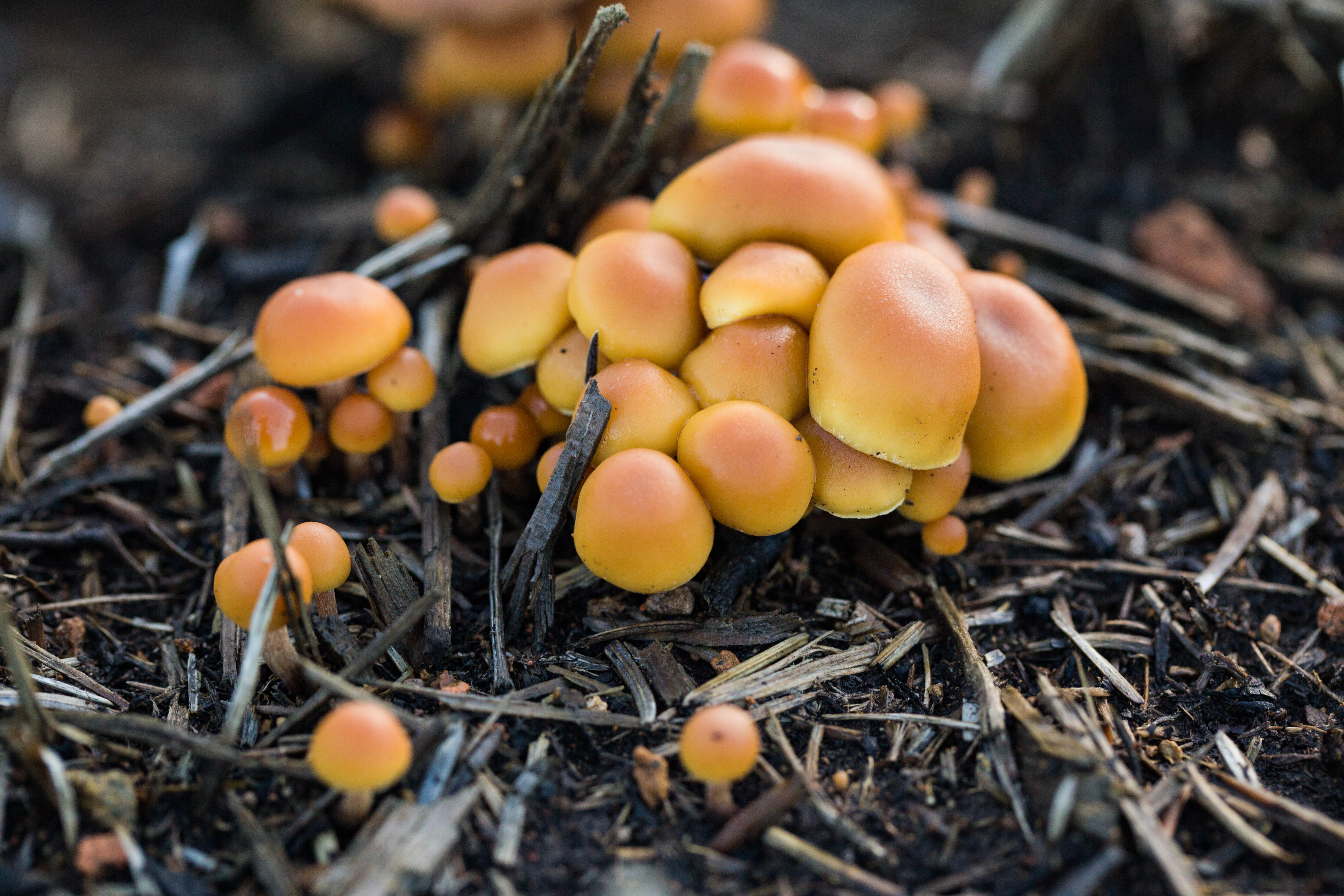
Just before we returned to the bothy to check the footage, Cain took me to see the huge troops of orange fungi up the hill by the clearing. I’d just been saying how little fungi I’d seen, but I was soon proved wrong when I saw how many there were up here. Sprinkled all the way along the track were small orange bulbs of every shape and size. Some were illuminated in patches of sunlight, which made their colours shine even brighter.

7W1A8528

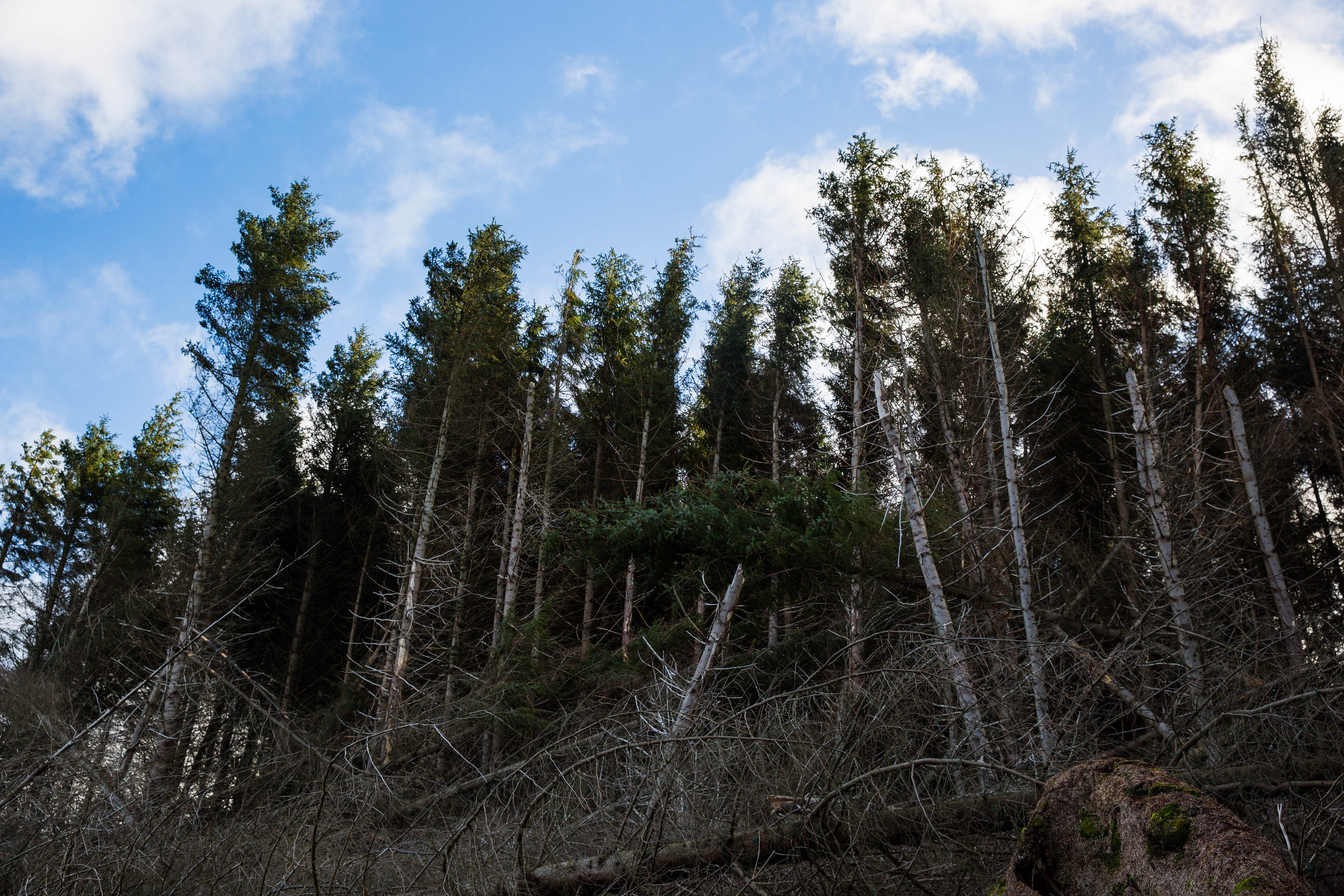
As I was stooped on the ground photographing the fungi, I heard a bizarre sound that reminded me of an angry cat. I turned and saw the outer layer of trees swaying in the growing wind, releasing the most peculiar creaking noises. Cain explained how these trees would usually grow on the inside of the forest, but due to felling they were now on the outer layer and were struggling to cope with the battering elements. Some had already succumbed, and we passed gigantic trees lying flat on the forest floor, their roots larger than tractor wheels.

7W1A8512

Out in the open, the wind was a lot stronger, so we ducked back down and sought the shelter of the forest. We gathered everyone in the bothy and had a look to see if the traps had been successful. Sadly, the two I had put out only had footage of my bobble hat as I attached and detached the trap from its post. However, Cain had put one in the garden and this had filmed several clips of a bank vole darting in and out of the rock pile. Later in the night, a wood mouse joined the scene, distinguishable by its longer tail and much larger Mickey Mouse ears. So, the traps weren’t a complete disaster, but certainly no pine marten footage.

7W1A8510

Sightings

  • Bank vole – on camera trap (Myodes glareolus)
  • Chaffinch(Fringilla coelebs)
  • Kestrel(Falco tinnunculus)
  • Robin(Erithacus rubecula)
  • Wood mouse – on camera trap (Apodemus sylvaticus)

Northumberland: Day Two


When I woke up the blinds were bright. I had a peek outside and was thrilled to see there was a frost clinging to the grass. I hurried into clothes and headed out into the garden. It had been a full year since my last frost and I was eager to capture some macro photos again. Leaves, twigs and thistles were all coated in a fine layer of silver crystals that, when hit by the sun, twinkled and shone like last night’s stars. Soon I had wet knees from crouching in the grass and the beginnings of a crick in my neck from getting as close as possible. My plan was to crop the photos in to create a repeating abstract texture. As usual, I took far more than I probably needed.

7W1A83007W1A8313-2

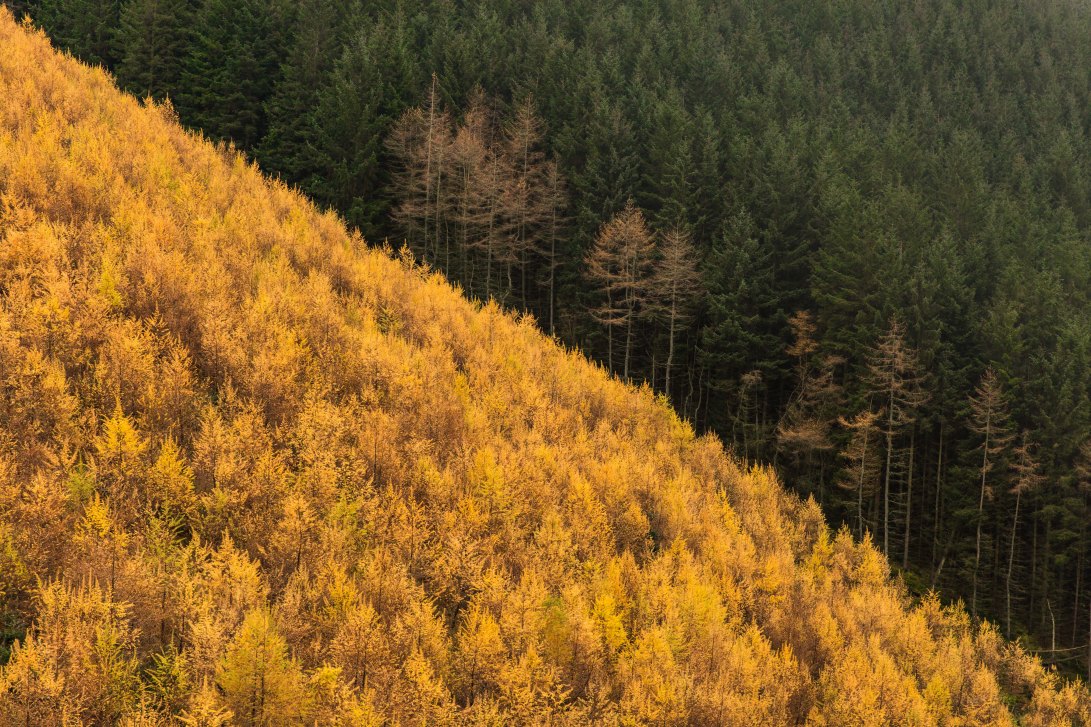
After relaxing for a while in the bothy I headed out again, down one hill and up the next. I passed the tyre swing, but the lack of decent light meant the shots weren’t quite what I imagined. I knew I had to photograph the bright yellow and orange larches that had taken my breath away on the drive in yesterday. Unfortunately the sun that I’d wanted to shine was well and truly concealed behind thick clouds; the light was so diluted I could gaze in its direction without difficulty. However, when I began to shoot, the rusty warm hues still popped. I began to experiment with positioning individual subjects like stray grasses in front of the camera, so the trees bled together and created a vibrant background.

7W1A83817W1A8426-27W1A8397

The rest of the day was spent writing beside the fire and recording what I’d seen during the day. I had a sneaky look at my photos so far and was pleased with some of the outcomes. Hopefully there’d be more opportunities on our last day tomorrow.

7W1A8440

Sightings

  • Chaffinch (Fringilla coelebs)
  • Goldcrest (Regulus regulus)
  • Goldfinch (Carduelis carduelis)
  • Robin (Erithacus rubecula)

Northumberland: Day One

We arrived at the bothy just as the sun was at its warmest. We were in the Northumberland National Park, and as the car rumbled up the hill I craned my neck to see the valley opening up into a patchwork blanket of green, orange and brown. It was autumn at its finest; an explosion of colour with just the right amount of chill in the air. On the way up to the bothy I spied an abandoned tyre swing, which would be a great accompaniment to the stories about childhood memories, so I made a mental note to return tomorrow.

After the customary dumping of the bags, I headed out with Cain and Lequane to set up two camera traps. With a new area, you never knew what could be roaming the forests; red squirrels, even a pine marten perhaps. We followed the burn down the hill, which was a thick sponge of fallen leaves. A dry stone wall ran parallel to the water, and I could just imagine small mammals darting along it, so set up the first trap looking out over the wall.

The light was fading, so we made our way along the burn with torchlight. The wall had collided with a tangle of sticks in one patch, perhaps a resting place for voles or mice. I set the second trap up with a viewpoint over the wall.

We made our way back up the road to the bothy, and were very surprised to see bats zooming around over our heads. Cain told us how it was very late in the year for bats, and they were perhaps roosting in or around the bothy. Cain’s sharp ears picked up a redwing calling in the distance, and then we heard a tawny owl very close by, so decided to pursue it into the cluster of trees behind the house. It was tantalizingly close and we searched the trees in the gathering gloom for any sign of it. No doubt the owl could see us perfectly and was watching with a combination of confusion and amusement, as it stopped calling as soon as we reached the trees and we didn’t hear it after that.

After taking shifts to cook our separate dinners, we had a look outside and there was a series of gasps and excitable shrieks when we all saw the night sky. I don’t think I’d ever seen so many stars – the sky was pitch black, with not a single lamppost or car light to spoil it. We all hurried inside to layer up and grab cameras, then broke off in different directions to get started. Some wandered up the hill and turned towards the Milky Way, while others stayed in the car park and began a time lapse of Orion’s Belt.

I hadn’t done a great deal of night photography, but I began to experiment and soon I found myself quite addicted to it, especially with such a beautiful and flawless background. The camera picked up millions more white pinpricks in the sky, and I was very pleased to find that I’d caught a shooting star in one image.

After an hour or so, my fingers had begun to grow numb, and I found myself capturing the same photos multiple times just because they were so beautiful. For the sake of my memory card, I headed back to the bothy to warm up and have a snack before bed.

7W1A8243

Sightings

  • Barn Owl (Tyto alba)
  • Chaffinch (Fringilla coelebs)
  • European Rabbit (Oryctolagus cuniculus)
  • Redwing – heard (Turdus iliacus)
  • Robin (Erithacus rubecula)
  • Soprano Pipistrelle (Pipistrellus pygmaeus)
  • Tawny Owl – heard (Strix aluco)

The Beginnings of Winter

Before I’d even got to the hide there was a chirruping in the bushes and I turned to see a group of juvenile yellowhammers mobbing their parents, hopping between branches for attention. Three birds flew past overhead and I caught the triangular shape of starling wings as they soared over me.

The lake was quiet – a pair of mallards floated in circles on the far side, while mute swans waddled along the bank. Once I was settled inside, they appeared by the feeders, accompanied by the juvenile swans I’d seen last time. The whole family loitered beneath the swinging seed canisters, mopping up anything dropped.

The feeders themselves were a flurry of activity. As usual, the nearby bushes were full of house sparrows, fighting to snatch a mouthful. Blue tits and great tits waited in the queue and I was particularly excited to see a lone greenfinch among the group too; back home in Hertfordshire these birds are becoming scarcer and scarcer.

After watching the birds feed for a while, I wandered on. It was a lot colder than usual – dew covered the grass but it wasn’t quite cold enough to freeze it, though perhaps this may soon be the case on early mornings. There were other signs of winter too; bursts of red berries and a fat robin perched on the fence. Even though these birds are around all year, somehow a day in early winter feels like Christmas is a lot closer when you spot one.

As I made my way to the wood the only sound was the usual “whizz-burr” of the turbines as they swung. There was a break in the clouds and beautiful streaks of sunlight shone through at jaunty angles. The forest was gloomy but still inviting, and as I walked round I scanned both sides of the path to see if any fungi were sprouting up. The ground was boggy in places, and when drops of water fell in the puddles, the reflected trees twitched.

IMG_9019

Suddenly, just as I was looping back round to the gate, a woodpigeon exploded out of the trees and made me jump a mile. Why do pigeons love doing this? It must give them a wicked satisfaction to see me clutch my chest and try to get my breath back to normal.

Once I was back in the open, the chill was even stronger. I wrapped my coat tighter around myself and hurried back to the cafe to warm up.