This summer is zooming by! I’ve been spending the past few months travelling and writing my book, which is now due in three months. That’s quite a terrifying thought actually…
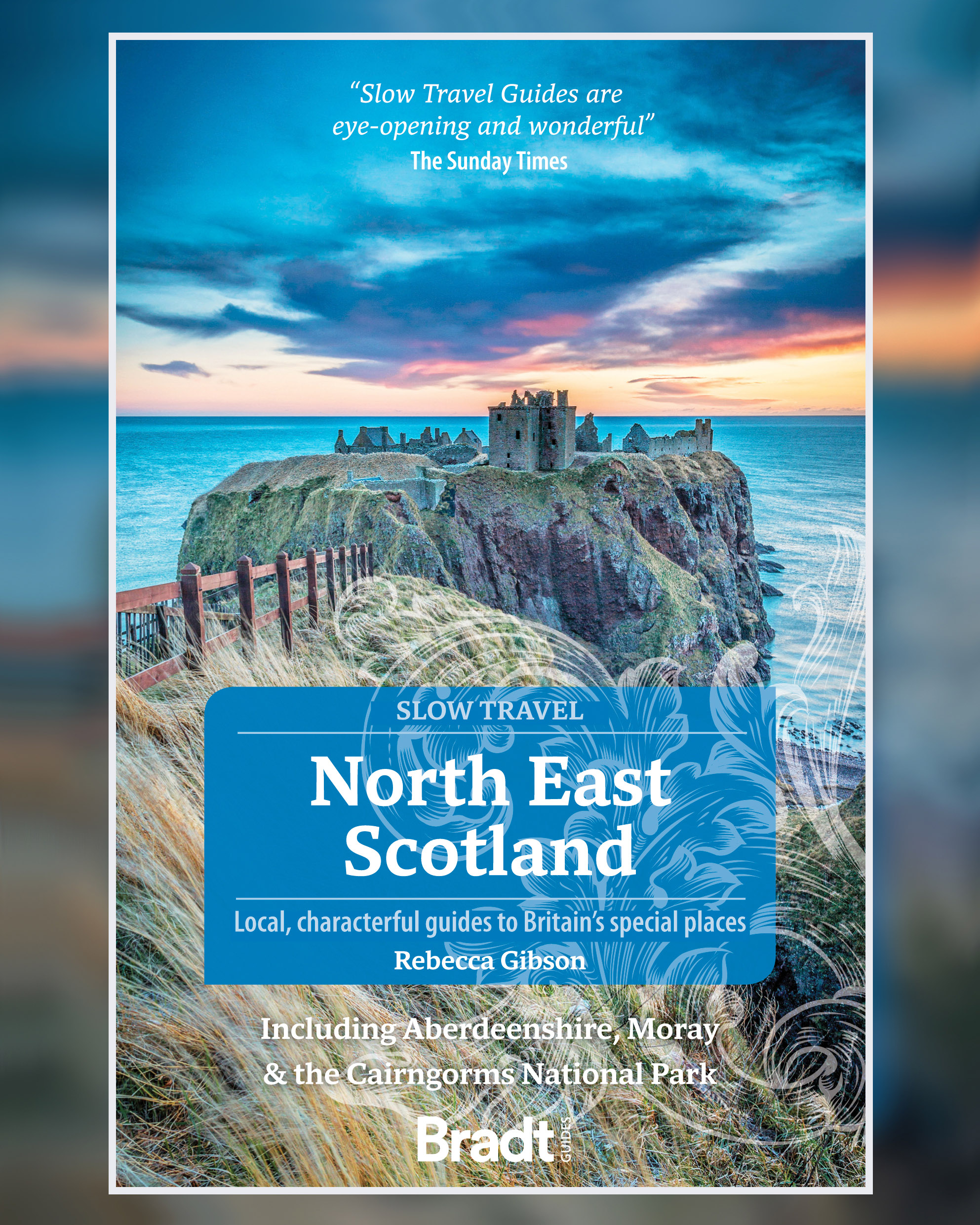
My research trips have involved stomping through Caledonian pinewood, sampling local whiskies and searching for hidden stone circles. I’m absolutely loving this challenging yet rewarding project and can’t wait to see the finished product on the shelves. Here’s a sneak preview of the front cover.
As well as book writing, I’ve been putting together my 2023 calendar. Like last time, it features a range of Scottish birds and mammals that I’ve photographed this year including snow buntings, badgers and even a goshawk!
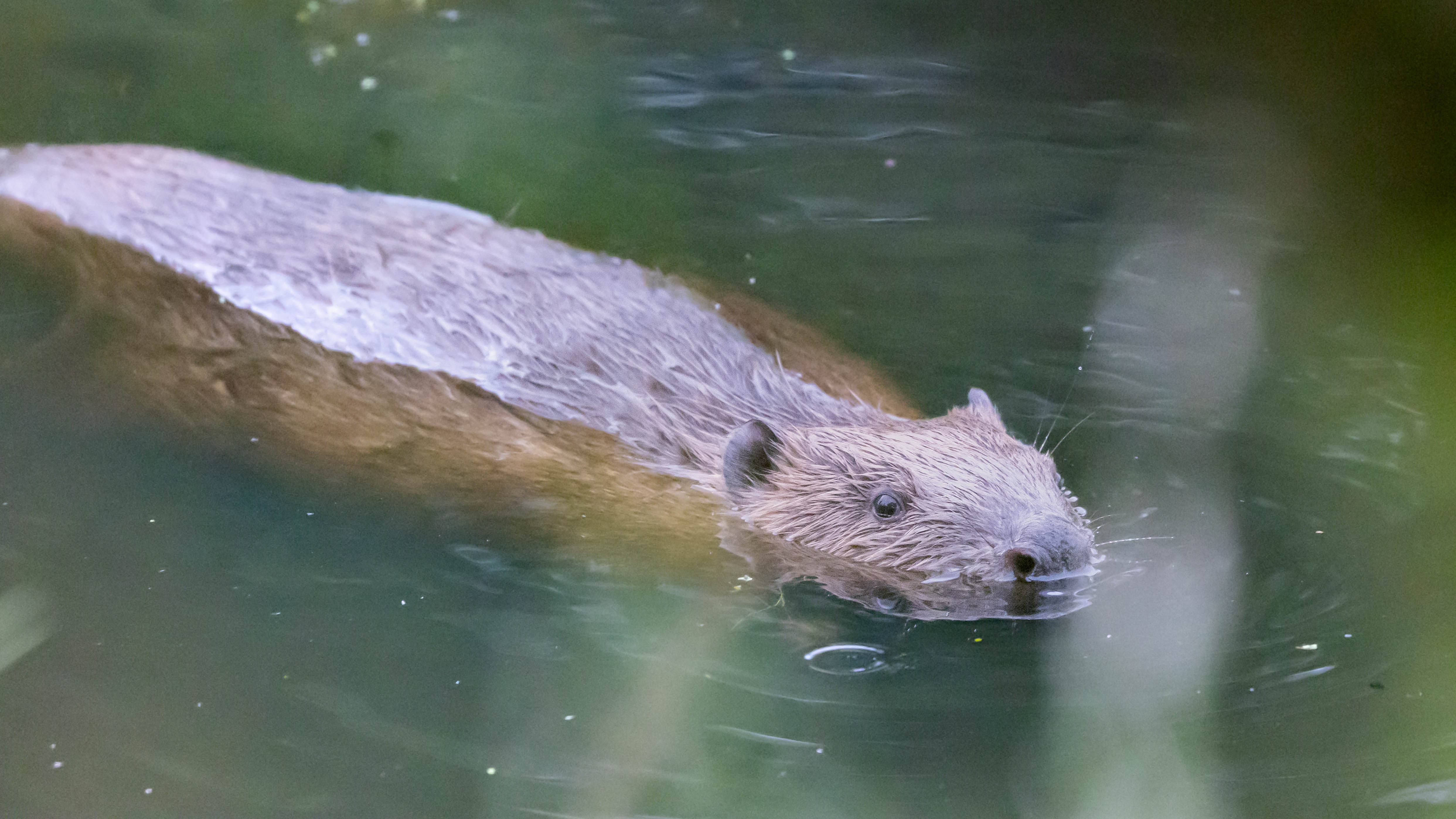
And finally, I took some time away from the north east recently and headed down to Perthshire to photograph beavers. These incredible animals completely transform their surroundings and it was a privilege to spend so much time with them.
We’re one month into the year already! As usual I’ve been beavering away and forgetting to update my blog, so here’s a summary of what I’ve been up to in January.
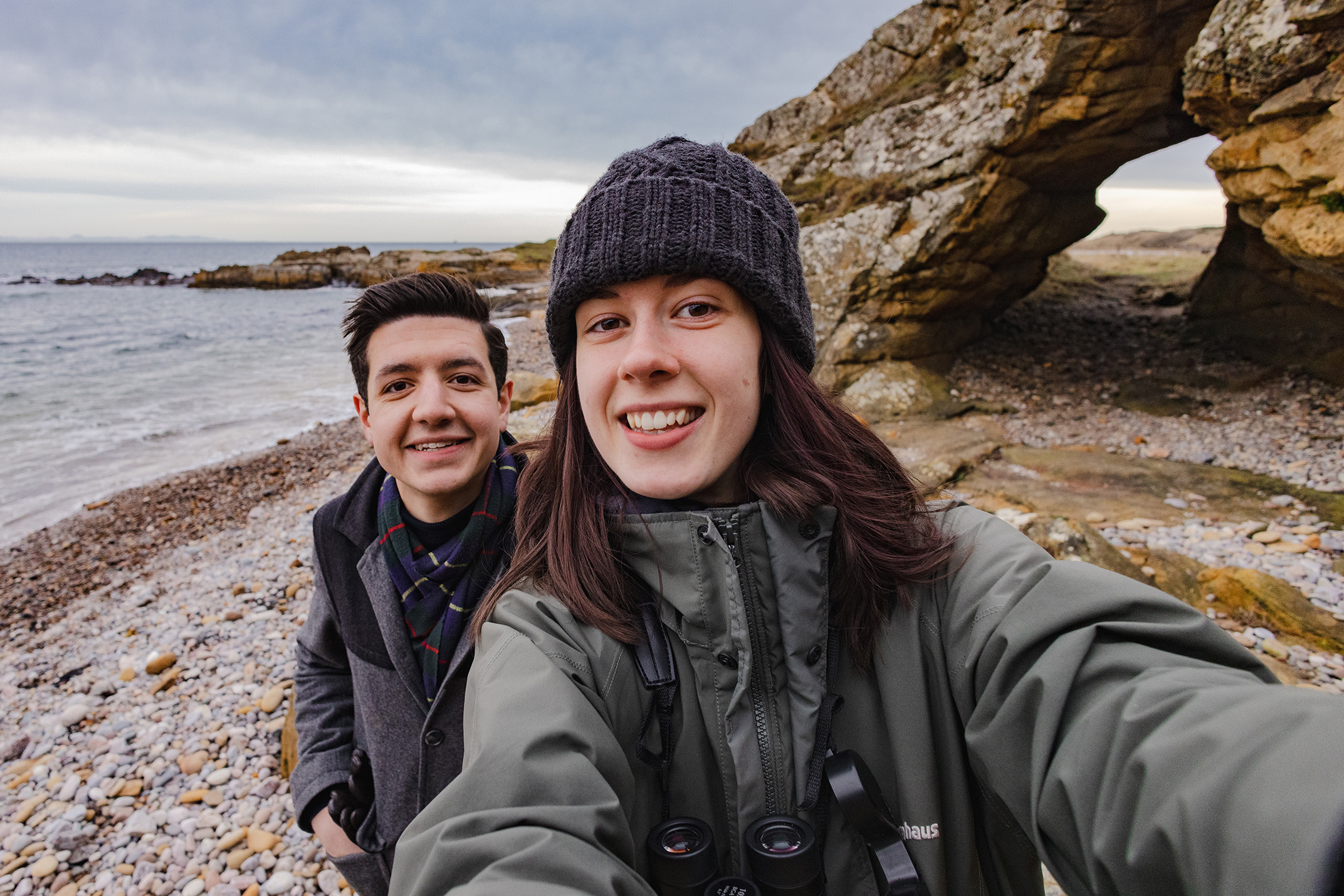
My 2022 started with my best mate Luke coming to visit for the first time since I’ve moved to Scotland. This year we celebrate our 20th anniversary of being friends – we’ve known each so long I can’t remember a time without him!
I took Luke to many of my favourite wildlife haunts. It’s funny how seeing familiar places with someone who’s never visited them before makes them fresh all over again. Although he’s definitely not a birder, I pestered Luke into looking through binoculars at eider ducks in the harbour and a dipper hunting on the river. I actually think some of my enthusiasm rubbed off on him.
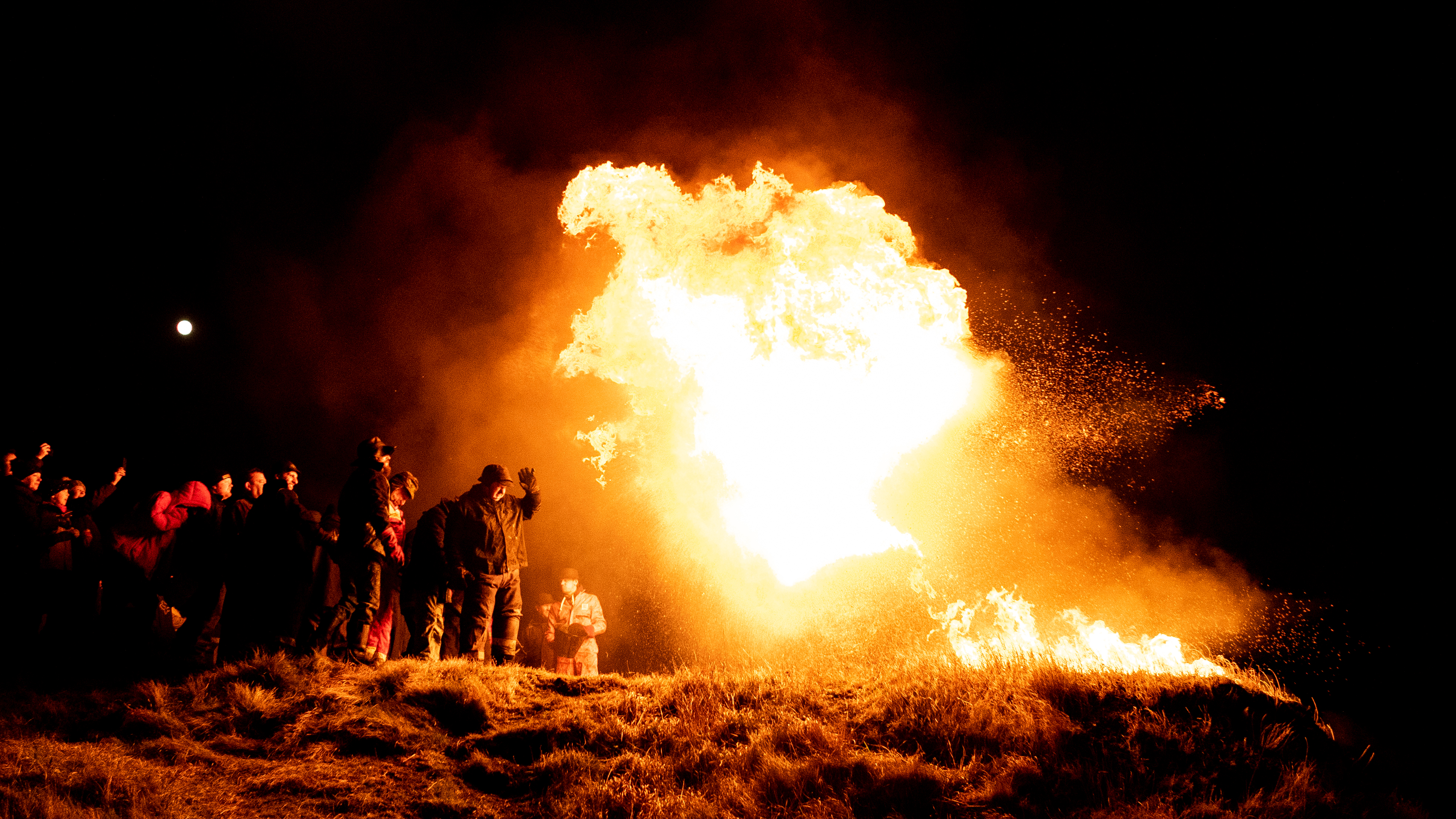
Burning of the Clavie
By happy coincidence, my friend was here when the annual Burning of the Clavie festival took place in Burghead. Although usually held on the 11th January, this year the festival was delayed a week because of changing Covid crowd rules. The festival was cancelled in 2020 and I missed it by a week the year before, so I was relieved to finally be able to experience it for myself. And it was totally worth the wait – the sights, sounds and intense feel of the mighty Clavie fire were extraordinary. It really has to be seen to be believed!
Carrbridge
I’m currently hard at work writing my Slow Travel Guide to Northeast Scotland, which will be published by Bradt in 2023. Although some places on my list are closed until spring, there’s lots to enjoy in winter too. This month I spent a long morning in the village of Carrbridge, seven miles north of Aviemore in the Cairngorms National Park.
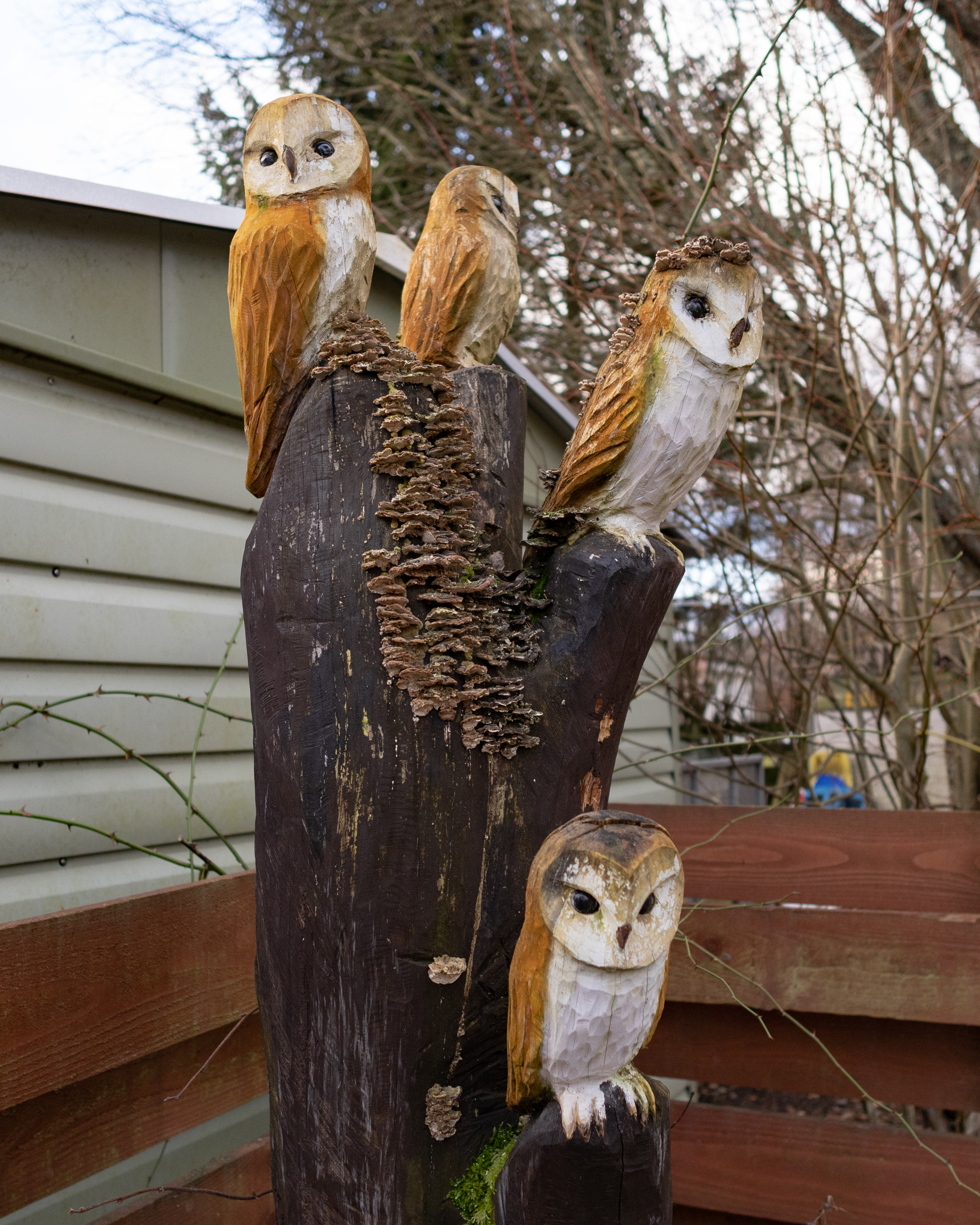
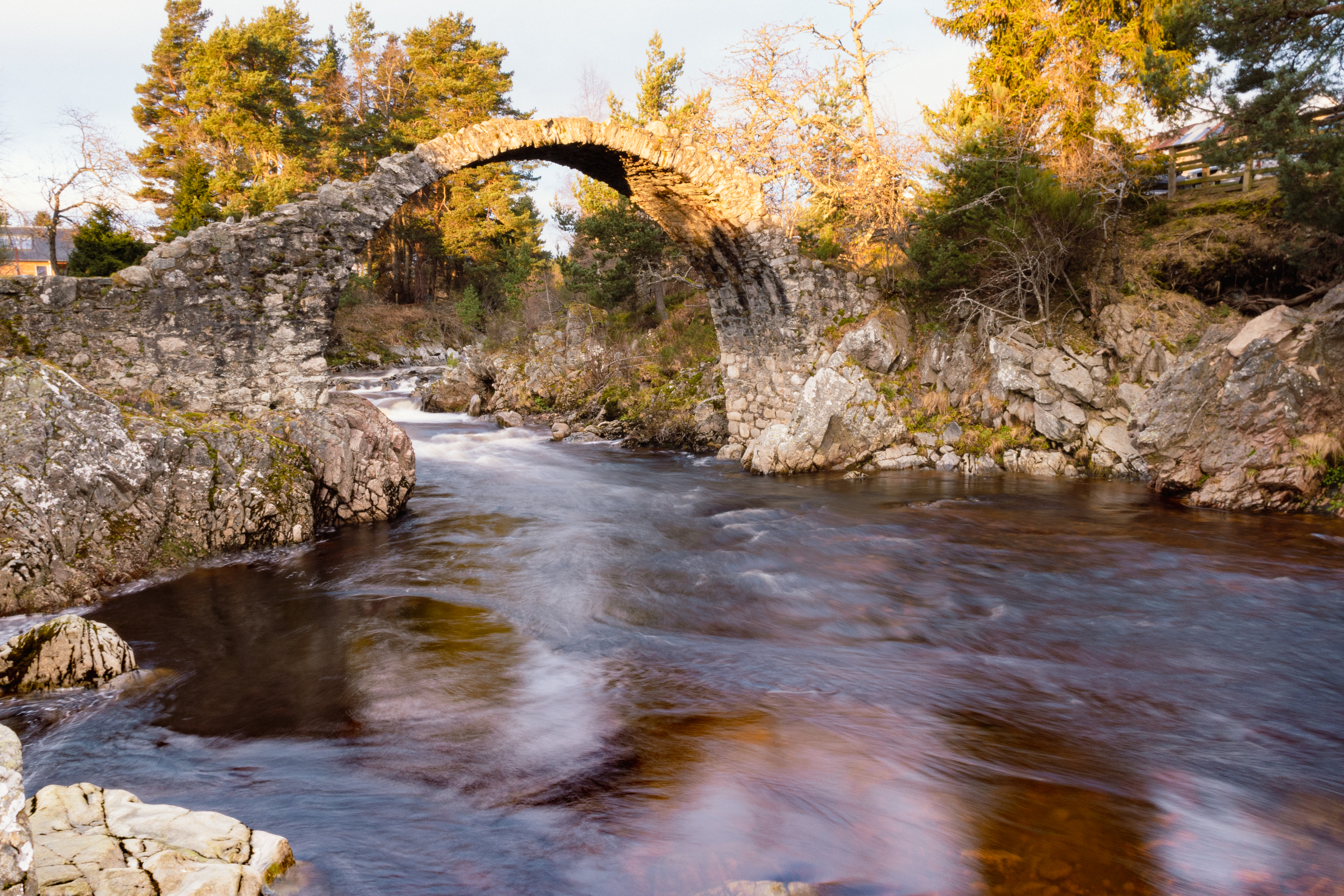
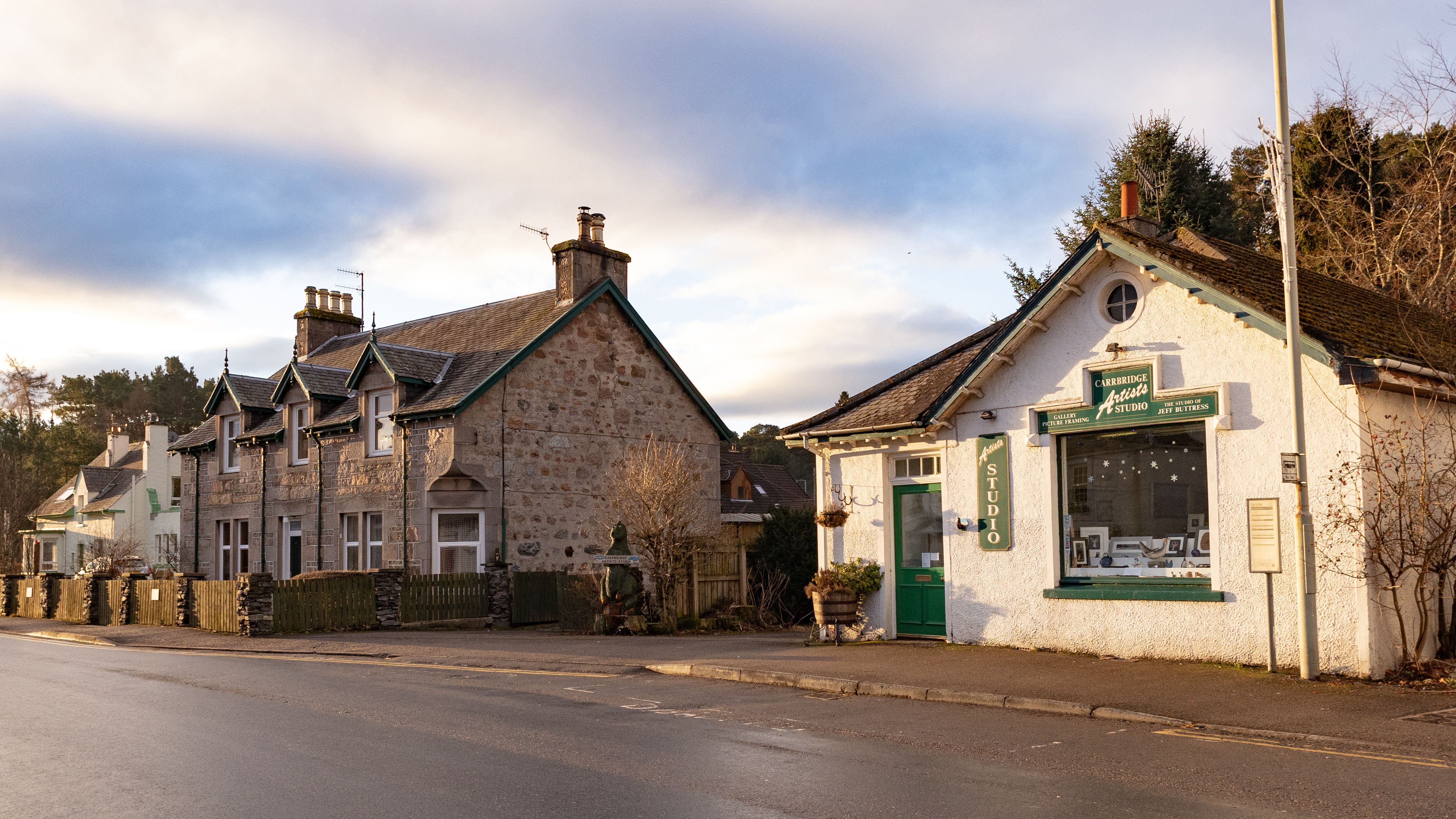
I didn’t know much about Carrbridge except the Old Pack Horse Bridge – the oldest stone bridge in the Highlands – and the annual Porridge Making Championships. After some Slow exploration the other day I discovered that Carrbridge also has a yearly wood carving competition every September. I’ll definitely be returning this autumn to see it for myself, but in the meantime I enjoyed spotting sculptures from previous competitions dotted all over Carrbridge.
Loch Garten
Another day trip for my book this month was to Loch Garten, also in the Cairngorms. I much prefer visiting this loch in winter. Historically it’s known for ospreys that have nested here, but in winter you can actually hand feed the birds. Coal tits are the bravest, but the other day I also fed a dozen great tits and a blue tit.
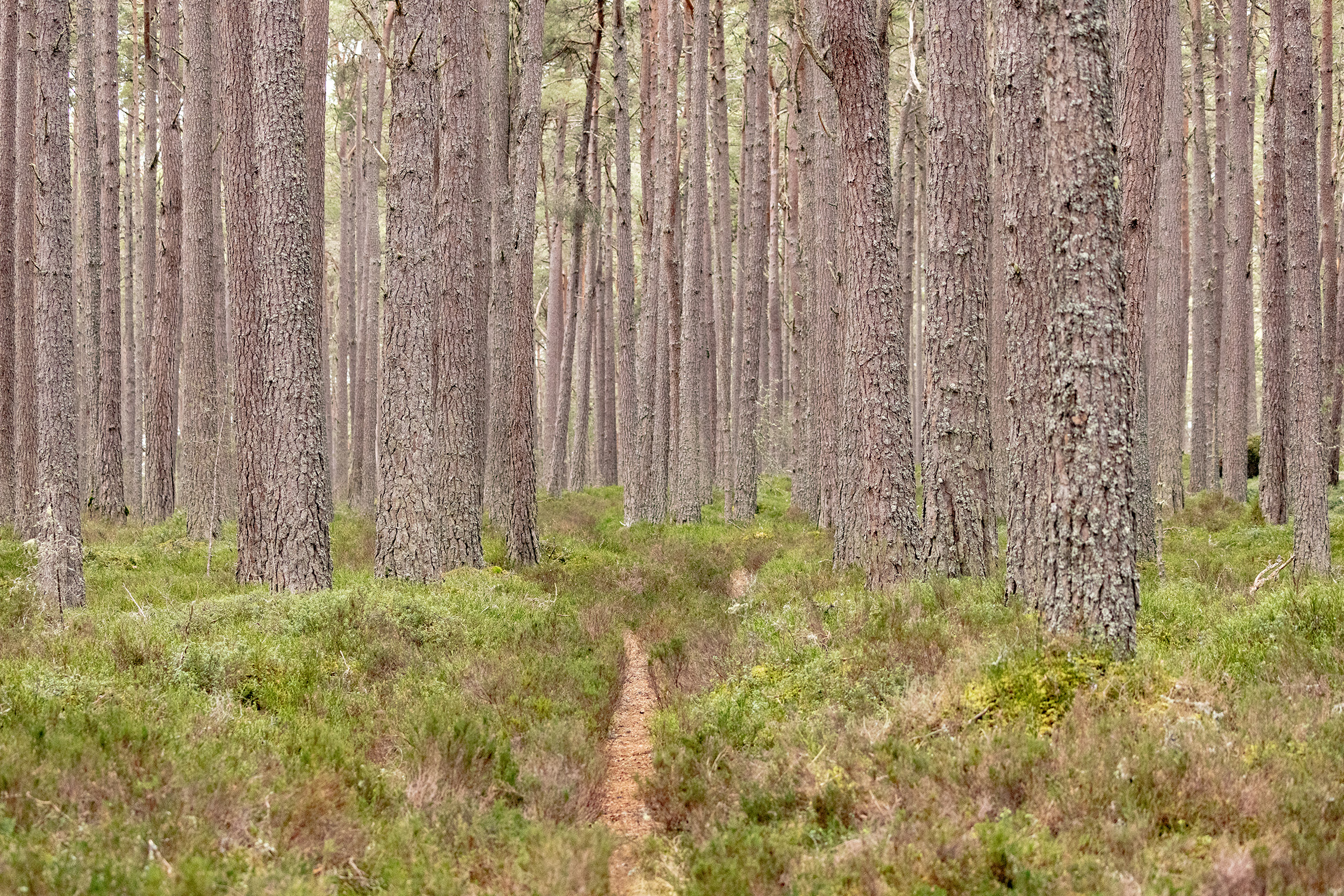
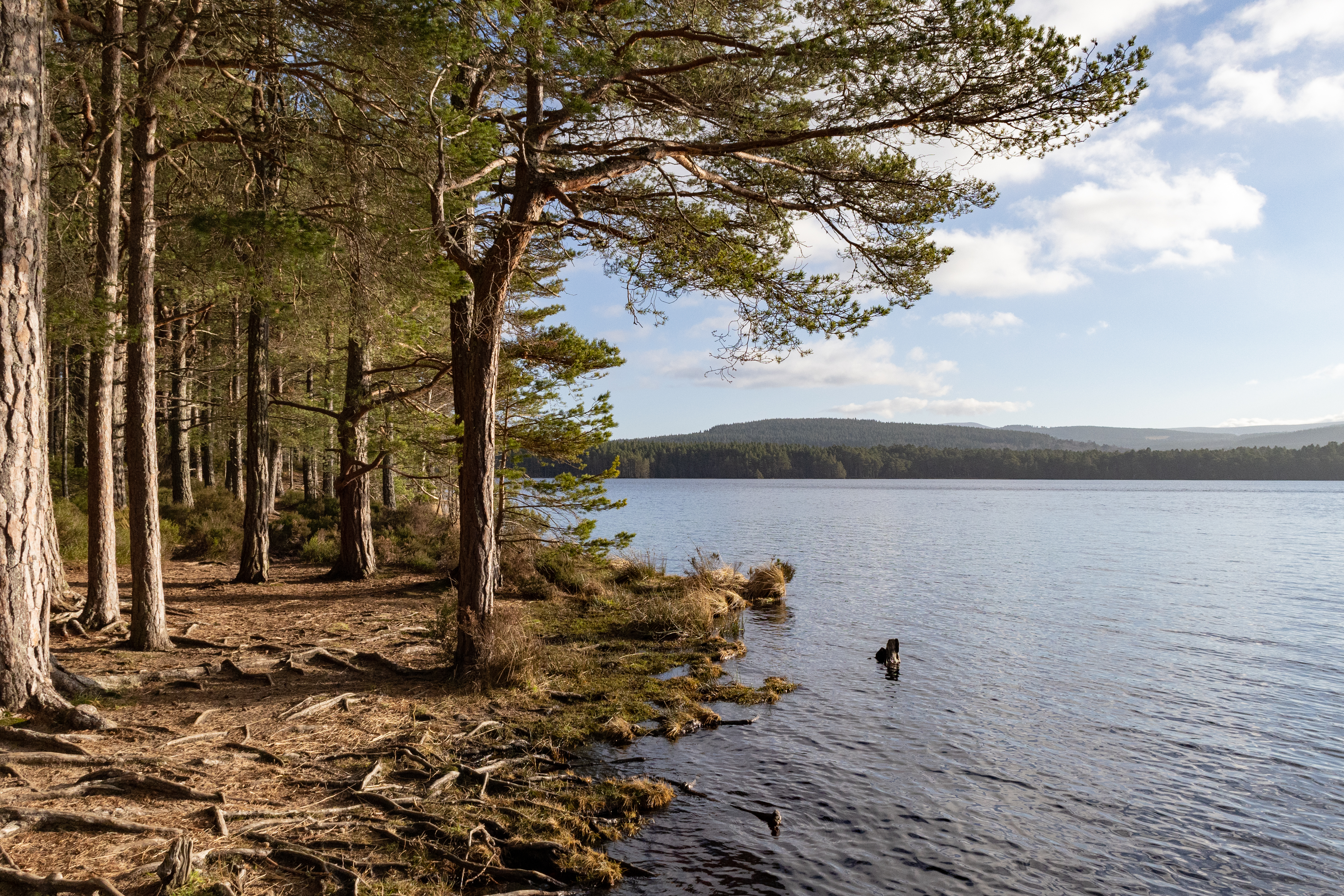
There’s nothing quite like the feel of a tiny wild bird gripping your palm, trusting you enough to take a seed right in front of you. I could have stood there with my hand in the air all day, but I tore myself away to walk down the west side of Loch Garten to the tip of the smaller Loch Mallachie, then back through the ancient pinewood of Abernethy Forest.
Woodland locations are lovely and quiet in the Cairngorms at the moment and I relished the subtle sounds of water lapping the bank and pine trunks creaking in the wind. And all those birds’ wings of course.
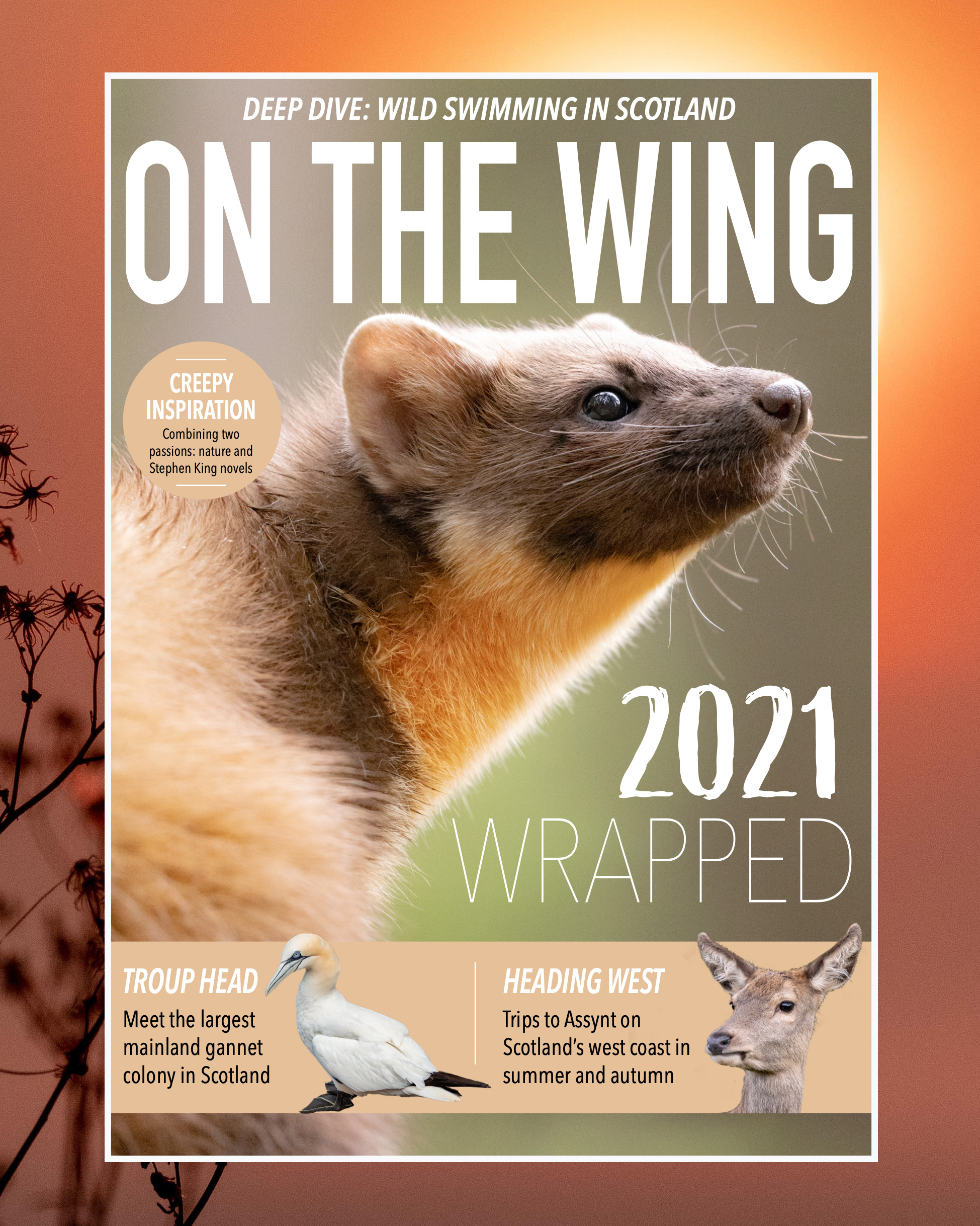
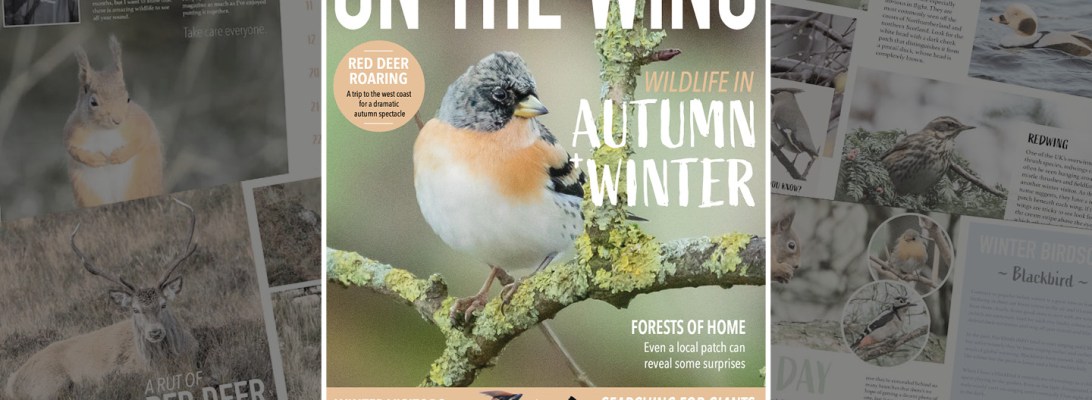
I always like to reflect at the end of the year, and this time I thought I’d summarise my antics in the second issue of my own magazine, which you can read by clicking the image below.
Thank you all so much for your kind comments and support in 2021. I look forward to seeing what 2022 brings.
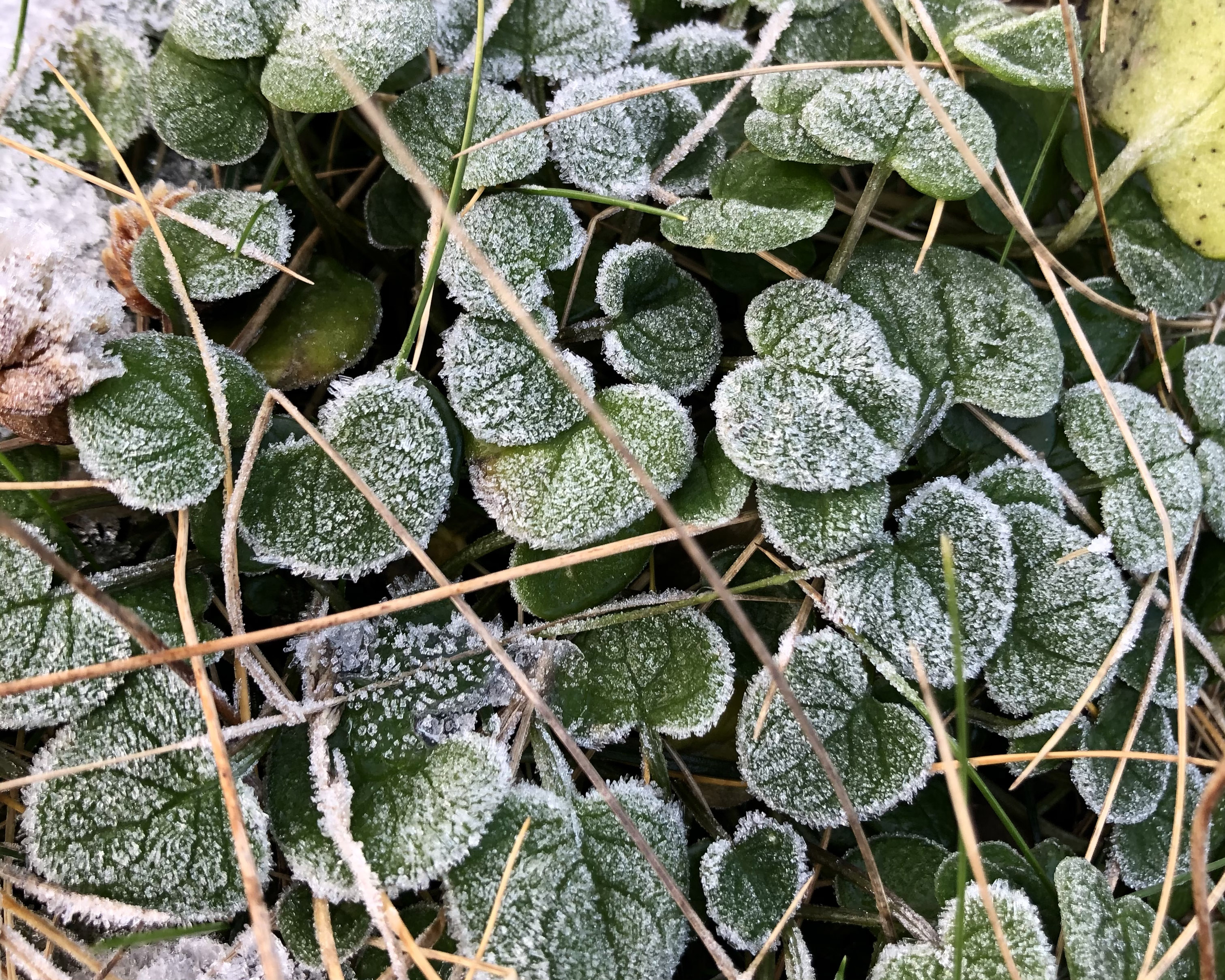
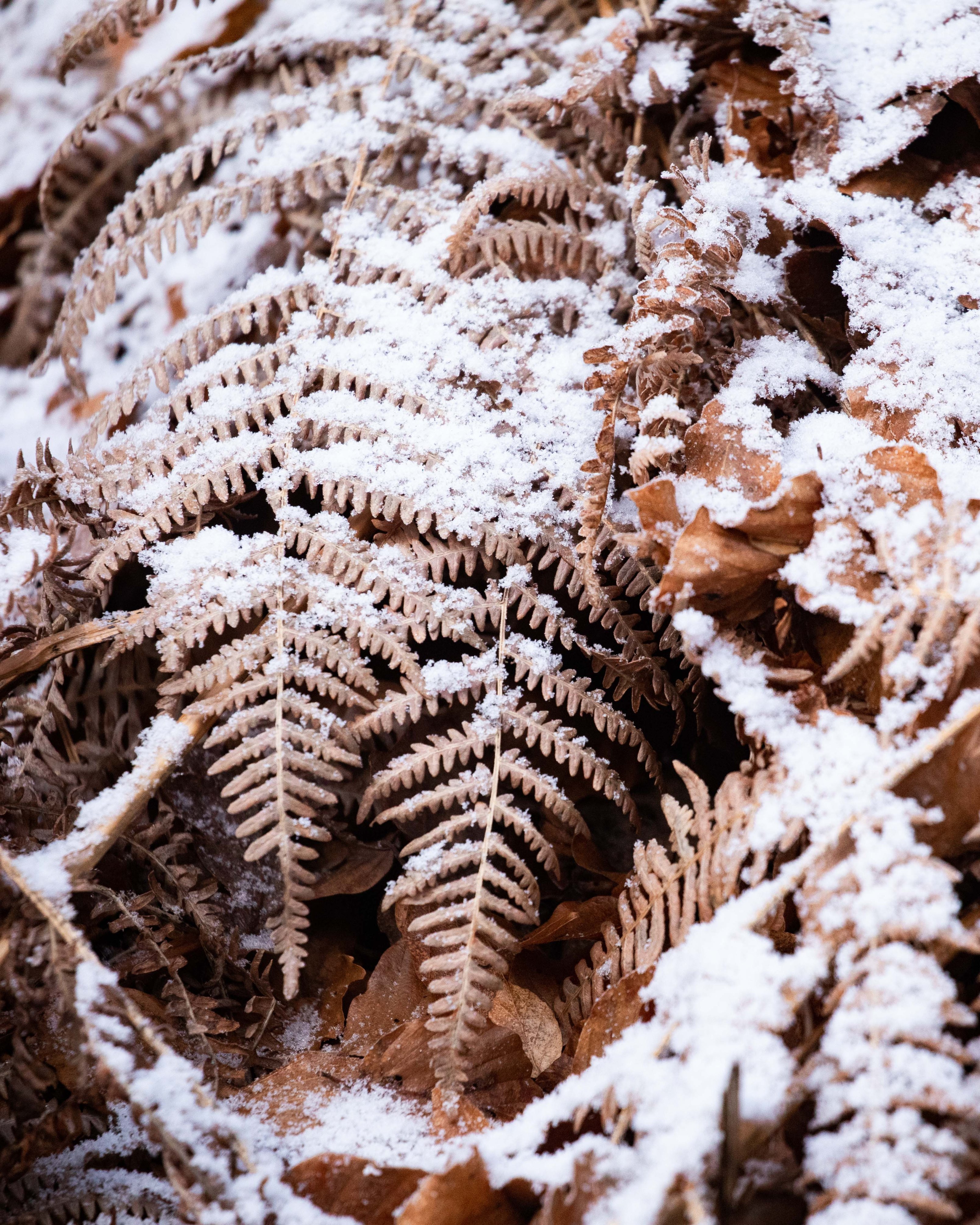
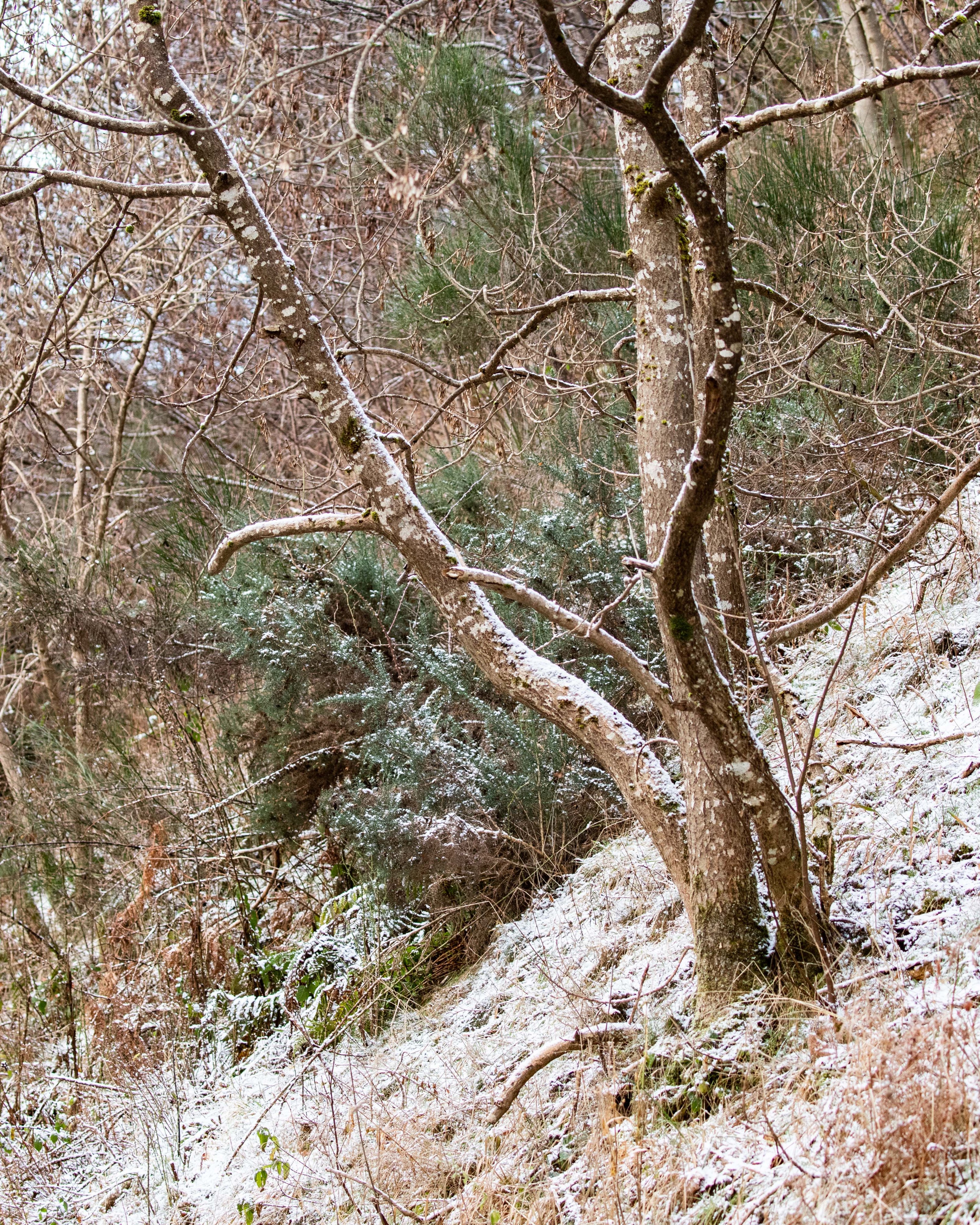
I’ve been loving my wintery walks recently and don’t actually want spring to come just yet. We don’t often get snow by the coast but it was finally cold enough for a spell of it this week. When I’m out and about I’m usually peering up and searching for birds or squirrels in the trees. But when the snow came I found myself watching my feet a little more, mostly to avoid patches of ice that would send me flying but also to admire some of nature’s art. By doing this I also discovered some special secrets.
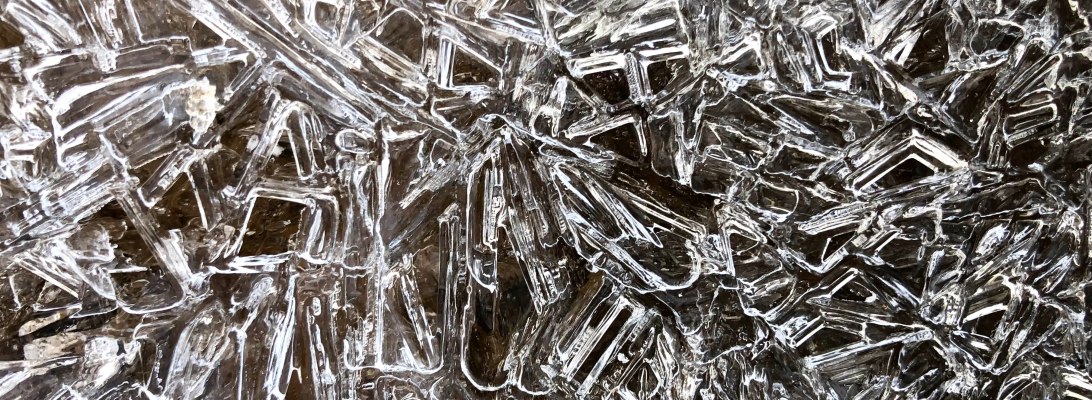
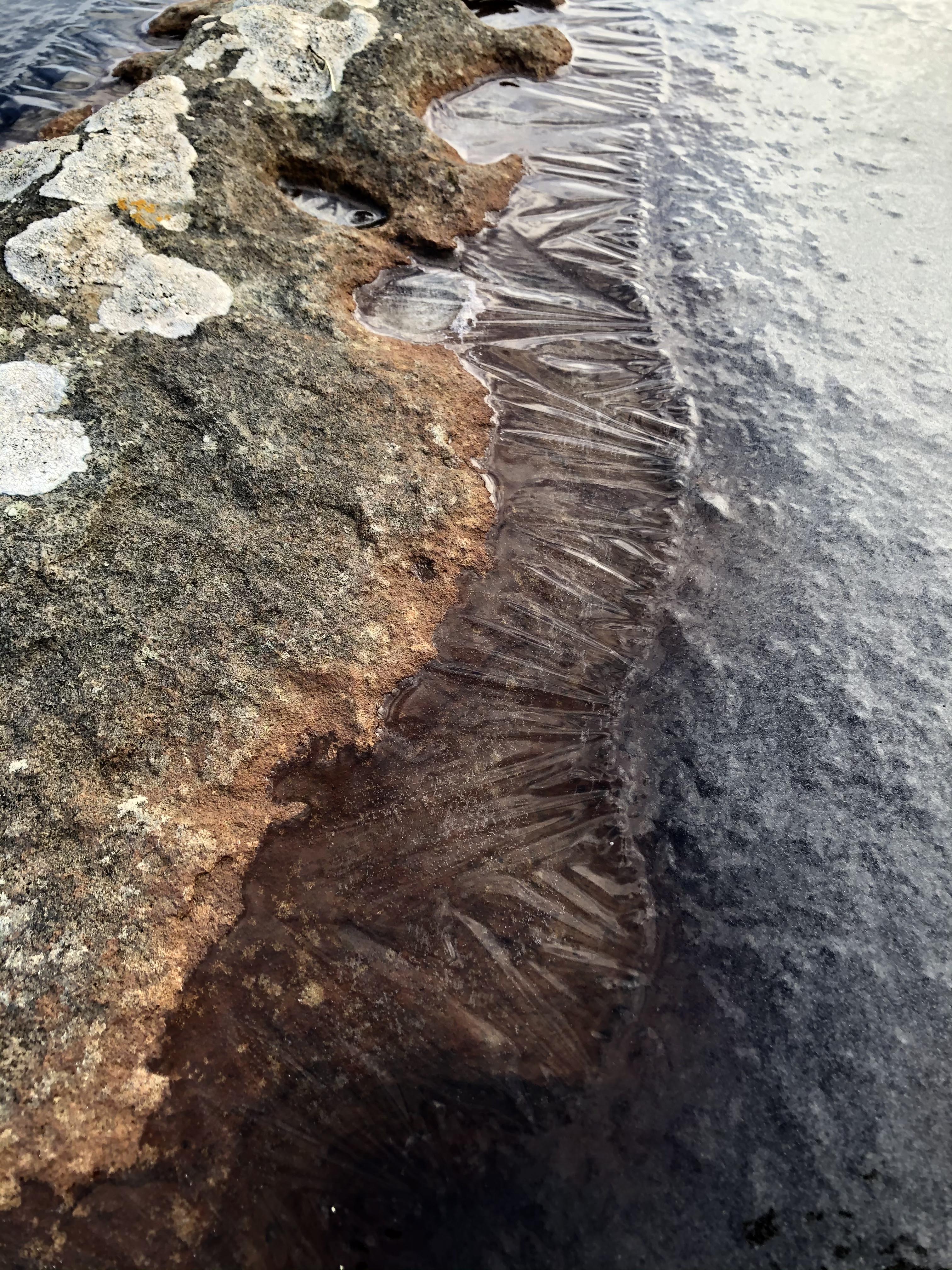
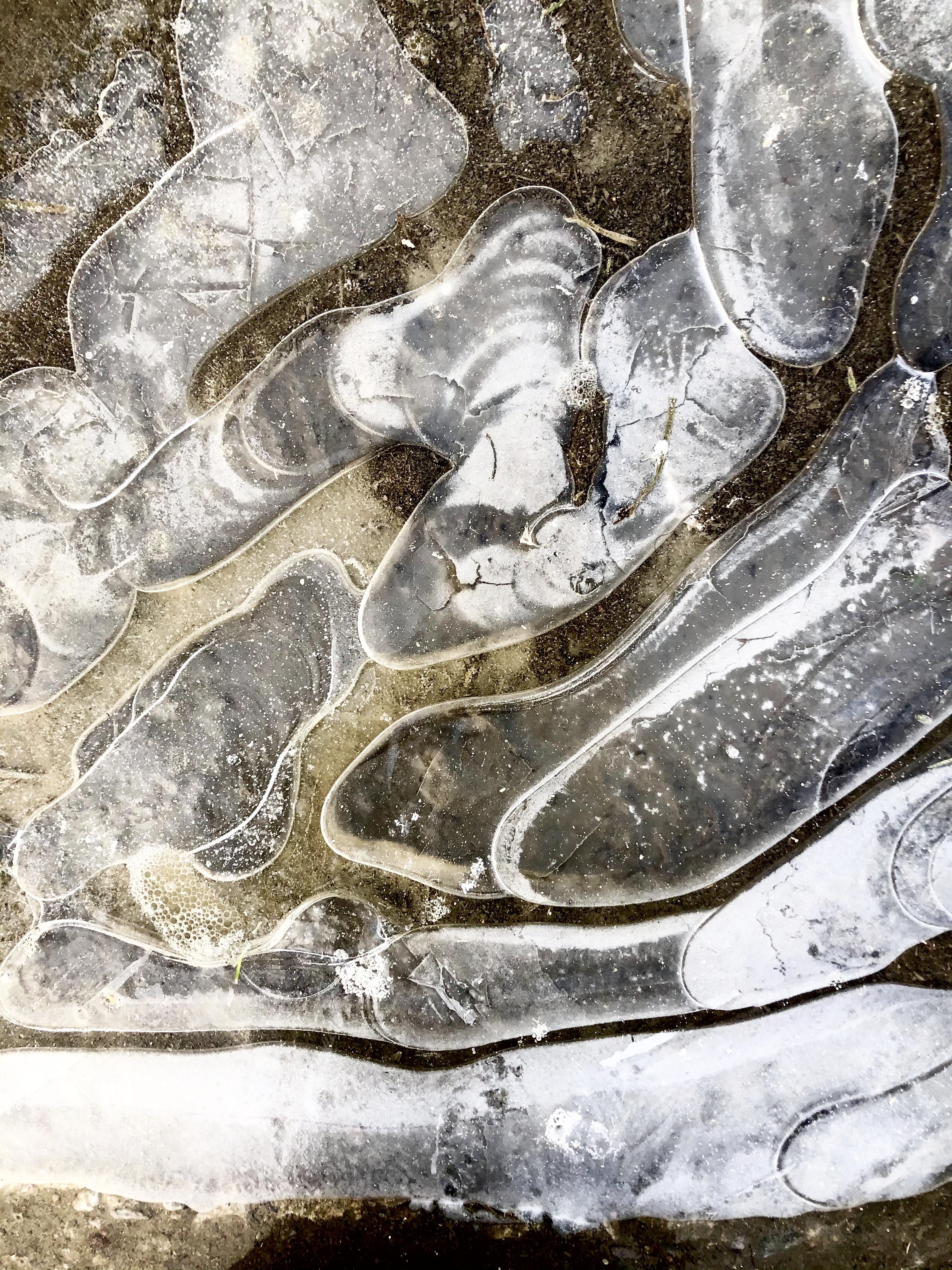
Frost and ice have always fascinated me. They can transform everyday objects into magical ones by covering them in the most exquisite artwork. Puddles and windshields are given new textures and patterns. Depending on where you find frost, the shapes can vary significantly. The two images below are both of puddles but one is out in the open and exposed to sea breezes while the other is tucked low in a muddy trail, sheltered on both sides by tangles of gorse. The results are two complete contrasts of smooth swirls and sharp shards.
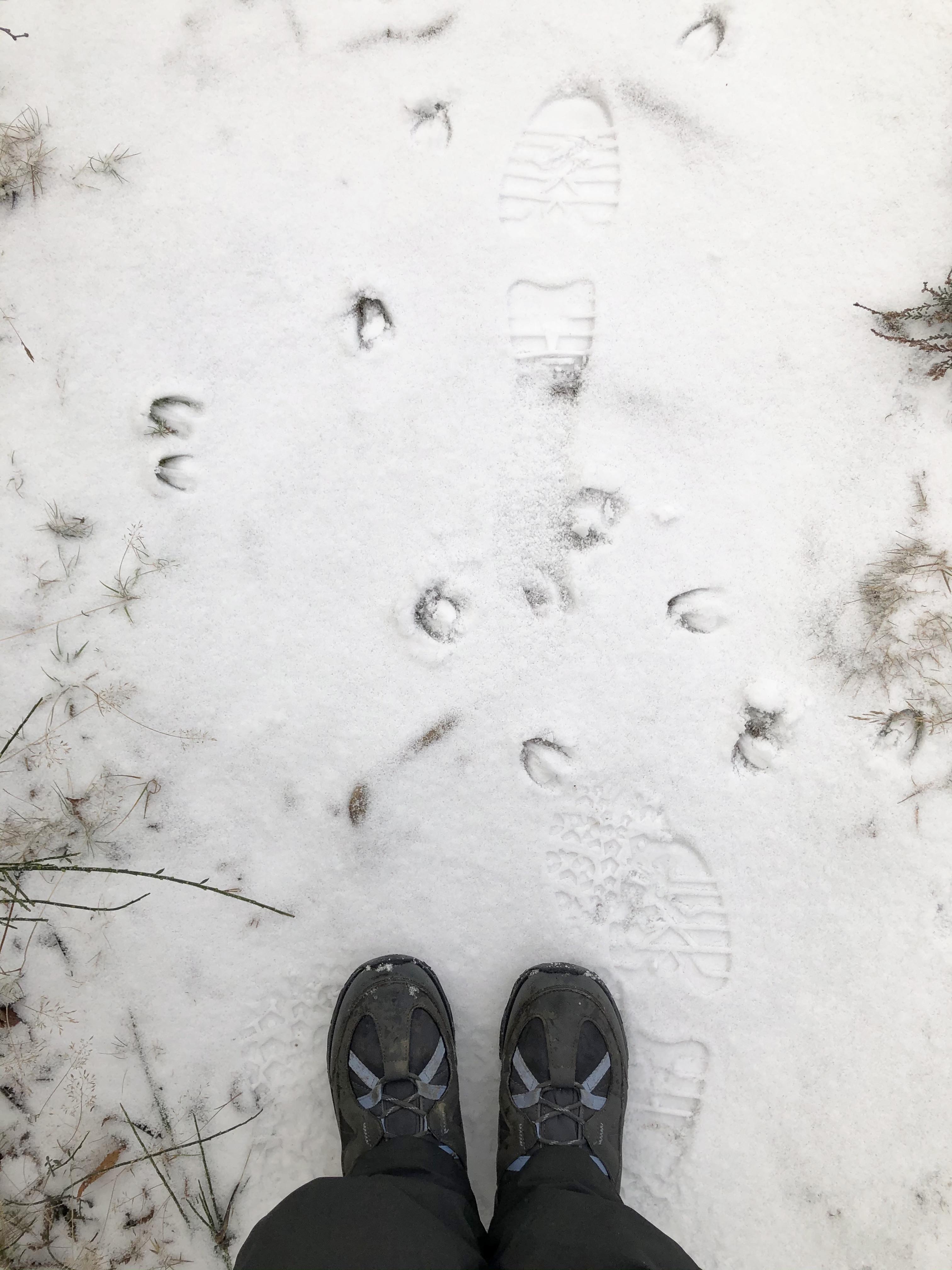
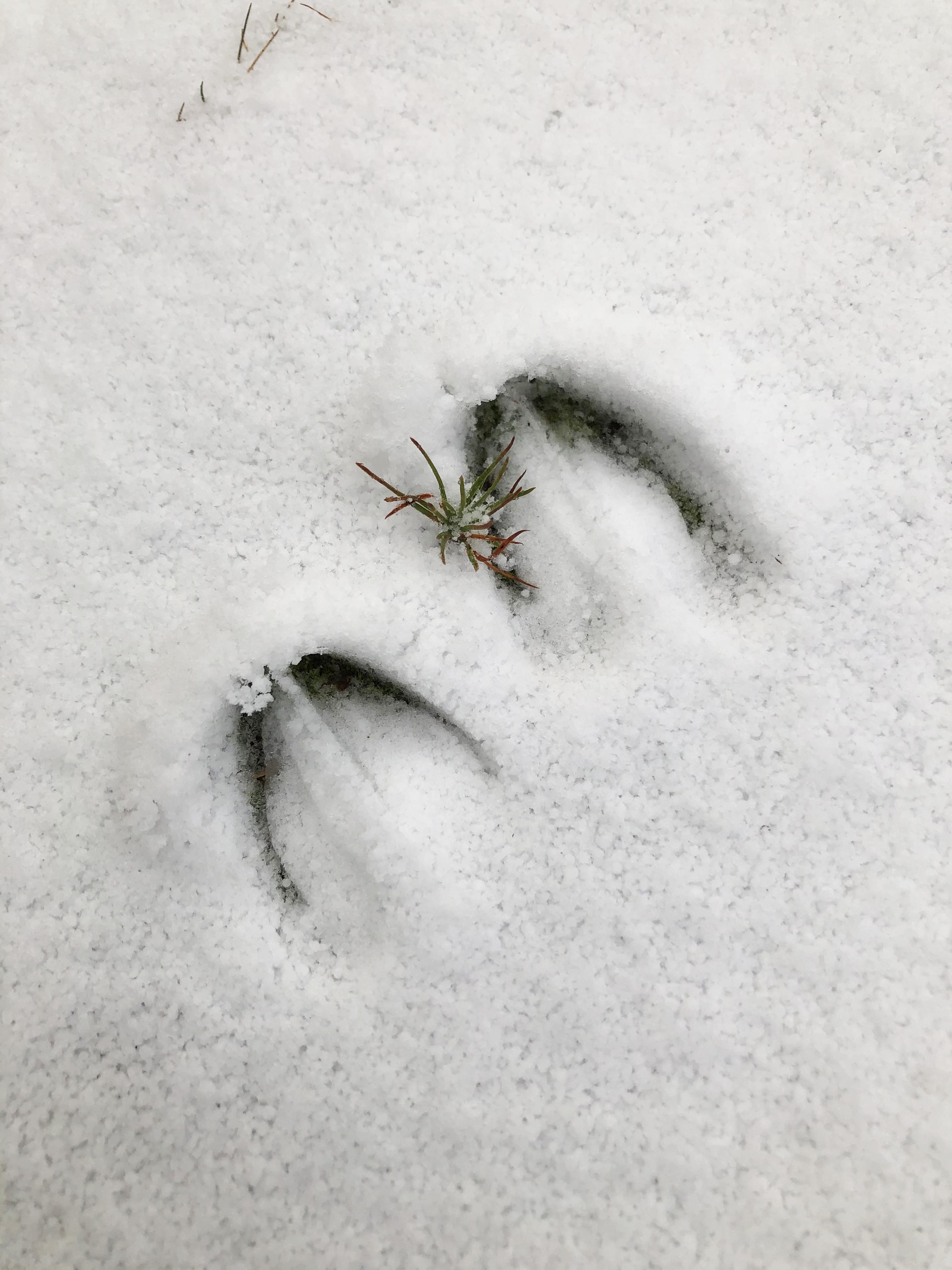
The snow also reveals the goings on of our more secretive neighbours, preserving snapshots of where different feet have trodden. This was excellent news for me as I have outrageously bad luck when it comes to seeing deer. While the majority of Scotland seems to be plagued by deer and has grown so accustomed to them that they’ve become a bore or even a nuisance, I’m absolutely enchanted by deer but see one every few months if I’m lucky. So the other morning I was thrilled to see that I’d crossed paths with a roe deer, even if I was there several hours later. There in the snow were the most perfect roe tracks I’d seen, and the sporadic placement suggested that the deer had been browsing in one place. How lovely it would have been to see it! I shall continue to look for them.
Elsewhere I made more discoveries. Beneath a clump of Sitka spruce was a large muddled patch of pheasant prints with several tracks spreading outwards like starfish arms. Each print was placed exactly in front of the previous one – I can just imagine the pheasant putting each foot down slowly and methodically before shifting its weight. Beside these thick prints were the scratches of much daintier ones that I guessed belonged to a blackbird, which often forage on the ground while smaller birds flutter above.
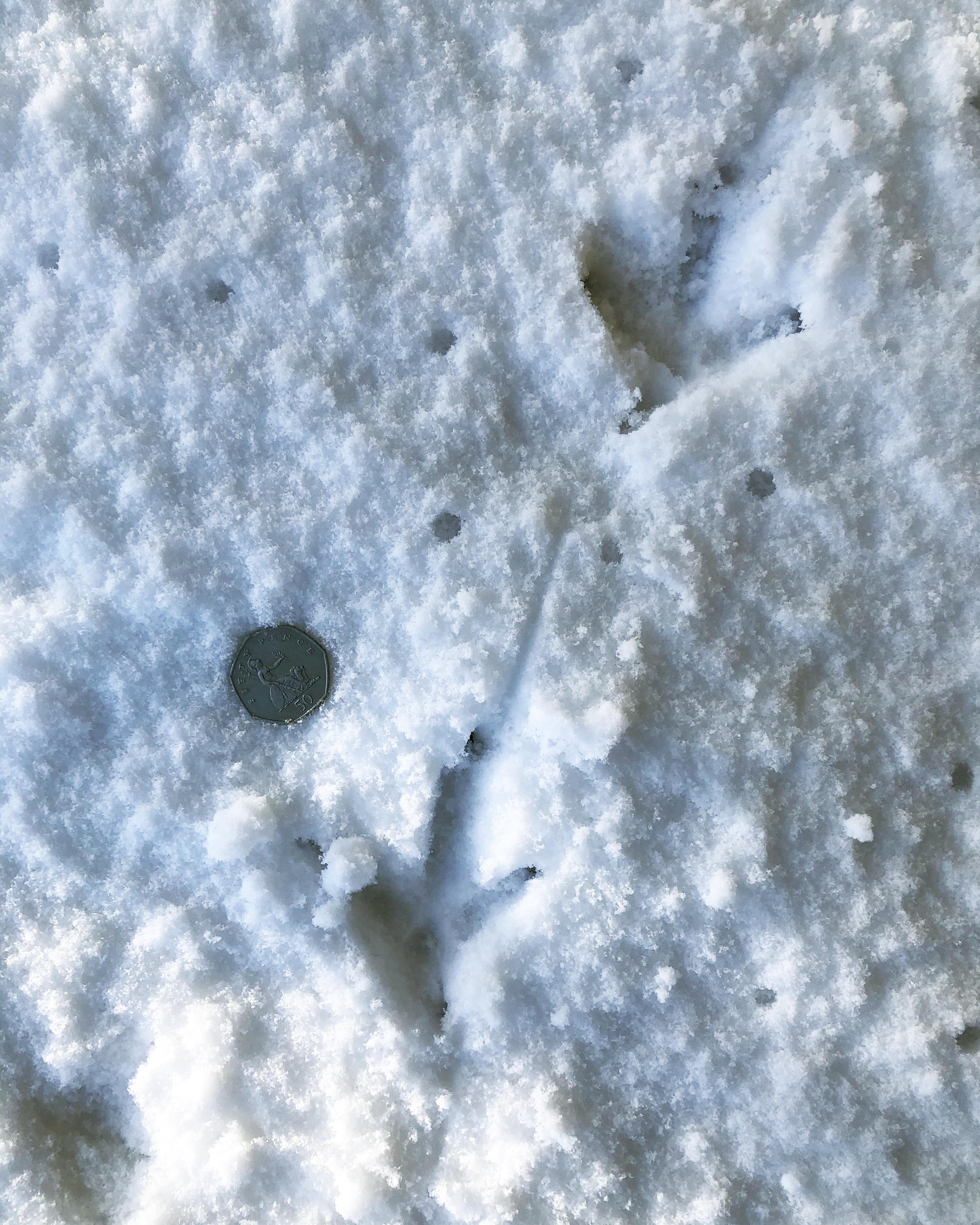
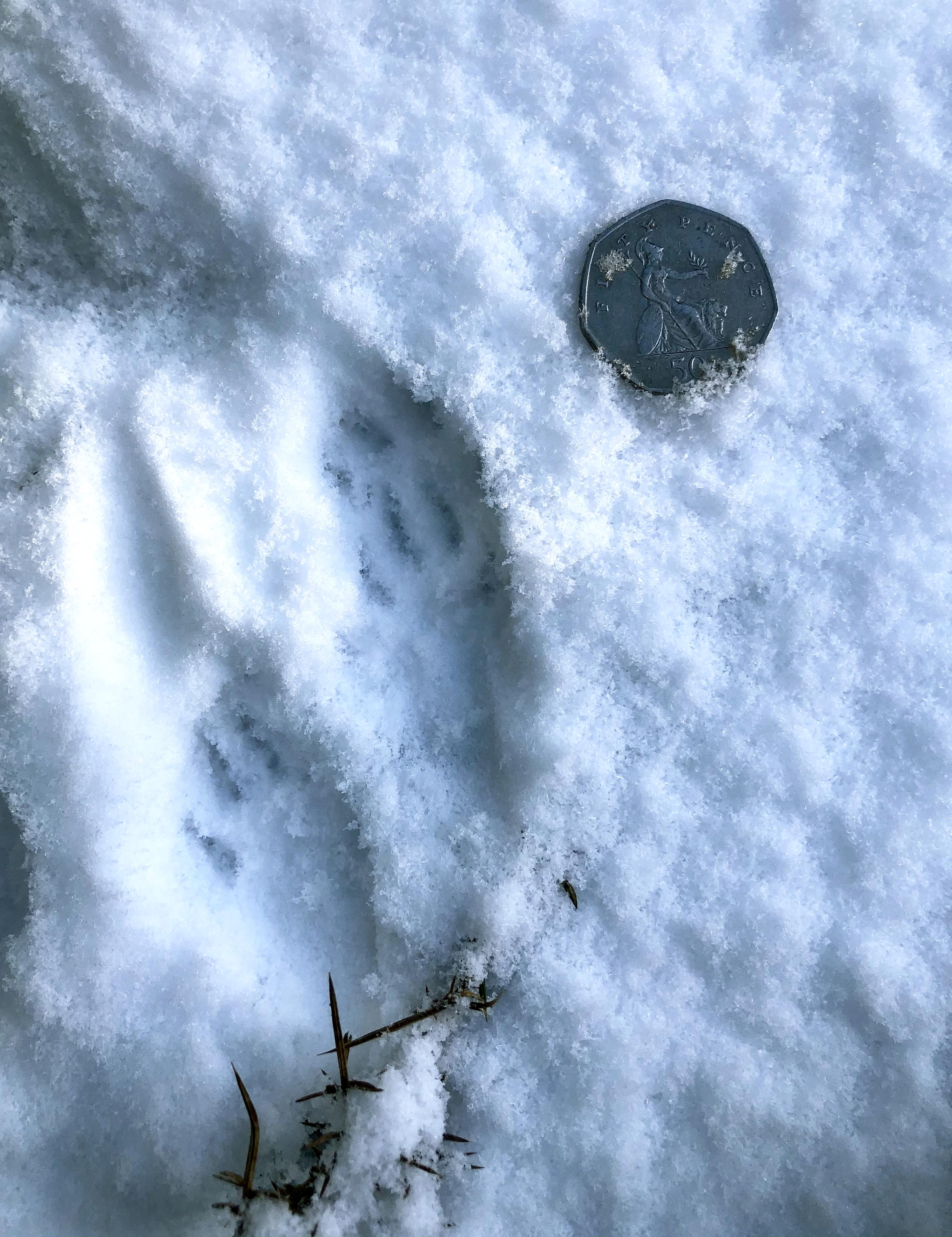
I left the most exciting find until last. Crossing a main path into a small grassy tunnel in the verge were several pairs of paw prints. I knew the square shape of badger prints but these were much smaller. I consulted my new indulgence purchase (Tracks and Signs of the Animals and Birds of Britain and Europe by Lars-Henrik Olsen) and checked first for pine marten. Although these were a similar shape, they were bulkier and didn’t seem right. The pictures of the stoat prints, however, looked much more like it: arranged in pairs like mine were on the trail and a better size match (3.5-4cm hind print). Again I wished I could have been a fly on the leaf when the stoat dashed across the path. Who knows what time it was, but one of the many beauties of snow is it can freeze time and preserve nature’s wonders just a little longer.
I’m so excited to share what I’ve been working on for the past few weeks!
Things are difficult for us all at the moment. Trapped at home with very little to do besides work, I decided to start a passion project and create a mini magazine of my recent writing and photography projects. On The Wing magazine features a range of stories from autumn and winter 2020 including waxwings, orcas, red squirrels and a surprise woodcock.
I love designing magazines and it was so exciting to see all my recent work in one creative showcase. I hope you enjoy reading it as much as I enjoyed creating it. I’d also really appreciate any feedback. Was there something you particularly enjoyed? Maybe there’s something you’d like to see in a future issue! Let me know in the comments.
For the past few weeks I’ve fallen in love with photography even more than I was before. My new camera has now arrived but the adapter I need to attach it to my lens has been out of stock for weeks, so the camera’s still in the box for now!
Luckily for me I’m still borrowing my friend’s camera and I’ve had it slung across my back on every one of my walks. Winter is my favourite season – wildlife is still abundant in the colder months and there are some particularly special overwintering birds to enjoy.
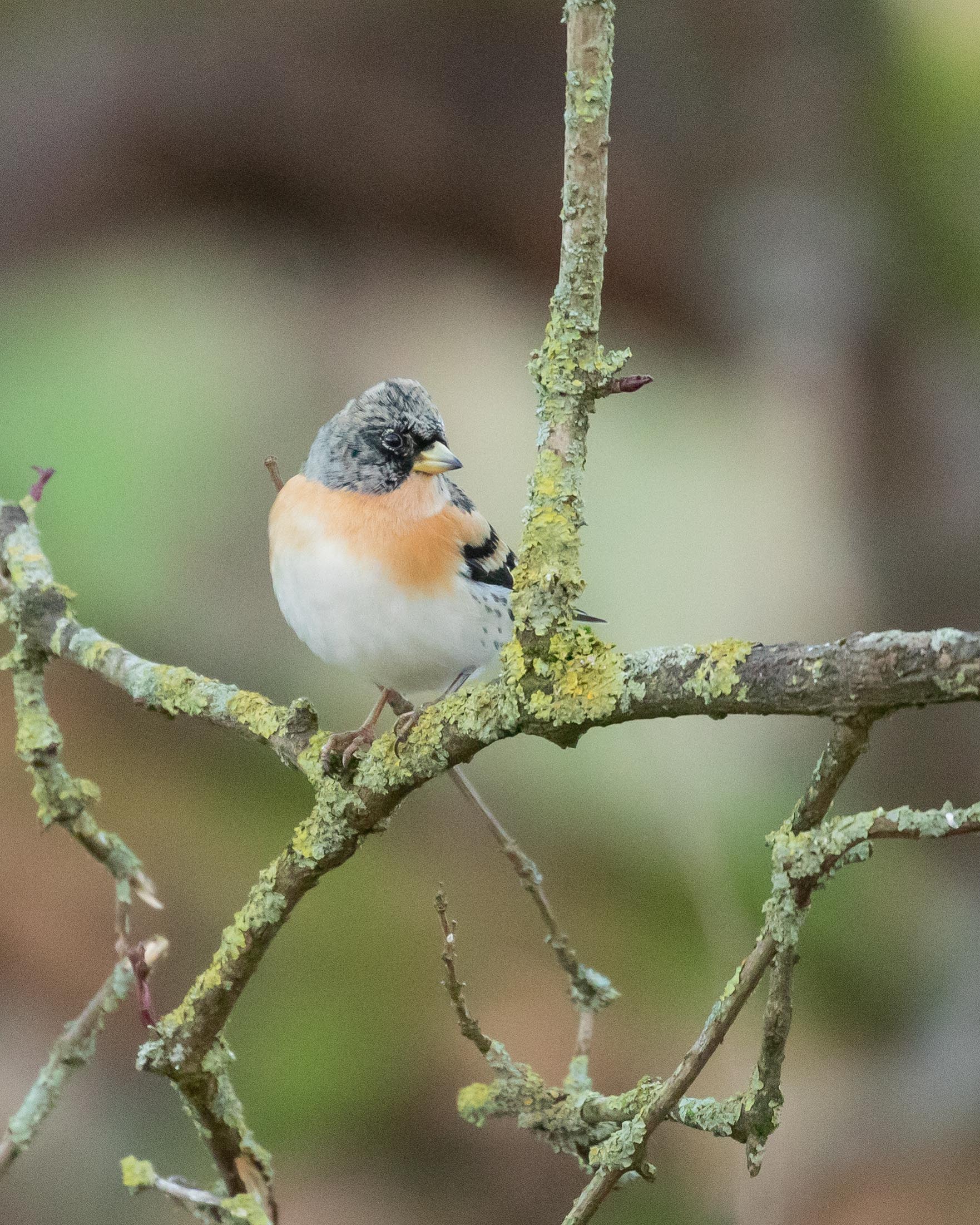
A prime example of a stunning winter bird is the brambling, and I was absolutely thrilled to see one this week! As I scanned a crowd of coal tits, robins and chaffinches my eyes casually brushed past this special winter visitor minding its own business. This resulted in a comedy double take from me. I only had time for a couple of shots before the brambling hopped off the branch. I scanned around but didn’t see it again, although I was more than happy to get even a brief glimpse.
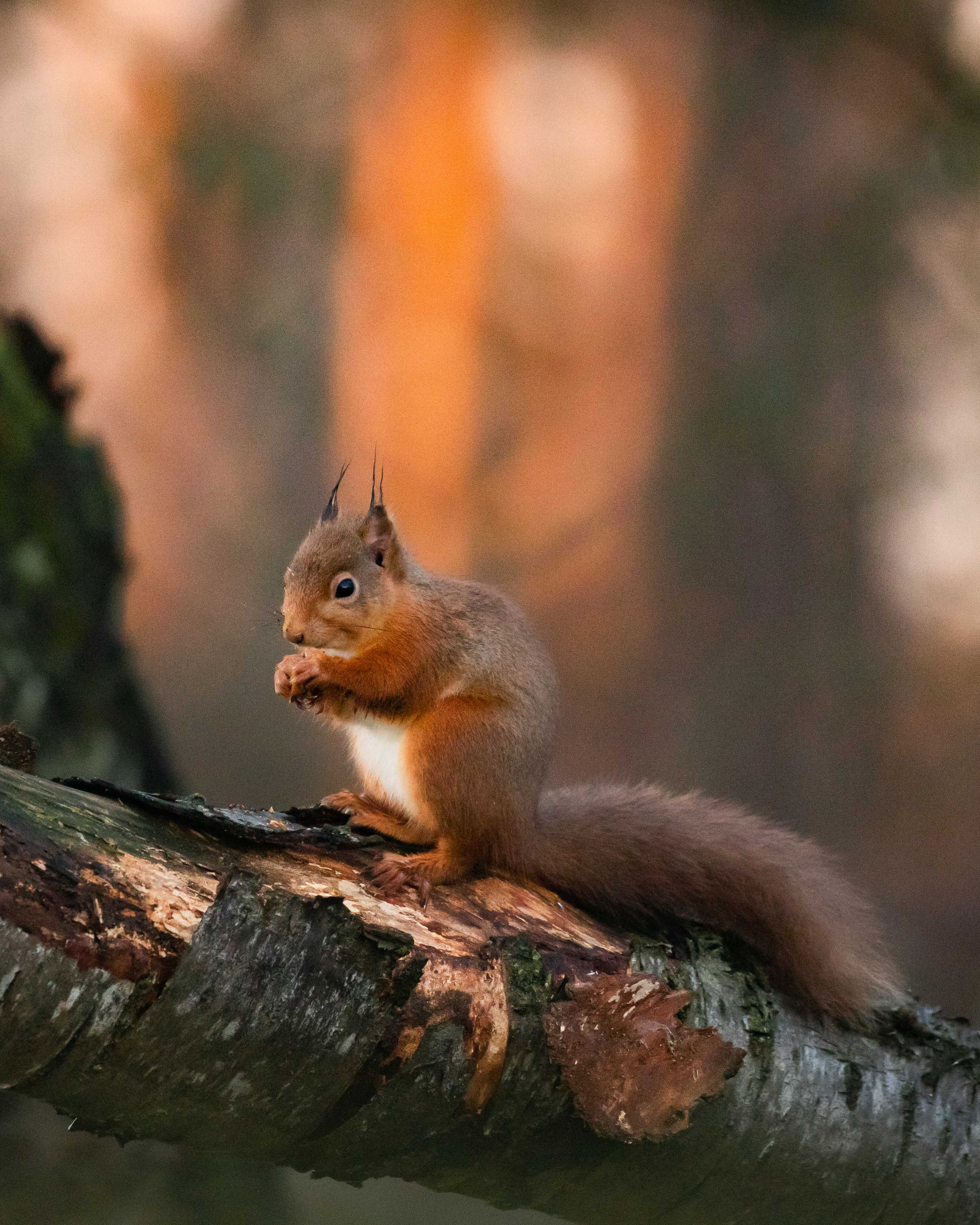
Soon after that the light started to fade and it was nearly time to turn the camera off for the day. I was making my way back to the car when I spotted a last minute red squirrel bounding across the clearing. Luckily despite the gloom of late afternoon there were some lovely sunset colours behind it which complemented its fiery fur.
It’s easy to get a bit jealous of all the snowy wildlife photos buzzing about social media at the moment. I’ve had a few dustings but nothing like the drifts that have settled further south.
But even these light snowfalls are stunning to see and still manage to transform the landscape with both sight and sound. The pristine white is the most obvious change but there’s also a very specific silence that accompanies snow, as if nature is pausing to admire it too.
Over the past week or so, long tailed tits have suddenly become one of my favourite birds. They’re ridiculously photogenic and for such tiny fluffballs they have so much character! I usually hear long tailed tits before I see them.
After a combination of high pitched squeaks and cheeky raspberries from above they suddenly all appear at once, barrelling around in one group. The other day I saw a group of twenty individuals in the same tree and they made an absolute racket!
And most recently, I had a fantastic sunrise walk down to the harbour to see some overwintering ducks. Sunrise wasn’t until 8:45 (another excellent thing about winter) so I could saunter down to the harbour in time for golden hour.
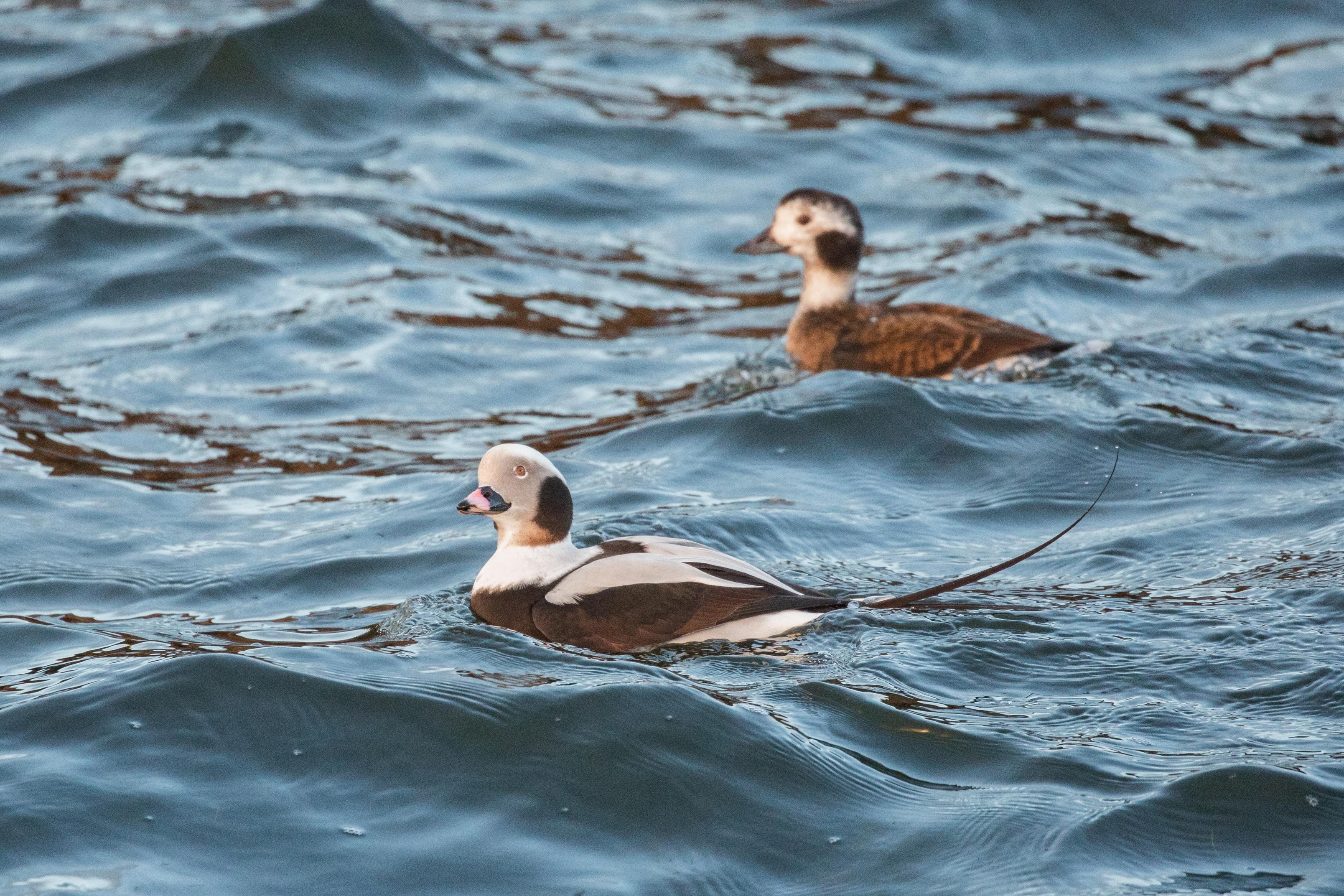
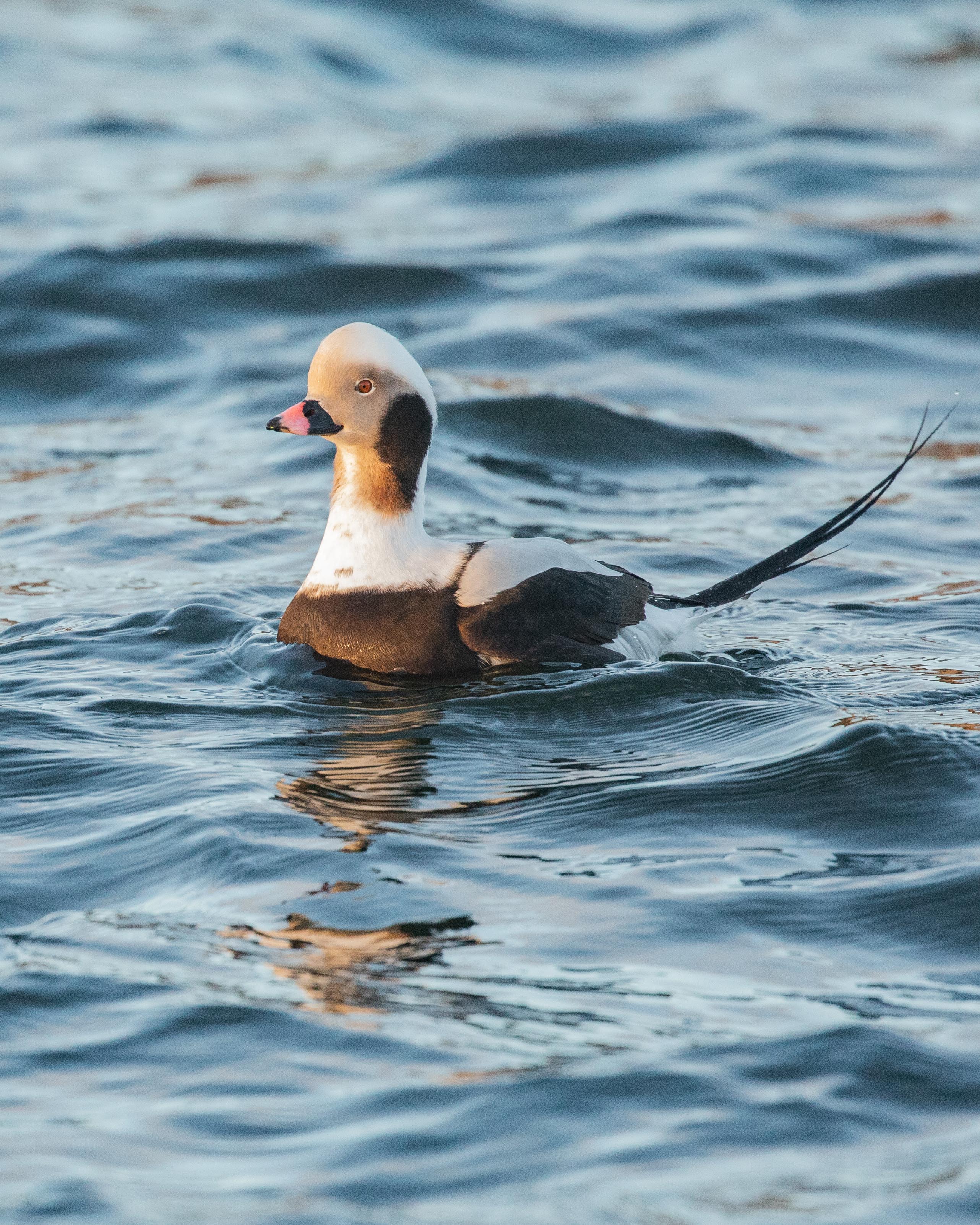
Waves were crashing against the sea wall so all the gulls and ducks had come in to shelter in the calmer water. As well as a very vocal heron and a gang of eiders there was this beautiful pair of long tailed ducks, which only visit Britain during winter.
I lay down on my front – no doubt getting funny looks from the fishermen – so I could get almost eye level with the long tails. I’d seen a couple of distant males before but never a female so it was fantastic to see them both so closely.
Isn’t winter just the most magical season? For me this is the highlight of the wild year, where walks are filled with crunchy frost, golden leaves and with a bit of luck, some snow. Even without snow though, there are some stunning birds to see during winter and I can’t wait to see what the next few weeks bring.
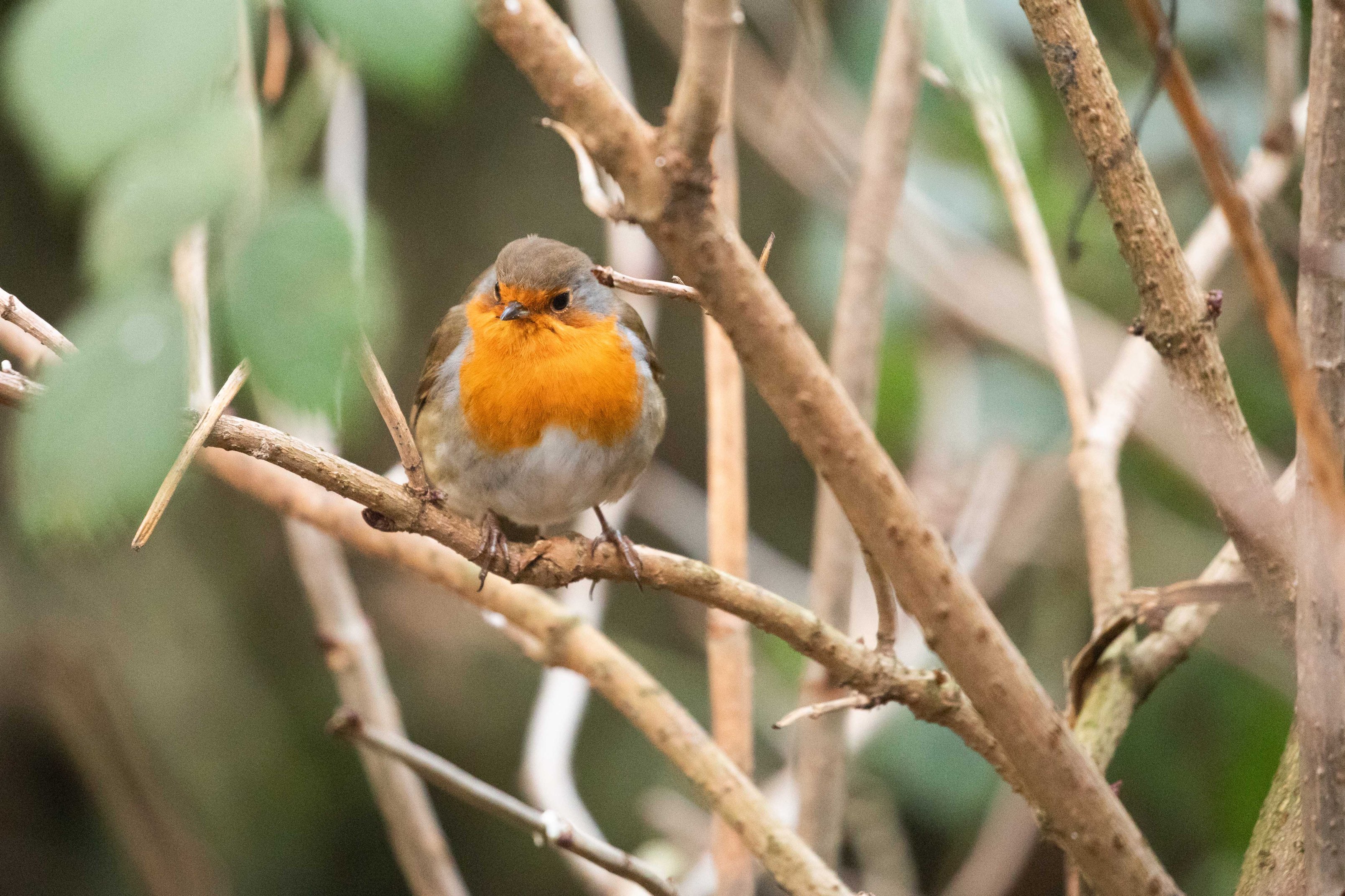
I was determined to make the first day of the year full of wildlife so I headed to my favourite woodland spot to try my luck seeing red squirrels. As usual I was met by a gust of coal tits, brazenly unafraid of me, and once I’d settled down the more timid characters began to emerge. There were blue tits, great tits, siskins, dunnocks and chaffinches. Blackbirds rustled beneath the trees and a plucky robin perched within arm’s reach of me, gazing with that analytical expression typical of its species. I was soon in my element: enjoying the peace and quiet, tucked up warm against the cold and surrounded by birds.
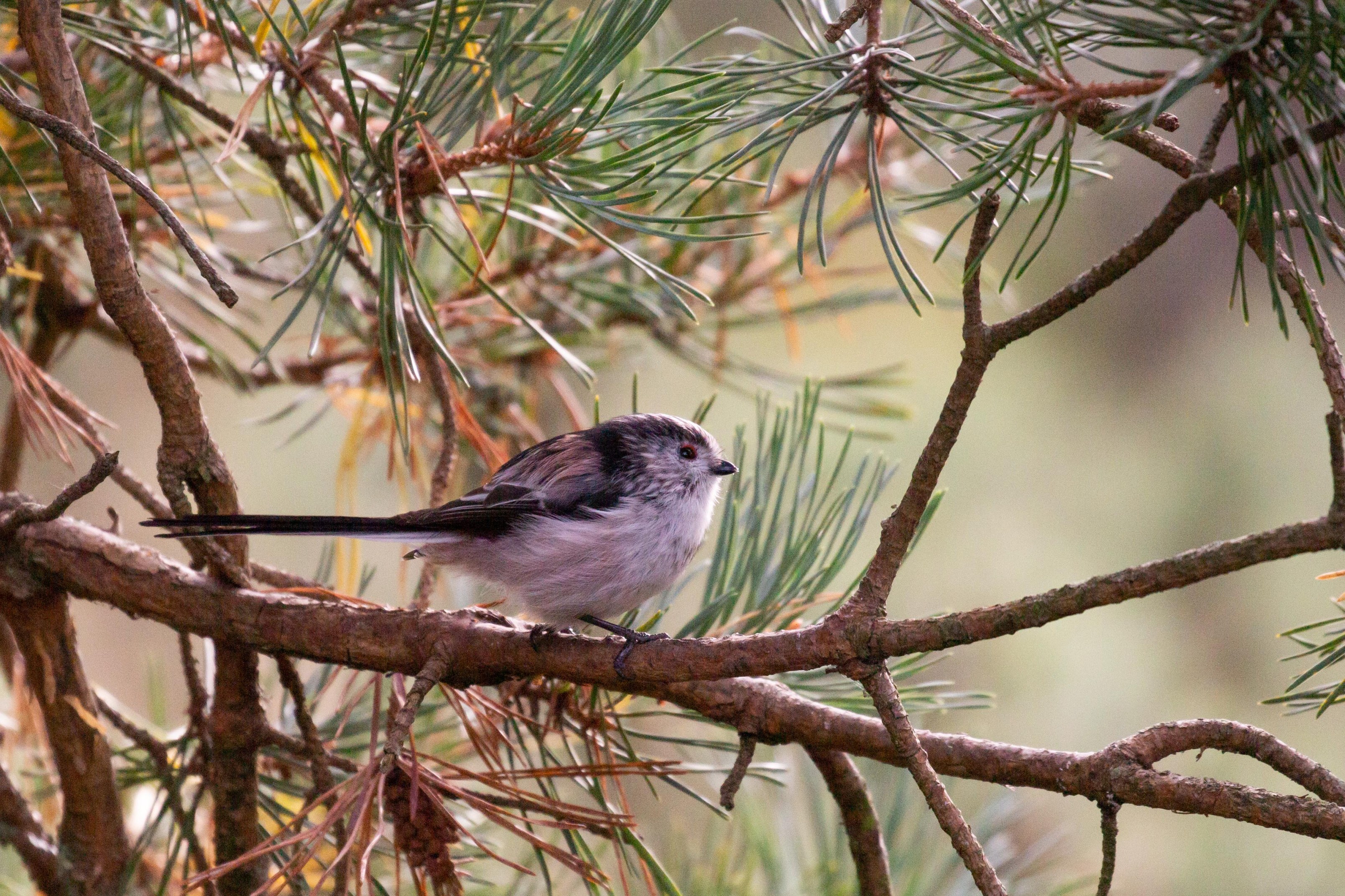
A black and pink troop of long tailed tits caught my eye as they appeared one by one, hanging together off the branches. Mike Tomkies described them as “flying crotchets escaped from nature’s music sheet”, which I think is an impeccable piece of writing. And so true – long tailed tits have crotchety proportions with a golf ball body and a huge staff of a tail. But what enchants me most about them is their tiny little faces. Eyes and beak are all crammed into the exact same place, giving them a ridiculously cute expression. I love how they always travel in packs too. Despite being such dainty looking birds they soon dominate a space with both sights and sounds. One of their calls reminds me of a raspberry being blown. The next time you see long tailed tits listen out for it. A cheeky raspberry from an even cheekier bird.
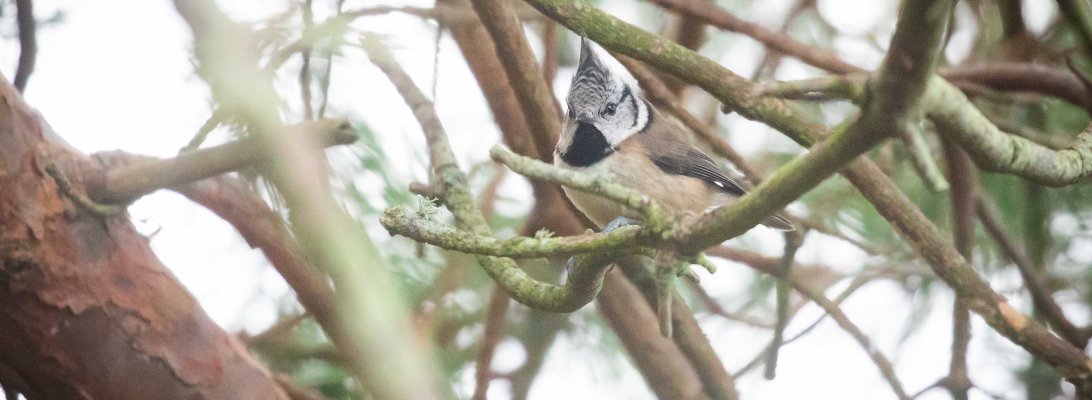
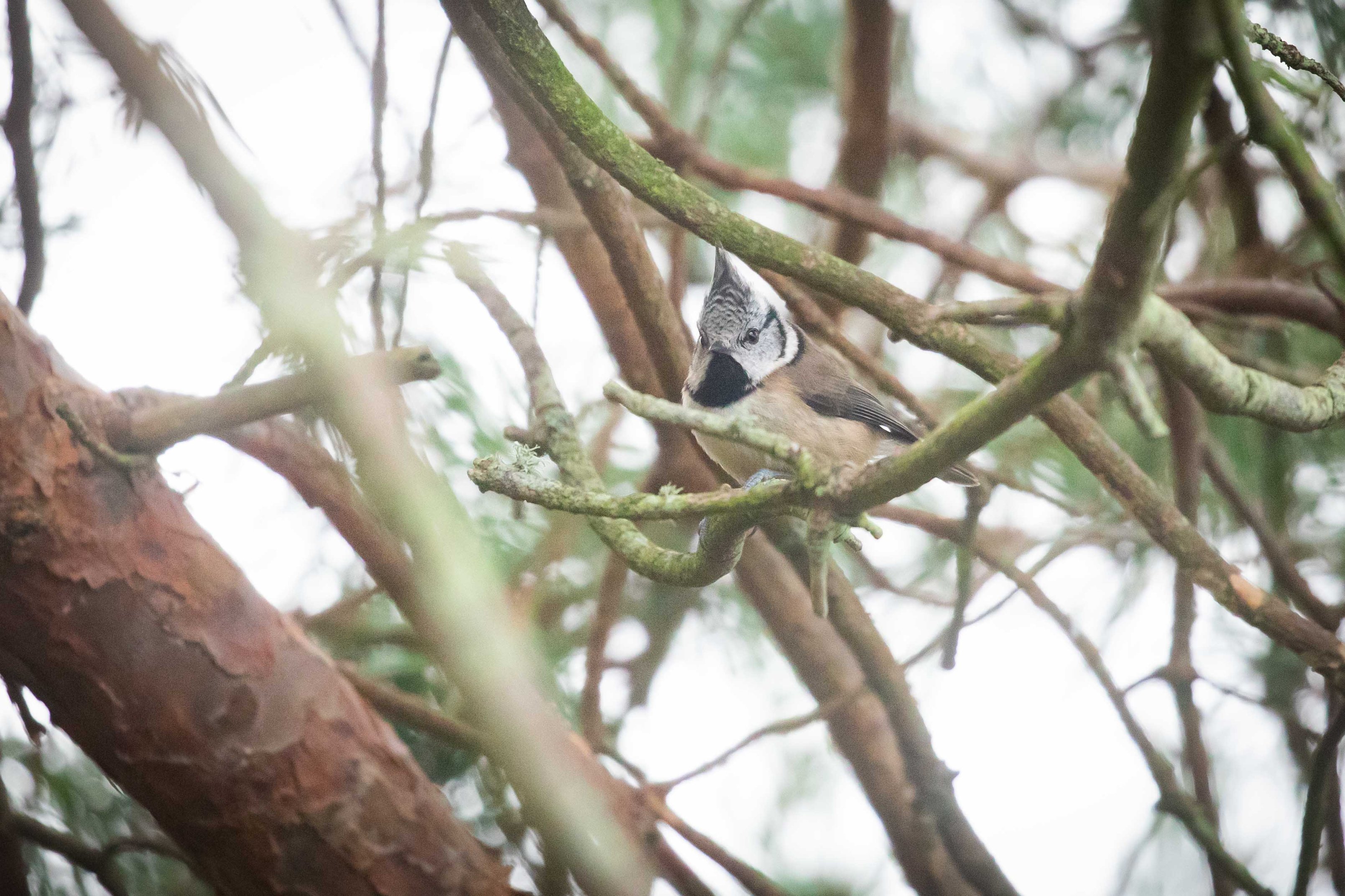
Then I heard a different snap of sound on the breeze: the trill of a crested tit. I’ve only recently learned what a crestie sounds like and now I hear it regularly, often in places where I would never predict them such as over the most heavily pressed forest trails. I don’t always see them, but the beauty of recognising birdsong is it gives you the ability to meet a bird without actually clapping eyes on it.
And suddenly there it was. I’m hesitant to use the word “icon” because it’s become a cliché, but in the case of a crested tit there’s no other word for it. Found nowhere in the whole of the UK apart from the Scots pines forests of the Highlands, it’s a really special bird. I find cresties are also a real challenge to photograph on account of the ants in their pants. I’ve got a few photos of them now, but I’m still waiting for THE crestie shot.
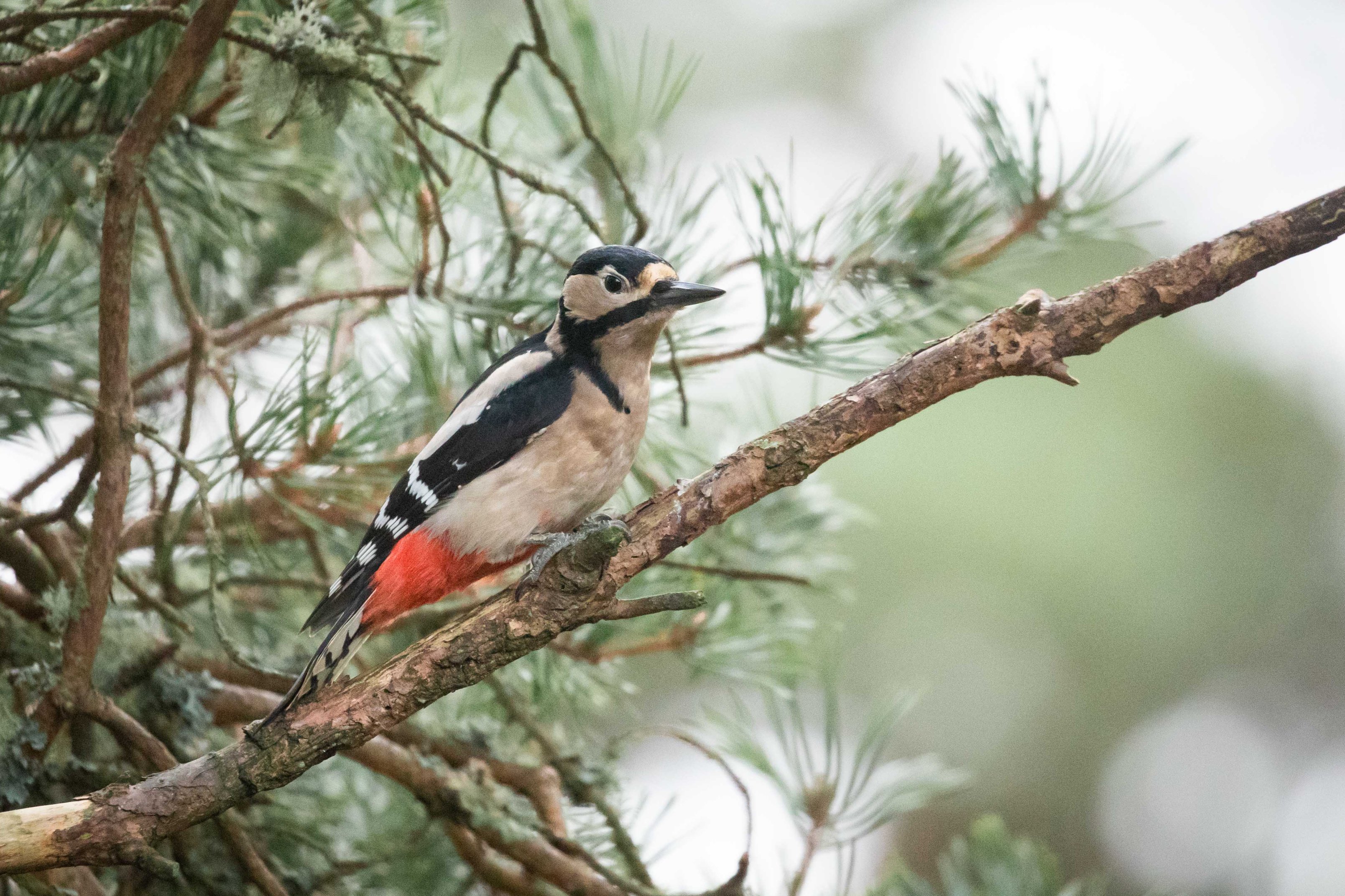
As I sat marvelling, a bigger bird appeared and I almost clapped with happiness. A great spotted woodpecker landed right there in the open, which I’ve never seen before. If they’re not fifty feet up a tree they’re concealed behind so many branches that there’s no hope of a decent photo, but it seemed that today was my lucky day.
Although of course I was pleased to see so many birds, I was secretly hoping for a glimpse of red fur too. I waited patiently, watching countless tits and finches come and go, until eventually I turned to see what I thought was the robin again but was actually a red squirrel, standing two feet from my boots. It hopped leisurely across the pine needles to the tree and shimmied up the trunk, pausing just long enough in the crook of a branch for a photo before heading off. A very fleeting visit, but I was thrilled. When wildlife comes to me (rather than the other way around) I get an overwhelming feeling of acceptance. Both squirrels and birds alike must trust that I won’t hurt them and feel relaxed enough to come close, and that is a really special thing.
Well that was an interesting one. I always like to write a little summary at the end of each year, reflecting on what I’ve achieved since last Christmas. This year is no exception, but like everyone else on the planet I couldn’t have anticipated what was about to happen when I wrote in my last yearly summary: “I have a great feeling about 2020.”
The truth is, despite the obvious uncertainty and difficulty that came with COVID-19, I’ve actually had a really productive year. I count myself very lucky to have been able to continue plugging away at my writing during lockdown, where I had little choice but to open the laptop and type something. I combined my daily exercise with photography and took some of my best images so far.
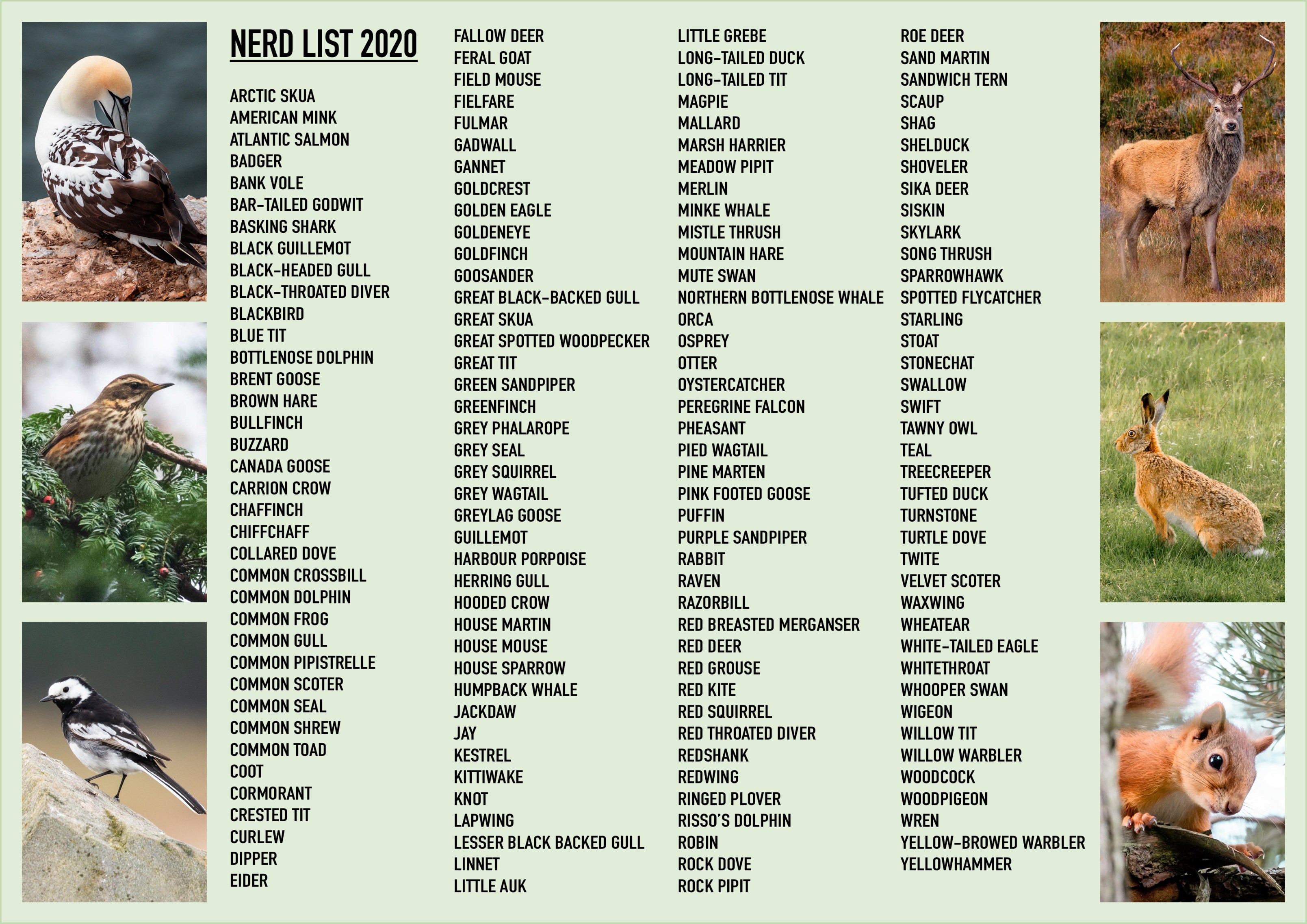
It was so much fun keeping a species list for the first time this year, which has since become my “nerd list”. I planned to just keep a record of the birds I saw on the stretch of shoreline by my house but the nerd list soon became a record of everything I saw wherever I went. Now, at the end of the year, I’ve seen 156 different species of bird, mammal, amphibian and fish, including 55 lifer species! If you’re also a nerd then you can see the full list at the end of this post…
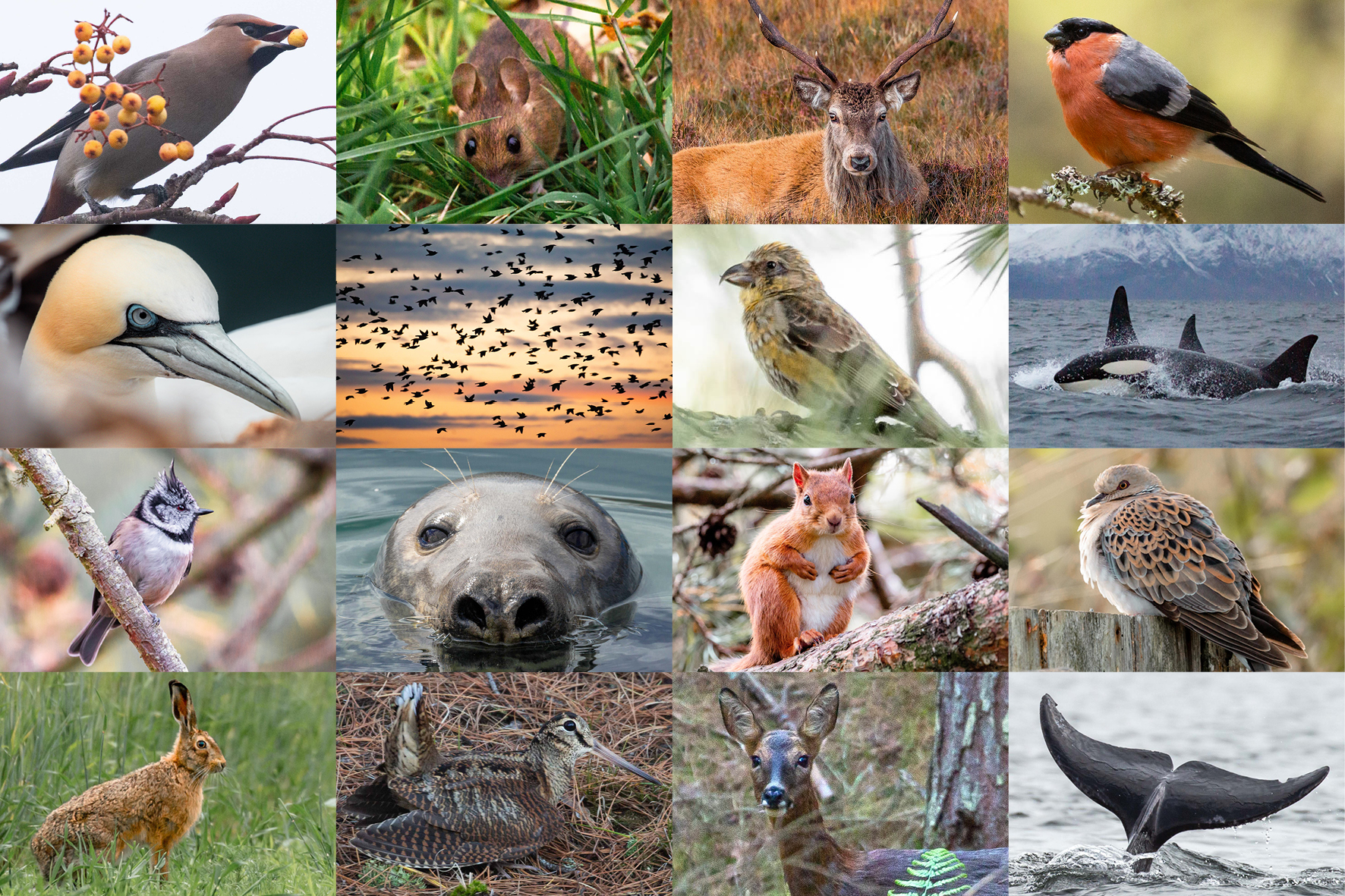
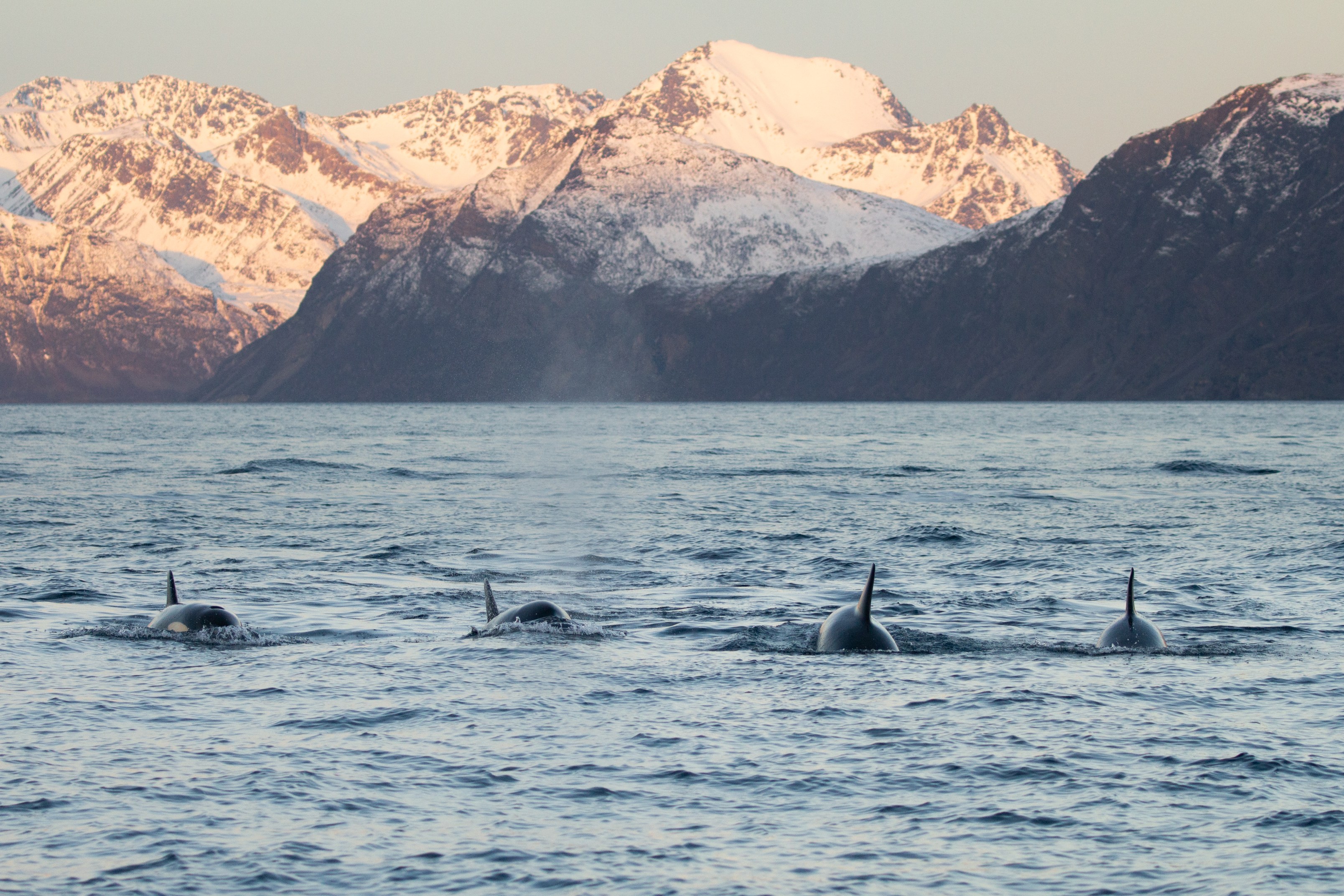
My favourite photos of 2020 – all taken in Scotland apart from the orcas in Norway!
The most significant change this year was the move to Scotland. I’d been considering it last year, but it took the company I worked for going into administration and being made redundant to force me to take the leap. And that was the best decision I could have made. I’ve been in Moray for ten months now and I’m here to stay. I could see myself settling a little further south in the Cairngorms National Park – those ancient pinewoods are way too tempting – but living by the sea for the first time has been so special.
I received my first writing commissions at the end of 2019 and this year my portfolio has continued to grow. I was thrilled to be asked to write two book reviews, a TV review and a website article for BBC Wildlife magazine and several of my photos were featured on their social media and online articles. I have also been invited back to the Wild Intrigue family as Writer in Residence and I can’t wait to get more involved with this in 2021.
One of my paintings that accompanied a Wild Intrigue blog
I first met my friend Steve while I was admiring a group of waders on the backshore and he hurtled by in his van shouting “Look up there are dolphins!” Since then we’ve gone on lots of wildlife excursions and I got my first experience of van life. I love the nomadic nature of living in a van – eating breakfast in one place and then being somewhere completely different by dinner. My favourite trip has to be when we journeyed to the west coast in October (between lockdowns) to see the red deer rut. I’ve wanted to hear stags bellowing for ages and this year I succeeded. Friends of ours have a beautiful wood cabin on the edge of a loch, which was the perfect base for a deer photography trip. As well as that, we were visited nightly by badgers and pine martens!
One of my most treasured highlights of the year was Norway, which very nearly didn’t happen but after lots of nail biting I managed to get there. Norway’s restrictions meant we had to quarantine for ten days and get a COVID test that involved a cotton bud going way too far up my nose… It was all worth it though and I’ll never forget the experience. After an incredible first half spent watching northern lights and white tailed eagles soaring over the house, the second half featured my first humpback whales and orcas. I was very happy to have my article and photos from the trip published by Oceanographic magazine too.
Winter is probably my favourite season and I’ve been in a particularly wintery mood this year. As they say, there’s no such thing as bad weather, just bad clothes! I loved wrapping up and seeing both local wildlife and a couple of special visitors. In early December I was very lucky to see some waxwings that had arrived in my local town. I was also fortunate enough to see redwings and fieldfares this winter. My plans to photograph mountain hares in the snow were put on hold when Scotland went into Tier 4 on Boxing Day, but hopefully there will be an opportunity next year.
After the year we’ve had, I’m a little reluctant to make any New Year’s resolutions but there are some things that are luckily still in my control! Last year I had a real buzz for art and started a nature journal and the Instagram Inktober challenge to keep it up. Sadly these fizzled out and although I still love drawing and painting, it’s my photography that’s really soared this year. When I was living in Hertfordshire I went for months without taking any photos, but since moving to Scotland I’ve used my camera almost daily. I’ve vastly improved my portfolio and take great pride in some of the shots I’ve taken.
Sadly, my trusty old Canon DSLR bit the dust on Christmas Day! So it was time to upgrade. I’ve deliberated over what camera to get next for ages and whether to go mirrorless or not. When Steve recently bought Canon’s latest professional mirrorless – the very swanky R5 – I can’t deny I was won over. The quality is incredible but perhaps the clinching factor was the silent shooting. No mirror means no click, and when it comes to capturing the shyer animals such as deer and otters, camera clicks can spell disaster.
So this week I ordered my own R5 and I can’t wait to see just how much it can improve my work. Although writing is still my main focus, photography has developed into an even greater passion this year and is such a great visual accompaniment to my articles. While I have no idea if I’ll be able to achieve this in our current climate, in 2021 I aspire to photograph my first otters, British orcas and pine martens. No pressure!
There are some other (some might say more realistic) things I’d like to achieve in 2021:
Learn to recognise at least ten tree species – my tree knowledge is pretty shameful and considering I spend all my time in forests this needs to change!
Write morning pages every day – lots of writers swear by morning pages and I’d love to try free writing each day and see how it affects my work
Have all my writing notes in one place – I have an awful habit of jotting down notes and observations in a dozen different notebooks, so finding something again is hopeless. I want to get more organised and put all my writing in one place moving forward.
As I write this, snow is falling in quite a dramatic fashion and I’m like a little kid all over again. I’ll probably pass on making snowmen this time, but I can’t wait to see all my furry and feathery neighbours in the new white world. Who knows what will happen in 2021, but all we can do is carry on. The word I chose for myself last year was “improve” and I can say with confidence that I’ve done that. I’ve found where I want to live, earned some money from what I want to do and seen some incredible wildlife.
It was definitely a wellie day. After almost a week of rain, the ground squelched and sloshed with each step. The thickest tussocks of grass were dry, but most of the ground was speckled with puddles. That wasn’t a problem though, and by the looks of the oranges and yellows appearing to the east, the sunrise was going to make some welly wading more than worth it.
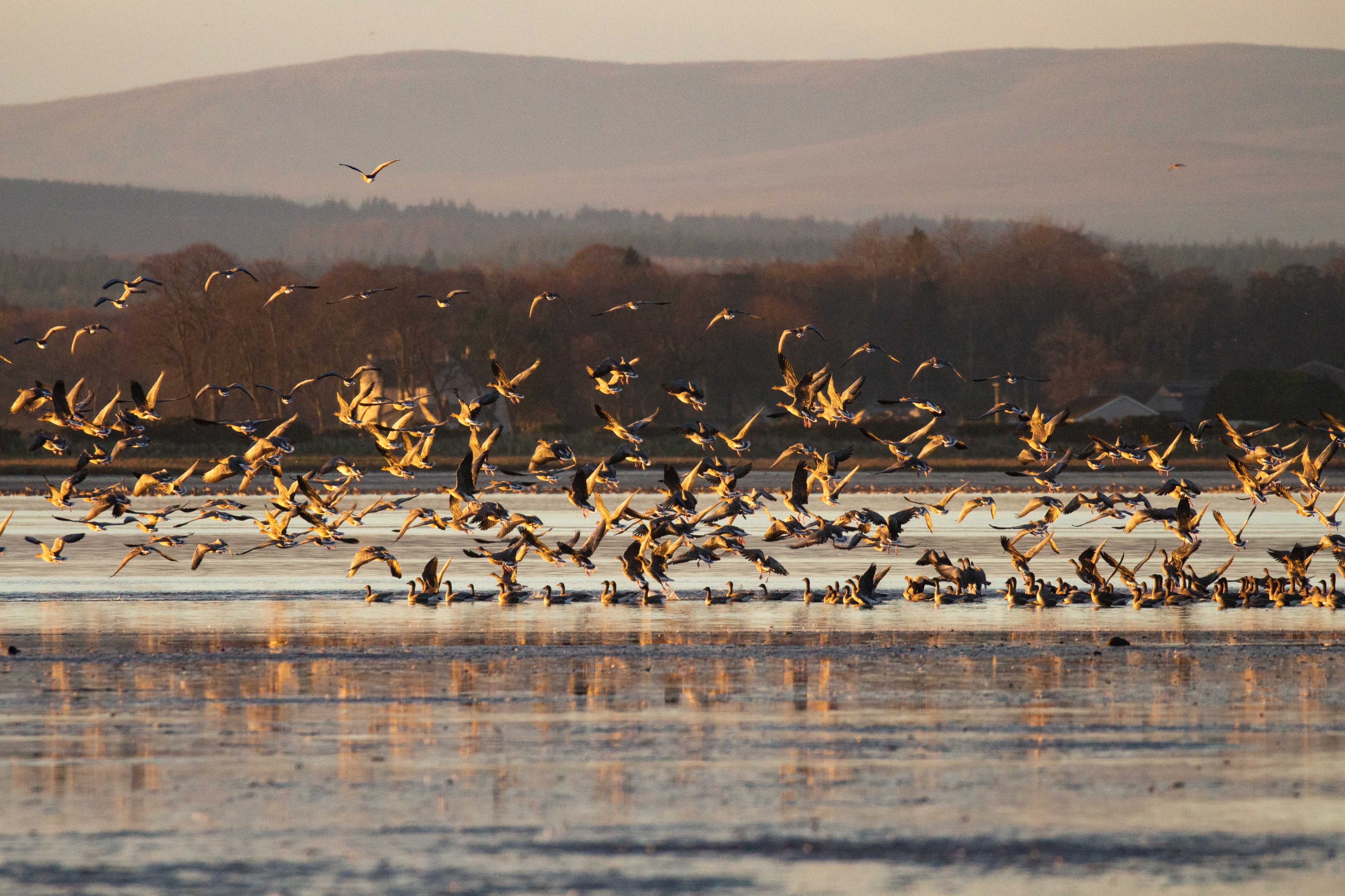
Slinging my camera across my back and clutching tripod and camping chair in each hand, I threaded my way around the deepest puddles, leaving indentations in the grass behind me. The chattering babble of thousands of geese easily crossed the still bay, and in the gloom I could just about see them packed tightly together on a skinny sandbar. The tide was coming in so they didn’t have long. Neither did I, so I hastily set up the tripod and waited.
In minutes the sunrise had transformed from a haze of yellow to a blaze of scarlet and bruised purple. That was where the geese would soon be heading – taking off in swathes and moving inland to browse in the nearby fields. As if someone had turned up the volume, the honking increased drastically and a number of them took to the air, triggering others around them to follow. Most stayed behind though, leaving the ambitious few to form a loose skein that blew across the sky like a stray ribbon. They crossed from the pale navy light into the fiery sunrise and shrank to dots. A little while later another group took off, then another, and for the next hour and a half the crowd on the sandbar slowly diminished. It was lucky for me that they left in shifts because I had plenty of opportunities for photos.
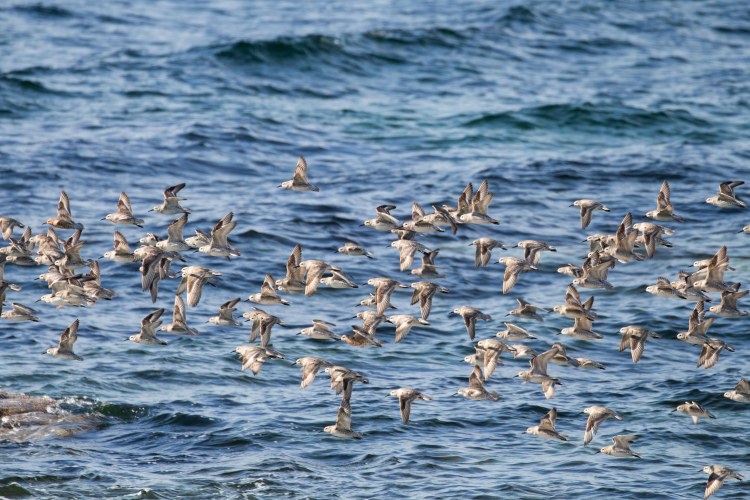
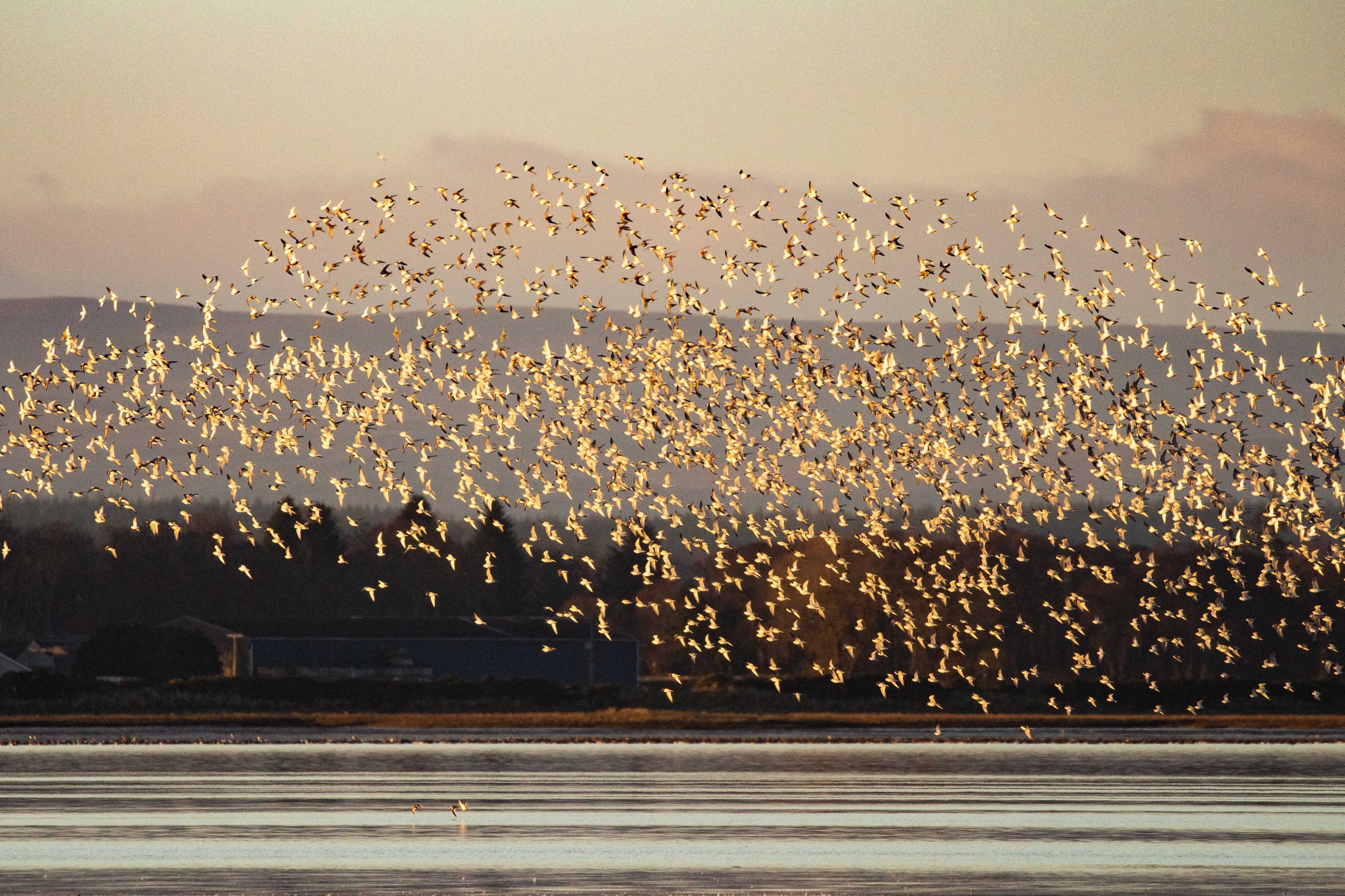
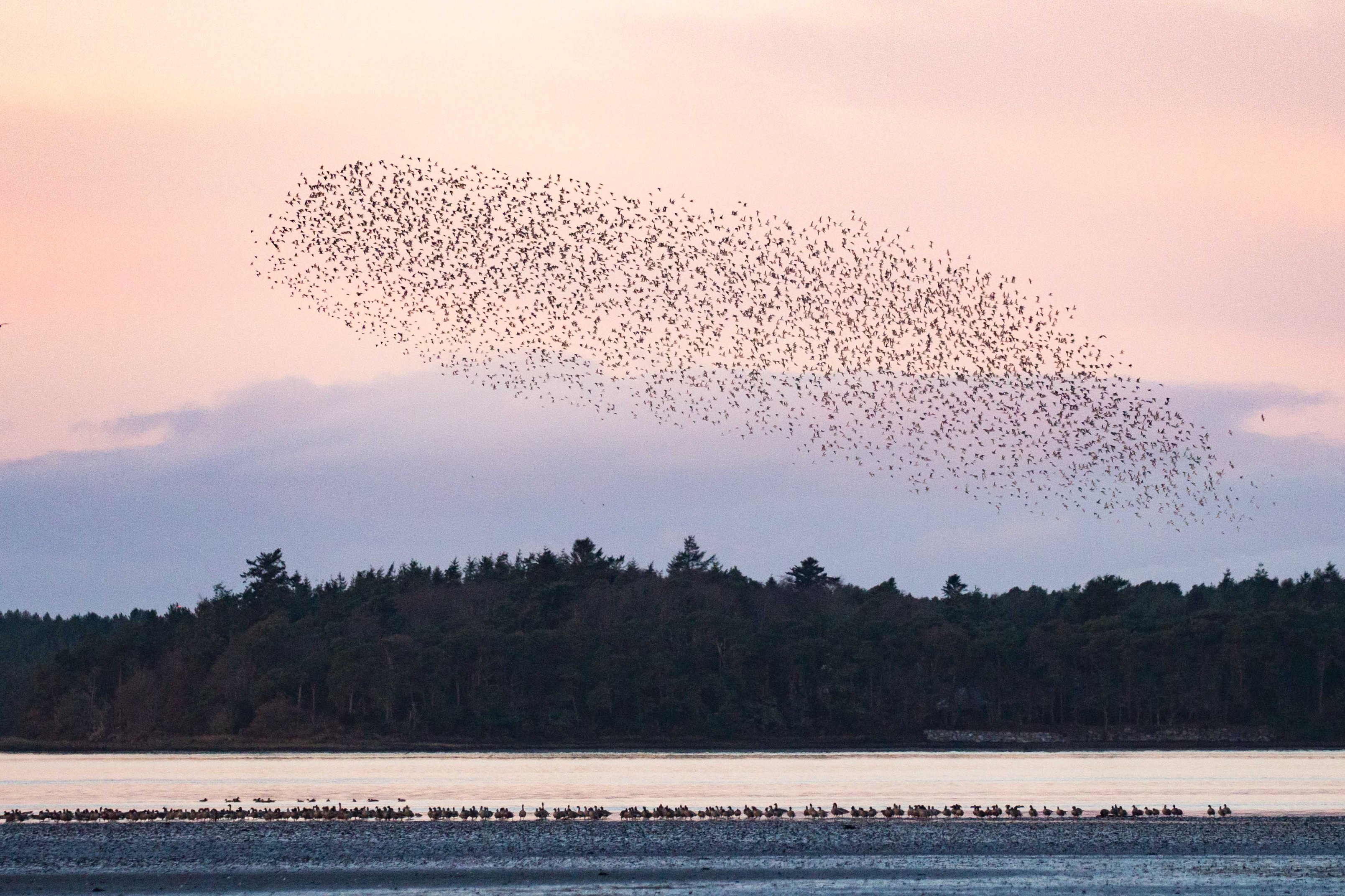
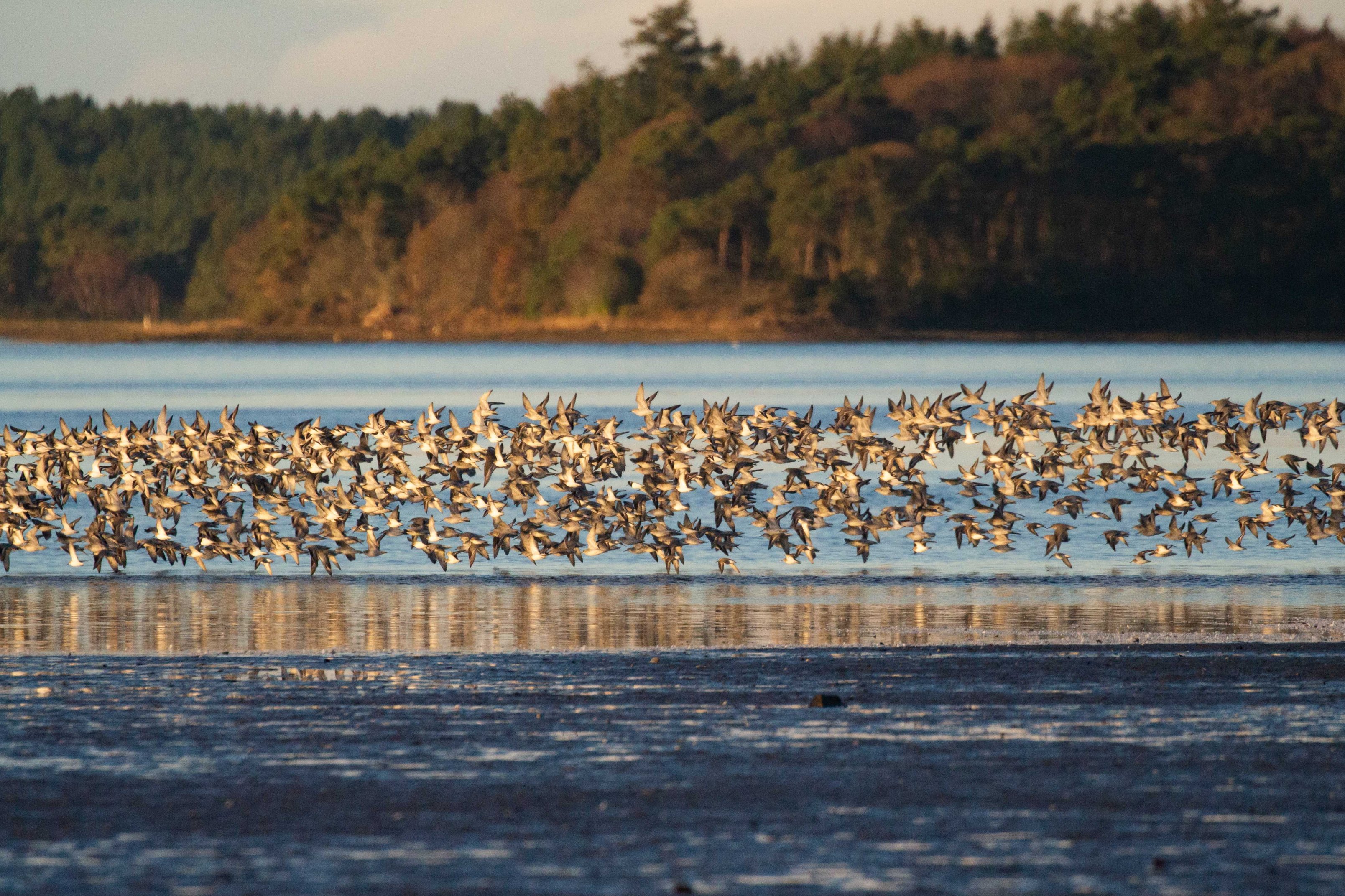
Although I’d come especially for the geese, there was an unexpected bonus display from a large group of knot that was murmuring like starlings over the water. The tiny waders climbed high into the sky, and each time they twisted back on themselves the sunlight caught their white bellies and the whole murmuration flashed like a torch. As the tide continued to sweep in, the knot were pulled further and further towards us until they settled on the receding sand and began to forage among the oystercatchers.
Eventually, all the geese had departed for the day, and an unseen distraction had frightened the knot back into the air, where they circled several times before settling far across the bay and out of sight. In a fairly short time, the thousands of birds and their incessant chatter had gone, leaving the bay smoothed over by silence.

























 rebeccaonthewing.com