Published!

This month I was thrilled to have an article and two photographs published in the Christmas issue of Hertfordshire Life magazine. I have started volunteering as a Communications Assistant for the Herts and Middlesex Wildlife Trust, and as part of my work I was able to write a festive article about twelve wild things to see and do at Christmas.

4) Herts Life Dec 14) Herts Life Dec 2

In the past I’ve had a few articles published on websites and a column in a local Cumbrian newspaper, but this was my first full-length article in print and I was overwhelmingly proud. Hertfordshire Life is a beautiful and professional publication, and I was so grateful to be given the chance to contribute to one of its issues.

Even more excitingly, I have submitted another article which shall be published in the next issue in a few weeks. This one will be about winter walks to banish the January Blues and I can’t wait to see it!

Photography in Cumbria

During my internship at Student and Graduate Publishing, I was asked to write a piece for Study International magazine. I thought it would make a nice story to reflect on my favourite photography spots in Cumbria, to show international students studying in the North West just how beautiful it is. 

Studying at the University of Cumbria, I get the best of everything. Carlisle is a bustling city with all the facilities and resources a student needs, but nestled amongst the city are pockets of forest, river and grassland. Drive just a few miles out and you have access to the coast, vast expanses of woodland and beautiful nature reserves.

So for a student like me who is passionate about wildlife photography and writing, Cumbria in the North West of England is the perfect place. If you’re an avid photographer or just enjoy a walk outdoors, have a read of my favourite spots to enjoy in this beautiful area. For more inspiration see VisitCumbria.

The Ennerdale Valley boasts some of the most vibrant natural environments in England, and has been part of one of the longest ecological restoration projects in the UK. The Wild Ennerdale Partnership is determined to minimise human impact on the landscape and ensure the valley stays as wild as possible, while still being enjoyed by responsible visitors. The restorative work in the valley makes it one of those few naturally wild places, and is breathtaking to see.

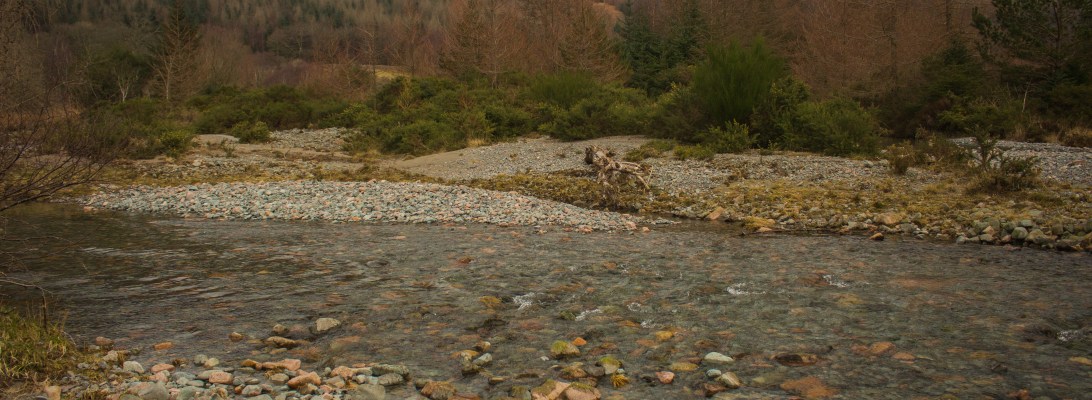
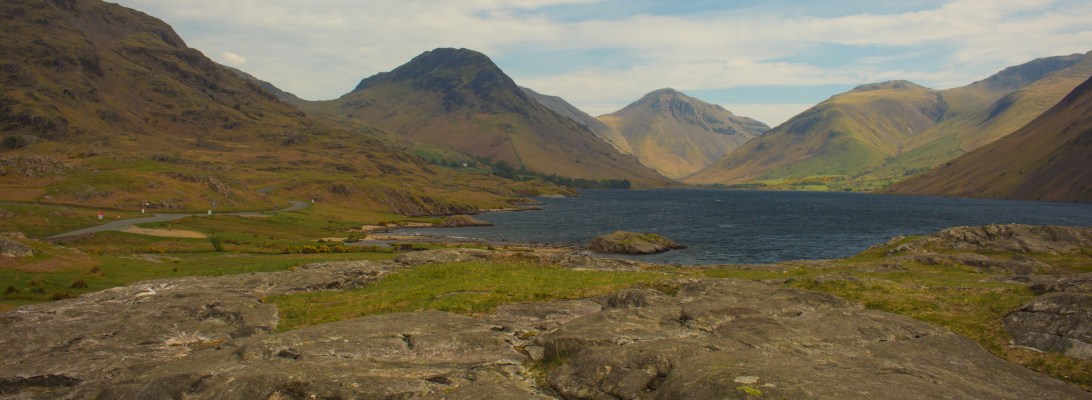
One of our first year trips was to Ennerdale Valley, and I couldn’t believe how untouched the landscape looked. The hills were a patchwork of different shades of green dusted with snow at the very top, and luckily we’d visited on a beautiful day so the sky was a vivid blue. Down at the water’s edge, we could see straight through to the rocks below, indicating just how clean and pure the water was. There were so many photo opportunities that day, and definitely a location I’d recommend for landscape shots! For more information on the work Wild Ennerdale is doing in the valley, check out their website.

With the Lake District attracting 15.8 million tourists every year, it’s easy to forget that, although the Lakes are beautiful and well worth a visit, there are other parts of Cumbria with just as much wildlife, stunning scenery and photographic opportunities.

Carlisle is the county town of Cumbria and amongst its high streets and residential areas, a lot of wild places can be found. The rivers Eden, Caldew and Petteril wind through the city, breaking up the drab grey and giving wildlife space to thrive. Otters frequent the River Eden, and although I’ve yet to see one out and about I’ve been lucky enough to capture photos using remote camera traps and see their footprints in the sand just metres from a busy pedestrian bridge.

Just outside the heart of the city is Watchtree Nature Reserve, where a diverse variety of mammals, birds and invertebrates can be seen. Roe deer stalk the forests, while brown hares bound at astonishing speeds across the fields. If you’re lucky you’ll see a glimpse of red foxes between the trees when the sun sets, perhaps accompanied by scruffy cubs during spring time. For a list of things to do at the reserve – from attending guided walks to hiring bicycles and enjoying the reserve at a faster pace – see Watchtree’s website.

The Whale and the Freezer

Here’s another article I wrote during my time interning at Student and Graduate Publishing. My colleagues were so interested in the whale project at Tullie House that they asked me to write a piece on my volunteering experience. 

I’ve just finished my second year studying Wildlife Media. It’s really quite a niche course and when I tell people about it I get a mix of surprise, curiosity and almost every time I’m asked if I’ll be the next Attenborough.

A career in wildlife media is seriously competitive, making work experience essential. If you’re interested in nature and conservation take a look at Conservation Careers for inspiration. A lot of wildlife-related opportunities aren’t paid, due to the charitable organisations offering them, so my first two years have been full of volunteering. The thing with volunteering is you never know what to expect, and my experiences have proven that anything can happen.

I’d probably say one of my volunteering highlights this year was cleaning whale bones, something I never thought I’d say. Back in 2014, a massive whale skeleton was found on a beach in Cumbria and taken in by the local museum. I joined forces with two of my course mates to take on the behemoth. There was flesh hanging off the bones and they smelt nothing short of pungent. Donning our glamorous all-in-one suits, wellies and goggles, we got to work scrubbing the bones clean.

Nearly half a year later, after three hours a week of funky odours and a ridiculous amount of disposable gloves, we said our farewells to the whale, who we’d both grown very attached to. The bones have been sent off for industrial cleaning, and will then be hung up in all their glory in the museum atrium. Have a read of the full story.

That wasn’t the end of my antics at the museum, however. A week after the whale left us, we began a new project: the freezer. Deep in the basement of the museum – think restricted section of the Hogwarts library – are all kinds of treasures, some beautiful and others less so. There’s a freezer containing several hundred frozen specimens, from bats that could hide in your palm to far larger animals like otters and barn owls. It was our job to work through the freezer and document the name, date, locality and donor of every specimen to put them all on a database.

A lot of people would feel quite queasy at the thought of handling frozen dead animals, the majority of which were roadkill and had seen far better days. Luckily, or perhaps tragically, my friend and I couldn’t get enough of it. I have a particular obsession with British birds, so getting to see hawfinches, bullfinches and waxwings up close was a real privilege. And not just birds: one week we found a large bin bag containing the very rare and elusive blue mink, a member of the mustelid family with otters, stoats and weasels.

In fact, my friend and I were both quite sad when we reached the bottom of the freezer. Although it was a real shame that the animals had arrived at the museum in freezer bags, it was incredible to see all those birds, mammals and a few reptiles far closer than we ever could in the wild. It gave me an even greater appreciation of wildlife and provided an unforgettable experience that’s a great story to tell.

Things to Do in the Lakes

For the past two weeks I’ve been on an internship at Student and Graduate Publishing. I’ve been writing non-stop for their three online magazines. This article on the Lake District was written for Study International. 

In July 2017, the Lake District officially became a UNESCO World Heritage Site, making it part of a group of iconic locations across the world alongside the Taj Mahal, Machu Picchu and the Grand Canyon. There are sixteen official lakes in the Lake District, each surrounded by stunning scenery and with plenty of things to see and do. Whatever your interest, the Lake District has so much to offer. So if you’re studying in the North West of England, take a look at what you could be planning for your next weekend trip.

Coniston Boating

For the adventurous, there is lots of sporting fun to be had on Coniston Water. Stretching five miles long and watched over by a mountain called the Old Man of Coniston, the lake boasts a wide range of possibilities for boating. Enjoy the sights on a motor boat, or perhaps try a more hands-on approach with rowing boats, paddle boards or canoes. Take a look at the Coniston Boating Service to book online and find out more. There are also bikes available for hire, for those who’d rather stay on dry land.

All that time on the water is bound to build up an appetite. Situated right on the shore is the Bluebird Cafe, where you can enjoy freshly-made cakes, ice cream or hot drinks, depending on the weather.

Derwentwater and the Theatre by the Lake

Another of the beautiful Lakes is Derwentwater, a site that has been named a SSSI (Site of Special Scientific Interest) due to the wide range of flora and fauna that inhabit the water and surrounding shores. One species that resides in the lake is the Vendace fish, Britain’s rarest freshwater fish.

In addition to being able to walk the entire circumference of Derwentwater, there is also the Theatre by the Lake, situated right on the shore. A wide range of events are shown here, whether your interest is theatre, film or music. The annual Words by the Water literary festival takes place here too, where famous authors gather to discuss and sell their works. A brochure of upcoming events can be found on the Theatre by the Lake website.

Visit Beatrix Potter

Relive a classic from your childhood and visit the quaint 17th century farmhouse of Beatrix Potter, nestled in idyllic Ambleside. Beatrix Potter bought Hill Top after the success of her first few books, and her visits to the Lake District were spent sketching the house and garden for new stories. Infamous characters such as Jemima Puddleduck and Tom Kitten were created in this picturesque cottage, along with many landscapes that featured in her books.

Anyone who enjoys a bit of British history will love exploring the cottage, with its quaint interior and surrounding garden exploding with flowers, as well as fruit and vegetable patches where Peter Rabbit could be hiding.

Upon her death in 1943, Beatrix Potter left Hill Top to the National Trust, insisting that the site remained completely untouched. So as you wander through the entrance hall with a pot of tea waiting on the table, it almost seems as if Miss Potter is still living there. Read more information from the National Trust about this beautiful cottage and what there is to discover there.