Onwards and Upwards

My last post was all about reflecting on 2019. This one is about looking forward to 2020. It’s easy to write a long list of New Year’s resolutions but a little trickier to stick to them. So, this year I want to develop habits that I already have, starting with my art.

Last year saw a surge in my artistic activity. I can’t remember quite how it happened, but I know that starting a nature journal certainly helped. As well as nature I use my journal for tickets, feathers, pretty page borders and scribblings. One of my new evening past times is sketching whilst curled up on the sofa in my favourite spot. It’s a one-stop shop for all my creative energy and seeing the book get fatter only encourages me more. The journal is particularly useful for making notes on walks, although I still need to kick the bad habit of wanting every page to look Pinterest-worthy. I make title pages each month and have bought a dinky old-fashioned library stamp to date each entry. It’s by no means perfect, but so far it has proven to be a useful tool for getting me drawing and painting again.

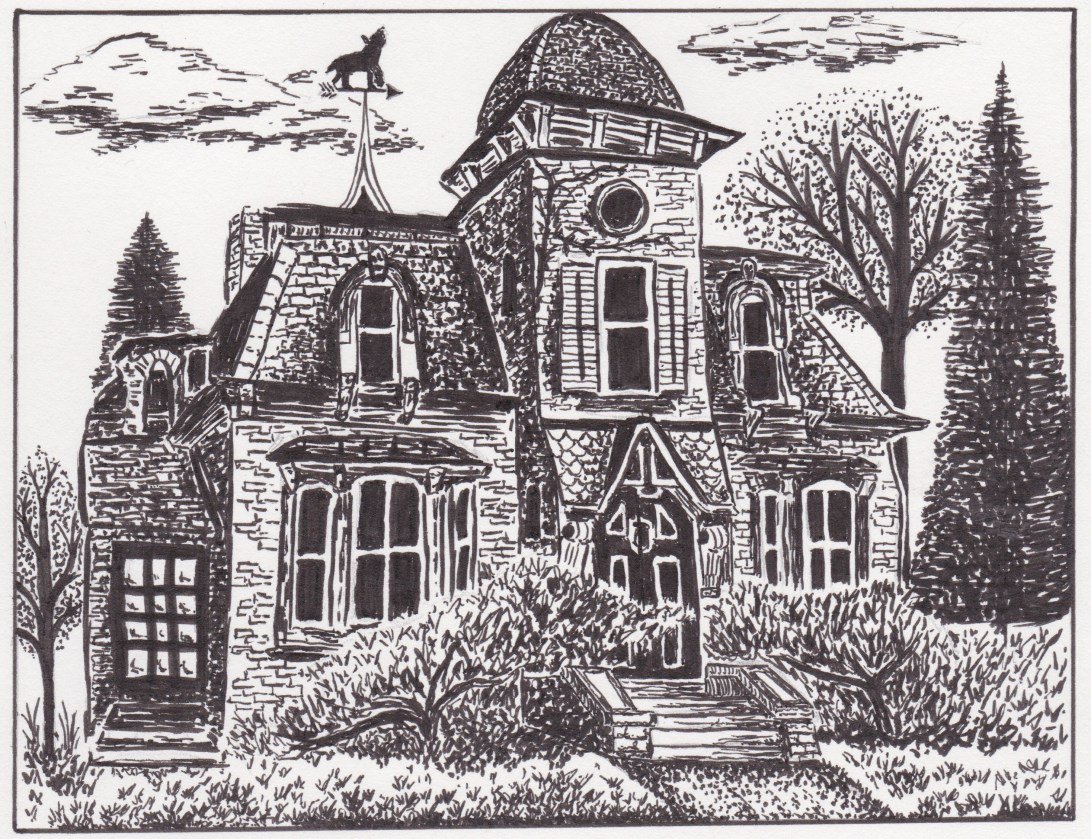
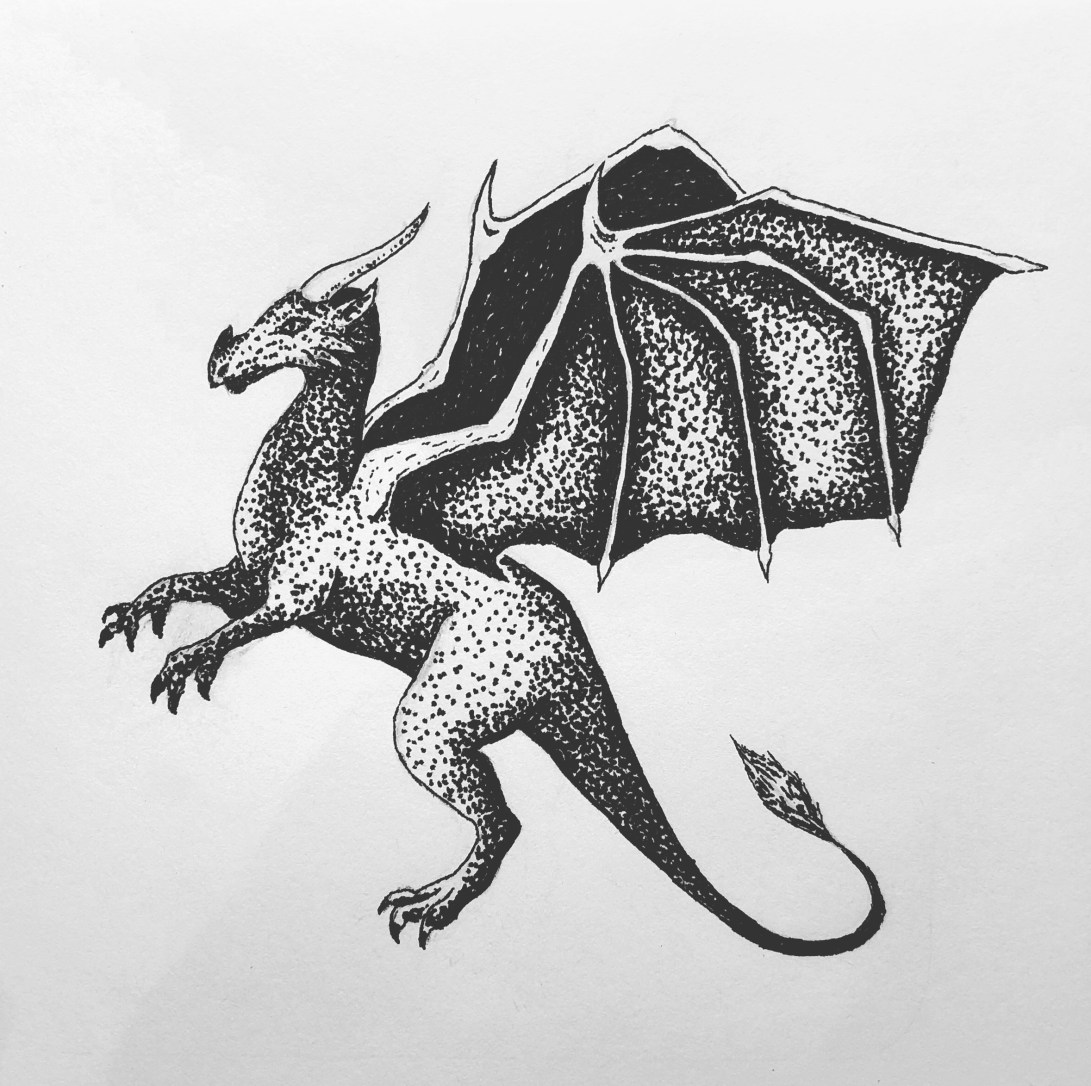
Linked to this is a new art challenge: Inktober 52. The original version was a drawing prompt for every day in October, but that sadly didn’t quite happen. Luckily for me there’s a weekly version starting in 2020 – 52 new drawings that I can add to my portfolio. The first prompt was FLIGHT so I drew a dragon with my new Faber-Castell pens I got for Christmas. I really want to stick to Inktober 52 and I can’t wait to get next week’s prompt!
C34767BE-2C12-4BF8-A468-B925793D3D36

Alas, where there’s play there has to be work. I’m feeling really optimistic about my writing moving forwards. The MA has already provided a structure for developing my work and, perhaps most importantly, trying to get paid for it. The self-led trip in April will be an important test of my ability to pitch to publications. Today I spent many hours poring over Scottish magazines and I was pleased to see that a lot of my ideas hadn’t been featured. There’s still a lot to organise, but I’m so excited to see what happens over the next few months.

Another thing I would like to do this year is establish a better work structure. I have quite a few different types of work including MA assignments, freelance pieces and personal writing, and my long to-do list was getting a little daunting. This year I’d like to try assigning a certain type of work to a specific day, so on that day I only have a few tasks to concern myself with. Blocking out time will hopefully mean I get jobs done more efficiently and make time for the things that get neglected, such as my fiction projects.

Something I certainly need to make more time for in 2020 is exercise. After a fairly consistent feast of mince pies, Yorkshire puddings and apple sauce over Christmas and the uninspiring rainy weather, my fitness has undoubtedly suffered. What’s more insulting is that my monthly gym membership still zips out of my account even when I don’t actually go… Although the idea of jogging makes me want to crawl into a ball and play possum, I want to embrace power walking and forest walking more this year.
IMG_1489
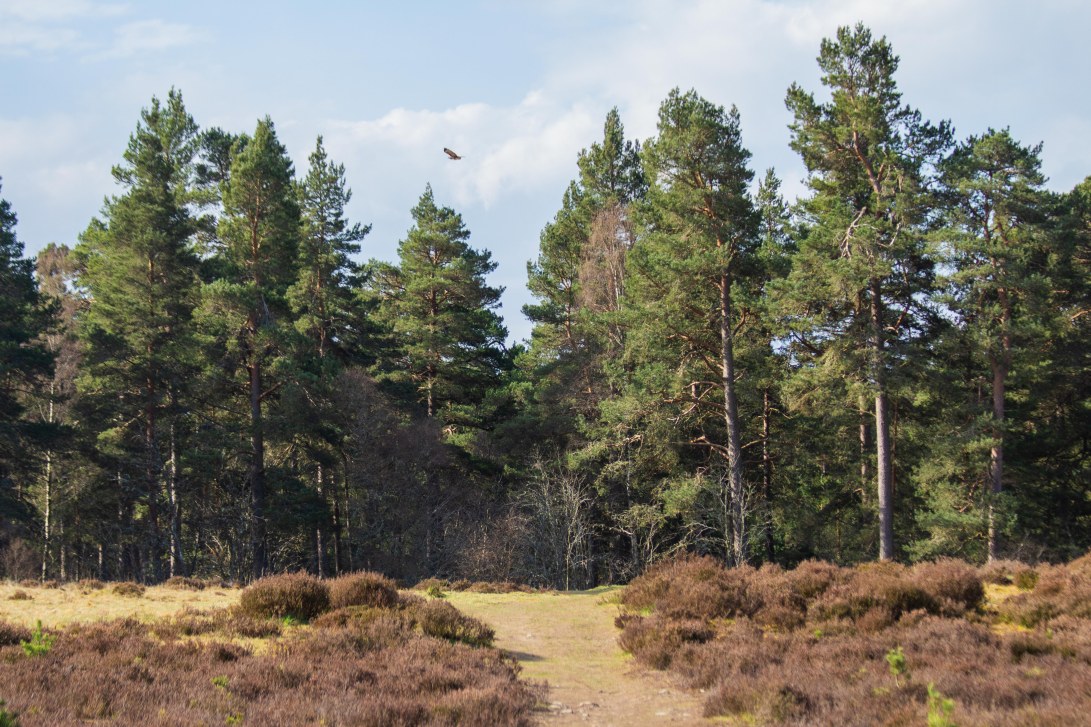
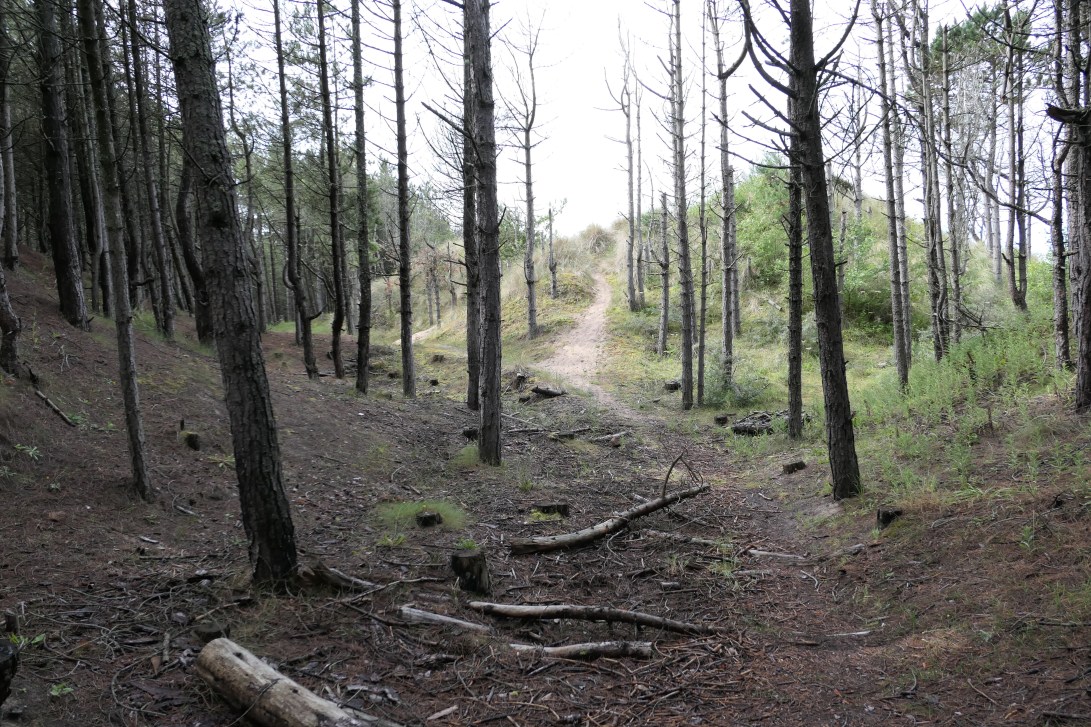
Buzzard gliding over Anagach Woods, Grantown-on-Spey

Lots to be getting on with! I’ve seen a few people choosing one word to summarise the coming year so I’ve decided that mine will be “improve”. It may sound simple but it’s what I want to do every year, whether that’s learn something new, develop a skill I’ve already been working on or change something for the better. Basically any small victory that brings me closer to my goals. I hope 2020 will bring lots of improvements!

 

2019 Wrapped Up

Christmas is here again, which means it’s time to reflect on what I’ve achieved in 2019. I still have a long way to go before I can really call myself a freelance writer, but I’m so proud of the progress I’ve made this year.

img_3859

A particularly significant event was the Grant Arms Wildlife Book Festival in April, where I travelled to the beautiful Cairngorms National Park to stay in what is undoubtedly the coolest hotel in the UK for wildlife lovers like me. I attended some fascinating talks, met many established writers and was thrilled to see my first pine marten. However, perhaps the most influential moment was meeting author Stephen Moss, who runs the MA in Travel and Nature Writing at Bath Spa University. We sat down for a chat and spoke about my work so far, and after our talk I began to think seriously about doing a masters. I was sad to leave the beautiful wilderness of Grantown-on-Spey behind, but I was also intrigued by the possibility of further study and what it could do for me.

img_3262_lively

In the summer I visited Madrid – my first solo trip to a non-English speaking country. I don’t think it occurred to me how daunting that prospect could be until I arrived and realised that my A Level Spanish was a lot rustier than I had anticipated. Nonetheless, despite the language barrier and the most intense heat I have ever experienced, I really enjoyed my stay and learnt a lot about my resilience when travelling alone. Madrid is a beautiful city that I would love to return to some day, just in a slightly cooler season! The highlight was undoubtedly the flamenco show on my last night – that experience will stay with me for a very long time.

P1000122

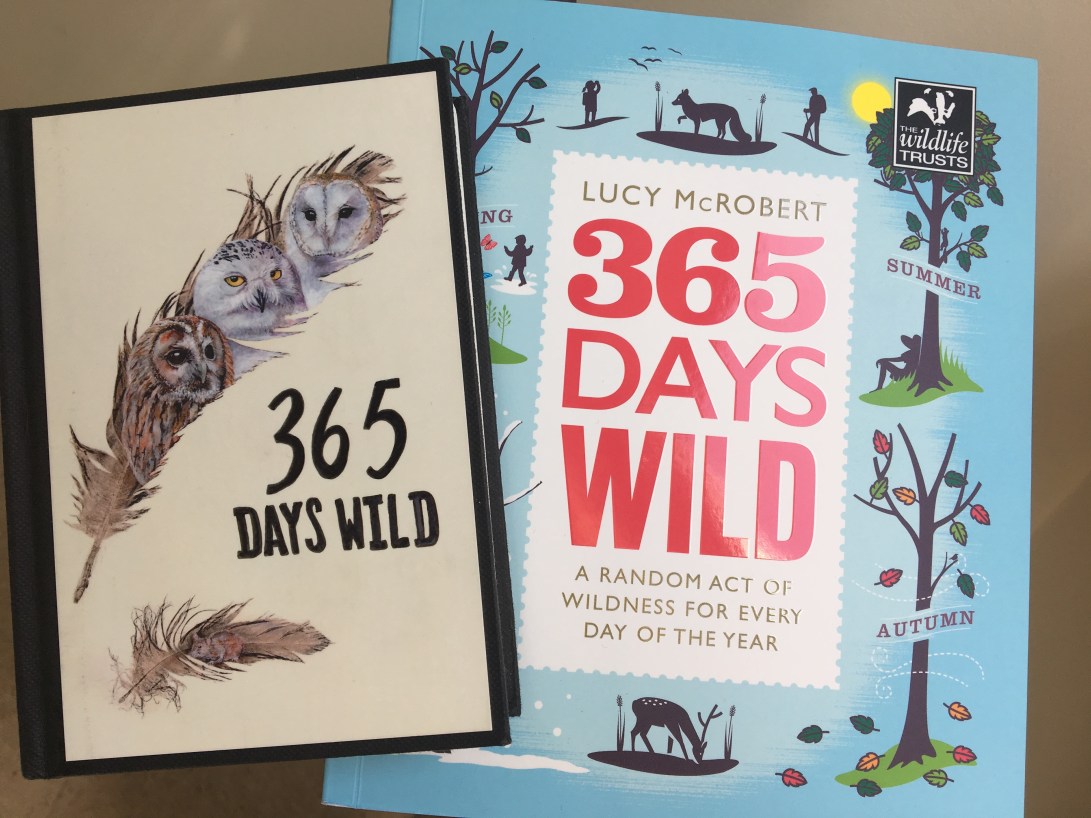
Not long after Madrid it was time to drive up to Rutland Water nature reserve for Birdfair, which has now become a yearly tradition. I caught up with good friends from uni, met the lovely Lucy McRobert and finally christened my new tent in the campsite. As always, Birdfair was a fantastic networking opportunity and I met some lovely authors and conservationists who were keen to share their advice. I also saw Stephen Moss again and bought rather too much wildlife art…

IMG_4060

September saw some more networking at the AFON conference – I’d never seen so many young naturalists in one place and I felt proud to be part of that community. During the weekend I introduced myself to author and illustrator Tiffany Francis, who is one of the loveliest people I’ve ever met. I swapped Instagrams with lots of inspiring writers and conservationists, many of whom I’ve stayed in contact with since. Events like the AFON conference are such a great way of reaching out to like-minded people and I was so happy to build my network further.

IMG_4207

In October there was a very big change: beginning the MA. The week-long residential in Corsham was a chance to meet my fellow students and be introduced to the way the degree was run. I’m sharing the year with a diverse and enthusiastic group of people and I already feel close to them after so little time. An unexpected achievement has been my rekindled love for drawing and painting, which has proven to be a great tool for inspiration. So far I have submitted two assignments for the course and have been really pleased with my results. The second term will begin in the new year and I can’t wait to tackle the next module – a trip completely organised and funded by me where I need to try and get writing commissions from professional publications. Naturally I’m apprehensive about it, but I’ve done this before with the Isles of Scilly so I know once I begin my research I’ll be away.

IMG_4272

Finally, the end of 2019 saw my first official commissions – two for Blue Sky Wildlife, two in Hertfordshire Life magazine and the completed annual report for SEZARC. The team in Florida loved what I’d done and have now asked me to make the next report for 2019, which I can’t wait to get started on. In fact, I’m excited to announce that I shall be visiting Florida again in 2020. Not only will it be a chance to see my friends and work colleagues, but also a fantastic opportunity to gather new images to use in the next report. I don’t know when it will be yet, but I’m so excited to get the details in place.

I began this year feeling a little shaky and unsure of exactly where I planned to go. I still don’t have everything figured out, but the commissions have given me a real boost of confidence. It has been great meeting other naturalists including young women like Tiffany Francis and Lucy McRobert, as well as everyone on my course who are all making amazing contributions to wildlife writing. I have a great feeling about 2020, and I can’t wait to see where I am this time next year.

Nature Journal

I can’t believe I’m already two assignments into my master’s degree. Both have been based around the theme of “Writing in the Field” – writing outside as opposed to a typical office environment. This was really useful for me, as up until now I’ve mostly written brief notes outside and then typed them up later at my desk. While this worked for jogging memories, it occurred to me that I was losing out on a lot of detail this way. Photos reminded me of things I saw, but I was glossing over other sensations such as smells, sounds and textures. By paying attention to these senses I found I could create a fuller, more immersive piece of writing that really put the reader in the field with me.

Art 10
Inspiration for a fantasy fiction piece

For my first assignment I decided to start a nature journal that I planned to take with me whenever I was out in nature. This would be the basis for my essay in the first assignment. During my research I discovered that many writers use journals to enhance their writing experience. Charles Darwin kept perhaps the most well known example during his voyages on H.M.S Beagle but there are numerous others. Author and artist John Muir Laws said that “journaling will slow you down and make you stop and look.” American author and scientist Aldo Leopold’s nature journals were so significant that the resulting essays became valuable contributions to the field of phenology – the study of seasonal natural phenomena. I also found several studies indicating that being outside is beneficial to creativity, so it made sense to do more writing outdoors!

Art 8
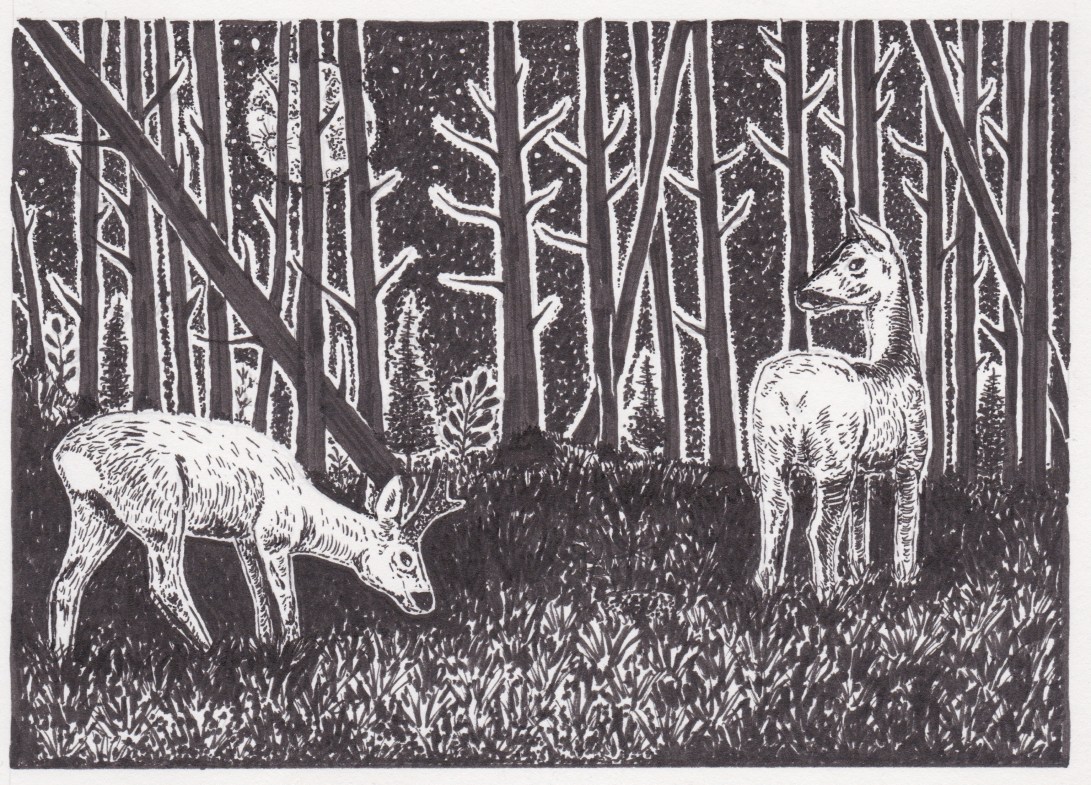
An illustration for a piece of scientific writing about roe deer

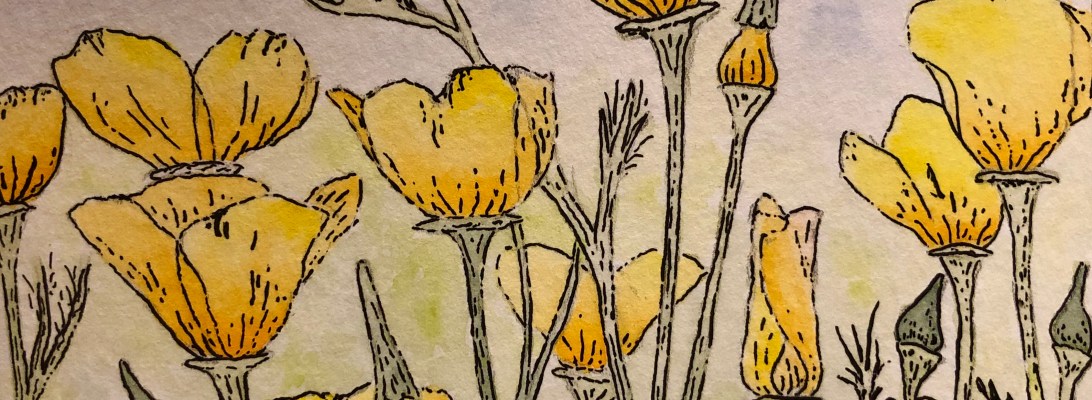
I found that my nature journal not only benefitted my writing but also enabled me to concentrate more on my art. I was keen to make the pages pretty and yearned to have a journal that would be cool enough for Pinterest. I’ve always loved drawing and painting but it’s often taken a back seat. My usual excuse is that I have no time, but over the past few weeks I’ve started to create quite a large body of work just by snatching a few minutes here and there to make a sketch. I bought a travel watercolour palette with a brush containing its own water which has been a lifesaver. Now I can pop my paints in my bag and take them anywhere, and I’ve really got on well with it so far. I deliberately bought a journal with a ring binder, so I can remove and insert the hole punched pages wherever I want them. A lot of my conventional notebooks have failed so I think having the freedom to go back and add pages in later has helped to keep the creative flow going.

Art 7
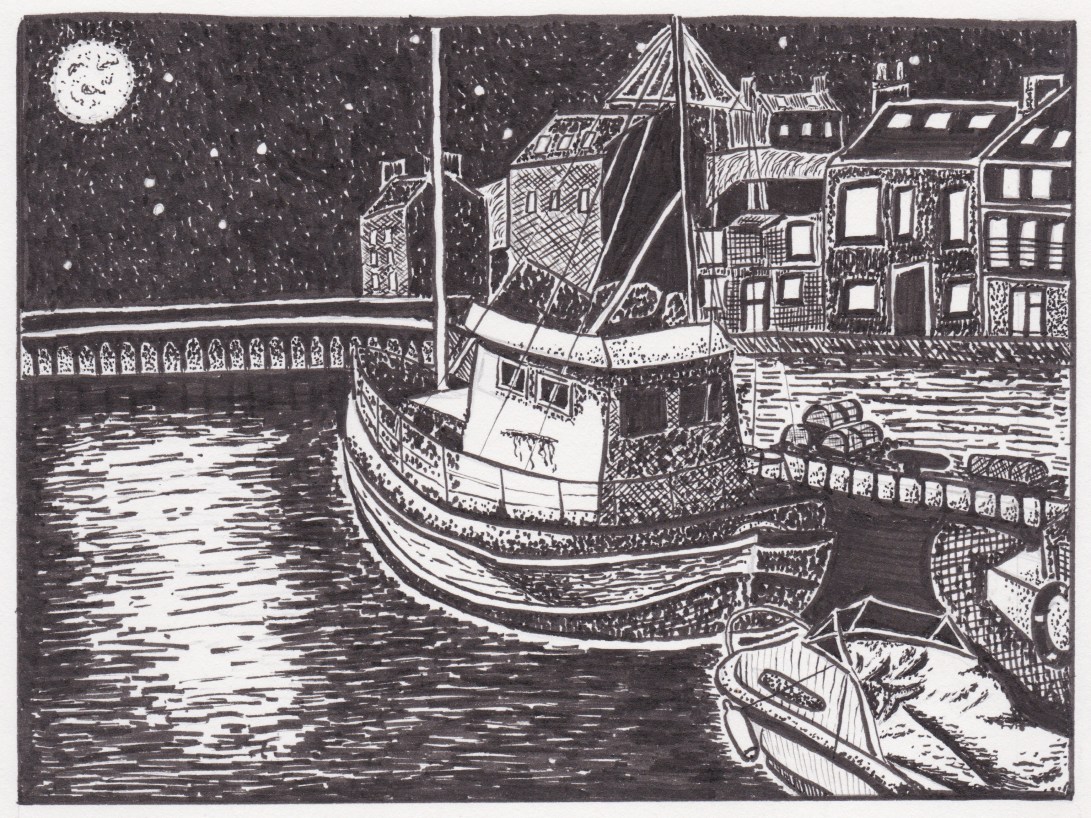
Burghead Harbour, the scene of a reflective piece about night walks

Writing and illustration go well together, so I decided to create a small drawing or painting for each piece in my second assignment – a portfolio of nature and travel writing from the field. I’ve loved setting art projects for myself again, which I haven’t done since school. Not only does it bring some variety to my writing, but it’s enhanced my observational skills by forcing me to note the fine details of my environment. I’m really looking forward to seeing how my nature journal progresses and I hope I can maintain it until the end of my course and beyond!

Art 9
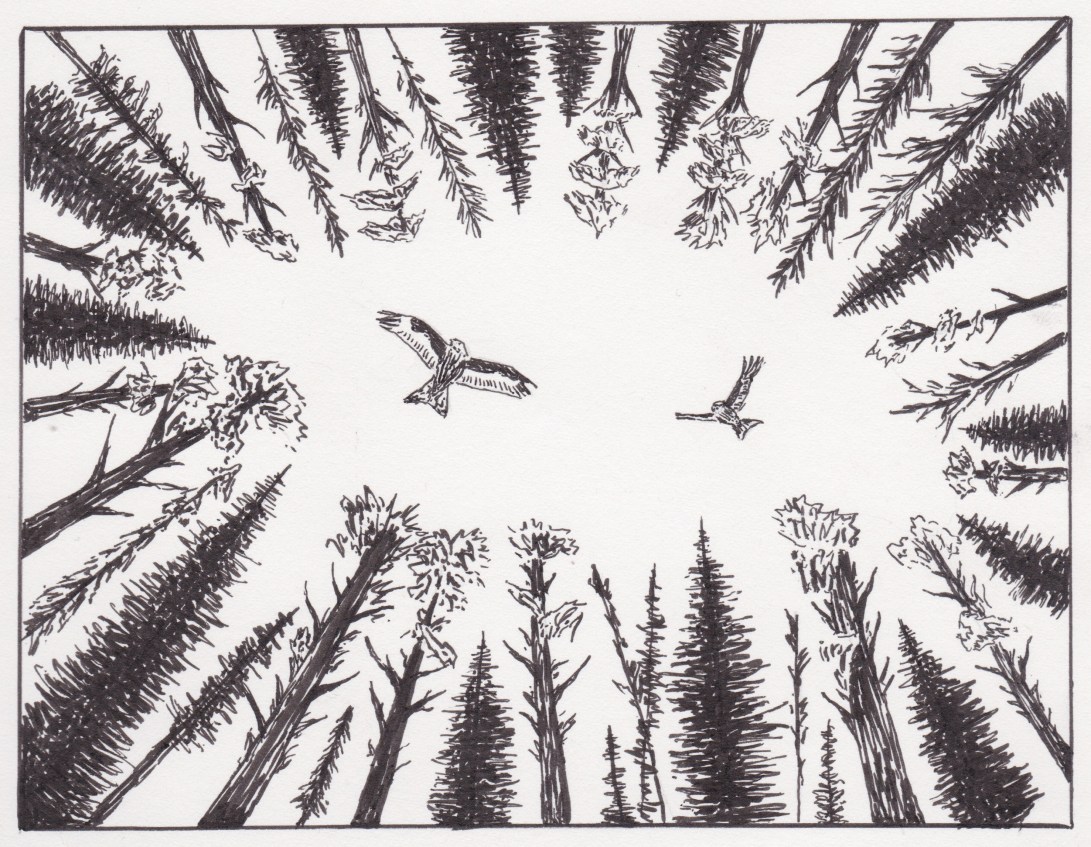
A worm’s eye view to illustrate a sci-fi fiction piece

Published!

This month I was thrilled to have an article and two photographs published in the Christmas issue of Hertfordshire Life magazine. I have started volunteering as a Communications Assistant for the Herts and Middlesex Wildlife Trust, and as part of my work I was able to write a festive article about twelve wild things to see and do at Christmas.

4) Herts Life Dec 14) Herts Life Dec 2

In the past I’ve had a few articles published on websites and a column in a local Cumbrian newspaper, but this was my first full-length article in print and I was overwhelmingly proud. Hertfordshire Life is a beautiful and professional publication, and I was so grateful to be given the chance to contribute to one of its issues.

Even more excitingly, I have submitted another article which shall be published in the next issue in a few weeks. This one will be about winter walks to banish the January Blues and I can’t wait to see it!

The British Wildlife Centre

The British Wildlife Centre (BWC) is a little pocket of countryside that combines wetland, woodland and marsh to create the ideal natural environment for around forty species native to the UK. The centre is home to birds, mammals and reptiles, some of which have been rehabilitated because of permanent injury or too much contact with humans. They range in size from harvest mice to red deer with all sorts in between. It’s a particular treat to be able to see animals native to Scotland such as the pine marten and the Scottish wildcat, the latter of which is now critically endangered.

IMG_2172
Pine marten

Five years ago, I attended one of the BWC’s photography days, which was a fantastic opportunity to practise using my new telephoto lens and get to grips with wildlife photography. Taking part in the photography day enables guests to visit the centre out of hours and get even closer to the animals. Recently I decided to return to the BWC and see what I could capture.

A lot of wildlife writers I know don’t post about captive wildlife. I can understand why – regardless of the facility it is the concept of animals in cages that they don’t agree with. However, the BWC isn’t cramming elephants into its enclosures. Conservation of British wildlife is at the forefront of their objectives and this is done primarily through education. When the centre is closed to the public, the BWC welcomes school groups and those in higher education to provide “a real natural history experience”. What I love most about the BWC is that it aims to promote greater involvement in British wildlife by giving children and students an opportunity to study native wildlife in a natural setting.


IMG_2077
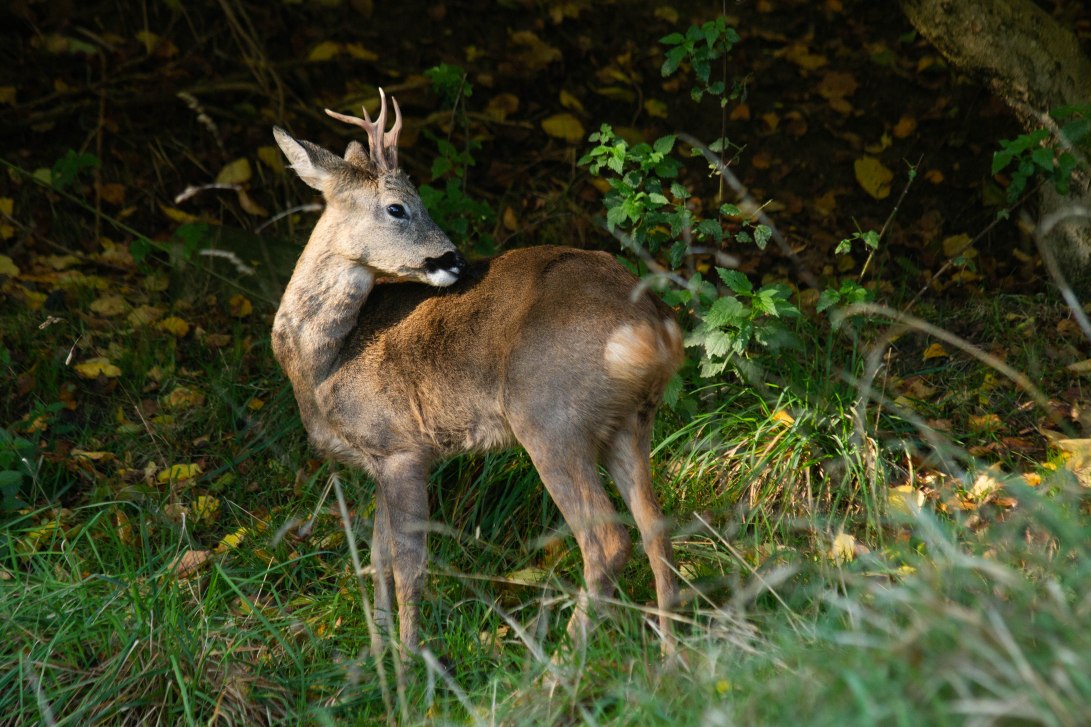
Roe buck

A particular favourite of mine was Flo the red fox. She rested with her eyelids drooping, her fur glistening fiery orange in the bright sun. She is one of the animals that has become too habituated with humans to be released, so she enjoys unlimited cuddles from the keepers. I sat down beside the fence and she got to her feet, stepping through the grass to lie down close to me. I took the chance to admire the stunning brush tail that swept around her back legs, her wet black nose and long whiskers. It was impossible to see how anyone could hate such a stunning animal. I sat with Flo for a while, the two of us basking in unnaturally hot November weather until a family with children approached and she trotted over to say hello.

IMG_2121

Escape to the Wilds

Recently I travelled up to Northumberland to visit friends from university. They are two of the busiest people I know, so I was pleased to be able to steal a few days in October to catch up and visit their local patch.

The first thing I experienced was severe house envy. Wildlife art adorned every wall; the sort of beautiful paintings and drawings that I planned to splash all over my own home some day. However, it was the bookshelf that really caught my attention. Sprawled across an entire wall and almost reaching the ceiling, it was crammed with every book on natural history you could want. Not just modern paperbacks but antiquarian hardbacks with leather bound covers and swirling gold titles. In front of every row of books was an envious selection of treasures: pinecones, gannet eggshells, roe deer antlers, pin badges, lino prints, Wade Whimsies, fossils, gemstones, lichens, miniature animal wood carvings and a beautifully preserved badger skull with its lower jaw intact. I spent ages studying everything in turn, gravitating first to the roe antlers. I have a roe buck skull of my own – one of my most prized possessions – but I still long to find dropped antlers too. It was an impressive collection of everything nature, framed by dozens of books from my wish list.

I stayed with my friends for a long weekend and managed to cram quite a lot into those few days. Heather and I visited a fantastic patch of woodland, which was home to not only red squirrels but also pine martens! I knew we probably wouldn’t catch a glimpse of one during the day, but it was still exciting to walk among trees that might be housing a sleeping marten. It was so peaceful and quiet with only faint birdsong punctuating the air. As we searched for fungi to photograph, I found a gorgeous caterpillar making its way along the fence. Later, we discovered it was a buff tip moth caterpillar.

IMG_1888

IMG_4477
Photo by Heather Devey

The next day I helped Heather with a “Mini Wildlife Adventure” that she was running for a child’s birthday party. The boy was intrigued by nature and so he and his friends spent the morning pond dipping, searching for bugs, finding badger prints and birdwatching in a hide. It was such a fantastic idea for a birthday party, and it was particularly refreshing to see that the boys had good wildlife knowledge and were genuinely excited by what they saw. Educating children about nature at a young age is the key to ensuring they continue to care about it when they grow up. Those boys would have spent hours pond dipping if we’d had the time, and it was so lovely to see.

IMG_4449
Here there be badgers

That evening Heather, Cain and I spent a peaceful last evening watching Sherlock with the fire cracking and snapping in the grate. It had been a pretty jam-packed weekend but as always, I felt inspired with a rejuvenated love for nature that always comes after a trip to northern England or Scotland. I sometimes struggle to feel that same passion at home in the south, where there are more people and noise and far fewer pine martens. I love escaping to the wilder parts of the UK and look forward to another wildlife adventure very soon.

IMG_4478
Photo by Heather Devey

New Chapter

The past fortnight has been an absolute whirlwind. I have officially begun my MA in Travel and Nature Writing at Bath Spa University, which I’ve decided to do part time over two years. The course is low residency so I shall be staying in Hertfordshire and completing most of the masters online. However, last week was my first residential which took place in Corsham, a town three miles from Chippenham, Wiltshire. The residential was designed to meet my fellow students and spend five full-on days getting used to postgraduate teaching.

IMG_4280
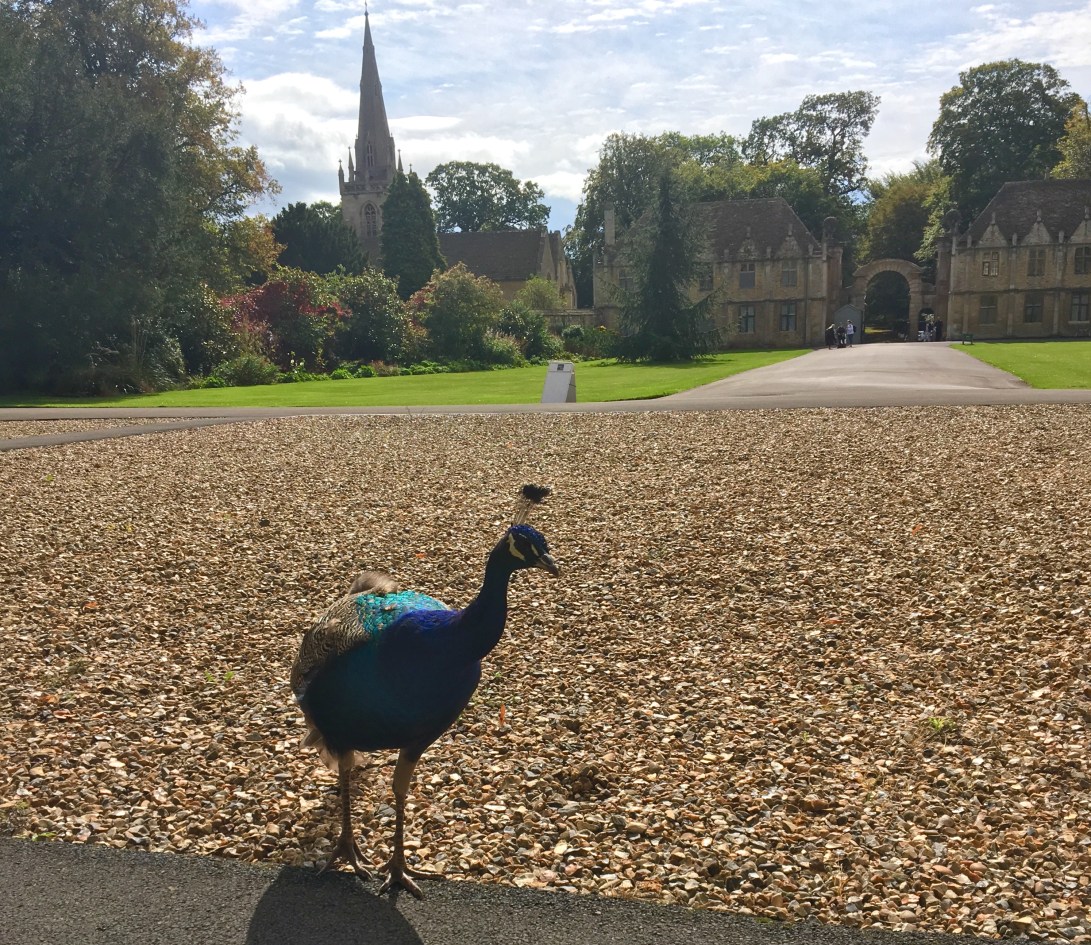
Meeting the residents

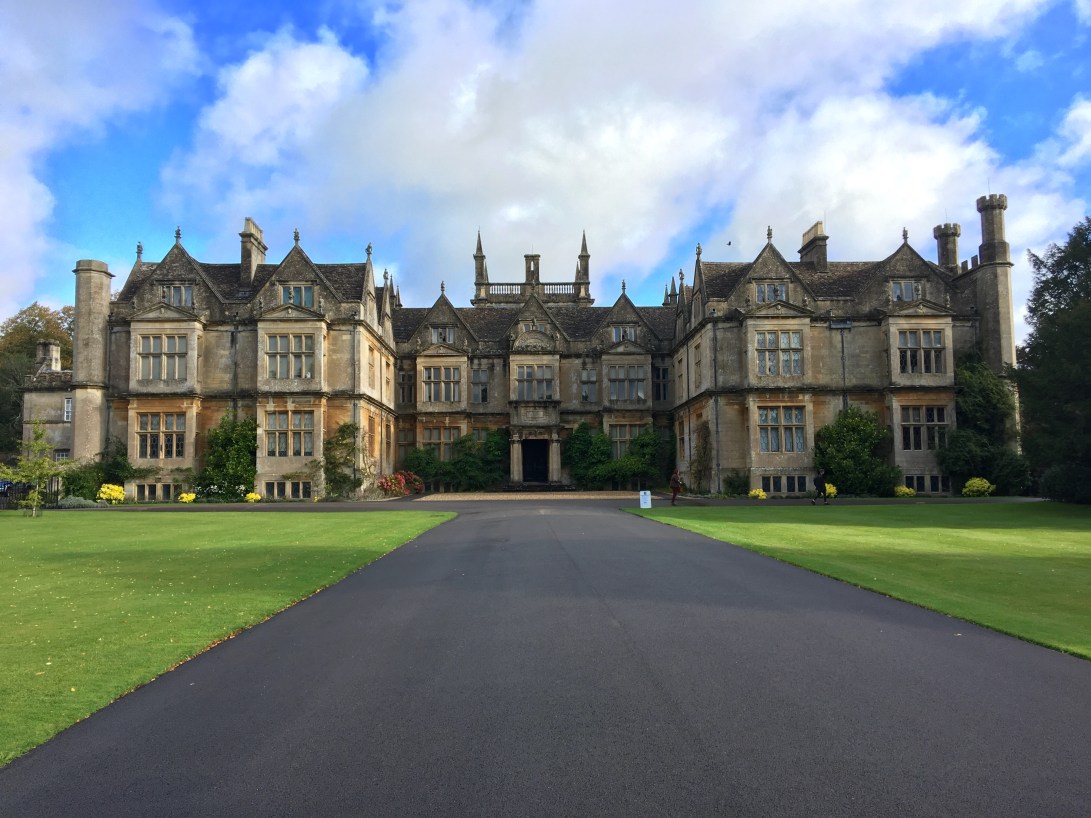
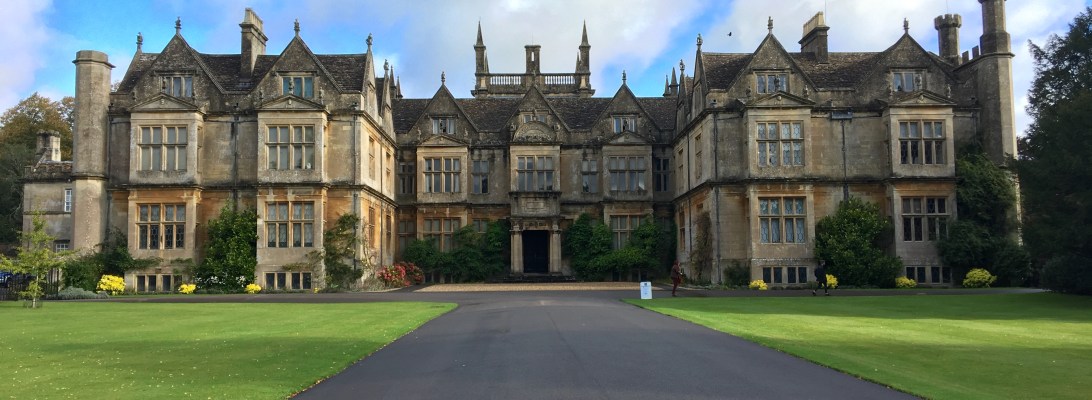
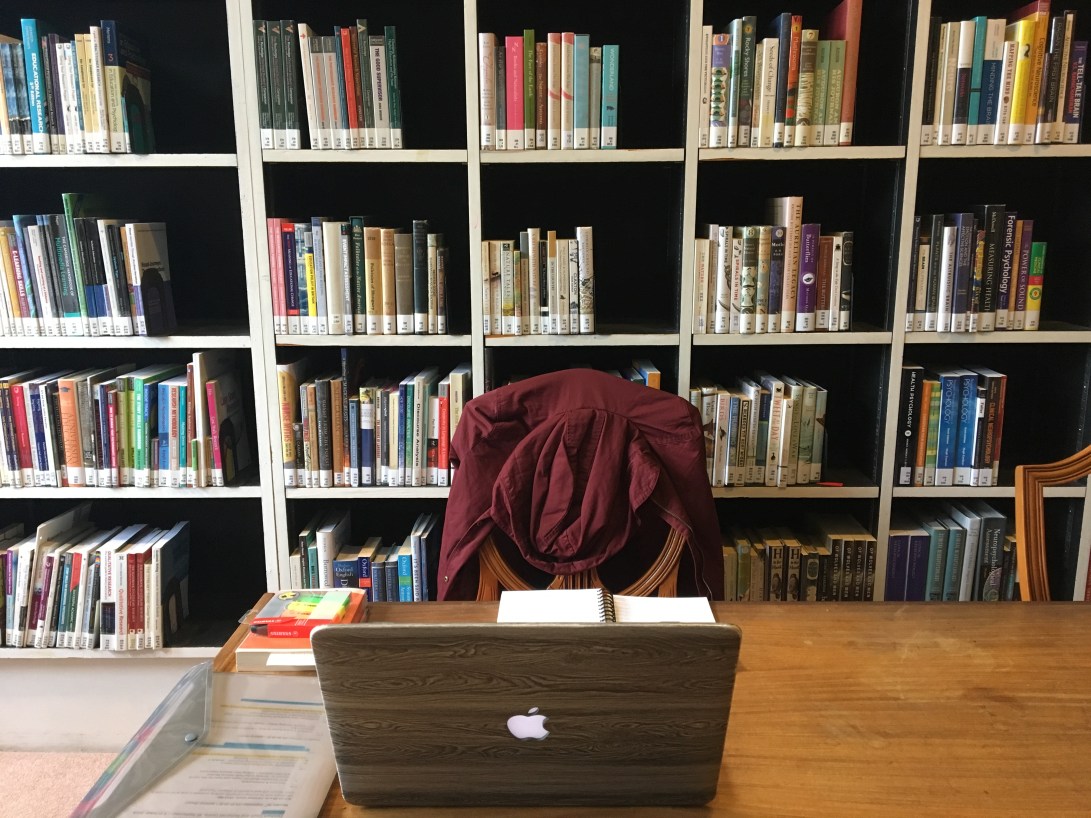
It may sound like an exaggeration but the campus was incredible. Built in 1582, the building is a stunning English country house complete with sweeping grounds and even peacocks that strut comically up and down the walls. I couldn’t help imagining moving staircases and translucent ghosts as I wandered the corridors in search of the library. Although small, its shelves are crammed with books including an enticing selection of nature writing, both old and new.

IMG_4302
Gravitating straight to the library

I am sharing this year’s course with sixteen other writers. While there is a broad range of ages and experience, all but one of us are women – an interesting contrast to the typically male-dominated world of nature writing in previous generations. Everyone is incredibly friendly and I already feel comfortable reading my work in front of them and getting great feedback in return. We were set two writing exercises this week: a piece inspired by senses other than sight and an observational piece from time spent in Corsham High Street. Description is a favourite of mine so I often explore sound, smell and touch as well as visual stimuli, but it was particularly useful to hear what everyone had written and see what details they picked up. Although writing did feature in my undergraduate degree, there was definitely more of an emphasis on visual media, so it was really useful to discover my strengths and identify what I could try next.

65fc464e-0440-4342-bb5a-c15f587296e0
A visit to Avalon Marshes in Somerset on our last day

Now I’m back in Hertfordshire and already missing the change of scenery, not to mention the time spent chatting with new, like-minded people. We will now mostly be communicating and learning via Google Hangouts until the next residential in February, but I did enjoy meeting face-to-face. I’ve never been taught online before so it will be an interesting new educational experience.

We’ve already been set our first assignment, due next month: an essay on the act of “Writing In The Field”. It will be the first time that I design my own question and I’m a little daunted by that at the moment! I’m sure that once I get reading, I’ll start generating some ideas.

My course leaders are Stephen Moss and Gail Simmons, both successful authors in their own right. I’m so happy to be learning more about the craft of writing, especially on a course tailored to nature and travel. I’ve been stuck in a slight rut this past year and was in need of a new challenge. While I still have the passion and drive, I felt like I was lacking in some of the specific skills I need to pursue a career in writing. I’m convinced that this MA will be a great step for me.

Who Am I?

I was so excited for last weekend’s A Focus On Nature’s “Now For Nature” conference at London’s Natural History Museum. Specifically aimed at 16-30 year olds, AFON is all about young people in conservation. Wildlife isn’t often popular among young people, so having the chance to meet like-minded individuals my age was a brilliant opportunity. From talks by big names such as Chris Packham and Stephen Moss to productive workshops from successful conservationists, the event was an inspiring weekend full of Conservation Optimism.

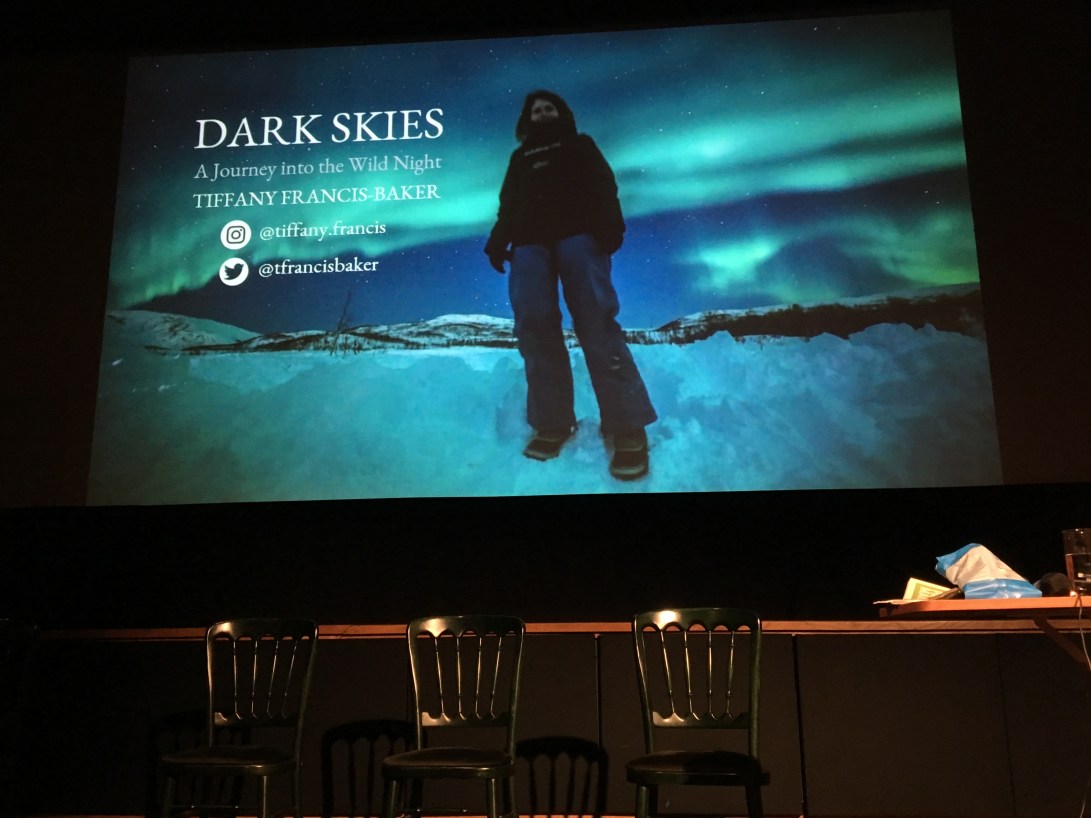
I was particularly pleased to meet Tiffany Francis. At just 27 years old, she has three books published, which is an incredible and inspiring achievement. Her big break came from AFON itself, where she wrote an article on wild foraging that was picked up by Bloomsbury and turned into a book. Tiffany went on to write her second about British goats – taken from her time working on a farm – and her latest book Dark Skies, released only last week, is about our relationship with darkness and wildlife at night. As well as writing the book, Tiffany also produced all the illustrations including the book’s front cover.

IMG_4164

Speaking to Tiffany afterwards, I discovered how approachable and open she was. We chatted like we knew each other; in fact, when I gave her business card she said, “Oh you’re rebeccaonthewing!” which was a fantastic feeling.

I told her about the trouble I’ve had finding a specific identity in my writing and establishing a niche without cutting myself off from other readers. I also suffer from overthinking, which ends up being a real obstacle that stops me from writing. One thing I’d like to try is free writing, where I just sit and let thoughts pour onto the page. I’m hoping that not only will this lessen the inhibiting effect of overthinking but it will also generate new ideas. I’ve learnt that getting hung up about writing means you don’t write.

Tiffany’s reply was that I should just write what I enjoy writing. For a while she had conflicting ideas about her own professional identity. Was she a writer or illustrator? At the time she felt she couldn’t be both, which made filling out social media bios a real trial.

She later realised that she didn’t have to label herself as anything. She was a “creative”, which could mean writer, artist, public speaker and a whole range of other things. I’ve experienced this too, deliberating over “writer” and “photographer”, and although they’re not my greatest strengths, I also love painting and drawing which ties in nicely with nature writing as Tiffany has proven. I’ve come to realise that all these skills come together to form my identity as a “creative” and it is constantly changing and adapting. It doesn’t need to fit in a bio box. Tiffany said all that’s important about your work is it pays the bills, makes you happy and makes a difference. While the first may take a while, I can continue with the second and strive for the third.

IMG_4163

A Bird in the Hand

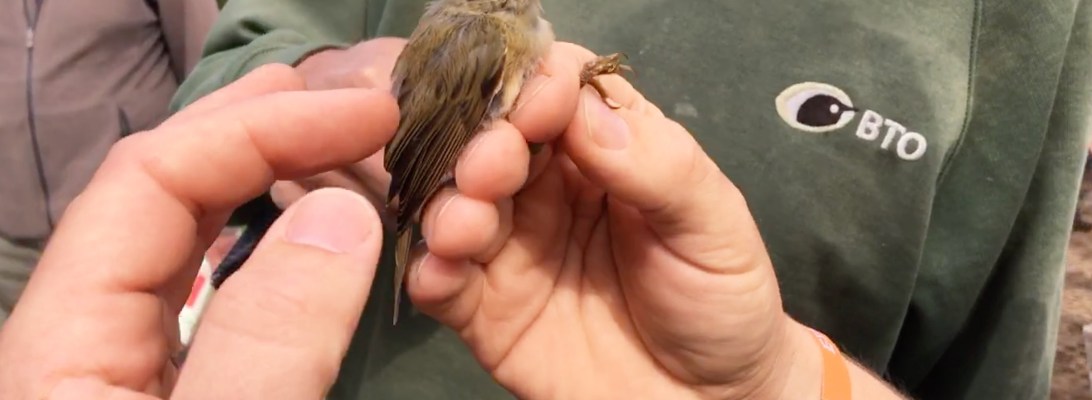
On the last day of Birdfair, I was keen to escape the bustle and crowds of the marquees and explore the surrounding reserve. On my way out to one of Rutland Water’s many hides, I was drawn to a small crowd gathered around the BTO bird ringing tent, where a demonstration was in full swing. As I got closer, I saw two chiffchaffs poking their tiny heads out of the ringers’ gentle hands. One was a mature adult with smart plumage; the other was a scruffy juvenile, two thirds of the size of its companion. The ringers held out the birds’ wings, displaying a delicate and powerful fan of primary feathers. Both chiffchaffs sat still and quiet in the hand – if it hadn’t been for their blinking beady eyes they could have easily been mistaken for taxidermy specimens.

After all the measurements had been taken, the ringers asked for two volunteers to release the birds. To my surprise only two hands went up, one of which was mine, so I followed the ringer to an open spot away from the marquee. He told me to hold my hand in a loose claw then he gently placed the juvenile chiffchaff into my palm, its tiny head nestled between my index and middle finger. I closed my hand slowly and the bird wriggled. I couldn’t believe I was holding something alive and yet so small. Its body was warm and unbelievably soft. Carefully, I put the hand holding the chiffchaff down onto my other open palm and slowly released. For a moment the bird rested there and then launched itself into the air, disappearing almost immediately over the trees.

I felt what could only be described as a surge of pure joy as I released the chiffchaff back into the wild. It was a real Snow White moment and in that fraction of time I felt exceptionally close to nature. Getting to hold such a tiny and wild thing in my hand was such a privilege. As I made my way to the hide I noticed there was a minuscule downy feather stuck to the tip of my finger and I quickly stashed it in my phone case. Wherever that chiffchaff wandered now, I had a small piece of it with me.