I’ve recently returned from an amazing holiday in Fife with my family. I say holiday… I ended up working throughout, but in my defence it was the perfect opportunity to do some research for an upcoming project that I have to keep under my hat for now!
We’ve been holidaying in this particular cottage for the past 18 years, and I was both a lot shorter and nowhere near as bird savvy the first time we visited. Everything always stays exactly the same, prompting endless nostalgia and happy memories. The big difference this time was my 92-year-old nan came too, and being able to show her the place that’s become so special to us was such a treat.
Monster Truck on St Andrews Beach!
Naturally, I was out and about watching wildlife. Butterfly Conservation hosted an open day at Tentsmuir during our stay and I leapt at the chance to explore the site with a knowledgeable guide. During the walk I saw my first grayling, and was stunned by how effective their camouflage is.
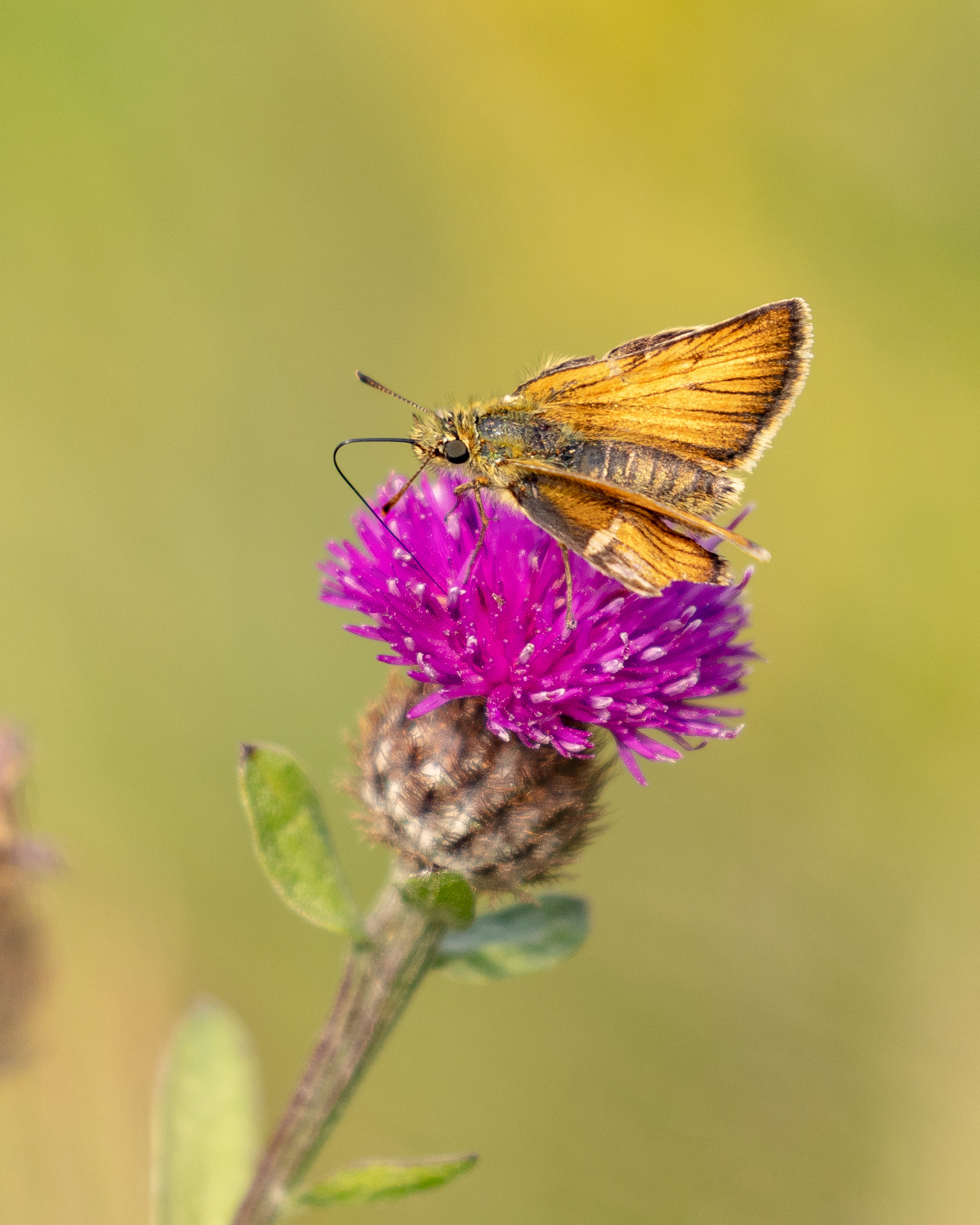
A visit to Edinburgh, one of my favourite cities, was a must. Again, I was there in search of butterflies, and I met up with a wonderful volunteer who showed me around Holyrood Park. We found two graylings and plenty of small skippers, and after parting ways I couldn’t help being a tourist and hiking up Arthur’s Seat for the first time.
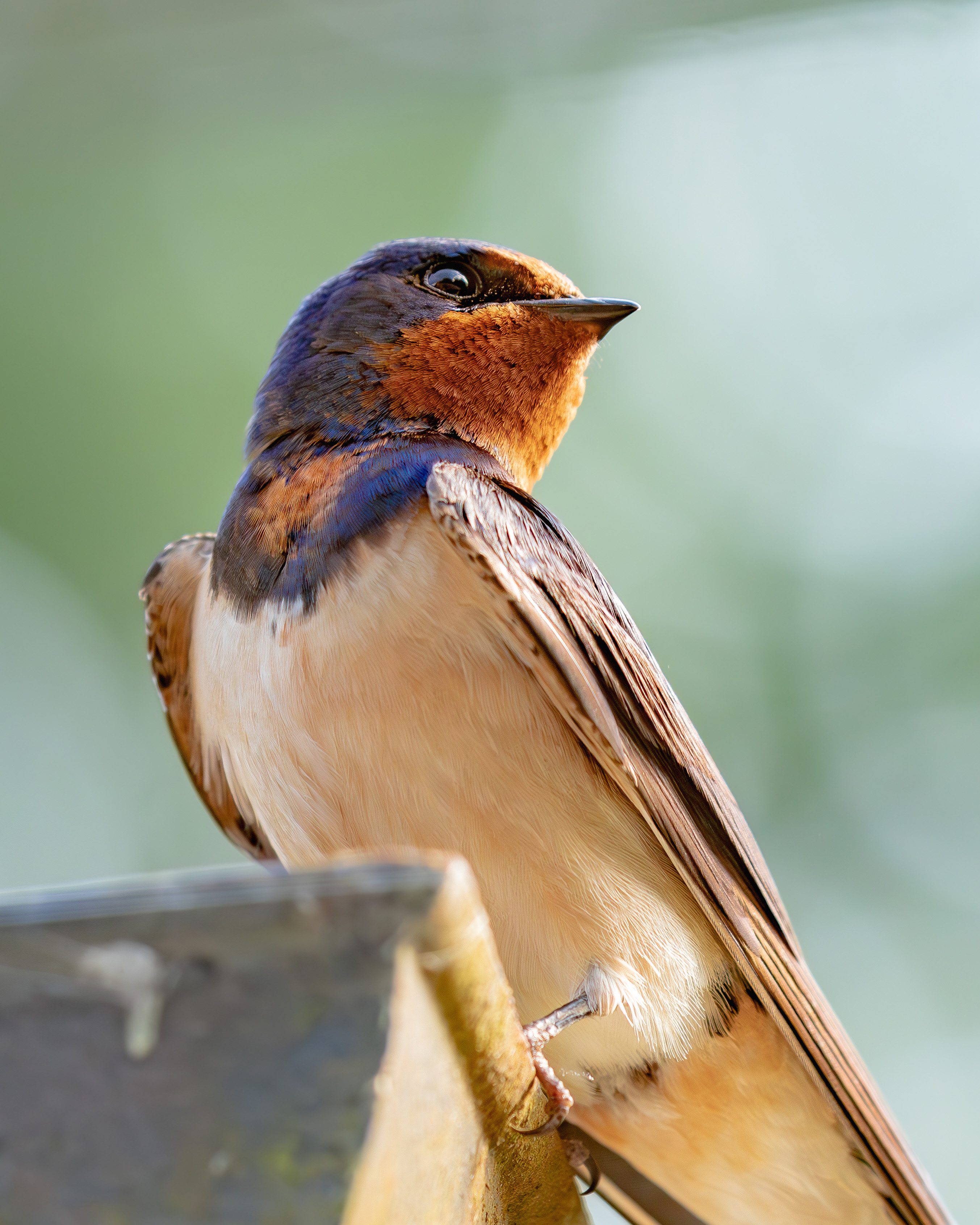
I also indulged in lazy birdwatching from the house. Each morning a group of swallows swept around the cottage and perched on the drainpipe, just inches from the kitchen window. I usually only see swallows as distant specks in the sky, so it was fantastic to get such close-up views from the comfort of a plush armchair.
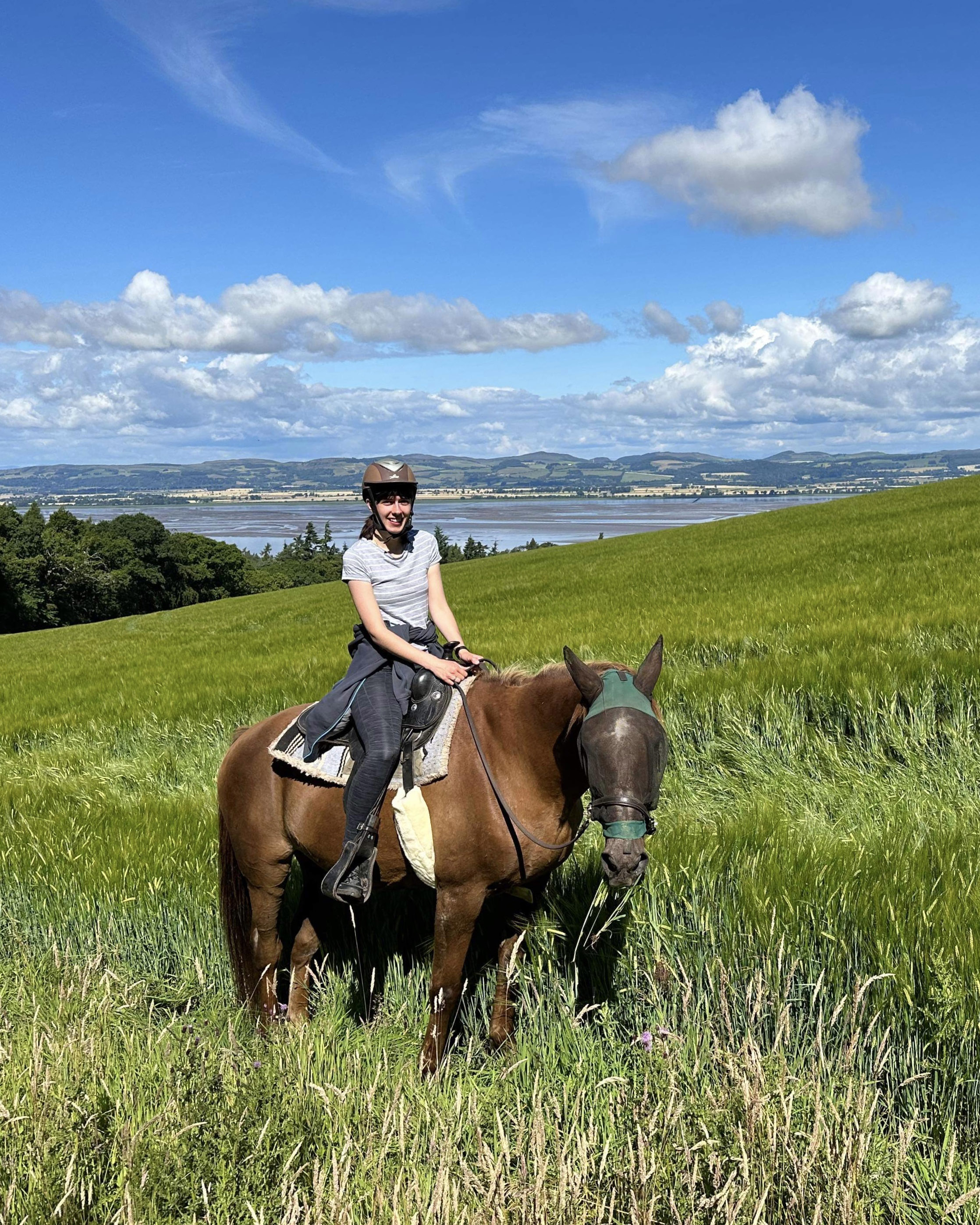
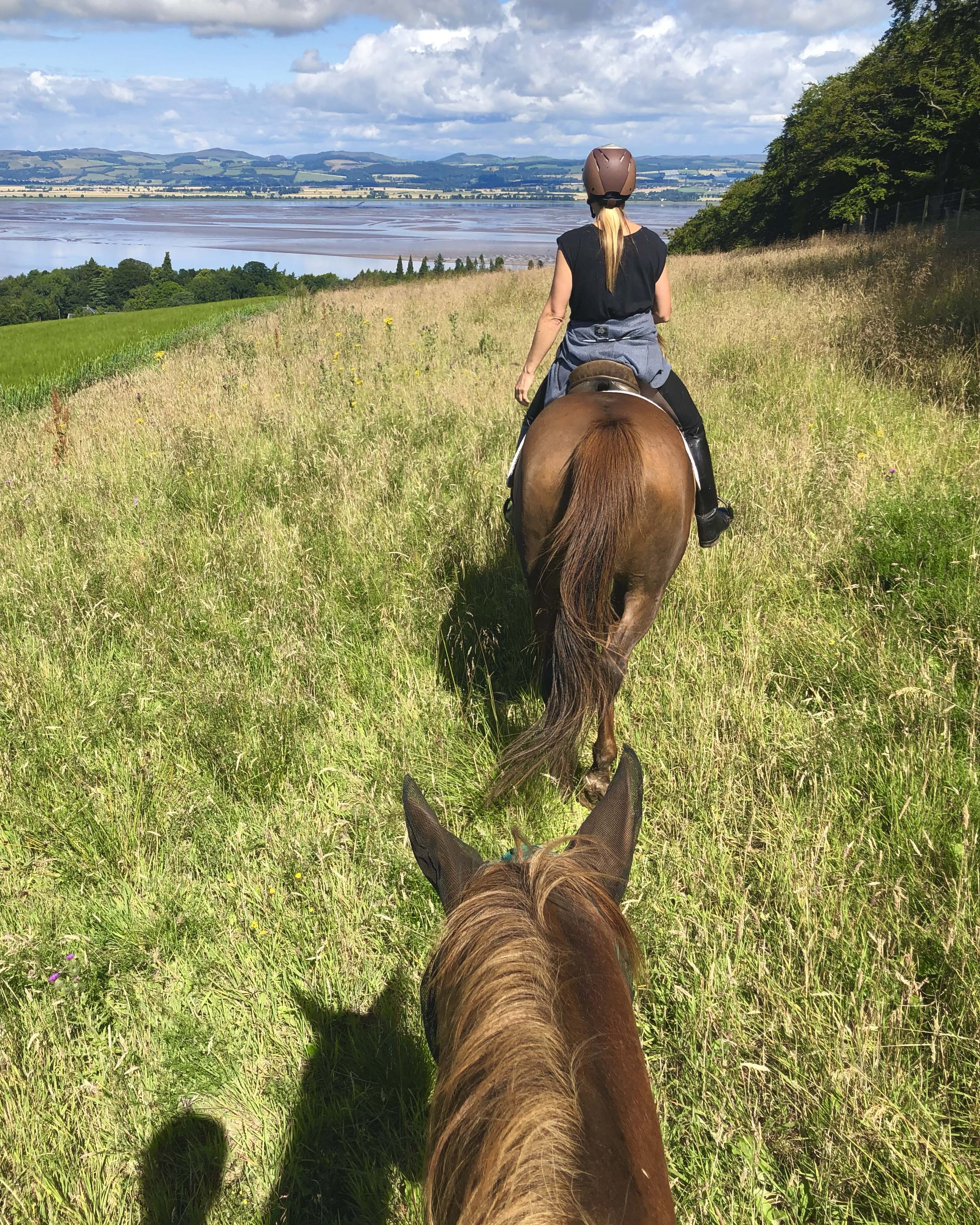
Finally I met up with my friend Kirstin, who happens to live down the road from the cottage. We took her gorgeous ponies on a hack and wandered through woodland and open fields, finishing with a splash in the River Tay. I hadn’t ridden since I was a child and it was so special to explore nature on horseback.
Nothing like a change of scenery and new wildlife sites to kickstart my inspiration again!
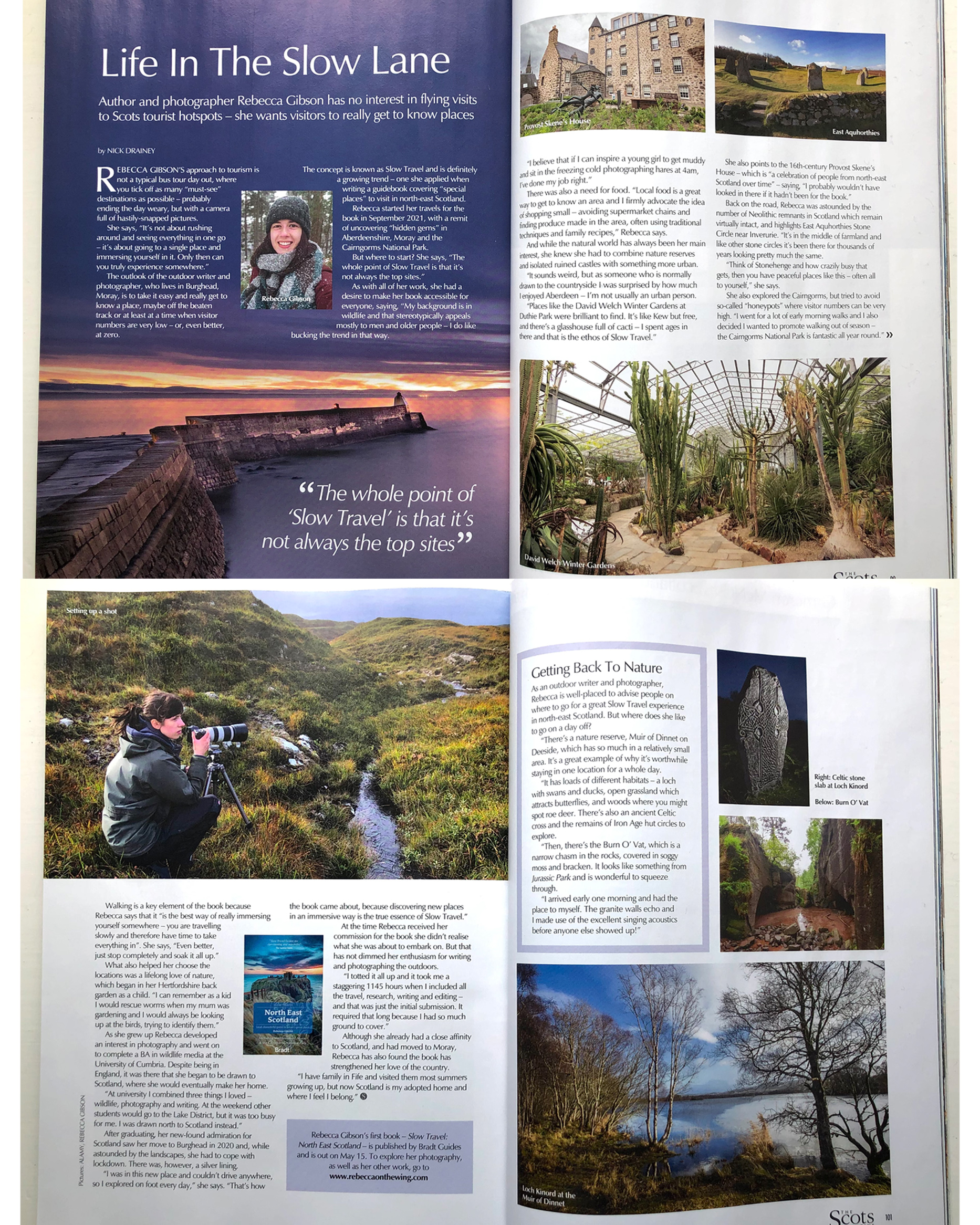
My book will be published one month today, and I can’t believe I’m writing this but there are two double page spreads about it in the latest issue of The Scots Magazine!
At the end of last year I was interviewed by journalist and outdoor enthusiast Nick Drainey. Although our main topic was my book, we had a great chat about Scottish walking, nature and travel in general.
I loved having the opportunity to talk about Slow travel and my experience writing the guide, but it was also really special to reflect on where my love of Scotland began. I think Nick’s done a wonderful job and I’m proud to be a small part of such a great Scottish publication.
‘Slow Travel: North East Scotland’ is out 15th May
Extending from Moray’s western border near Nairn, along the Moray Firth and all the way around the right-angled wedge of Aberdeenshire, the North East coast of Scotland covers over 200 miles of coastline. Read on for my top five beaches along this stretch, from west to east, where you can spend the day foraging for shells, watching wildlife or just soaking it all in.
FINDHORN
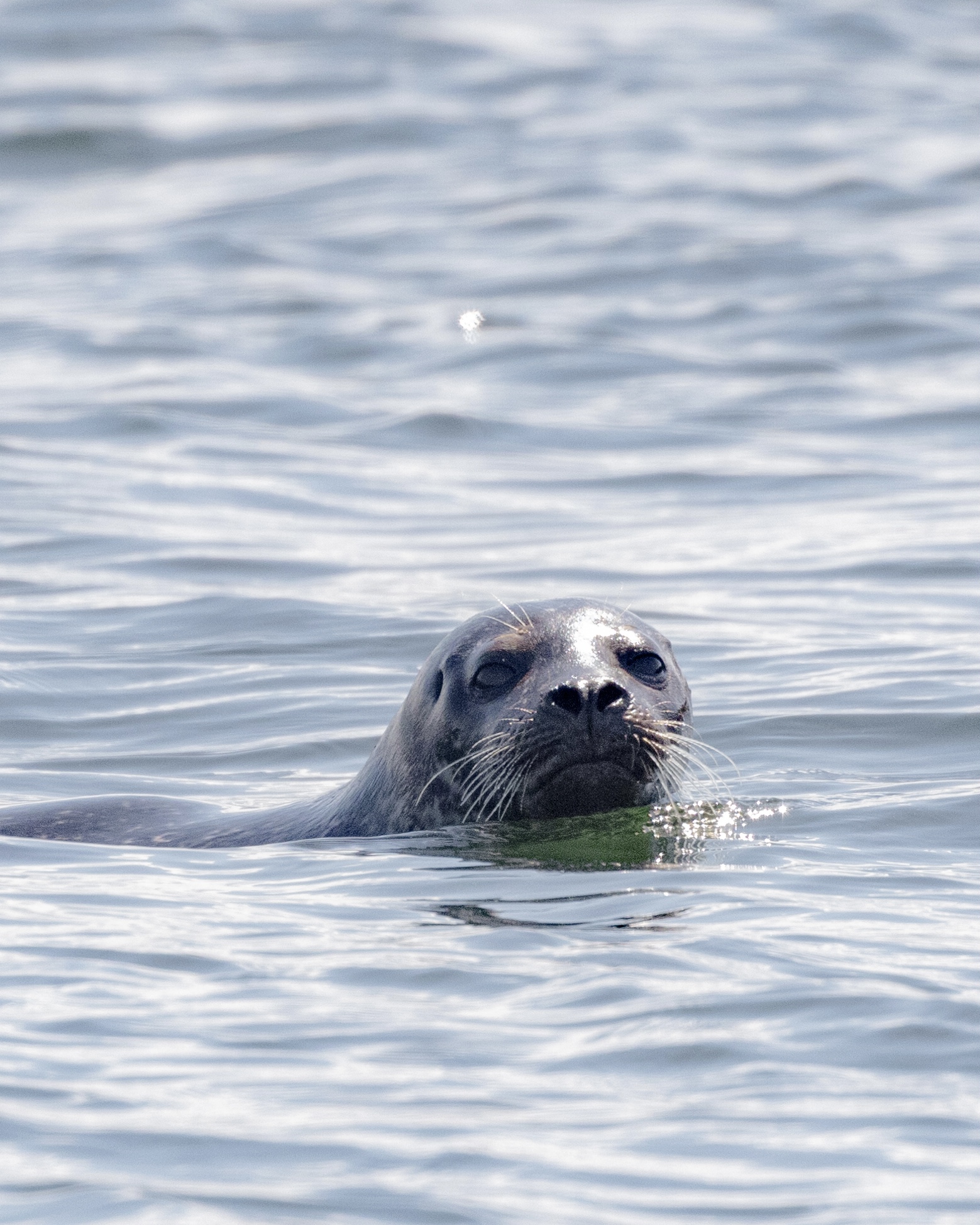
Findhorn has a beach of two halves. Surf down a steep shingle bank onto an expanse of fine sand, revealed at low tide. The bay here is known for its seals – depending on the tide they might be hauled out on the beach (if so then keep your distance) or bobbing in the shallows.
Covesea
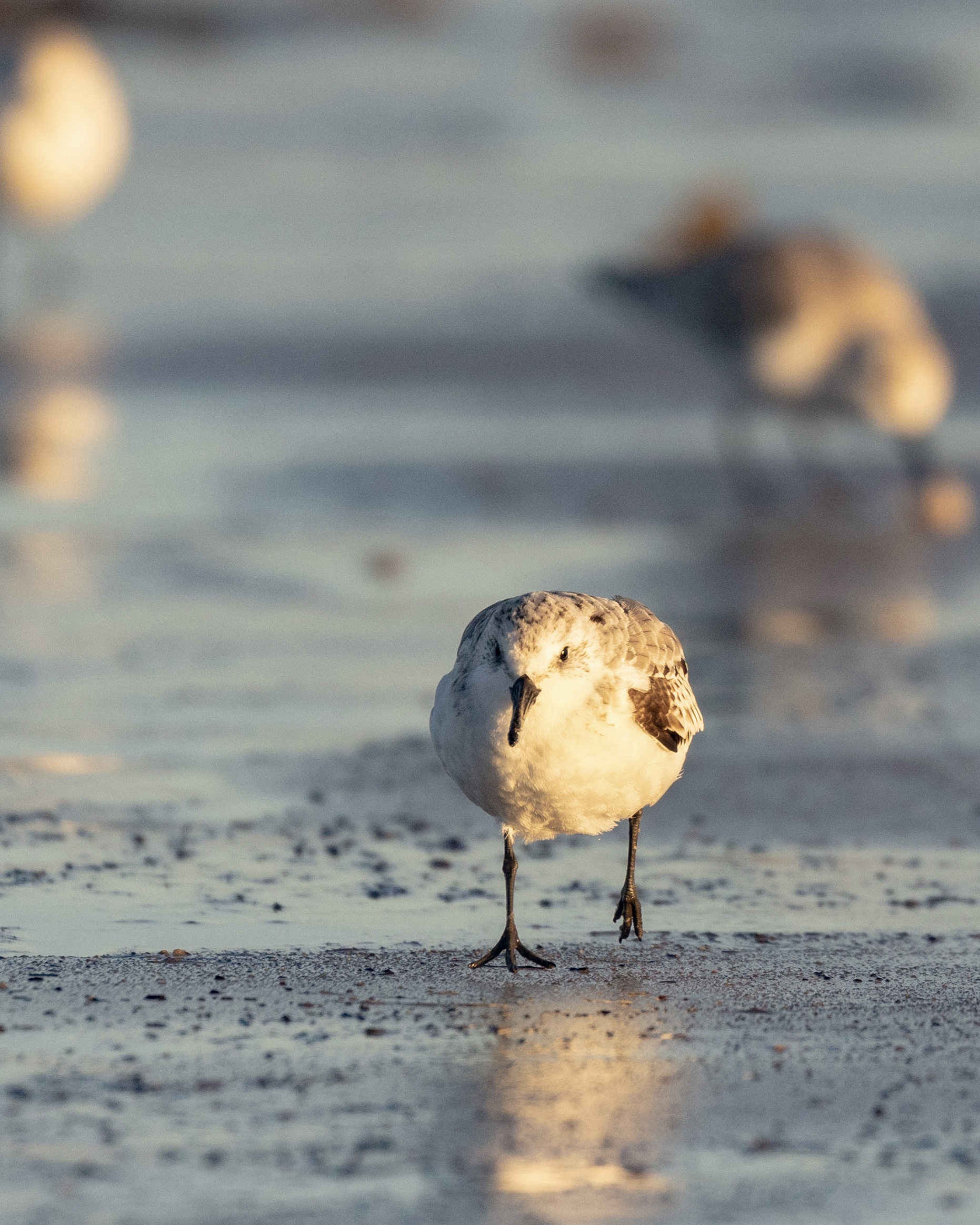
At the foot of Covesea Lighthouse is another sandy beach, running to nearby Lossiemouth. As the tide recedes on quiet winter days, you might see sanderlings feeding here. They move in sudden bursts like a breeze has swept them up.
Sunnyside
A lesser-known spot, Sunnyside is close to the ruin of Findlater Castle. Perch on the hip-high bank or roll your trousers up and explore the rockpools that collect among the geometric rock formations.
St Combs
The fishing village of St Combs, five miles southeast of Fraserburgh, has a curved beach facing east, making it a good sunrise location. The sand is the colour of Biscoff even on an overcast day, threaded with narrow water channels trickling into the bay.
Forvie
Forvie National Nature Reserve is 13 miles north of Aberdeen and famous for its magnificent shifting sand dunes. Watch seals and a variety of birds on the River Ythan or venture north along the beach and join walking trails through mixed heather and marram grass.
Yesterday I attended a conference in Kingussie, down in the Cairngorms National Park, about Scottish community tourism. It was hosted by SCOTO, a collaborative group of community tourism enterprises from all over Scotland.
One of my favourite speakers was Calum Maclean – a presenter, writer and Gaelic language activist who’s probably best known for his wild swimming. He’s just been voted the most influential Scot on TikTok, surpassing the likes of Lewis Capaldi.
What resonated with me about Calum was his enthusiasm. He spoke about ‘the power of localness’ and exploring past the obvious to get a deeper understanding of the places we visit. He also said to go ‘beyond the guidebooks’ that tend to gloss over the juicy, undiscovered places you’d only know about if you were a local, in favour of overpopulated tourist hotspots.
After his talk, I chatted with Calum about my Slow guide and how it was important to me to write a guidebook that included some of those undiscovered locations. I had the privilege of meeting lots of local people during my research and travels, and their contributions have made my book far richer. To reinforce the importance of this kind of immersive travel even more, Slow Travel is the theme for May in VisitScotland’s 2023 marketing calendar – impeccable timing for the release of my book that same month!
Recently, there’s been a surge in awareness of ‘sustainable tourism’. Initially that might make you think of the environment, and how visitors should respect wildlife and wild places while travelling. This is essential of course, but the sustainable mindset also relates to people. Supporting independent businesses instead of big chains, and making an effort to learn the heritage of new places as well as appreciate their beauty, are just as important as being mindful of campfires and taking your litter home.
Again, these are things that a good Slow guide should cover, and I consciously shopped small while I was travelling for my book, discovering fantastic small businesses that gave the places I visited even more colour.
Another excellent speaker at the conference was Scotland blogger, itinerary consultant and podcast host Kathi Kamleitner. Like Calum, Kathi’s passion was infectious and she spoke about connection as an emotional benefit of tourism. This connection can be with those you travel with, those you meet while travelling, and also with yourself.
Currently, one of the biggest travel trends is an interest in ‘localism and authentic experiences’. This links to the ‘staycation’ idea, which became even more prevalent during the pandemic. It was reassuring to see that my book links to this trend – I’ve highlighted many local people and hopefully conveyed enough immersive detail in my descriptions of lochs, forests, castles and distilleries to inspire these memorable and authentic experiences that visitors are looking for.
I’m a huge advocate of Scotland as a travel destination and clearly so is Kathi, who launched her business Watch Me See to help other people discover and fall in love with Scotland just like we both did. I’m always looking to connect with other solo female travellers and it was so lovely to hear Kathi’s perspective.
March is Scottish Tourism Month, so the conference was well-timed. It was a whirlwind of conversations and ideas, not to mention a shock to my system after several years of professional interaction exclusively via Zoom! I left feeling inspired and even more excited about the release of my book, having reaffirmed my belief that Slow is the way to go.
Although I’m so happy to be back in Scotland, I can’t help missing Norway. Obviously the humpback whales and orcas were the highlight, but the northern lights, eagles, sunsets and even the cold were all so special too. There are already whispers about going again in 2021, but for now I’m still reminiscing over the incredible sightings I had during my trip this month.
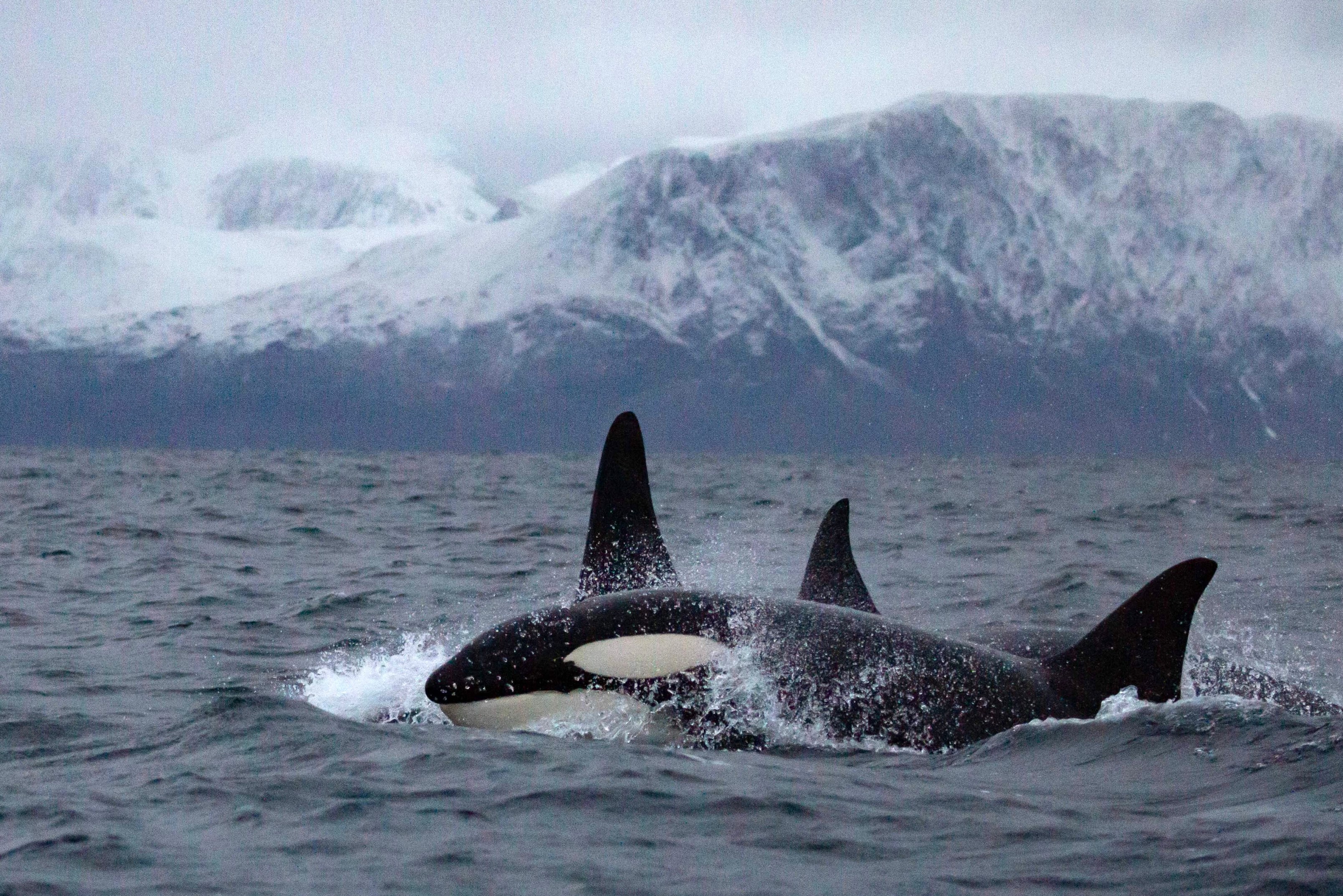
If you’d asked me a month ago if I thought I’d be this close to wild orcas, I’d have replied with a straight no way. But somehow this is what happened. Within ten minutes of leaving the harbour we were surrounded by orcas. We kept our distance of course, but there’s no rule against orcas approaching boats and that’s exactly what they did. A pod of males, females and even calves cruised tightly alongside us. As much as I was itching to take photos of the entire encounter, I forced myself to glance over my camera too because I couldn’t quite believe what I was seeing.
“BREACH!”
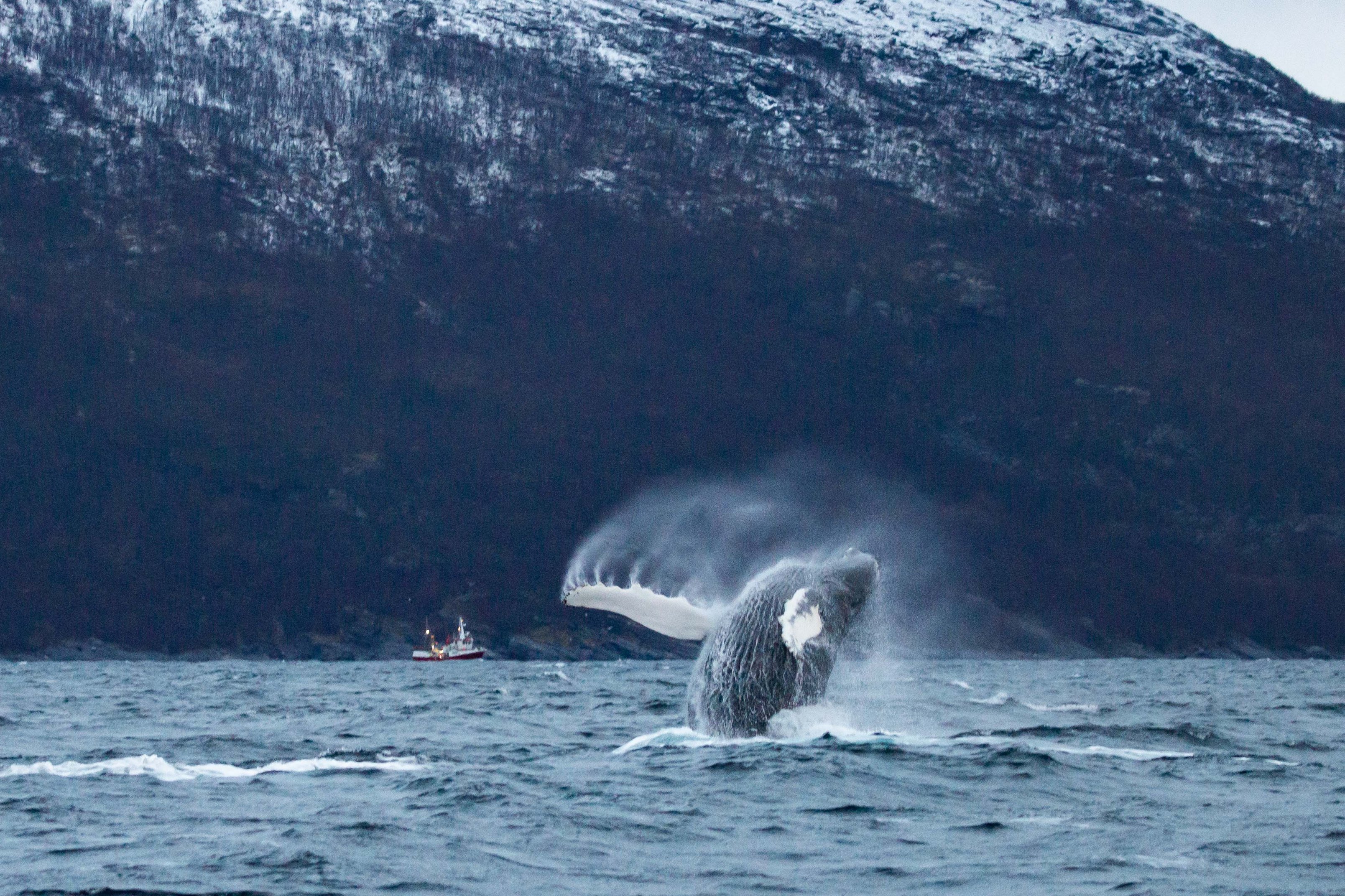
It’s the word every whale watcher wants to hear. On our fourth day on the boat one of our group screamed and pointed. I ducked below the cabin and glanced through the window to see a white splash as large as a circus top. Humpback whales often breach more than once so I darted around to the other side of the boat and lifted my camera, finger poised on the shutter. Seconds later the whale leapt again, flipping in mid-air from its front onto its back. I shrieked into my viewfinder as water streamed off the whale’s huge pectoral fins. The sound of the whale hitting the water was like a thunderclap. Seeing a forty ton animal erupting into the air like that left me with my jaw on the floor!
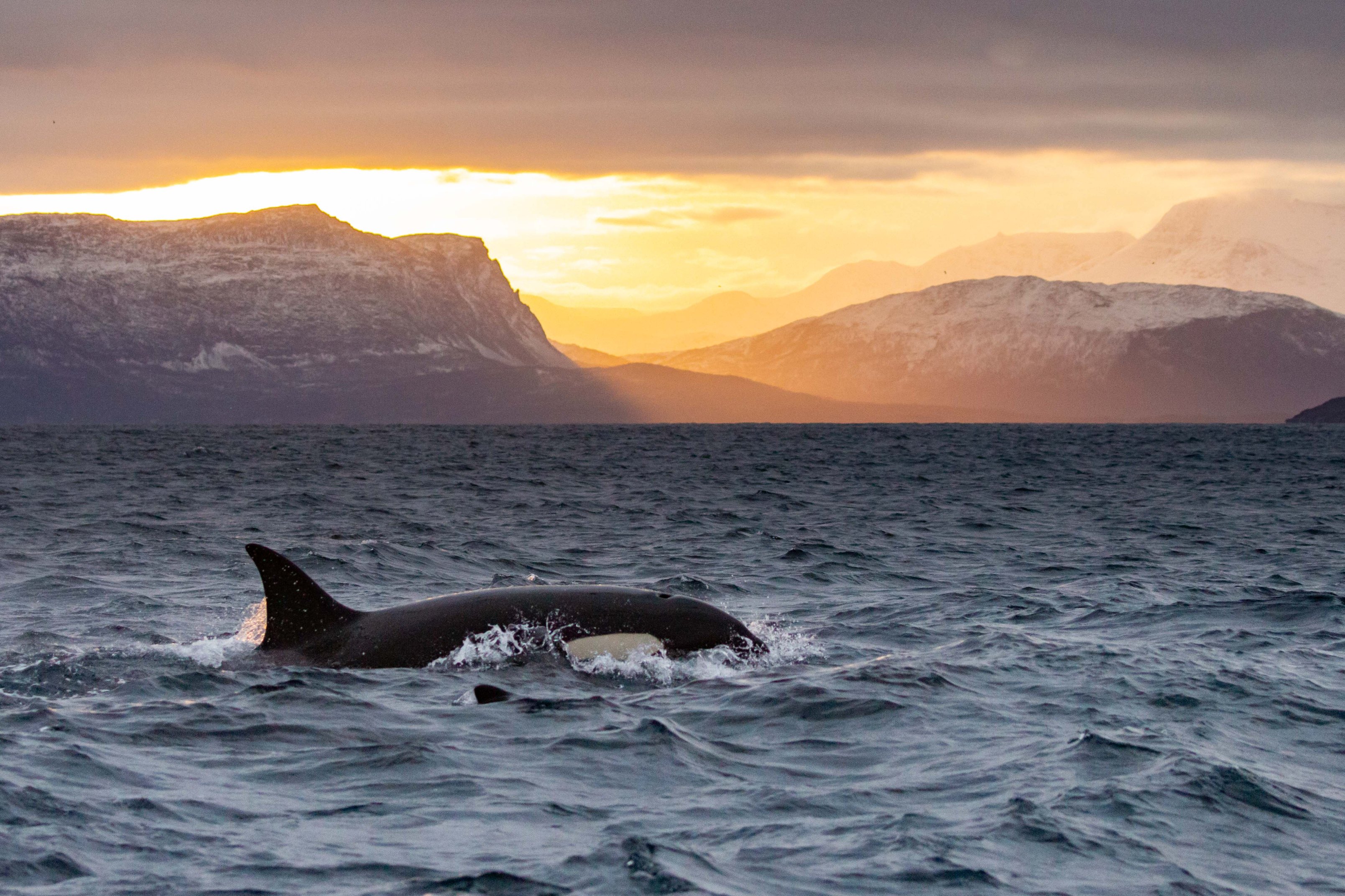
This is a moment that will stay with me for a very long time. On one of the calmer days we found this beautiful pod of orcas. As well as males with large triangular dorsal fins and slightly smaller females there were also some calves breaking the surface for air. Making sure we kept our distance, we drove the boat slowly alongside the orcas, which were framed by stunning snowy mountains. After a while they dived and disappeared, leaving us spellbound in their wake!
What a bird! Known as the “flying barn door”, white tailed eagles are the largest bird of prey in the UK. In the early 20th century they were hunted to extinction but were reintroduced from Norway in the 1970s. Now these huge birds can be found from the Isle of Mull to the Isle of Wight and are doing well in Britain. I’ve seen them a few times in Scotland but at a distance – in Norway they came so close that they soared right over my head!
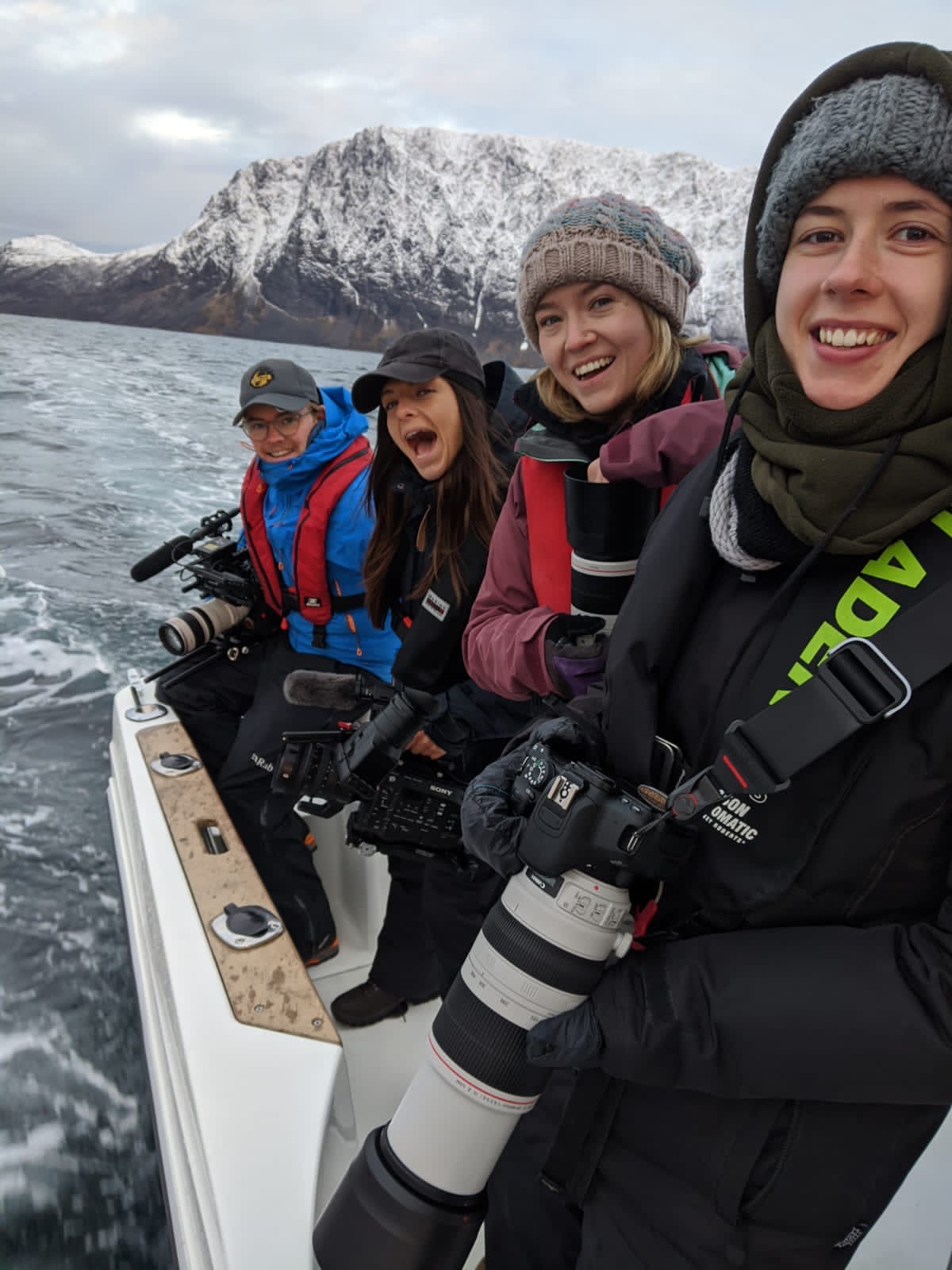
I had an absolute blast in Norway with the best group of people! Nothing like being housebound in quarantine together for ten days and all going for a Covid test to break the ice. It was a trip of a lifetime for me and although I’m pleased to be home and looking forward to my first Christmas by the sea, being back in “the real world” has made Norway seem like a distant dream.
It’s been a while since my last post – the past couple of months have been a whirlwind of planning, packing and stress! Earlier this week I came back from a trip of a lifetime to Arctic Norway, but it nearly didn’t happen at all.
For the past three winters, my partner and his friends have made the journey to Skjervøy, a three hour’s drive north of Tromsø, to go whale watching. Large shoals of herring have been drawn into the fjords of northern Norway, attracting humpback whales and orcas. Every year my partner hires a boat and takes the group out to find them. As soon as they returned in 2019 they booked the house for 2020, obviously unaware of how the year would progress.
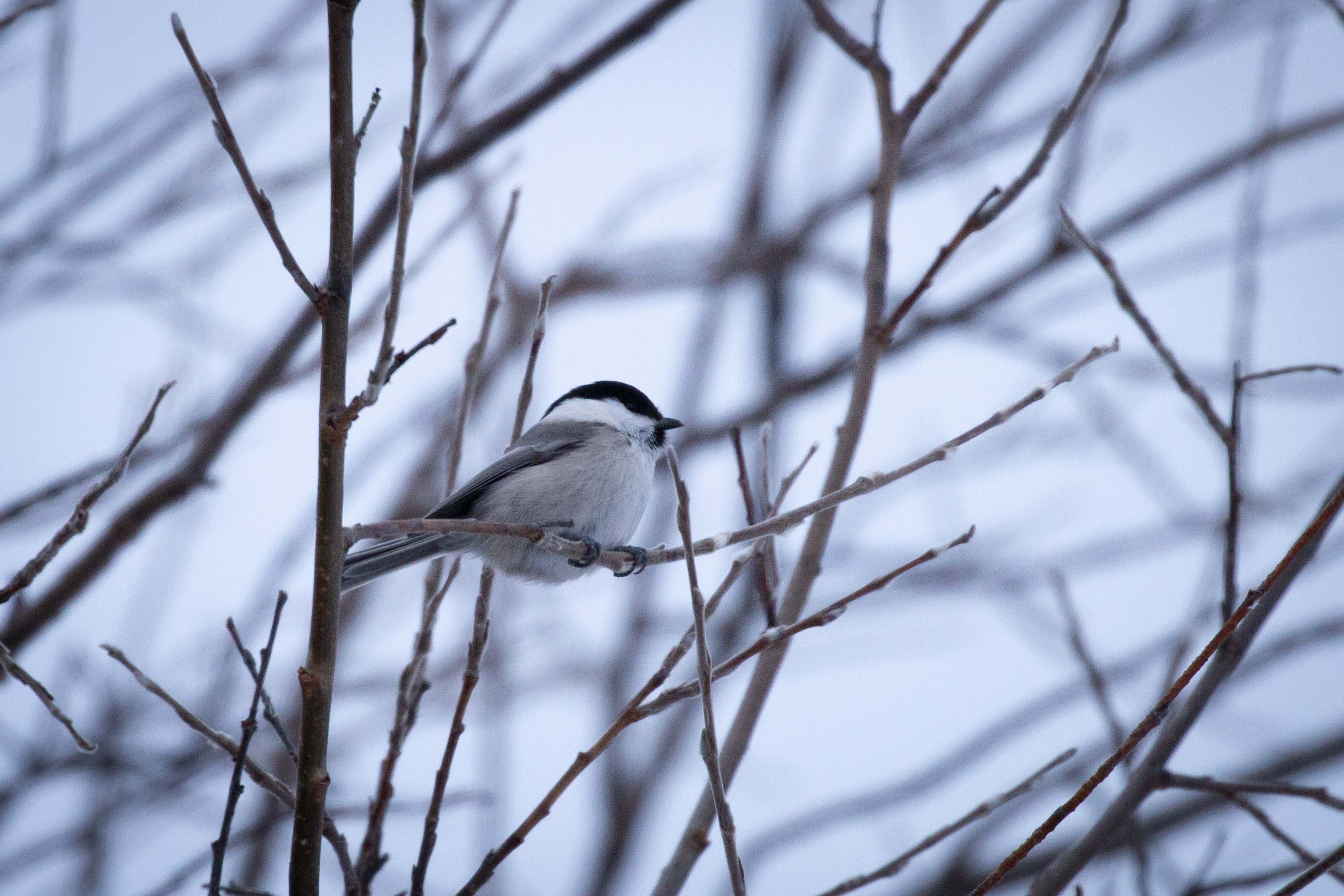
Willow tit
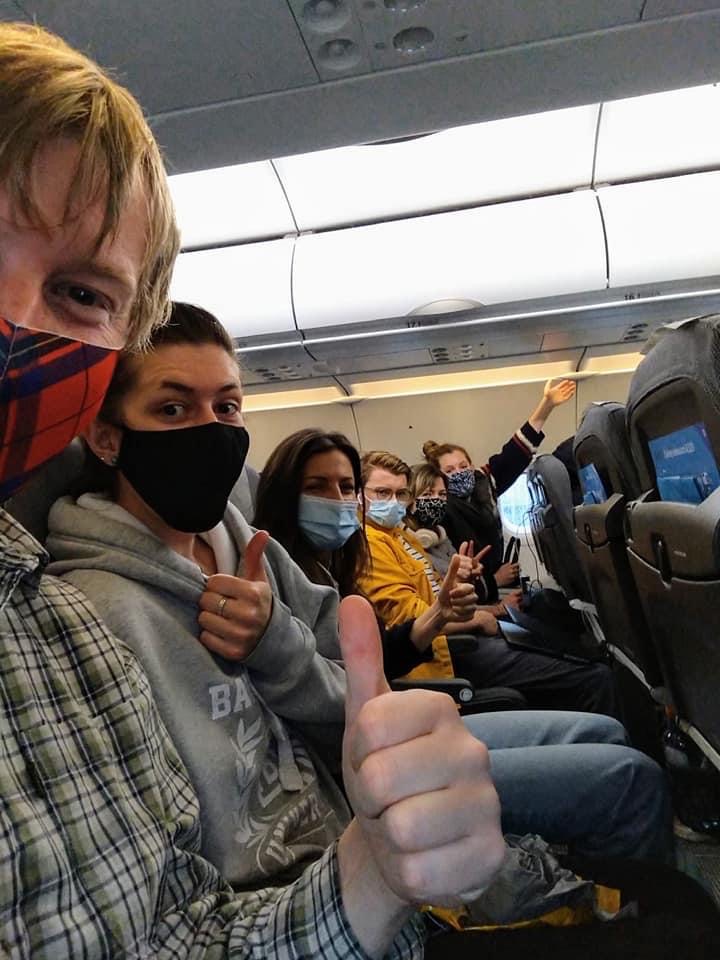
In the lead up to our departure, our flights were cancelled and rearranged three times. What was originally a trip for eighteen people split over three weeks shrunk to just six of us because we all had to arrive at the same time to do our ten day quarantine. Eventually we made it out there and settled into our beautiful house right on the water’s edge.
It was the best quarantine I could have wished for: white tailed eagles flew directly overhead every morning at 10am sharp; willow tits scooped up the seeds beneath the feeder; velvet scoters cruised across the fjord and best of all, the northern lights shimmered in cloudless skies on most evenings. I felt incredibly fortunate to have reached Norway and had such an enjoyable quarantine!
The first ten days could have been a holiday by themselves, but after we were cleared to leave the house it was time to do what we came to Norway for – head out on the boat to look for giants. More coming soon!
I began my last full day in Madrid with a bit of vintage shopping in the district Malasaña, just north of the downtown area. I’d gotten quite badly overheated from walking yesterday so I used the metro for the first time, journeying from Sol to Tribunal. Although the platforms were a little stuffy, the trains themselves were air-conditioned (unlike the ghastly London tube) and the time saved was more than worth it. As long as you knew the station at the end of the line and the direction, the metro was very easy to use and I would definitely recommend it to avoid getting hot and bothered before you even arrived anywhere!
Malasaña
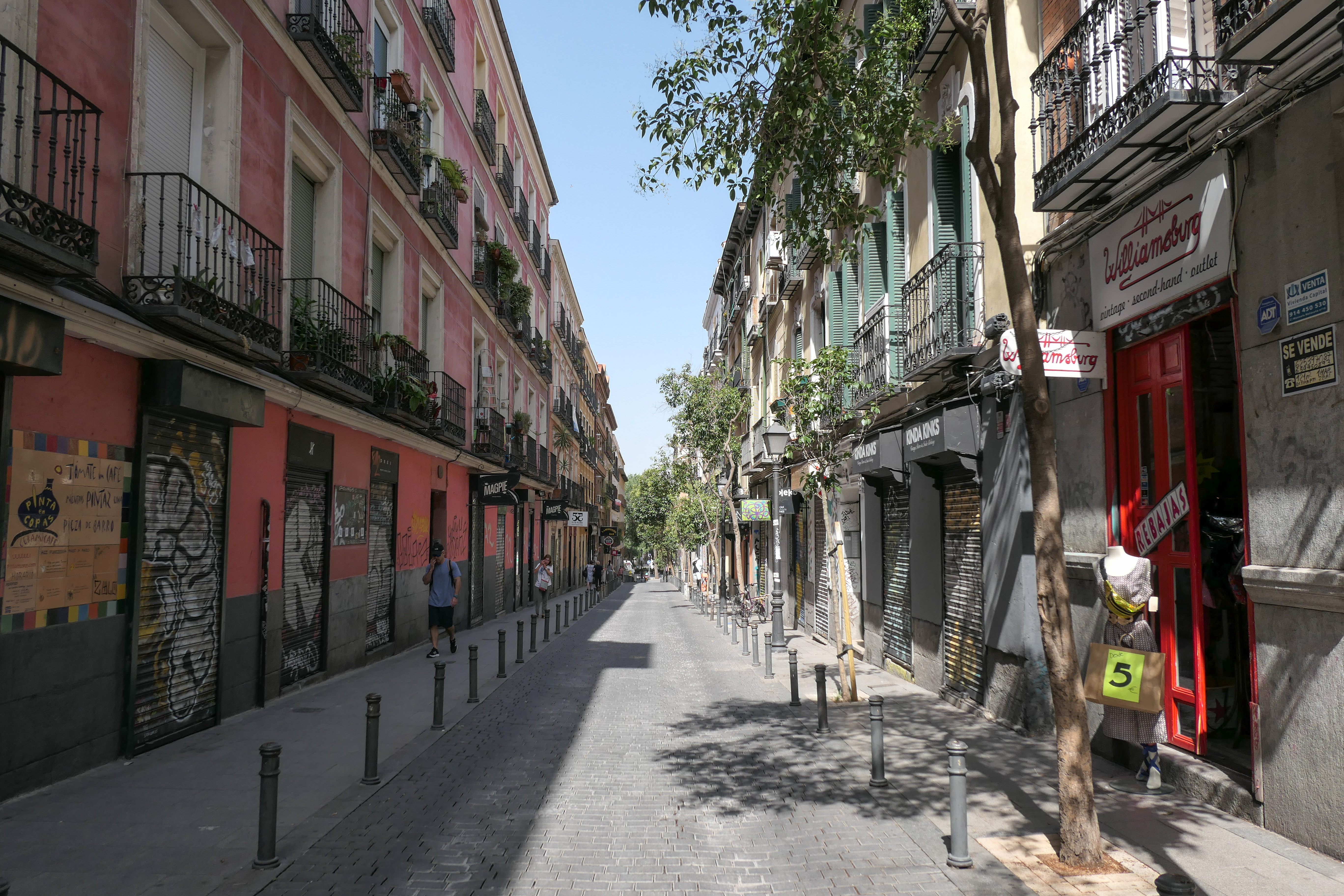
The street to be for vintage shopping was Calle de Velarde, with second-hand shops lining both sides of the street. I pinballed out of one directly into another: Magpie Vintage, Biba Vintage and La Mona Checa to name a few. The clothes were very affordable and I bought a lovely maxi skirt from Retro City for 20€. I could have also bought about a dozen denim jackets, but after remembering my extensive existing collection back home I managed to refrain.
I stopped for a drink and a slice of carrot cake at a dinky little place by Plaza del Dos de Mayo called El 2D and wrote for a while in the shade of an outdoor table. Aside from an unfortunate amount of graffiti (and not the skilled kind) it was a perfectly nice place to sit, but lacked the striking appearance of the frescoed walls of Plaza Mayor.
I hopped back on the metro and tried my luck getting into the Prado Museum, the main Spanish national art museum. Luckily I’d timed it right and sailed straight in. When faced with such a colossal museum such as the Prado and lacking any professional art knowledge, I decided to wander into the first room that took my fancy. It was filled with vast paintings of stunning natural landscapes with one stretching across an entire wall: “Landscape at El Pardo, Mist Rising” by Antonio Muñoz Degrain (1866). I’m always most drawn to realist paintings and get a little sceptical with the more modern, interpretive types. The colours in this oil painting were beautiful; it captured the perfect moment when the sun was at its most golden, casting a soft light over the tops of the trees and the clouds. There was so much depth in the scene; you could really believe that the rider letting his horse drink in the river was many miles from the distant mountains. I loved everything about it, from the glassy reflection in the water to the fluffy clouds.
Photo: Museo del Prado
Once I’d had my fill of the Prado I faced the peak of the day’s heat, which would remain at 37°C until 6pm. I’d planned on reading in El Retiro Park, but there wasn’t enough granizado de limón in the world to keep me cool enough. In addition, my sandal promptly broke, and I took that as affirmation that I should get out of the sun.
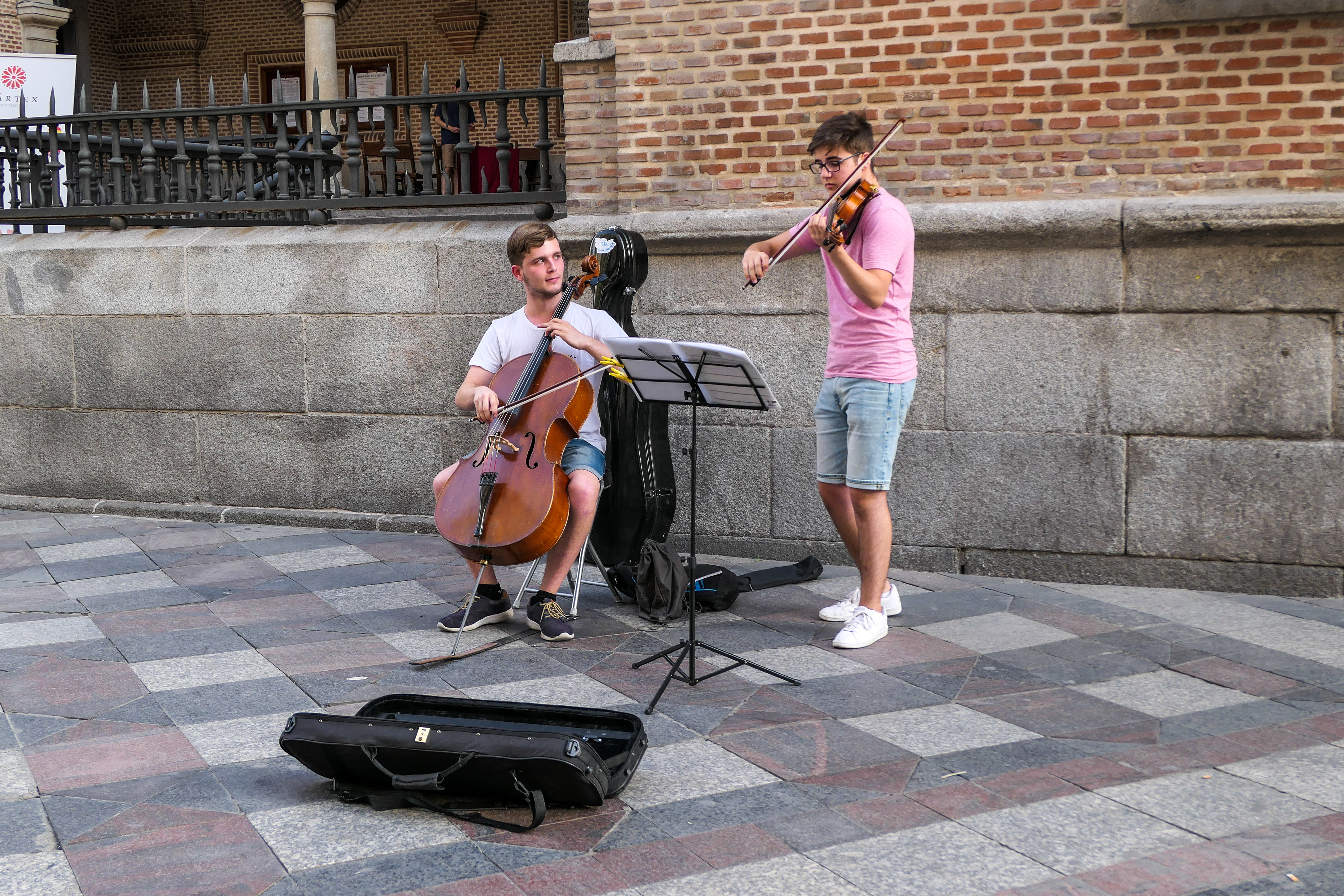
After a brief cooling off period, I ventured back out in the early evening when the temperature was far friendlier. I bought a strawberry slush this time, just to mix things up a little, and took a leisurely stroll up Calle de los Bordadores and then Calle del Arenal, where two school-age boys were busking. One was playing violin, the other cello. As well as classical pieces I also recognised Dancing Queen, Viva La Vida and Smooth Criminal, which all sounded fantastic played on strings. A little further up the street another busker was strumming Spanish guitar: the epitome of a balmy evening in Madrid.
To make my last night even more Spanish, I went to see a flamenco show. Of the many tablaos (flamenco venues) around, I chose Las Carboneras, which was just around the corner from Mercado de San Miguel. As I sipped my complimentary drink, I had to suppress a sob when one tourist asked for the Wi-Fi password. I was delighted when the waiter denied it, and instead told them to enjoy the show.
Unfortunately I had waiters marching to and fro in front of me for the duration of the performance, as well as several tourists who couldn’t sit still. It was a shame that photography without flash was permitted so there were dozens of distracting phone screens blaring. After testing my patience too far, I had to tell one man to stop because he had begun to lean into my view. It wasn’t the cheapest flamenco show in town and I wasn’t about to watch it on someone else’s screen.
Nonetheless, the show itself was electrifying, which may sound melodramatic and cliché but it genuinely was. The atmosphere created by the seven performers – four dancers, two singers and a guitarist – was nothing short of incredible. The sound of the dancers’ shoes hitting the floor was like the crack of fireworks. One minute they were spinning in a frenzy, long skirts swirling, and the next they were frozen with just their fingers clicking or their wrists twisting in slow circles.
At times I didn’t know where to look. While the dancers obviously caught the eye in their elaborate and brightly coloured dresses, I found the guitarist fascinating too. His fingers moved almost in a blur but his actions looked effortless and he barely watched what he was playing. As mesmerising as he was, I most enjoyed the parts where the only sound was the lead dancer’s feet and the other dancers’ – who took it in turns to take the stage – clapping. They watched the lead dancer’s movements like a hawk and increased or decreased the rhythm of their clapping in response. There was such dramatic contrast between the gunshot stomps and moments of utter silence. As each dance built to a dizzying climax I felt my chest tighten. The tension in the room was overwhelming.
I would be interested to see how other shows compare to Las Carboneras. It was cabaret-style seating with tables dotted haphazardly and waiters weaving between with trays of drinks. While this suited the environment and lent itself well to such an intimate and emotional performance, for the sake of being fully immersed in the whole ambience, I would have preferred more traditional theatre-style seating. The constant interruptions of drinks coming and going was irritating, not to mention inconsiderate tourists. Venues more catered towards locals may be less tolerant of taking photos, or perhaps locals don’t feel the need to take any in the first place. Even considering that, I would recommend flamenco to anyone visiting Madrid, purely to hear that explosion of sound with their own ears.
When I left the show I didn’t feel like turning in. It was a beautiful evening so I strolled to Plaza Mayor for some night photography. At 11pm the square was buzzing with activity. A saxophone was serenading diners with “Sway” and a tour group was in full swing, assembled by Felipe’s statue in the middle of the plaza. A woman walked by with her dog. Life continued just the same after dark as it did during the day. Perched on a bench, I felt perfectly safe in the bustling square. There are, without a doubt, things that a girl shouldn’t do alone at night, but in a place like downtown Madrid I felt perfectly at ease. When I got peckish I tried another portion of churros from a café and still found them hard as nails. If there was one disappointment from my trip, it was the let-down of the churros.
As I people-watched and scribbled in my journal, I reflected on the past five days. My time in Madrid had been both diverse and enlightening – my first trip alone to a non-English speaking country. While the language barrier had sometimes felt like quite the hurdle, I’d muddled through and had some incredible experiences. I’d watched terrapins up close and personal, sampled the buzz of El Rastro flea market and had been truly moved by the passion of flamenco. With a little more Spanish under my belt, I could really see myself living like a true madrileña.
I arrived at El Rastro flea market while the traders were just finishing setting up. It was the place to be in Madrid on a Sunday morning: before long the streets would be crawling with people, including pickpockets. I avoided the upcoming crush nicely and browsed at ease without having to clutch my bag too tightly.
It was very similar to Camden market; in fact some of the floral dresses and pendant necklaces were identical. There were also plenty of trademark Spanish items such as flamenco dresses and more fans than you could shake a stick at. Luckily there were some lovely items amongst the kitsch. I bought a silver-plated necklace with two inset pieces of labradorite, my favourite crystal. I indulged in a few beaded bracelets (a holiday tradition of mine) and found some other small gifts to take back home.
Once I’d done most of the circuit, the sun had cleared the surrounding buildings and the crowds had visibly swelled, so I decided to make my escape. I dropped into 100 Montaditos for lunch where tapas only cost 1€ each. I had adorable little mini brioche buns stuffed with potato omelette and hard-boiled eggs. The place had quite a rotary feel about it; orders were placed and paid for at the bar and food was called out over a microphone for diners to come and collect. Situated so close to El Rastro, I guessed that they were accustomed to being full to the rafters after the morning’s shop and thrived on efficiency. It wasn’t the place to relax but the food was good.
Street art on the walk down to El Rastro
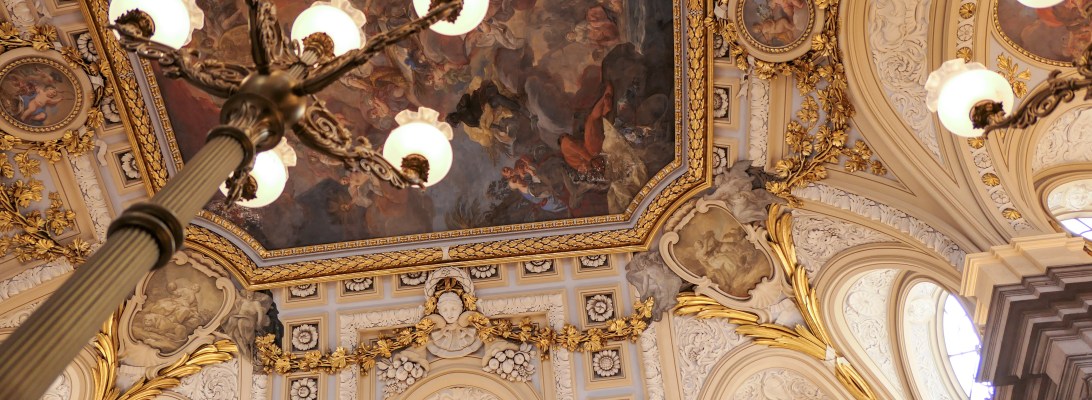
Later I ventured back past the Palacio Real and found there was no queue so I made use of the opportunity and paid for entry. I’ve never been overly fascinated by royals so for me it was more the case of ticking a box, but the interior was as stunning and regal as one would expect. I particularly enjoyed the Carlos III Chamber of Gasparini room, which was where the king performed the ceremony of getting dressed. It was designed by Matteo Gasparini in the Rococo style of ornamental and extravagant three-dimensional decoration. I wasn’t allowed to take photos in that particular room but there was a dramatic contrast between black, swirling filigree detailing and paler sections. It was far more gothic than a lot of the palace’s other rooms, where gold ceilings and weighty chandeliers took precedence.
The ceiling over the staircase
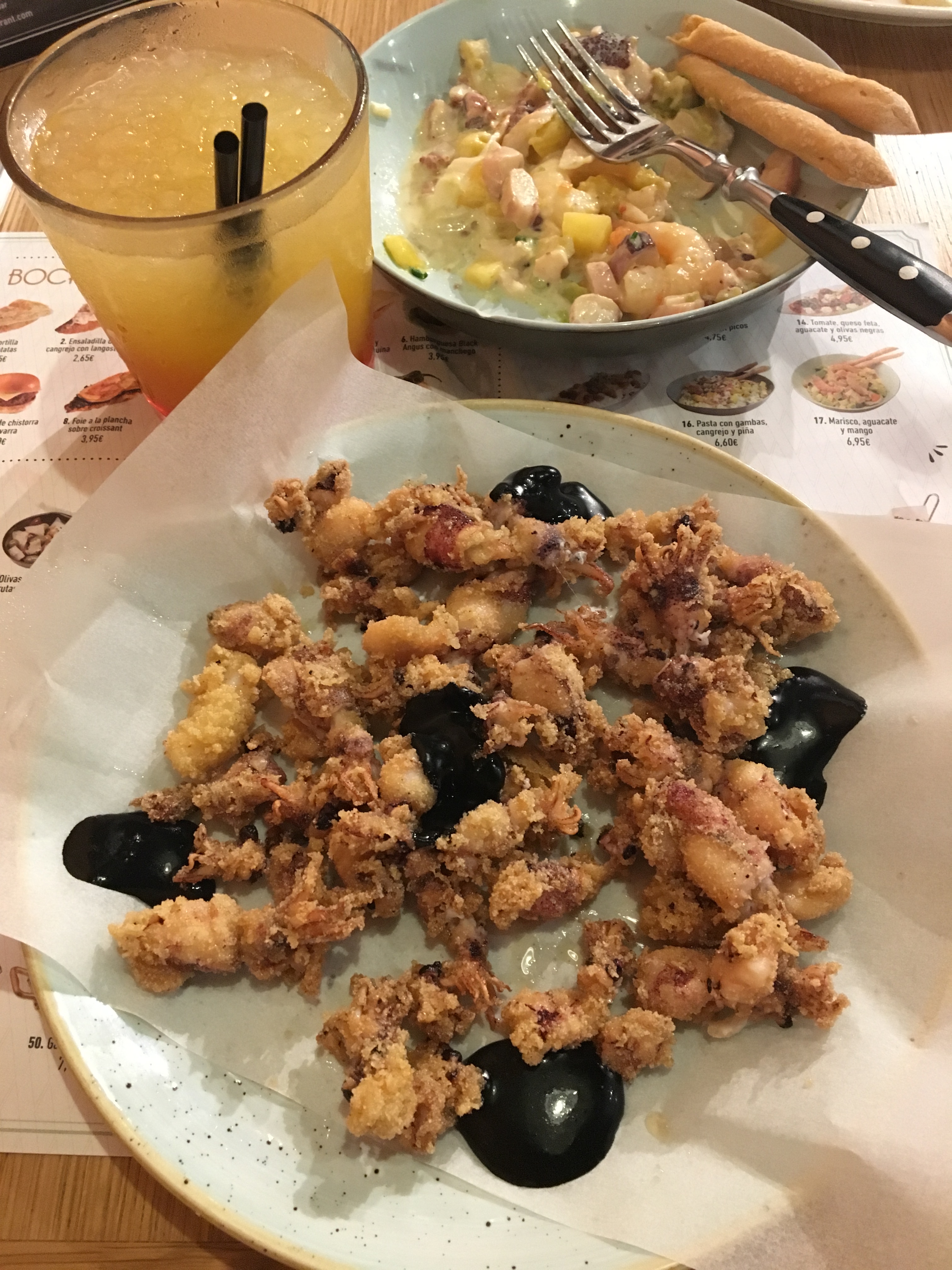
After getting my fill of royal luxury I continued along Calle de Bailén to La Basilica Grande de San Francisco to see a particularly lavish dome ceiling, but unfortunately the gates were locked and the doors shut. I’d checked the opening times beforehand but perhaps as it was Sunday, an unexpected religious ceremony had come up. I was pretty worn out anyway, so after a stop off at a bar for another granizado de limón I headed back to the hotel to freshen up before returning to Tapa Tapa for dinner, which had become my favourite eatery in Madrid. This time, as well as the langoustines, I had a portion of fried squid with its ink and salad made up of seafood, avocado and chopped mango. Once again, it was all delicious. I particularly liked Tapa Tapa because despite offering a wide range of choices, they seemed to excel at them all whether you chose seafood, bocadillos or vegetarian options.
Seafood salad and langoustine skewers
Fried squid with its ink
I thought about going for a spot of shopping while the air was cooler, but once I’d paid the bill and left the restaurant I was met by a raging thunderstorm. Obviously even Madrid had a temperature limit and as I huddled with other diners watching the rain thrum wildly on the pavement, a stream already gathering strength in the gutter, I hoped the storm would crack the enduring heat.
I decided against shopping, and when there was a slight lull in the onslaught, I made a dash back to Calle Mayor and watched the rest of the storm indoors.
I bought a ticket for the Madrid City Bus Tour from hotel reception and hopped on at Plaza Mayor. With such intense heat, I thought it would be a good idea to explore the city in the comfort of an open-top bus, where I could jump on and off wherever I pleased. First stop was Puerta del Sol with the bear and strawberry tree statue, and then we headed east into the Retiro district, which was probably best known for its trio of world-famous museums. As I’d anticipated, the queues to get inside were eye-watering even at late morning, so once again I was content just admiring the exterior. As much as I quite liked wandering through art galleries, I wasn’t willing to spend an hour waiting to get in. Besides, on a weekend day you wouldn’t have seen the art for the tourists anyway.
I was far more interested in what lay beside the museums and I hopped off the bus. El Parque de Buen Retiro was a vast and beautiful park spanning 350 acres. I began at the north end and made my way leisurely past elaborate fountains and sprawling trees. One of the trees was the oldest in Madrid, but there was no shortage of vast leaved giants, which provided much-needed shade for tourists and locals alike. While some people were lolling on the grass with food or books, others were jogging and walking dogs. It was a hive of activity and yet seemed extremely tranquil, similar to how I felt in Plaza Mayor. Despite a population of several million, the city didn’t feel cramped or overcrowded the way London does. The pace of life in Madrid was far more relaxed and I was keen to savour it. The only signs of congestion were from the parakeets perched in every treetop, whose disgruntled calls sounded like trainers on a squeaky floor.
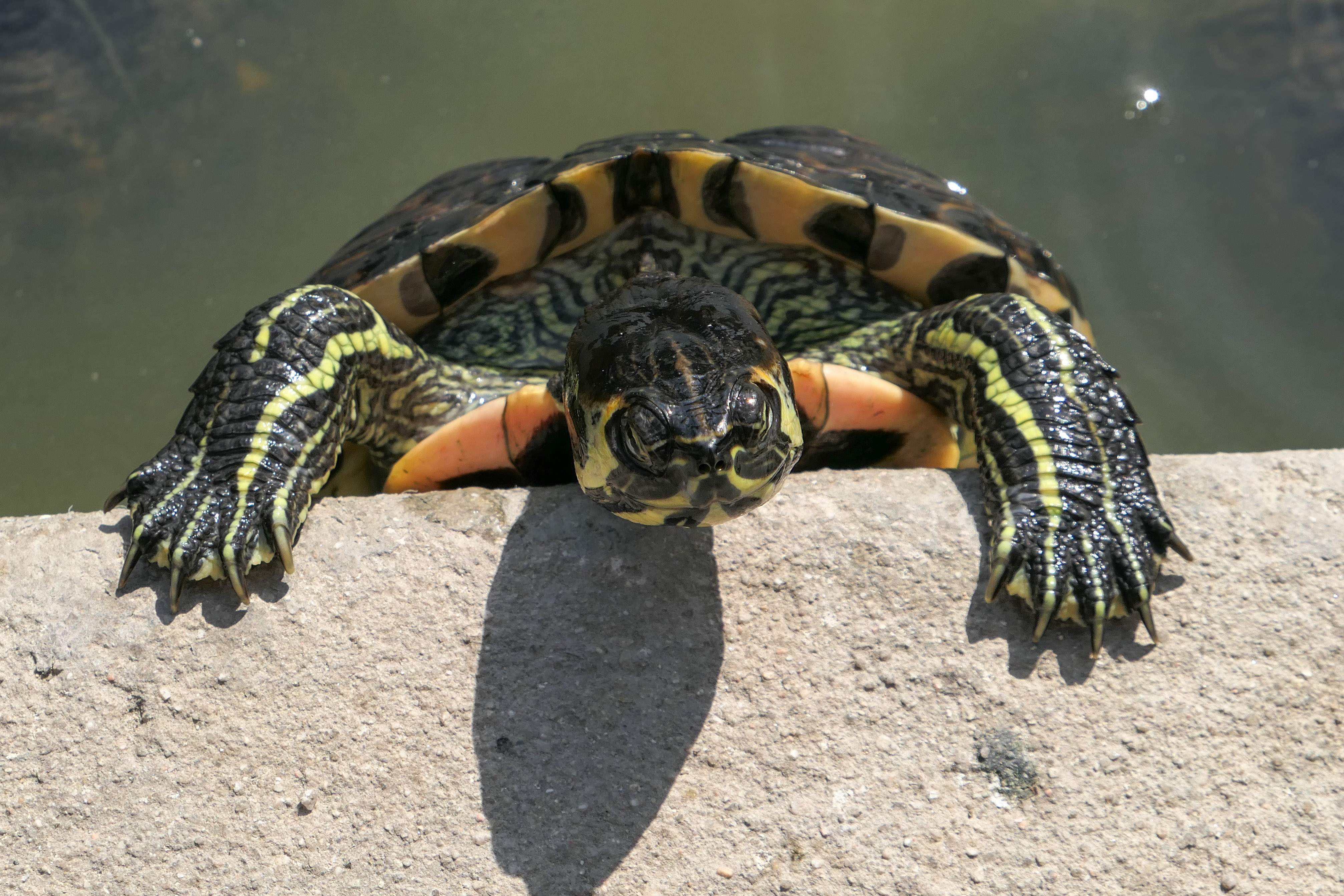
In almost the very centre of the park was El Palacio Cristal – a beautiful glass building overlooking a lake where ducks and a lone black swan were swimming in lazy circles. Surrounding the water were dramatic sprays of white blooms, rosebushes as tall as trees and a miniature waterfall cascading over a rocky outcrop into the lake below. I sat down on the stone steps of the palace to see the ducks a little closer and was surprised to find the water full of tiny terrapins. While their shells remained submerged, their black and yellow-striped heads poked out of the water, eyes blinking up at the child beside me who was throwing popcorn. On the steps, feral pigeons and sparrows tussled for the prizes, while in the water the terrapins were joined by ducks and the occasional gaping lips of a fish. The black swan came gliding over for a look too.
One terrapin made the monumental effort of grasping the side with its broad claws and heaving itself up. For a few surreal moments we gazed at each other before it realised I wasn’t the one with food and plopped back underwater. Meanwhile, a pigeon strolled nonchalantly across my foot in pursuit of an unclaimed kernel, while others exploded into flight around my head, their wing beats sending a welcome burst of fresh air.
Terrapin v pigeon face-off!
Beside me on the step I could hear the child with the popcorn munching. “One for you, one for me” was obviously in play. When the bag was empty, birds and reptiles slowly dissipated until the next snack arrived.
I wanted to sit and watch the terrapins a bit longer, but the steps were in direct sunlight and I was beginning to fry. I left the diverse gaggle of creatures behind and headed out of the park, but not before passing through La Rosaleda (rose garden) for a few photos. A dozen other young female tourists were posing for shots, no doubt gathering new ammunition for Instagram.
La Rosaleda
All along the downward slope leading back to the museums were small wooden huts overflowing with books, which I made a beeline for. It was La Cuesta de Claudio Moyano bookstalls. Nearly all were in Spanish but there were a couple of titles I recognised. I couldn’t help buying “Harry Potter y la piedra filosofal”, which would probably be challenging enough for my rusty Spanish.
For lunch I had a bocadillo de calamari (squid ring sandwich) from El Brillante – another Lonely Planet recommendation that fell short of the mark for me. The calamari itself was good, with just a thin layer of batter, but when sandwiched in a dry baguette it had me gasping for a drink. It seemed that the Spanish didn’t use sauces much in their cooking. The bacon bits and bare bread at Casa Revuelta had been the same. Perhaps the locals just washed it all down with a few cervezas, but I was left wanting after El Brillante.
Gran Vía
Later in the evening, after a full circuit on the bus and hopping off on Gran Vía, the hub of central Madrid, I walked back towards Plaza Mayor and a sign for “Tapa Tapa” caught my eye. I ignored the guidebooks and had dinner in a place I knew nothing about, which was an excellent decision. I chose four cheese croquettes, mini portions of Iberian ham and mozzarella toasted sandwiches and langoustine skewers, which were all absolutely delicious. To drink I had a mocktail called San Francisco, which was bursting with the flavours of orange, peach, pineapple and blackcurrant juices. It was an extremely satisfying end to a long day exploring the park. Tomorrow I had a real Madrid tradition to look forward to: the infamous El Rastro flea market.


























 rebeccaonthewing.com