Reykjavik – Day 3

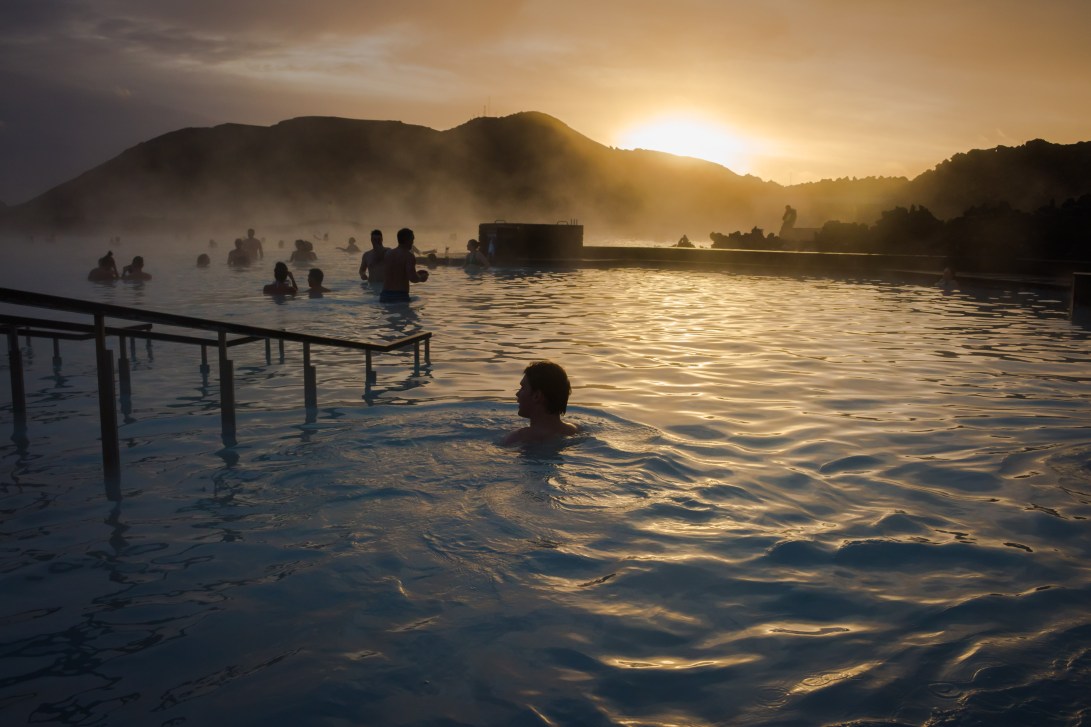
Today was probably the highlight of the trip for me – the blue lagoon. As we were waiting for the bus to pick us up it was spitting with rain, the first bad weather we’d had. However, if it was going to rain, I’d rather it did it while we were soaking wet and swimming anyway.

As it turned out, it stopped raining when we reached the lagoon. We were ushered inside and wandered off to our separate changing rooms. We were given strict instructions to put liberal amounts of conditioner in our hair because the salts in the lagoon water would dry it straight out.

img_8963

After only getting marginally lost we got out of the maze-like changing rooms and made it to the lagoon. I immediately fell in love. It was the most beautiful colour I’d ever seen, what I can only describe as candyfloss blue, spoiled only by the dark bobbing heads of other tourists. As I waded in, my body disappeared below the translucent surface and I found myself in nearly 40° water. If I closed my eyes I could have been in the tropics, but with my eyes open the hot steam meeting the cold air reminded me where I was.
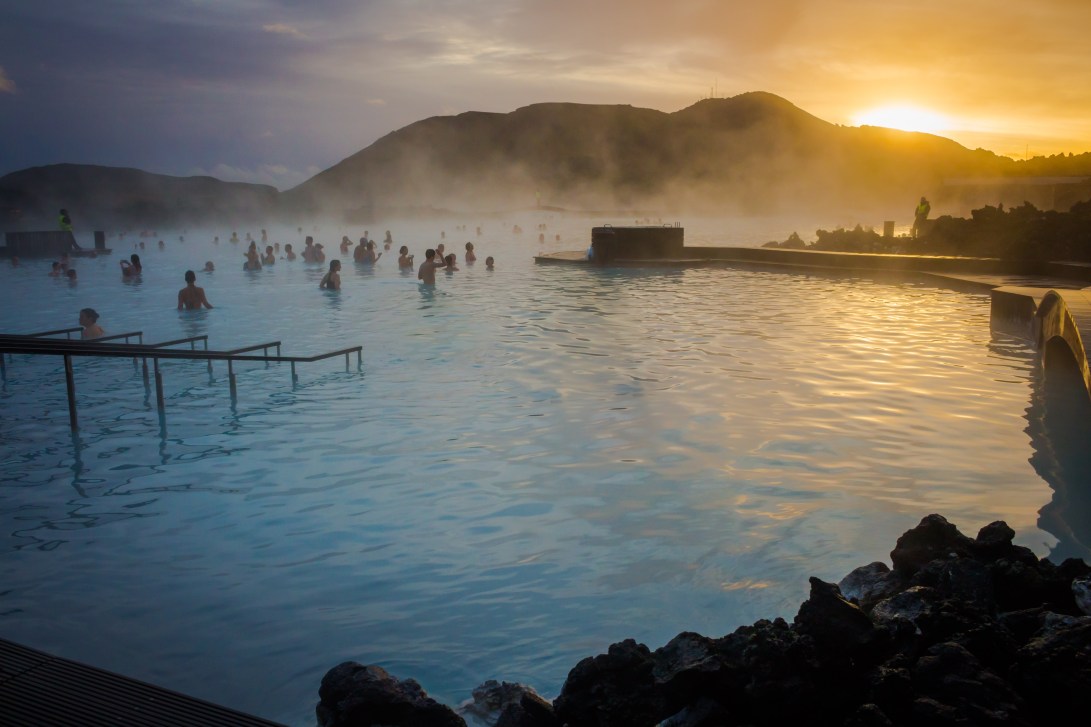
img_8933img_8955img_8944

It was one of the most romantic things I’ve done, swimming in one of the world’s wonders with the most special person in my life. I was initially reluctant to believe the lagoon had spiritual healing powers as I’d read, but as we bobbed about I felt the most relaxed I’d been in a long time.

There was a bar half-submerged in water, so you could lean on the counter and sip your drink while still floating chest-deep. We got cherry slushies, which were the tastiest I think I’d ever had. Mind you, in my state of ultimate chill anything would have tasted amazing.

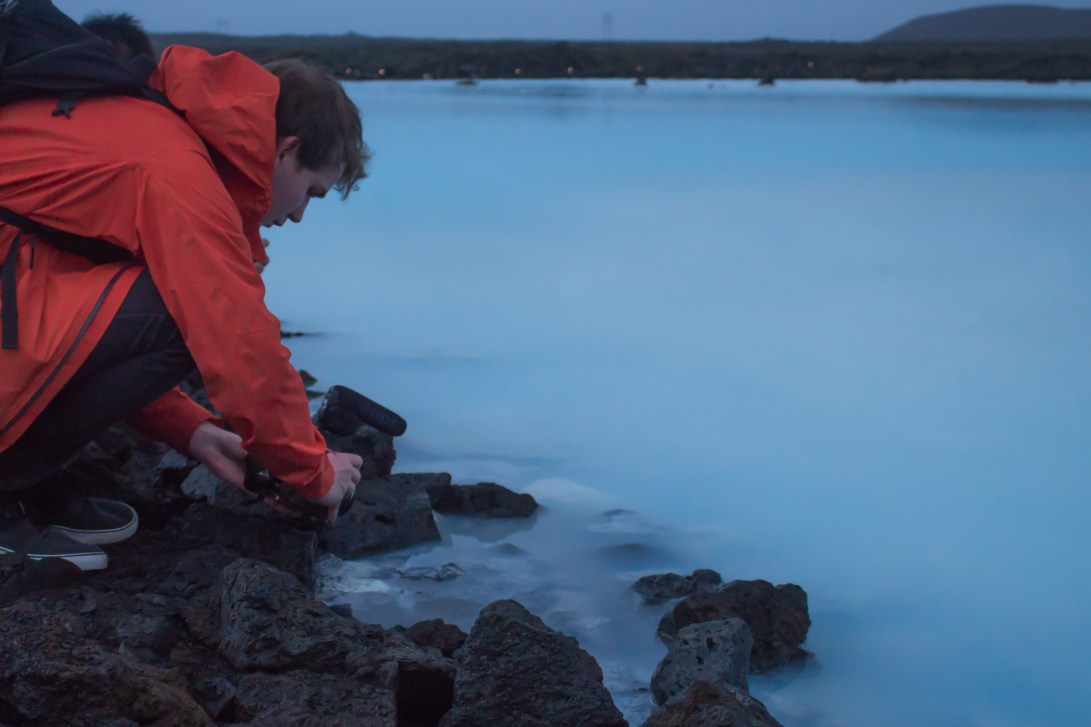
Once excessively prune-like and ravenous, we showered and headed to the restaurant. Looking inside gave me a flashback to the Ritz – I’d got very lost one time – so we decided to get paninis from the much cheaper cafe instead, which were also very good.
img_8970

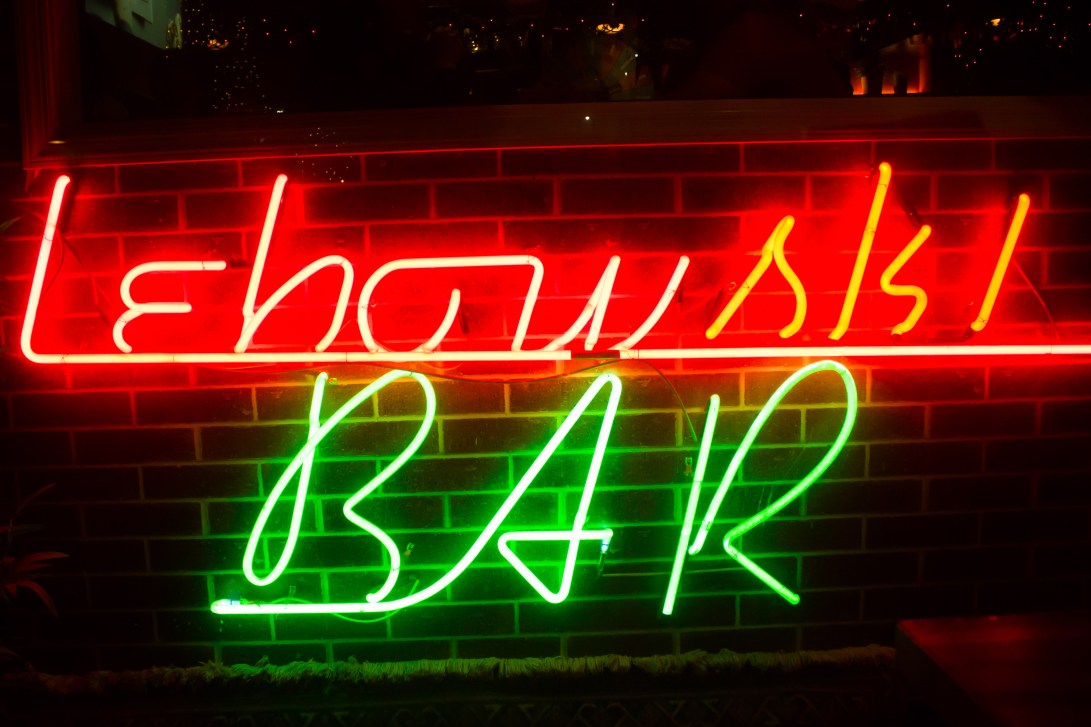
Once back in Reykjavik city centre, we headed to dinner at the Lebowski Bar, which boasted a broad range of burgers and White Russians as well as the Big Lebowski playing on loop. I tried a white chocolate White Russian, but wasn’t a huge fan. The burger however, honey-glazed bacon and cheese, was pretty special.
img_8987

The slight downer of the day was the email we received from Reykjavik Excursions saying that the Northern Lights tour had been cancelled tonight due to bad weather. Still, it’s a common fact that the aurora borealis are notoriously difficult to see, and much more experienced visitors than us hadn’t yet had the privilege of a sighting, so it was a long shot seeing in our first short visit. All the more reason to go back to beautiful Reykjavik!


Whale Bones and Walking Stones

As usual, I trundled to Tullie House Museum for my weekly volunteer shift. Right now everything is focussed on the whale project. Following the discovery of a 16m fin whale skeleton on a beach in Cumbria, Tullie House now has the makings of a smart new welcome feature in their entrance hall. The bones are being taken away for professional cleaning in less than a month now. There’s still a lot to be done before that happens, so it’s all systems go!

Today I was joined by a new volunteer called Will, who turned out to be a fascinating character. As we set to work on scrubbing dried whale flesh off vertebrae the size of my hips, we got chatting about wildlife. Turns out, he’d travelled to some stunning places for expeditions, something I was incredibly jealous of. One one expedition in Abu Dhabi, he had the chance to excavate fossilised camel skeletons as part of his master’s degree in zoo archeology. Once they reached the ribs, the guide assured them there would be nothing of interest to investigate. Will decided to convince him otherwise and together they found an ancient spearhead embedded in the bone. The small discovery prompted a thousand questions: who killed this camel? For what reason? It was fascinating.

Soon, Will is heading off the to the Far East, but he’s done a lot of work in East Greenland. Highlights from his trips here included a sighting of a polar bear jumping through an enlarged seal breathing hole and into the ocean below, and a herd of very intimidating musk oxen, as well as polar wolves, snow white relatives of the grey wolf. On one encounter, Will’s team heard a distressed ringed plover and glanced out the window of their lodgings to see an arctic wolf mere feet away.

As amazing as these stories were to hear (as I sat on the floor scraping white fat off whale bones), my favourite was the tale of the walking stones. Will described how, when rocks fall onto a glacier, they create a natural phenomenon. While the ice around the rock melts under the sun, the patch directly beneath it is kept sheltered. After many hours, the rock is “lifted” by its ice pedestal as the rest of the glacier melts away. Soon though, even the elevated platform succumbs to the sun’s heat and the rock falls onto a patch below, beginning the whole process again. The result is a very slow game of slinky, but one that fills me with such joy that nature is so beautifully playful.

Nick Baker at Birdfair

Two weeks ago, Birdfair was held at Rutland Water Nature Reserve from Friday to Sunday. As we were on holiday in Scotland, we could only make the third and final day, but I am so glad we managed to experience this fantastic event.

Upon arrival we were greeted by an explosion of colour and noise. I bought a map and discovered I was in one of eight marquees lined on both sides with stalls and things to buy. A lot of them were selling wildlife holidays, so I couldn’t help but enter a few competitions, as well as buy some wildlife art.

One talk we attended was ‘Building a Naturalist’ by Nick Baker, a naturalist I’ve admired for many years. His topic of discussion was getting more children interested in the natural world. In a way, he was preaching to the converted by delivering his speech to an audience of wildlife enthusiasts, but it appears as if the responsibility of making nature a focus for children lies with us, the people who understand its importance.

What I love about Baker is his heart-warming enthusiasm for wildlife. He described his first white plume moth (Pterophorus pentadactyla) sighting as “like looking at fairies at the bottom of the garden”. He learnt a great deal about newts by collecting them and watching them in tanks – he made a point of saying that this was long before the Wildlife and Countryside Act 1981 when the handling of British newts became illegal – and read up on them to broaden his knowledge.

“Experience is everything,” he explained, and I agree entirely. The only way to understand the natural world is to be out in it. As much as it pains me to say, reading books will only get a naturalist so far; by spending hours searching the coast or wandering through the forest, they can become a part of the world they’re passionate about.

Baker shared some alarming statistics. In a study of 8-15 year-olds, 53% had never seen a flock of starlings (Sturnus vulgaris) in the UK. Baker described this as “extinction of experience”. Our mentors are becoming an endangered species; with less interest in nature, where are the passionate naturalists who will teach and inspire the next generation? Baker’s mentor was his dad, without whom he may not have had the experiences that brought about his interest in wildlife. For me, my mentor was my mum, and for her it was my grandad. There must be a link between each generation to keep the passion alive.

There will come a time when I get to show my children how incredible the natural world is. I will buy them all the books I can afford and take them on walks through woodland and meadows. We will sit silently in hides and lay on our fronts watching aquatic life in ponds. All this brings such joy to my life, and to the lives of many others. Unfortunately, we are the rare few. It means a great deal to me to watch and study wildlife, but I am no longer the youngest generation. Children are walking sponges and will soak up everything around them; it’s up to us nature folk to ignite their imaginations with trees and birds, as well as TVs and computers.

“It’s innate in all of us. We are born curious… all it takes is a spark of curiosity.” Nick Baker