2019 Wrapped Up

Christmas is here again, which means it’s time to reflect on what I’ve achieved in 2019. I still have a long way to go before I can really call myself a freelance writer, but I’m so proud of the progress I’ve made this year.
img_3859

A particularly significant event was the Grant Arms Wildlife Book Festival in April, where I travelled to the beautiful Cairngorms National Park to stay in what is undoubtedly the coolest hotel in the UK for wildlife lovers like me. I attended some fascinating talks, met many established writers and was thrilled to see my first pine marten. However, perhaps the most influential moment was meeting author Stephen Moss, who runs the MA in Travel and Nature Writing at Bath Spa University. We sat down for a chat and spoke about my work so far, and after our talk I began to think seriously about doing a masters. I was sad to leave the beautiful wilderness of Grantown-on-Spey behind, but I was also intrigued by the possibility of further study and what it could do for me.

img_3262_lively

In the summer I visited Madrid – my first solo trip to a non-English speaking country. I don’t think it occurred to me how daunting that prospect could be until I arrived and realised that my A Level Spanish was a lot rustier than I had anticipated. Nonetheless, despite the language barrier and the most intense heat I have ever experienced, I really enjoyed my stay and learnt a lot about my resilience when travelling alone. Madrid is a beautiful city that I would love to return to some day, just in a slightly cooler season! The highlight was undoubtedly the flamenco show on my last night – that experience will stay with me for a very long time.

P1000122

Not long after Madrid it was time to drive up to Rutland Water nature reserve for Birdfair, which has now become a yearly tradition. I caught up with good friends from uni, met the lovely Lucy McRobert and finally christened my new tent in the campsite. As always, Birdfair was a fantastic networking opportunity and I met some lovely authors and conservationists who were keen to share their advice. I also saw Stephen Moss again and bought rather too much wildlife art…
IMG_4060

September saw some more networking at the AFON conference – I’d never seen so many young naturalists in one place and I felt proud to be part of that community. During the weekend I introduced myself to author and illustrator Tiffany Francis, who is one of the loveliest people I’ve ever met. I swapped Instagrams with lots of inspiring writers and conservationists, many of whom I’ve stayed in contact with since. Events like the AFON conference are such a great way of reaching out to like-minded people and I was so happy to build my network further.

IMG_4207

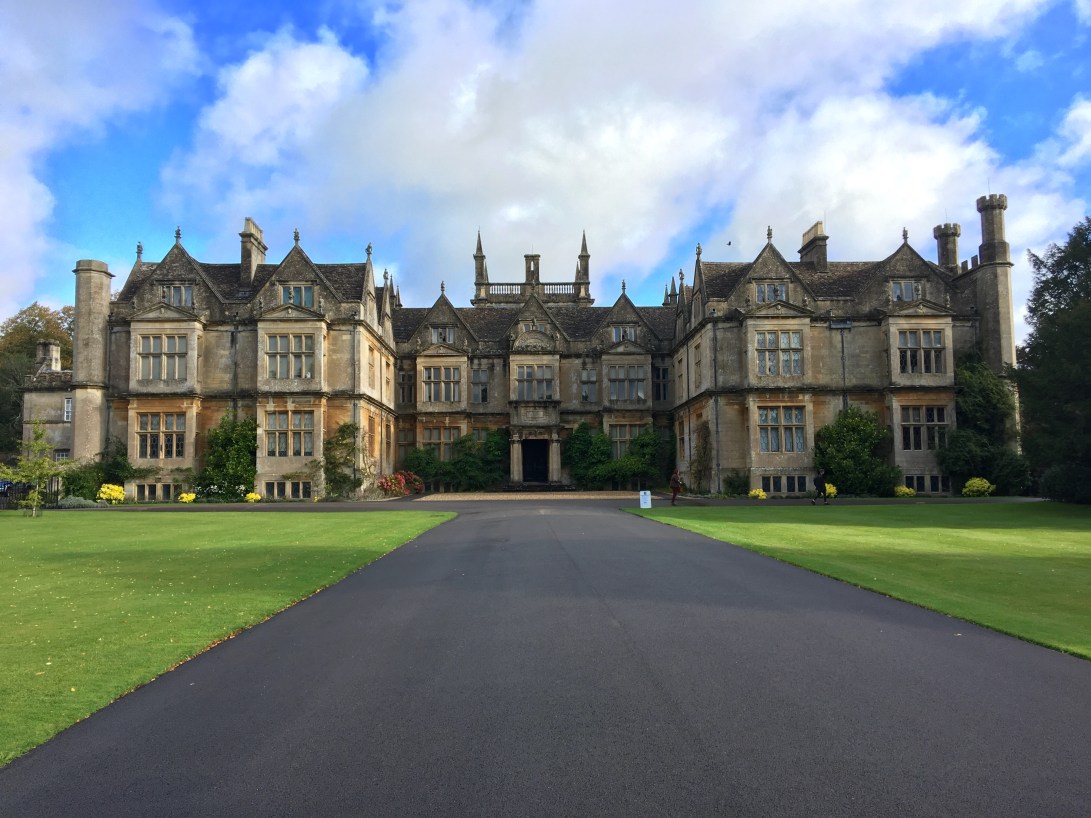
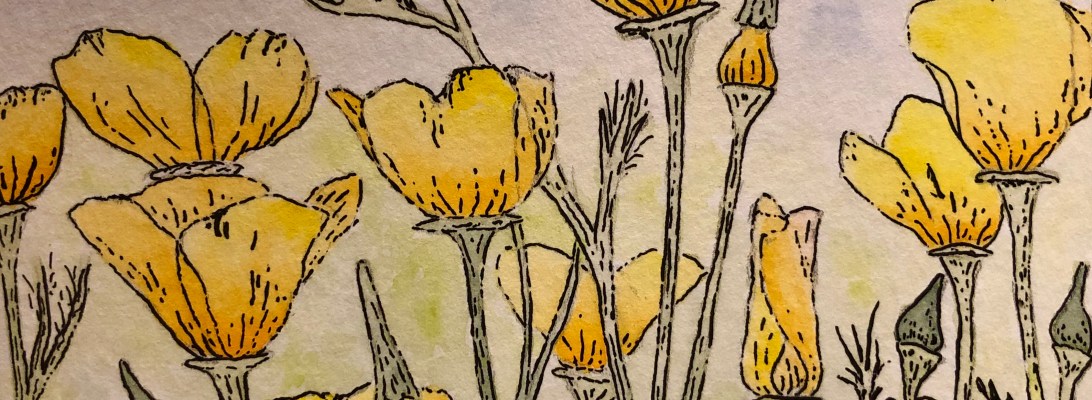
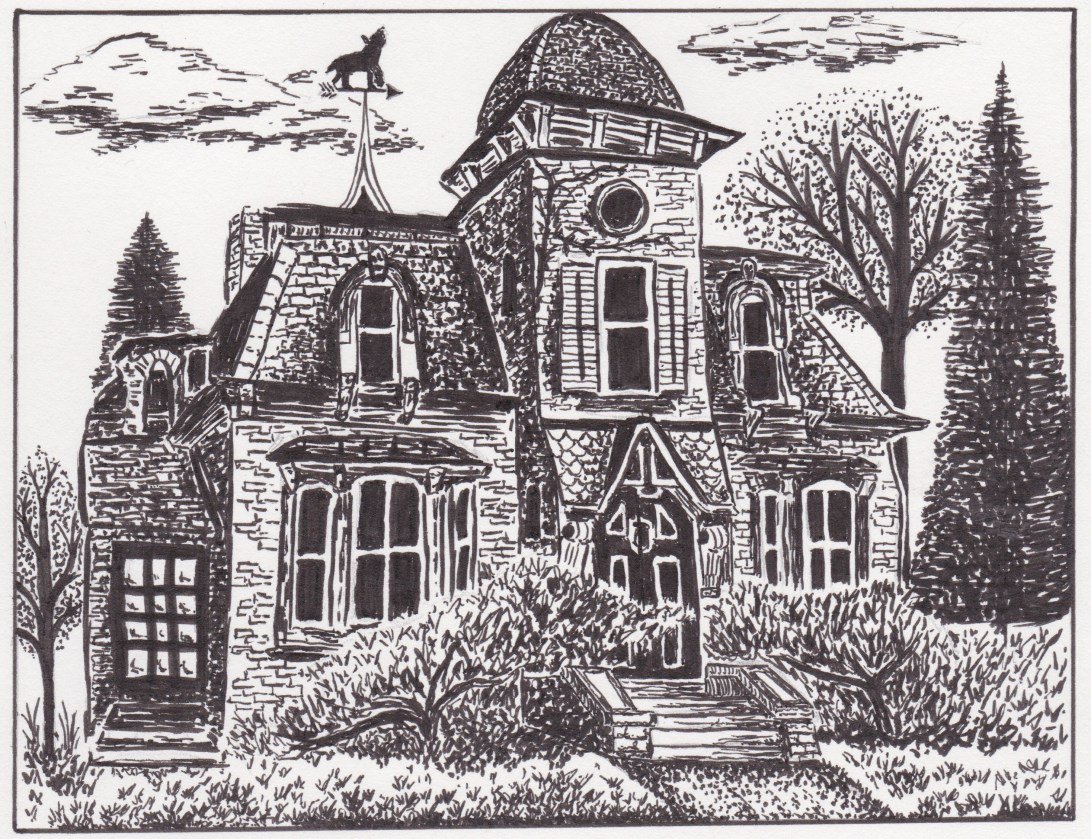
In October there was a very big change: beginning the MA. The week-long residential in Corsham was a chance to meet my fellow students and be introduced to the way the degree was run. I’m sharing the year with a diverse and enthusiastic group of people and I already feel close to them after so little time. An unexpected achievement has been my rekindled love for drawing and painting, which has proven to be a great tool for inspiration. So far I have submitted two assignments for the course and have been really pleased with my results. The second term will begin in the new year and I can’t wait to tackle the next module – a trip completely organised and funded by me where I need to try and get writing commissions from professional publications. Naturally I’m apprehensive about it, but I’ve done this before with the Isles of Scilly so I know once I begin my research I’ll be away.
IMG_4272

Finally, the end of 2019 saw my first official commissions – two for Blue Sky Wildlife, two in Hertfordshire Life magazine and the completed annual report for SEZARC. The team in Florida loved what I’d done and have now asked me to make the next report for 2019, which I can’t wait to get started on. In fact, I’m excited to announce that I shall be visiting Florida again in 2020. Not only will it be a chance to see my friends and work colleagues, but also a fantastic opportunity to gather new images to use in the next report. I don’t know when it will be yet, but I’m so excited to get the details in place.

I began this year feeling a little shaky and unsure of exactly where I planned to go. I still don’t have everything figured out, but the commissions have given me a real boost of confidence. It has been great meeting other naturalists including young women like Tiffany Francis and Lucy McRobert, as well as everyone on my course who are all making amazing contributions to wildlife writing. I have a great feeling about 2020, and I can’t wait to see where I am this time next year.
Nature Journal

I can’t believe I’m already two assignments into my master’s degree. Both have been based around the theme of “Writing in the Field” – writing outside as opposed to a typical office environment. This was really useful for me, as up until now I’ve mostly written brief notes outside and then typed them up later at my desk. While this worked for jogging memories, it occurred to me that I was losing out on a lot of detail this way. Photos reminded me of things I saw, but I was glossing over other sensations such as smells, sounds and textures. By paying attention to these senses I found I could create a fuller, more immersive piece of writing that really put the reader in the field with me.

Art 10
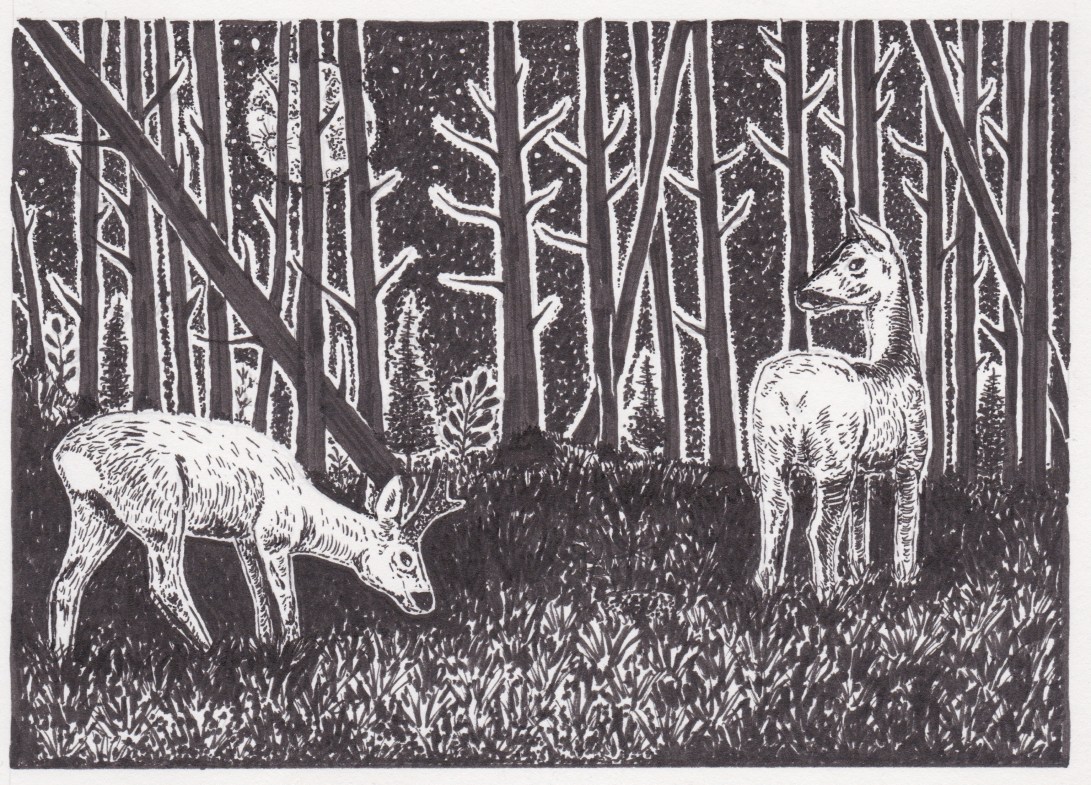
Inspiration for a fantasy fiction piece

For my first assignment I decided to start a nature journal that I planned to take with me whenever I was out in nature. This would be the basis for my essay in the first assignment. During my research I discovered that many writers use journals to enhance their writing experience. Charles Darwin kept perhaps the most well known example during his voyages on H.M.S Beagle but there are numerous others. Author and artist John Muir Laws said that “journaling will slow you down and make you stop and look.” American author and scientist Aldo Leopold’s nature journals were so significant that the resulting essays became valuable contributions to the field of phenology – the study of seasonal natural phenomena. I also found several studies indicating that being outside is beneficial to creativity, so it made sense to do more writing outdoors!

Art 8
An illustration for a piece of scientific writing about roe deer

I found that my nature journal not only benefitted my writing but also enabled me to concentrate more on my art. I was keen to make the pages pretty and yearned to have a journal that would be cool enough for Pinterest. I’ve always loved drawing and painting but it’s often taken a back seat. My usual excuse is that I have no time, but over the past few weeks I’ve started to create quite a large body of work just by snatching a few minutes here and there to make a sketch. I bought a travel watercolour palette with a brush containing its own water which has been a lifesaver. Now I can pop my paints in my bag and take them anywhere, and I’ve really got on well with it so far. I deliberately bought a journal with a ring binder, so I can remove and insert the hole punched pages wherever I want them. A lot of my conventional notebooks have failed so I think having the freedom to go back and add pages in later has helped to keep the creative flow going.

Art 7
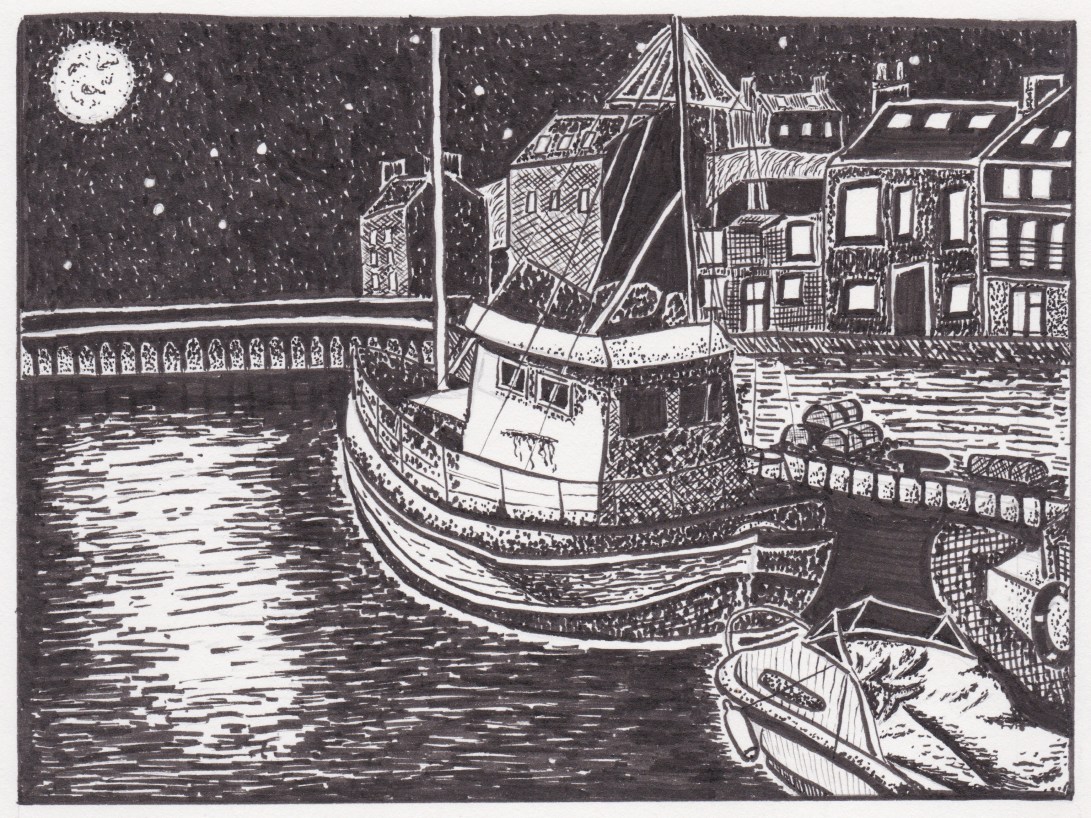
Burghead Harbour, the scene of a reflective piece about night walks

Writing and illustration go well together, so I decided to create a small drawing or painting for each piece in my second assignment – a portfolio of nature and travel writing from the field. I’ve loved setting art projects for myself again, which I haven’t done since school. Not only does it bring some variety to my writing, but it’s enhanced my observational skills by forcing me to note the fine details of my environment. I’m really looking forward to seeing how my nature journal progresses and I hope I can maintain it until the end of my course and beyond!

Art 9
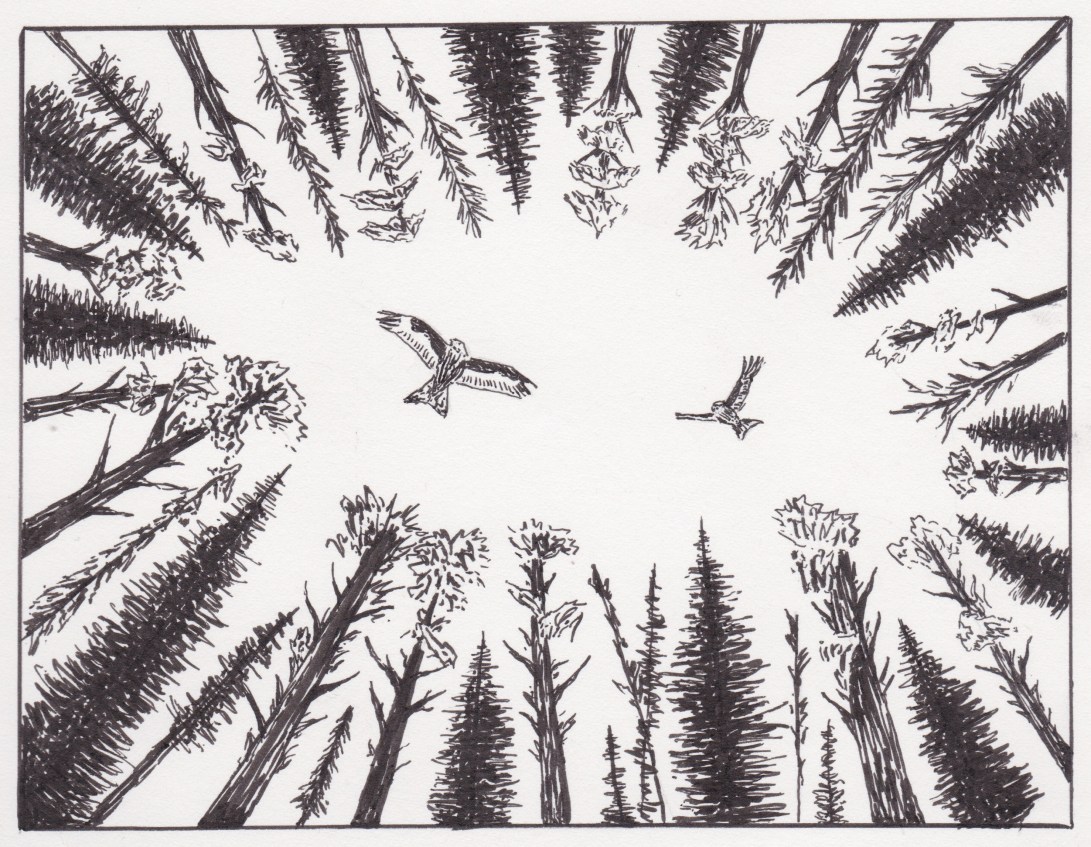
A worm’s eye view to illustrate a sci-fi fiction piece

Published!

This month I was thrilled to have an article and two photographs published in the Christmas issue of Hertfordshire Life magazine. I have started volunteering as a Communications Assistant for the Herts and Middlesex Wildlife Trust, and as part of my work I was able to write a festive article about twelve wild things to see and do at Christmas.

4) Herts Life Dec 14) Herts Life Dec 2

In the past I’ve had a few articles published on websites and a column in a local Cumbrian newspaper, but this was my first full-length article in print and I was overwhelmingly proud. Hertfordshire Life is a beautiful and professional publication, and I was so grateful to be given the chance to contribute to one of its issues.

Even more excitingly, I have submitted another article which shall be published in the next issue in a few weeks. This one will be about winter walks to banish the January Blues and I can’t wait to see it!

New Chapter

The past fortnight has been an absolute whirlwind. I have officially begun my MA in Travel and Nature Writing at Bath Spa University, which I’ve decided to do part time over two years. The course is low residency so I shall be staying in Hertfordshire and completing most of the masters online. However, last week was my first residential which took place in Corsham, a town three miles from Chippenham, Wiltshire. The residential was designed to meet my fellow students and spend five full-on days getting used to postgraduate teaching.

IMG_4280
Meeting the residents

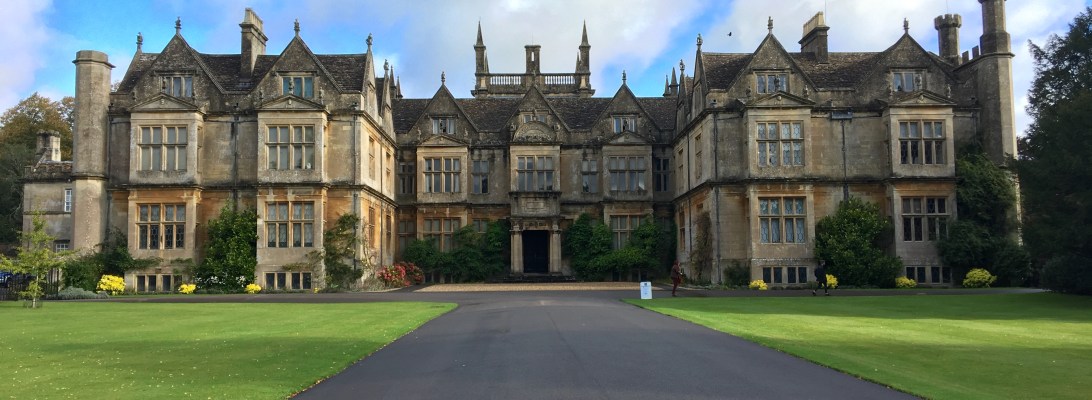
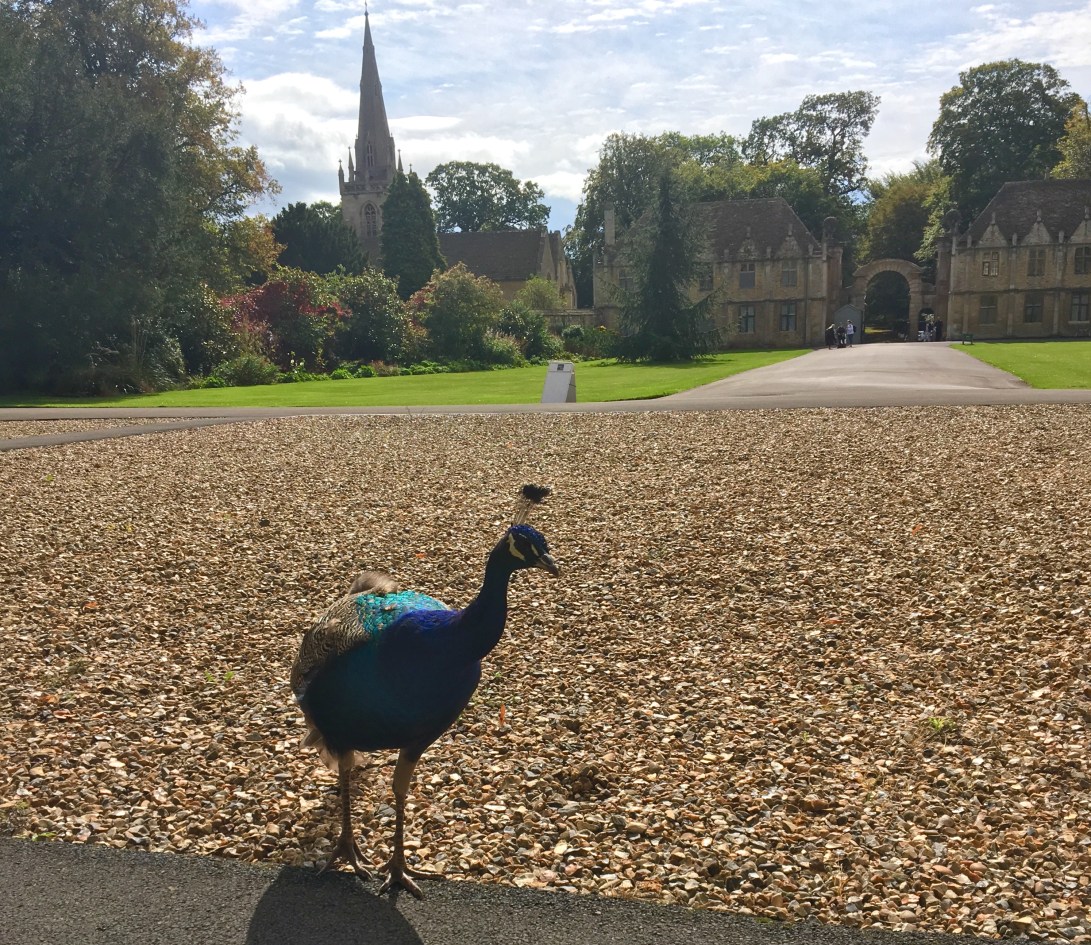
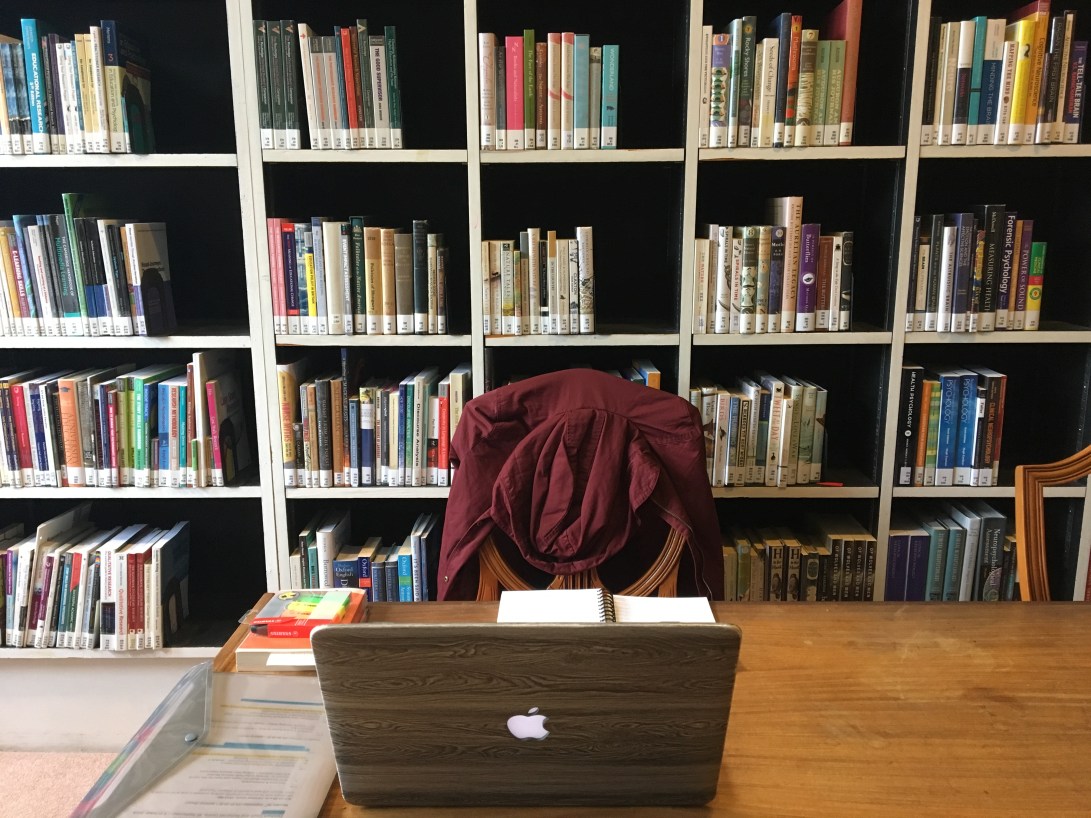
It may sound like an exaggeration but the campus was incredible. Built in 1582, the building is a stunning English country house complete with sweeping grounds and even peacocks that strut comically up and down the walls. I couldn’t help imagining moving staircases and translucent ghosts as I wandered the corridors in search of the library. Although small, its shelves are crammed with books including an enticing selection of nature writing, both old and new.

IMG_4302
Gravitating straight to the library

I am sharing this year’s course with sixteen other writers. While there is a broad range of ages and experience, all but one of us are women – an interesting contrast to the typically male-dominated world of nature writing in previous generations. Everyone is incredibly friendly and I already feel comfortable reading my work in front of them and getting great feedback in return. We were set two writing exercises this week: a piece inspired by senses other than sight and an observational piece from time spent in Corsham High Street. Description is a favourite of mine so I often explore sound, smell and touch as well as visual stimuli, but it was particularly useful to hear what everyone had written and see what details they picked up. Although writing did feature in my undergraduate degree, there was definitely more of an emphasis on visual media, so it was really useful to discover my strengths and identify what I could try next.

65fc464e-0440-4342-bb5a-c15f587296e0
A visit to Avalon Marshes in Somerset on our last day

Now I’m back in Hertfordshire and already missing the change of scenery, not to mention the time spent chatting with new, like-minded people. We will now mostly be communicating and learning via Google Hangouts until the next residential in February, but I did enjoy meeting face-to-face. I’ve never been taught online before so it will be an interesting new educational experience.

We’ve already been set our first assignment, due next month: an essay on the act of “Writing In The Field”. It will be the first time that I design my own question and I’m a little daunted by that at the moment! I’m sure that once I get reading, I’ll start generating some ideas.

My course leaders are Stephen Moss and Gail Simmons, both successful authors in their own right. I’m so happy to be learning more about the craft of writing, especially on a course tailored to nature and travel. I’ve been stuck in a slight rut this past year and was in need of a new challenge. While I still have the passion and drive, I felt like I was lacking in some of the specific skills I need to pursue a career in writing. I’m convinced that this MA will be a great step for me.

A Prickly Afternoon

I arrived at the Hornbeam Wood Hedgehog Sanctuary half an hour early just in case I got lost. They purposely don’t advertise their exact location online, as is often the way with small wildlife charities. Luckily, just as I was cruising along a rather featureless country lane and beginning to think I was in completely the wrong place, I saw a man in a van with “Hornbeam Wood Hedgehog Sanctuary” plastered on the side.

Hedgehogs are one of those creatures that have slipped through my radar for some reason. I’ve only seen a handful of live ones my whole life, and as they’re nocturnal and not particularly attention seeking, I didn’t know a great deal about them. So, when I saw an advert on the Hertfordshire Wildlife Trust website about learning more about hedgehogs at a sanctuary only a few miles from where I lived, I was keen for the opportunity.

Martin, the man in the van, is the only permanent person working at the sanctuary, and all as a volunteer. At peak times during the year, there can be as many as 80 hedgehogs at the site with six new patients a day, but usually there are around 40 animals, which is still a huge commitment. In the intensive care barn, where the hoglets and “pinkies” (hogs only a few days old) are kept, there are feedings every two hours. The majority of hedgehogs that arrive are dehydrated or injured by foxes, dogs or traps. If a back leg is injured, or even amputated, the animal can still be released. Equally, a hog that is blind in one eye can also return to the wild, but a completely blind animal requires an enclosed garden to keep them safe from predation.

Temperature is vitally important for hedgehogs. Hoglets cannot generate their own heat so will die if abandoned by or separated from their mother. Hibernation among adults is dependent on temperature and so the timing can vary year on year. Usually if the temperature falls to around 5°C they will find a secluded space, slow their breathing right down and curl up into their signature ball. A hedgehog’s quills, sometimes reaching as many as 7000 in number, are primarily used as defence, but they also provide a helping hand in ensnaring tangled leaves and wild materials around the hog as added insulation.

P1000552
Martin showing us around “Hog Hotel”

Sadly, hedgehog numbers have declined rapidly in recent years, down 50% in rural areas and a third in towns and cities. There are now thought to be fewer than one million hedgehogs left in the UK. That may sound like a lot, but in the 1950s there were rough estimates of around 30 million individuals. The reasons for such a drastic drop are numerous, ranging from intensive farming methods that rotate fields more often, reduced hedgerows, pesticides and fewer water sources. That’s just in the countryside. In urban environments, hedgehogs are threatened by the use of slug pellets, abandoned plastic and an increase in impregnable fences and walls that prevent wandering hogs from passing through.

Of course, there are ways we can help. Providing jelly-based cat and dog food or dried food specifically for hedgehogs provides much-needed nutrition. Contrary to the once popular belief, hedgehogs should never be fed bread or milk as they are lactose intolerant and this would seriously harm them. Another important garden addition is access to water, especially as most of the rescue hogs Martin receives are dehydrated.

For more indirect help, make your garden a haven for insects by planting wildflowers and fruit trees, and the insectivorous hogs will have a more plentiful food supply. To prevent any casualties, install ramps in ponds to help a soggy hog clamber out – although they can float and swim well, they sometimes drown from exhaustion after getting stuck in the water. And finally, make sure to always check for hedgehogs in compost heaps and bonfires before using them. A simple nudge with a broomstick will stir a hedgehog and give them sufficient warning to leave, although with bonfires it is always best to rebuild them elsewhere before lighting.

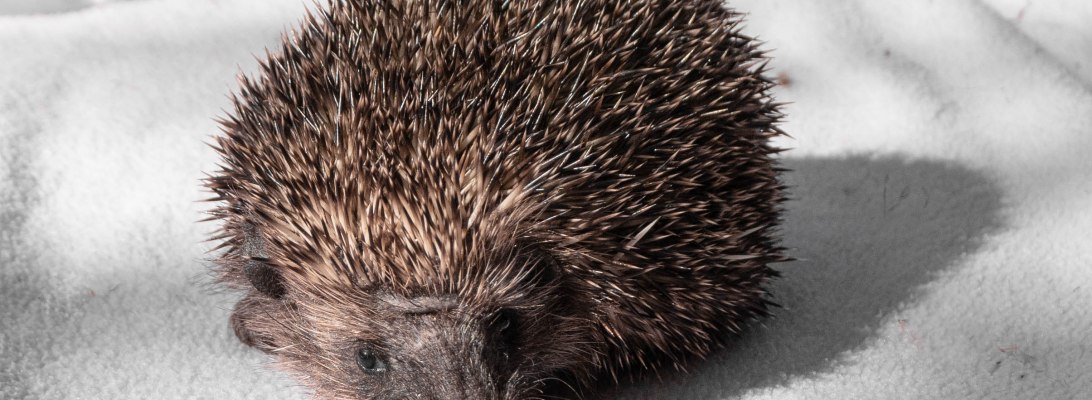
As a wonderful end to a thoroughly informative talk, Martin showed us Hog Hotel where a lot of his patients were kept. We were allowed to meet one, Rock, up close and personal. Not quite adult size, Rock fit snugly in the cup of Martin’s gloved hand and pointed his twitching nose up at us.

P1000547

As hedgehogs are naturally wary of exposing their vulnerable undersides, it’s difficult to sex them. Martin explained that the best way was to find a small dimple amongst their fur. If it is around halfway up the stomach, it is a male. If it is further back towards the rear, it is a female.

Rock explored his surroundings for a while, while Martin stood poised ready in case the hog made a mad dash across the table. Getting to see a live hedgehog so closely was such a privilege. As I watched Rock, I realised I couldn’t remember the last time I had seen one in the wild. Like many of our native British species, hedgehogs are in trouble and it’s so important that we help them in any way we can. People like Martin give up full days of their time. I know I can definitely give up five minutes to put trays of water and cat food in the garden.

If you find a sick or injured hedgehog, the first thing to do before intervening is to contact the British Hedgehog Preservation Society to get expert advice. 

This fantastic event was hosted by the Herts and Middlesex Wildlife Trust. To find out about future events, visit their website.

P1000551

The Red Rut

As the mornings grow gradually colder, signs of autumn such as emerging fungi, clusters of conkers and grass crunchy with frost can now be seen. A seasonal highlight among wildlife during this colourful season is the deer rut, where red stags and roe bucks compete with each other for the right to breed with hinds and does respectively.

The deer rut is regarded as one of British wildlife’s most impressive spectacles, especially that of the red deer – the UK’s largest land mammal, reaching over one metre at the shoulder. From late September to early November, testosterone-charged stags spend many weeks bellowing at dawn and dusk in an attempt to ward off rivals and also to bring hinds into heat (oestrus). They will often thrash in vegetation, gathering foliage into their antlers to increase their size. A slightly less glamorous habit is wallowing in their own urine. This olfactory stimulus also triggers oestrus among the females.

If two stags are equally matched, they will parallel walk alongside each other to assess size and strength. Stags will also clash antlers and shove each other – the victor of these battles will claim his harem of females and win mating rights. Due to its high risk of injury, physical contact is often only a last resort, carried out towards the end of the rut when the dominant male is near exhaustion. The rut is a huge physical drain for stags and they can lose up to 20% of their body weight as a result of being on constant guard of their harem and therefore not eating or resting.

IMG_1827
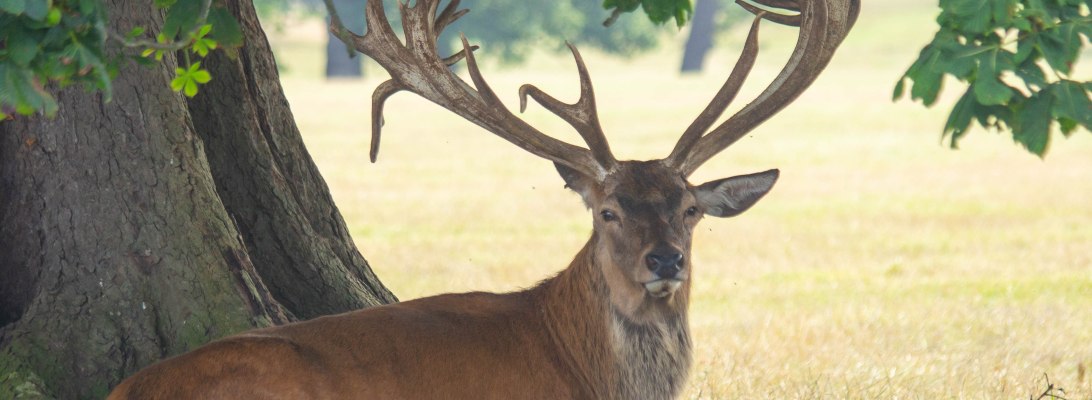
A red stag grazing in Woburn Abbey Deer Park earlier this month – in a few weeks’ time his strength and endurance will be put to the test to win a harem of females

If watching red deer during the rutting season, it’s important to take care and keep a respectable distance. Stags can be aggressive and unpredictable, so it is essential not to get too close when watching the event. This autumn I would love to witness my first red deer rut. After my incredible encounter with a roe deer at Tring Park recently, I’m keen to continue learning about these often under-appreciated animals and witness more of their natural behaviour out in the field. While many good spots for deer rutting are in the wilds of Scotland, more accessible locations include Richmond Park, where over six hundred deer can be found.

The usual suspect, work, has meant that I’ve only managed to snatch the occasional walk outside in nature over the past few weeks.  It’s been a while since I’ve been up with the dawn for a wildlife watch and it’s high time I got back into it. For the deer rut especially, it’s the early bird that gets the reward. 

Doe, A Deer

The first wildlife I encountered when I crossed over the bridge into Tring Park was the grasshoppers. They were everywhere, their electric buzz sounding from every direction. The pale grass in which they were concealed was jungle-thick with a million places to hide, but a particularly noisy individual drew me in and I knelt on the grass and studied the ground intensely. Suddenly I found the culprit, rubbing its legs together with fierce ferocity. I just managed to take a few quick photos before the insect propelled itself into the air, leaving the leaf bouncing with the impact.

IMG_4112

As stunning as the open parkland was – with butterflies flitting through the grass and red kites wheeling in slow circles overhead – I sought the shade of the forest, already beginning to perspire in another bout of sweltering August heat. The cooling cover of the trees was instantaneous and I made my way up the hill. Sloping overhead from left and right, the trees sighed as a breeze whistled through them. The canopy was a blend of greens, browns, oranges and, where the sun was shining, molten gold. Further up the hill I found a small clearing speckled with sun and shade and set down my blanket. Blue tits churred up in the trees and a distant jay screeched into the silence.

The first activity came from two grey squirrels who came darting at full pelt straight through the clearing. One continued right past me but the second wasn’t nearly so trusting. Hopping onto a nearby tree, the squirrel studied me intensely. After a few moments’ deliberation, it decided to take the long way round and shimmied up the tree in fragmented bursts, pausing every so often to stare again, bushy tail twitching. I’d obviously plonked myself in a squirrel playground and this one was making sure I knew it.

P1000474

After the branches had stopped shivering from the squirrels’ antics, the forest fell silent. My eyes kept catching on long lines of spider web that sparkled each time the sun touched them. They were mesmerising; delicate gossamer threads lifted by the breeze. Behind them, voices permeated through the forest and a group of dog walkers marched past, each dog’s nose on overdrive with all the enticing aromas. Another squirrel foraged close by, exploring the leaf litter in small hops and tail twitches.

Every so often a single leaf would fall, twirling slowly to the ground like confetti. It seemed that no animal had disturbed it, so it must already be the beginning of autumn. Soon, the leaves would explode into warm colours and tumble to the ground before the first frost.

P1000495

There was another rustle to my right and I glanced up, expecting to see another dog walker or jogger. An involuntary gasp escaped and I watched in disbelief as a female roe deer headed straight towards me. She briefly disappeared behind a tree and when she emerged suddenly spotted me, stopping dead in her tracks three metres from where I was sat. For several long moments we stared at each other, both equally incredulous. I willed her not to be scared of me but she was naturally rigid with unease. My camera lay right next to me within easy reach, but I knew the second I moved she would bolt. So I ignored my photographer’s instinct and stayed frozen.

We continued to gaze at each other and I took the opportunity to admire her beautiful face with its large, black nose and literal doe eyes. Eventually she skirted around me, falling back to a safer distance and emerging onto the path, her elegant legs moving in long strides. As she retreated I grabbed my camera and snapped just before she disappeared, although of course my real photo opportunity was long gone.

P1000510
Proof that it happened!

There comes a time when an encounter is worth not getting the picture and I believe that was one of those times (or so I kept telling myself afterwards). Not only would reaching for my camera have startled the deer unfairly, but it would have undoubtedly shortened my time with her. For those few precious seconds I ignored all distractions and savoured the thrill of engaging with a wild animal, especially one as naturally wary as a deer. Experiences like that don’t happen every day and sometimes it’s best to simply be in the moment, even if you pass up the possibility of a killer Instagram post.

Long after the deer had gone I buzzed with excitement. The afternoon was warm but goose bumps had risen on my arms as I sat relishing the encounter. I’d always been captivated by the elegance and composed beauty of deer. In a way I found them near mythical. Despite their supposed abundance I very rarely see them, so to experience one so unexpectedly close and without any warning was exhilarating.

365 Days Wild

Lucy McRobert lost her mother to cancer when she was sixteen. Although it wasn’t as easily recognised at the time, she feels she suffered from some form of anxiety or depression, which she unconsciously suppressed until university when she rediscovered her love of nature. It was this passion for wildlife that helped her overcome the grief she had kept concealed for all those years.

It’s been proven that spending time outside and connecting with nature improves mental state and wellbeing. “Just like eating a balanced diet and exercising helps our minds and bodies”, Lucy writes, “Wildlife and wild places help us to get active, encourage us to be more social, improve our confidence and creativity and help us cope with stressful life events”. It’s true that nature is free therapy, but it’s also true that with hectic schedules and mundane commitments it can be difficult to get outside, or sometimes even find the motivation to do so.

That’s where 30 Days Wild came in. During her time working for the Wildlife Trusts, Lucy set up the 30 Days Wild campaign to encourage people to do “random acts of wildness” for every day in June. Involvement has grown exponentially since the campaign began five years ago and encourages everyone to take part in wildlife-based activities, whether that’s noticing something new, sharing experiences with others or taking a more practical approach and making positive changes to the environment.

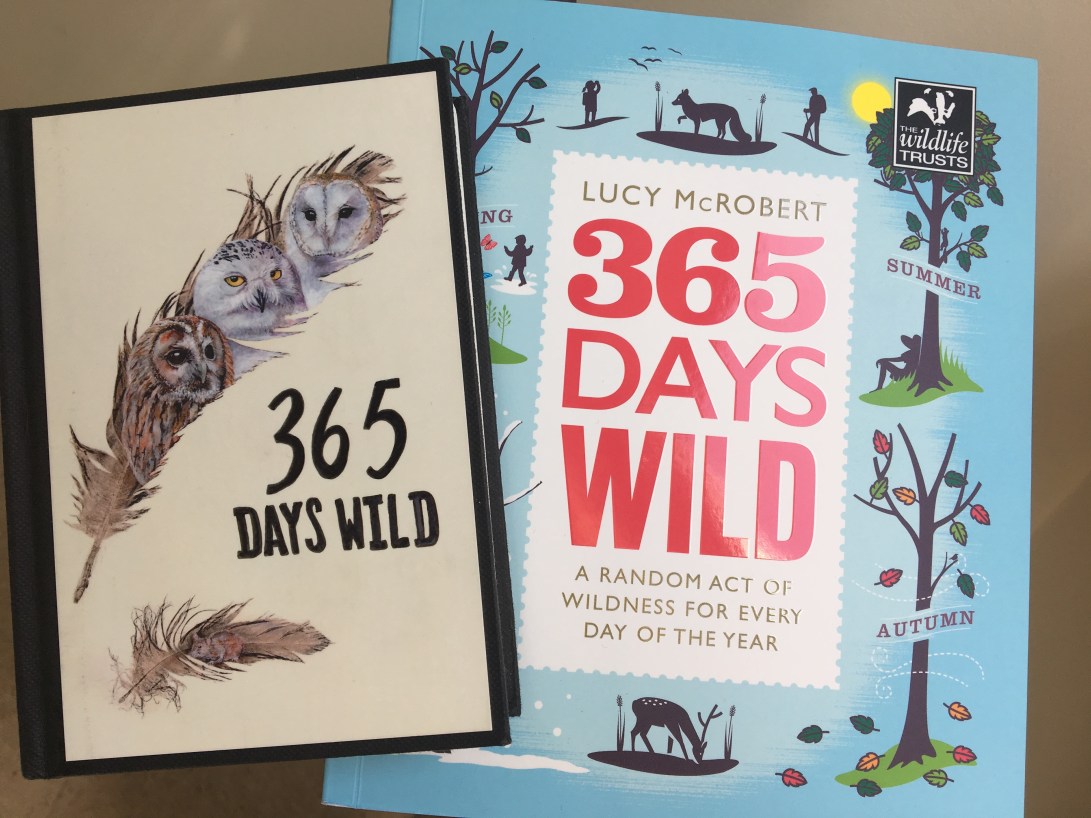
The campaign led to Lucy expanding 30 days into 365 and so came her beautiful new book, published earlier this year. The concept isn’t to climb a mountain or build a pond each day, but instead encourages us to take part in ways as simple as making a daisy chain or buying a reusable coffee cup. When broken down into small steps and prompted by useful hints and ideas, Lucy’s book shows that it’s easy to stay wild even in a technological world.

IMG_4063

I’m embarrassed to admit that I signed up for 30 Days Wild a few years ago and abandoned ship within the first week. Now I see that I’d had my sights set too high. Sometimes it’s impossible to walk outside every day, so Lucy recommends stashing back-up plans up your sleeve, such as buying a new field guide or queuing up a Netflix documentary when you’re feeling lacklustre or just lacking the time.

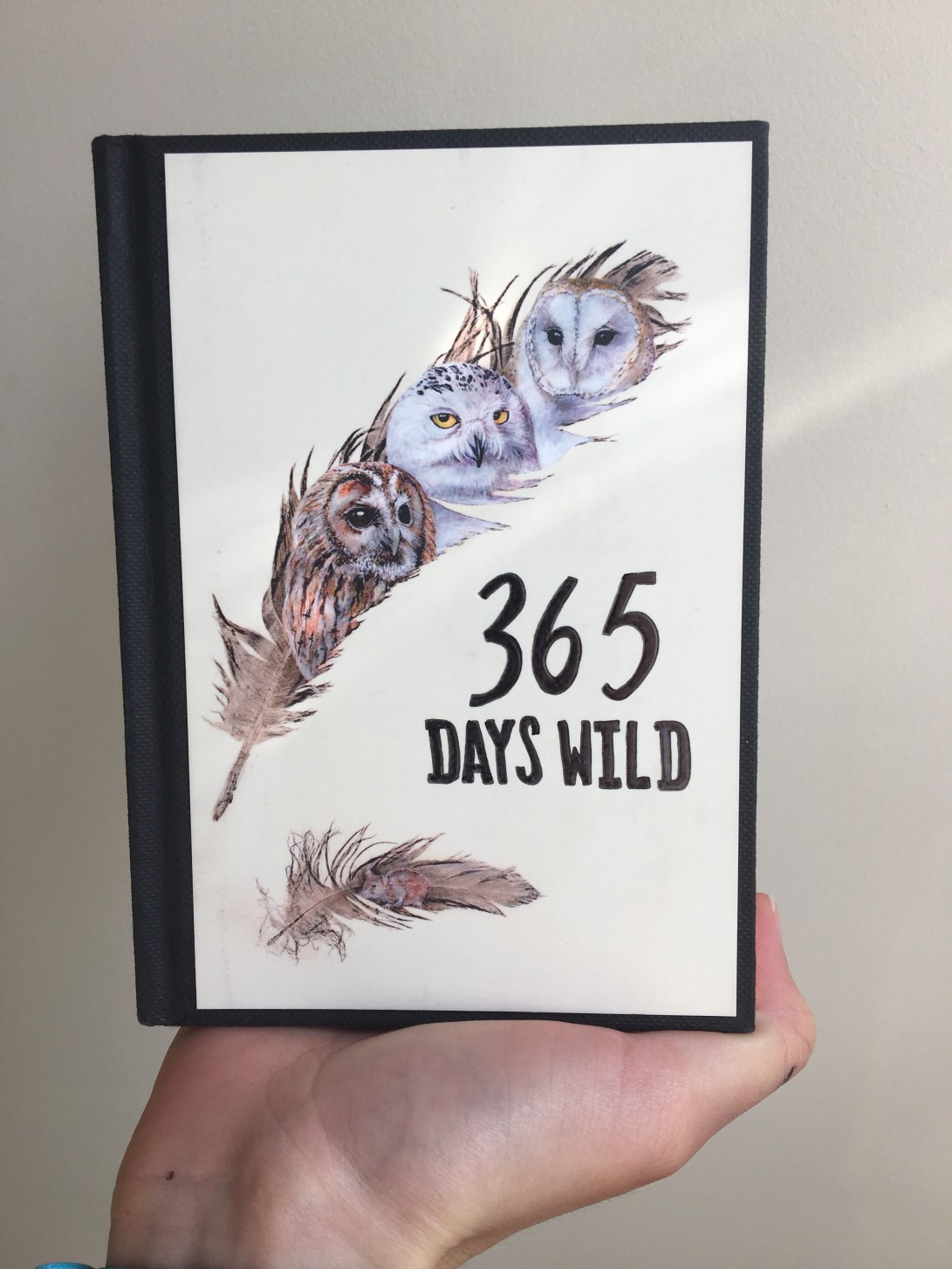
Inspired by Lucy’s passion and eager to give the project another go, I purchased something I’d seen earlier at Birdfair but couldn’t think of anything to use it for. I’d spotted a beautiful hardback sketchbook with stunning artwork from Mandi Baykaa-Murray AKA “The Feather Lady” on the front, who paints extraordinarily detailed bird portraits onto feathers (side note: check out Mandi’s art it’s truly incredible!) Now I had the perfect reason to buy it. Day one: Start a wild diary.

Art, Music and Dance

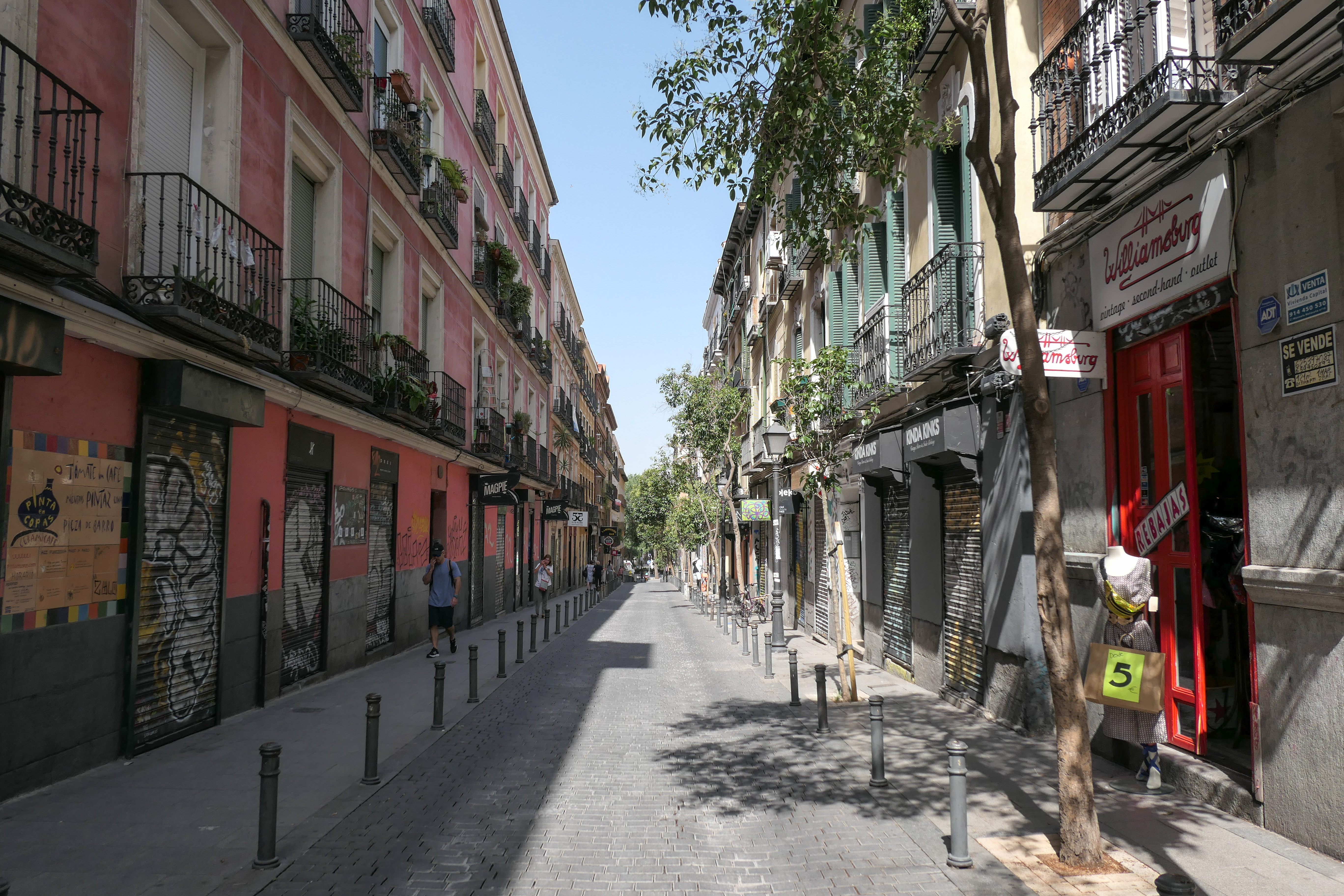
I began my last full day in Madrid with a bit of vintage shopping in the district Malasaña, just north of the downtown area. I’d gotten quite badly overheated from walking yesterday so I used the metro for the first time, journeying from Sol to Tribunal. Although the platforms were a little stuffy, the trains themselves were air-conditioned (unlike the ghastly London tube) and the time saved was more than worth it. As long as you knew the station at the end of the line and the direction, the metro was very easy to use and I would definitely recommend it to avoid getting hot and bothered before you even arrived anywhere!

P1000363
Malasaña

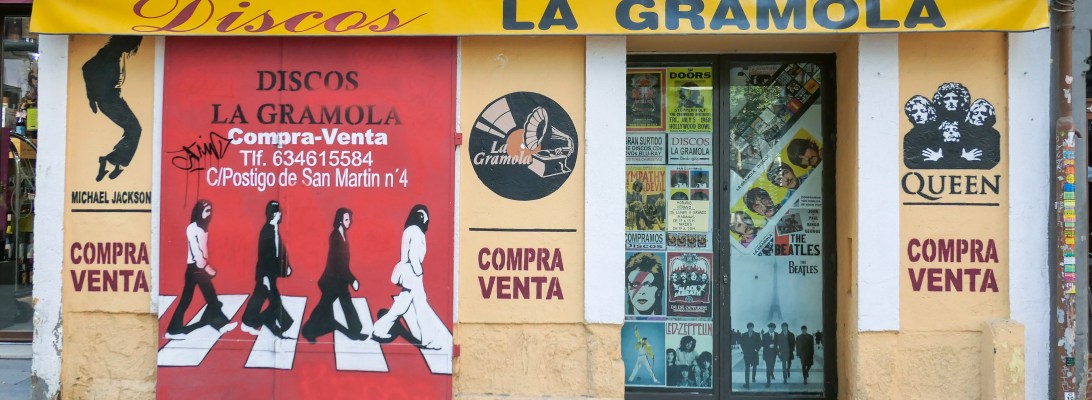
The street to be for vintage shopping was Calle de Velarde, with second-hand shops lining both sides of the street. I pinballed out of one directly into another: Magpie Vintage, Biba Vintage and La Mona Checa to name a few. The clothes were very affordable and I bought a lovely maxi skirt from Retro City for 20€. I could have also bought about a dozen denim jackets, but after remembering my extensive existing collection back home I managed to refrain.

I stopped for a drink and a slice of carrot cake at a dinky little place by Plaza del Dos de Mayo called El 2D and wrote for a while in the shade of an outdoor table. Aside from an unfortunate amount of graffiti (and not the skilled kind) it was a perfectly nice place to sit, but lacked the striking appearance of the frescoed walls of Plaza Mayor.

I hopped back on the metro and tried my luck getting into the Prado Museum, the main Spanish national art museum. Luckily I’d timed it right and sailed straight in. When faced with such a colossal museum such as the Prado and lacking any professional art knowledge, I decided to wander into the first room that took my fancy. It was filled with vast paintings of stunning natural landscapes with one stretching across an entire wall: “Landscape at El Pardo, Mist Rising” by Antonio Muñoz Degrain (1866). I’m always most drawn to realist paintings and get a little sceptical with the more modern, interpretive types. The colours in this oil painting were beautiful; it captured the perfect moment when the sun was at its most golden, casting a soft light over the tops of the trees and the clouds. There was so much depth in the scene; you could really believe that the rider letting his horse drink in the river was many miles from the distant mountains. I loved everything about it, from the glassy reflection in the water to the fluffy clouds.

Mist Rising
Photo: Museo del Prado

Once I’d had my fill of the Prado I faced the peak of the day’s heat, which would remain at 37°C until 6pm. I’d planned on reading in El Retiro Park, but there wasn’t enough granizado de limón in the world to keep me cool enough. In addition, my sandal promptly broke, and I took that as affirmation that I should get out of the sun.

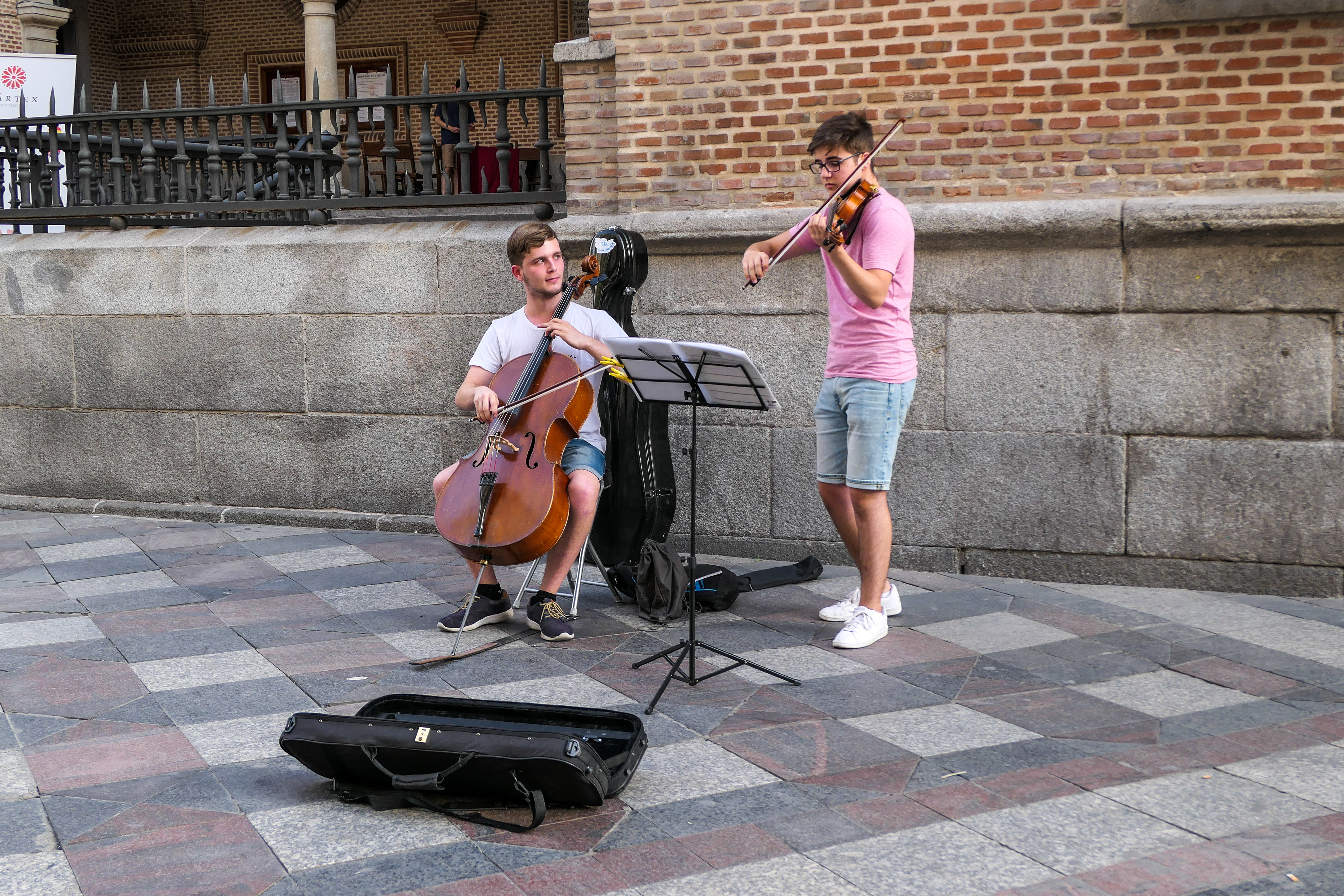
After a brief cooling off period, I ventured back out in the early evening when the temperature was far friendlier. I bought a strawberry slush this time, just to mix things up a little, and took a leisurely stroll up Calle de los Bordadores and then Calle del Arenal, where two school-age boys were busking. One was playing violin, the other cello. As well as classical pieces I also recognised Dancing Queen, Viva La Vida and Smooth Criminal, which all sounded fantastic played on strings. A little further up the street another busker was strumming Spanish guitar: the epitome of a balmy evening in Madrid.

P1000367

To make my last night even more Spanish, I went to see a flamenco show. Of the many tablaos (flamenco venues) around, I chose Las Carboneras, which was just around the corner from Mercado de San Miguel. As I sipped my complimentary drink, I had to suppress a sob when one tourist asked for the Wi-Fi password. I was delighted when the waiter denied it, and instead told them to enjoy the show.

Unfortunately I had waiters marching to and fro in front of me for the duration of the performance, as well as several tourists who couldn’t sit still. It was a shame that photography without flash was permitted so there were dozens of distracting phone screens blaring. After testing my patience too far, I had to tell one man to stop because he had begun to lean into my view. It wasn’t the cheapest flamenco show in town and I wasn’t about to watch it on someone else’s screen.

Nonetheless, the show itself was electrifying, which may sound melodramatic and cliché but it genuinely was. The atmosphere created by the seven performers – four dancers, two singers and a guitarist – was nothing short of incredible. The sound of the dancers’ shoes hitting the floor was like the crack of fireworks. One minute they were spinning in a frenzy, long skirts swirling, and the next they were frozen with just their fingers clicking or their wrists twisting in slow circles.

At times I didn’t know where to look. While the dancers obviously caught the eye in their elaborate and brightly coloured dresses, I found the guitarist fascinating too. His fingers moved almost in a blur but his actions looked effortless and he barely watched what he was playing. As mesmerising as he was, I most enjoyed the parts where the only sound was the lead dancer’s feet and the other dancers’ – who took it in turns to take the stage – clapping. They watched the lead dancer’s movements like a hawk and increased or decreased the rhythm of their clapping in response. There was such dramatic contrast between the gunshot stomps and moments of utter silence. As each dance built to a dizzying climax I felt my chest tighten. The tension in the room was overwhelming.

I would be interested to see how other shows compare to Las Carboneras. It was cabaret-style seating with tables dotted haphazardly and waiters weaving between with trays of drinks. While this suited the environment and lent itself well to such an intimate and emotional performance, for the sake of being fully immersed in the whole ambience, I would have preferred more traditional theatre-style seating. The constant interruptions of drinks coming and going was irritating, not to mention inconsiderate tourists. Venues more catered towards locals may be less tolerant of taking photos, or perhaps locals don’t feel the need to take any in the first place. Even considering that, I would recommend flamenco to anyone visiting Madrid, purely to hear that explosion of sound with their own ears.

P1000372

When I left the show I didn’t feel like turning in. It was a beautiful evening so I strolled to Plaza Mayor for some night photography. At 11pm the square was buzzing with activity. A saxophone was serenading diners with “Sway” and a tour group was in full swing, assembled by Felipe’s statue in the middle of the plaza. A woman walked by with her dog. Life continued just the same after dark as it did during the day. Perched on a bench, I felt perfectly safe in the bustling square. There are, without a doubt, things that a girl shouldn’t do alone at night, but in a place like downtown Madrid I felt perfectly at ease. When I got peckish I tried another portion of churros from a café and still found them hard as nails. If there was one disappointment from my trip, it was the let-down of the churros.

As I people-watched and scribbled in my journal, I reflected on the past five days. My time in Madrid had been both diverse and enlightening – my first trip alone to a non-English speaking country. While the language barrier had sometimes felt like quite the hurdle, I’d muddled through and had some incredible experiences. I’d watched terrapins up close and personal, sampled the buzz of El Rastro flea market and had been truly moved by the passion of flamenco. With a little more Spanish under my belt, I could really see myself living like a true madrileña.

P1000181