Nature Journaling Week

IMG_4479

It’s Nature Journaling Week! I’ve taken on the challenge of writing and illustrating a page in my nature journal every day from the 1st – 7th June. I always miss the international weeks and days but luckily I caught this one the night before it began. I’ve kept a nature journal for about nine months now, but recently it’s become more difficult to make time for it with my masters and other work commitments. So, Nature Journaling Week couldn’t have come at a better time for me.

As well as daily prompts, the week includes workshops and virtual events with nature journaling teacher and author John Muir Laws and author and artist Tim Pond. There is a huge amount of information on the website, so if you have a flair for journaling or even just a curious interest then get involved!

For day one I visited my local forest, which has always been a great place to relax and reflect. As well as birds and butterflies, there are furrier creatures to be spotted too. I’ve glimpsed a roe deer dashing through the gorse on previous visits, but I had a particularly special sighting yesterday.

IMG_4378

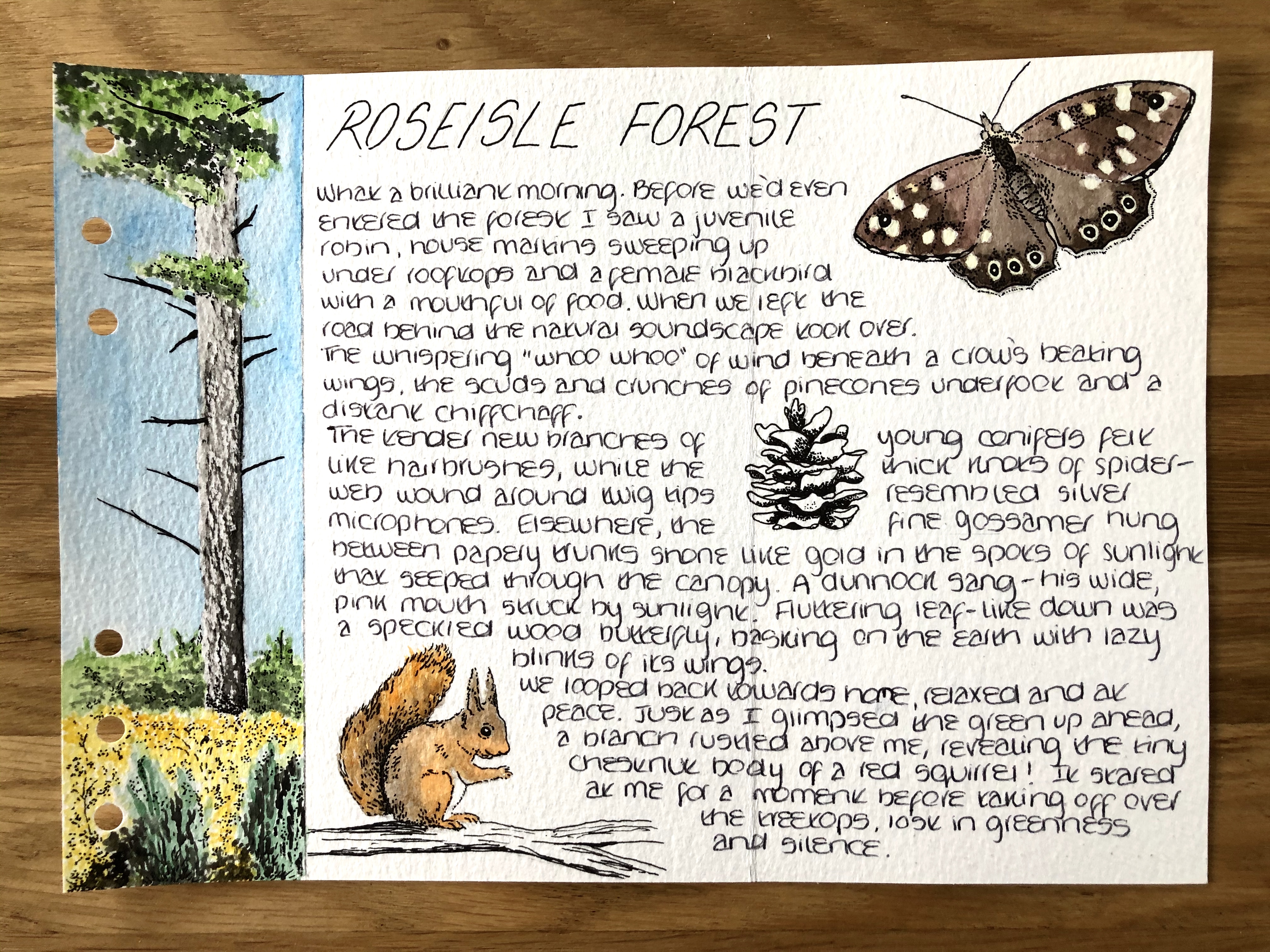
ROSEISLE FOREST

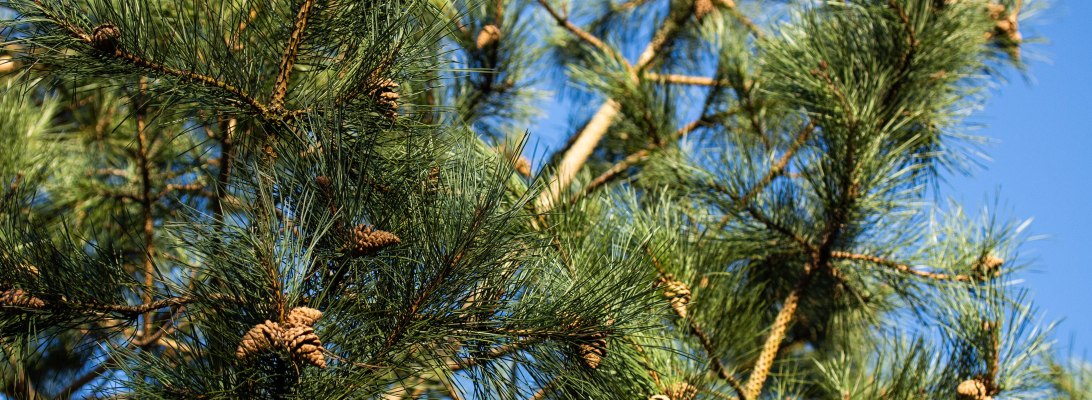
What a brilliant morning. Before we’d even entered the forest I saw a juvenile robin, house martins sweeping up under rooftops to reach their nests and a female blackbird with a mouthful of food. When we left the road behind, the natural soundscape took over: the whispering “whoo whoo” of wind beneath a crow’s beating wings, the scuds and crunches of pinecones underfoot and a distant chiffchaff singing its name.

The branches of young conifers were like apple green hairbrushes, still soft with youth, while the thick knots of spiderwebs twisted around twig tips resembled silver microphones. Elsewhere, the fine gossamer hung between papery trunks shone golden in the spots of light seeping through the canopy. A dunnock was singing – its pink mouth open wide. Fluttering leaf-like was a speckled wood butterfly, basking on the dry earth with lazy blinks of its wings.

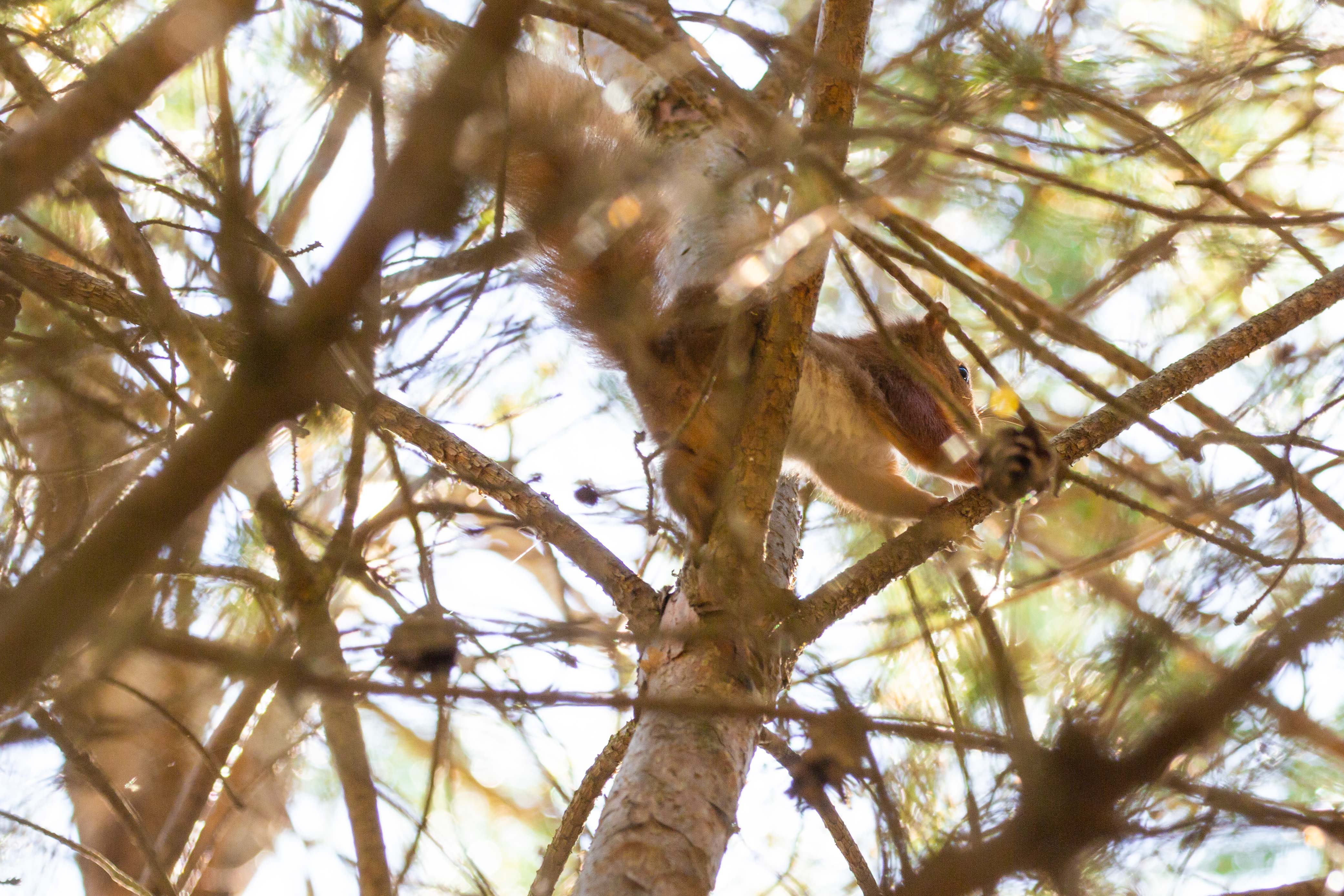
We looped back towards home, relaxed and at peace after a little forest therapy. Just as I glimpsed the first row of houses, a branch rustled overhead and revealed the tiny body of a red squirrel! It stared at me for a moment before taking off over the treetops, lost in greenness and silence.
IMG_9080

It was so lovely to take time out to concentrate on creative writing and art. It’s easy to get distracted with pressing deadlines, but it’s also important to break that routine and reset yourself. I returned from my walk more relaxed, (thrilled after the squirrel sighting!) and ready to begin the day. I hope Nature Journaling Week will inspire more people to not only visit wild places (ensuring appropriate social distancing of course) but also to record their interactions in a journal to reflect on them for years to come.

Splash of Sunset


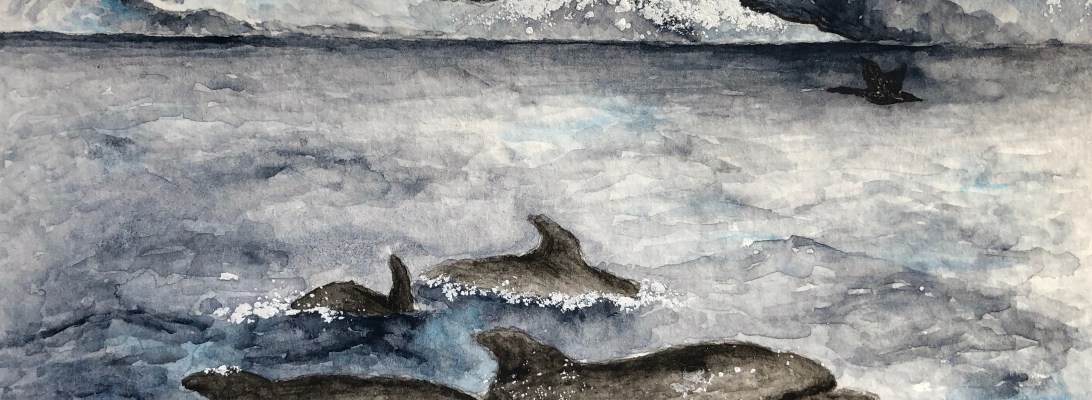
I had just finished dinner after a fairly uneventful day when I received a tip off from Steve – wildlife photographer, skipper and all-round marine mammal wizard – who told me there were bottlenoses on the way. I jumped into a down jacket and grabbed my camera. Luckily my daily walk can include a long stretch of rocky shoreline, which is infamous for its wildlife including the Moray Firth dolphins. Half a minute later I was slammed by an unexpected wind and I regretted not grabbing a hat on my way out. Although, I wasn’t sure how fast the dolphins were going and another half minute could be the make or break.

IMG_3627

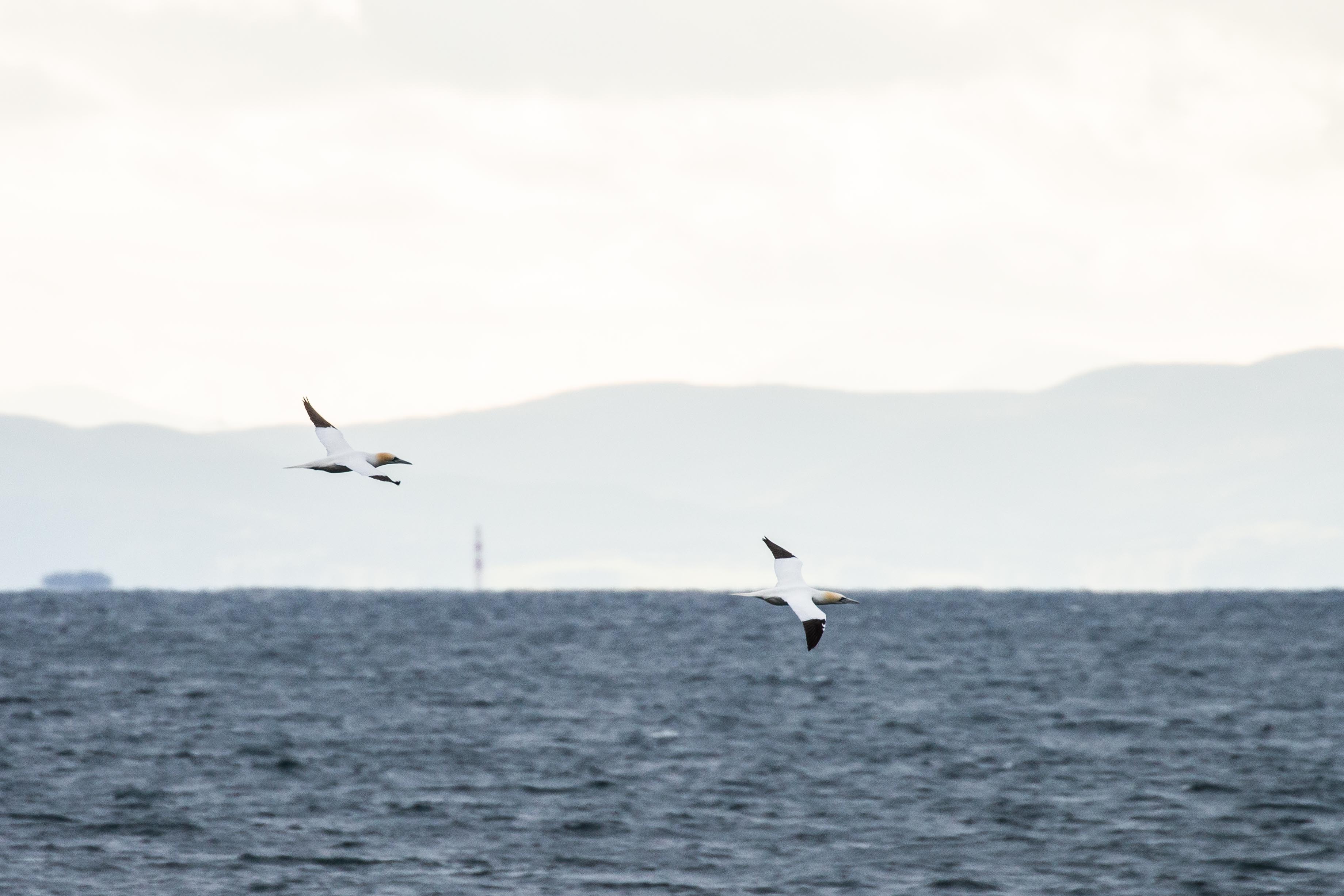
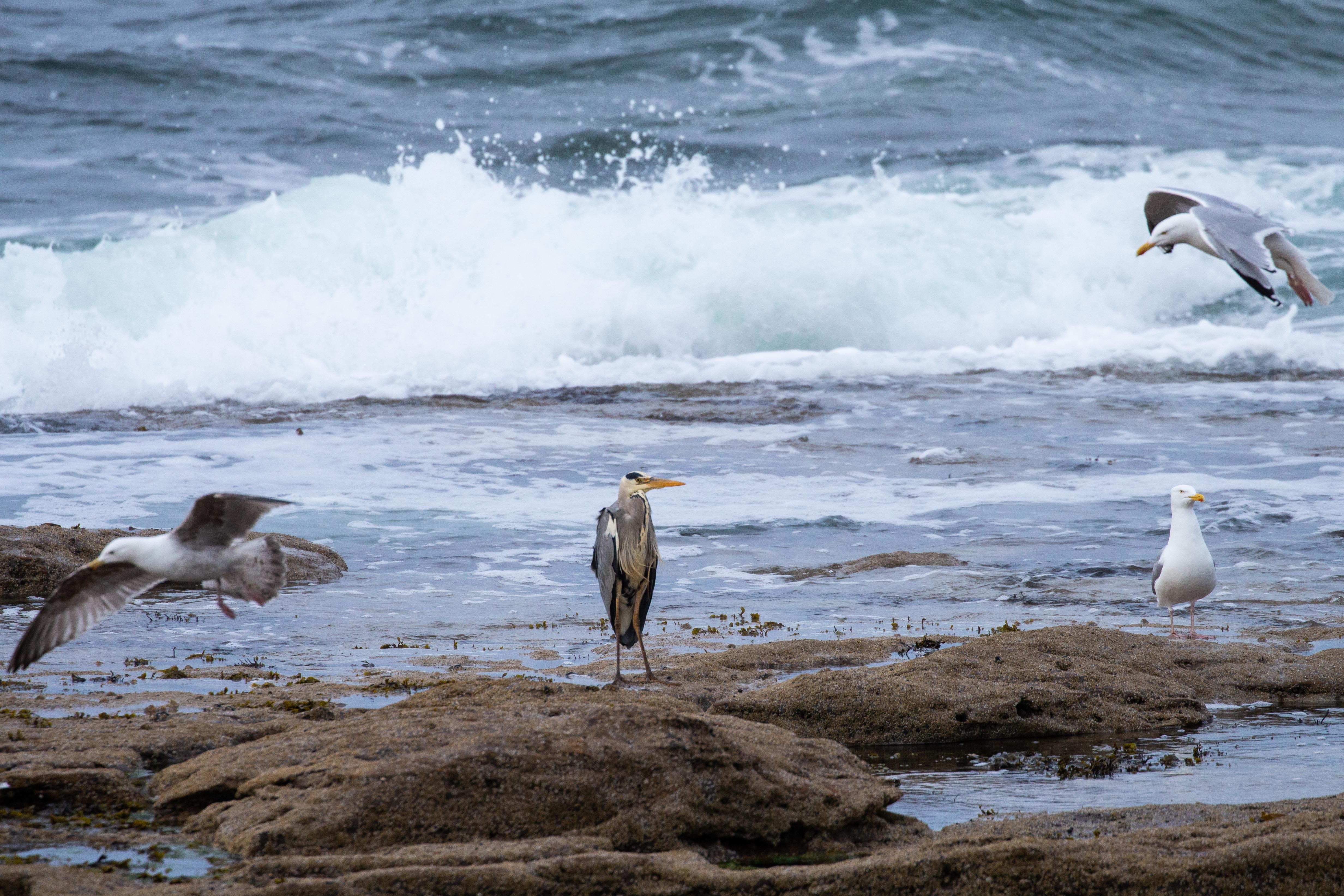
Keeping my two metre distance from Steve, we started scanning the water. He spied them far out, almost level with the next town, but we stayed put. If they didn’t turn north and swim further away, they would follow the coast and come straight past us. There was still lots to photograph while we waited. Groups of gannets – easily one of my favourite birds – were diving just offshore and a grey heron was settled hunch-shouldered on the rocks, surrounded by the usual mob of herring gulls and oystercatchers.

IMG_3632

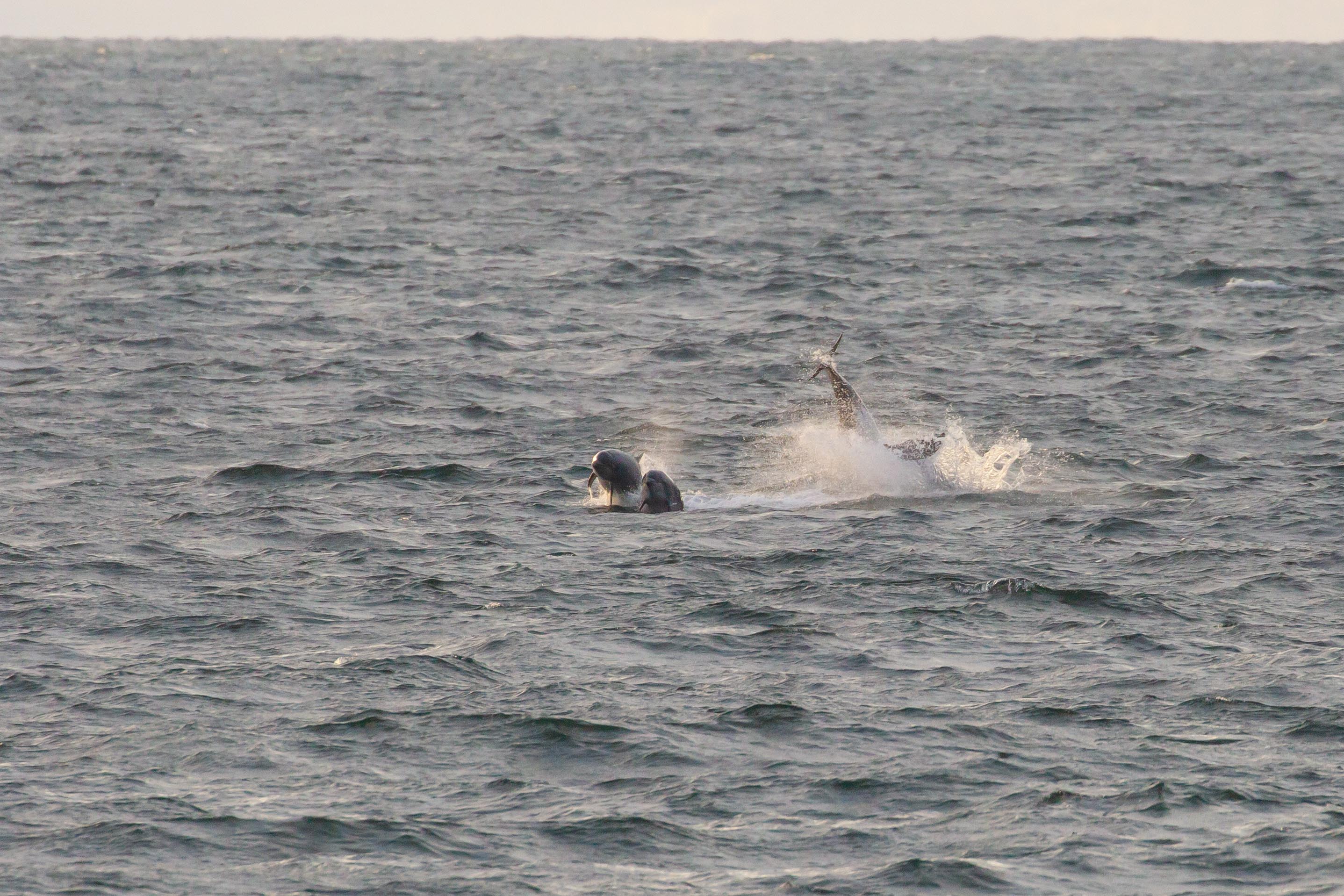
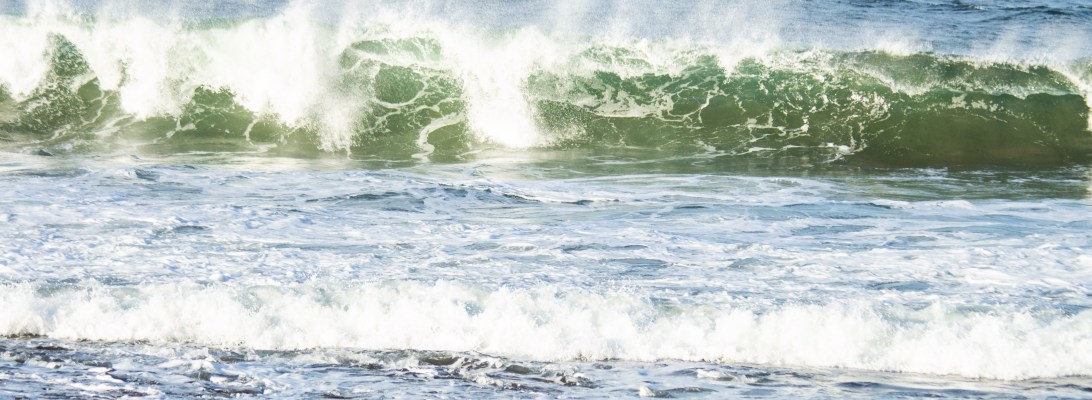
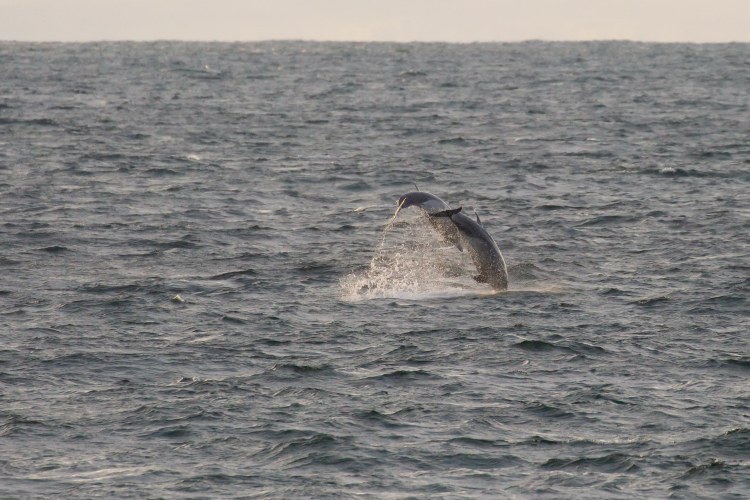
Suddenly the dolphins appeared again, much closer this time. They began to breach, leaping one, two or even three at a time. Photographing them felt a bit like playing Whack-a-mole – just when I thought I’d caught one, it had already landed with a splash and another had sprung up somewhere else. Once, two jumped together in perfect synchronicity, and no sooner had they landed than another pair took their place in the air. As so often happens, I was trying so hard to get the shot that I occasionally missed some of the action. But, when animals bigger than most grown humans are flinging themselves out of the water and performing acrobatic stunts, it’s almost impossible not to lift the camera and watch through the viewfinder. I find there’s nothing more enjoyable about wildlife photography than the unpredictability.

IMG_3685-2

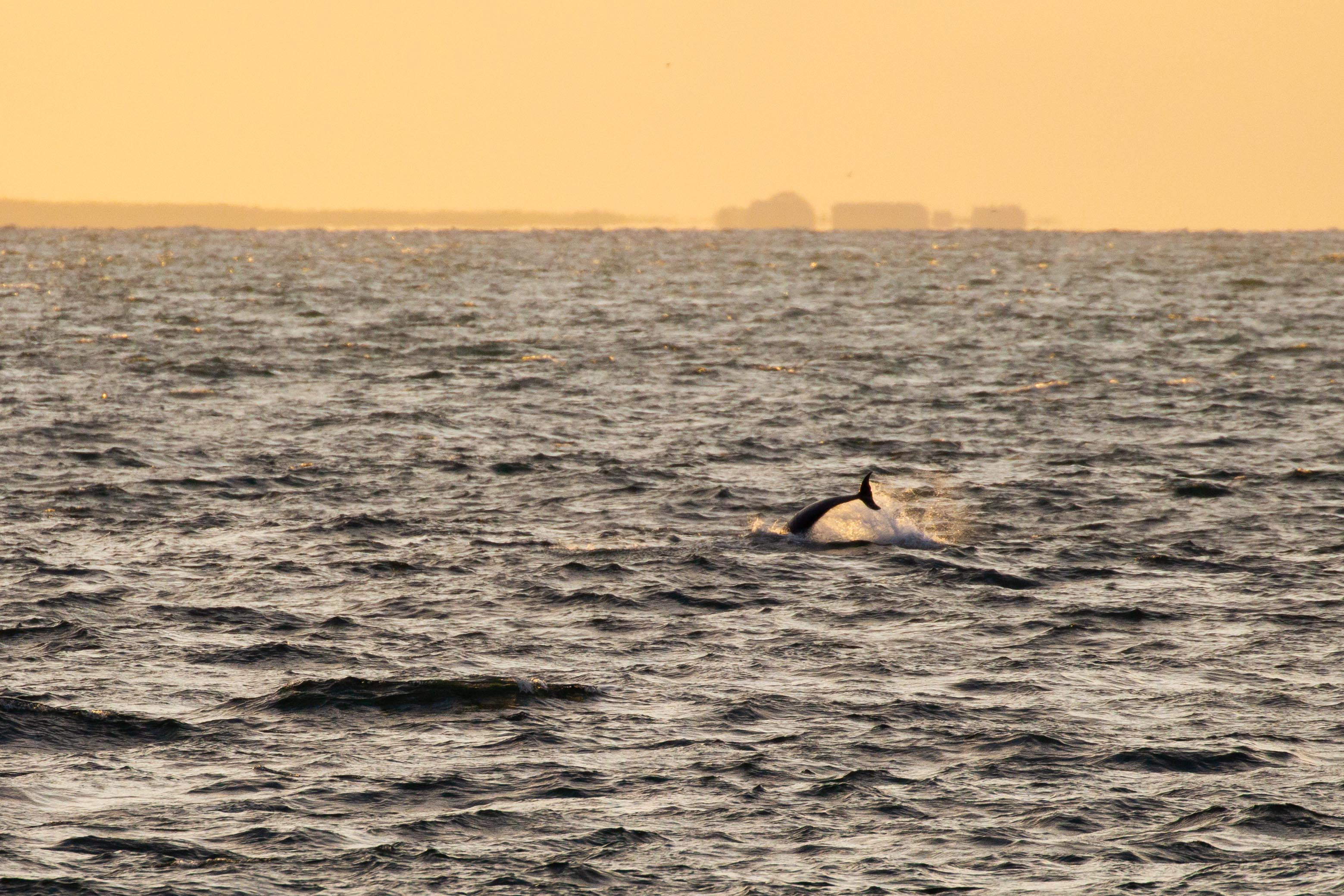
The cold was nibbling my face but there was no way I’d go home for my hat now. Dolphins were jumping in multiple directions, and all of them heading towards the sunset. We hiked up to the headland for a higher vantage point. As the dolphins got closer to the sun, the water streaming from their bellies mid-leap turned golden. Even with the naked eye you could spot them between waves from the clouds of shimmery spray erupting from their blow holes. Every so often there’d be a breach, but they were gradually heading further out. Still, Steve had never known them to linger for so long in one place. I was pleased not just to watch them but to know there was plenty of food to keep them there.

IMG_3700

The sun finally set, casting a bright orange glow over the water. It was moments like that when I knew I’d made the right decision to move to Scotland. Sitting on the grass, shivering in the cold and watching dolphins breaching out at sea.

A Flash of Dorsal Fin

Jasmine brought me the ball again and shook her fur just as I stooped to pick it up, sending a spray of sand up into my face. Since I moved to the coast, sand is now a constant in my life. Every dip in a pocket reveals a new gathering of damp and slightly fishy dust, stuck like glue to every surface. I hurled the ball and Jas pelted after it, her pitter pattering paws the only sound in an otherwise silent evening. I had the beach to myself most days anyway, but recently it had become even more unusual to see another dog walker or jogger. Jas was none the wiser and was soon back at my feet again, tossing the ball up where it splatted against my shin and left a patch of sandy residue.

The evening was gloomy. Clouds were gathering and the little sunlight left was concealed behind the point at the end of the peninsula. My wet dog was getting curlier by the minute so I gave her a treat and put her back on the lead. She picked up her ball and carried it lovingly, ears lolling either side of a sand-clogged beard. I headed up the hill towards the pink splodge that hinted at an impressive sunset and scanned the shore. Herring gulls were gathered together on the rocks while a pair of red breasted mergansers bobbed in the shallows. A cormorant shot over the surface. The usuals.

I struggled with the lead, my soggy gloves and a poo bag as I rummaged in my pocket. The vivid sunset paled instantly as my phone decided not to pick up any of the oranges or pinks that I was seeing. Scowling at the phone and the dog as she began to dig a hole at my feet, I contented myself with just watching the sunset, but a black scratch on the water quickly made my stomach flip over. I lifted the binoculars up and yes! A dorsal fin! I could barely believe what I was seeing. For the last month I’d believed that dolphins were mythical creatures and I was more likely to see Nessie. But no, there were multiple bottlenose dolphins out there. As Jas continued to tug at a particularly stubborn tussock, I buzzed with excitement as the dolphins surfaced again. I counted four fins, although it was difficult when they didn’t all appear together. They were heading around the point so I followed them, hurrying along the thin trail that wound around the sheer edge of the hill. If I tripped the wrong way I’d plummet into the sea but I wasn’t too aware of that at the time. Jas followed reluctantly, no doubt wondering what the fuss was about.

Again! Definitely four fins, dark against the pale water. They were out of the sunset now and trickier to spot. Without the bright light, they were swallowed up by the mist already obscuring most of the horizon. They came up again but I could barely make them out. I began to feel rain, the sort of rain you don’t notice until you’re drenched, so I walked back to the house, scanning sideways the whole time, but my dolphins were gone for now.

A Review of ‘Sky Dance’ by John D. Burns

I discovered ‘Sky Dance’ while looking for non-fiction titles in the Scottish Interest section of my local Waterstones. In the past I have struggled to engage with a lot of rewilding books and often been intimidated by the political conflict. But after reading the blurb I realised that ‘Sky Dance’ was actually a novel. The story follows two hill walkers who get caught up in a row between conservationists and landowners about the reintroduction of lynx into Scotland. There is a fictional island called Morven and a landowner who ticks all the stereotype boxes of a tweed outfit, upper middle-class pomposity and a disregard for any animals besides grouse.

It is a strange book in many ways – especially the surprising ending – but I enjoyed the unorthodox approach. Acknowledging a potentially heavy topic such as rewilding through the medium of fiction was intriguing. ‘Sky Dance’ conveys important messages while remaining full of action. There are a few too many side stories which muddled the plot for me, but the main narrative about the lynx was an engaging one.

It would be fantastic if the reintroduction of a long-lost predator into Scotland could one day be a reality and not a piece of fiction. Burns explains that lynx would pose no danger to humans and only have a very low impact on livestock. If famers were compensated for these small losses then lynx would undoubtedly make a valuable contribution to the restoration of an unbalanced ecosystem that is currently overflowing with deer and damaged trees. Wolves and bears raise more difficult issues, but I believe lynx should definitely be brought back to the UK. John D. Burns paints quite a haunting picture of what the Scottish Highlands could look like if we started to reverse the damage we’ve caused by hunting apex predators to extinction.

Published in 2019, ‘Sky Dance’ is John D. Burns’s third book. He has spent over forty years climbing mountains and fifteen years writing. To hear more from John, visit his website for blogs and podcasts.


Wild Intrigue Blog

Back in 2017, I spent the year as the Creative Content Developer intern for Wild Intrigue. As well as teaching me a huge amount about British wildlife, Wild Intrigue founder Heather gave me my first experience writing for a client. During my year with her and media director Cain, I wrote blog posts, took photographs and was able to attend incredible rewilding expeditions in Northumberland, Cumbria, Perthshire and the stunning Isle of Carna on Scotland’s west coast. I learnt how to use camera traps, bat detectors and Longworth traps, which are used to humanely survey small mammals.

Heather and I have stayed in touch regularly since I graduated. Now the coronavirus lockdown is interfering with small businesses and preventing companies like Wild Intrigue from running face-to-face events, I was keen to help out at a distance with a guest blog post. During these strange times, it’s so important to remember that nature is right outside the window and we don’t need to miss out. In my post I share intriguing insights into some common garden birds: blackbirds, blue tits and robins. I hope readers will learn something unexpected about these often overlooked species and be inspired to discover their local wildlife.

You can read my guest blog post here. To find out more about the amazing work Wild Intrigue does, check out their live video from last week where they share camera trap footage and reflect on their past projects and expeditions.


Arrival

I’ve finally done it. After feeling for the past year that I’ve been in the wrong place, and experiencing a far greater satisfaction every time I visit Scotland, I’ve finally moved there. Last weekend I drove 568 miles and upon arrival collapsed exhausted, filling the house with bags and suitcases. But over the past few days it’s finally started to sink in that I live here now.

The reason I can tell I’m in a much better place is I already feel a connection to the landscape, so much so that I’ve assigned myself a local patch for the first time. Back in Hertfordshire I never felt closely attached to any wild place, and even if I had there was nothing within walking distance of where I lived. Now I can walk for less than two minutes and reach the sprawling north side of the Burghead peninsula, known by the Brochers (Burghead residents) as the backshore. This is my new patch. Not only is it teeming with birds – attracting twitchers from across the Highlands as a result – but it is home to many species I don’t know, which will make the process of monitoring my patch even more rewarding. Having never been in regular contact with marine and coastal habitats before, my knowledge of gulls, ducks and waders is almost non-existent. I’ve been visiting my patch for three consecutive days now and have already learned to recognise six new birds: turnstone, redshank, rock pipit, goldeneye, curlew and long-tailed duck. When I stand on the bank scanning the waves, I think I see around a thousand dolphins breaking the surface, but the ocean is known for playing tricks. As the old saying goes, the harder you work the luckier you get. There are around 130 resident bottlenoses in the Moray Firth, and I’m determined to see some on my patch soon.

IMG_2547
A well camouflaged curlew

Having a local patch is a great way to get to know an area intimately. By regularly recording not only the species but also the weather conditions, time and date of visits, you begin to detect changes and ultimately learn wild animal behaviours. On Sunday I went at 4pm and watched waders and gulls foraging amongst the rocks. Yesterday I went at 11am and the tide was completely in, so the waders were absent but there were still ducks and cormorants diving in the shallows. A marine patch is particularly intriguing because it changes drastically in a short space of time. In just a few hours the habitat is transformed, and new birds appear to take advantage of the conditions.

IMG_2492
The backshore is full of redshanks

I’ve already met other birders at the backshore, including Steve Reddick from Highland Wildlife and Birdwatch Safaris, who had the added benefit of a scope. He was keen to see purple sandpipers, which are often here during the winter. I learnt most of my six new birds from Steve, and now wish he could help me with a mystery diver I keep spotting. It’s too far away to make out clearly through binoculars, and to my untrained eye the three species of diver seen here – red throated, black throated and great northern diver – all look very similar in winter plumage. Hopefully with a few more sightings I’ll learn the differences and be able to identify them with confidence. I’m particularly looking forward to seeing their summer plumage, which is not only easier to recognise but also stunningly beautiful!

IMG_2542
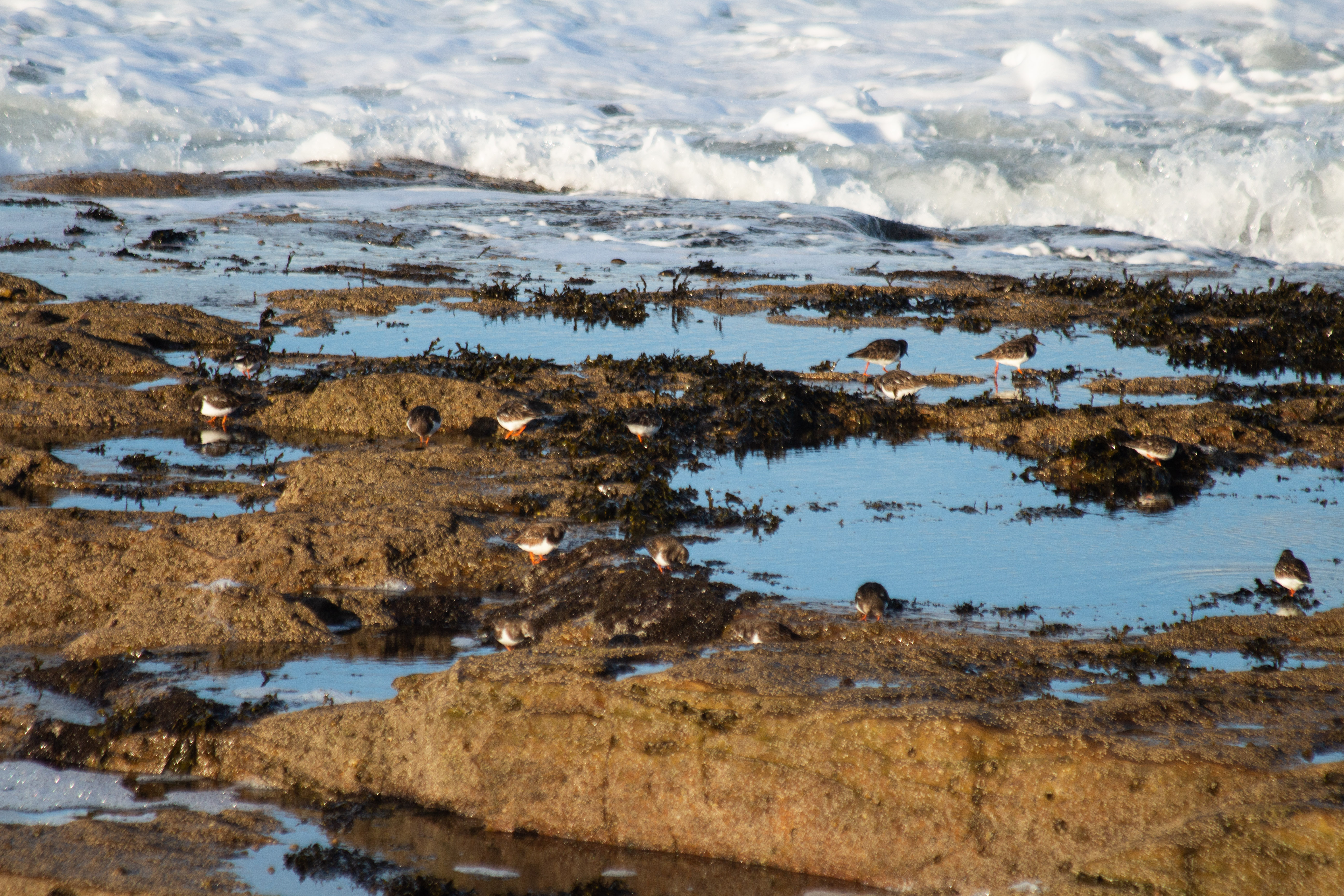
Turnstones are notorious for fidgeting, but it would be nice if they all looked up every now and then!

It’s fantastic to have my passion for birdwatching renewed. I’ve been in a slump for months, so to finally be in a place that inspires and challenges me is both a relief and a privilege. I can’t wait to discover new species this year, not only on the backshore but all over the Moray coast.

Avian Meditation

I’ve never been able to meditate. I’ve tried it before, frustrated and envious of those people who can sit still and completely disengage from the distractions around them. For a start, I can’t even sit up straight without getting uncomfortable. I know you can meditate lying down, but then I just fall asleep. If I finally do find a comfortable position, I inevitably can’t stop thinking. “Focus on breathing”, all the books and videos say, and I focus on the first three inhalations wonderfully, but soon my mind wanders to my shopping list, deadlines, or reminding myself to put the bins out. I’ve discovered that meditation is just something that not everyone can do, in the conventional way at least.

The other day I went to Rye Meads Nature Reserve in Ware, Hertfordshire. I have quite a lot of things to do at the moment with my MA and the move to Scotland later this month, but I needed some time outside. I find it a real challenge to make time for walks, so I fought my better judgement and put work on hold to sit in a hide and watch birds. I don’t do this much – when I’m out and about I’m either on my way somewhere or keeping an eye on the dog to make sure she’s not getting into mischief, so it was a real indulgence to spend an entire morning ambling around a nature reserve.

I sampled each hide in turn, following muntjac prints in the mud as I walked, and eventually settled in one that overlooked a lake speckled with birds. A group of thirty lapwings were soaring over the water, swinging in a single mass from left to right. Each time they twisted the sunlight caught their backs, illuminating that iridescent green also concealed in magpies and starlings. I watched their display through the binoculars, captivated by the pendulum-like movement. Unlike a lot of wings that end in sharp points, these birds have wings that are loosely shaped like tennis rackets.

Eventually one bold individual decided that was quite enough flying, and as it swooped down to the water its companions followed until the air was empty again. They settled on the rocks alongside a pair of shelducks, shovelers, gadwall and a lone cormorant. The strips of pebbles cut the lake into wedges, separating midnight blue from slate grey. Ripples from bobbing coots sent tiny waves onto the shingle.

“Have you seen the green sandpiper?”

The voice made me jump after such a long silence. It was a member of RSPB staff, brandishing both binoculars and an impressive scope. Shimmying along the bench, I peered down the scope and watched the wader as it scoured the shingle for food on its skinny green legs. I’d have never spotted such a well-camouflaged bird without help. In fact, the green sandpiper was a species that I may have looked at but not noticed many times before.

The man with the scope carefully lowered the window cover and hitched the scope onto his back, heading back out into the sunshine. I carried on watching the lapwings, now foraging with their spiky hairdos fluttering. It occurred to me then that birdwatching was a form of meditation. You have to sit still, as quietly as possible, and often go for hours without speaking. My phone was on silent, buried at the bottom of my bag underneath gloves, sketchbooks and biros. The only connection I had was with the birds. Sure, I was hoping for bitterns, kingfishers and otters (none of which showed), but I found satisfaction in the more common residents. There is undeniable beauty in a young blue tit’s downy feathers, the tight curl of a cormorant’s dive and the vibrancy of a mallard drake’s head, which almost shines yellow in the right light. Maybe I’d denied myself the pleasure of birdwatching too long, but sitting in the hide looking out onto calm water felt like meditating. My work was back at the house and I was in the reserve sharing space with birds.

New Nature magazine

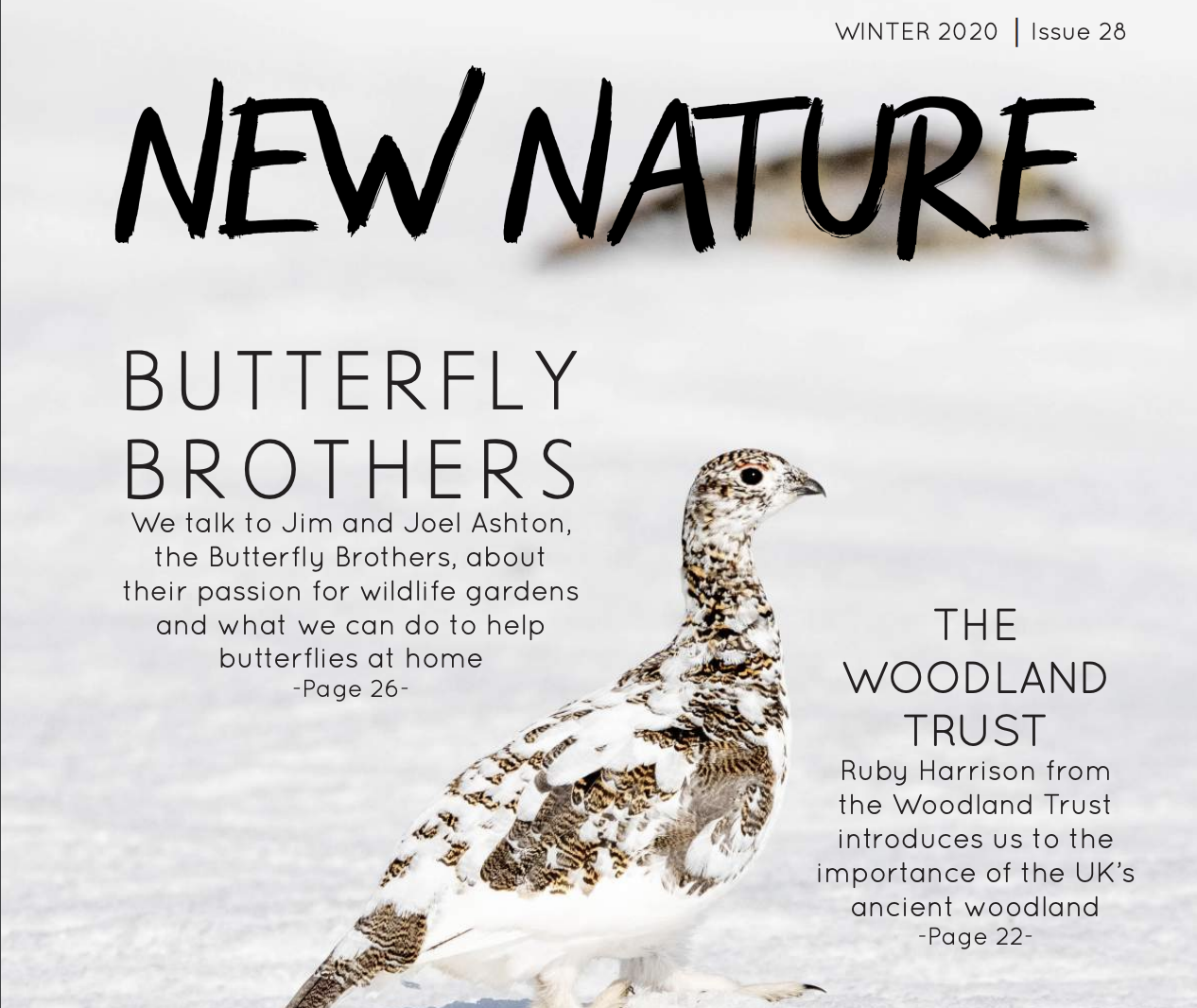
A few years ago I had an article published in New Nature magazine about my time in the Cheviot Hills in Northumberland. In autumn last year I pitched another article, this time about my visit to Anagach Woods in Grantown-on-Spey, my all time favourite area of woodland. There was no room in the autumn issue but it has just been published in the first issue of 2020.

New Nature is written, designed and produced entirely by young people. It features the work of ecologists, photographers, ecologists and writers. Its purpose is primarily to entertain, but with an underlying mission to celebrate wildlife and encourage its protection. I feel proud to be part of a project run by the younger generation and know that I have contributed alongside a team of talented and passionate individuals.

To read the latest issue of the magazine, click here.


Screenshot 2020-01-28 at 10.31.26

Onwards and Upwards

My last post was all about reflecting on 2019. This one is about looking forward to 2020. It’s easy to write a long list of New Year’s resolutions but a little trickier to stick to them. So, this year I want to develop habits that I already have, starting with my art.

Last year saw a surge in my artistic activity. I can’t remember quite how it happened, but I know that starting a nature journal certainly helped. As well as nature I use my journal for tickets, feathers, pretty page borders and scribblings. One of my new evening past times is sketching whilst curled up on the sofa in my favourite spot. It’s a one-stop shop for all my creative energy and seeing the book get fatter only encourages me more. The journal is particularly useful for making notes on walks, although I still need to kick the bad habit of wanting every page to look Pinterest-worthy. I make title pages each month and have bought a dinky old-fashioned library stamp to date each entry. It’s by no means perfect, but so far it has proven to be a useful tool for getting me drawing and painting again.

Linked to this is a new art challenge: Inktober 52. The original version was a drawing prompt for every day in October, but that sadly didn’t quite happen. Luckily for me there’s a weekly version starting in 2020 – 52 new drawings that I can add to my portfolio. The first prompt was FLIGHT so I drew a dragon with my new Faber-Castell pens I got for Christmas. I really want to stick to Inktober 52 and I can’t wait to get next week’s prompt!

C34767BE-2C12-4BF8-A468-B925793D3D36

Alas, where there’s play there has to be work. I’m feeling really optimistic about my writing moving forwards. The MA has already provided a structure for developing my work and, perhaps most importantly, trying to get paid for it. The self-led trip in April will be an important test of my ability to pitch to publications. Today I spent many hours poring over Scottish magazines and I was pleased to see that a lot of my ideas hadn’t been featured. There’s still a lot to organise, but I’m so excited to see what happens over the next few months.

Another thing I would like to do this year is establish a better work structure. I have quite a few different types of work including MA assignments, freelance pieces and personal writing, and my long to-do list was getting a little daunting. This year I’d like to try assigning a certain type of work to a specific day, so on that day I only have a few tasks to concern myself with. Blocking out time will hopefully mean I get jobs done more efficiently and make time for the things that get neglected, such as my fiction projects.

Something I certainly need to make more time for in 2020 is exercise. After a fairly consistent feast of mince pies, Yorkshire puddings and apple sauce over Christmas and the uninspiring rainy weather, my fitness has undoubtedly suffered. What’s more insulting is that my monthly gym membership still zips out of my account even when I don’t actually go… Although the idea of jogging makes me want to crawl into a ball and play possum, I want to embrace power walking and forest walking more this year.

IMG_1489
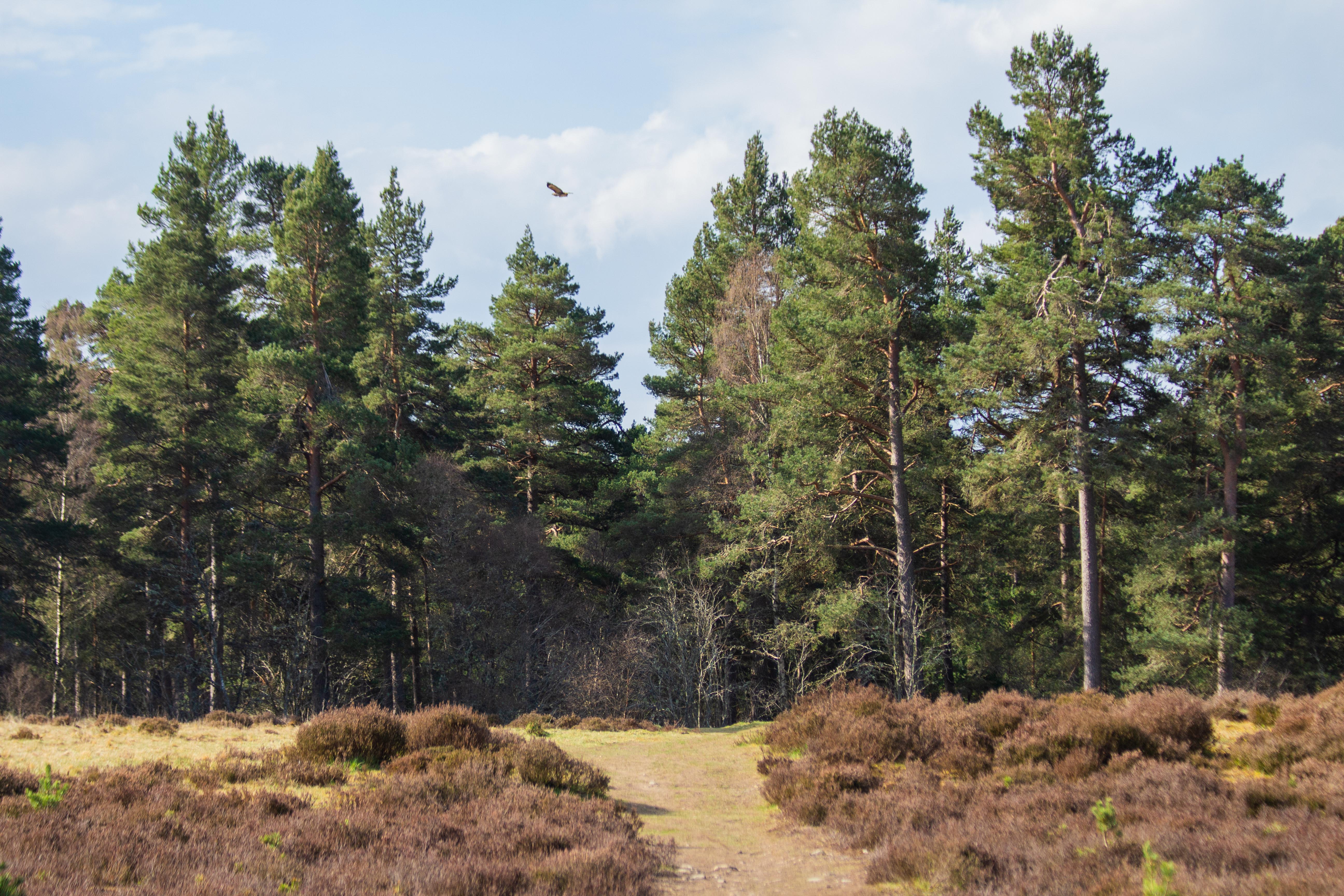
Buzzard gliding over Anagach Woods, Grantown-on-Spey

Lots to be getting on with! I’ve seen a few people choosing one word to summarise the coming year so I’ve decided that mine will be “improve”. It may sound simple but it’s what I want to do every year, whether that’s learn something new, develop a skill I’ve already been working on or change something for the better. Basically any small victory that brings me closer to my goals. I hope 2020 will bring lots of improvements!