Chesters – Day Three

Today was the toughest day for my feet, but also the most rewarding. We set off east away from Chesters on a ten-mile hike to the gravel pits of Branton Nature Reserve, though the journey was just as fulfilling as the destination.

IMG_0266-2

After the trials of crossing the Chesters Burn without getting wet, we ascended towards Ewe Hill, where lapwings zoomed with seemingly erratic coordination, and skylarks serenaded us from overhead, in a hovering flight they can maintain for the approximate equivalent of running five marathons back to back.

On the way down Turf Knowe, we spotted two hares dashing across a field, accompanied by the frustrated squawking of a distant rookery. We also stumbled across a common frog in a puddle, keeping its numerous frogspawn company.

IMG_0358-2

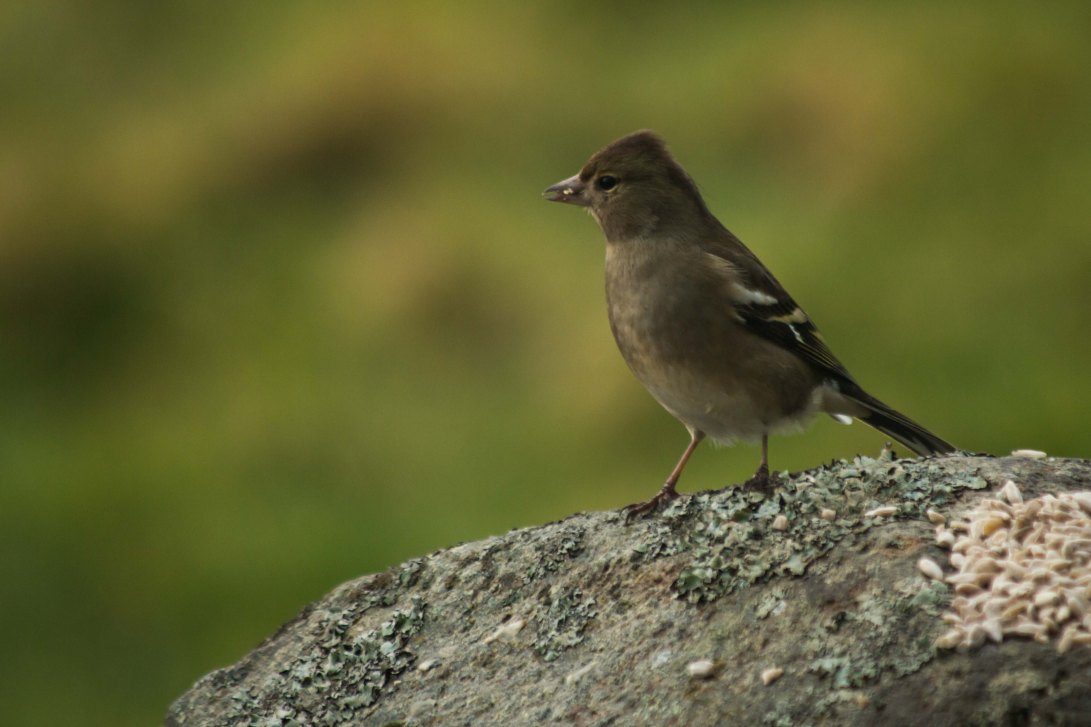
Soon, we reached the village of Ingram, situated on the edge of Northumberland National Park. Here the birdlife transformed to an orchestra of finches, tits and some special guests, including two male yellowhammers, a bustling group of siskins and some striking chaffinches in their immaculate breeding plumage. As we left Ingram behind, we followed the River Breamish to the gravel pits to do a spot of bird watching in the hide overlooking the lake.

Since the 1920s, the Breamish Valley was used for sand and gravel extraction, including gravel from the riverbed, which was used to surface roads. After the area was restored to agricultural land, concrete company CEMEX asked for permission to extract and was denied, as it was thought the extraction would be taking place too near to the National Park. However, in 1993, CEMEX was granted permission to extract, on the one condition that the company also converted the area to a nature reserve that would “complement and enhance the rural landscape”, ultimately creating a landscape that would improve the area’s biodiversity and provide a stable aquatic environment for many species.

As we sat and watched the lake from the bird hide, we spotted a broad variety of waders, geese and passerines, or songbirds. Greylag geese, goldeneye, wigeon, tufted duck and many more were bobbing about on the still water. Interestingly, instead of the usual drab colouring used for camouflage when on the nest, female shelducks have the same striking green head and bright red bill as the male. The reason for this is the bird’s choice of nest, which is often in rabbit warrens instead of out in the open. This makes female camouflage unnecessary.

Another highlight of our time in the hide was hearing the first chiffchaffs of the year, which arrive from their wintering ground in sub-Saharan Africa in mid March, staying until around October.

Once the drizzling rain had subsided, we did a spot more tracking around the lake. There was an otter spraint by the stream, a sign of territory marking, the square pad of a badger print and several roe deer tracks. While sheep prints – which were abundant virtually everywhere – are rounded, deer prints meet at a point.

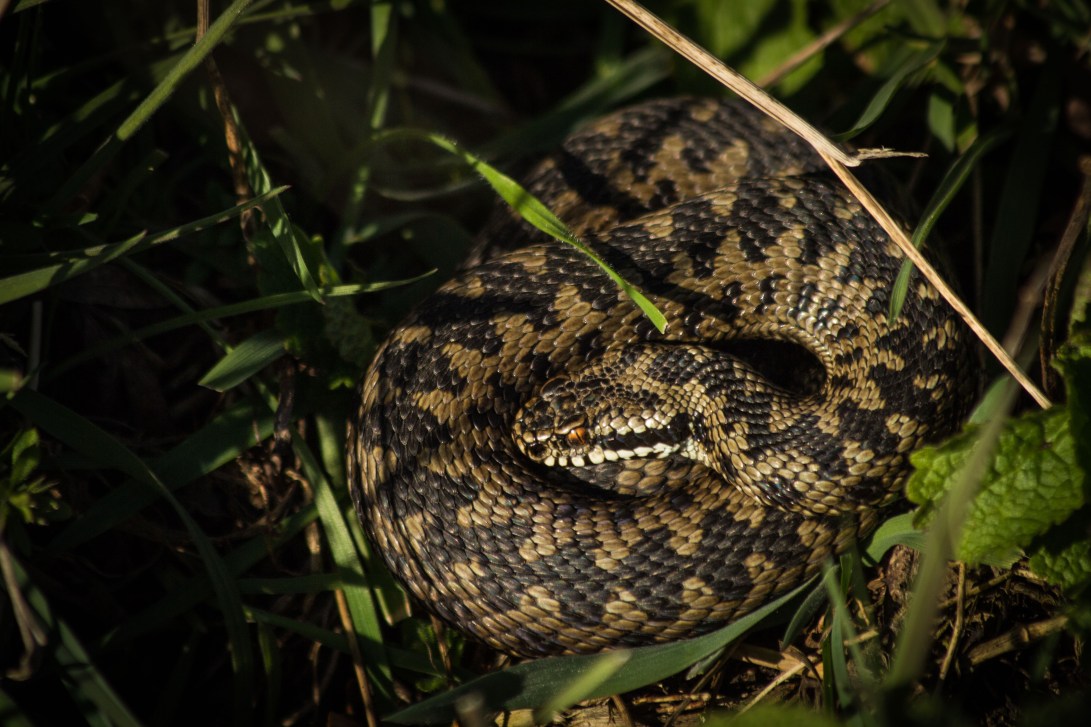
By then the best of the daylight had passed, so we made our way back to Chesters, pockets laden with treasures collected during the day. Along the way we tried our luck spotting some adders. As it was still drizzling and the sun had gone in, chances of a sight of basking adders was slim. However, we managed to find two that were catching the last rays before returning to cover. After such a long walk to find them, I’m glad a few stayed out just a little longer.

IMG_0582-2IMG_0238-2

Species seen/heard:

Adder Vipera berus Bank vole Myodes glareolus Black-headed gull Chroicocephalus ridibundus Blue tit Cyanistes caeruleus Canada goose Branta canadensis Carrion crow Corvus corone Chaffinch Fringilla coelebs Common chiffchaff Phylloscopus collybita Common frog Rana temporaria Common toad Bufo bufo Curlew Numenius arquata Eurasian siskin Spinus spinus European mole Talpa europaea European hare Lepus europaeus Fieldfare Turdus pilaris Goldcrest Regulus regulus Goldeneye Bucephala clangula Goldfinch Carduelis carduelis Grey heron Ardea cinerea Greylag goose Anser anser Lapwing Vanellus vanellus Lesser black-backed gull Larus fuscus Long-tailed tit Aegithalos caudatus Mallard Anas platyrhynchos Meadow pipit Anthus pratensis Moorhen Gallinula chloropus Oystercatcher Haematopus ostralegus Pheasant Phasianus colchicus Pied wagtail Motacilla alba Red-legged partridge Alectoris rufa Reed bunting Emberiza schoeniclus Robin Erithacus rubecula Rook Corvus frugilegus Shelduck Tadorna tadorna Skylark Alauda arvensis Snipe Gallinago gallinago Song thrush Turdus philomelos Treecreeper Certhia familiaris Wigeon Anas penelope Woodpigeon Columba palumbus Wren Troglodytes troglodytes Yellowhammer Emberiza citrinella
Chesters – Day Two

As it happened, I slept extremely well last night, so I missed out on the tawny owl calling from the Chesters bothy roof. The morning was bright, and as I peered out of the cocoon of my sleeping bag I felt the familiar pull of the wild. The combination of hushed soundscape and pine woodland packed with secrets was enough to lure me out of bed.

IMG_0465-2

As I ate breakfast I had the pleasure of watching a bank vole feeding on the sunflower hearts Heather had left out. He was a challenge to photograph as he only stayed in view for a second, but it was impossible not to love his curious expression as he peered through the window.

IMG_0476-2

After preparing the bothy for the expeditioneers’ arrival, Cain and I headed back through the Breamish Valley to meet them. Although no red squirrels this time, we came across two dead pheasants. They looked incredibly fresh with no obvious wounds. The only indication of possible death was the presence of downy feathers in the birds’ claws, suggesting the frisky males had fought to the death. It was a great opportunity to photograph a pheasant’s feathers up close – there are so many beautiful colours.

IMG_0185

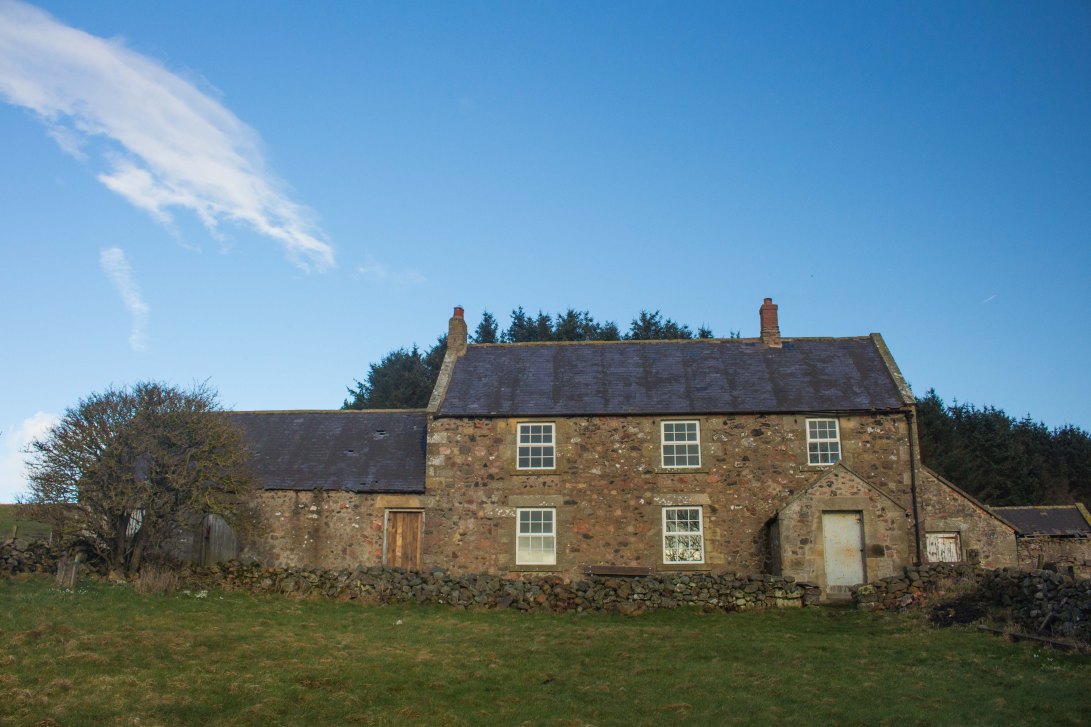
When we returned, Heather explained the itinerary for the next three days and introduced the expeditioneers to camera traps and Longworth traps, recording equipment used to live trap small mammals. Finally, we all found Chesters bothy on a map of the Cheviots.

Just before the sun began to set, we all headed out into a patch of woodland just beside Chesters, where we used the rest of the daylight foraging for signs of the forest’s inhabitants. There were abundant droppings, and although most belonged to sheep and pheasants, a prominent sprinkling on a mound of grass beside an extensive burrow indicated rabbits. Later, we saw different droppings that were more elongated, suggesting hares were also present. Among other treasures, we found rabbit bones, a red squirrel drey – a nest built of twigs, dry leaves or grass – the chest plate of a woodpigeon and feathers belonging to a buzzard and a long-eared owl.

After a thorough forage we suddenly realised the sun had gone, so we hurriedly set up two camera traps, one in the woods to hopefully capture roe deer and the other beside a clump of frogspawn to see if the parent showed up.

Once the traps were set we returned to the bothy. Heather went to fetch wood for the fire and returned with a sleeping moth. After searching through the moth ID book we discovered it was a herald moth. I’d never seen this species before, and took the opportunity to use my macro lens and accentuate its rich copper-coloured wings. After returning the moth to the woodshed to avoid disturbing it, we had an early night in preparation for our long walk tomorrow in search of elusive adders.

IMG_0450-2

Species seen/heard:

Bank vole Myodes glareolus Blackbird Turdus merula Chaffinch Fringilla coelebs Coal tit Periparus ater Goosander Mergus merganser Grey wagtail Motacilla cinerea Great-spotted woodpecker Dendrocopos major Herald moth Scoliopteryx libatrix Mistle thrush Turdus viscivorus Oystercatcher Haematopus ostralegus Pheasant Phasianus colchicus Red-legged partridge Alectoris rufa Robin Erithacus rubecula Snipe Gallinago gallinago Song thrush Turdus philomelos Tawny owl Strix aluco Woodcock Scolopax rusticola Wren Troglodytes troglodytes
Chesters – Day One


The drive to the Village Tearoom and Emporium was stunning. As the sun was beating down on my right arm I was a little nervous I hadn’t brought the sun cream, but luckily the light was just right to make Northumberland’s hills shine gold, without turning my skin pink.

After meeting Heather, we drove to a top-secret spot where adders were frequently sighted. Due to the adder’s rarity in the UK, it is important not to broadcast locations of their possible breeding sites, to avoid a rush of human activity and potentially disturbing the snakes. As the afternoon was still very hot, we found eight adders basking, both males and larger females. In fact, in one spot there were four males writhing together, perhaps in an attempt to attract a watching female. It was my second adder sighting, but getting the chance to see them so clearly was a real treat. While maintaining our distance, we watched them bask for nearly an hour. Though I could have stayed far longer, it was time to head to Chesters bothy before it grew dark.

IMG_0124-2

Leaving the adders behind, we drove to the end of the road, where urbanisation ended and true wilderness began. Shouldering our bags for the weekend, we began the two-mile walk through the beautiful Breamish Valley, accompanied only by the bleating of sheep and the infamous scraping call of pheasants.

IMG_0194-2IMG_0196-2

As the day drew to a close, the hills faded from shimmering orange to dusky pink with a patchwork of dark green conifers and purple heather. Then suddenly a flash of brown as a hare darted up the hill, white tail flashing. He was too far for my camera to get a clean shot, but it was a great sighting on my first day in the Cheviot Hills. Fascinatingly, hares can be pregnant with two young that are not twins simultaneously. The unborn leverets may have been conceived at different times, meaning they have different growth rates.

Before long we reached a patch of conifer forest that looked like something from a fairytale. As we threaded up the pinecone-dotted track I couldn’t help but think how well a pack of wolves could fit in here, miles from interfering humans.

IMG_0552-2

Just as we emerged on the other side of the forest and paused for a breather to gaze upon some truly stunning views of the River Breamish, Heather explained how there were tales of red squirrels in the Cheviot Hills, but due to habitat fragmentation resulting in isolated patches of woodland, she didn’t think the area could support a breeding population. As if we’d been overheard, a high-pitched chattering sounded from above and two red squirrels appeared, hopping from bough to bough and scrabbling up the trunks. Not only were these the first red squirrels I’d seen in the wild, they were the first individuals that Heather had seen at Chesters, so it was a special moment indeed.

After such good luck, we almost had a skip in our step as we made the rest of the way up the hill to Chesters bothy. Almost immediately we were met by a flock of fieldfare as they swooped overhead, another new species for me.

IMG_0543-2

After dumping our bags, we sat outside on the dry stone wall and listened to the evening’s birds before the generator drowned them out. Amongst the shrieking pheasants, there was the distant hoot of a tawny owl, and later when the sun finally sunk behind the hills, the bizarre wing beats of snipe reverberated across the landscape. If you’ve never heard a snipe drumming, any description I could give would never give it justice. It’s a sound I’ll never grow tired of hearing. It reminded me that I was in the middle of nowhere. I was cut off from technology and we needed a fire to get hot water – it’s the sort of living many people have never truly experienced. Sitting outside in complete silence could seem eerie, but to me there’s a haunting beauty to the only traffic being speeding fieldfare and the occasional skylark hovering overhead. It’s like stepping back in time to when technology was an unheard of impossibility.

Later, when Cain arrived, the three of us headed over the hills in search of long-eared owls, a bird Cain was eager to tick off during our stay at Chesters. The night was as beautiful as the day had been – the sky was clear and a huge ethereal glow encircled the moon. Sadly, the owls didn’t appear, but the night walk was the perfect end to my first day in the Cheviots. When we returned to the bothy I spent some time writing about the day to jog my memory when I returned home. I knew that without a doubt, my notebook would be essential this weekend.

Species seen/heard:

Adder Vipera berus Coal tit Periparus ater European hare Lepus europaeus Fieldfare Turdus pilaris Great tit Parus major Oystercatcher Haematopus ostralegus Pheasant Phasianus colchicus Red squirrel Sciurus vulgaris Robin Erithacus rubecula Snipe Gallinago gallinago Song thrush Turdus philomelos Tawny owl Strix aluco

Coming soon!

Last week, I went on an expedition to the Northumberland National Park, where I spent four days living in a bothy and discovering the ecology of the Cheviot Hills. During that time I had several wildlife firsts, including some real rarities!

Stay tuned for the full posts, which I’m hoping to publish very soon. In the meantime, enjoy this little bank vole who paid us a visit each morning.

IMG_0478

Here For Your Entertainment

On Friday we went on a field trip to The Lake District Wildlife Park. In Alex’s lectures we’ve been studying the behaviour of animals in captivity, so visited the park to see if we could see any of the same signs in the animals they kept there.

img_9729

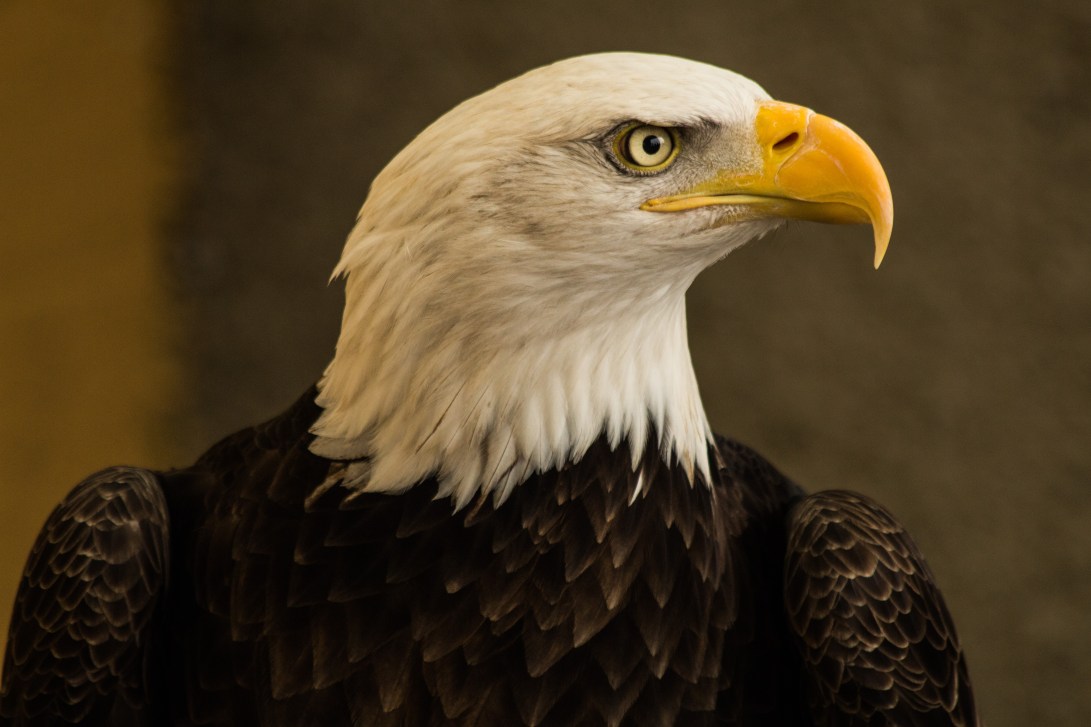
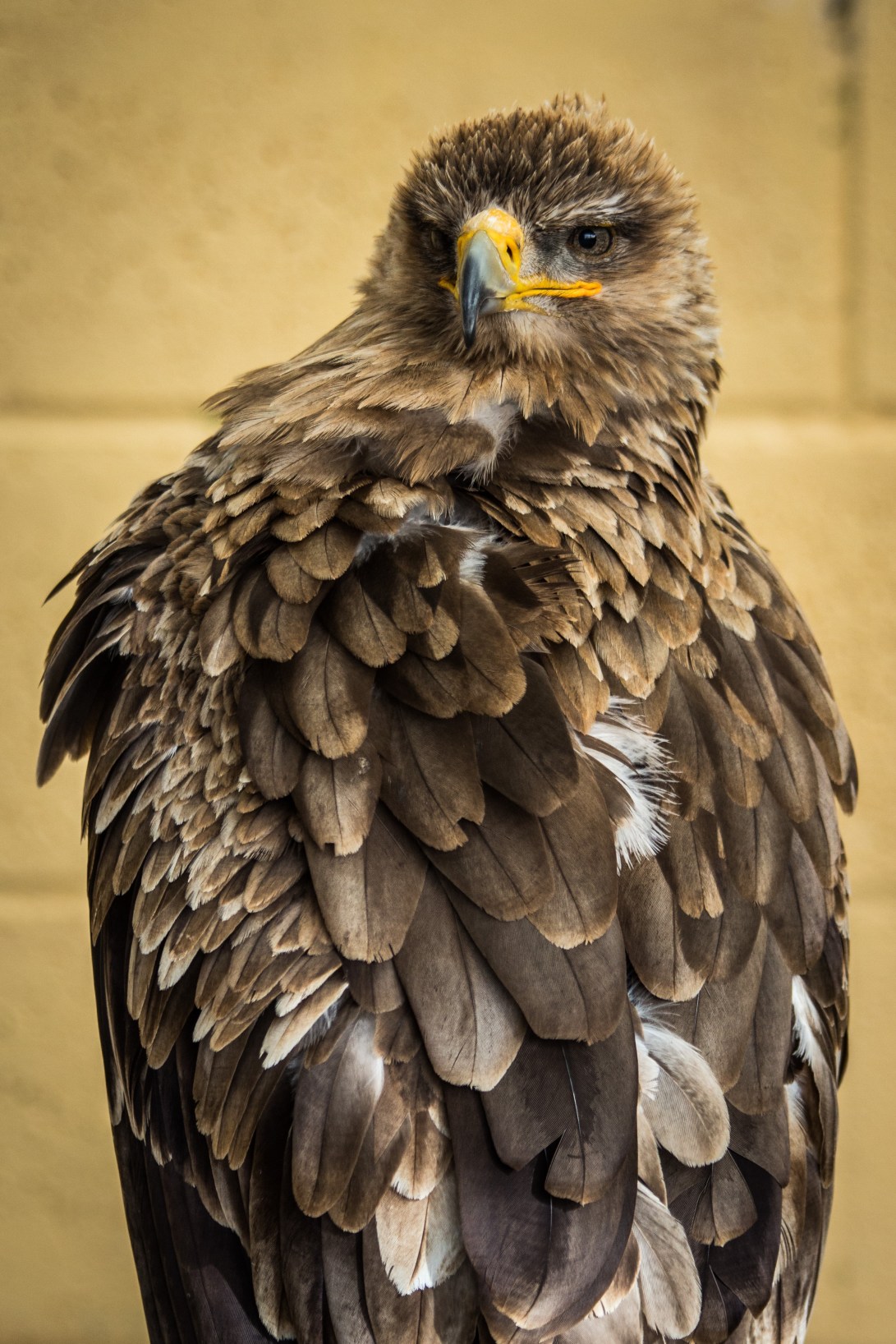
It hadn’t been too long since my last visit to a zoo, but maybe it was the presence of four other wildlife students that instilled different feelings in me this time. The small size of the enclosures seemed more obvious and I couldn’t help feeling uneasy as I watched the lynx pace up and down and the raptors attempt to fly off the metal perches they were tied down to. I could photograph the bald, golden and tawny eagles in vivid detail, but I knew deep down it was cheating and the photos I was taking were no different to those of hundreds of other visitors.

img_9778

The reason I love photography is it captures a moment in time that cannot be exactly replicated ever again. It freezes a memory and provides a very intimate insight into the photographer’s mind. So as I stood in front of a tethered bird that couldn’t escape my camera or my gaze, I soon realised this was not how children should experience wildlife.

Ticking off birds from my wish list was part of the charm that got me interested in wildlife. It was going out, tracking a bird and watching it live its life that gave me a sense of pride. Not only had I had an adventure in the great outdoors, but I’d discovered a species I’d never seen and sometimes got photos to show for it. During my time on the Isle of Carna we attempted to track down golden eagles on a boat trip on Loch Sunart. We were extremely lucky to get a glimpse of the magnificent bird as it perched high up in the tree canopy.

Anyone with £8.95 in their pocket can go to the Lakes Wildlife Park and see a golden eagle, but where’s the fun in that? If the same children who see a captive golden eagle were to see one in the wild, I’m certain that experience would last a lot longer in their memory.

img_9780

Of course, I’m just talking about British wildlife. None of us in the UK are going to see a wild red panda or lar gibbon no matter how impressive our tracking skills, so in that respect zoos offer children the chance to see what wonderful animals roam our planet. While this is all well and good – and with the rate of extinction as rapid as it is, this may soon be the only way that the next generation can see certain species in the flesh – it’s just not “wild” life. And isn’t that the point? What next, we round up indigenous tribes and keep them in pens for people to stare at? Although some zoos have done wonderful work for conservation and provide a safe place for endangered animals to live unharmed, should it be up to us to decide whether a long, captive life is better than a short, free one?

img_9876

Nick Baker at Birdfair

Two weeks ago, Birdfair was held at Rutland Water Nature Reserve from Friday to Sunday. As we were on holiday in Scotland, we could only make the third and final day, but I am so glad we managed to experience this fantastic event.

Upon arrival we were greeted by an explosion of colour and noise. I bought a map and discovered I was in one of eight marquees lined on both sides with stalls and things to buy. A lot of them were selling wildlife holidays, so I couldn’t help but enter a few competitions, as well as buy some wildlife art.

One talk we attended was ‘Building a Naturalist’ by Nick Baker, a naturalist I’ve admired for many years. His topic of discussion was getting more children interested in the natural world. In a way, he was preaching to the converted by delivering his speech to an audience of wildlife enthusiasts, but it appears as if the responsibility of making nature a focus for children lies with us, the people who understand its importance.

What I love about Baker is his heart-warming enthusiasm for wildlife. He described his first white plume moth (Pterophorus pentadactyla) sighting as “like looking at fairies at the bottom of the garden”. He learnt a great deal about newts by collecting them and watching them in tanks – he made a point of saying that this was long before the Wildlife and Countryside Act 1981 when the handling of British newts became illegal – and read up on them to broaden his knowledge.

“Experience is everything,” he explained, and I agree entirely. The only way to understand the natural world is to be out in it. As much as it pains me to say, reading books will only get a naturalist so far; by spending hours searching the coast or wandering through the forest, they can become a part of the world they’re passionate about.

Baker shared some alarming statistics. In a study of 8-15 year-olds, 53% had never seen a flock of starlings (Sturnus vulgaris) in the UK. Baker described this as “extinction of experience”. Our mentors are becoming an endangered species; with less interest in nature, where are the passionate naturalists who will teach and inspire the next generation? Baker’s mentor was his dad, without whom he may not have had the experiences that brought about his interest in wildlife. For me, my mentor was my mum, and for her it was my grandad. There must be a link between each generation to keep the passion alive.

There will come a time when I get to show my children how incredible the natural world is. I will buy them all the books I can afford and take them on walks through woodland and meadows. We will sit silently in hides and lay on our fronts watching aquatic life in ponds. All this brings such joy to my life, and to the lives of many others. Unfortunately, we are the rare few. It means a great deal to me to watch and study wildlife, but I am no longer the youngest generation. Children are walking sponges and will soak up everything around them; it’s up to us nature folk to ignite their imaginations with trees and birds, as well as TVs and computers.

“It’s innate in all of us. We are born curious… all it takes is a spark of curiosity.” Nick Baker

Our Day On May

When the May Princess left Anstruther harbour the sun was at its highest, so as we headed out into open water we were slowly baking but not daring to complain in case the rain came back. As I watched my fellow passengers slap on the sun cream, I was geographically disorientated, not quite believing I was in Scotland and not Spain.

IMG_6949IMG_6957

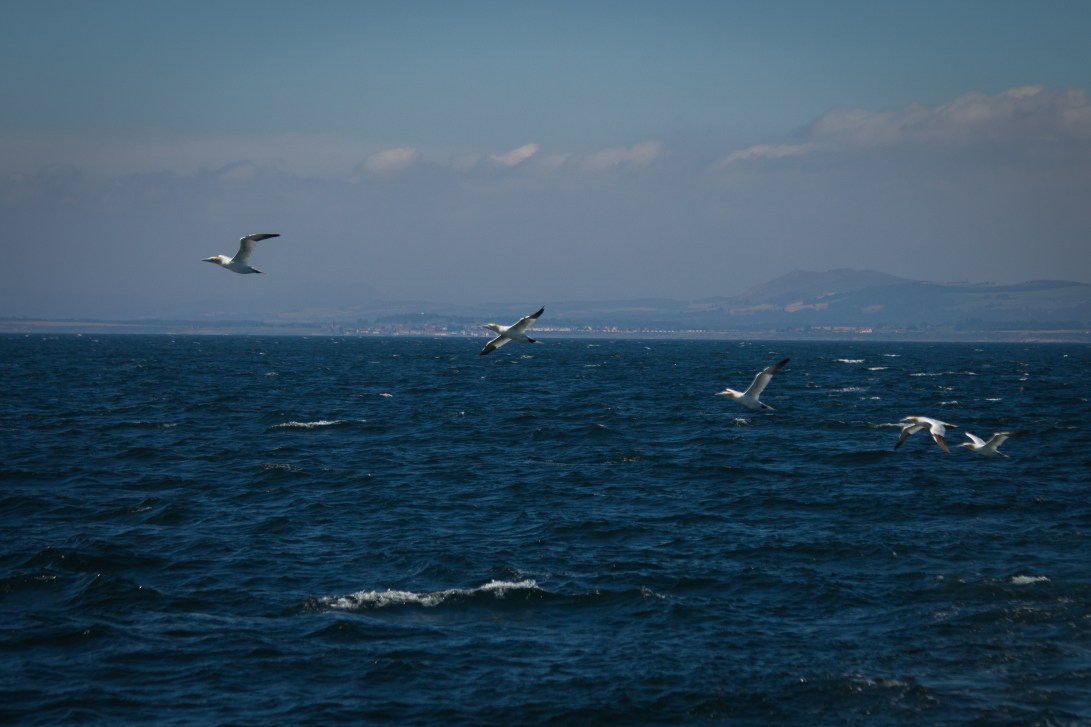
The water was choppy but that added to the fun. I was once again having to negotiate a tumbling boat and a telephoto lens to desperately try and capture the moving seabirds in focus. Many of my attempts were 96% sapphire sky and 4% wing tip in the corners of the frame. With gritty determination, I managed to photograph a few gannets (Morus bassanus) alone and in their strings of multiple individuals. Gannets happen to be my favourite seabirds. Capable of diving at speeds of 60mph, they hit the water with incredible force in their attempts to catch fish. When I saw my first gannet on the voyage to the Isle of Arran I fell in love with their striking face stripes and lightly tinted brown heads. To me they’re the coolest bird in British seas.

IMG_6963IMG_6983IMG_7004-2

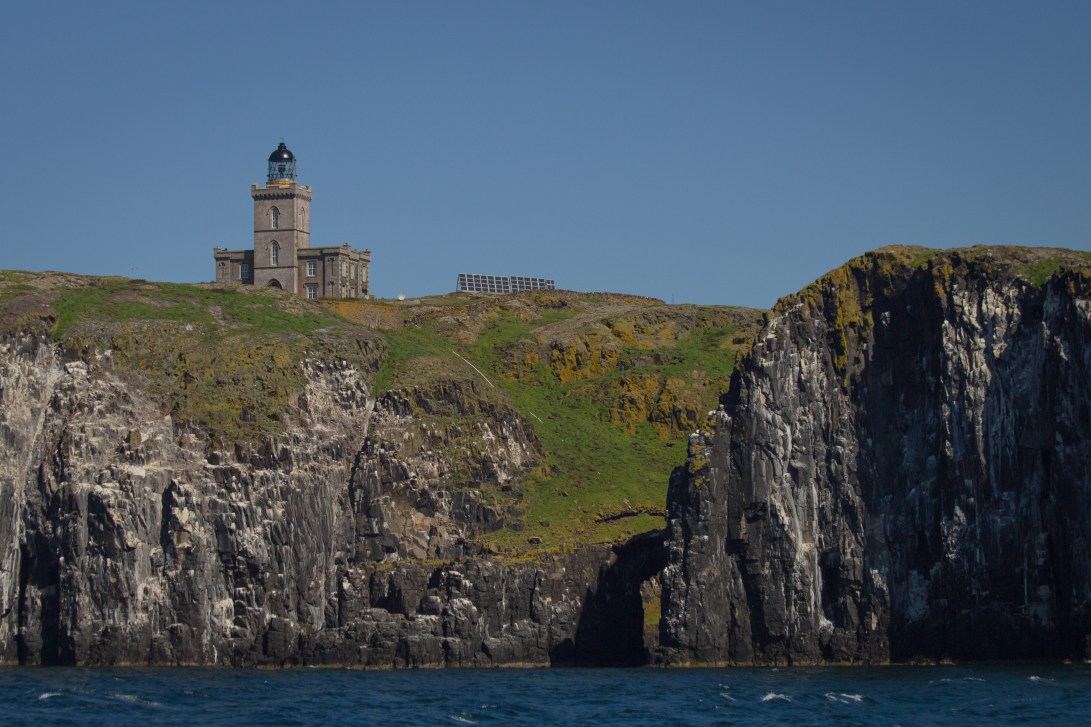
Before long the Isle of May appeared on the horizon, illuminated beautifully under the intense sun. The cliffs and crag faces oozed drama with their harsh black and white, thrown into sharp relief by the light. The few buildings were dotted around and looked very out of place amongst the grass and rocky shores, just how I liked it.

IMG_7000-2IMG_7027

Once we’d all disembarked and received a welcoming talk by a volunteer from Scottish Natural Heritage, we were allowed to explore. Visitors branched off in different directions; we decided to head up Fluke Street, past the Bath House and Main Light to the very tip of the crag. Beyond was Rona and North Ness, areas closed to the public for research. While we admired the view, we spotted a lone grey seal (Halichoerus grypus) wallowing in the shallows, snout resting on the rocks as it dozed.

IMG_7037

IMG_7040

IMG_7118

The seal was accompanied by the odd gull swooping through, but otherwise the island was mainly deserted. We hadn’t timed our trip quite right as most of the seabirds had left, including the elusive puffin (Fratercula arctica) that is high on my tick list. However, aside from the beautiful gannets we still managed to see a few kittiwakes (Rissa tridactyla), cormorants (Phalacrocorax carbo) and a lone juvenile guillemot (Uria aalge), a new bird for me.

IMG_7067IMG_7073IMG_7080

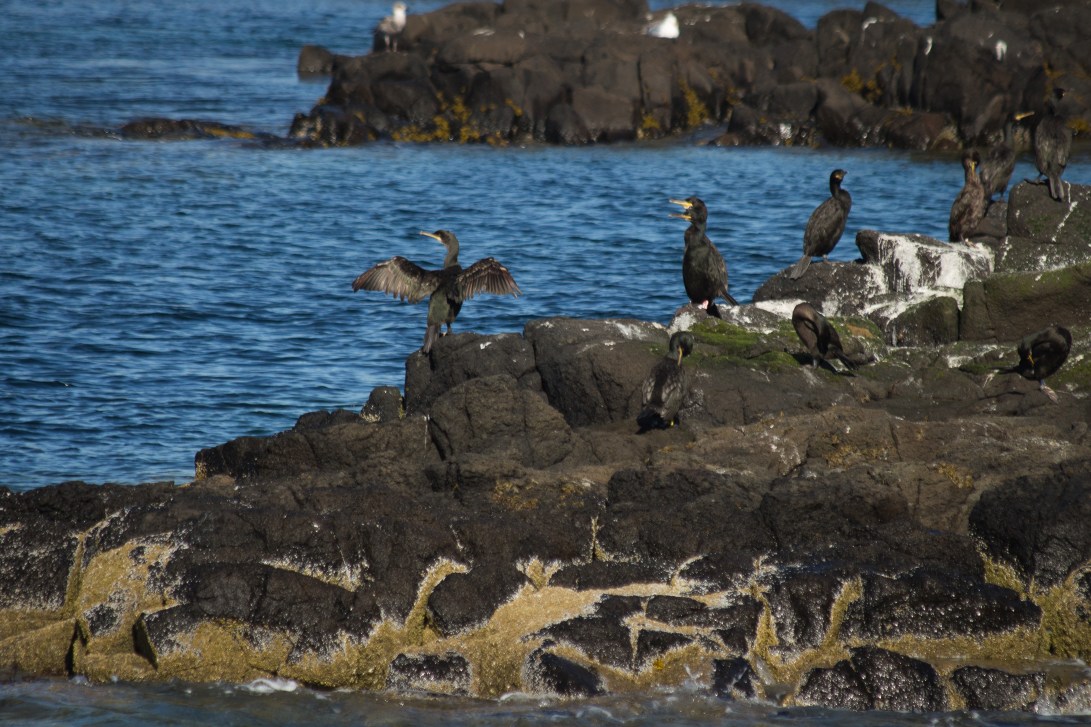
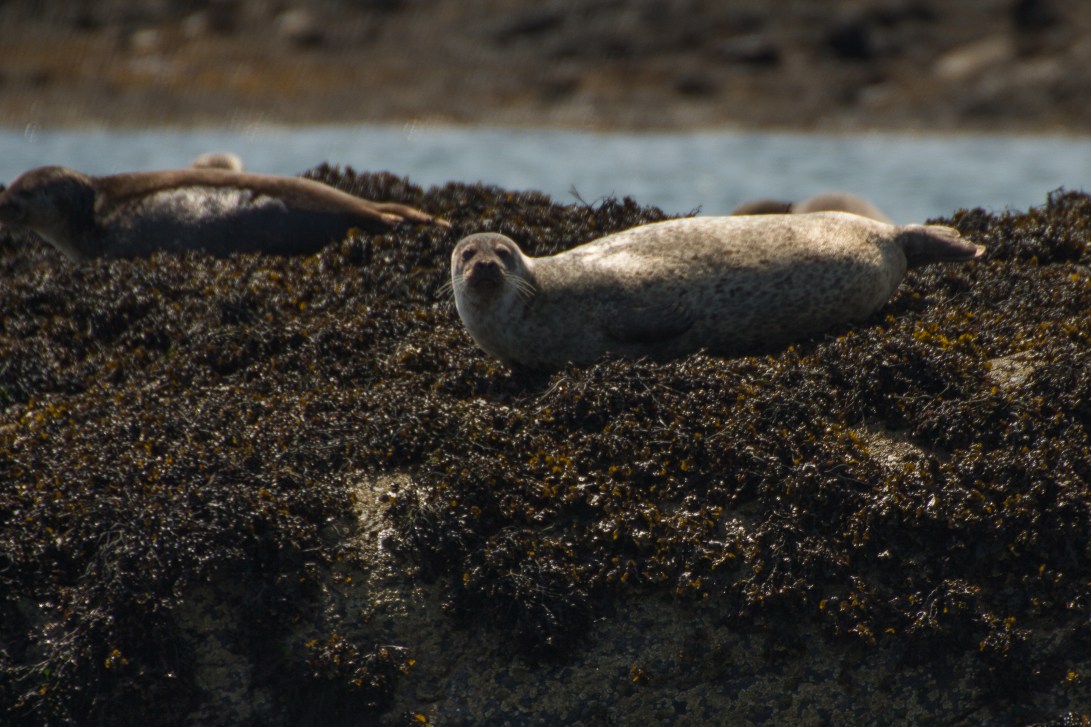
All too soon our time on the island was at an end, and we made our way back to the boat. Just as we were leaving, a grey seal – perhaps the one we’d seen earlier – bobbed out of the water as if waving us off. We thought he’d been our only seal sighting that day, but around the corner we were treated by a large colony, splashing each other and gazing at us with huge black eyes. Cormorants basked in the sun, wings spread as if inviting a hug, and once again the gannets swept over our heads. As the Isle of May grew smaller, my nose grew redder, and when I got home I realised I’d acquired a vicious sunburn. It was worth every moment!

Urban Nature

Last Wednesday, I caught the train to Hammersmith to meet up with Zahrah and embark on another of our wildlife excursions. Today we visited the London Wetland Centre, something I’d heard lots of good things about but never been.

IMG_6613
Canada geese (Branta canadensis)

Upon arrival we were greeted by a lovely volunteer who explained the site map to us. Taking her advice, we began on the south route which would take us to various hides that we could spend time in. Halfway down the foliage-lined path Zahrah spotted a warbler, but neither of us could be certain which species the bird was. As we stood stock still squinting into the dense undergrowth another volunteer passed. We told him what we were studying at university and explained how much we loved birds. It must have been refreshing for a wildlife veteran to stumble across two young people with the same interest. He began telling us all about the wildlife at the site, and the best places to view it. He showed us the WWF hide, where sand martins (Riparia riparia) performed an avian display for us, swooping down to the water’s edge and snatching midges from the surface. At this time of year, with no courtship taking place, the water was relatively calm with little activity. A lone mute swan (Cygnus olor) foraged in the shallows while a female mallard (Anas platyrhynchos) shepherded her young back to the nest. A lone moorhen (Gallinula chloropus) waded through the lily pads, pausing beside the pearly white buds.

IMG_6632
Moorhen (Gallinula chloropus)
IMG_6638
Coot (Fulica atra)

As the scene here was subdued, Bryn showed us the Peacock Tower, where we met up with another volunteer with a profound knowledge and passion for birds. Apparently a pair of peregrine falcons (Falco peregrinus) were nesting in a building nearby, and had been seen flying over the site. While we sat overlooking the lake with our lunch, the volunteer let us borrow his telescope to watch a family of tufted ducks (Aythya fuligula) and a lone gadwall (Anas strepera). Unsurprisingly, Zahrah had the lens trained on a pair of herons (Ardea cinerea), shoulders hunched like sulking old men. Grey herons hold a particularly special place in Zahrah’s heart; it never ceases to amaze me how touched she is by these gangly lake dwellers.

IMG_6749
Female Goldeneye (Bucephala clangula)
IMG_6758
Female Tufted Duck (Aythya fuligula) 
IMG_6609
Grey Heron (Ardea cinerea)

The fountain of knowledge that was our telescope-bearer told us one of his favourite birds was the long-tailed tit (Aegithalos caudatus). What I didn’t know was that in each group of these beautiful little birds, only the dominant female breeds. All other females act as child minders, sacrificing their own reproductive ability to care for another’s young.

IMG_6649

Before long it was nearly two o’clock and the otters were about to be fed on the south route. We left the Peacock Tower with plenty of time, but ended up speed walking after a sharp-eyed photographer pointed out a common lizard (Zootoca vivipara) basking in the hot city sunshine. This naturally required us to stop and snap away for a few minutes, as our model was posing so beautifully.

IMG_6661
Common Lizard (Zootoca vivipara)
IMG_6673
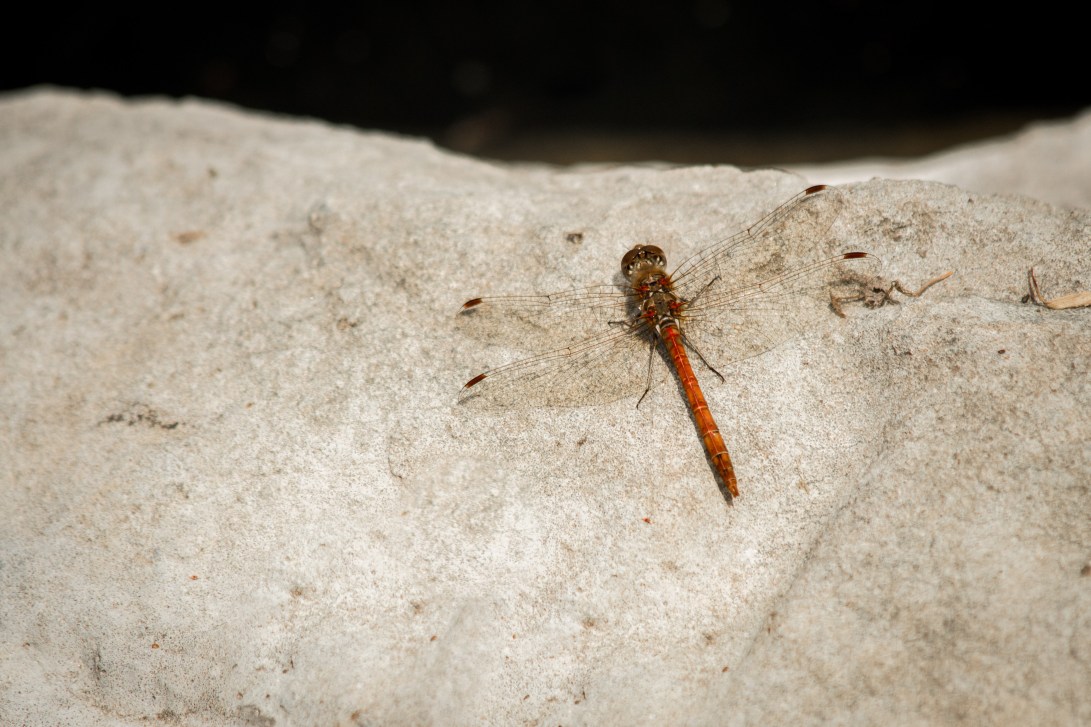
Common Darter (Sympetrum striolatum) 

The above invertebrate is a dragonfly, as its wings are positioned perpendicular to its body. A damselfly’s wings are parallel along its body. The individual I photographed is a male; the female is yellow with black markings.

IMG_6730

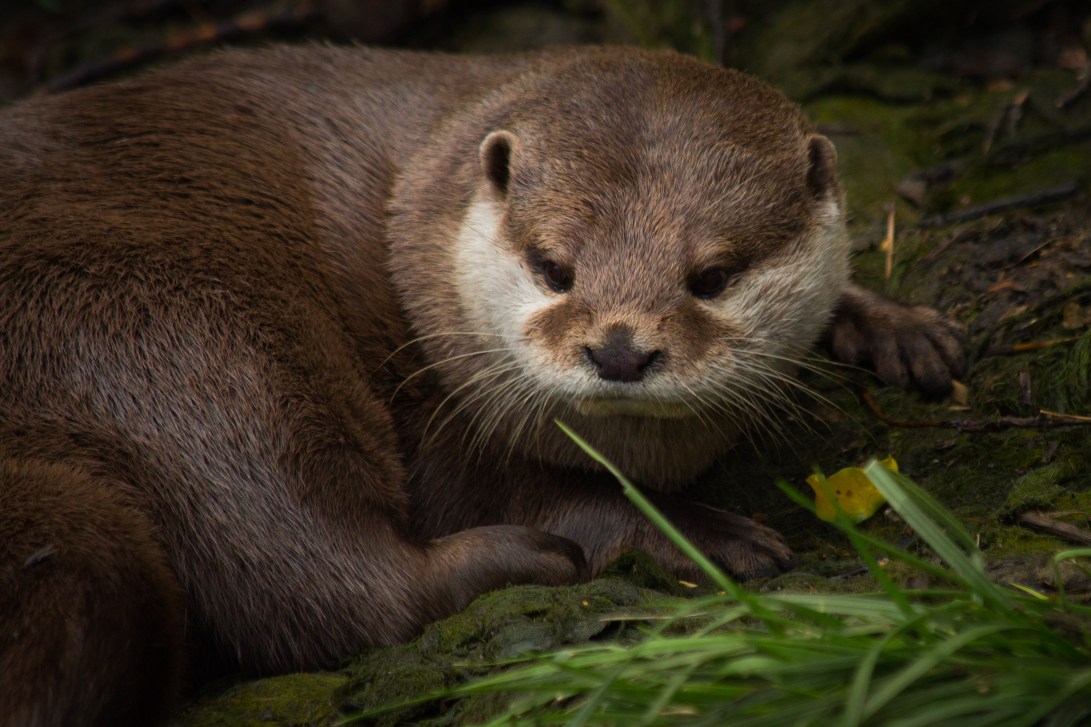
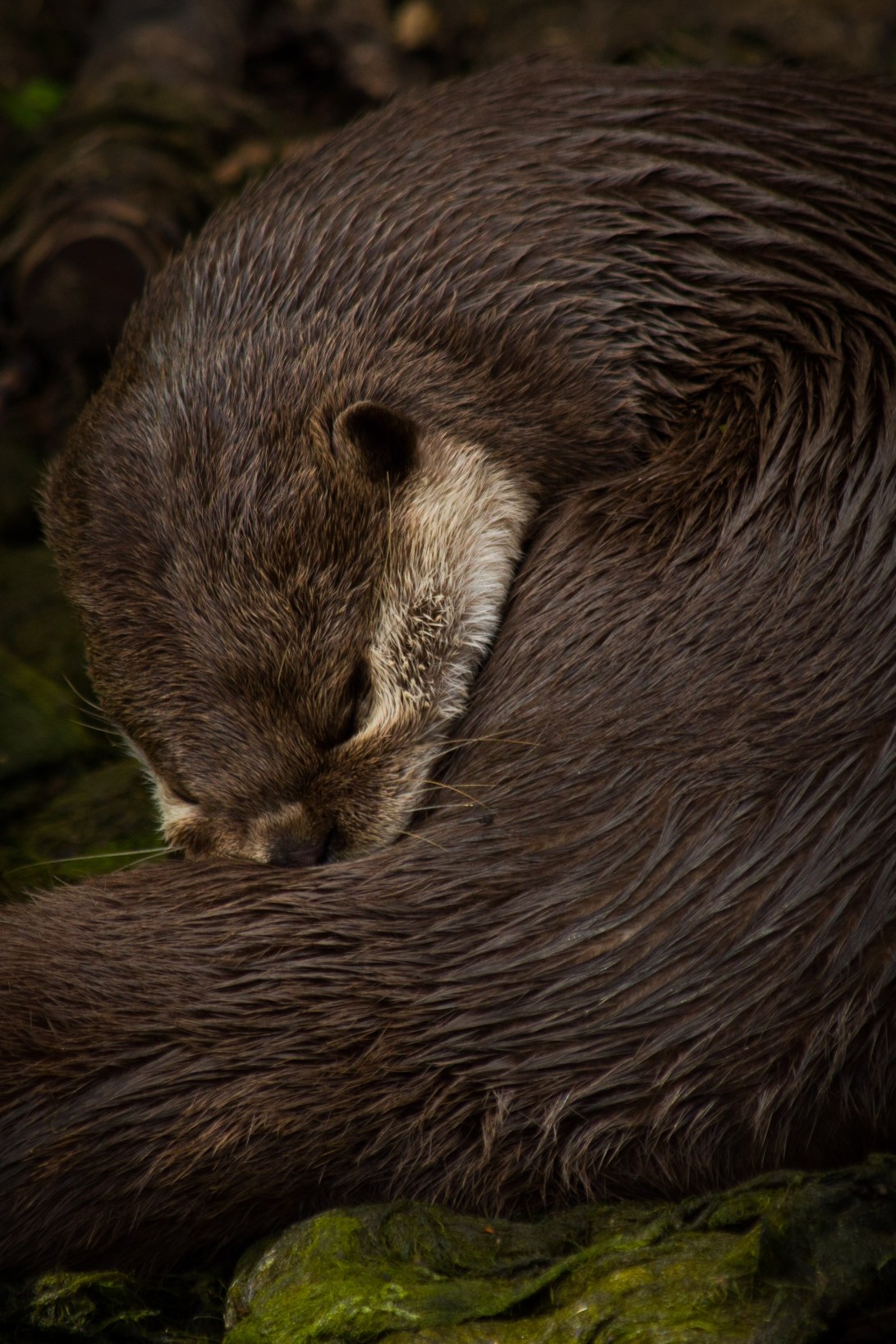
The otters were Asian short-clawed (Amblonyx cinereus), the smallest species of otter in the world weighing less than 5kg. In addition to its size, this species differs from the Eurasian otter (Lutra lutra) in that it has blunt claws on some toes, if any. We watched them feed for a while, diving into the water of their enclosure for scraps of fish. After feasting, they rolled in the soil to dry their fur and proceeded to grip fragments of shell in their paws, looking painfully adorable.

IMG_6717IMG_6744

By now the sun was high in the sky and the day was sweltering. After watching the otters slip into their holt and out of sight, we wandered around the rest of the wetland centre and visited the more exotic species that inhabited the site. We sat for a while and watched buffleheads, hooded mergansers and more. While they all looked extravagant, the humble moorhen stole the show with its characteristic screech that made me jump on several occasions. I must say, British species will always fascinate me just as much as their foreign relatives. The weather was perfect for our visit to the London Wetland Centre, and I was thrilled to find a new wildlife hotspot.

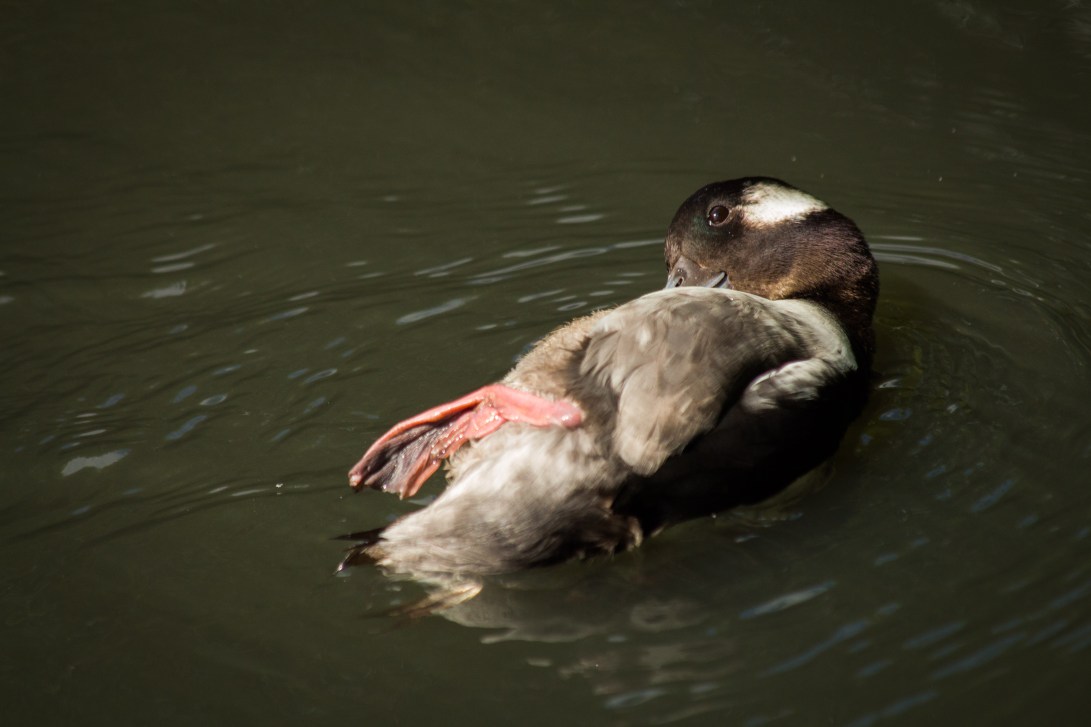
IMG_6765
Bufflehead (Bucephala albeola)
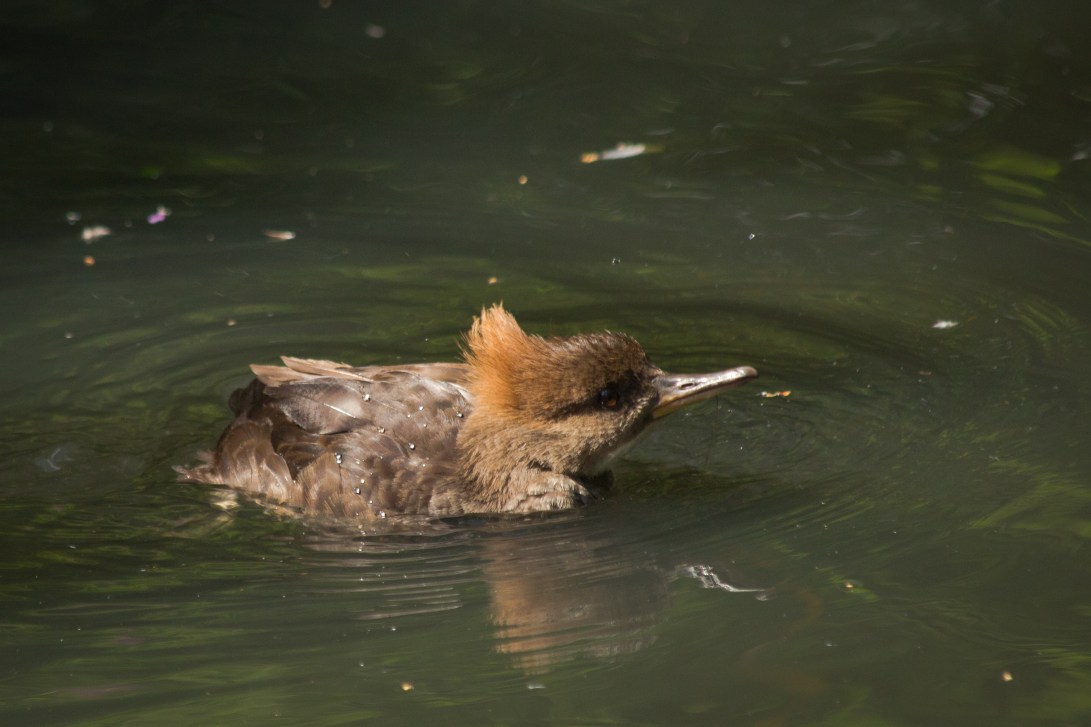
IMG_6768
Female Hooded Merganser (Lophodytes cucullatus)

Carna – Day Five

Species seen:  

  • Chaffinch – Fringilla coelebs
  • Common Porpoise – Phocoena phocoena
  • Common Seal – Phoca vitulina
  • Common Shag – Phalacrocorax aristotelis
  • Common Tern – Sterna hirundo
  • Golden eagle – Aquila chrysaetos
  • Grey Heron – Ardea cinerea
  • Herring Gull – Larus argentatus
  • Hooded Crow – Corvus cornix
  • Lesser Redpoll – Acanthis cabaret
  • Oystercatcher – Haematopus ostralegus
  • Song thrush – Turdus philomelos
  • White-tailed eagle – Haliaeetus albicilla
  • Wood mouse – Apodemus sylvaticus

This morning Heather woke us all up with a real treat; last night the Longworth trap had caught a wood mouse. As quietly as we could, we took some brief photos then sexed the animal. The nipples were clearly visible, meaning our mouse was a breeding female.

IMG_6260
Heather assured us the use of a plastic bag was standard procedure and it was held open for the very short time the mouse was inside. After releasing the animal back at the trap site, it scuttled away safely and unharmed.

After a few more hours sleep we visited what Heather described as a ‘sweet shop’. The shed beside the house was full of barn owl pellets which we had the opportunity to dissect. After some initial apprehension we got to work and I found myself enjoying pulling apart what a barn owl regurgitated many months previously. In my pellet I found both a mouse skull and a vole’s skull, as well as numerous minuscule jaws and ribs. It was yet another new experience for me and it was fantastic to analyse what an owl on Carna had been eating.

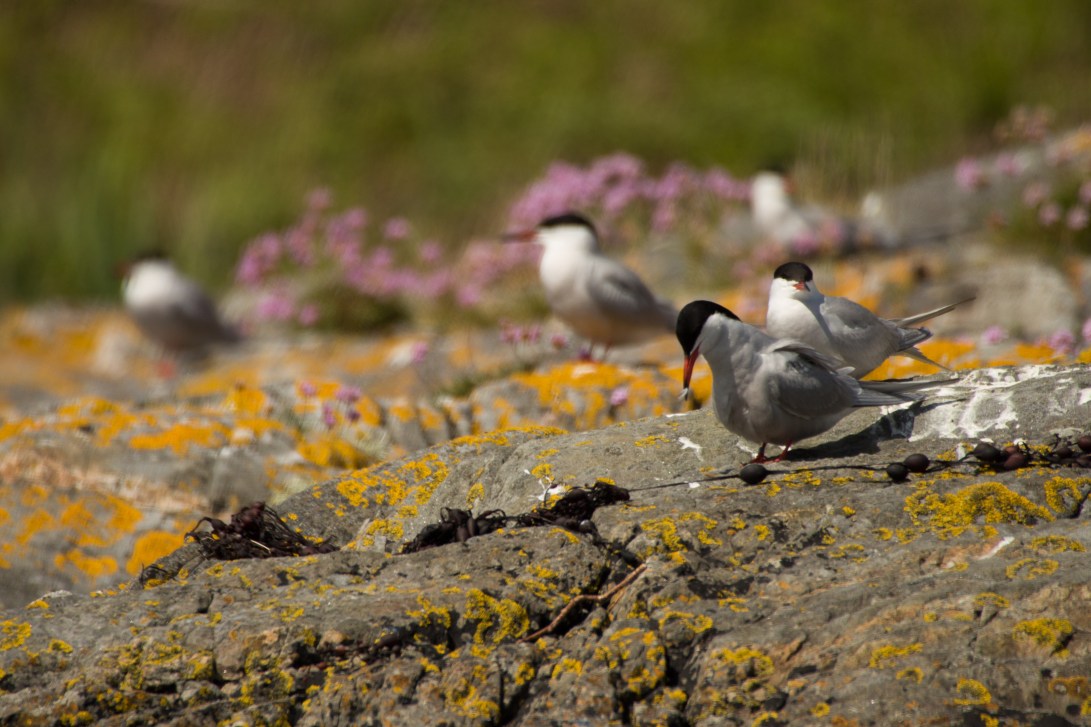
Shortly after we’d finished with the pellets Andy came to pick us up on the boat for a trip around the islands. Unbelievably we had another fantastic day of sunshine, so conditions were great for photography. For a while we watched common terns mating, and their stark white feathers contrasted with the rich colours of the moss clinging to the rock.

IMG_6277

IMG_6304

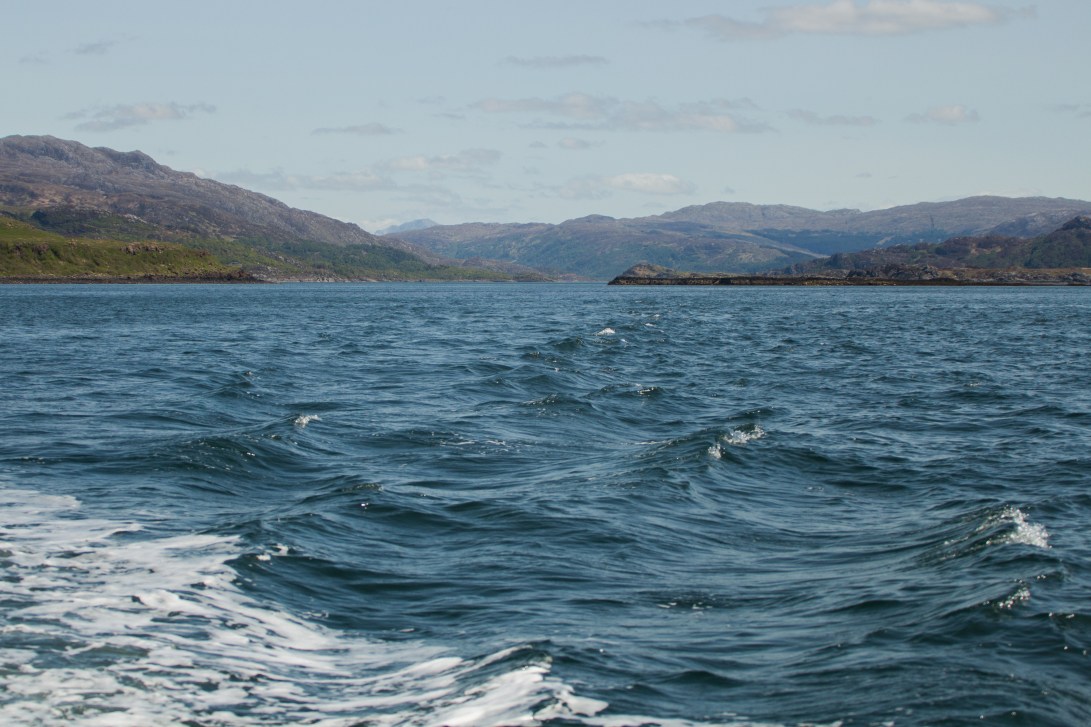
Once in open water we saw two more porpoises breaking through the waves. The tide was choppy and negotiating tripods and telephoto lenses while the boat tilted from side to side was a challenge we had to overcome. Once again Lequane was first to notice the white-tailed eagle far up in the sky, but almost immediately after we noticed a different bird above the hills. As it descended and came within binocular range we saw the rich hazel hue of the golden eagle’s wingspan. It dipped low and landed amongst the trees so we lost it, but this bird was near the top of my wish list and it was so satisfying ticking it off.

IMG_6293IMG_6320

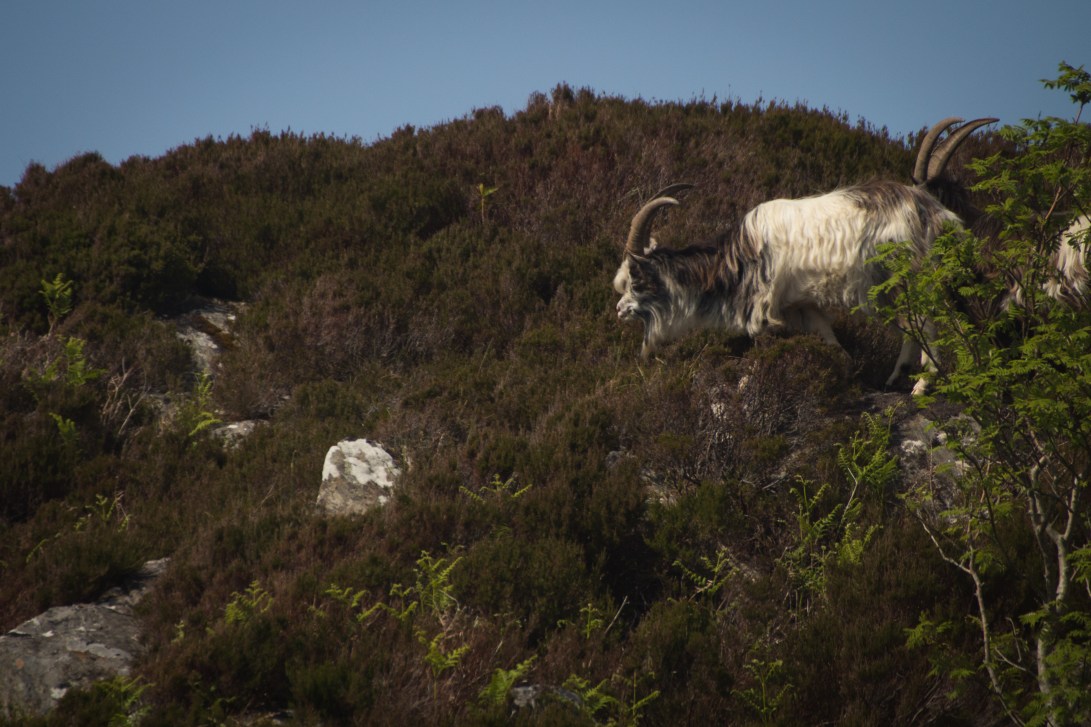
On the way back to the house we spotted some of the wild goats that had made the rocky coast of Carna their home. We also stopped off at the shag’s nesting site again. Not many people are aware of these birds but I find them extremely handsome with their sharp yellow eyes and the green sheen in their feathers.

IMG_6357IMG_6365

When we got back Cain and Heather had gone to pick up the camera traps and we all gathered at the kitchen table to see what we’d captured. It was nothing short of a success. In the first trap we had several clips of an otter trotting in and out of a small cave mouth and sprainting at the entrance. In the same spot a few hours later the whole frame was filled with two pricked up ears and a pair of antlers that were unmistakably a roe deer’s. Heather and Cain informed us that this was the first official footage of a roe deer on Carna so this was fantastic news. By using the camera traps we can find out new information about just how diverse Carna is.

Footage from the next trap showed a vole that we were unable to identify. It could have been either a bank vole or field vole sub-species. Either way, it was great watching the rodent feast on the apple and seeds we’d left, although it did manage to shift the trap so we could no longer see anything but out of focus rock.

Yet more treats were to follow. The next trap had been set in the bluebell wood and a fox had visited late one night. Though it didn’t linger, we still got to see the mammal’s gorgeous fluffy tail as it trotted through the bracken.

Seeing the wildlife on the Isle of Carna on the camera traps was a great end to an unforgettable experience. In only four and a half days I have learnt so much about tracking and field craft and got an insight into the ecology of an island rich in wildlife. It was so refreshing being around people who get as excited as I do when I hear a cuckoo or glimpse an otter swimming across the loch. By being separated from technology I have had the chance to enjoy the outdoors even more. I’ve been out of breath on numerous occasions during our hikes and scrambles but it’s been worth it every time. I even did some sketching, a pastime I haven’t enjoyed in years.

Everybody should spend time in a place like Carna, especially those who don’t fully appreciate the natural world. Sharing a loch with seals, otters and porpoises is something everybody should experience. While I am the last person to criticise books, sometimes the best way to learn about wildlife is to be a part of it. Get your hands dirty lifting rocks to see the starfish underneath, wade ankle deep in mud to set a camera trap and get a crick in your neck gazing at eagles. It really does change you.