Apparently it’s World Ocean Day! I can never keep up with all these international days, but I was keen to get involved with this one. Since moving to Scotland, the ocean has become a huge part of my local landscape and it never fails to both relax and inspire me.
My local patch is a mile-long strip of rocky shore that’s bursting with wildlife – depending on the tide I can see gannets diving for fish, turnstones foraging among the kelp or bottlenose dolphins flinging themselves into the air.
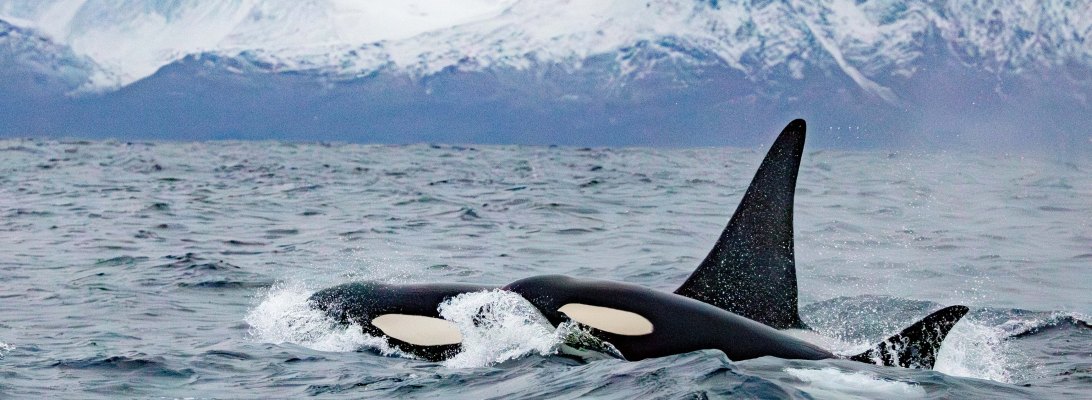
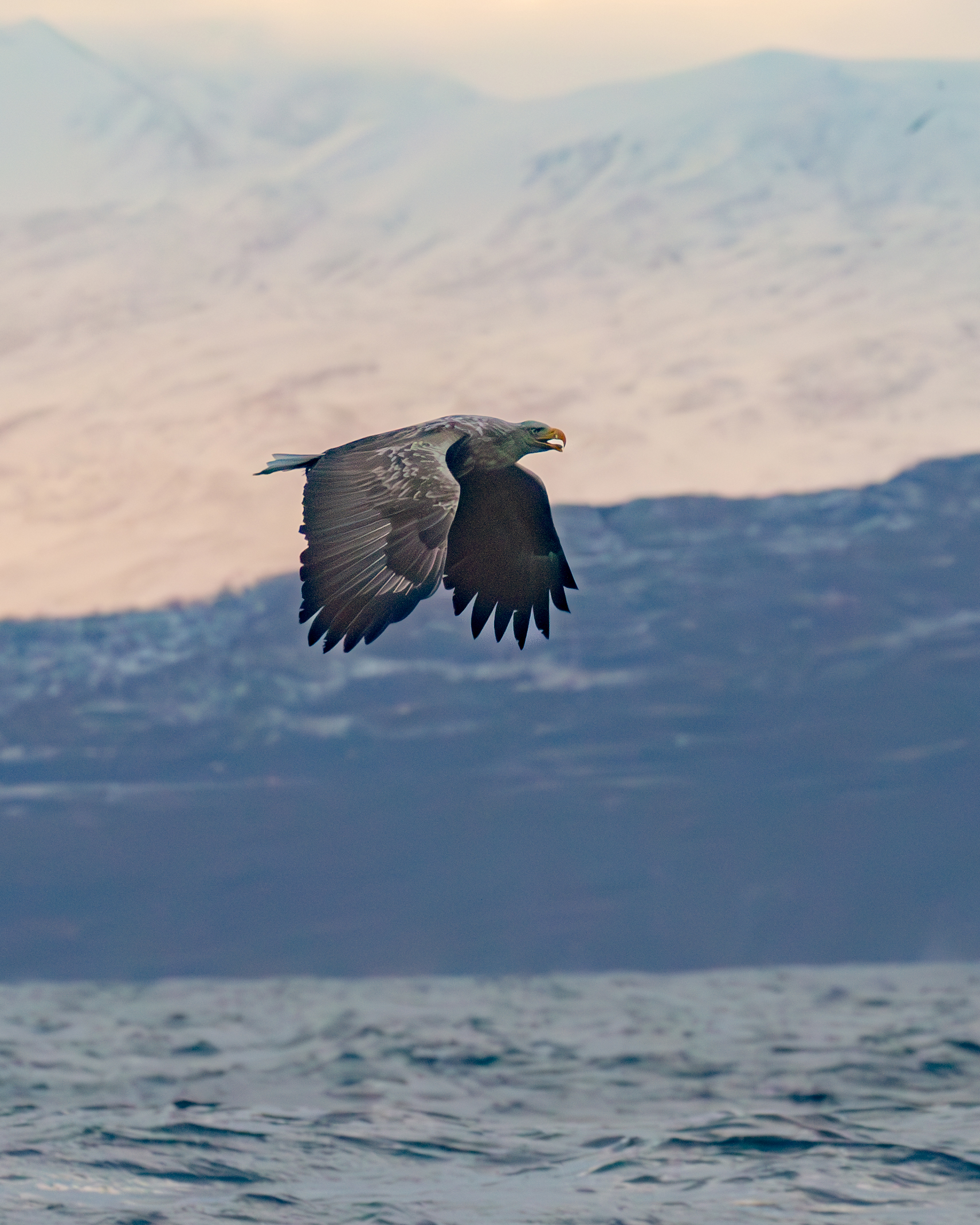
I’ve also been lucky enough to watch marine wildlife in Norway. During an unforgettable trip in 2020, I saw orcas, humpback whales and white tailed eagles – often all at the same time. Despite a dash of seasickness and some very numb toes, it was one of the best experiences of my life. I couldn’t believe I was surrounded by such huge animals, and it was a real privilege to share the icy fjords with them.
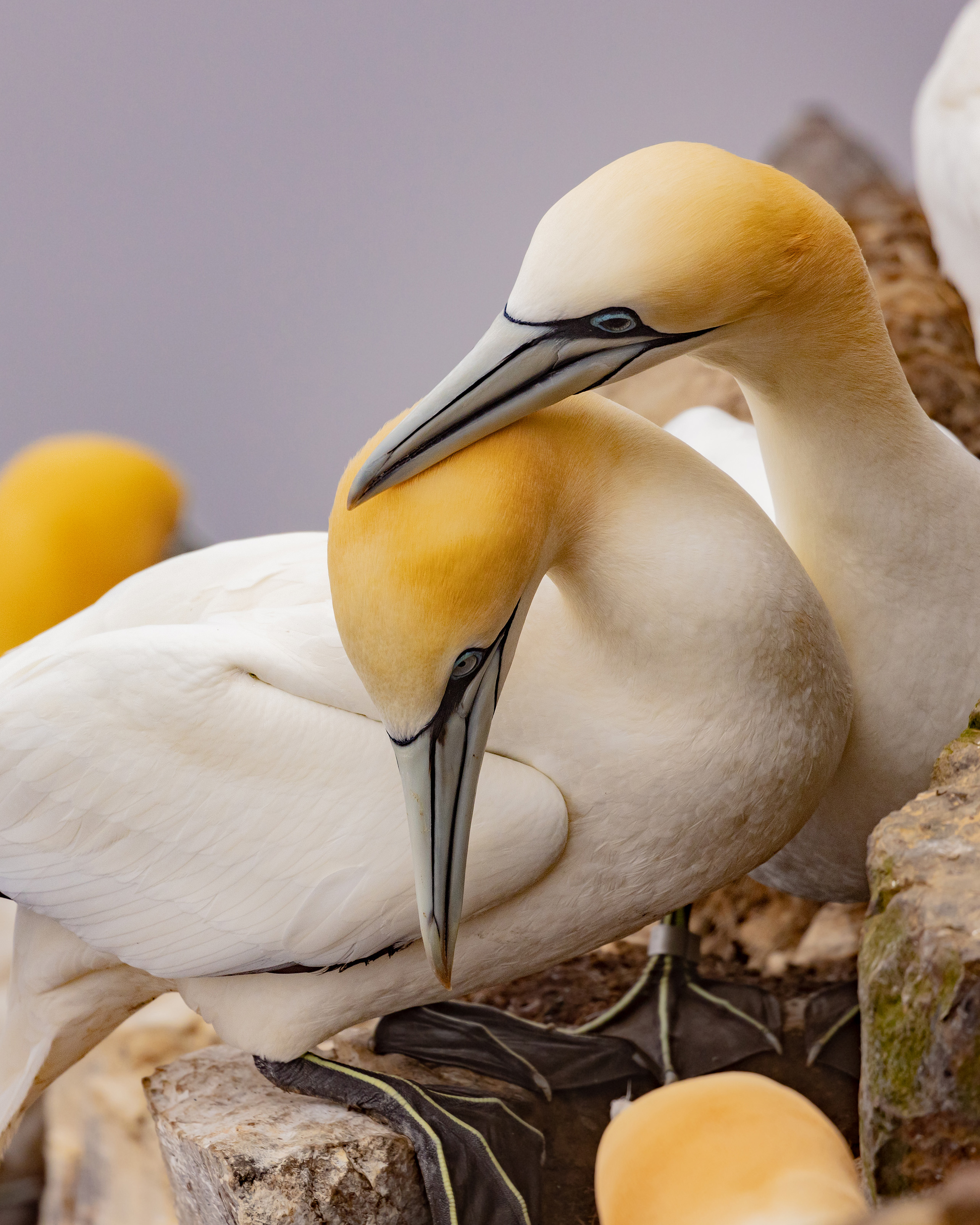
When I arrived at Troup Head I could barely see. The mist was so thick it obscured the sheep chatting away in a field less than 30ft away. Seeing as I was here to photograph gannets at their clifftop nesting site, visibility as poor as this suggested impending disaster.
Refusing to waste a journey, I geared up and set off on the coast path. I took the long route to the cliff in the vain hope that the mist would have cleared by the time I arrived. Sadly not. As I approached the nesting site I could make out the blurry outlines of gannets gliding past – white against slightly duller white.
I settled on the grass and propped my camera lens on my knees. The entire ocean had disappeared, but luckily a cluster of gannets were perched close enough for me to actually see them through the fog.
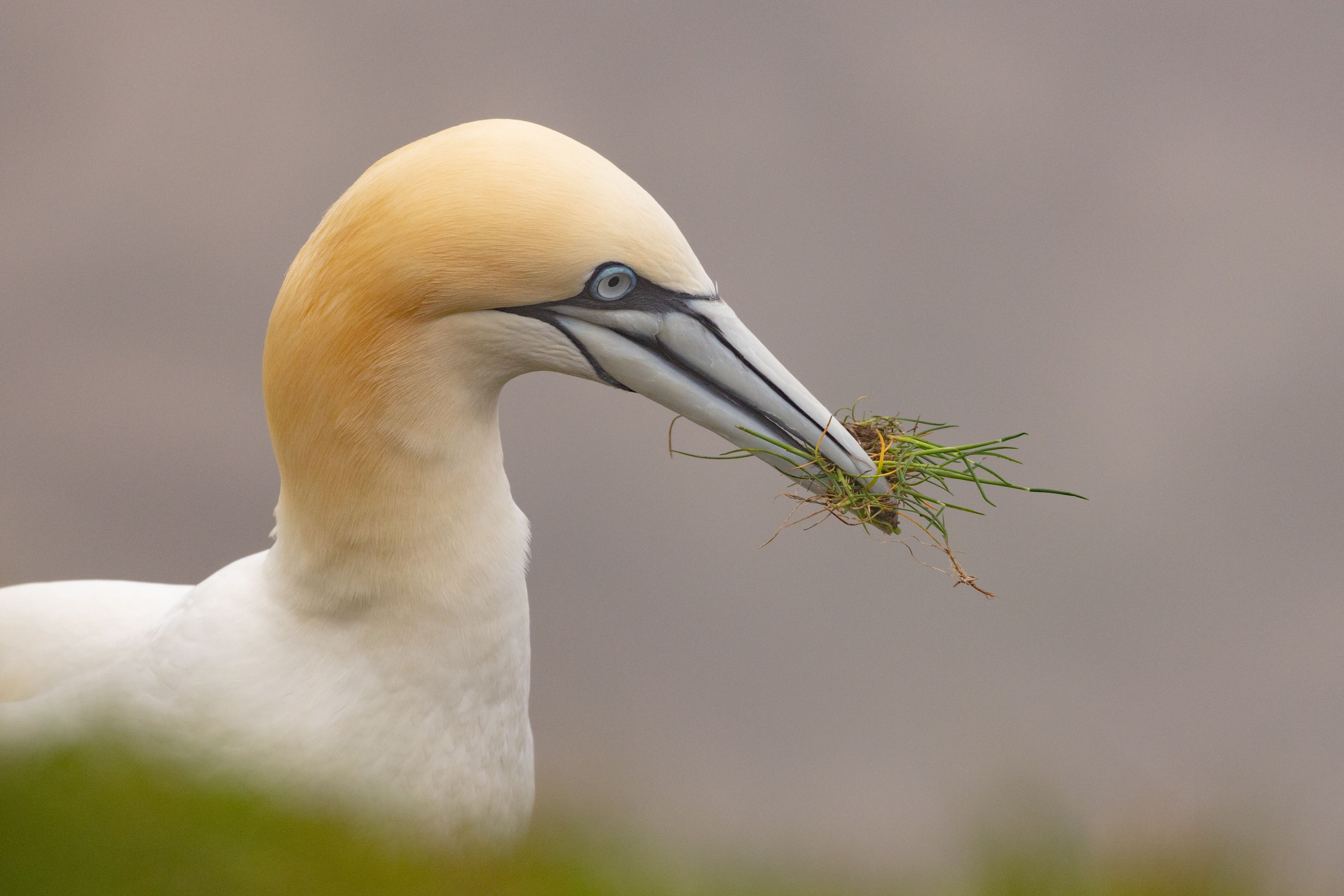
I already had huge respect for gannets, with their vast wingspan, dagger-like bills and ability to slam into water from a great height without injuring themselves. But watching them navigate a jumble of clifftops through what was essentially a white-out was even more impressive.
Despite the less-than-ideal conditions, after several hours I managed to get some shots I was happy with. Gannet goings-on continued as normal, and I watched bonding behaviours between mating pairs, grooming, and the occasional brawl when a neighbour shifted too close.
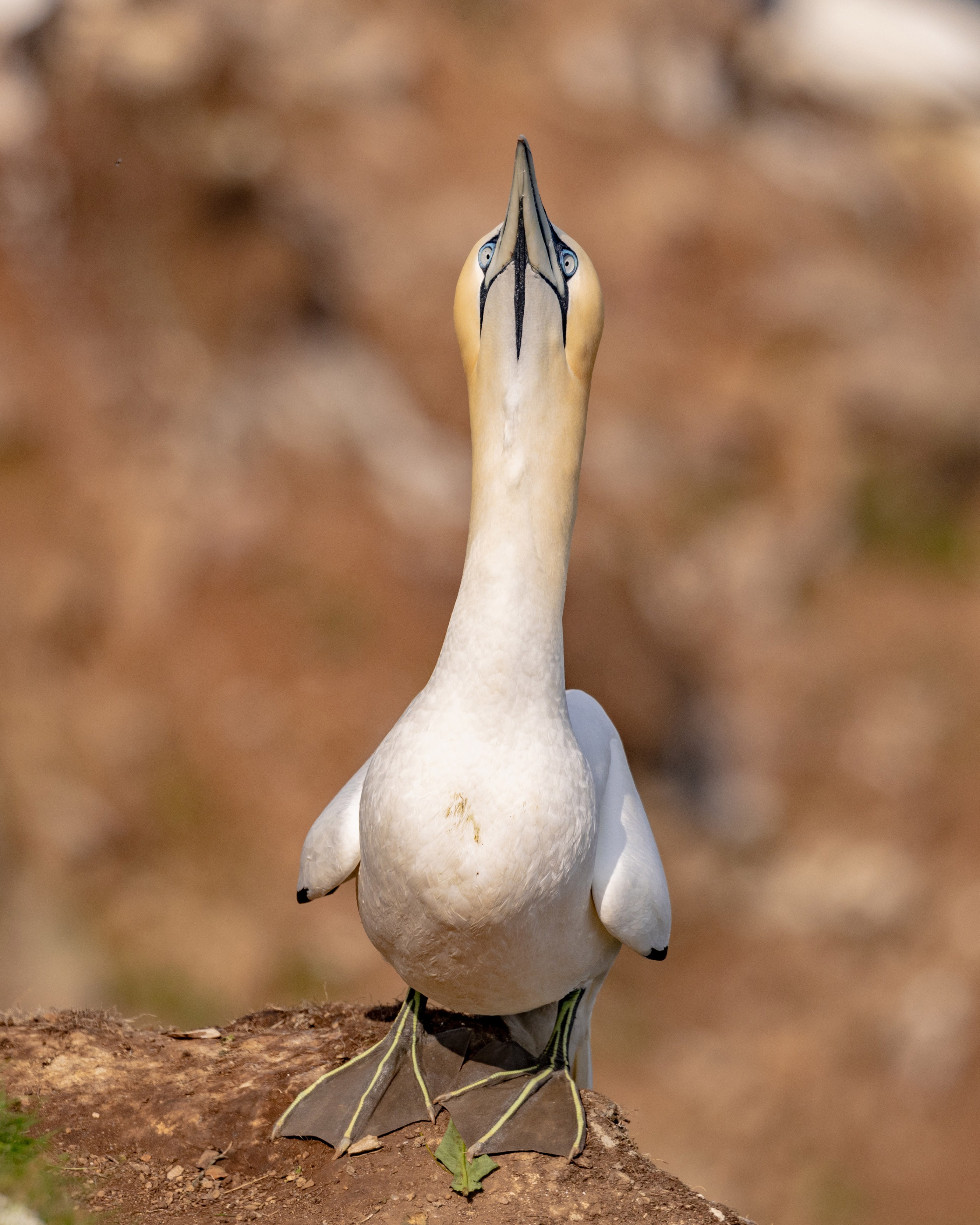
You can anticipate exactly when a gannet is going to launch itself off the cliff, as it takes several slow steps along the ledge with its bill pointed straight up, as if either limbering up for take-off or encouraging its companions to watch. It’s a bit of a showy thing to do and I love them for it.
By midday the mist hadn’t moved and my stomach was grumbling, so I called it a day and strolled back along the coast trail. Scottish weather is nothing if not predictable, but this means you usually don’t have to wait long for it to change.
Sure enough, when I returned the next day the sun was gleaming and the ocean was back. This time I could see gannets everywhere, swirling in the now cloudless sky as well as perching on their precarious ledges.
I’d taken lots of stationary shots the day before so I turned my attention to birds coming into land. This provided its own set of challenges – unlike their sky pointing routine before take-off, there was no warning before they popped up in a flurry of white wings.
It was a pleasure to spend time with such striking and charismatic birds and watch their daily routine from the lofty heights of the clifftop colony.
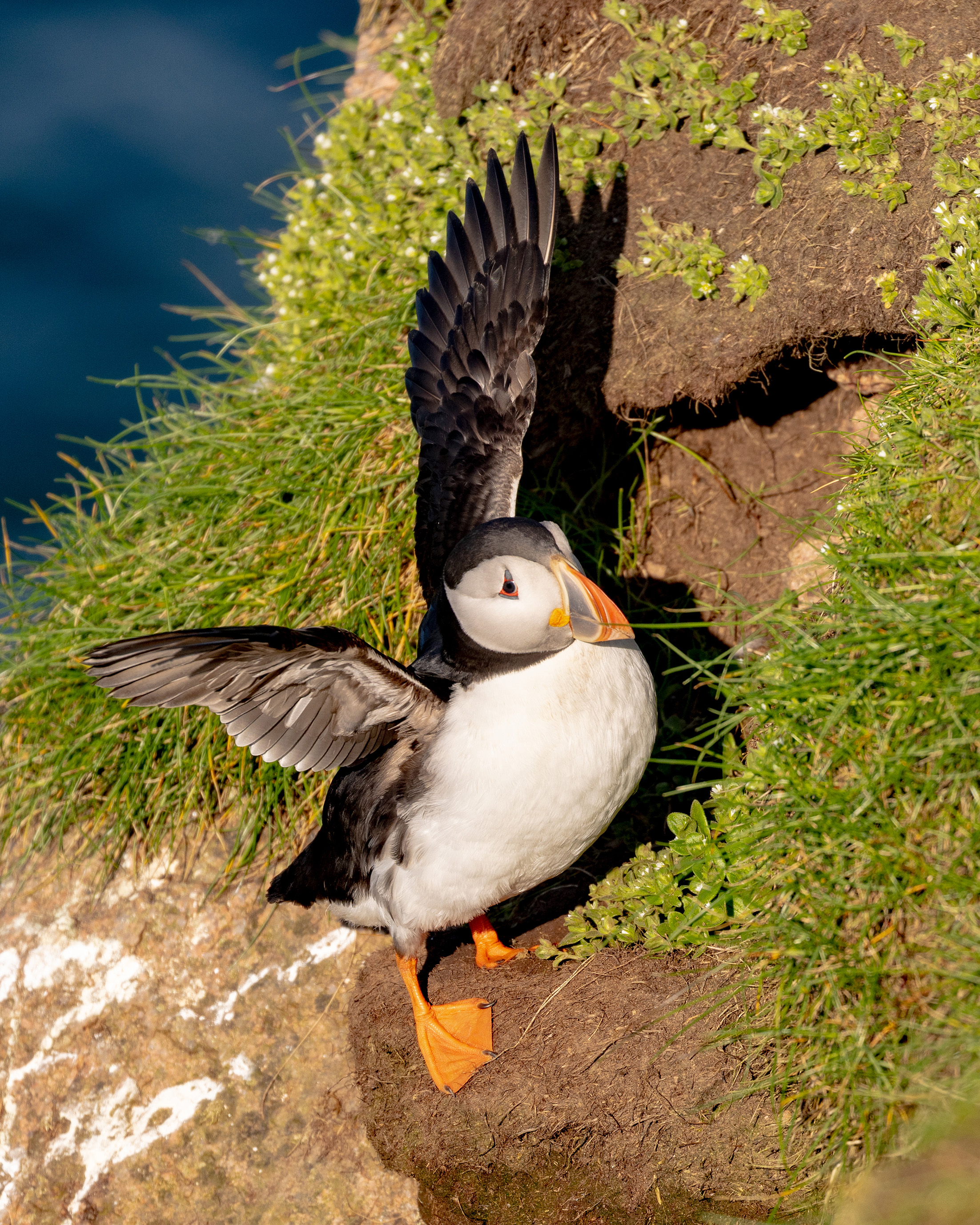
There are certain birds that I look forward to seeing every year. As the seasons shift, there’s a constant shuffle of some leaving the UK and others arriving. One particular spring/summer visitor who’s pretty much everyone’s favourite is the puffin.
Recently I set off on one of my annual pilgrimages to see these tiny seabirds at one of the clifftop nesting sites they share with guillemots, razorbills, fulmars and kittiwakes. They blend in well despite those luminous bills, often tucked away in their burrows and out of sight altogether. The key is to look for orange legs, which the other cliff inhabitants don’t have.
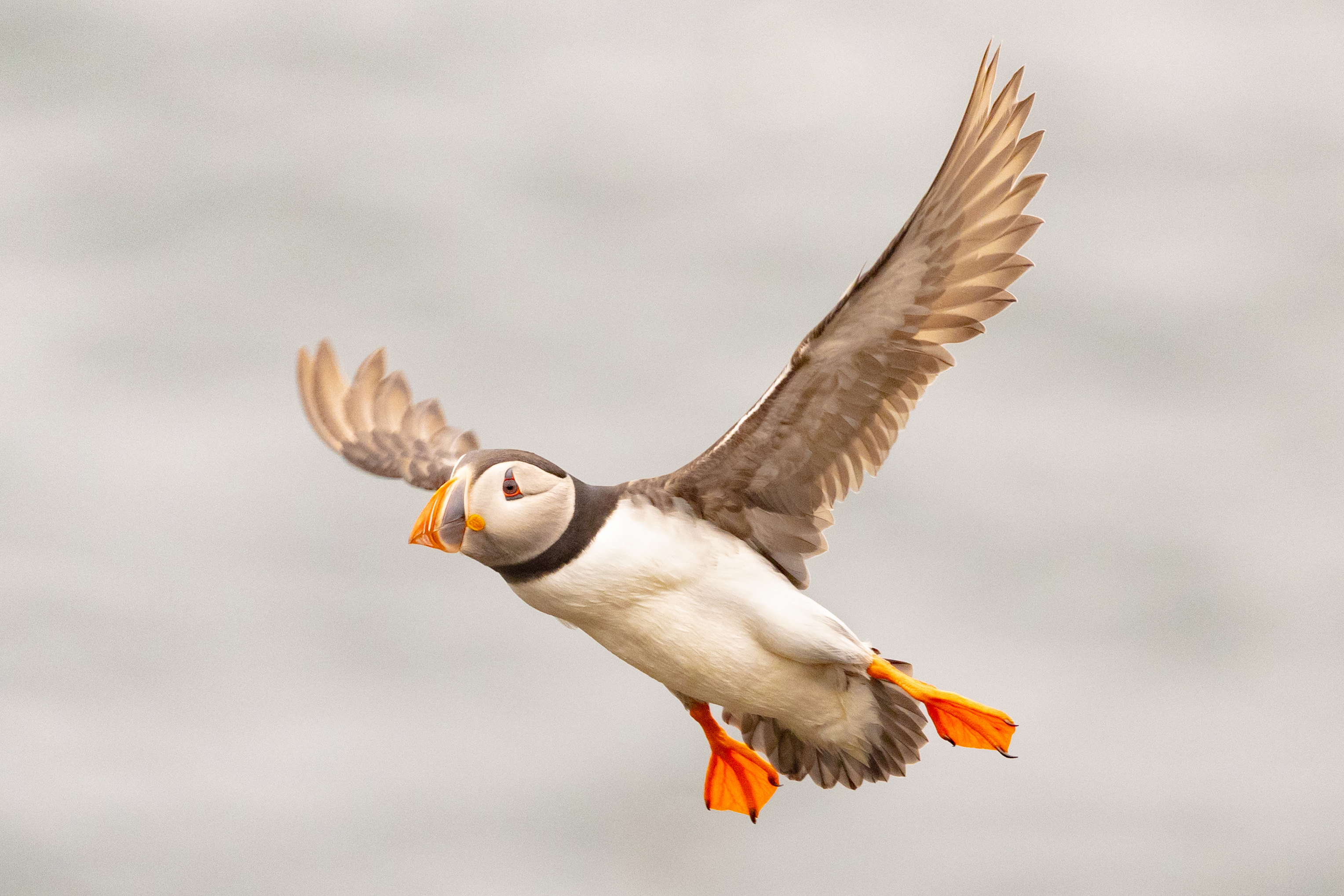
After a bit of fruitless searching I was just rummaging for some elevenses when a flash of orange made me abandon my search for chocolate. In a scrap of a second I’d seen a puffin fly past, curving around the cliff edge and back out towards the open sea. I hurried into position in case it returned and luckily for me it did, performing four rapid fly-bys with spectacular feet dangling.
Later in the day I tried my luck at a different spot, settling in a cup of earth in view of several grassy burrows that looked promising. I got distracted by a puffin on the water, some 100ft down. Even from that distance I could spot orange legs beneath the clear surface, so I enjoyed watching it through my binoculars as it bobbed around with its larger neighbours.
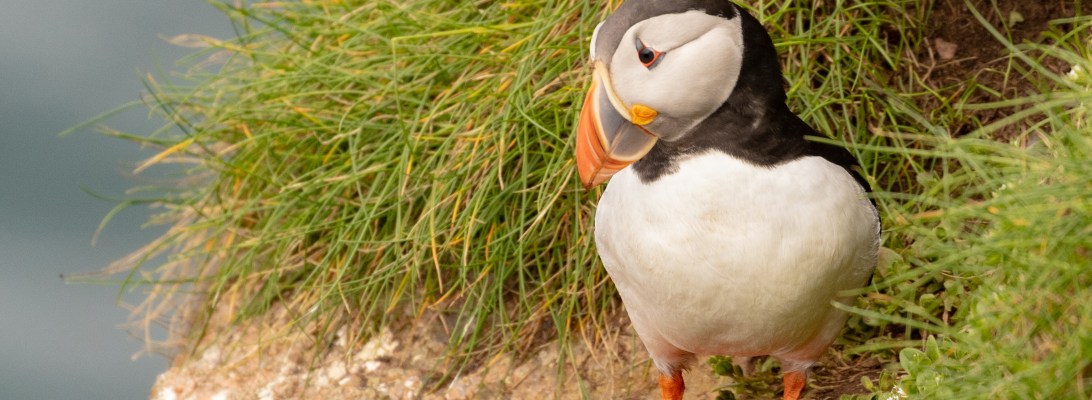
Birds are like buses in that they’re notoriously unreliable and just when you’ve waited long enough for one, two show up. Once I put down my binos, I found myself staring at another puffin perched 20ft from my lens. The little scamp! Luckily it had decided to take in the views before disappearing into its burrow, giving me a chance to make up for lost time and get some portrait shots.
Forty minutes later, a magic trick occurred and two puffins popped out. Either I’d missed the first one while I was ogling the water, or it had been hanging out inside the burrow the whole time. They lunged off the cliff together and I tracked them heading way out to sea, shrinking to black dots. Not ideal, as I had no idea how long a puffin took to fish.
Two hours, as it turns out. The sun had been screened by cloud all day but of course once I had no puffins to photograph it broke through and illuminated the burrow entrance like a theatre spotlight. By that point I’d spent seven hours on the cliff and evening was drawing on – I had a runny nose, numb bum and grumbling stomach and was ready to call it a day. But any superstitious photographer fears that as soon as you leave, the action happens. A combination of bird FOMO and my usual stubbornness made me stick it out a little longer.
Less than five minutes after I decided not to leave, the puffins returned, now looking radiant in the sun. A snaky pair indeed. Every minute spent staring at an empty burrow was suddenly worthwhile, and I finally left feeling ravenous yet thrilled with the day’s success.
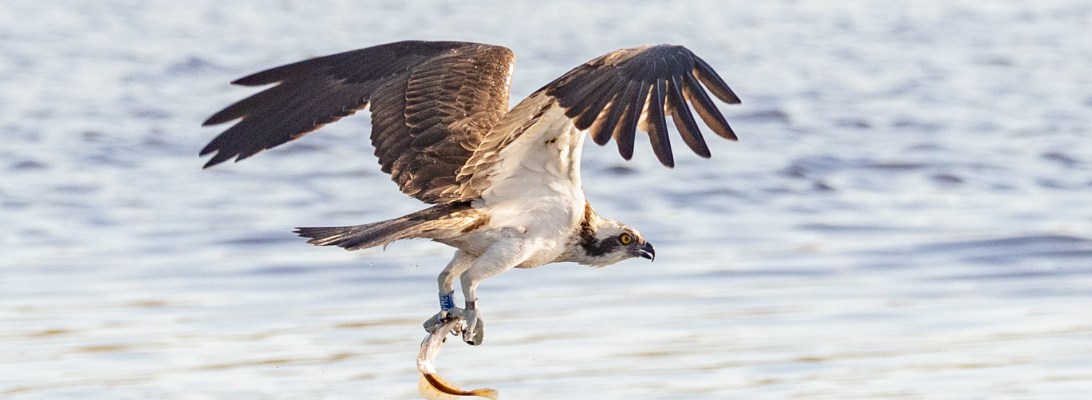
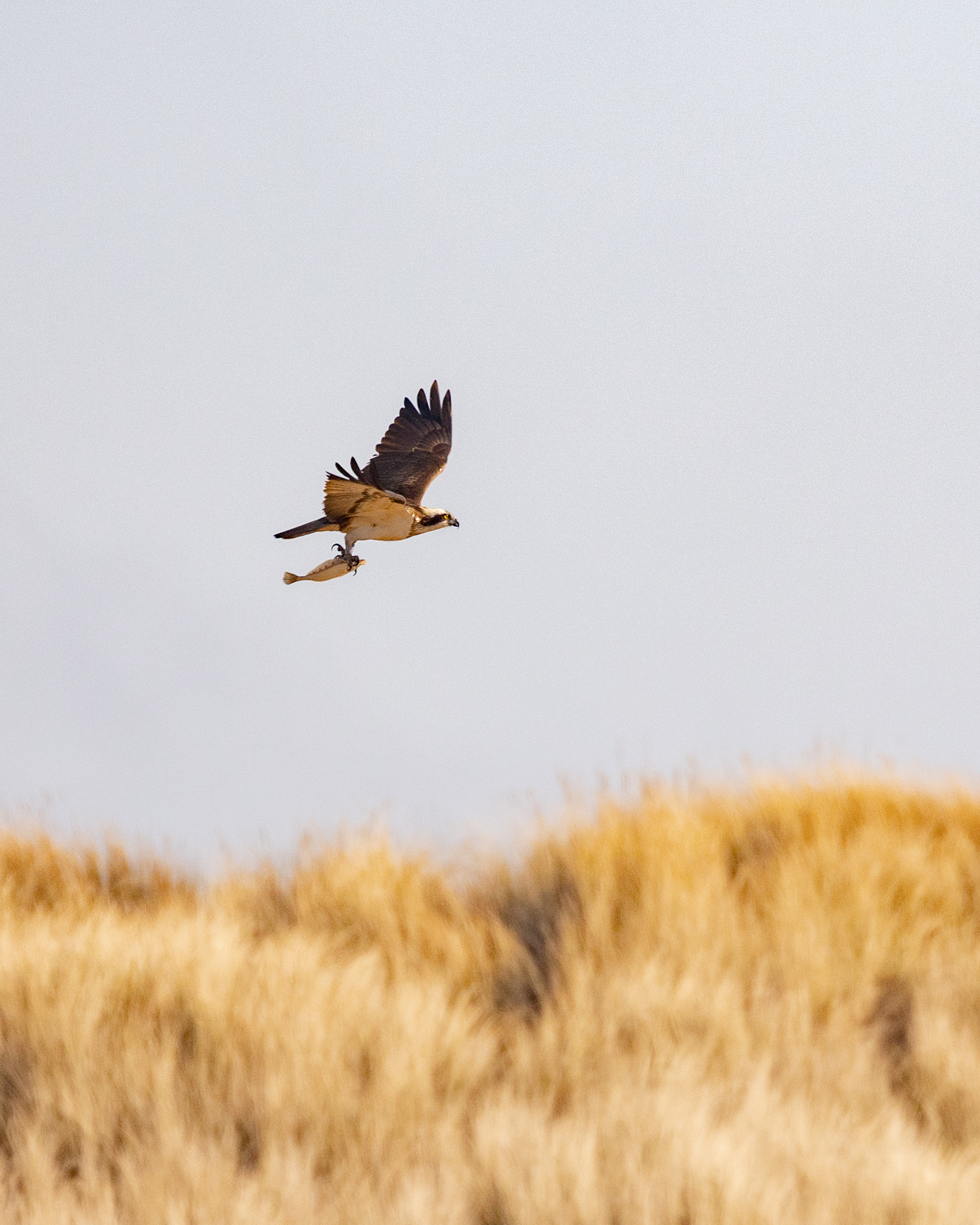
It’s that time of year again! One of my favourite things about spring is watching ospreys plummet into the water and emerge carrying huge flatfish, with the suave flourish of a magician extracting a rabbit.
I’ll be honest – I rarely get excited about larger raptors as they’re usually just a hazy speck in the sky. But ospreys bring all the drama, sometimes appearing out of nowhere and sending nearby herring gulls into a flap.
An osprey will hover high over the water, using its incredible eyesight to track a fish. Then it sidles down through the air, finally slamming into the shallows talons first.
It’s often a game of luck if you’re standing in the right place when they dive (and if you’re nimble enough to catch the actual dive, which I regrettably wasn’t), but you’ll hear the splash even from several hundred yards away.
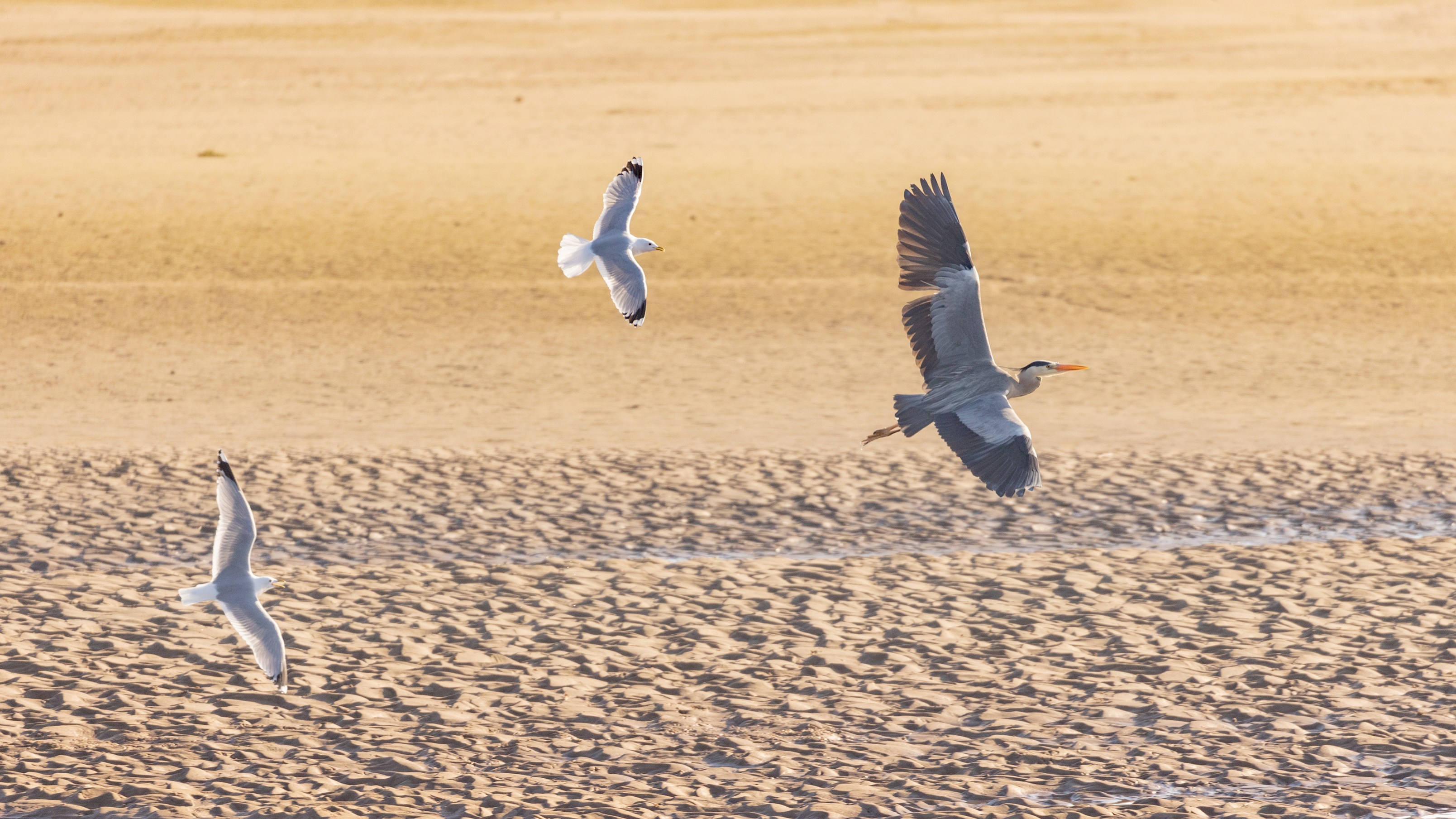
Elsewhere on the water, I was watching a heron minding its own business when it was mobbed by a couple of common gulls. Despite the size difference, the heron was shooed off its patch and raced past me with a reptilian squawk and a sweep of its vast grey wings.
As habitats go, a river is a particular favourite of mine. Not only does it make one of nature’s most soothing sounds, but it’s usually a hub of wildlife activity.
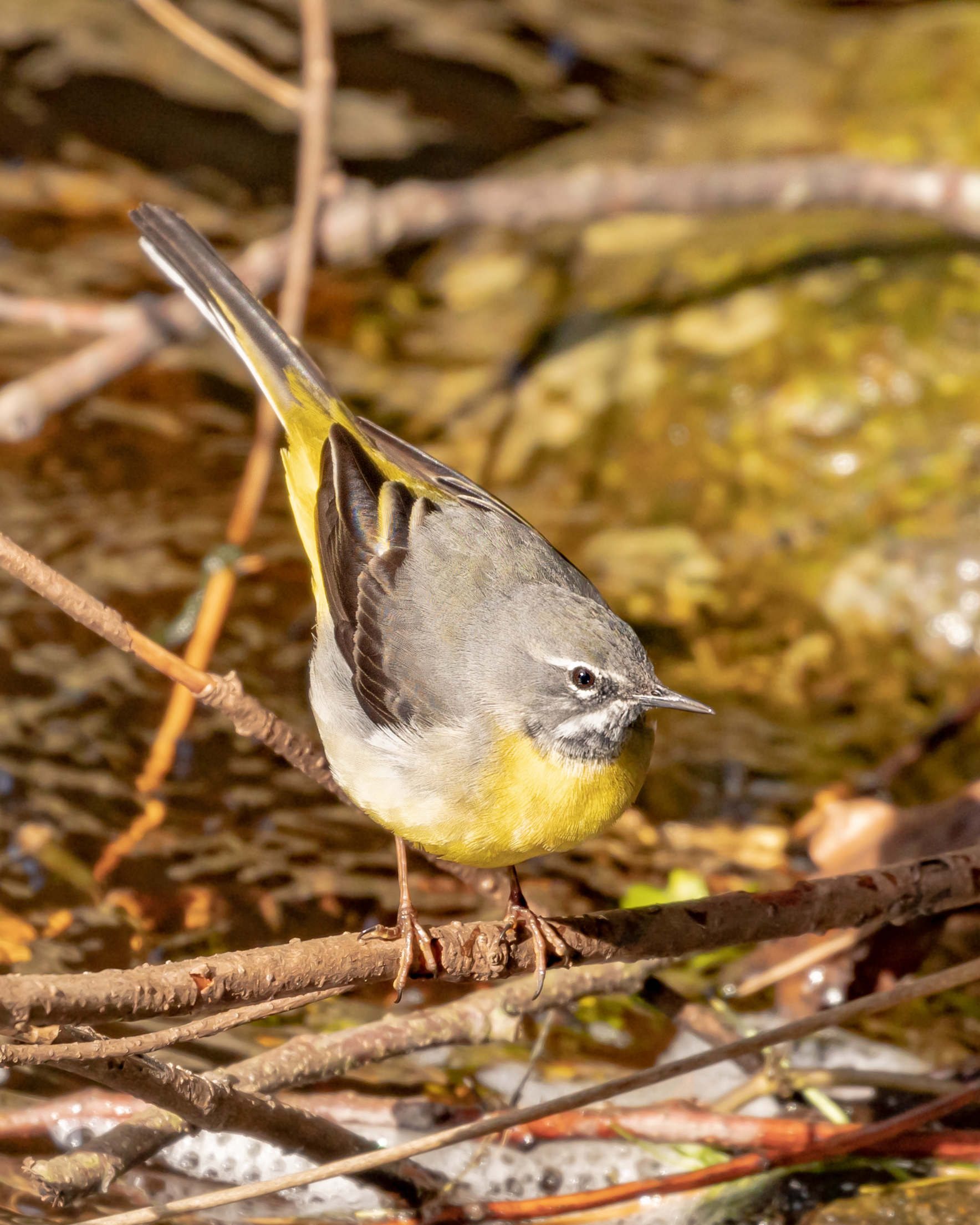
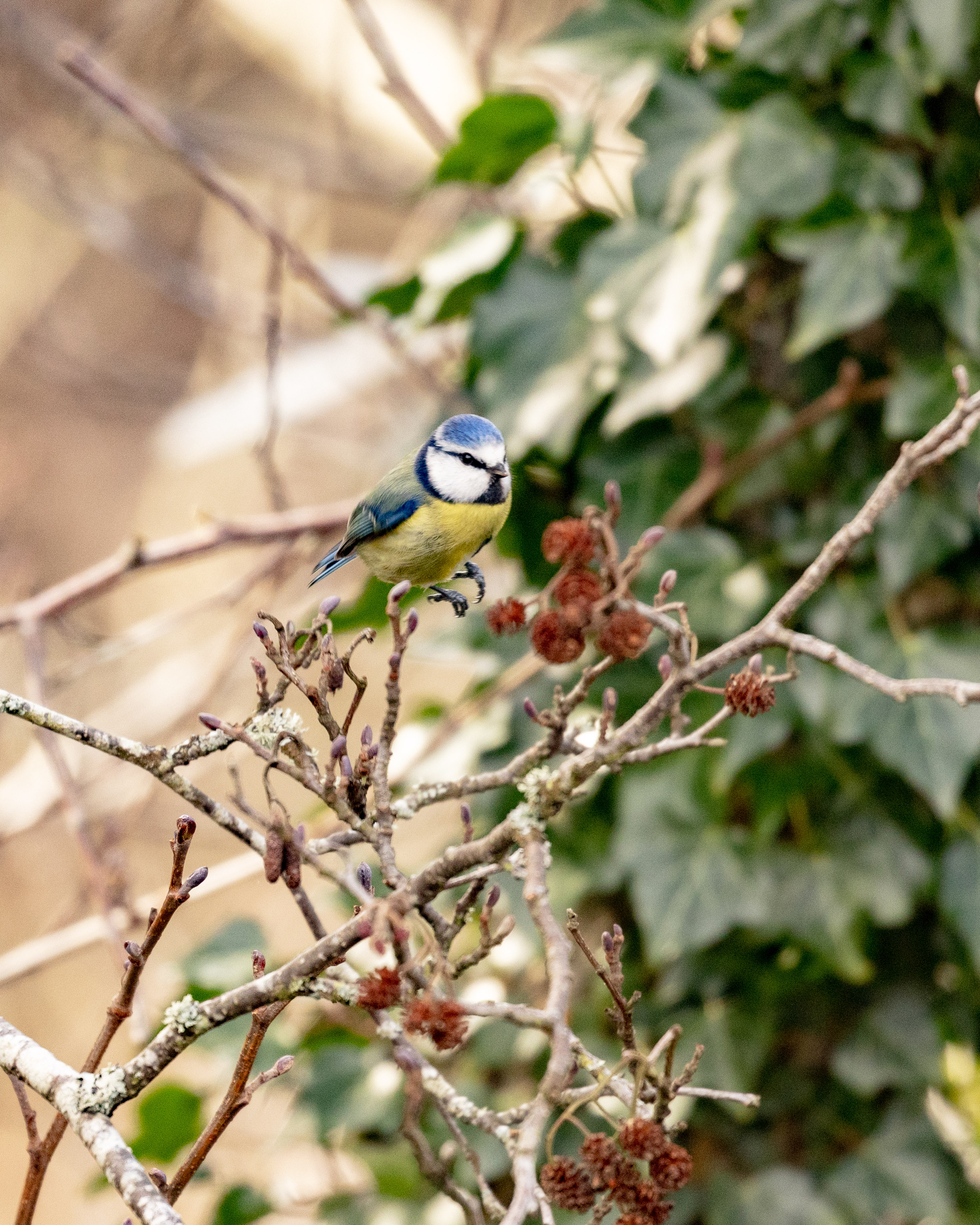
When I arrived, the first bird to catch my eye was a blue tit, which was loudly serenading everyone around it with its ‘tea-tea-lily-lily-lily’ call. Beneath it, flickering from rock to rock, was a grey wagtail. Similar to other river-dwelling birds, grey wagtails have a high-pitched call that cuts through even the chattiest of rivers.
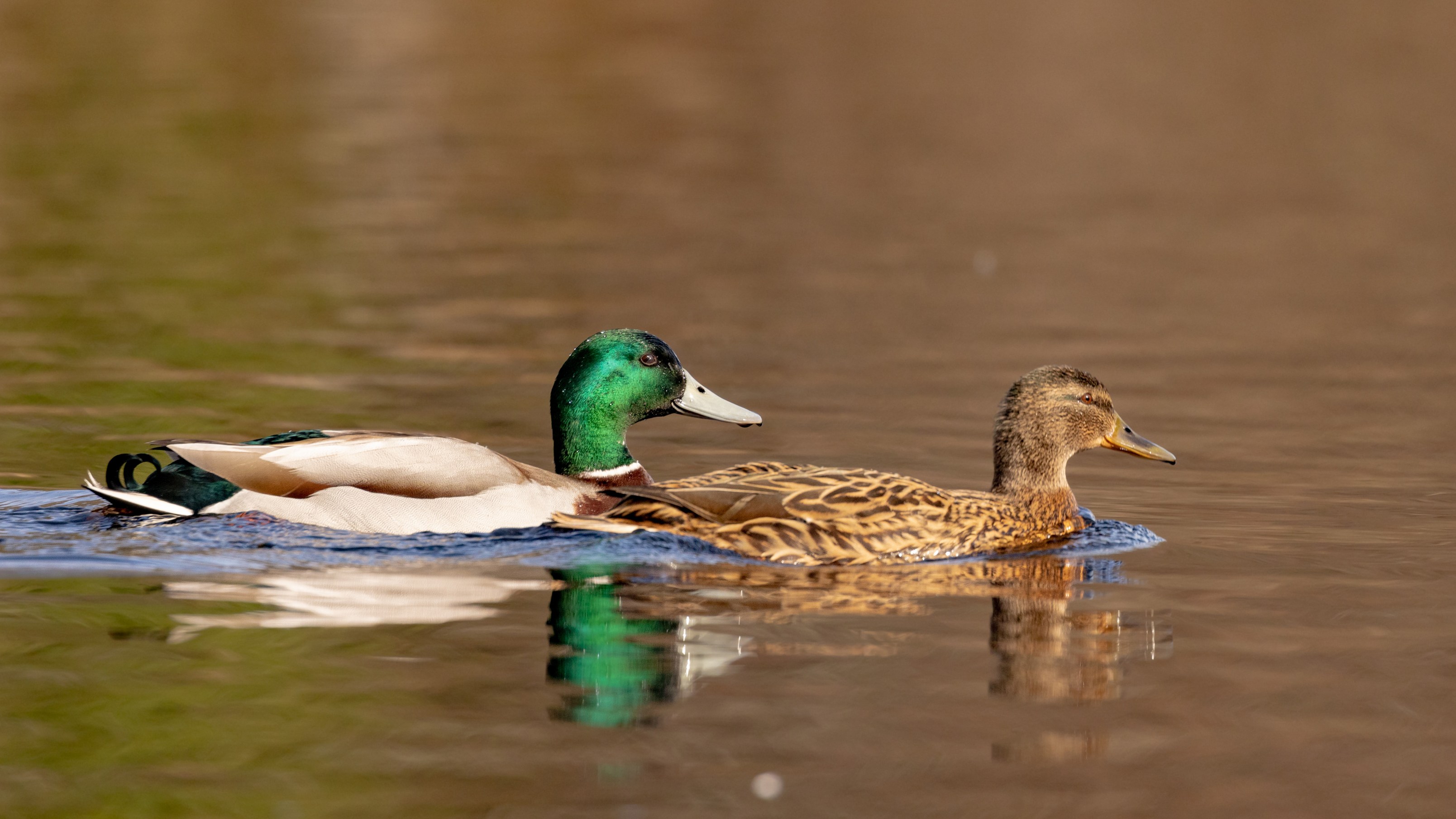
On the calm pond beside the stream, a pair of mallards swept around in slow circles. Surely one of our most under-appreciated beauties, the male mallard shimmers in direct sunlight.
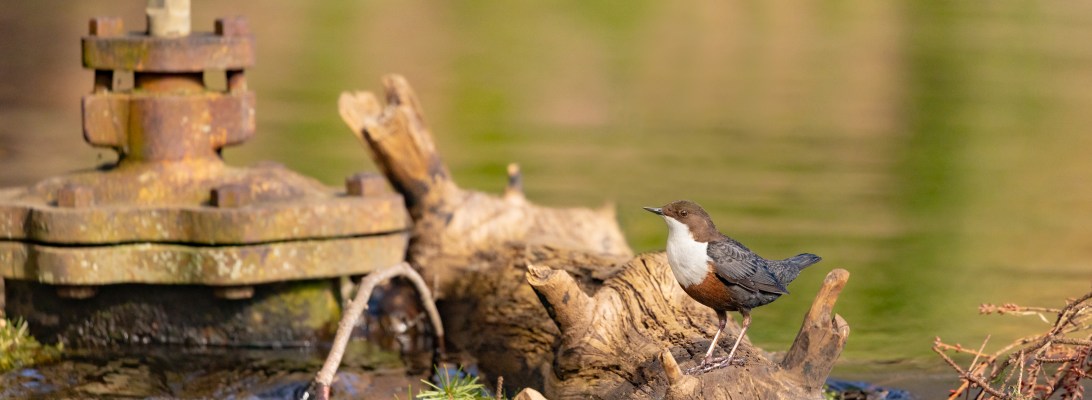
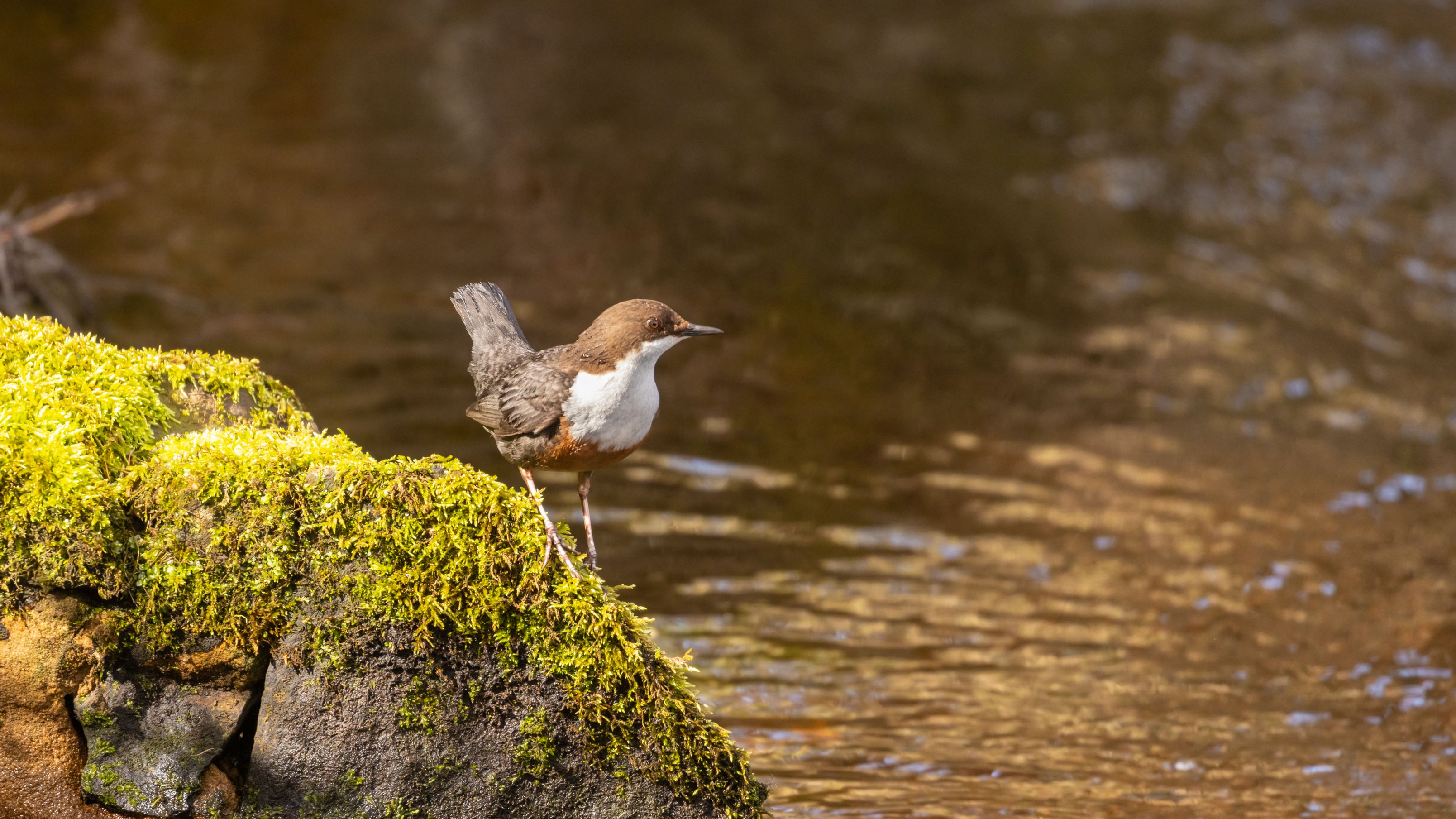
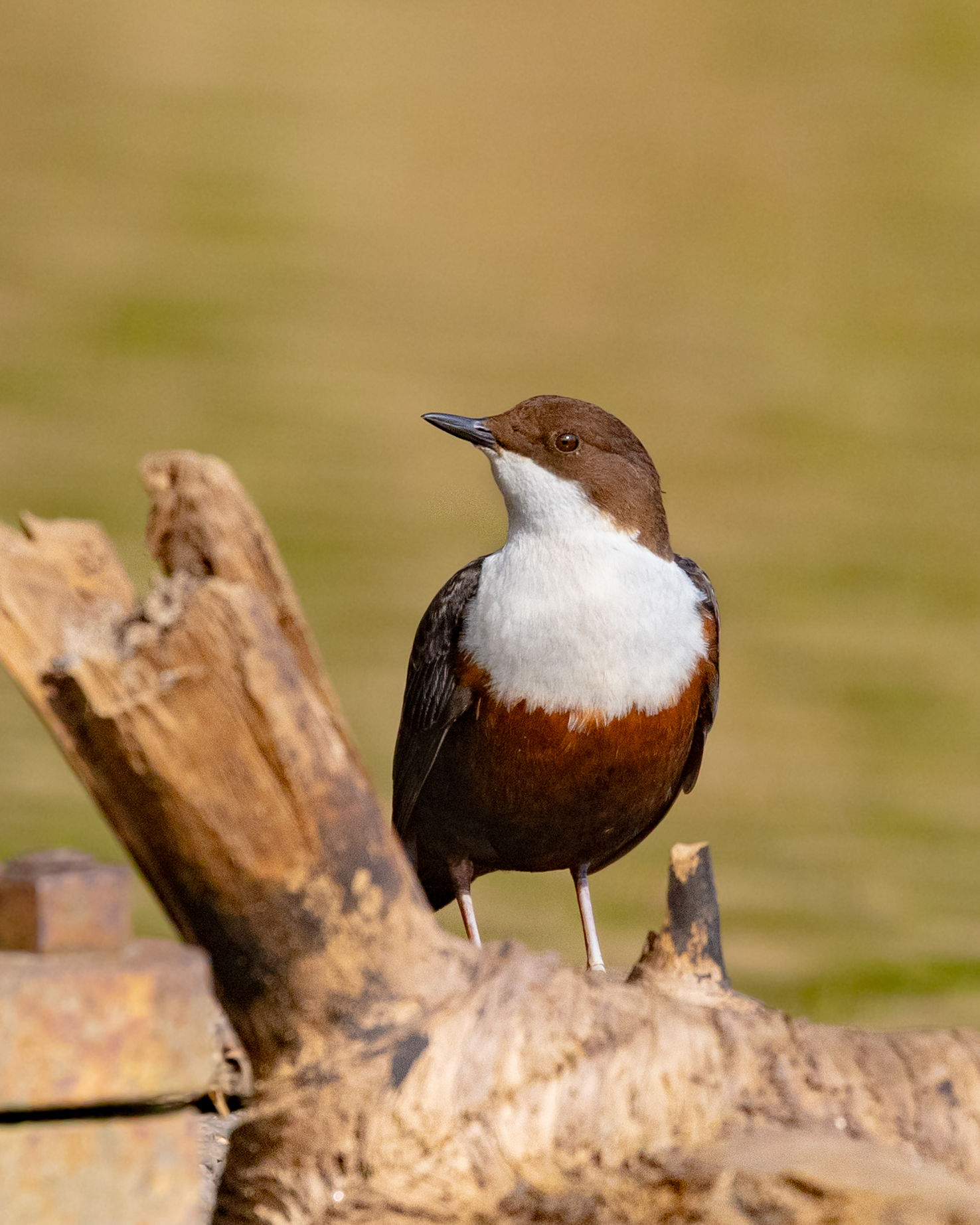
I’d come to the river especially for dippers. This patch has a Rocky Road structure of stones, logs and twigs jutting out of the water, providing countless opportunities for perching and dipping.
On some occasions, I’ve had to settle on the bank and wait a while for the flash of brown and thrum of stumpy wings as a dipper zoomed by, but today I timed my visit perfectly. Just as I was peering along the water channel for a white bib, a dipper came zipping past me and landed several feet away.
I crept closer and watched as it ducked down behind its perch until only the top of its head was visible. It emerged holding an enormous clump of moss in its bill. With another dip, it sped back downstream, returning minutes later without its foraged cache.
For the next hour I watched a pair of dippers gather moss almost continuously. I’m always heartened and impressed by the diligence of some bird parents. Chicks were obviously on the way, and they would have a luxuriously cosy nest ready for them when they arrived.
Good weather may not be as forthcoming during winter, but I’d argue that winter light is the best of the year, if you can find a break in the clouds.
I checked the forecast and saw a long line of sun symbols, so I donned my thermals and headed out to see what wildlife I could photograph. First I tried for hares at sunrise, but they were otherwise engaged. Frustratingly, golden hour was flaring bright and I was itching to get photos of something, anything, in those syrupy hues.
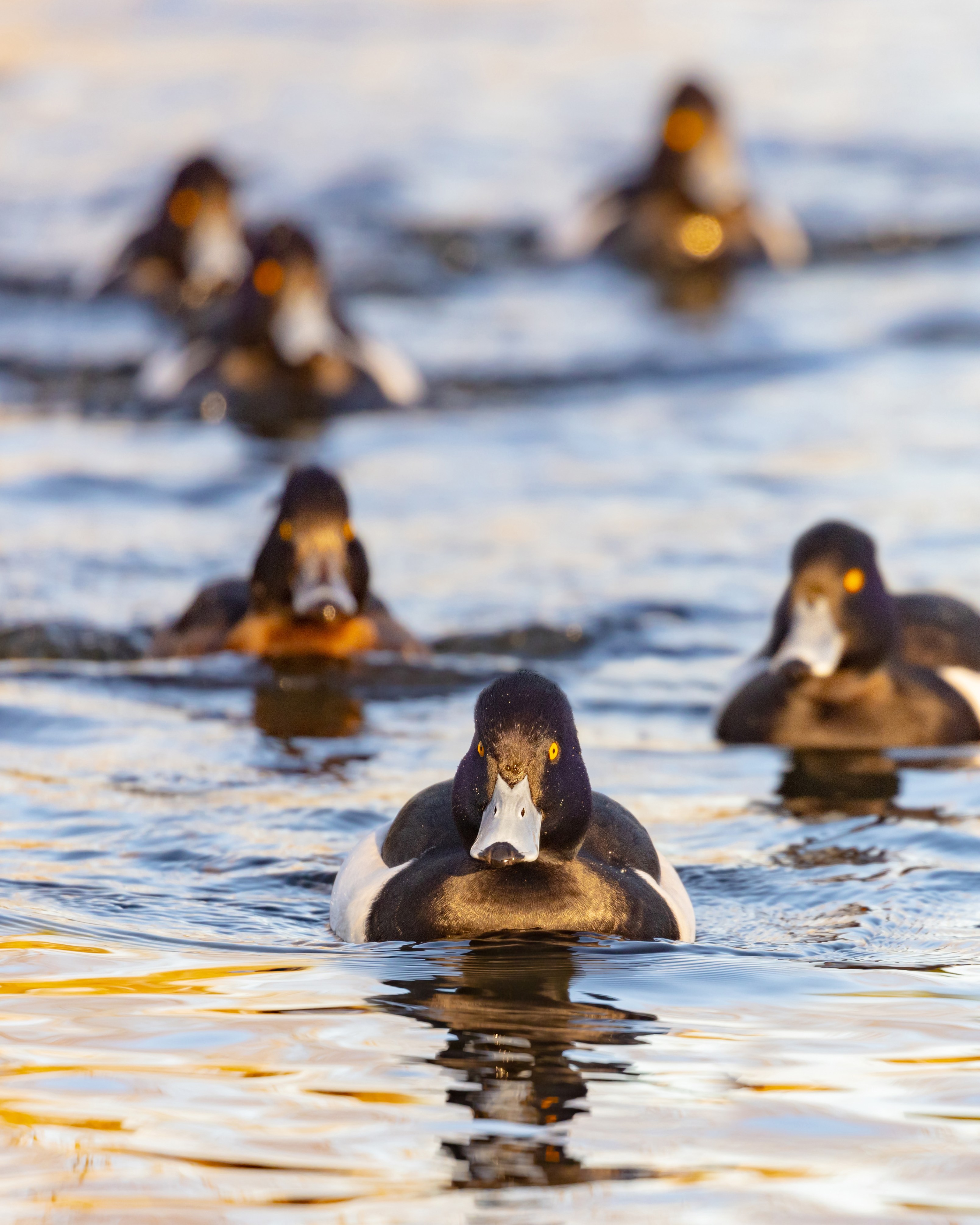
After several hours with a numb bum, looking at diddly squat, I visited the library to return a book and warm up. When I came out, a flock of tufted ducks were bobbing in the city pond. The light was still fantastic, so I lay on the ground and got snapping. Like mallards, tufties have stunning iridescence if you catch them in direct light. I hadn’t set out for ducks, but it was a happy accident and I loved photographing something so closely for a change.
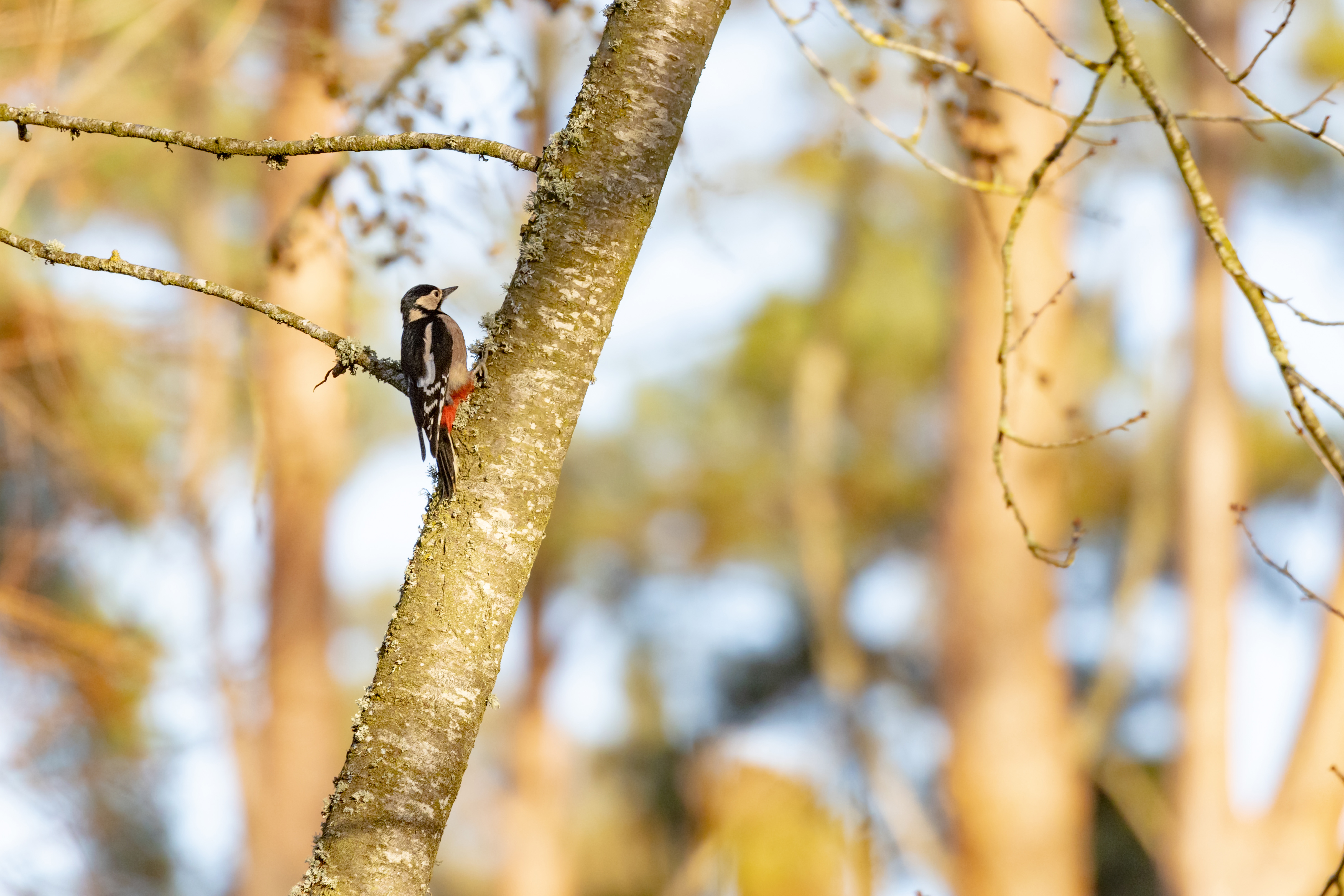
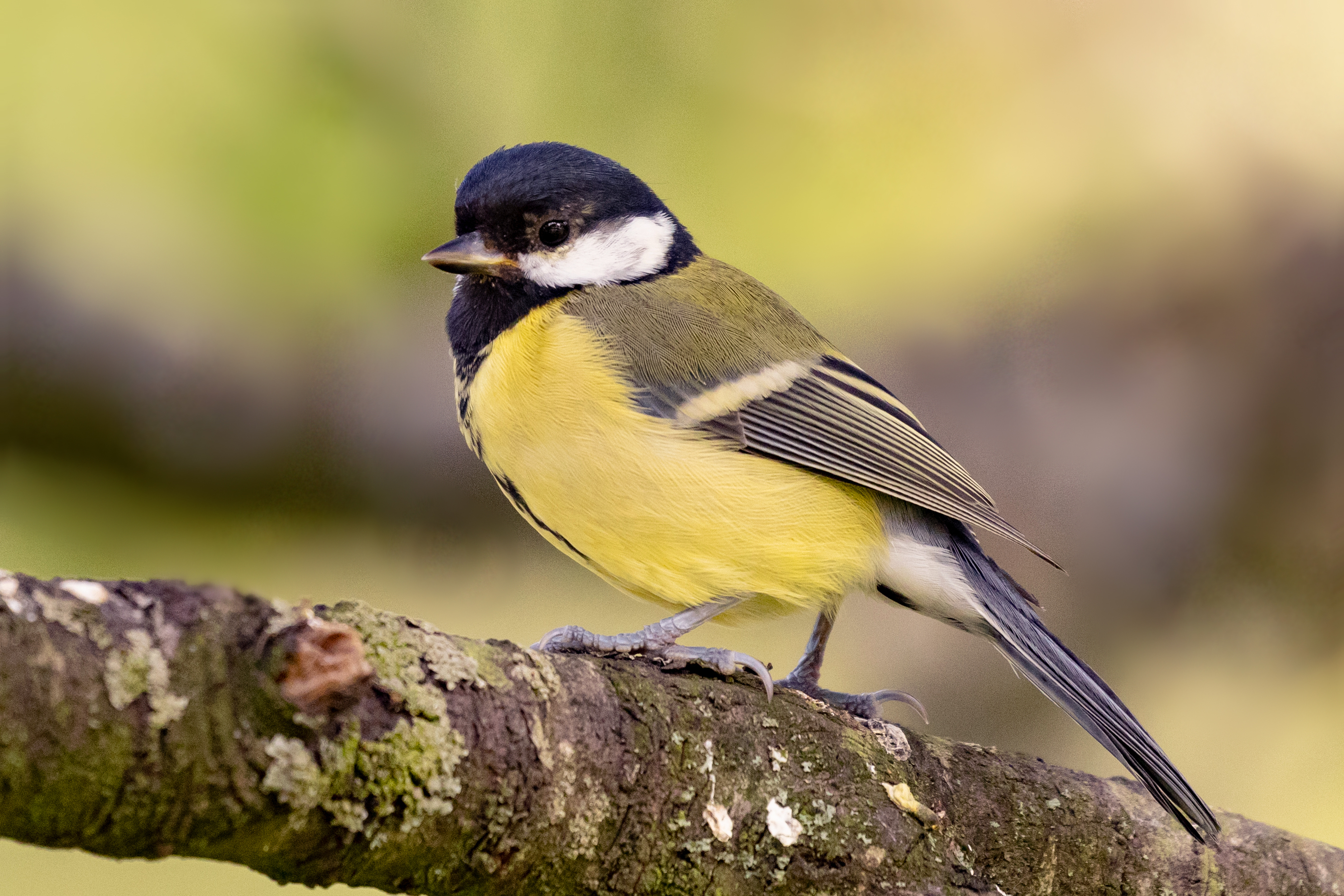
Rejuvenated by my unexpected success with the ducks, I moved on to one of my local lochs, where there’s always some sort of activity. As usual, the feeders were swept up in a feather storm: chaffinches, dunnocks, robins, great tits, long-tailed tits, blackbirds, woodpeckers and song thrushes all muscled in in for a mid-morning snack.
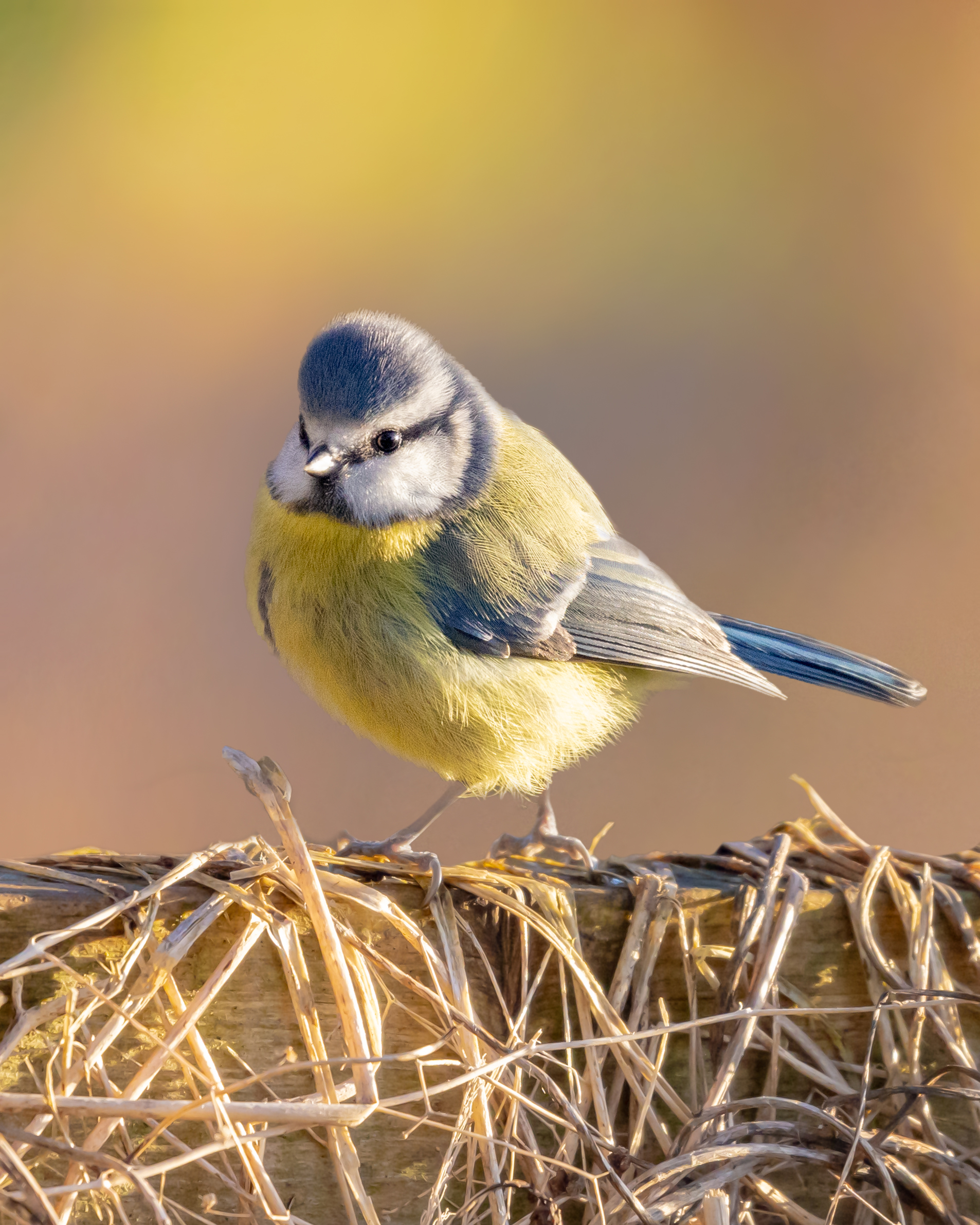
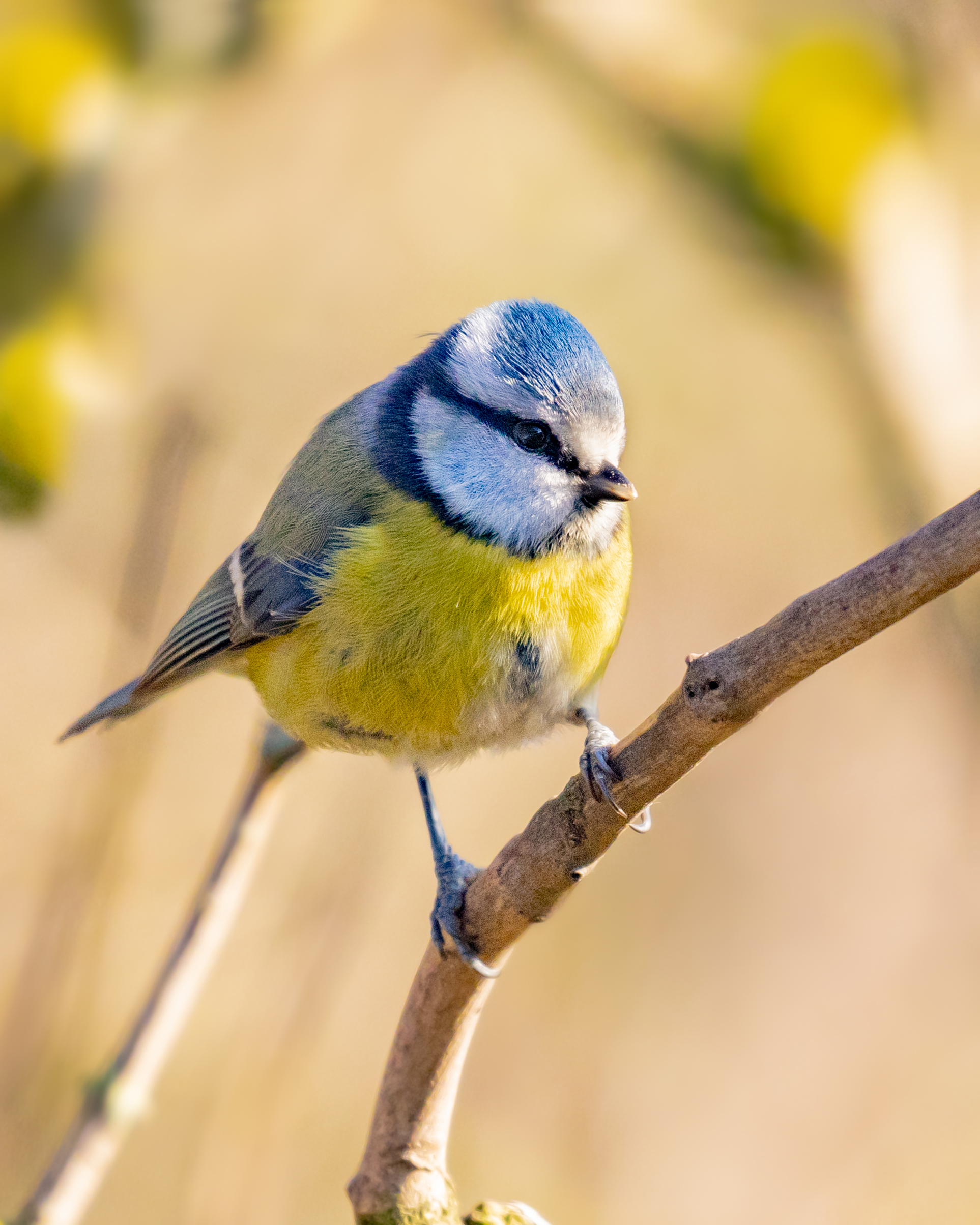
As my eyes snagged on each passing bird, I realised I couldn’t remember the last time I photographed a blue tit. I’m always looking for rarities and don’t appreciate common birds as much as I should. When I actually paid attention to the blue tits that were zinging in the bright sunshine, I appreciated just how multi-coloured they are. A British bird of paradise!
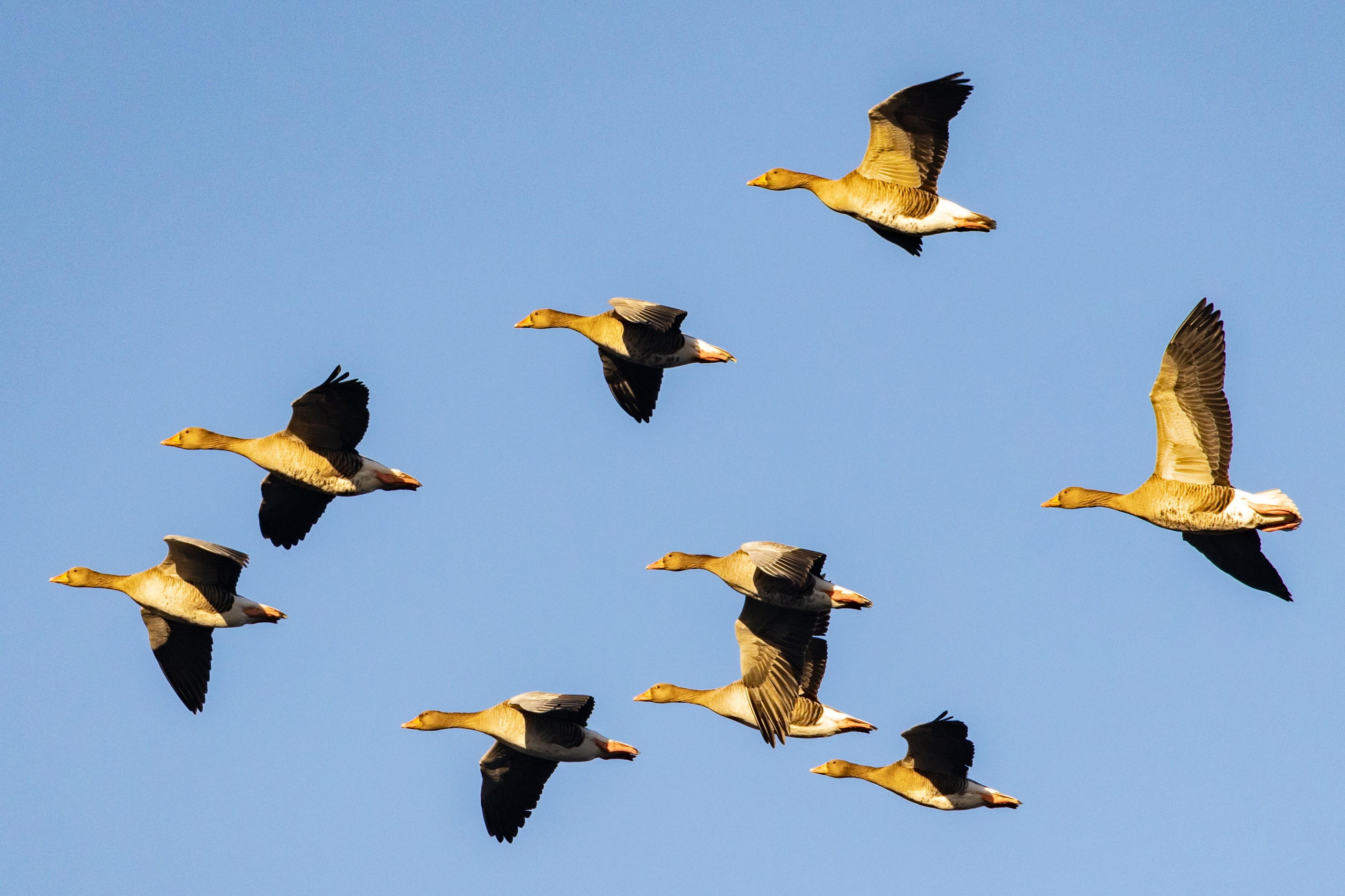
The sunlight may look warm in my photos but it didn’t feel it, and after a while I was ready to retreat for tea. Before I headed home, a small gaggle of greylag geese swept over the loch, dipping in flight until they skidded to a halt on the surface. Luckily for me they were facing the sun, so I caught some high-contrast shots of their smooth landing.
After an uncertain start, my trip became a common bird appreciation day, which I probably needed. I get blinkered looking for the rare and exotic, but with winter light as special as this, every bird looks superb.
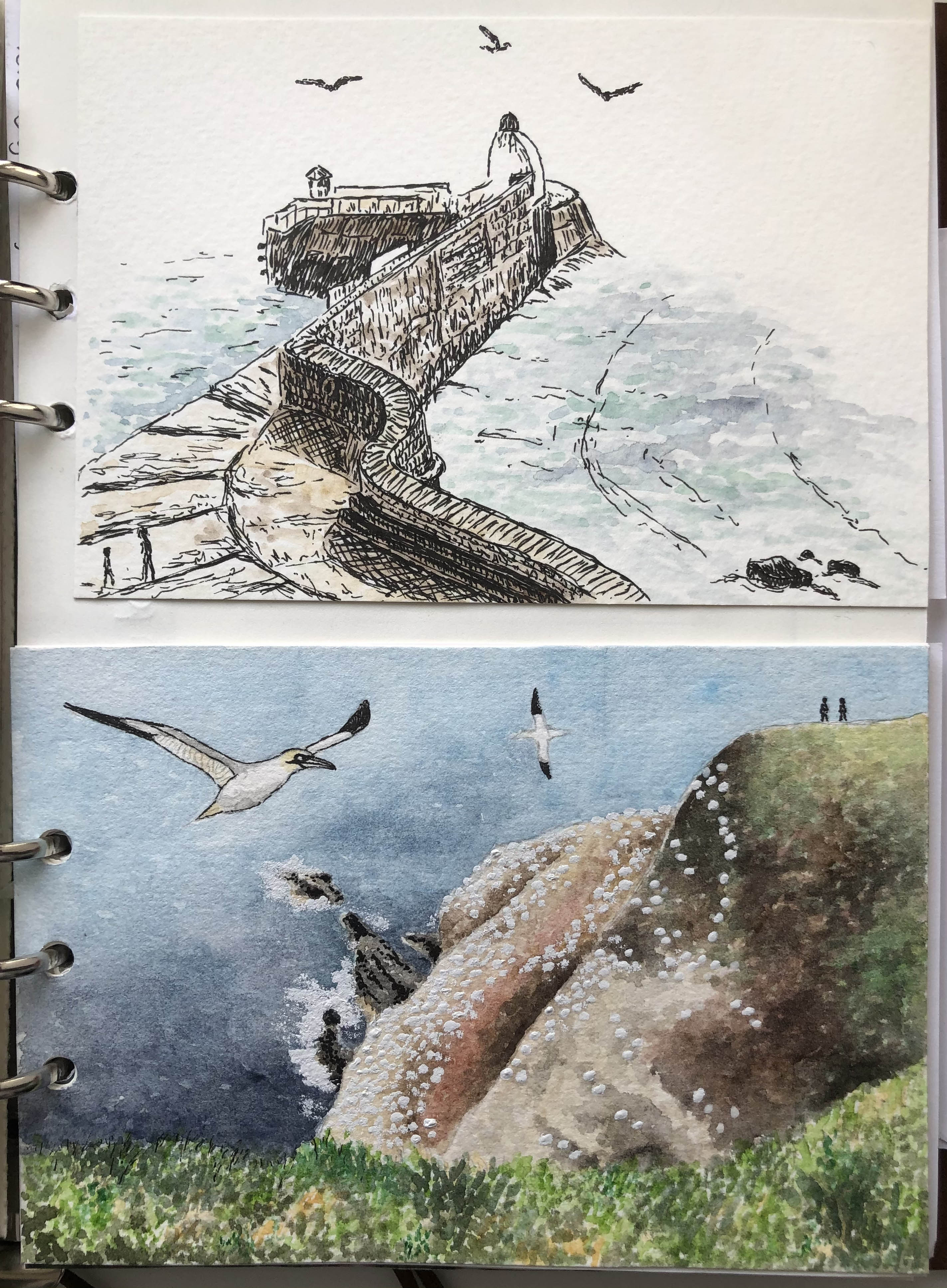
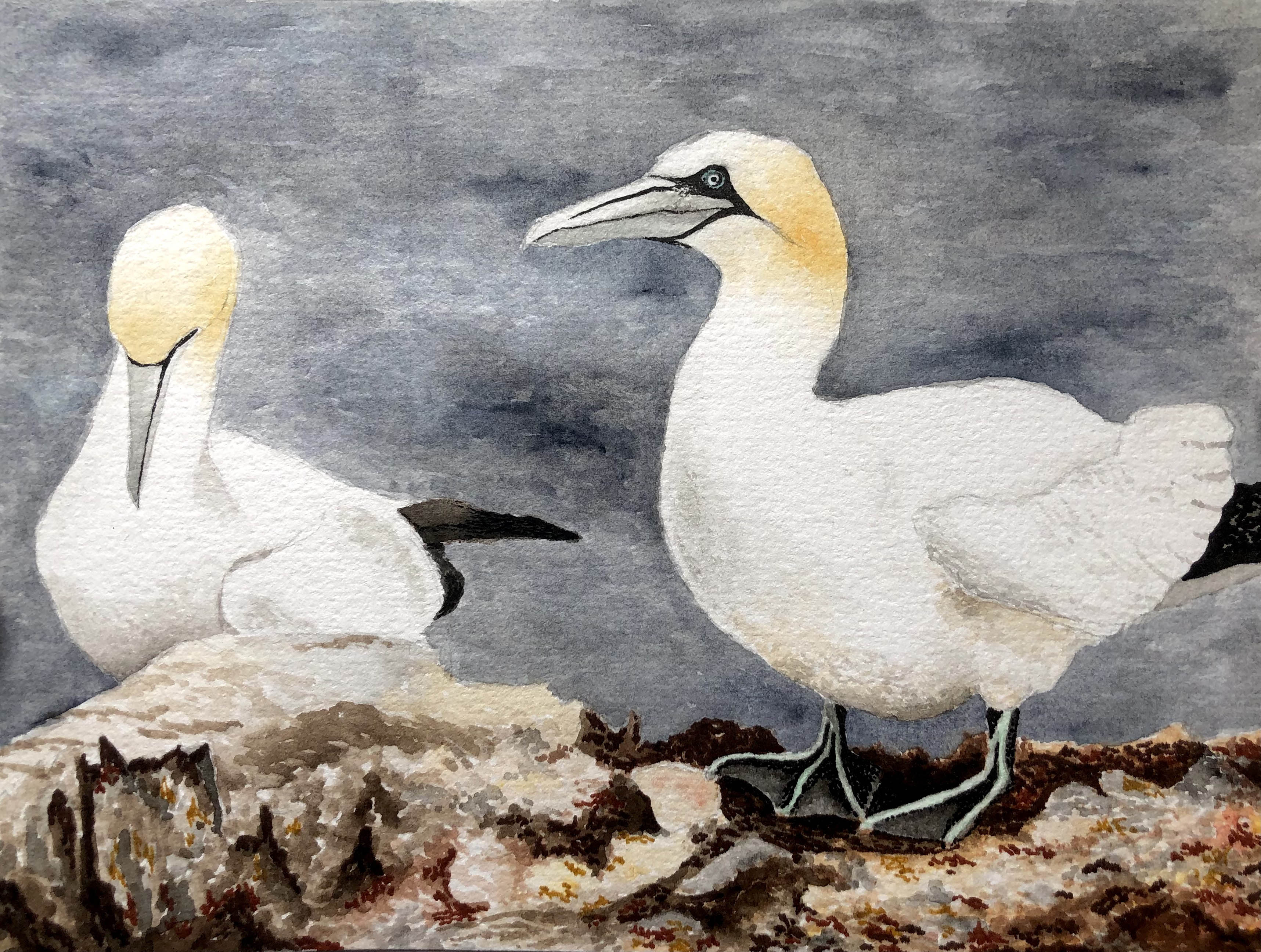
Painting always takes a backseat for me. Writing and photography take up all of my creative time and energy, and as a result I barely ever get round to painting even though I love it. The second I actually set out my equipment and get started, I spend hours doing it!
The other obstacle is the fact I’m a raging perfectionist. I aspire for photorealism on every piece and it just doesn’t happen. What I should be more concerned with is that my worrying is stopping me from doing what I love.
So, determined not to get bogged down by perfection, I painted a few sketches with my usual combination of watercolour and fineliner pens recently. Sure they’re a little rough round the edges but isn’t creative expression what art is all about? If we could all paint a bird to look like a photo, every piece of artwork would look identical. Naturally this is just me making an excuse for my lack of technical skill, but joking aside I think art should be about having fun no matter what the end result looks like. And everyone knows practice makes perfect.
I’ve been a busy, quite tired bee recently! April has gone by in a flash and no matter how long I spend at my desk, the length of my to-do list never seems to change. This month I’ve been hard at work on a few different projects which I can’t wait to share. Fortunately I still managed to squeeze in some much-needed nature time, so here are some of my recent highlights.
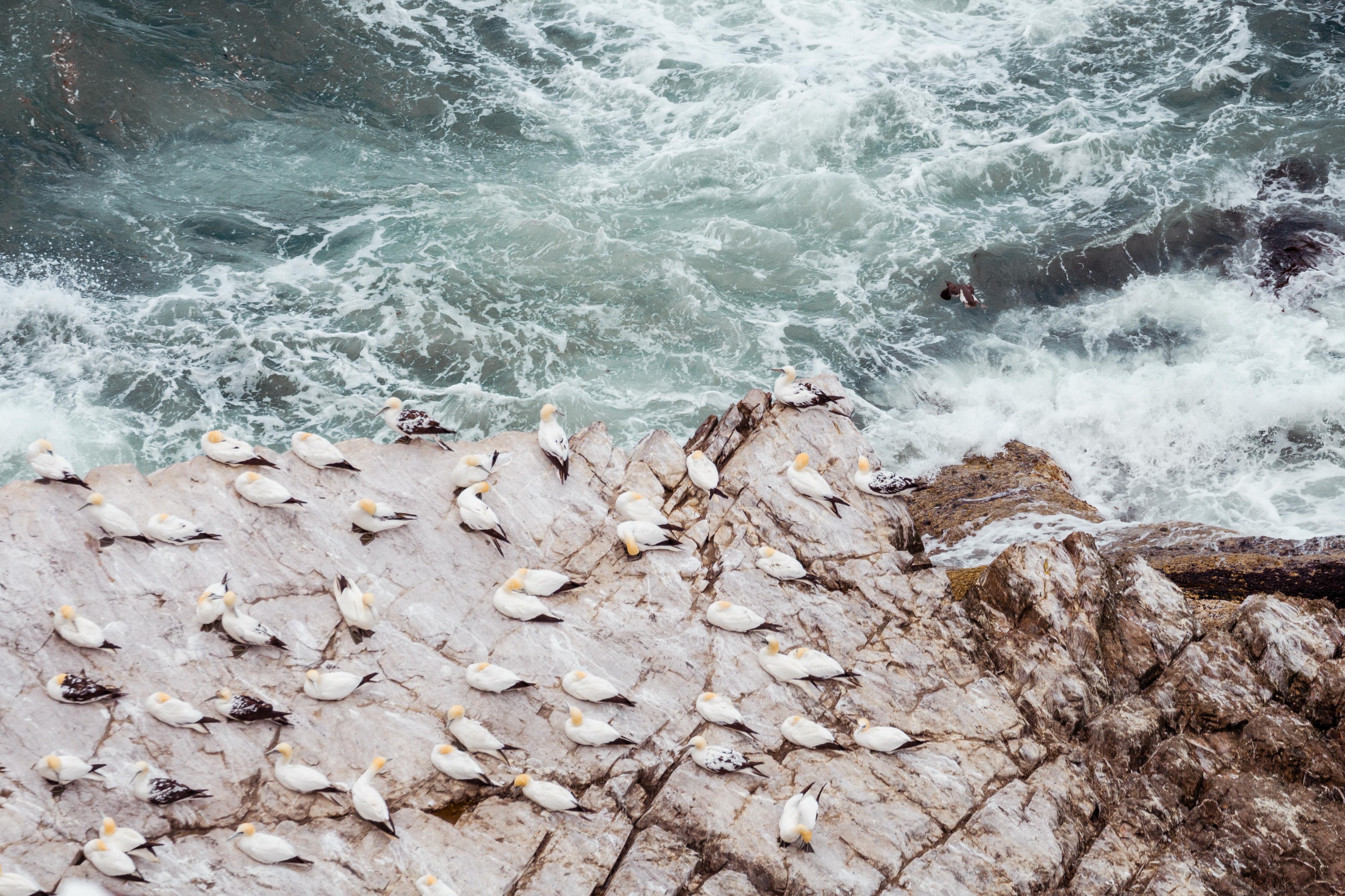
I was thrilled to have a second article accepted by Oceanographic magazine. In July last year I visited Troup Head near Aberdeen, which is home to a vast colony of gannets. Soon afterwards I met Tim Marshall, who first visited the site in 1988. Back then there were just four gannet nests – by 2013 numbers had reached 2885 occupied nests! I was so excited about seeing these gorgeous seabirds up close that I wrote a story about them, which is now published on Oceanographic’s website alongside my photos.
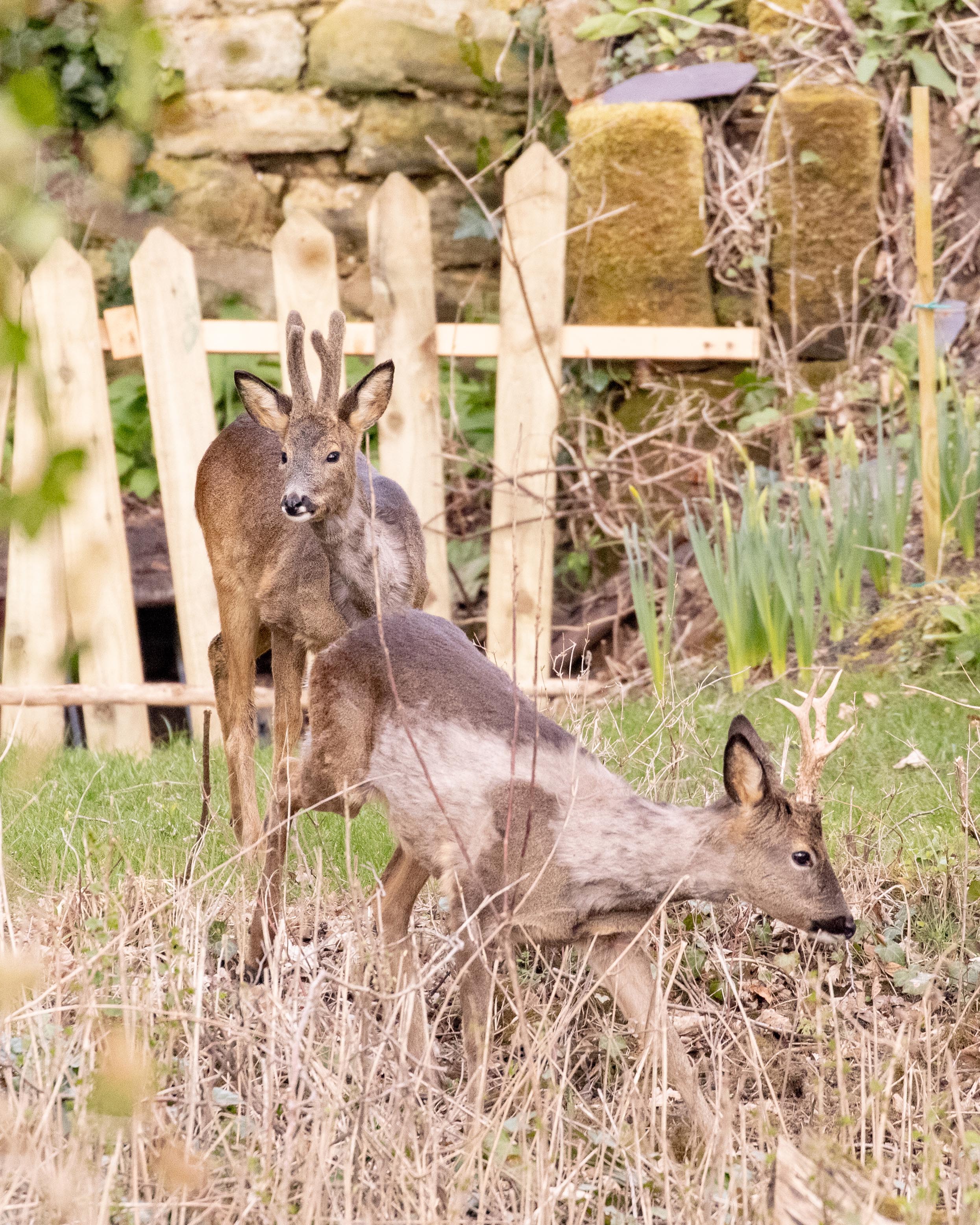
There’s been a running joke for a while that I have awful luck when it comes to seeing roe deer. For many people, in Scotland at least, roe deer seem to be ten a penny. They’re one of my favourite animals but for some reason my sightings are very rare – I’ve actually seen more crested tits than roe deer! As for photos they’ve been disastrous, either dark and noisy or almost indistinguishable behind a thousand branches.
So managing to photograph not just one buck but two simultaneously was an exceptional bit of luck for me. I’d been strolling along the river when the first buck appeared on the far side. Moments later a second buck joined him. It was intriguing how one still had all his antler velvet and the other had none. With the river between us they seemed comfortable grazing out in the open, giving me the clearest daytime views I’ve ever had of this gorgeous animal.
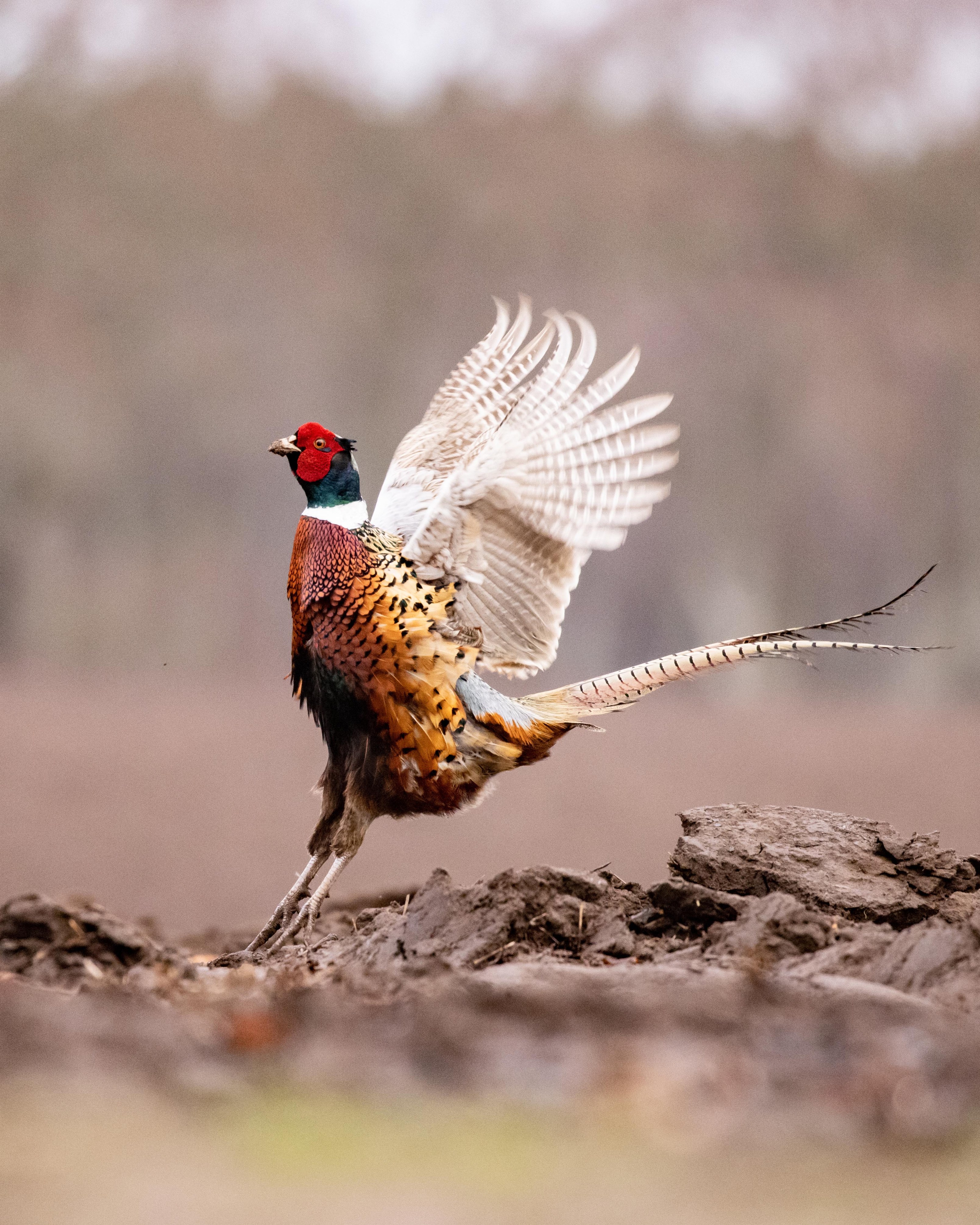
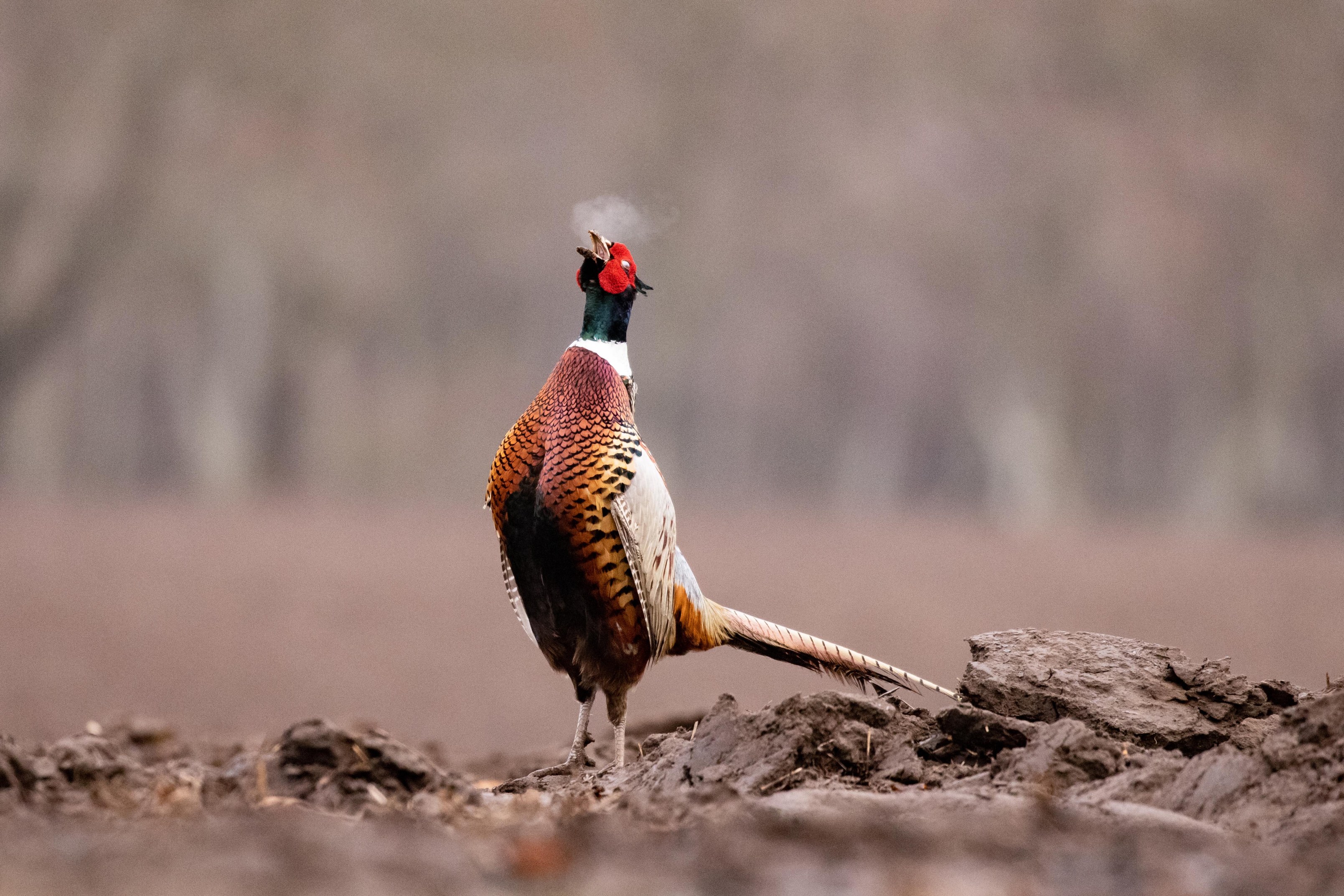
I shared my frankly miraculous encounter with a hare in my last post. That same morning, I also had a run-in with a very handsome male pheasant. I’ve heard pheasants call hundreds of times – that screeching grate echoes through open fields everywhere. But it was only the other day that I discovered what a pheasant does while it calls.
This male was foraging right next to my car window. Every so often he’d stand up straight and lift his head to release that banshee scream, scaring me half to death each time. After calling he would flap his wings, almost like he’d startled himself too. As I hadn’t taken the time to notice pheasants calling before, I hadn’t realised what an excellent opportunity to train my reflexes it was. I had great fun photographing these glamorous poses. Say what you like about pheasants but they’re suave looking birds!
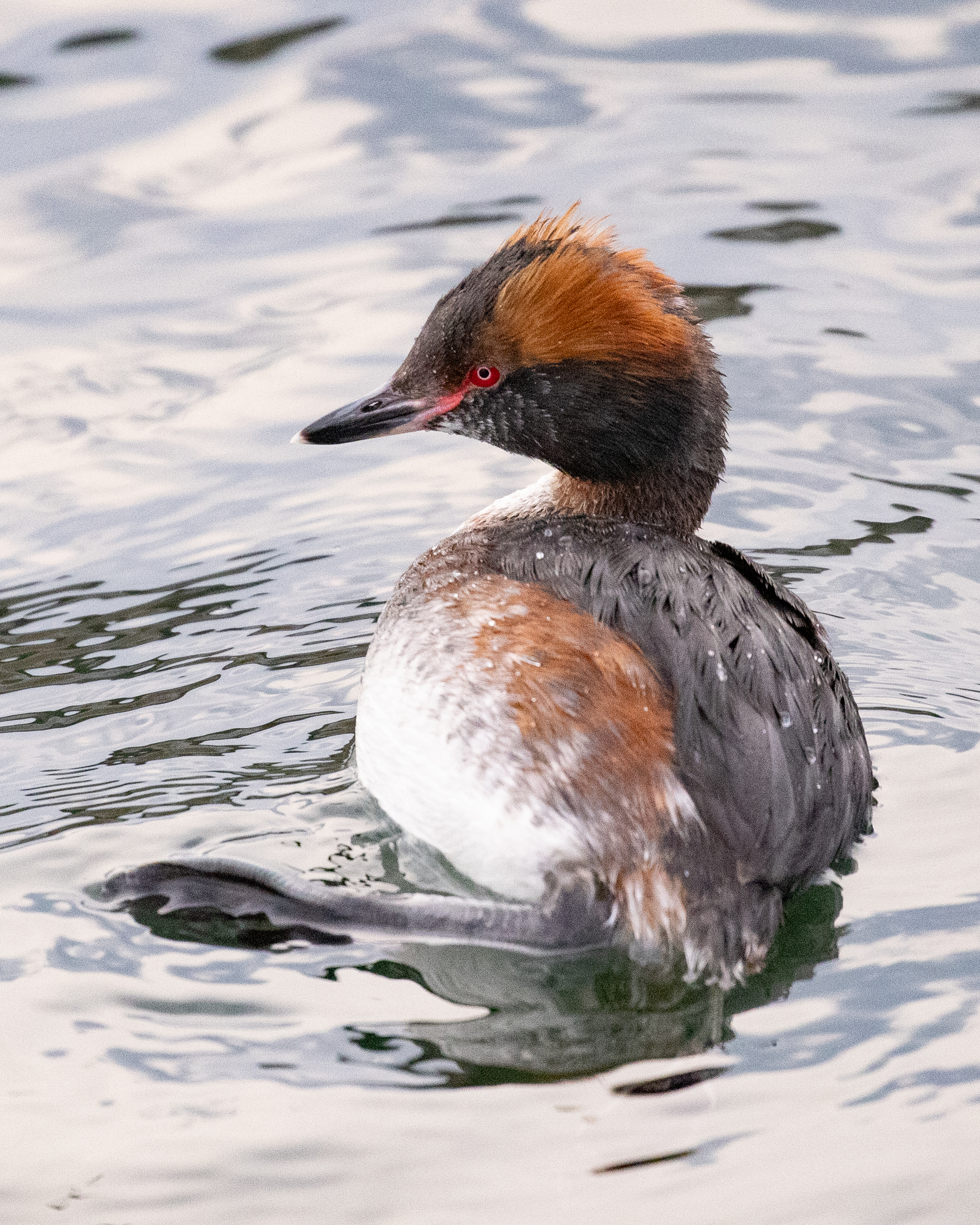
I’ve saved the best wild encounter until last. In fact, I’d say it’s one of my most exciting bird encounters ever, and it happened only 200 metres from my front door. As I was having dinner I got an alert from a fellow photographer telling me there was a Slavonian grebe in the harbour!
Pasta forgotten, I raced down and lo and behold there it was. A harbour was the last place I thought I’d tick off my first Slavonian grebe. About the size of a moorhen, these birds are extremely rare in the UK. They can be seen on a few Scottish lochs but spend most of the year at sea. I felt incredibly lucky to have seen one at all, let alone a stone’s throw from home.
Keep an eye out for my next post, where I’ll be sharing photos from my first trip out of Moray this year. The day featured a trio of herons, a serenading grey wagtail and a mallard making a splash!
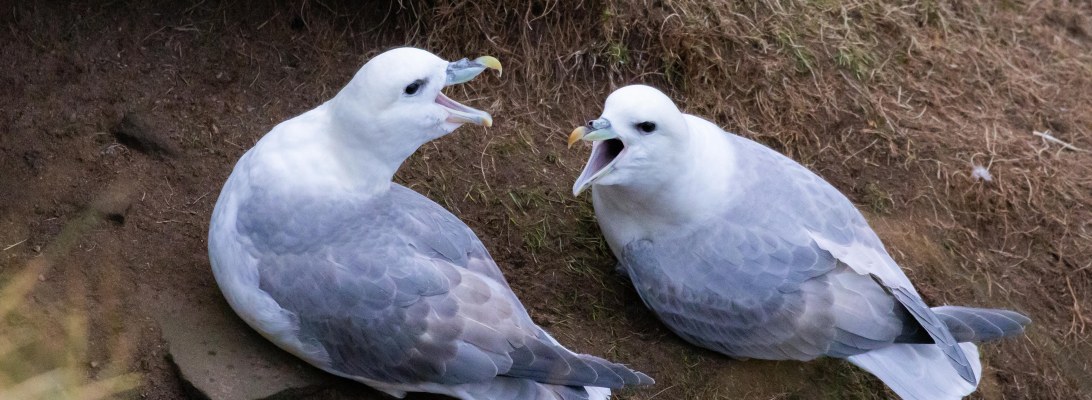
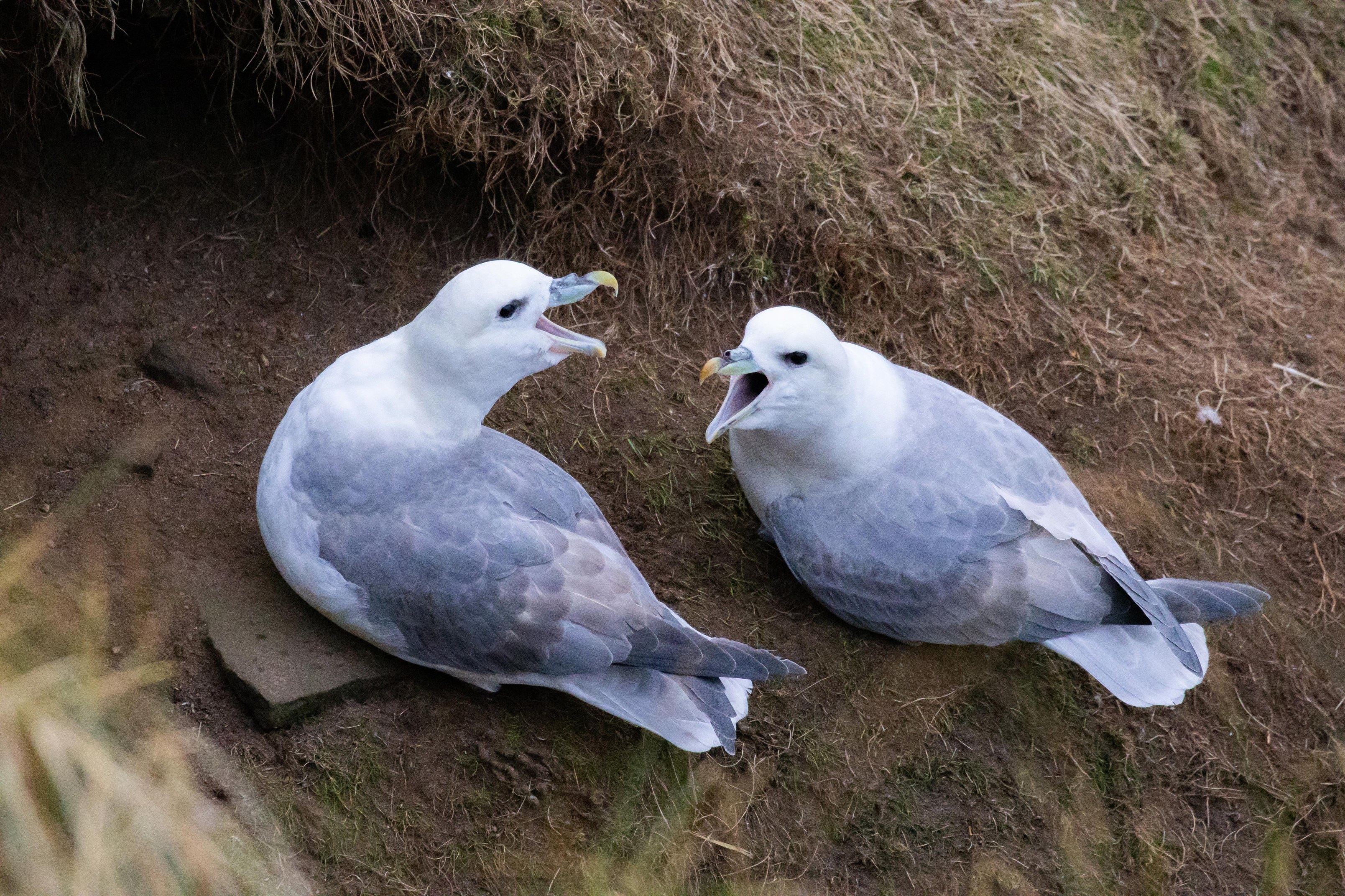
Last week on one of my many coastal walks I glanced down to see a pair of fulmars perched on an earthy shelf on the headland. Fulmars are one of my favourite seabirds so I was delighted that there was a possible mating pair setting up shop on my daily walking route. They were cackling to each other and looking like adorable mini albatrosses. I got a couple of shots but the light was fading so I decided to return when I had a little more sun.
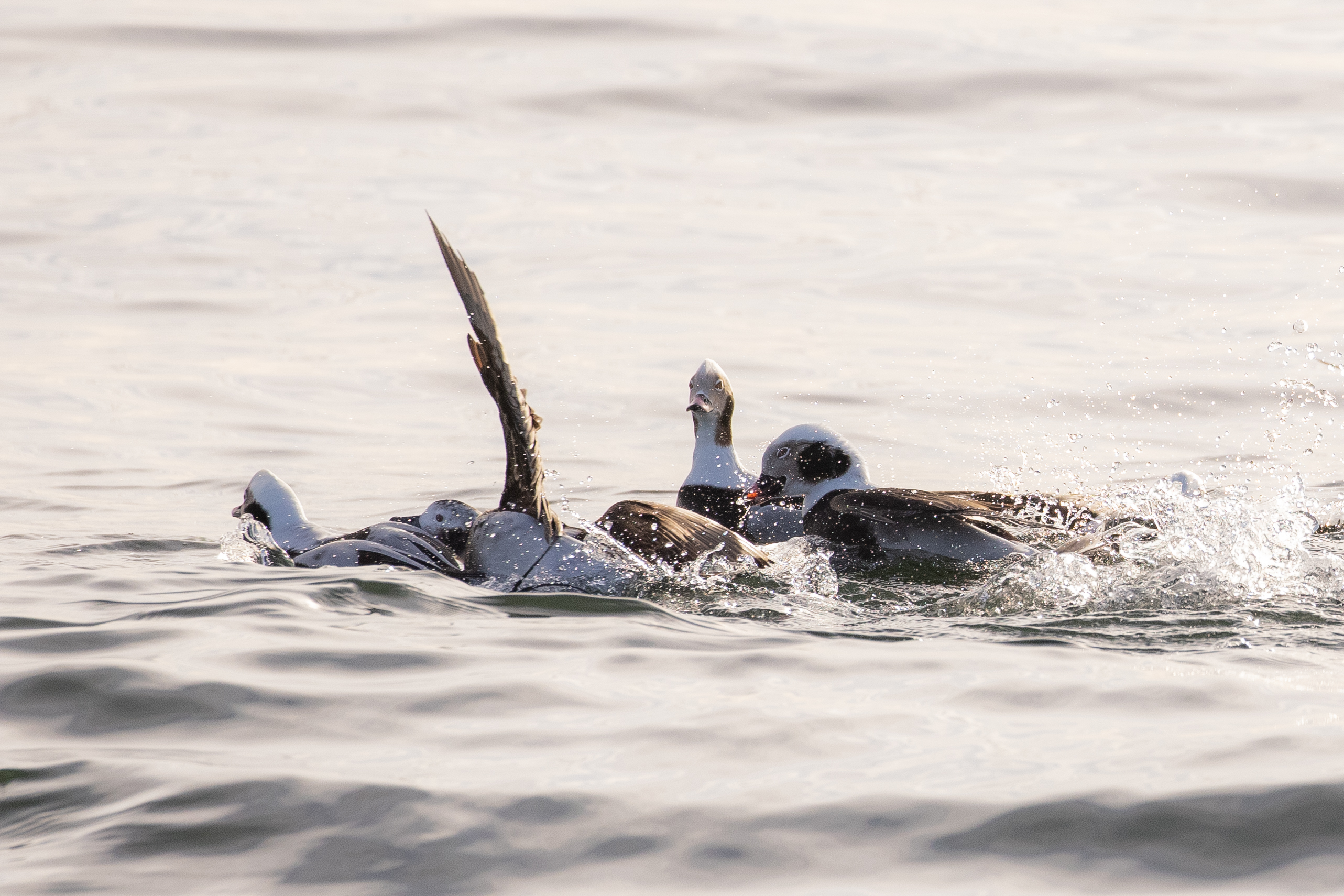
The next day I wandered back to the spot but they were gone, perhaps on a fishing trip or maybe they’d decided on another nesting spot. Not wanting to waste the trip out, I scanned the water for dolphins and birds. Just at the mouth of the harbour was a group of dots too small for herring gulls. On closer inspection through the binos I discovered they were long tailed ducks – another favourite of mine!
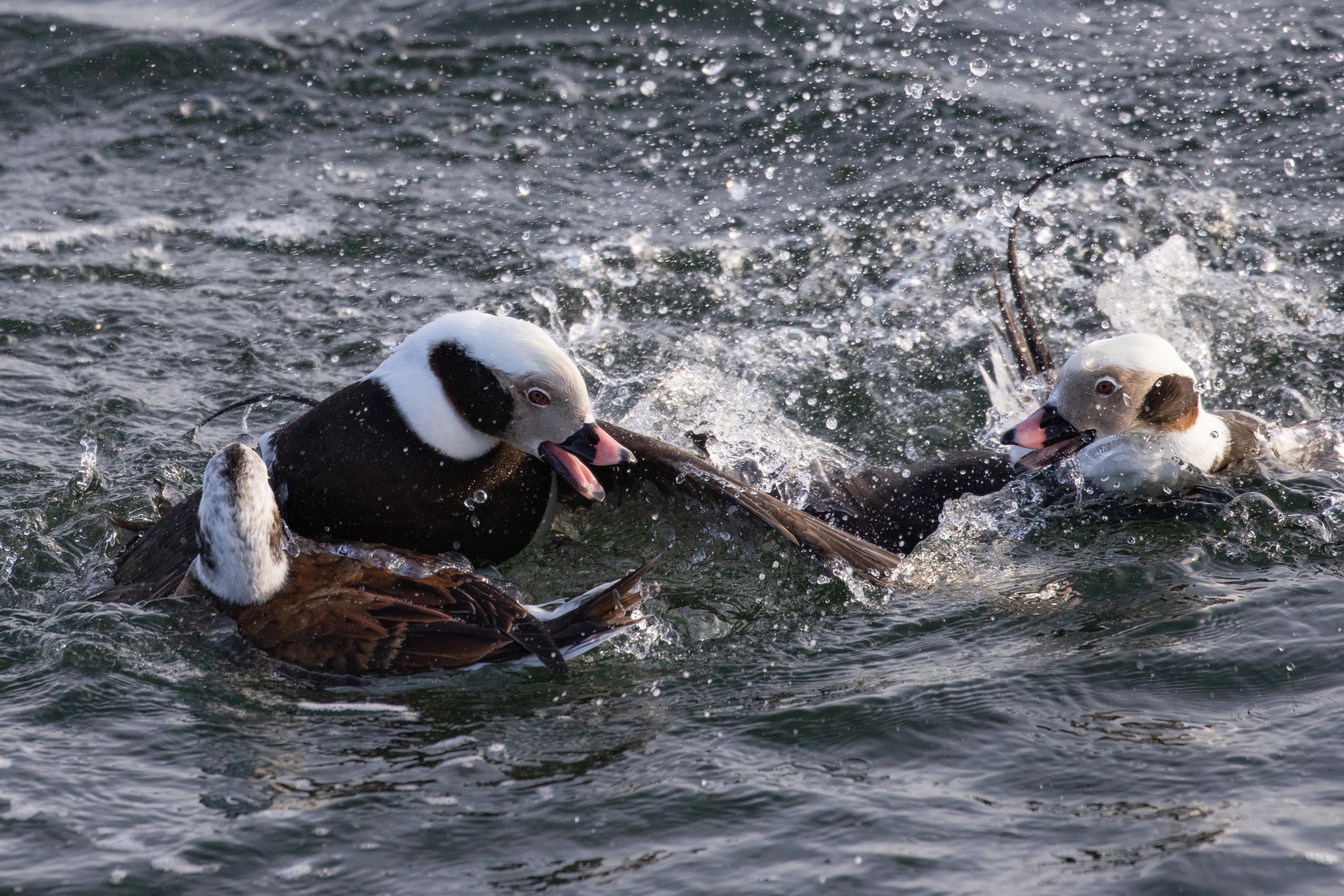
I hurried down from the headland and made a hasty loop around the harbour, peeping over the wall to see where they’d got to. I’d never seen more than a pair together before, and now I was out of the wind I realised they were making an absolute racket! There was a single female among all the males and she was flapping her wings and whipping the males into a frenzy. All the while a constant stream of three-note quack calls overlapped each other as the males jostled and squabbled around this one female.
The long tailed ducks near me are usually shy little cuties, but today there really was something in the water. By the looks of the female’s upturned bill and the twinkle in her eye it seemed as though she was egging the boys on! Well, we all need to let our hair down every now and then, and at least the long tails are allowed to have a party right now…
Elsewhere in the harbour there was more activity. Up until very recently the only redshanks I’d seen were far out and nearly impossible to photograph without the risk of breaking my leg on the slippy rocks – something I actually saw happen last year! I noticed a gathering of both redshanks and turnstones hanging out on top of the sea wall. Knowing they could be skittish, I stayed still and watched.
After a while another redshank popped up from behind the wall, surprising both me and the gang already stood on the edge. There was a great flurry of wings and I had the camera pointed at just the right spot to capture the near collision!
My intention had been to look for fulmars and I’d nearly headed in the other direction to walk further along the coast path, but after such a dramatic (and noisy) display I was relieved I’d stayed where I was! I love those surprises in nature.




























 rebeccaonthewing.com