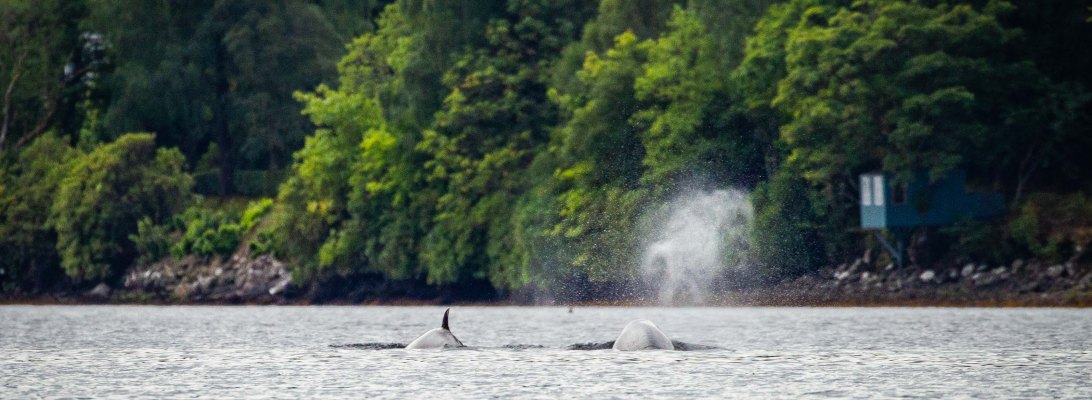
As this strange year continues, I’ve been busy taking photos, writing articles and getting stuck into new projects. I’ve ticked off 36 new species this quarter including my first otter, basking shark and northern bottlenose whales. Now the temperature has started to drop and I’m really looking forward to autumn and all its exciting wildlife spectacles!
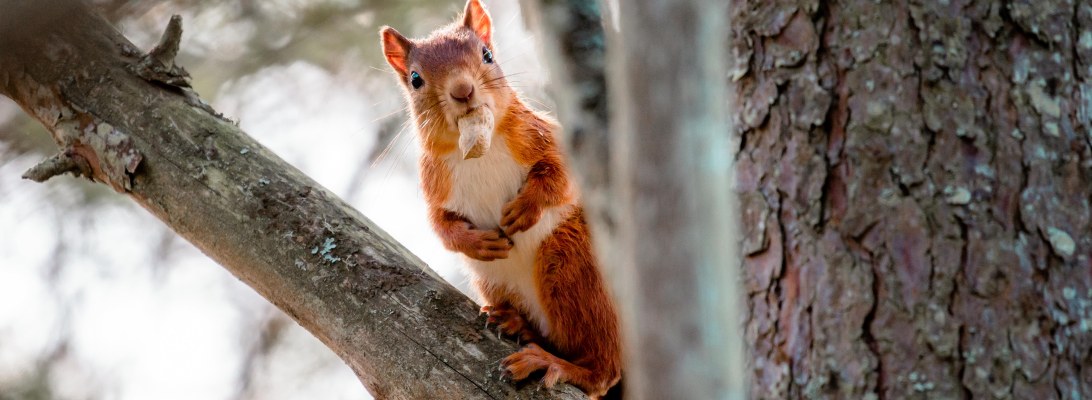
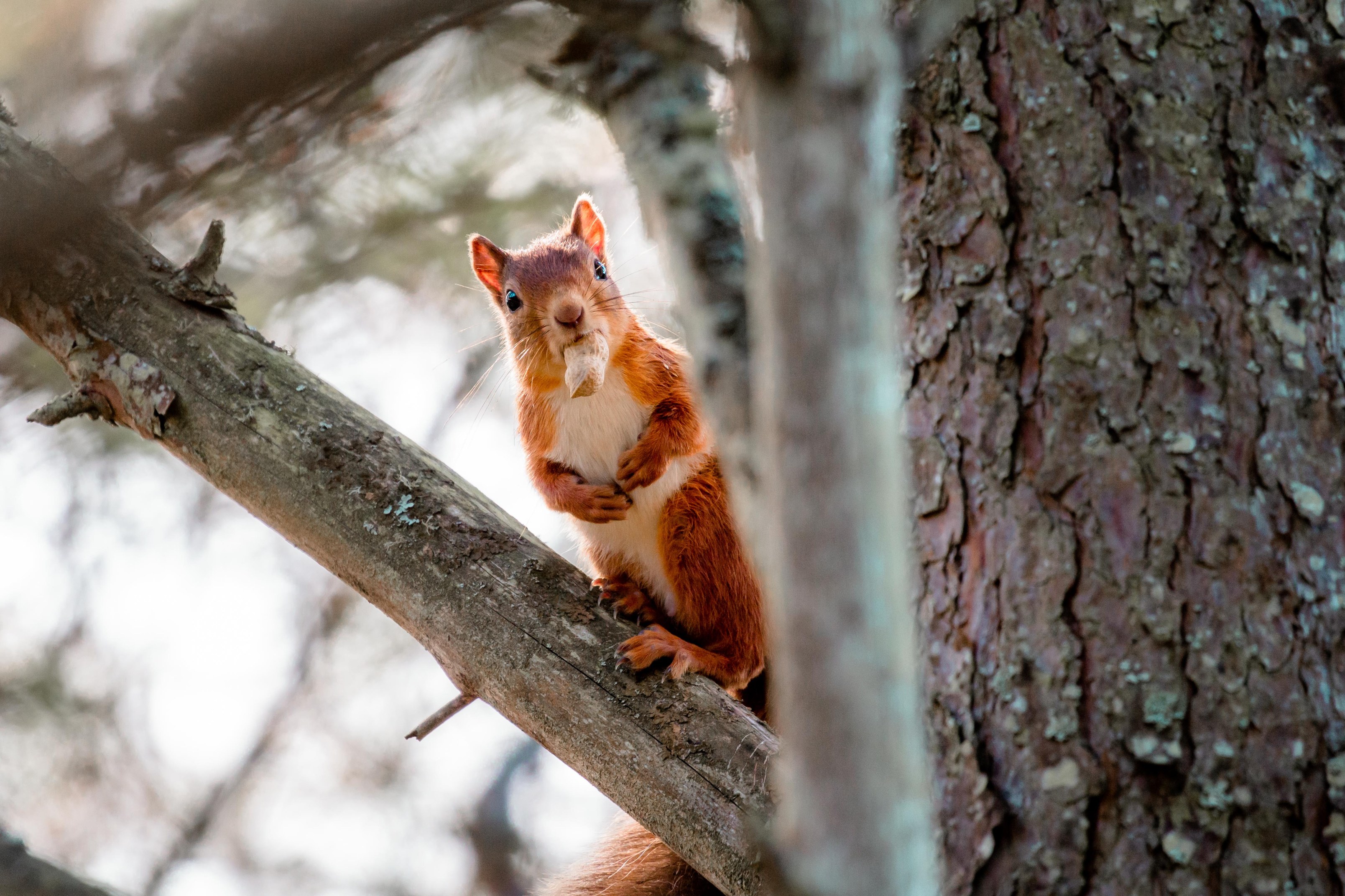
I didn’t see my first red squirrel until I was eighteen, but since then I’ve been extremely lucky with sightings of these gorgeous mammals and they’ve been a firm favourite of mine ever since. I often see them while walking my dog through the forest and the first giveaway signs that I’ve found one are the sounds of rapid scrabbling overhead and the occasional thud of a pinecone as it hits the floor. At this time of year, red squirrels are hard at work finding food to see them through the winter. Instead of large caches, squirrels are scatter-hoarders, which means they store each item separately. Unlike grey squirrels, red squirrels can’t easily digest acorns and instead feed on hazelnuts and seeds from many different trees including pine, larch and spruce. Their diet also consists of fungi, fruits and even birds’ eggs if they get the opportunity.
This week, I was very pleased to see two of my red squirrel images featured in BBC Wildlife magazine’s new Red Squirrel Guide, written by ‘Saving Scotland’s Red Squirrels’. Both photos were taken in Lockerbie, Dumfries and Galloway, where I’ve had some very close encounters with these animals! While I’ve seen plenty of adults, my next challenge is to spot some red squirrel babies, which are called kits.
Before the introduction of grey squirrels into Britain, there were millions of red squirrels. Nowadays there are thought to be around 120,000 left in Scotland, which is 75% of the UK population. As part of National Red Squirrel Week, ‘Saving Scotland’s Red Squirrels’ are encouraging people all over Scotland to take part in the Great Scottish Squirrel Survey from the 21st to 27th September. All you have to do is go for a walk in the woods and if you see either a red or grey squirrel then submit your sighting on the website. Even after the Squirrel Survey has finished, you can still submit sightings throughout the year.
It won’t be long before the red squirrels near me start growing their ear tufts, which I can’t wait to see!
It has become a running joke that I’m pretty unlucky when it comes to seeing certain species. Examples include otters, badgers and deer, despite the fact that I now live in Scotland, which is essentially the deer capital of the UK! But, if there’s one animal that I have an affinity for, it’s the red squirrel. There’s something irresistible about their fluffy tails, tiny hands and beady eyes. And of course they all have completely different personalities. I will never not be excited by red squirrels, no matter how many times I see one. I must have thousands of photos of them by now but I always take more, and this weekend was no exception.
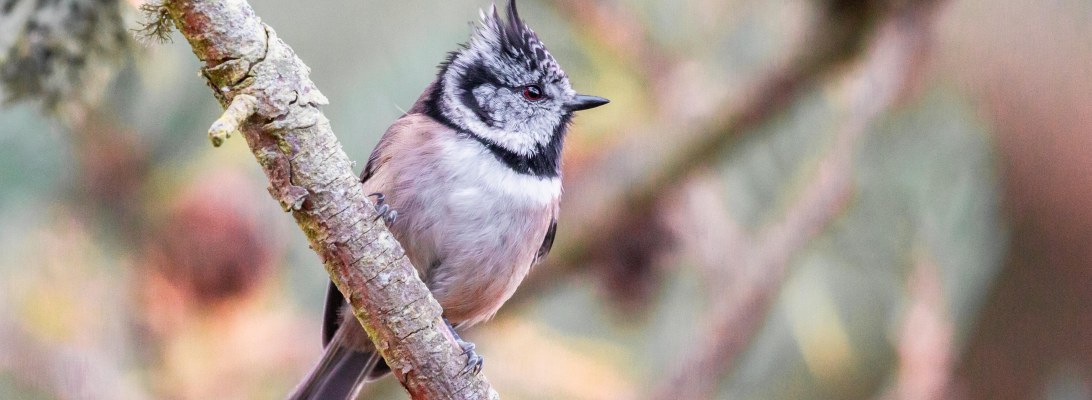
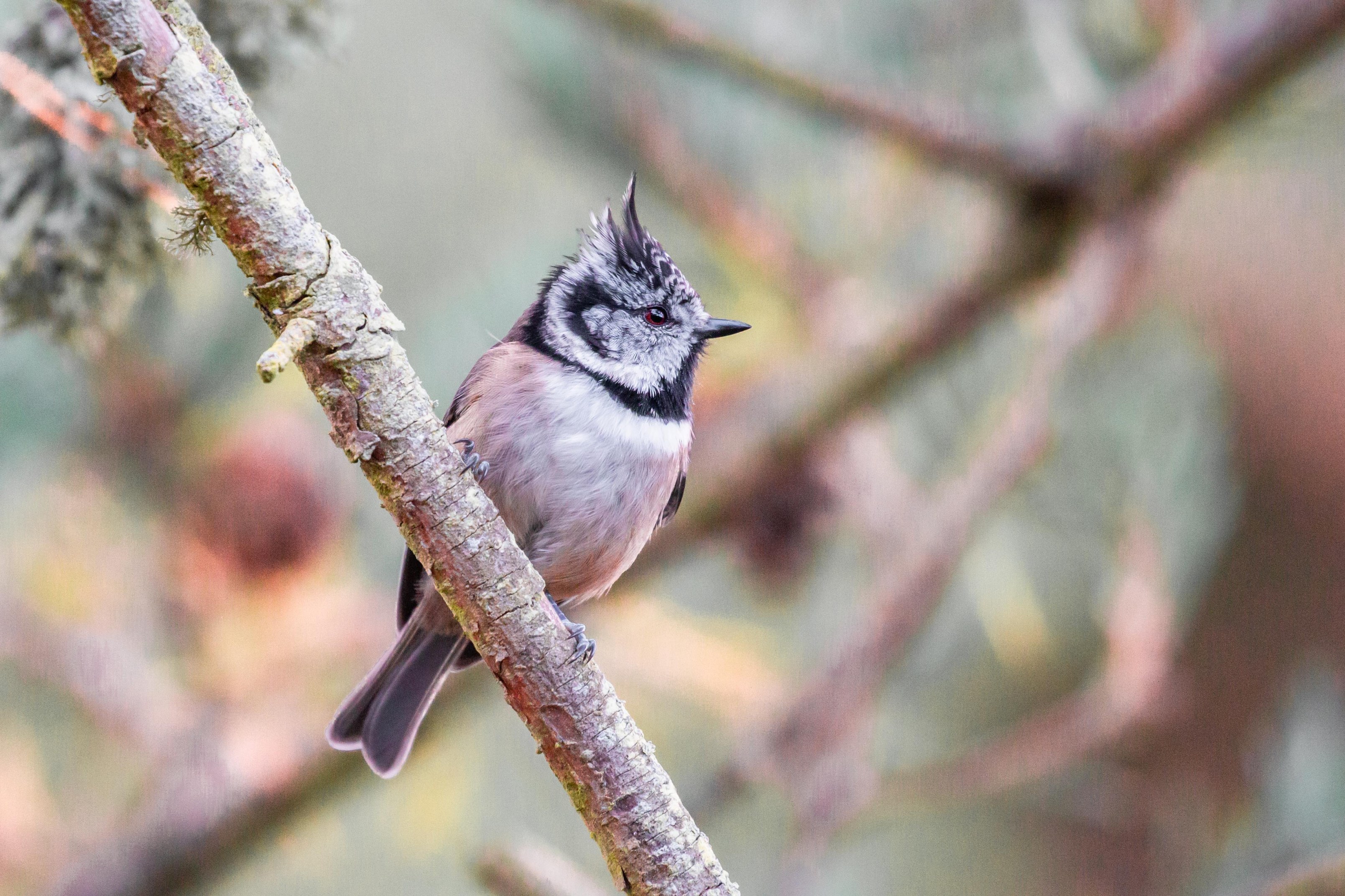
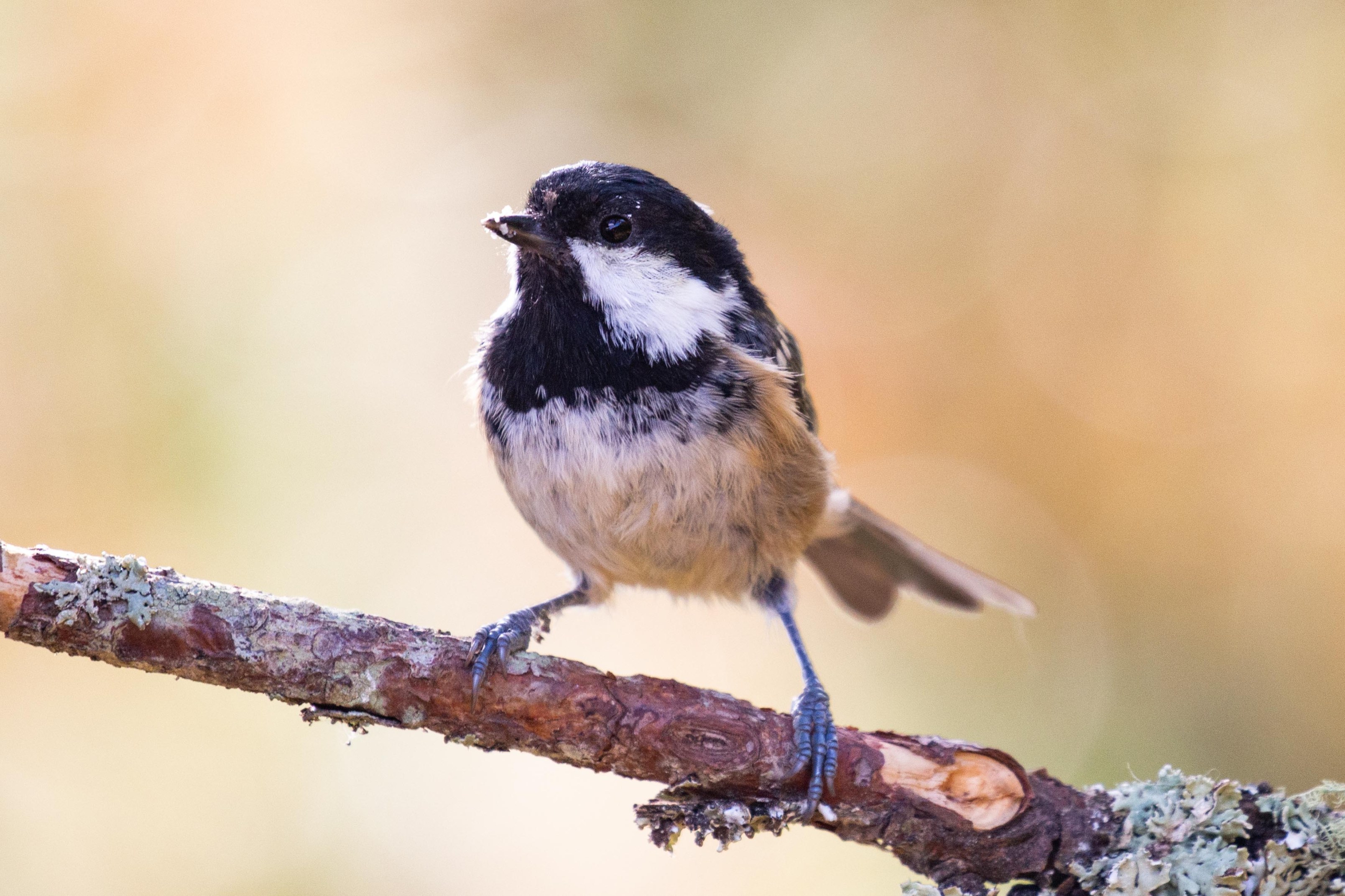
My friend Steve and I visited Lossiemouth for some wildlife watching in a beautiful patch of coniferous woodland by the estuary. Within ten minutes of arriving I was gazing down my telephoto lens at a red squirrel as it clutched a monkey nut in its paws. Despite the flurry of coal, great and blue tits, I would happily have just watched the squirrels until a particularly special bird caught my eye: the crested tit. In Britain, these birds are mostly confined to the Caledonian forests and Scots pine plantations of Scotland. The punky hairdo is perhaps the most striking feature of the crested tit but their bright red eyes are pretty amazing too! I couldn’t believe I was so close to such an uncommon and beautiful British bird.
Coal tit
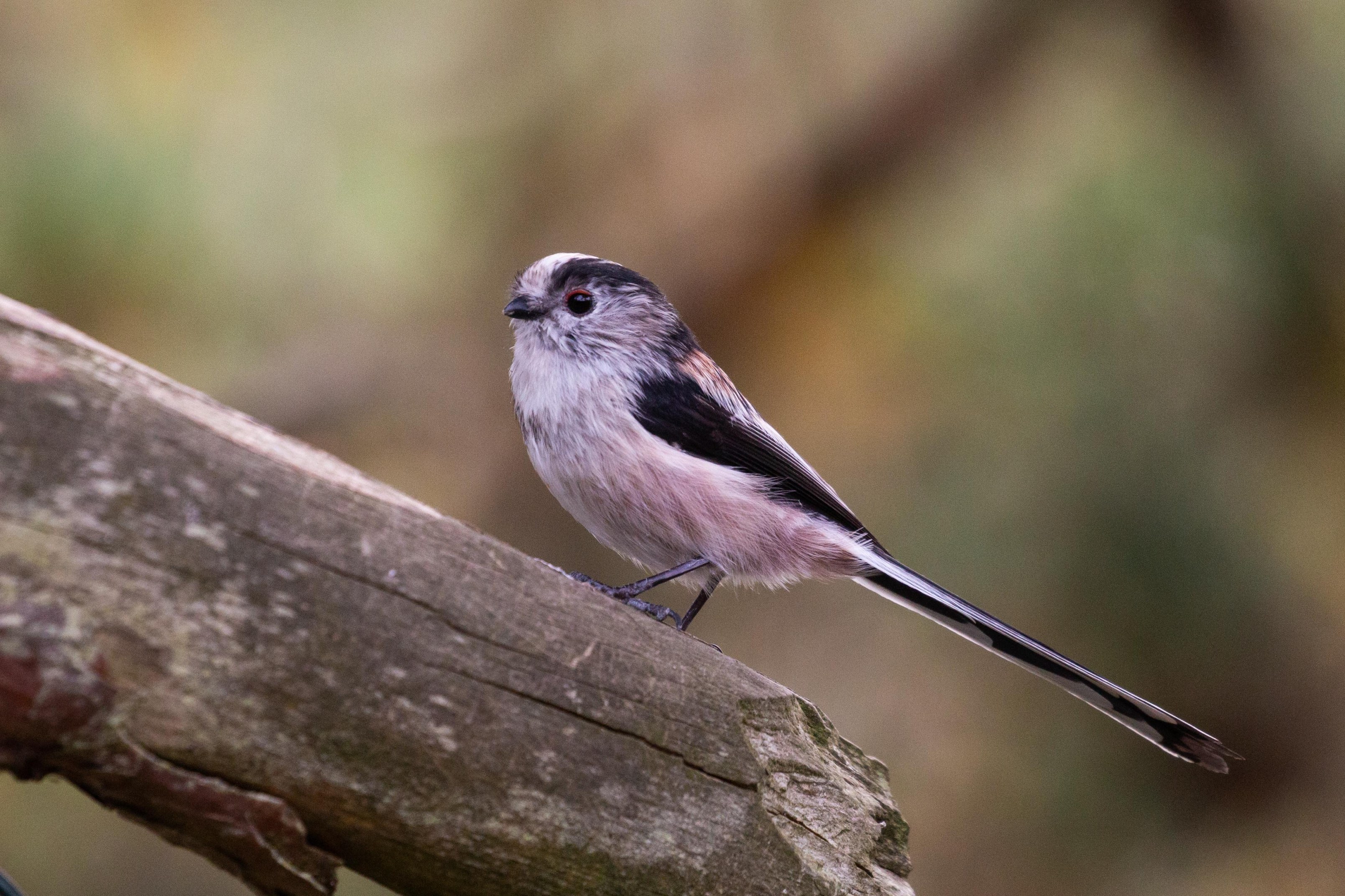
As well as squirrels and cresties, we were surrounded by dozens of other birds including another favourite of mine: the long tailed tit. The proportions of this bird are what I love most about them. They have a body like a golf ball with a spoon handle sticking out one end and the sharp nib of a bill out the other. What a bird! And where there’s one, there are nearly always more and I often hear them before I see them. Their alarm call sounds frog-like and the trees erupt with soft ribbits whenever I pass by.
I am in my element in the forest. It’s my favourite wild place to visit and I absolutely loved getting such close-up views of some fantastic species. After a couple of hours the afternoon sun began to fade and a chilly breeze had us packing up and heading home, though I’d definitely be back soon.
I was back in the wood this week, helping Joan and John with their restoration project. The forecast blatantly lied about there being no rain all day, but luckily we timed our visit with a brief spell of sunshine! The breeze brought the added benefit of whisking the midges away. After topping up the feeders we had a slice of Joan’s delicious homemade ginger and sultana cake and watched the chaffinches and great tits up in the trees.
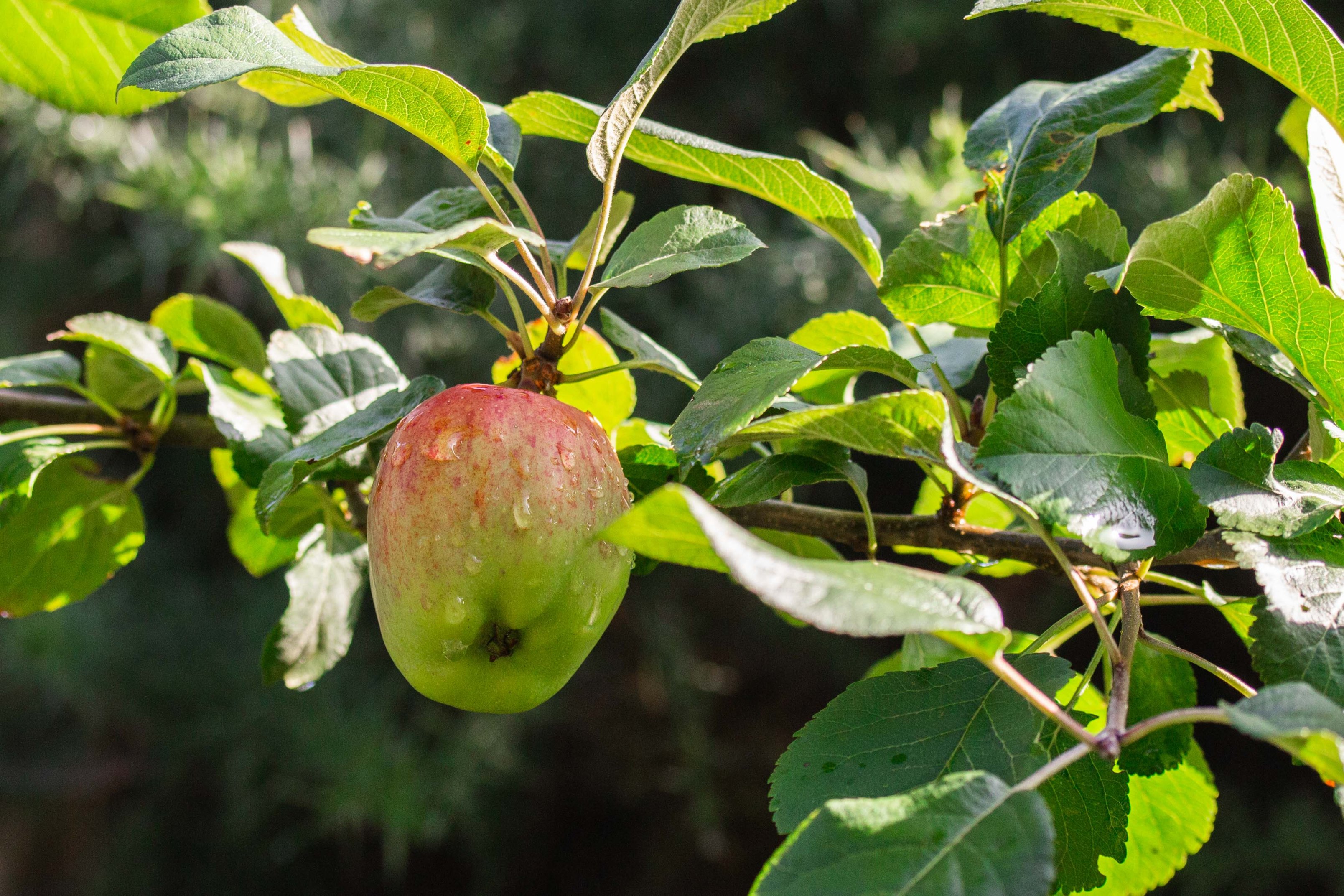
A dewy apple ready to be picked
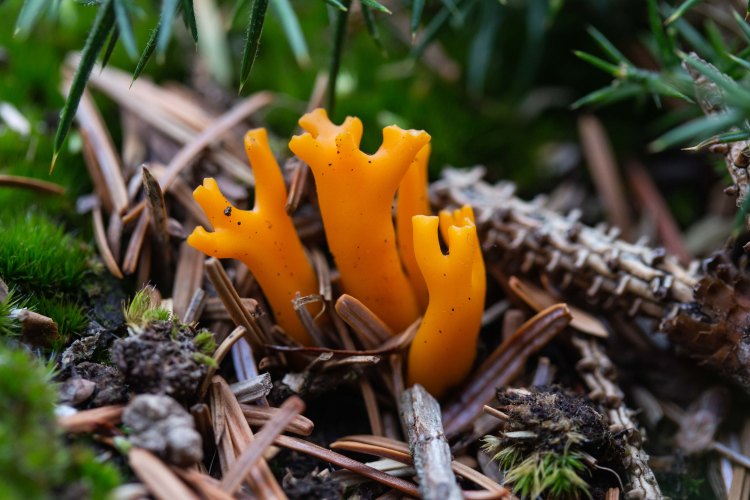
One good thing about the rain is it brings up all sorts of fungi – with so much soggy soil and plenty of log stumps I knew there would be loads to see in a few days’ time. For now though, I amused myself with tiny sprigs of yellow stagshorn fungus that were just starting to emerge. I’ve been lucky enough to see several fly agarics already this year but I’ve got my fingers crossed that more will be popping up in the wood soon.
Yellow stagshorn fungus
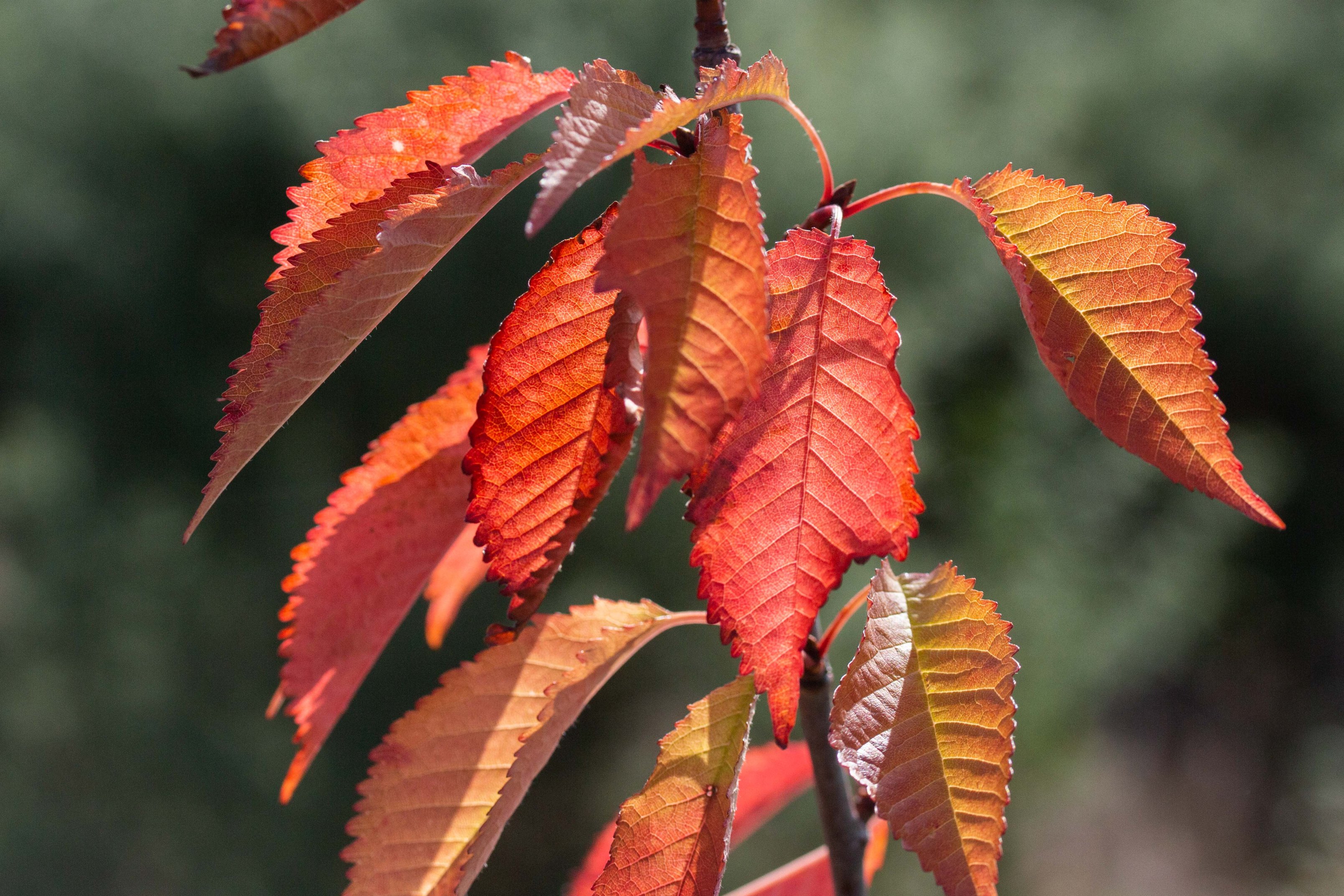
The autumn colours are really beginning to pop. Ling heather is still dominating the woodland floor but a lot of the saplings are shining in the sun too. The rowans are beginning to brown, the oak leaves are turning acid green and the wild cherry leaves are burning a vivid pink. It’s an excellent place to learn tree ID and with Joan’s help I’m already picking up on some of the common species.
Wild cherry leaves
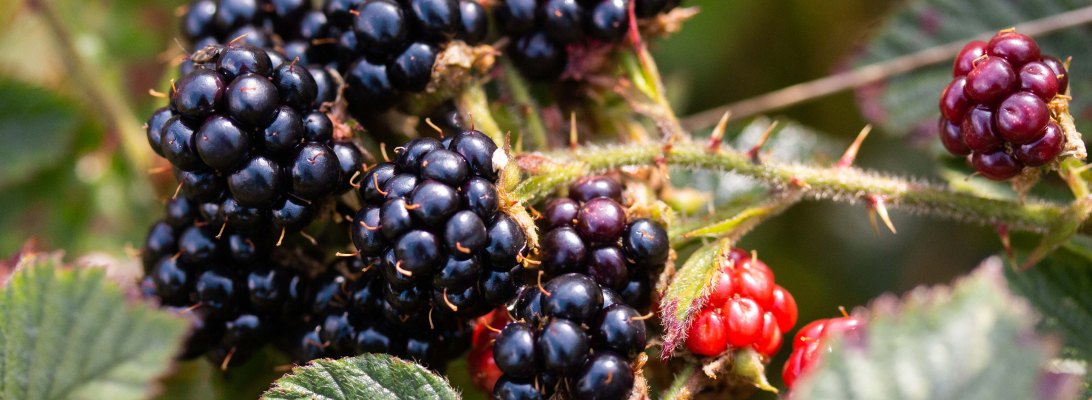
As I watched a buzzard gliding overhead, Joan ventured off to pick the first blackberries and the last raspberries. There were a few apples which were ready to be plucked too. I’m in love with all the rich colours and can’t wait to see what the true autumn will bring!
Recently I’ve begun helping my new friends Joan and her husband John with their exciting woodland restoration project. Once dominated by non-native Sitka spruce, the site now has a diverse range of trees including rowans, larches, oaks and wild cherries. As a result, it’s attracted plenty of wildlife from bumblebees to pine martens! So far I’ve been getting stuck in with rescuing trees, which involves cutting the plastic tubes off of saplings that have outgrown them. I was rewarded with a feast of wild raspberries and plenty of opportunities to photograph invertebrates and an outrageous fungus!
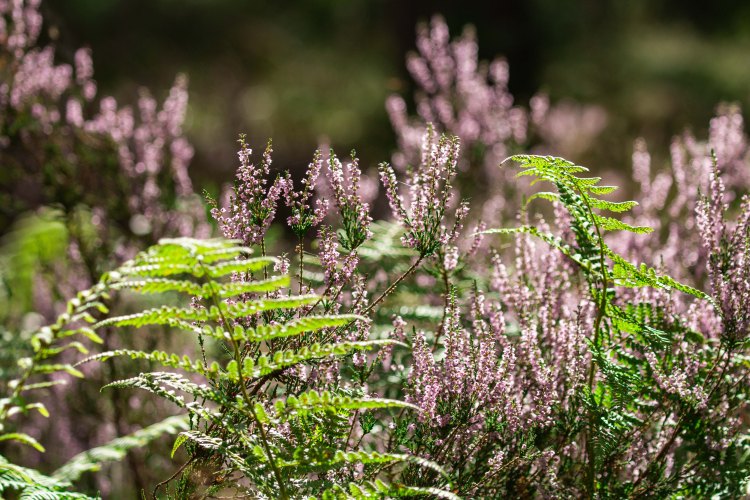
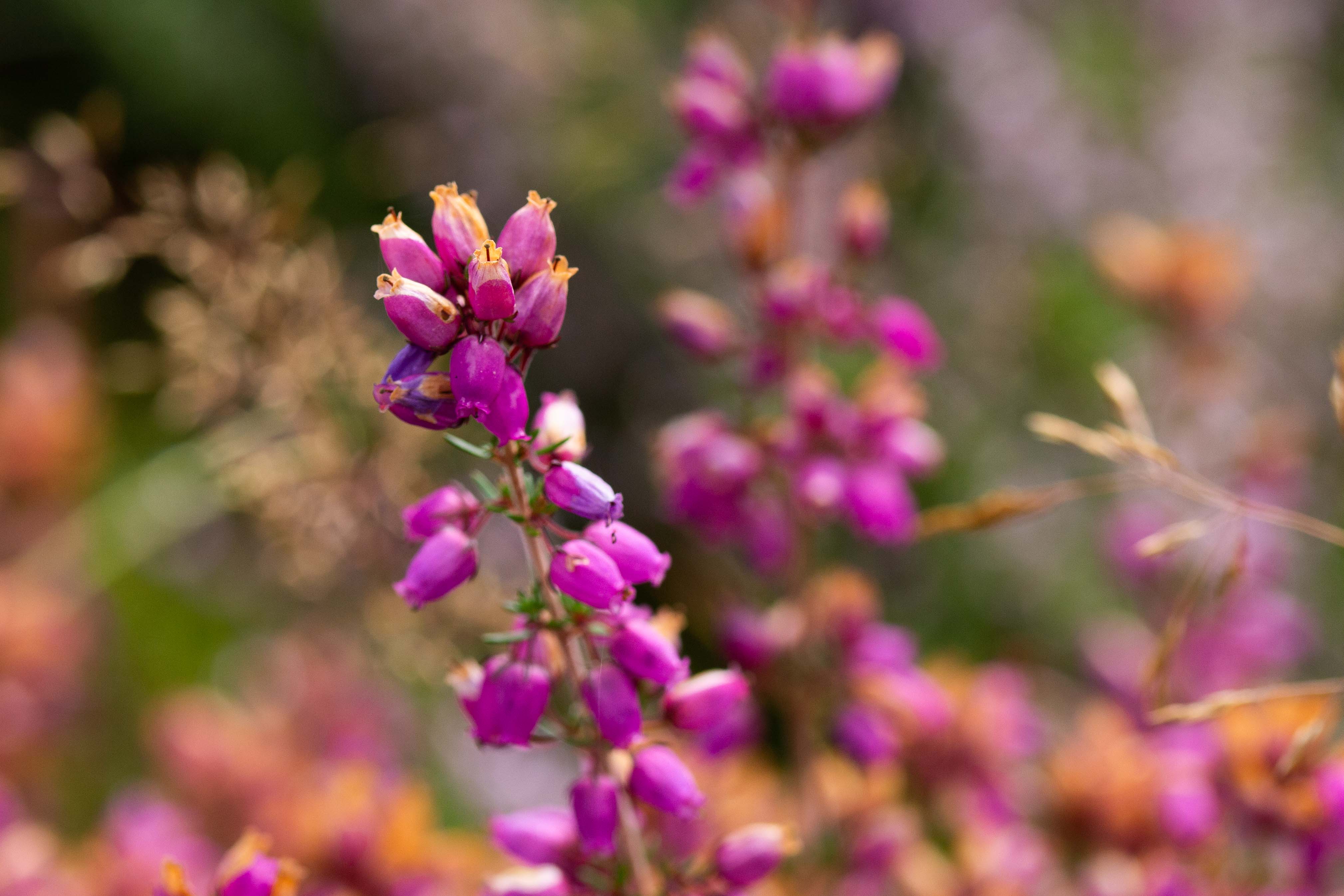
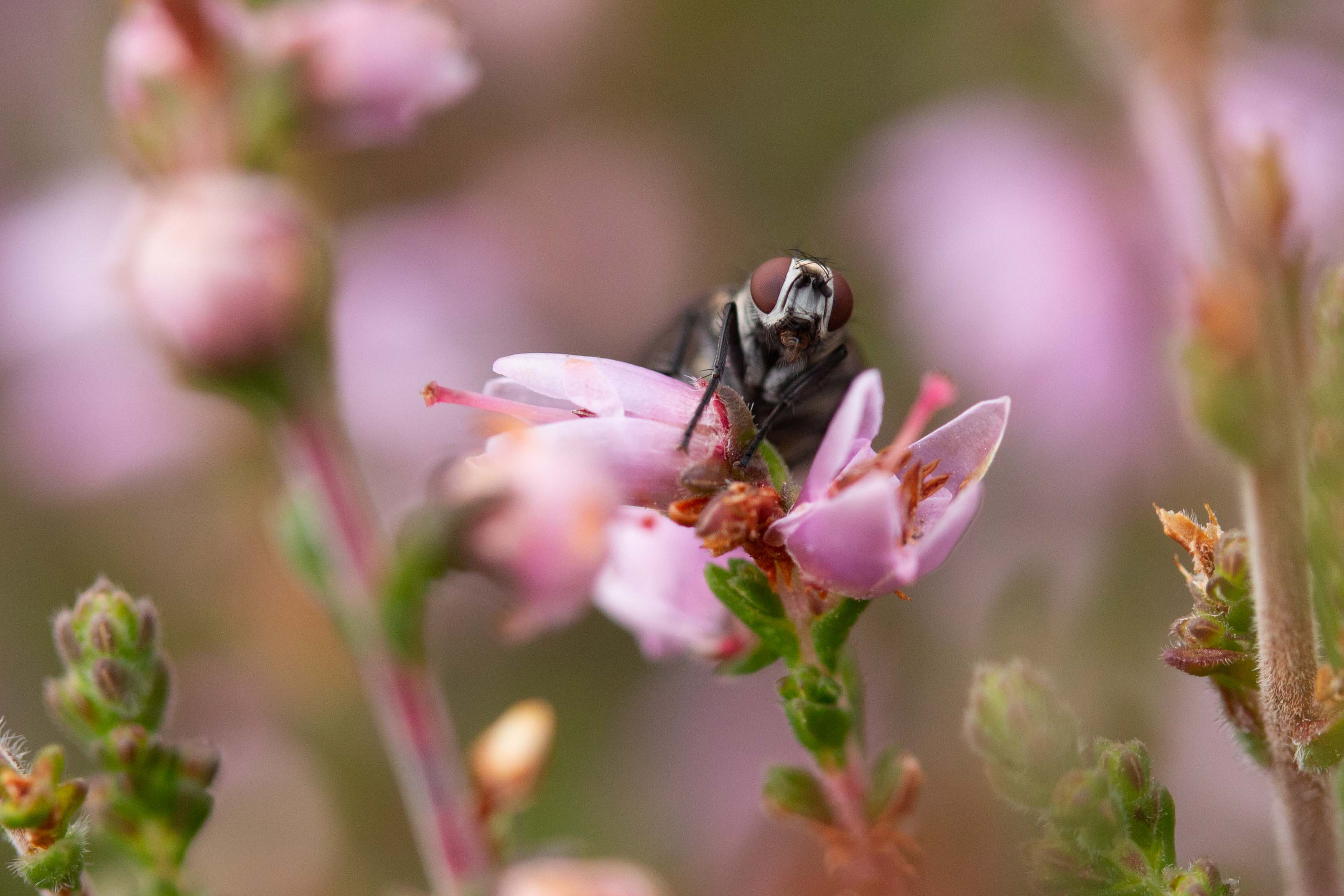
Joan pointed out the two types of heather, which on closer inspection couldn’t be more different. Bell heather (above left) is a rich pink colour and each flower is a fat, tubular bell. Ling heather is a much paler violet and its flowers have wider, skirt-like heads. The heather attracted plenty of insects – I spotted ladybirds, flies, bees and butterflies wafting around the purple sprays.
As I searched for any trees that may look a little large for their tubes, I happened to glance down at a sodden tree stump and noticed a huge stack of caterpillars! There were perhaps a dozen of them all wrapped around each other, sat out in the open for anyone to find. I quickly texted my friend Lucy, whose insect knowledge was far superior to mine, and she told me they were buff tip moth caterpillars. I’d never seen so many caterpillars together before and it was such a treat getting to photograph them.
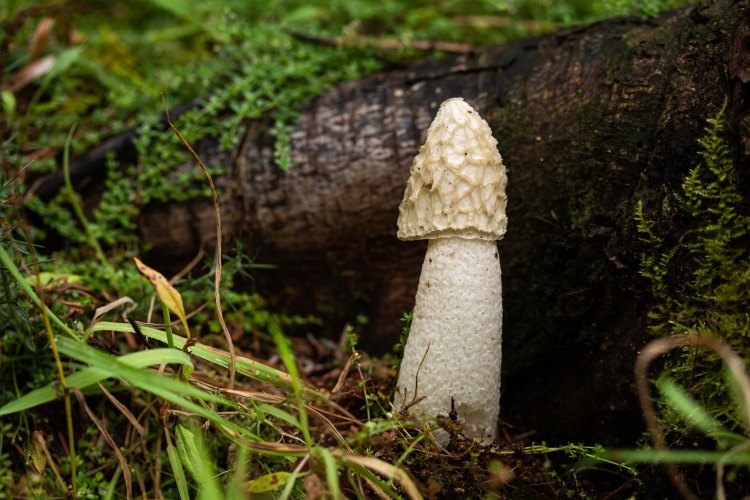
Unfortunately after a couple of hours tree rescuing the midges made their presence a little too intense, so I headed back to the clearing where we’d left our bags. I could see a winding tendril of smoke from the fire John had started to make tea, but the sprawling mass of heather, bracken and saplings made it tricky to find a route there. Several times I was blocked off and it took me a comical amount of time to find the pressed footpath that I took on the way out. Just before I sat down to tea and posh biscuits, Joan pointed out an excellent nerd find: a stinkhorn fungus. I’d only seen one of these before and it hadn’t looked its best, but this one was looking fabulous. An excellent end to an afternoon’s rescuing!
For many birds, September is the time to move. Species such as swallows and house martins, which have spent the summer feasting on insects, are now returning south to Africa for winter. Seabirds including puffins and gannets leave their clifftop nests and head out to sea, where they will remain until it’s time to breed again next year.
As some birds leave, other start to arrive. This month, look out for geese passing through during their long flight from the Arctic Circle. Canada, greylag and barnacle geese can all be seen arriving at roost sites across the UK in their classic V-shaped flight formations.
From now until late November, one of nature’s most dramatic displays is taking place. Most of us have seen starling murmurations on TV, but these pale in comparison to the real thing. As well as the sight of hundreds of thousands of birds swarming through the sky, the sound of all those wings is just like rain. Just be careful of the white rain that comes with them!
Mammals
With dusk getting earlier, it’s a good time to look for badgers as they forage on fruit, nuts and insects. Settle down before sunset and wait – if you’re still and quiet you may be rewarded with a badger or two!
Although sometimes elusive, water voles can be seen a little easier now that river vegetation is starting to die back. Now is also when young water voles are venturing out of the burrows for the first time and looking for food.
Fungi and Flora
No matter where you live in the UK, you can admire the turning leaves. City parks and dense forests alike will start to show beautiful displays of reds, oranges and yellows. To get the most dramatic photographs, head out during golden hour (shortly after sunrise or before sunset) and catch a vivid gold light on the leaves.
There is also plenty to see below the changing leaves. Emerging from the forest floor is a diverse range of fungi. Many people forage wild mushrooms – always be careful and know what you’re picking! – but for many people, the sight of these strange and sometimes vividly coloured growths are just as exciting. Fungi come in all shapes and sizes and often grow rapidly so take a look at what’s growing near you. To identify some of Britain’s common fungi species, check out this guide from the Woodland Trust.
The seeds of the horse chestnut tree are also a sure sign that autumn has arrived, although many people know them better by another name: conkers. Whether you play the official game of conkers or just collect them, these smooth, chocolate brown seeds are great fun to find. Be careful of the spiky shells though!
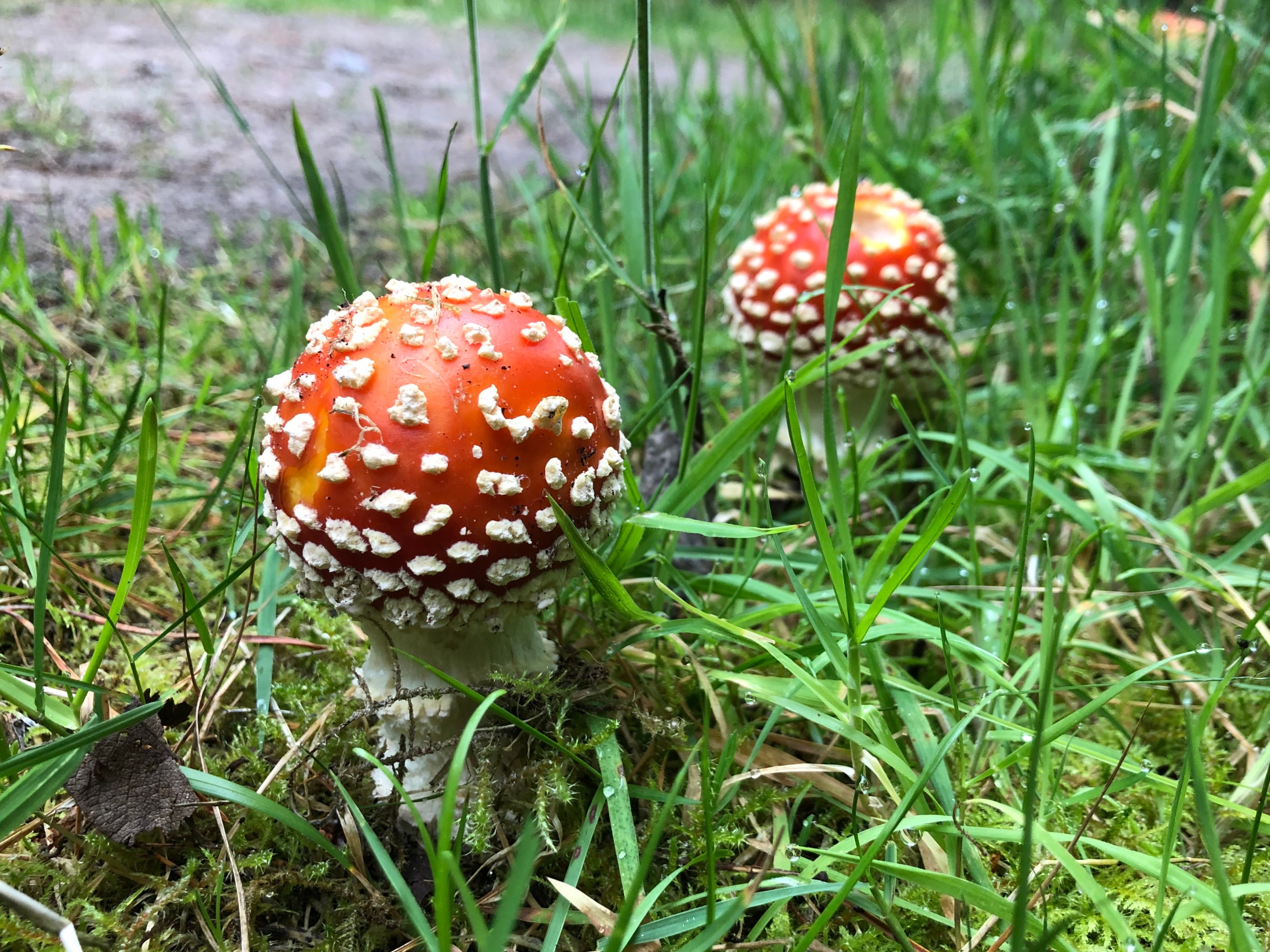
Fly agaric – one of the most well-known British species
This article was originally published on Bloom in Doom as part of my role as Nature Editor.
I go through phases when it comes to wildlife watching. For the past couple of months, I’ve been deep in a forest phase and all I’ve wanted to do is wander through trees and look for birds and red squirrels. My Instagram was full of greens and the first hints of autumn oranges.
But then the ocean started pulling me back. After a few weeks with no sightings, bottlenose dolphins started to make appearances along the Moray Firth again. It was looking unlikely that I’d see my first orcas this summer, but I was still looking forward to getting dolphin photos that showed slightly more than the departing splash. I was back in an ocean phase.
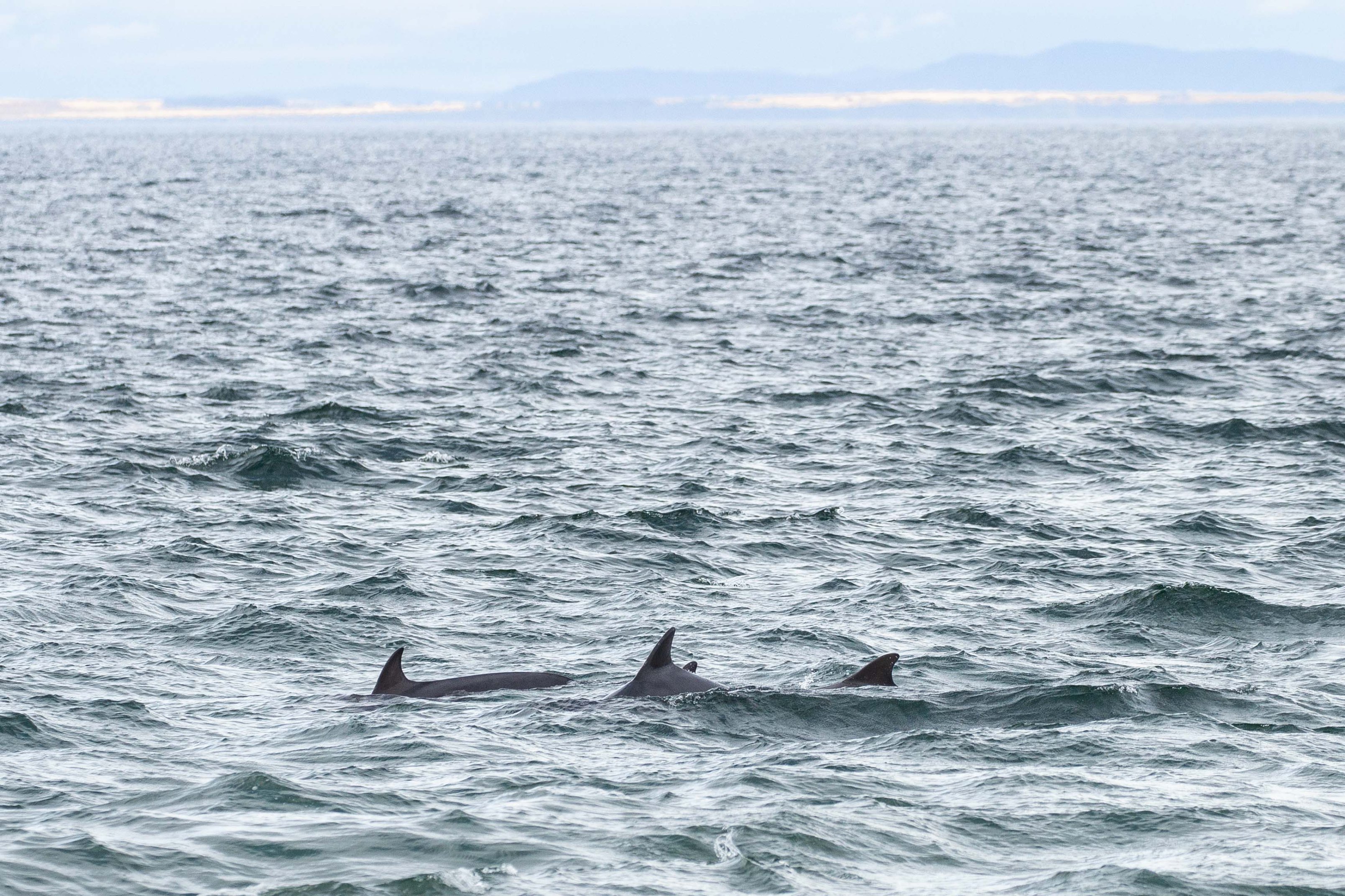
Earlier this month, on a particularly choppy morning, I found myself running full pelt along Burghead harbour to reach the end of the sea wall that juts out conveniently into the sea. From there, I could watch three different pods of bottlenoses as they caught fish. With so many breaking waves and white peaks, I didn’t know what I’d managed to capture until I returned home and uploaded the photos. I was thrilled to discover I’d caught a little face just as it breached the surface.
A few weeks later, I received a text alert from the local shore watchers saying there were bottlenoses heading west around the headland. Snatching up my camera, I made a beeline for my favourite vantage point at the end of the harbour. Unlike last time, the water was completely flat and every flash of fin caught my eye. Unfortunately all the feeding action happened far out, way past the range of my lens, but I did have an unexpected visitor pass close by.
The action continued the next week. Another text alert had me hiking up to the Burghead Visitor Centre at sunset and before long I had my lens pointed at a small pod who were following a jet ski and giving the driver some sensational views! As well as belly flops and tail waves, there were plenty of breaches. It was amazing to see the dolphins so active.
In the last of a flurry of excellent dolphin sightings, I paid Chanonry Point on the Black Isle another visit: one of the prime dolphin watching spots. Within moments of arriving – being sure to time my visit with the rising tide – a pod cruised straight past. Although there were no breaches this time, one particular dolphin dived three times directly in front of the crowd, revealing a distinctive notch in its tail fluke. I was also delighted to see a newborn calf among the adults, sticking closely to Mum as they passed by.
As summer blends into autumn, the dramatic display of emerging fungi will undoubtedly draw me into another forest phase, but I’ve loved having so many marine wildlife encounters this month. I’ve now got plenty more dolphin photos to add to my portfolio too!
August is an intriguing time for wildlife. Although birds are relatively quiet at this time of year, insects are out in force. This month sees summer and autumn blending together and there is plenty to discover out in the countryside. So, here are some of my favourite British wildlife highlights during August.
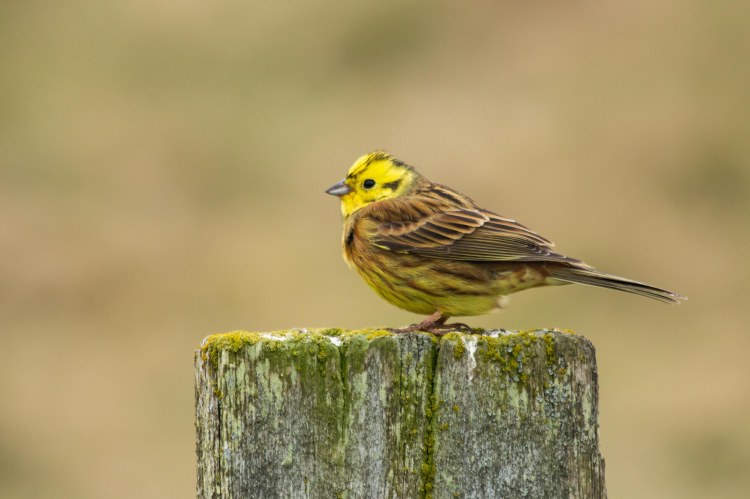
This month, yellowhammers are one of the few birds still singing. They can be seen perching high up on gorse bushes as they fill the air with a charismatic phrase that many birders say sounds like “a little bit of bread and no cheese”.
Migratory British birds such as swifts and blackcaps start to make their way back south this month – swifts are particularly noisy flyers and soon the skies will be much quieter in their absence. Other migrants including swallows and house martins will stay around a little longer and usually depart around September.
Tawny owls may start calling in August, but this usually picks up in autumn and then throughout winter. It is during this time that young birds leave their parents and attempt to establish their own territories, using their calls to announce their presence. The well-known “twit twoo” call of a tawny owl is a combination of voices – the female calls “ke-wick” and the male answers “hoo-hoo-ooo”.
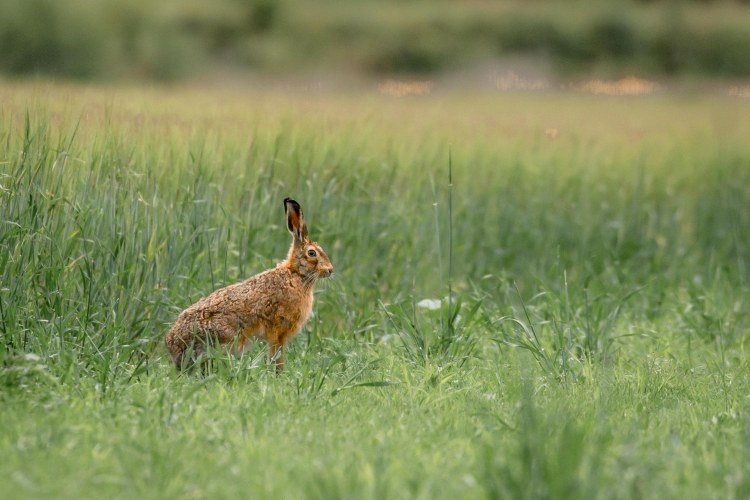
August is a good time to spot hares because farmland is starting to be harvested and crops are cut low to the ground. Keep an eye out for them darting along hedgerows or crouching low to the ground, looking remarkably like rusty stones.
Bats are actively feeding on the explosion of flying insects and badgers are starting to collect their bedding. Dry, warm weather can often mean there are fewer worms available and badgers may be drawn to gardens to drink from ponds.
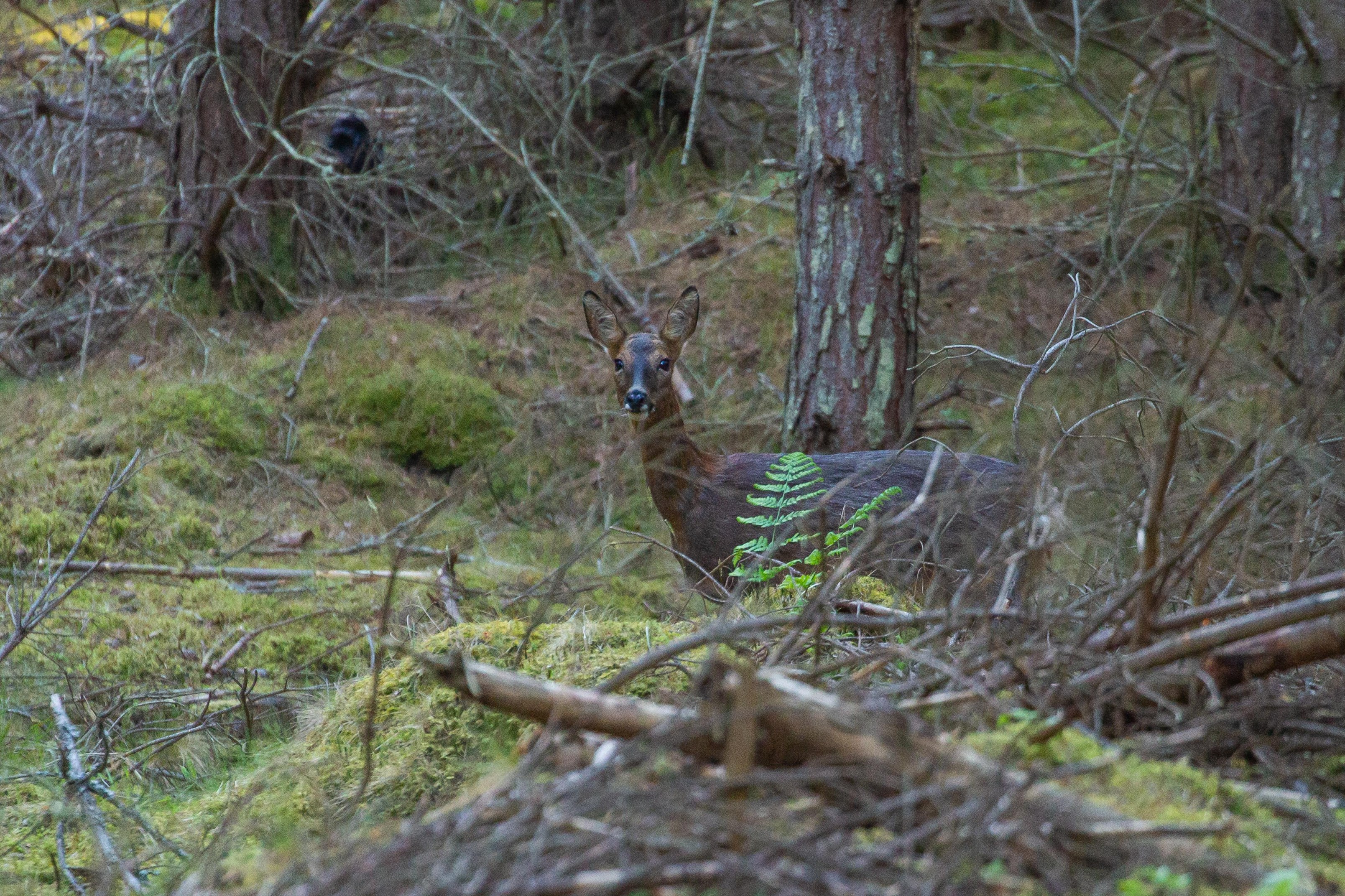
Unlike red deer which rut in the autumn, roe deer have their breeding season from mid-July to mid-August. During this time a male – which is called a buck, not a stag – follows a female (doe) around and chases her in tight and continuous circles. This behaviour is known as ring-running, and when a ring is stamped into a permanent trail it may be used for future ruts.
August is also good for spotting insects. Dragonflies such as the common darter can be seen flying around ponds and other still bodies of water. They are also found far away from water as they rest on plants in patches of woodland.
This month, the second generation of many butterfly species are on the wing including comma, red admiral and painted lady. For those interested in butterflies, now is the time to contribute to The Big Butterfly Count. Launched in 2010, this UK-wide citizen science survey is running from the 17th July to the 9th August. It’s easy to take part – just choose a place to sit and record the butterfly species you see for fifteen minutes. As pollinators, butterflies are extremely beneficial for the health of the ecosystem but are currently facing severe declines, so the records collected during the count will provide valuable data for conservation projects and research.
This article was originally published on Bloom in Doom as part of my role as Nature Editor. It is the first of a monthly column of the best British wildlife highlights throughout the year.
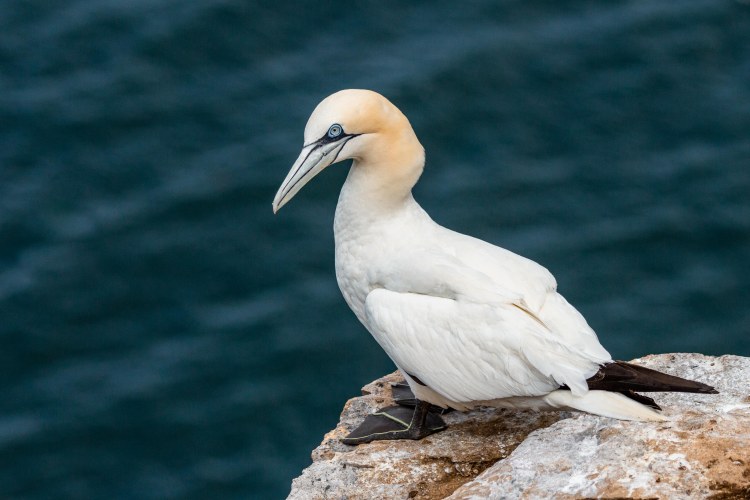
I had seen gannets a few times before; on a trip to the Isles of Scilly they had flown over the boat, and more recently I’d enjoyed watching them dive for fish near where I live in Moray. However, nothing could have prepared me for Troup Head. This RSPB site in Banff, about an hour’s drive from Aberdeen, provides nesting grounds for two thousand pairs of gannets, as well as thousands of other seabirds. During the short walk from the car park to the cliffs, both sounds and smells intensified until they reached a crescendo of squawks and guano pongs.
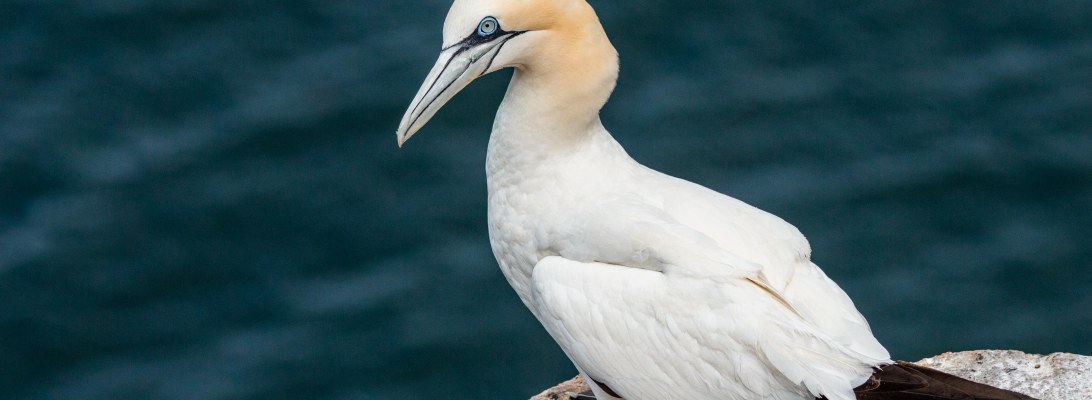
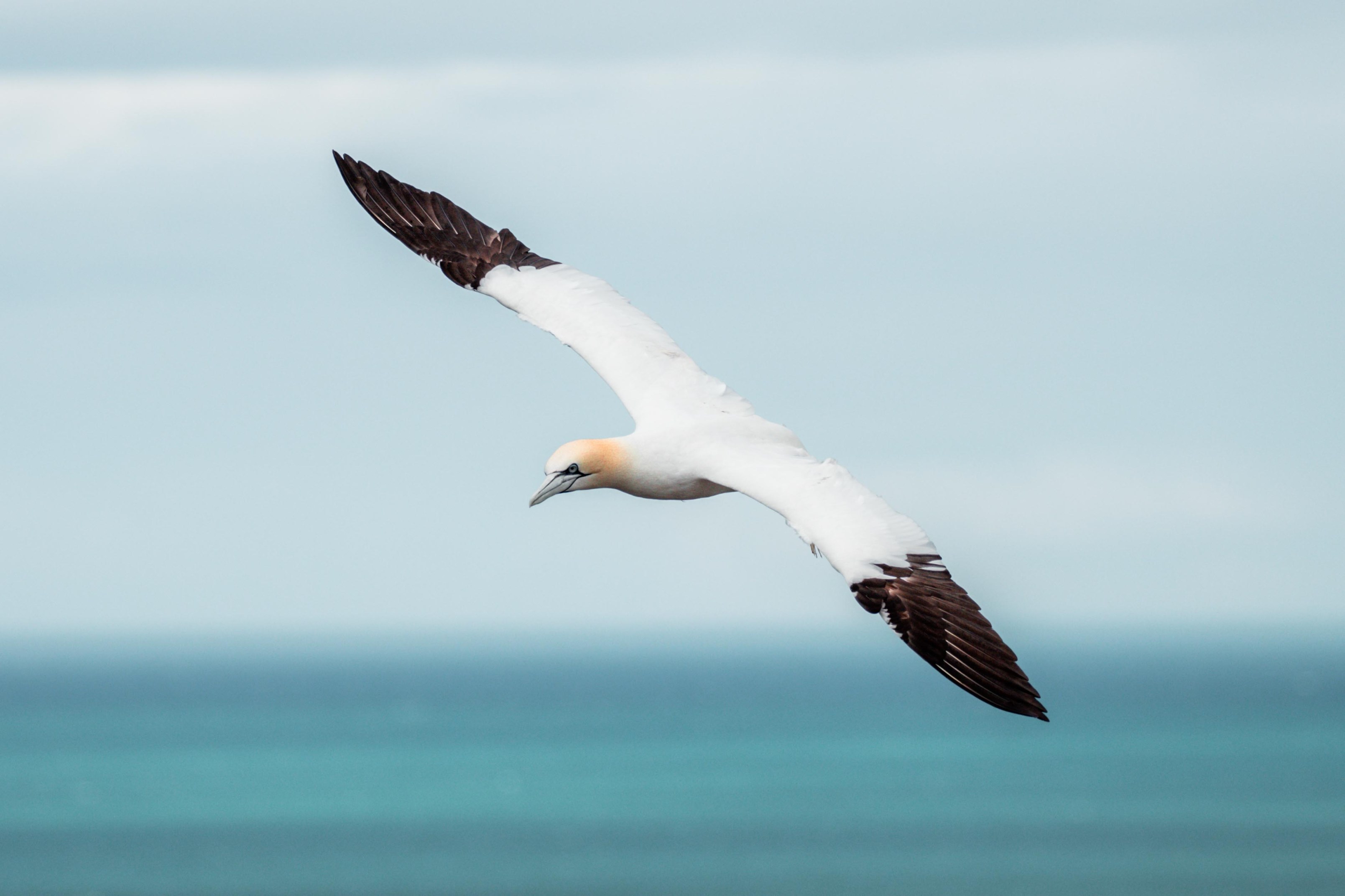
There were gannets everywhere. Without wanting to make them sound like flies, they swarmed around the cliff, gliding in deep circles as they came into land on the rocks. Many of them had chicks – currently clouds of white down with black reptilian heads. Dotted among them were the auks: guillemots, razorbills and the occasional puffin all grappling for a bit of wing room in the tight squeeze. Peering carefully down, I noticed just how high up we were. The swan-sized gannets – Britain’s largest seabird – looked like sparrows at sea level. Even the coastguard helicopter that passed by was below us. Troup Head really was a bird’s eye view.
The site became a significant birdwatching spot when gannets began to colonise it in 1988. Troup Head is now Scotland’s largest mainland gannet colony. We spent seven hours wandering along the track, shuffling across the tussocks to get the right vantage point for photos. Gannets came sweeping in to land in an endless queue, many suspended in mid-air and bobbing in the wind. There was something very duck-like about the way their webbed feet stuck out to the sides, and more than once a bird would crash-land quite unceremoniously with a ruffle of the feathers.
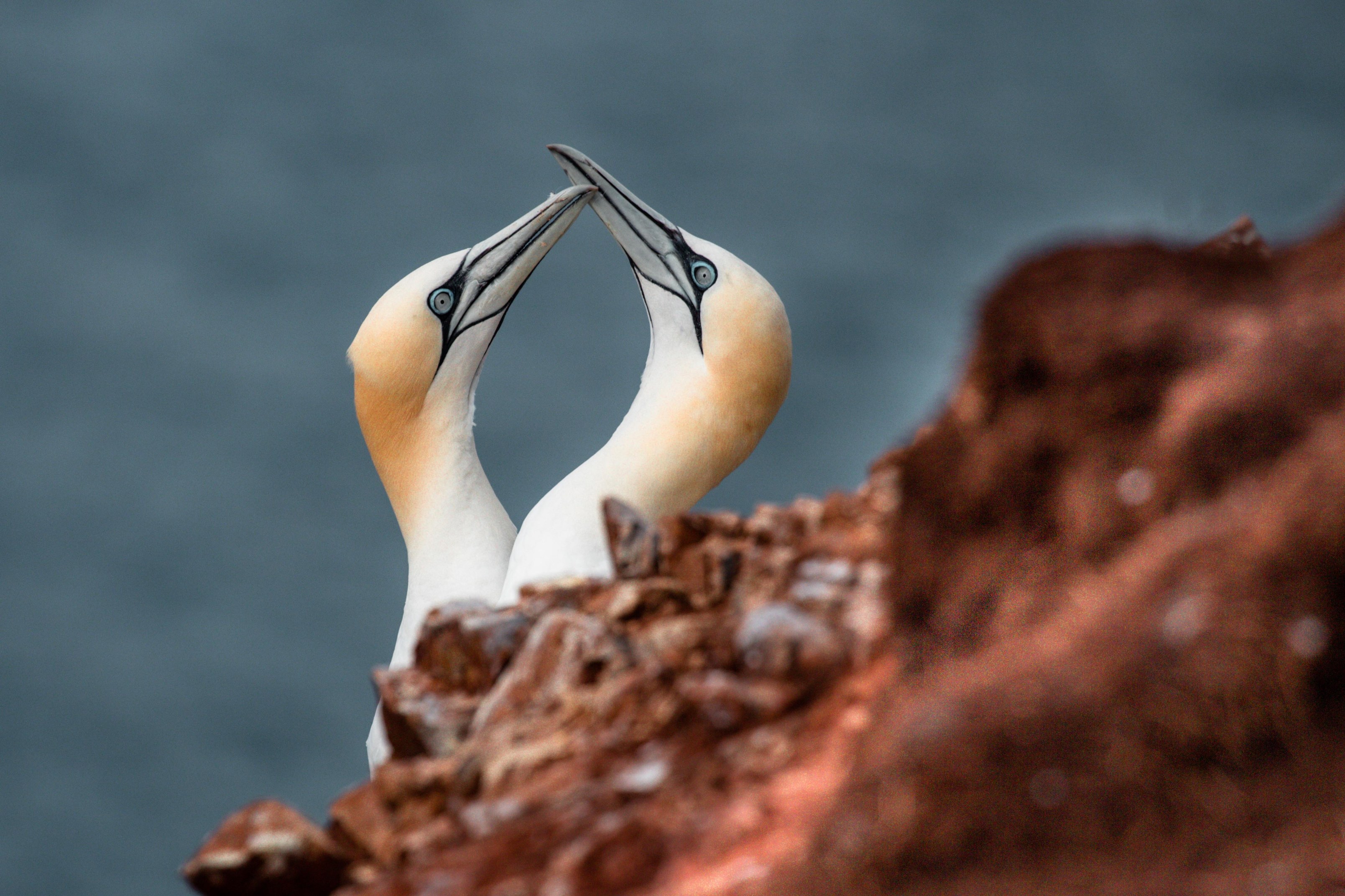
It was interesting to see lots of gannet behaviours up close. The birds pair for life and return to the same nest site each year with the same partner. To cement their pair bond, males and females will ‘fence’ together, clicking their bills from side to side and mutually grooming one another.
‘Fencing’
To ensure that one parent remains on the nest at all times, a gannet will stretch its neck and stare straight upwards in a pose called ‘sky pointing’, which signals to its mate that it is about to take off.
‘Sky Pointing’
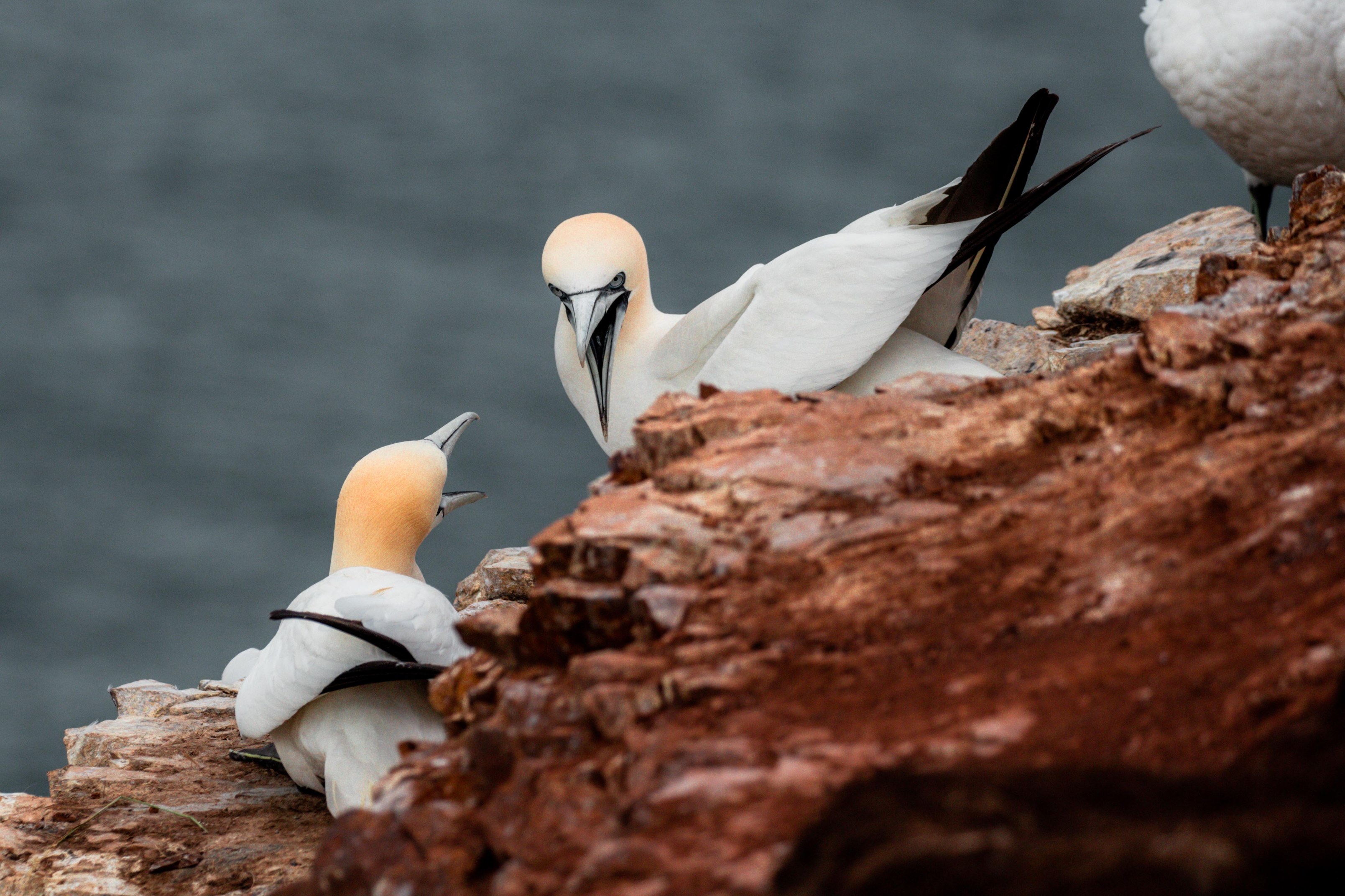
With so many birds on one cliff, it’s inevitable that there will be disputes over space. If a gannet gets too close to a neighbour’s nest, there is a display called ‘menacing’, where the birds will open their bills and lock them together in an attempt to jostle each other off the cliff.
‘Menacing’
While some quarrels are short-lived, others develop into full-blown fights, and with such formidable bills these can be aggressive.
Gannets have been a favourite of mine for many years, so to see such a vast colony so full of activity was a real treat. I was even more impressed that I didn’t get pooed on once!





















 rebeccaonthewing.com