New Nature magazine

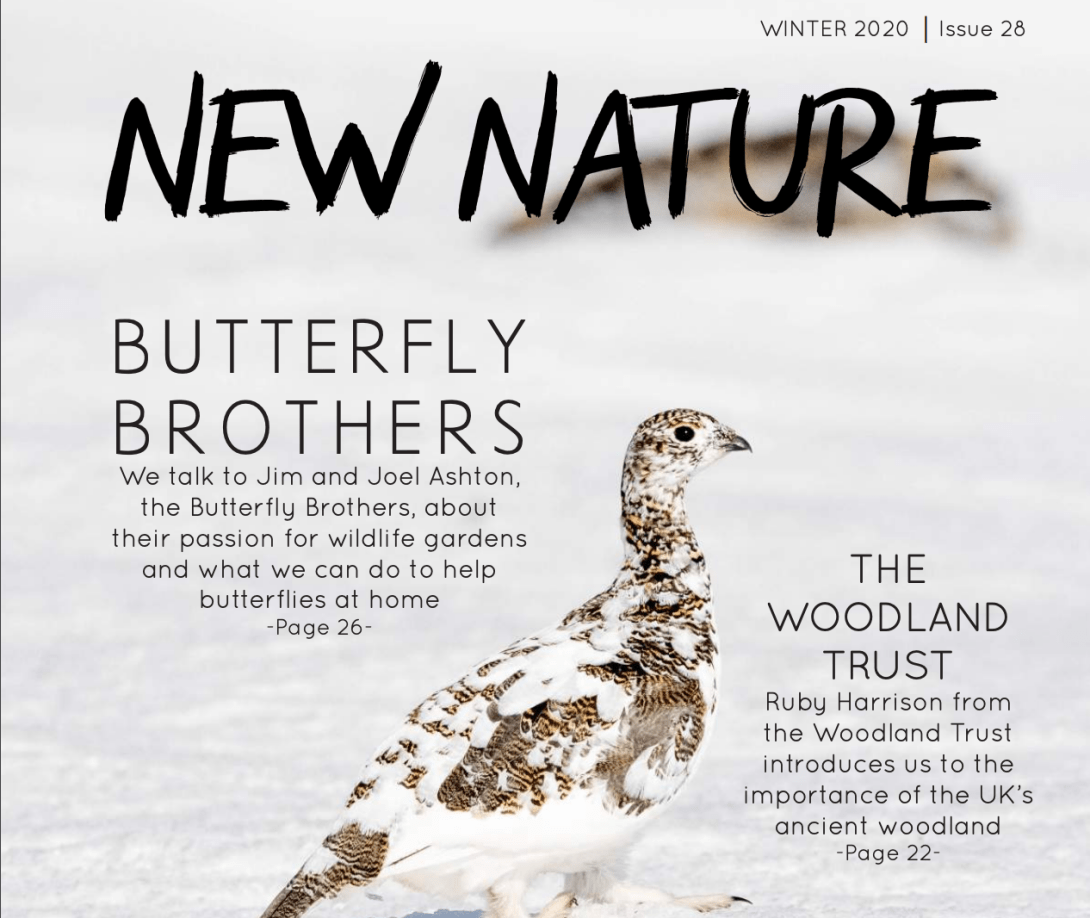
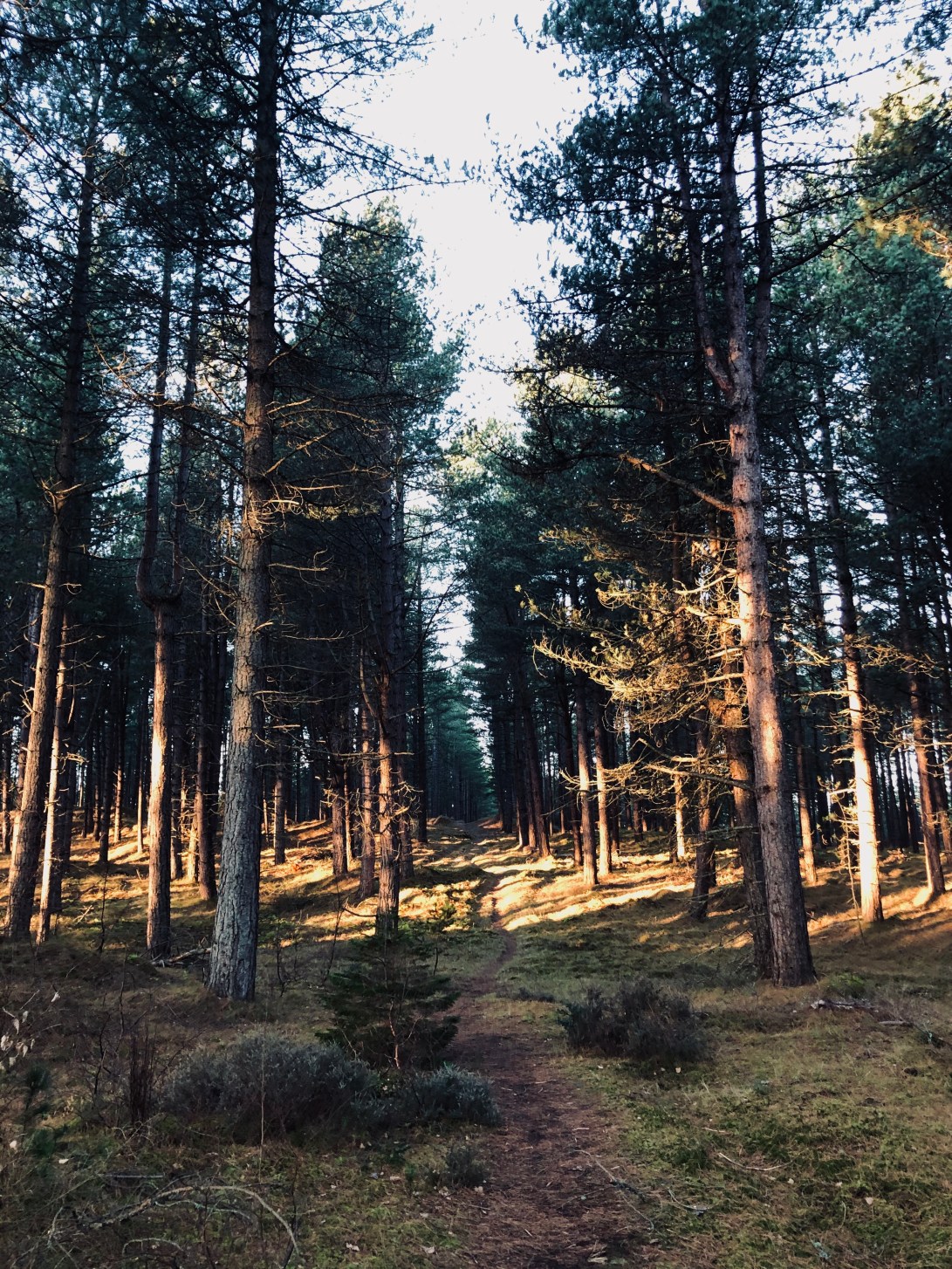
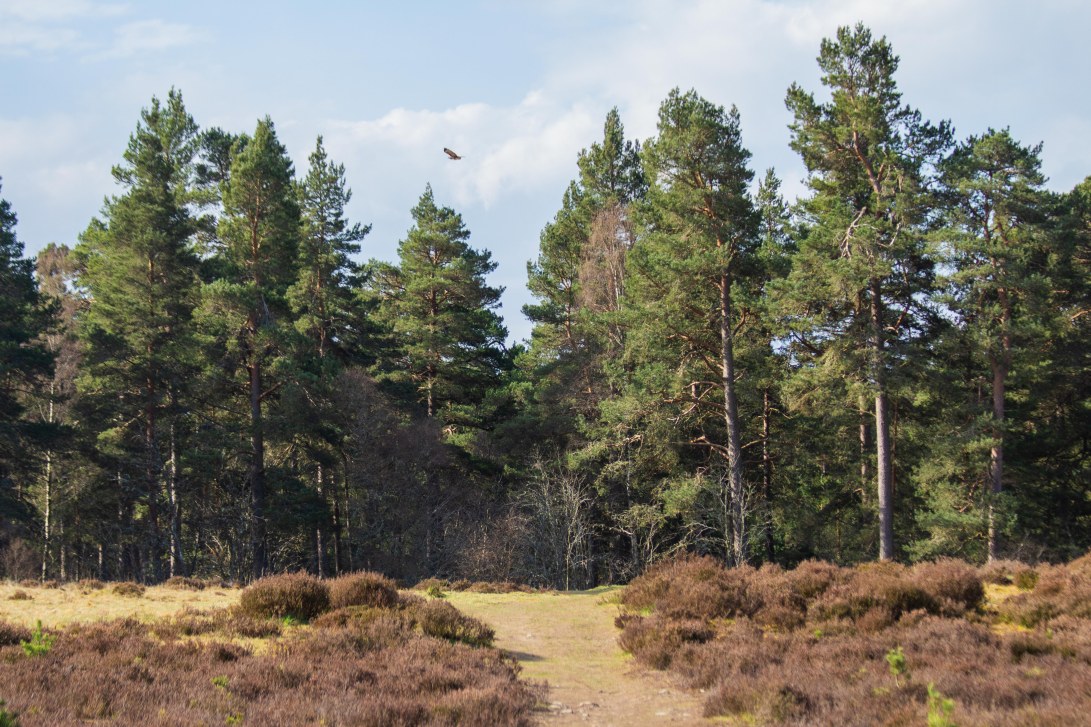
A few years ago I had an article published in New Nature magazine about my time in the Cheviot Hills in Northumberland. In autumn last year I pitched another article, this time about my visit to Anagach Woods in Grantown-on-Spey, my all time favourite area of woodland. There was no room in the autumn issue but it has just been published in the first issue of 2020.

New Nature is written, designed and produced entirely by young people. It features the work of ecologists, photographers, ecologists and writers. Its purpose is primarily to entertain, but with an underlying mission to celebrate wildlife and encourage its protection. I feel proud to be part of a project run by the younger generation and know that I have contributed alongside a team of talented and passionate individuals.

To read the latest issue of the magazine, click here.


Screenshot 2020-01-28 at 10.31.26

Relocation

For the past few months, I’ve had a growing sense of being in the wrong place. I’ve lived in Hertfordshire all my life, but since coming back from university in Cumbria, I haven’t felt like I’ve belonged in the south. Throughout my childhood and adolescence, I’ve been lucky enough to spend a lot of holidays and days out in Scotland, and I’ve started to realise that I’m happiest there. Inspiration comes easier, as does my ability to concentrate. There is a wealth of material to write about and the landscape cries out to be drawn and painted. Although I’ve never lived in a city, there is a feeling of congestion in the south that I’ve been more and more affected by. This feeling completely disappears in Scotland. There are fewer people and more animals, which my inner introvert loves.

So, I can now finally say that I am moving to Scotland. I came to the conclusion that I should do what makes me happy and be in a place where creativity and imagination are enhanced by the land around me. I want to walk in woods where there are pine martens and hike up hills where there are golden eagles! I’ve been lucky enough to see some iconic Scottish species already, including martens and eagles, but others are still mysteries. I doubt I’ll ever catch a glimpse of a Scottish wildcat, but just knowing that they are there somewhere is so exciting.

IMG_0371

Every time I drive along the A96 during visits to my parents in Moray, often with dense forest pressing in on both sides, I peer into the shadows and imagine what creatures could be lurking between the trees. Of course, there are many beautiful places in Hertfordshire, but none within walking distance of where I live. I can’t step outside my front door and see the ocean hurtling towards the shore. I can’t walk for five minutes and reach a 1700 acre forest, or look into a sky full of stars and hope for the aurora borealis to show. I can do all of this from my parents’ house, where they live at the end of a peninsula jutting out into rumbling waves.

I’m currently staying with my parents for a few days and I can’t believe that this stunning place will soon be my home. I am studying for my MA until 2021, so the plan is to find some part time work or volunteering in conservation to fill my time alongside my studies and keep the CV fresh. I have so many goals for my new life in Scotland, including:

  • Do the North Coast 500 – an epic road trip around the entire northern tip of Scotland
  • Properly see otters – so far I’ve only seen a distant shadowy lump at night
  • See a basking shark
  • Go wild swimming – I’ll wait until summer for this one
  • Go kayaking in a loch
  • Visit all the major islands starting with Skye, Jura and Islay
  • See the Northern Lights – seemingly equal to seeing a unicorn but it is actually possible!
  • Learn some Gaelic – I’m fascinated by Gaelic – my favourite discovery so far is the name for the white-tailed sea eagle “lolaire suile na greine”, which translates as “the eagle with the sunlit eye”

Despite having visited Scotland on and off for the past 17 years, there is still so much I haven’t seen, and when I move I will have complete freedom to explore. After my next residential trip for university in February I shall be ready to leave life in the south behind me and begin a new, and far wilder, chapter in the north.

IMG_0370

Onwards and Upwards

My last post was all about reflecting on 2019. This one is about looking forward to 2020. It’s easy to write a long list of New Year’s resolutions but a little trickier to stick to them. So, this year I want to develop habits that I already have, starting with my art.

Last year saw a surge in my artistic activity. I can’t remember quite how it happened, but I know that starting a nature journal certainly helped. As well as nature I use my journal for tickets, feathers, pretty page borders and scribblings. One of my new evening past times is sketching whilst curled up on the sofa in my favourite spot. It’s a one-stop shop for all my creative energy and seeing the book get fatter only encourages me more. The journal is particularly useful for making notes on walks, although I still need to kick the bad habit of wanting every page to look Pinterest-worthy. I make title pages each month and have bought a dinky old-fashioned library stamp to date each entry. It’s by no means perfect, but so far it has proven to be a useful tool for getting me drawing and painting again.

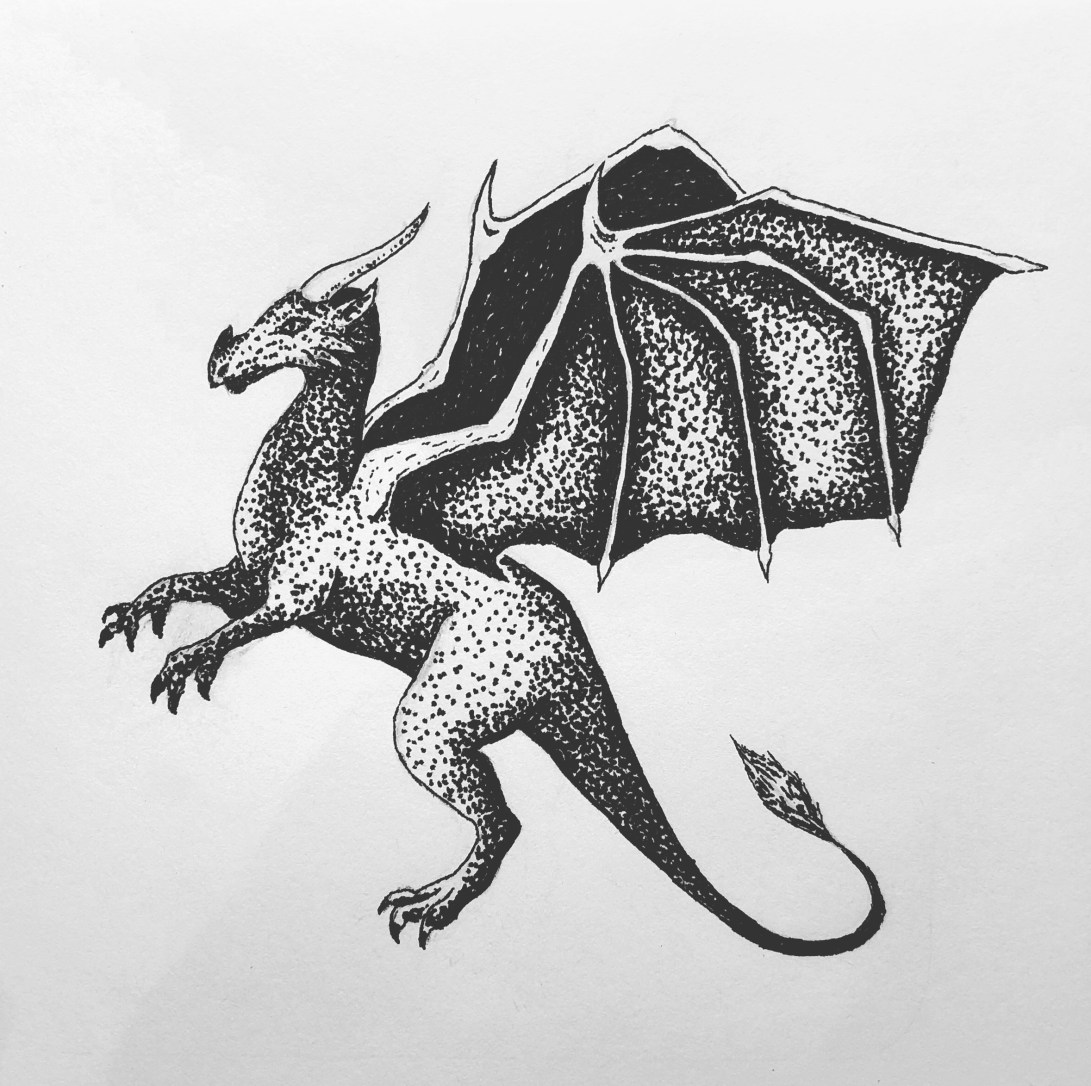
Linked to this is a new art challenge: Inktober 52. The original version was a drawing prompt for every day in October, but that sadly didn’t quite happen. Luckily for me there’s a weekly version starting in 2020 – 52 new drawings that I can add to my portfolio. The first prompt was FLIGHT so I drew a dragon with my new Faber-Castell pens I got for Christmas. I really want to stick to Inktober 52 and I can’t wait to get next week’s prompt!

C34767BE-2C12-4BF8-A468-B925793D3D36

Alas, where there’s play there has to be work. I’m feeling really optimistic about my writing moving forwards. The MA has already provided a structure for developing my work and, perhaps most importantly, trying to get paid for it. The self-led trip in April will be an important test of my ability to pitch to publications. Today I spent many hours poring over Scottish magazines and I was pleased to see that a lot of my ideas hadn’t been featured. There’s still a lot to organise, but I’m so excited to see what happens over the next few months.

Another thing I would like to do this year is establish a better work structure. I have quite a few different types of work including MA assignments, freelance pieces and personal writing, and my long to-do list was getting a little daunting. This year I’d like to try assigning a certain type of work to a specific day, so on that day I only have a few tasks to concern myself with. Blocking out time will hopefully mean I get jobs done more efficiently and make time for the things that get neglected, such as my fiction projects.

Something I certainly need to make more time for in 2020 is exercise. After a fairly consistent feast of mince pies, Yorkshire puddings and apple sauce over Christmas and the uninspiring rainy weather, my fitness has undoubtedly suffered. What’s more insulting is that my monthly gym membership still zips out of my account even when I don’t actually go… Although the idea of jogging makes me want to crawl into a ball and play possum, I want to embrace power walking and forest walking more this year.

IMG_1489
Buzzard gliding over Anagach Woods, Grantown-on-Spey

Lots to be getting on with! I’ve seen a few people choosing one word to summarise the coming year so I’ve decided that mine will be “improve”. It may sound simple but it’s what I want to do every year, whether that’s learn something new, develop a skill I’ve already been working on or change something for the better. Basically any small victory that brings me closer to my goals. I hope 2020 will bring lots of improvements!


2019 Wrapped Up

Christmas is here again, which means it’s time to reflect on what I’ve achieved in 2019. I still have a long way to go before I can really call myself a freelance writer, but I’m so proud of the progress I’ve made this year.
img_3859

A particularly significant event was the Grant Arms Wildlife Book Festival in April, where I travelled to the beautiful Cairngorms National Park to stay in what is undoubtedly the coolest hotel in the UK for wildlife lovers like me. I attended some fascinating talks, met many established writers and was thrilled to see my first pine marten. However, perhaps the most influential moment was meeting author Stephen Moss, who runs the MA in Travel and Nature Writing at Bath Spa University. We sat down for a chat and spoke about my work so far, and after our talk I began to think seriously about doing a masters. I was sad to leave the beautiful wilderness of Grantown-on-Spey behind, but I was also intrigued by the possibility of further study and what it could do for me.

img_3262_lively

In the summer I visited Madrid – my first solo trip to a non-English speaking country. I don’t think it occurred to me how daunting that prospect could be until I arrived and realised that my A Level Spanish was a lot rustier than I had anticipated. Nonetheless, despite the language barrier and the most intense heat I have ever experienced, I really enjoyed my stay and learnt a lot about my resilience when travelling alone. Madrid is a beautiful city that I would love to return to some day, just in a slightly cooler season! The highlight was undoubtedly the flamenco show on my last night – that experience will stay with me for a very long time.

P1000122

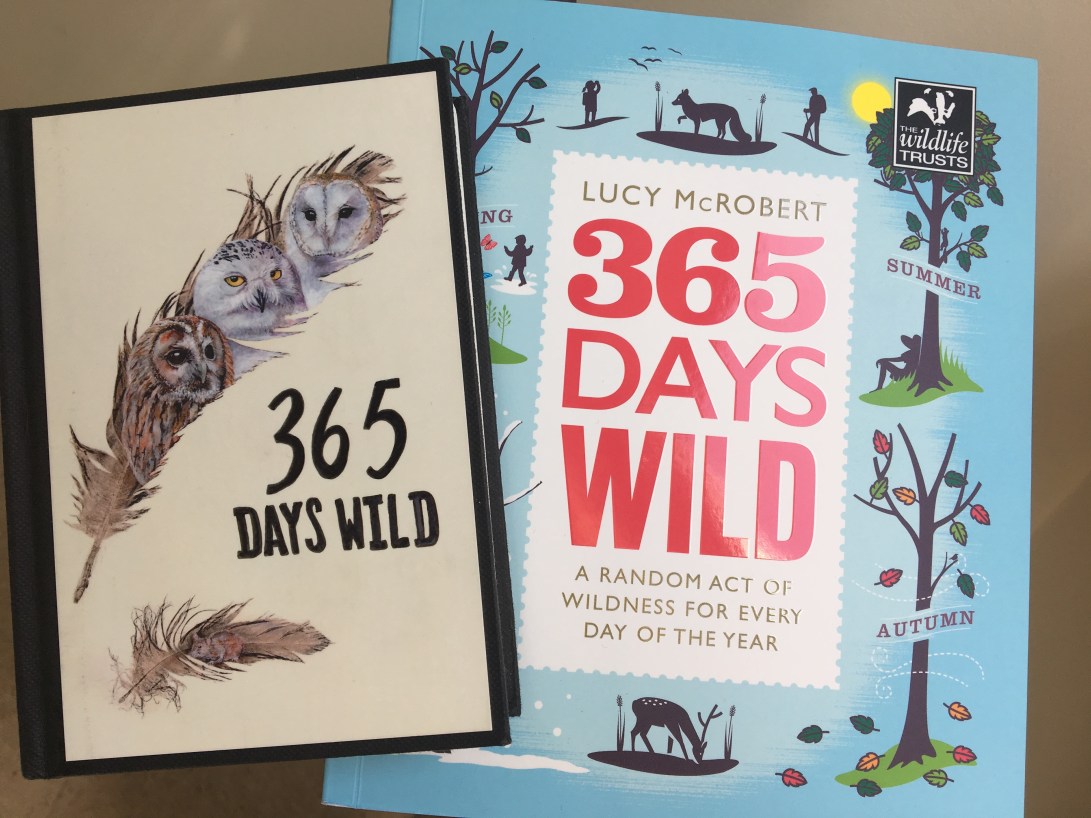
Not long after Madrid it was time to drive up to Rutland Water nature reserve for Birdfair, which has now become a yearly tradition. I caught up with good friends from uni, met the lovely Lucy McRobert and finally christened my new tent in the campsite. As always, Birdfair was a fantastic networking opportunity and I met some lovely authors and conservationists who were keen to share their advice. I also saw Stephen Moss again and bought rather too much wildlife art…
IMG_4060

September saw some more networking at the AFON conference – I’d never seen so many young naturalists in one place and I felt proud to be part of that community. During the weekend I introduced myself to author and illustrator Tiffany Francis, who is one of the loveliest people I’ve ever met. I swapped Instagrams with lots of inspiring writers and conservationists, many of whom I’ve stayed in contact with since. Events like the AFON conference are such a great way of reaching out to like-minded people and I was so happy to build my network further.

IMG_4207

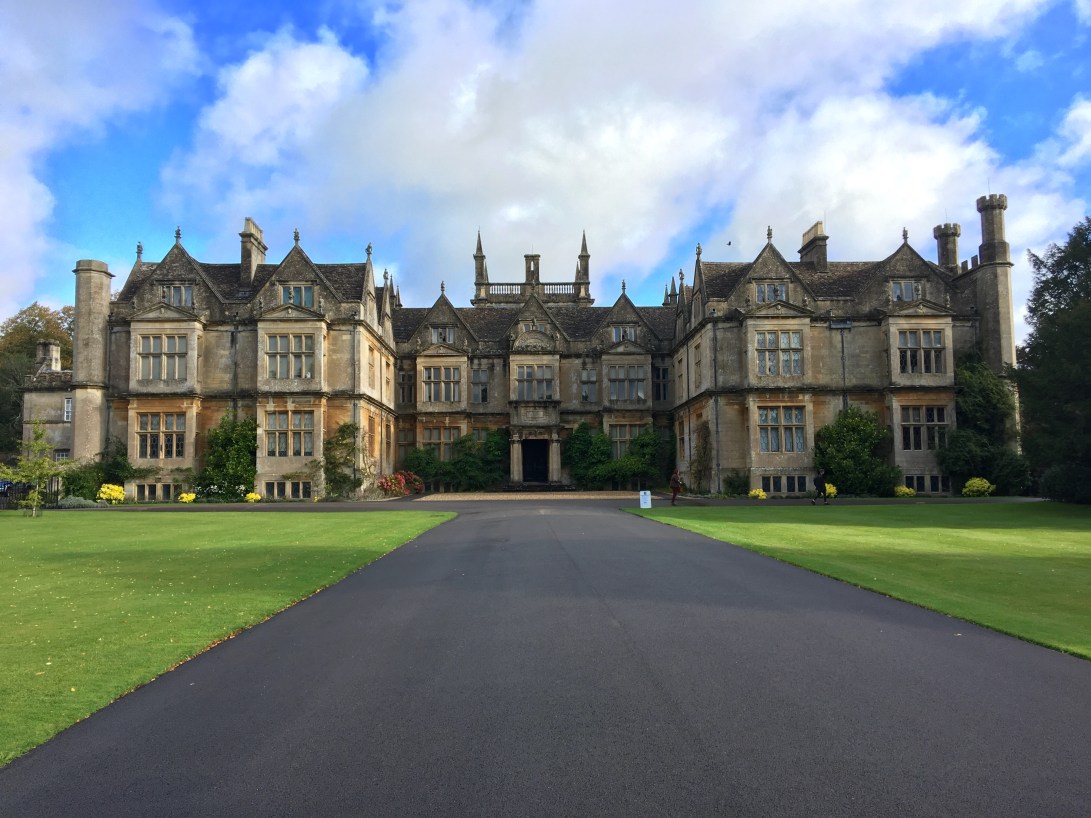
In October there was a very big change: beginning the MA. The week-long residential in Corsham was a chance to meet my fellow students and be introduced to the way the degree was run. I’m sharing the year with a diverse and enthusiastic group of people and I already feel close to them after so little time. An unexpected achievement has been my rekindled love for drawing and painting, which has proven to be a great tool for inspiration. So far I have submitted two assignments for the course and have been really pleased with my results. The second term will begin in the new year and I can’t wait to tackle the next module – a trip completely organised and funded by me where I need to try and get writing commissions from professional publications. Naturally I’m apprehensive about it, but I’ve done this before with the Isles of Scilly so I know once I begin my research I’ll be away.
IMG_4272

Finally, the end of 2019 saw my first official commissions – two for Blue Sky Wildlife, two in Hertfordshire Life magazine and the completed annual report for SEZARC. The team in Florida loved what I’d done and have now asked me to make the next report for 2019, which I can’t wait to get started on. In fact, I’m excited to announce that I shall be visiting Florida again in 2020. Not only will it be a chance to see my friends and work colleagues, but also a fantastic opportunity to gather new images to use in the next report. I don’t know when it will be yet, but I’m so excited to get the details in place.

I began this year feeling a little shaky and unsure of exactly where I planned to go. I still don’t have everything figured out, but the commissions have given me a real boost of confidence. It has been great meeting other naturalists including young women like Tiffany Francis and Lucy McRobert, as well as everyone on my course who are all making amazing contributions to wildlife writing. I have a great feeling about 2020, and I can’t wait to see where I am this time next year.
Winter Walks in Hertfordshire


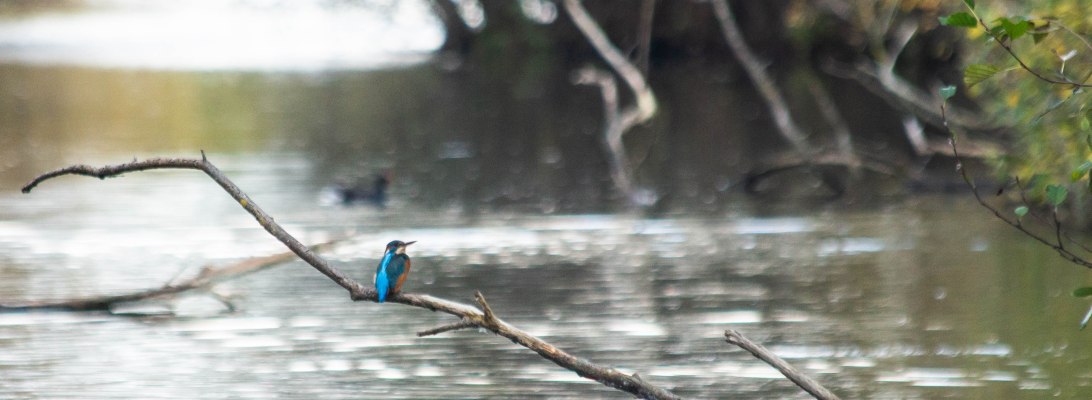
I am so pleased to announce that I have another article published in Hertfordshire Life magazine. This piece was inspired by wintery walks around the county and focussed on three Herts and Middlesex Wildlife Trust sites in particular: Lemsford Springs, Amwell and Stocker’s Lake. During my visit to Stocker’s Lake, I was treated to an incredible kingfisher sighting – my first glimpse of the bird that wasn’t just a zoomy blue blur dashing up the river. I also spent the afternoon watching great crested grebes, ring-necked parakeets and shovelers.

IMG_2252

Other avian highlights at these reserves include green sandpipers, fieldfare, redpolls and spew, a particularly striking bird that overwinters from Russia and Scandinavia. I learnt so much researching this article and it’s such a thrill to see it in print. For anyone living in Herts, get yourself a copy and get inspired during these chilly winter months!

6) Herts Life Jan 1

Nature Journal

I can’t believe I’m already two assignments into my master’s degree. Both have been based around the theme of “Writing in the Field” – writing outside as opposed to a typical office environment. This was really useful for me, as up until now I’ve mostly written brief notes outside and then typed them up later at my desk. While this worked for jogging memories, it occurred to me that I was losing out on a lot of detail this way. Photos reminded me of things I saw, but I was glossing over other sensations such as smells, sounds and textures. By paying attention to these senses I found I could create a fuller, more immersive piece of writing that really put the reader in the field with me.

Art 10
Inspiration for a fantasy fiction piece

For my first assignment I decided to start a nature journal that I planned to take with me whenever I was out in nature. This would be the basis for my essay in the first assignment. During my research I discovered that many writers use journals to enhance their writing experience. Charles Darwin kept perhaps the most well known example during his voyages on H.M.S Beagle but there are numerous others. Author and artist John Muir Laws said that “journaling will slow you down and make you stop and look.” American author and scientist Aldo Leopold’s nature journals were so significant that the resulting essays became valuable contributions to the field of phenology – the study of seasonal natural phenomena. I also found several studies indicating that being outside is beneficial to creativity, so it made sense to do more writing outdoors!

Art 8
An illustration for a piece of scientific writing about roe deer

I found that my nature journal not only benefitted my writing but also enabled me to concentrate more on my art. I was keen to make the pages pretty and yearned to have a journal that would be cool enough for Pinterest. I’ve always loved drawing and painting but it’s often taken a back seat. My usual excuse is that I have no time, but over the past few weeks I’ve started to create quite a large body of work just by snatching a few minutes here and there to make a sketch. I bought a travel watercolour palette with a brush containing its own water which has been a lifesaver. Now I can pop my paints in my bag and take them anywhere, and I’ve really got on well with it so far. I deliberately bought a journal with a ring binder, so I can remove and insert the hole punched pages wherever I want them. A lot of my conventional notebooks have failed so I think having the freedom to go back and add pages in later has helped to keep the creative flow going.

Art 7
Burghead Harbour, the scene of a reflective piece about night walks

Writing and illustration go well together, so I decided to create a small drawing or painting for each piece in my second assignment – a portfolio of nature and travel writing from the field. I’ve loved setting art projects for myself again, which I haven’t done since school. Not only does it bring some variety to my writing, but it’s enhanced my observational skills by forcing me to note the fine details of my environment. I’m really looking forward to seeing how my nature journal progresses and I hope I can maintain it until the end of my course and beyond!

Art 9
A worm’s eye view to illustrate a sci-fi fiction piece

Published!

This month I was thrilled to have an article and two photographs published in the Christmas issue of Hertfordshire Life magazine. I have started volunteering as a Communications Assistant for the Herts and Middlesex Wildlife Trust, and as part of my work I was able to write a festive article about twelve wild things to see and do at Christmas.

4) Herts Life Dec 14) Herts Life Dec 2

In the past I’ve had a few articles published on websites and a column in a local Cumbrian newspaper, but this was my first full-length article in print and I was overwhelmingly proud. Hertfordshire Life is a beautiful and professional publication, and I was so grateful to be given the chance to contribute to one of its issues.

Even more excitingly, I have submitted another article which shall be published in the next issue in a few weeks. This one will be about winter walks to banish the January Blues and I can’t wait to see it!

The British Wildlife Centre

The British Wildlife Centre (BWC) is a little pocket of countryside that combines wetland, woodland and marsh to create the ideal natural environment for around forty species native to the UK. The centre is home to birds, mammals and reptiles, some of which have been rehabilitated because of permanent injury or too much contact with humans. They range in size from harvest mice to red deer with all sorts in between. It’s a particular treat to be able to see animals native to Scotland such as the pine marten and the Scottish wildcat, the latter of which is now critically endangered.

IMG_2172
Pine marten

Five years ago, I attended one of the BWC’s photography days, which was a fantastic opportunity to practise using my new telephoto lens and get to grips with wildlife photography. Taking part in the photography day enables guests to visit the centre out of hours and get even closer to the animals. Recently I decided to return to the BWC and see what I could capture.

A lot of wildlife writers I know don’t post about captive wildlife. I can understand why – regardless of the facility it is the concept of animals in cages that they don’t agree with. However, the BWC isn’t cramming elephants into its enclosures. Conservation of British wildlife is at the forefront of their objectives and this is done primarily through education. When the centre is closed to the public, the BWC welcomes school groups and those in higher education to provide “a real natural history experience”. What I love most about the BWC is that it aims to promote greater involvement in British wildlife by giving children and students an opportunity to study native wildlife in a natural setting.


IMG_2077
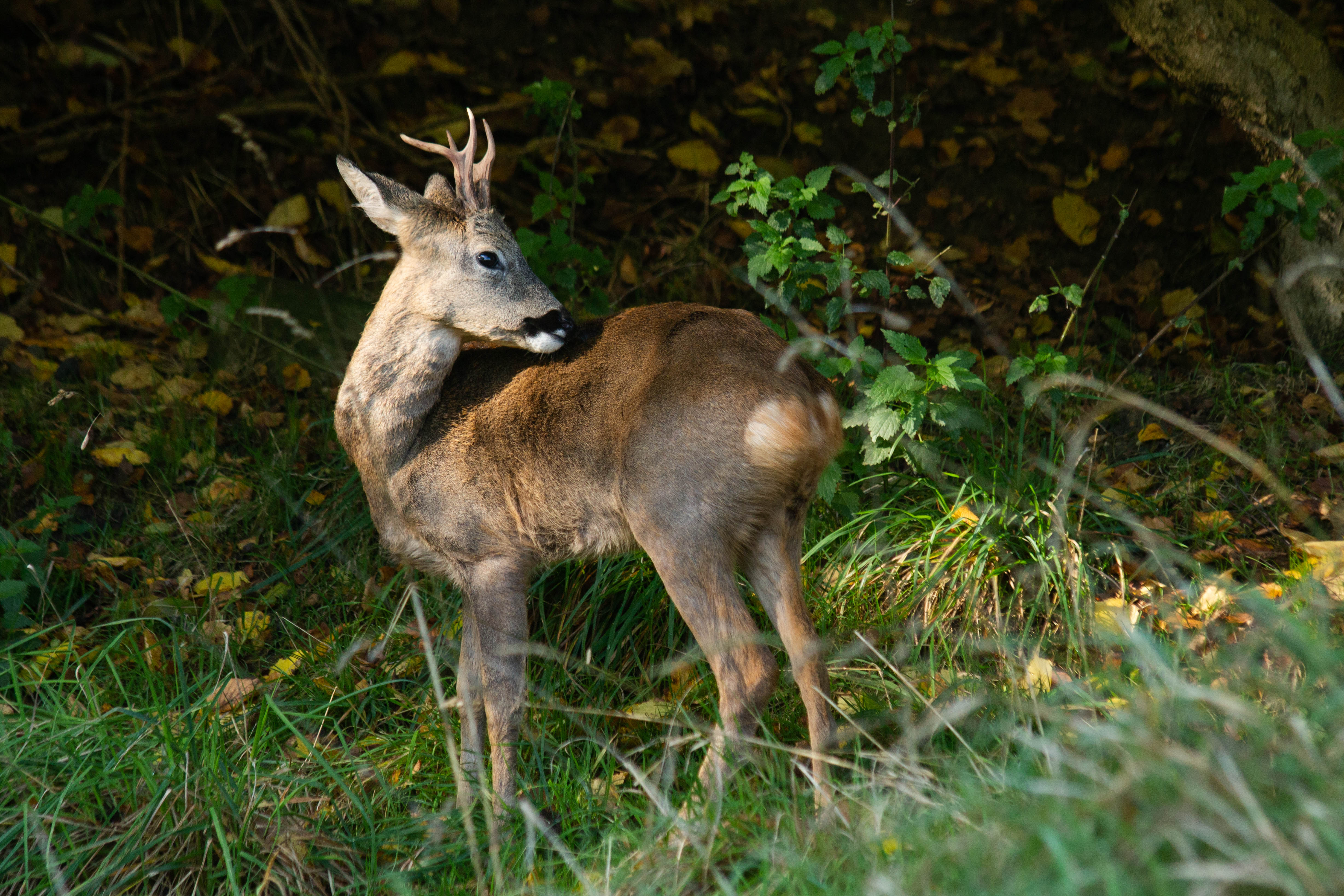
Roe buck

A particular favourite of mine was Flo the red fox. She rested with her eyelids drooping, her fur glistening fiery orange in the bright sun. She is one of the animals that has become too habituated with humans to be released, so she enjoys unlimited cuddles from the keepers. I sat down beside the fence and she got to her feet, stepping through the grass to lie down close to me. I took the chance to admire the stunning brush tail that swept around her back legs, her wet black nose and long whiskers. It was impossible to see how anyone could hate such a stunning animal. I sat with Flo for a while, the two of us basking in unnaturally hot November weather until a family with children approached and she trotted over to say hello.

IMG_2121

Escape to the Wilds

Recently I travelled up to Northumberland to visit friends from university. They are two of the busiest people I know, so I was pleased to be able to steal a few days in October to catch up and visit their local patch.

The first thing I experienced was severe house envy. Wildlife art adorned every wall; the sort of beautiful paintings and drawings that I planned to splash all over my own home some day. However, it was the bookshelf that really caught my attention. Sprawled across an entire wall and almost reaching the ceiling, it was crammed with every book on natural history you could want. Not just modern paperbacks but antiquarian hardbacks with leather bound covers and swirling gold titles. In front of every row of books was an envious selection of treasures: pinecones, gannet eggshells, roe deer antlers, pin badges, lino prints, Wade Whimsies, fossils, gemstones, lichens, miniature animal wood carvings and a beautifully preserved badger skull with its lower jaw intact. I spent ages studying everything in turn, gravitating first to the roe antlers. I have a roe buck skull of my own – one of my most prized possessions – but I still long to find dropped antlers too. It was an impressive collection of everything nature, framed by dozens of books from my wish list.

I stayed with my friends for a long weekend and managed to cram quite a lot into those few days. Heather and I visited a fantastic patch of woodland, which was home to not only red squirrels but also pine martens! I knew we probably wouldn’t catch a glimpse of one during the day, but it was still exciting to walk among trees that might be housing a sleeping marten. It was so peaceful and quiet with only faint birdsong punctuating the air. As we searched for fungi to photograph, I found a gorgeous caterpillar making its way along the fence. Later, we discovered it was a buff tip moth caterpillar.

IMG_1888

IMG_4477
Photo by Heather Devey

The next day I helped Heather with a “Mini Wildlife Adventure” that she was running for a child’s birthday party. The boy was intrigued by nature and so he and his friends spent the morning pond dipping, searching for bugs, finding badger prints and birdwatching in a hide. It was such a fantastic idea for a birthday party, and it was particularly refreshing to see that the boys had good wildlife knowledge and were genuinely excited by what they saw. Educating children about nature at a young age is the key to ensuring they continue to care about it when they grow up. Those boys would have spent hours pond dipping if we’d had the time, and it was so lovely to see.

IMG_4449
Here there be badgers

That evening Heather, Cain and I spent a peaceful last evening watching Sherlock with the fire cracking and snapping in the grate. It had been a pretty jam-packed weekend but as always, I felt inspired with a rejuvenated love for nature that always comes after a trip to northern England or Scotland. I sometimes struggle to feel that same passion at home in the south, where there are more people and noise and far fewer pine martens. I love escaping to the wilder parts of the UK and look forward to another wildlife adventure very soon.

IMG_4478
Photo by Heather Devey